
 Write a Review
Our Products
Our Complete range of products are Epotrend 6000 IU Injection, Eprorise 2000 IU Injection, Eporise 4000 Iu Injection, Renocrit 10000 IU Injection and Trulicity 0.75 Mg Injection.

Epotrend 6000 IU Injection is a prescription medication used for the treatment of anemia caused by chronic kidney disease, chemotherapy, or other health conditions that affect red blood cell production. It contains Erythropoietin, a hormone that stimulates the bone marrow to make more red blood cells, thereby improving oxygen transport in the body. Doctors prescribe Epotrend 6000 IU Injection to increase hemoglobin levels, reduce weakness, and lower the need for blood transfusions.
What is Epotrend 6000 IU Injection?
Epotrend 6000 IU Injection belongs to a group of medicines called hematopoietic agents. It helps correct anemia by boosting red blood cell count. The injection is usually administered either subcutaneously (under the skin) or intravenously (into a vein) under the supervision of a healthcare professional. By restoring hemoglobin levels, Epotrend 6000 IU Injection improves energy levels and overall quality of life in patients suffering from anemia.
Medical Uses of Epotrend 6000 IU InjectionChronic Kidney Disease (CKD): Patients with kidney disease often develop anemia, and Epotrend 6000 IU Injection helps correct low hemoglobin.
Cancer Chemotherapy: Cancer treatment can lead to anemia, which can be managed with Epotrend 6000 IU Injection.
Surgery Preparation: It may be prescribed before major surgery to reduce the risk of blood transfusions.
HIV-Related Anemia: Patients undergoing antiretroviral therapy may benefit from Epotrend 6000 IU Injection.
Benefits of Epotrend 6000 IU Injection
Promotes red blood cell production
Improves oxygen supply to organs and tissues
Reduces fatigue, weakness, and dizziness
Minimizes dependence on blood transfusions
Enhances energy levels and physical activity
With regular use under medical supervision, Epotrend 6000 IU Injection helps patients manage anemia effectively and live more actively.
Dosage and AdministrationThe dosage of Epotrend 6000 IU Injection depends on the patient’s medical condition, hemoglobin levels, and overall health. It is usually given by a doctor or nurse. In some cases, patients may be trained for self-administration. However, the dosage of Epotrend 6000 IU Injection should never be altered without medical advice.
Possible Side EffectsLike all medicines, Epotrend 6000 IU Injection may cause side effects, such as:
Headache
High blood pressure
Joint or muscle pain
Redness or pain at the injection site
Flu-like symptoms
Seek immediate medical help if you experience severe chest pain, sudden swelling, or difficulty breathing after using Epotrend 6000 IU Injection.
Precautions Before Using Epotrend 6000 IU InjectionInform your doctor if you have uncontrolled high blood pressure, heart disease, or seizures.
Regular monitoring of hemoglobin and blood pressure is necessary during treatment.
Pregnant or breastfeeding women should use Epotrend 6000 IU Injection only if prescribed.
Avoid overdosing, as it may increase cardiovascular risks.
Q1. What is Epotrend 6000 IU Injection used for?
It is used to treat anemia caused by chronic kidney disease, chemotherapy, or other medical conditions.
Q2. How does Epotrend 6000 IU Injection work?
It stimulates the bone marrow to produce more red blood cells, improving hemoglobin levels and oxygen supply.
Q3. Can Epotrend 6000 IU Injection be taken at home?
Yes, but only if your doctor has trained you for self-injection. Otherwise, it should be administered by a healthcare professional.
Q4. How long does it take for Epotrend 6000 IU Injection to show results?
Most patients notice improvements within a few weeks, depending on their response to treatment.
Q5. Are there any dietary restrictions while using Epotrend 6000 IU Injection?
A balanced diet rich in iron, folic acid, and vitamin B12 supports treatment. Always follow your doctor’s advice.
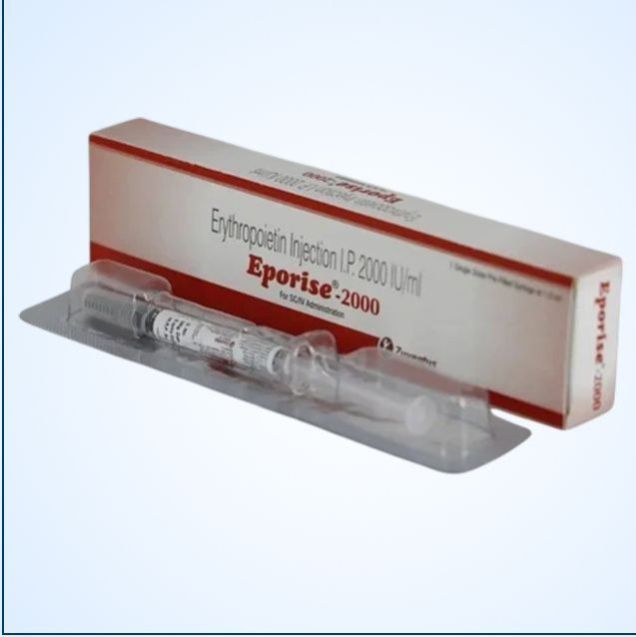
Eporise 2000 IU Injection is a prescription medicine commonly used in the treatment of anemia caused by chronic kidney disease, chemotherapy, or other medical conditions where red blood cell production is reduced. It contains Erythropoietin, a hormone that stimulates bone marrow to produce more red blood cells, thereby increasing oxygen supply to the body. Doctors prescribe Eporise 2000 IU Injection to improve hemoglobin levels, reduce fatigue, and enhance overall quality of life in patients suffering from low red blood cell counts.
What is Eporise 2000 IU Injection?Eporise 2000 IU Injection belongs to the class of hematopoietic agents. It works by promoting red blood cell formation and is particularly helpful for patients with anemia due to kidney failure or chemotherapy. The injection is usually administered under the supervision of a healthcare professional. Eporise 2000 IU Injection helps reduce the need for frequent blood transfusions and improves energy levels.
Medical Uses of Eporise 2000 IU Injection
Chronic Kidney Disease (CKD): Anemia is common in kidney disease, and Eporise 2000 IU Injection helps increase hemoglobin levels.
Cancer Chemotherapy: Cancer patients undergoing chemotherapy often develop anemia. Eporise 2000 IU Injection supports faster recovery.
Surgical Procedures: It is sometimes given before major surgeries to reduce the chances of blood transfusion.
HIV-related Anemia: Patients on certain medications may develop anemia, which can be managed with Eporise 2000 IU Injection.
Boosts red blood cell production
Enhances oxygen supply to tissues
Reduces weakness and fatigue
Lowers dependency on blood transfusions
Improves quality of life in anemic patients
Regular use of Eporise 2000 IU Injection as prescribed by a doctor can lead to significant improvement in energy and stamina.
Dosage and AdministrationThe dosage of Eporise 2000 IU Injection depends on the patient’s hemoglobin level, medical condition, and response to treatment. It is usually injected under the skin (subcutaneous) or into a vein (intravenous) by a trained medical professional. Self-administration should only be done if advised by a doctor.
Possible Side EffectsLike all medicines, Eporise 2000 IU Injection may cause some side effects:
Headache
High blood pressure
Injection site reactions
Joint or muscle pain
Dizziness
If you experience severe side effects such as chest pain, difficulty breathing, or sudden swelling, seek immediate medical help.
Precautions Before Using Eporise 2000 IU Injection
Inform your doctor if you have high blood pressure, seizures, or heart problems.
Regular monitoring of hemoglobin and blood pressure is essential.
Pregnant or breastfeeding women should use Eporise 2000 IU Injection only if prescribed.
Avoid overdosing, as it may increase the risk of heart complications.
Q1. What is Eporise 2000 IU Injection used for?
It is used to treat anemia caused by chronic kidney disease, chemotherapy, or other medical conditions.
Q2. How does Eporise 2000 IU Injection work?
It stimulates bone marrow to produce red blood cells, improving hemoglobin levels and oxygen supply.
Q3. Can Eporise 2000 IU Injection be taken at home?
Yes, but only if your doctor has trained you for self-administration. Otherwise, it should be given by a healthcare professional.
Q4. Are there any dietary restrictions while using Eporise 2000 IU Injection?
A balanced diet rich in iron, folic acid, and vitamin B12 may support treatment. Always consult your doctor for specific advice.
Q5. How long does it take for Eporise 2000 IU Injection to show results?
Patients usually see improvements within a few weeks, depending on their health condition and response to treatment.
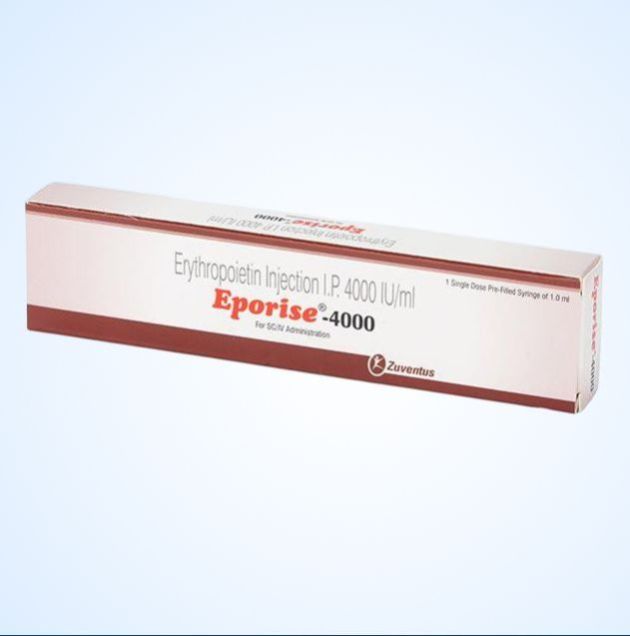
Eporise 4000 IU Injection is a prescription medicine used for the treatment of anemia, particularly in patients with chronic kidney disease, cancer chemotherapy, or other medical conditions where red blood cell production is reduced. It contains Erythropoietin, a natural hormone that stimulates the bone marrow to produce red blood cells. Doctors often prescribe Eporise 4000 IU Injection to increase hemoglobin levels, reduce fatigue, and minimize the need for blood transfusions.
What is Eporise 4000 IU Injection?
Eporise 4000 IU Injection belongs to a group of hematopoietic agents. It helps restore red blood cell count in patients suffering from anemia. The injection is administered under medical supervision either subcutaneously (under the skin) or intravenously (into a vein). By improving hemoglobin levels, Eporise 4000 IU Injection enhances oxygen delivery to tissues and boosts overall energy.
Medical Uses of Eporise 4000 IU Injection
Chronic Kidney Disease (CKD): Anemia is common in kidney failure, and Eporise 4000 IU Injection helps correct hemoglobin deficiency.
Cancer Chemotherapy: Cancer patients often experience low red blood cell counts, which can be treated with Eporise 4000 IU Injection.
Pre-Surgical Care: It may be given before surgery to reduce the need for blood transfusions.
HIV-Related Anemia: Patients on antiretroviral therapy may benefit from Eporise 4000 IU Injection.
Stimulates red blood cell production
Enhances oxygen supply to organs and tissues
Reduces weakness, dizziness, and tiredness
Lowers dependency on blood transfusions
Improves quality of life in anemic patients
When used as prescribed, Eporise 4000 IU Injection helps restore energy and vitality, making everyday activities easier for patients.
Dosage and AdministrationThe dosage of Eporise 4000 IU Injection varies depending on the patient’s hemoglobin level, age, and medical condition. It is usually injected by a doctor or nurse. In some cases, patients may be trained for self-administration at home. The dose of Eporise 4000 IU Injection should never be adjusted without medical advice.
Possible Side EffectsLike all medicines, Eporise 4000 IU Injection can cause side effects in some patients, including:
Headache or dizziness
High blood pressure
Pain or swelling at the injection site
Muscle or joint discomfort
Flu-like symptoms
Serious side effects such as chest pain, shortness of breath, or sudden swelling require immediate medical attention.
Precautions Before Using Eporise 4000 IU InjectionInform your doctor about high blood pressure, heart disease, or seizures.
Regular monitoring of hemoglobin and blood pressure is necessary.
Pregnant or breastfeeding women should use Eporise 4000 IU Injection only if prescribed.
Do not exceed the recommended dosage.
FAQs on Eporise 4000 IU Injection
Q1. What is Eporise 4000 IU Injection used for?
It is used to treat anemia in patients with chronic kidney disease, cancer chemotherapy, and other conditions affecting red blood cell production.
Q2. How does Eporise 4000 IU Injection work?
It stimulates the bone marrow to produce more red blood cells, thereby improving hemoglobin levels and oxygen supply.
Q3. Can Eporise 4000 IU Injection be taken at home?
Yes, but only if your doctor trains you on self-administration. Otherwise, it should be given by a healthcare professional.
Q4. Are there any dietary restrictions while using Eporise 4000 IU Injection?
A diet rich in iron, folic acid, and vitamin B12 supports treatment. Consult your doctor for personalized advice.
Q5. How long does it take for Eporise 4000 IU Injection to show results?
Most patients notice improvements within a few weeks, depending on their condition and response to treatment.
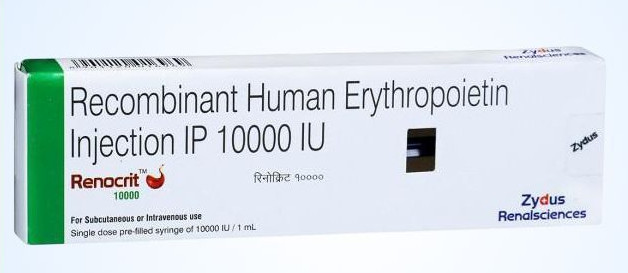
Renocrit 10000 IU Injection: Uses, Benefits, Dosage, and FAQs
Renocrit 10000 IU Injection is a prescription medicine used in the treatment of anemia caused by chronic kidney disease, cancer chemotherapy, or other medical conditions where red blood cell production is reduced. It contains Erythropoietin, a natural hormone that stimulates the bone marrow to produce more red blood cells. Doctors prescribe Renocrit 10000 IU Injection to increase hemoglobin levels, improve oxygen supply, and reduce the need for blood transfusions in anemic patients.
What is Renocrit 10000 IU Injection?Renocrit 10000 IU Injection belongs to the group of medicines called hematopoietic agents. It works by stimulating the bone marrow to produce healthy red blood cells. By increasing hemoglobin, Renocrit 10000 IU Injection helps patients overcome symptoms of anemia such as fatigue, dizziness, and weakness. The injection is administered either intravenously (into a vein) or subcutaneously (under the skin) by a healthcare professional.
Medical Uses of Renocrit 10000 IU Injection
Chronic Kidney Disease (CKD): Kidney patients often experience anemia due to reduced erythropoietin production. Renocrit 10000 IU Injection corrects this imbalance.
Cancer Chemotherapy: Chemotherapy frequently causes anemia, and Renocrit 10000 IU Injection helps restore hemoglobin.
Pre-Surgical Use: It is sometimes prescribed before major surgeries to reduce the need for transfusions.
HIV Therapy-Related Anemia: Patients undergoing antiretroviral therapy may benefit from Renocrit 10000 IU Injection.
Stimulates production of red blood cells
Improves oxygen supply to tissues and organs
Reduces symptoms of weakness and fatigue
Minimizes the need for frequent blood transfusions
Enhances stamina and quality of life in anemic patients
When used correctly, Renocrit 10000 IU Injection helps restore energy and vitality in patients suffering from anemia.
Dosage and Administration
The dosage of Renocrit 10000 IU Injection depends on the patient’s medical condition, age, and hemoglobin levels. It is generally injected by a doctor or nurse. Some patients may be trained to self-administer, but the dosage of Renocrit 10000 IU Injection should never be altered without medical advice. Regular monitoring of hemoglobin is essential during treatment.
Possible Side EffectsWhile most patients tolerate Renocrit 10000 IU Injection well, some may experience side effects such as:
Headache
High blood pressure
Joint or muscle pain
Pain or redness at the injection site
Flu-like symptoms
Seek immediate medical care if you experience chest pain, difficulty breathing, or sudden swelling after using Renocrit 10000 IU Injection.
Precautions Before Using Renocrit 10000 IU Injection
Inform your doctor if you have uncontrolled blood pressure, seizures, or heart disease.
Hemoglobin levels and blood pressure must be checked regularly.
Pregnant and breastfeeding women should use Renocrit 10000 IU Injection only if advised by a doctor.
Avoid overdosing, as it may increase cardiovascular risks.
Q1. What is Renocrit 10000 IU Injection used for?
It is used for the treatment of anemia caused by chronic kidney disease, chemotherapy, or other conditions.
Q2. How does Renocrit 10000 IU Injection work?
It stimulates bone marrow to produce more red blood cells, thereby raising hemoglobin and oxygen supply.
Q3. Can Renocrit 10000 IU Injection be taken at home?
Yes, but only if your doctor trains you in proper self-administration. Otherwise, it must be given by a healthcare professional.
Q4. How long does it take for Renocrit 10000 IU Injection to show results?
Most patients notice improvements within a few weeks, depending on their health condition.
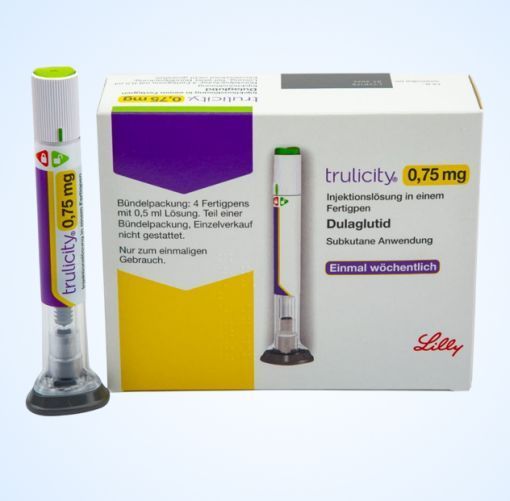
Trulicity 0.75 mg Injection is a prescription medicine used to treat type 2 diabetes mellitus in adults. It belongs to the class of drugs known as GLP-1 receptor agonists. Doctors prescribe Trulicity 0.75 mg Injection to help improve blood sugar control, either alone or in combination with other diabetes medicines. By managing glucose levels effectively, Trulicity 0.75 mg Injection also reduces the risk of long-term diabetes-related complications such as kidney disease, nerve damage, and heart problems.
What is Trulicity 0.75 mg Injection?
Trulicity 0.75 mg Injection contains dulaglutide, a GLP-1 receptor agonist that mimics the action of natural incretin hormones. It works by stimulating insulin secretion when blood sugar levels are high, reducing glucose release from the liver, and slowing gastric emptying. This results in better post-meal blood sugar control. Trulicity 0.75 mg Injection is administered once a week using a prefilled pen, making it a convenient option for diabetes management.
Medical Uses of Trulicity 0.75 mg Injection
Type 2 Diabetes Management: Trulicity 0.75 mg Injection lowers blood glucose when diet and exercise are not enough.
Combination Therapy: It can be used with other antidiabetic drugs such as metformin, sulfonylureas, or insulin.
Cardiovascular Protection: Clinical studies show that Trulicity 0.75 mg Injection may lower the risk of major cardiovascular events in adults with type 2 diabetes and existing heart disease.
Provides effective blood sugar control with weekly dosing
Reduces HbA1c levels in patients with type 2 diabetes
May support weight loss in some individuals
Helps lower the risk of cardiovascular complications
Easy-to-use prefilled pen for self-administration
By improving glucose balance, Trulicity 0.75 mg Injection supports long-term diabetes management and overall well-being.
Dosage and AdministrationThe recommended starting dose is Trulicity 0.75 mg Injection, administered once weekly under the skin (subcutaneously) in the thigh, abdomen, or upper arm. The injection can be taken at any time of the day, with or without food, but it should be used on the same day each week. Patients must follow the dosing instructions provided by their doctor. Trulicity 0.75 mg Injection should not be injected into a vein or muscle.
Possible Side EffectsCommon side effects of Trulicity 0.75 mg Injection include:
Nausea
Diarrhea
Vomiting
Abdominal pain
Decreased appetite
Rare but serious side effects may include pancreatitis, allergic reactions, or kidney issues. If you experience severe abdominal pain, breathing problems, or swelling, seek medical attention immediately.
Precautions Before Using Trulicity 0.75 mg Injection
Not suitable for patients with type 1 diabetes or diabetic ketoacidosis.
Inform your doctor if you have a history of pancreatitis, thyroid tumors, or severe gastrointestinal problems.
Pregnant or breastfeeding women should use Trulicity 0.75 mg Injection only under medical advice.
Avoid alcohol, as it may interfere with blood sugar control.
Q1. What is Trulicity 0.75 mg Injection used for?
It is used to lower blood sugar levels in adults with type 2 diabetes.
Q2. How does Trulicity 0.75 mg Injection work?
It mimics incretin hormones, stimulating insulin release, reducing glucose production, and slowing digestion.
Q3. How often should I take Trulicity 0.75 mg Injection?
It is injected once a week on the same day, with or without food.
Q4. Can Trulicity 0.75 mg Injection cause weight loss?
Yes, some patients may experience weight reduction, although it is not a weight-loss medication.
Q5. Can Trulicity 0.75 mg Injection be taken with insulin?
Yes, but only under medical supervision, as dosage adjustments may be required.
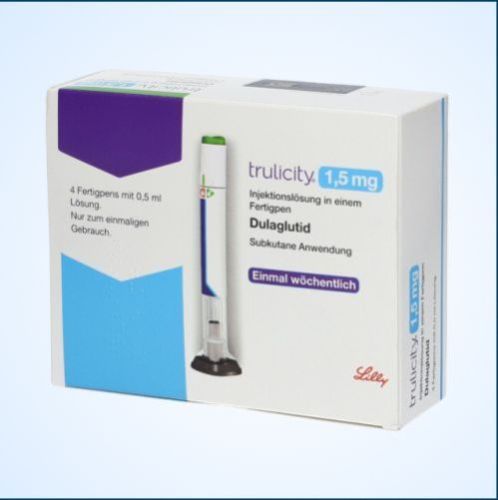
Trulicity 1.5 mg Injection: Uses, Benefits, Dosage, and FAQs
Trulicity 1.5 mg Injection is a prescription medicine used in the management of type 2 diabetes mellitus. It belongs to a class of drugs known as GLP-1 receptor agonists. Doctors prescribe Trulicity 1.5 mg Injection to help control blood sugar levels in adults, either alone or in combination with other diabetes medications. By improving blood glucose control, Trulicity 1.5 mg Injection helps reduce the risk of diabetes-related complications such as kidney problems, nerve damage, and cardiovascular issues.
What is Trulicity 1.5 mg Injection?
Trulicity 1.5 mg Injection contains dulaglutide, a GLP-1 receptor agonist that mimics the natural hormone incretin. It works by stimulating insulin release, reducing glucose production by the liver, and slowing down digestion. This leads to better control of post-meal blood sugar levels. Trulicity 1.5 mg Injection is administered once weekly through a prefilled pen, making it convenient for long-term use.
Medical Uses of Trulicity 1.5 mg Injection
Type 2 Diabetes Management: Trulicity 1.5 mg Injection helps lower blood sugar levels when diet and exercise alone are not enough.
Combination Therapy: It can be used with other oral antidiabetic drugs or insulin for better results.
Cardiovascular Risk Reduction: Clinical studies show that Trulicity 1.5 mg Injection may reduce the risk of major heart-related events in adults with type 2 diabetes and heart disease.
Benefits of Trulicity 1.5 mg Injection
Provides consistent blood sugar control with once-weekly dosing
Improves HbA1c levels in patients with type 2 diabetes
May support weight reduction in some patients
Reduces the risk of cardiovascular complications
Convenient and easy-to-use injection pen
By improving blood glucose control, Trulicity 1.5 mg Injection helps patients achieve long-term stability and better quality of life.
Dosage and Administration
The usual starting dose is Trulicity 1.5 mg Injection once a week, injected subcutaneously in the abdomen, thigh, or upper arm. The exact dosage may vary depending on blood sugar response and doctor’s recommendations. It should not be injected into a vein or muscle. Patients should use Trulicity 1.5 mg Injection on the same day each week for best results.
Possible Side Effects
Like all medicines, Trulicity 1.5 mg Injection may cause side effects, including:
Nausea
Diarrhea
Vomiting
Abdominal pain
Loss of appetite
Serious but rare side effects may include pancreatitis, severe allergic reactions, or kidney problems. If you experience persistent abdominal pain, difficulty breathing, or swelling, seek medical help immediately.
Precautions Before Using Trulicity 1.5 mg Injection
Not recommended for patients with type 1 diabetes or diabetic ketoacidosis.
Inform your doctor if you have a history of pancreatitis, thyroid tumors, or severe gastrointestinal issues.
Pregnant or breastfeeding women should use Trulicity 1.5 mg Injection only if prescribed.
Avoid alcohol consumption as it may worsen side effects.
FAQs on Trulicity 1.5 mg Injection
Q1. What is Trulicity 1.5 mg Injection used for?
It is used to control blood sugar levels in adults with type 2 diabetes mellitus.
Q2. How does Trulicity 1.5 mg Injection work?
It mimics the incretin hormone, stimulating insulin release and reducing glucose production by the liver.
Q3. How often should I take Trulicity 1.5 mg Injection?
It is taken once a week on the same day, at any time of day, with or without food.
Q4. Can Trulicity 1.5 mg Injection help with weight loss?
Yes, some patients may experience weight reduction as a secondary benefit, though it is not a weight-loss medicine.
Q5. Can Trulicity 1.5 mg Injection be used with insulin?
Yes, it can be combined with insulin or other diabetes medicines, but only under medical supervision.
 Mr. Kishan (KN Medlife)
 Address: 422,Amby Valley Arcade, opp. Santosa Height,, Utran, Surat, Gujarat - 394105, India
 Share us via