
 Write a Review
Our Products
Our product range contains a wide range of Ivermectin 3 Mg Tablets, ivermectin 6 mg tablets, Ivermectin 12 Mg Tablets, Ivermectin Tablet and Ivermectin 12mg
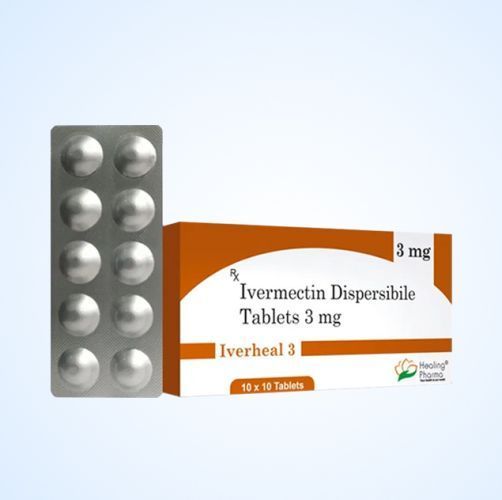
Ivermectin 3 mg: Uses, Side Effects, and Medicines
Ivermectin 3 mg is an anti-parasitic medication used to treat a variety of parasitic infections in humans. Belonging to the class of drugs known as anthelmintics, ivermectin works by interfering with the nervous system of parasites, causing paralysis and eventual death. It is widely used for conditions caused by worms, lice, and other parasitic organisms. While ivermectin is typically well tolerated, it is important to use it under the guidance of a healthcare provider.
Uses of Ivermectin 3 mgIvermectin 3 mg is used to treat several parasitic diseases, including:
Onchocerciasis (River Blindness): Ivermectin is a first-line treatment for onchocerciasis, caused by the Onchocerca volvulus parasite. The infection can lead to skin damage and blindness if untreated. Ivermectin 3 mg works by killing the microfilariae (larval stage) of the parasite, reducing the risk of long-term complications like vision loss.
Strongyloidiasis: This parasitic infection is caused by Strongyloides stercoralis, a type of roundworm. Ivermectin 3 mg is effective in treating this infection, which primarily affects the intestines but can spread to other organs. Ivermectin targets the larvae of the parasite, helping to clear the infection from the body.
Scabies: Ivermectin 3 mg is often used to treat scabies, a skin condition caused by the infestation of the Sarcoptes scabiei mite. This medication is particularly helpful for severe cases or when topical treatments are ineffective. It works by killing both the adult mites and their eggs, providing relief from symptoms like itching and skin rashes.
Head Lice: In cases of head lice infestations that do not respond to over-the-counter treatments, ivermectin 3 mg may be prescribed. It works by paralyzing and killing the lice and their eggs, helping to clear the infestation.
While ivermectin 3 mg is generally well tolerated, some individuals may experience side effects. Common side effects include:
Dizziness
Nausea
Fatigue
Abdominal discomfort
Diarrhea
In rare cases, more serious side effects can occur, such as:
Allergic reactions (e.g., swelling, rash, difficulty breathing)
Seizures
Liver problems
Neurological symptoms like confusion or tremors
Patients with a history of neurological disorders, liver disease, or weakened immune systems should use ivermectin with caution.
Medicines and InteractionsIvermectin 3 mg may interact with other medications, which could either increase the risk of side effects or reduce its effectiveness. Some notable interactions include:
Corticosteroids: Can enhance the central nervous system side effects when used with ivermectin.
Anti-parasitic drugs: Medications like praziquantel can increase ivermectin's effect or lead to toxicity.
Anticonvulsants: These may reduce ivermectin’s effectiveness by increasing its breakdown in the body.
It is important to inform healthcare providers about all other medications being taken to avoid potential drug interactions.
Conclusion
Ivermectin 3 mg is a highly effective treatment for several parasitic infections, including onchocerciasis, strongyloidiasis, scabies, and head lice. While side effects are generally mild, it is essential to take the medication under the supervision of a healthcare provider, particularly for individuals with pre-existing conditions or those taking other medications. Proper use ensures both safety and efficacy in treating parasitic diseases.
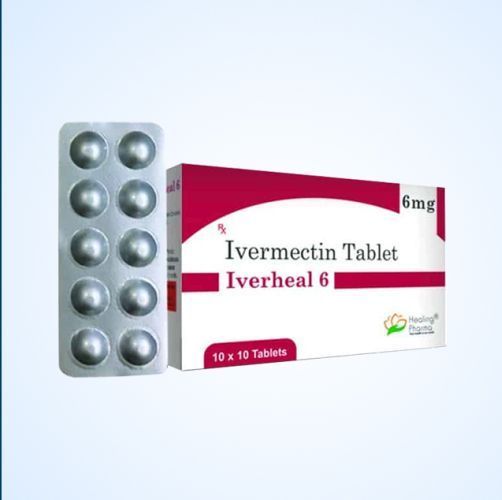
Ivermectin 6 mg: Uses, Side Effects, and Medicines
Ivermectin 6 mg is a widely used medication primarily for treating parasitic infections in humans. It belongs to the class of anti-parasitic drugs known as anthelmintics. By targeting the nervous system of parasites, ivermectin leads to their paralysis and eventual death. It is highly effective for treating several types of parasitic diseases, including those caused by worms, lice, and mites.
Uses of Ivermectin 6 mgIvermectin 6 mg is commonly prescribed for the treatment of various parasitic conditions. Some of the primary uses include:
Onchocerciasis (River Blindness): Ivermectin 6 mg is a key treatment for onchocerciasis, an infection caused by the Onchocerca volvulus parasite. This condition can lead to severe skin problems and blindness if untreated. Ivermectin works by killing the microfilariae, which are the larvae of the parasite, thus reducing the progression of the disease and preventing eye damage.
Strongyloidiasis: Ivermectin 6 mg is also used for treating strongyloidiasis, which is caused by the Strongyloides stercoralis parasite. This infection often affects the intestines but can spread to other organs. Ivermectin helps eradicate the parasite by targeting its larvae and preventing its further spread.
Scabies: For patients suffering from scabies, an itchy skin condition caused by the Sarcoptes scabiei mite, ivermectin 6 mg is used when topical treatments are ineffective, especially in severe cases. The drug works systemically to kill the mites and their eggs, providing relief from symptoms like itching and rashes.
Head Lice: Ivermectin is also used for treating head lice infestations, particularly in cases where conventional lice shampoos and treatments have failed. The medication targets the lice by affecting their nervous system, leading to paralysis and death.
Although ivermectin is generally safe when taken as prescribed, it may cause some side effects. Common side effects include:
Dizziness
Nausea
Fatigue
Abdominal discomfort
Diarrhea
In rare cases, more severe reactions can occur, including:
Severe allergic reactions (such as swelling, rash, and difficulty breathing)
Neurological symptoms like seizures, confusion, or tremors
Liver dysfunction
Ivermectin 6 mg can interact with other medications, which may either increase the risk of side effects or reduce the drug's effectiveness. Some of the key interactions include:
Corticosteroids: These can increase the risk of central nervous system side effects when used with ivermectin.
Other anti-parasitic drugs: Concurrent use with medications like praziquantel can alter ivermectin's effectiveness or increase side effects.
Anticonvulsants: These may decrease ivermectin’s effectiveness by enhancing its metabolism.
It’s important to inform your healthcare provider about all other medications being taken to avoid potential drug interactions.
Conclusion
Ivermectin 6 mg is a highly effective treatment for various parasitic infections, from onchocerciasis and strongyloidiasis to scabies and head lice. While it is generally safe, it is essential to use it under the supervision of a healthcare provider, as it can cause side effects and interact with other medications. Proper usage ensures the best therapeutic outcomes with minimal risks.
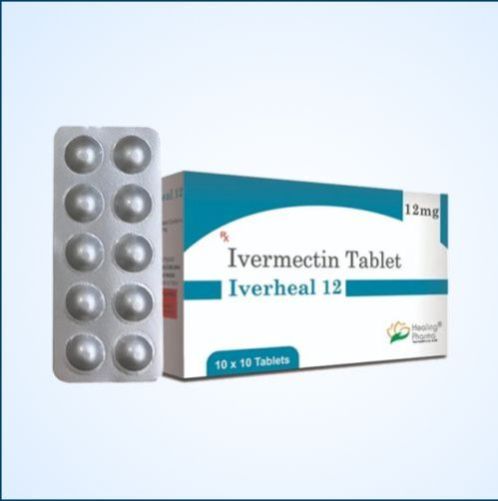
Ivermectin: Uses, Side Effects, and Medicines
Ivermectin is a widely used anti-parasitic medication that treats a variety of parasitic infections in both humans and animals. It is an essential drug in managing diseases caused by parasitic worms, lice, mites, and other similar organisms. Ivermectin works by interfering with the nervous system of parasites, leading to their paralysis and death.
Uses of IvermectinIvermectin has proven effective in treating several parasitic infections. Its uses in humans include:
Onchocerciasis (River Blindness): Ivermectin is one of the primary treatments for onchocerciasis, a condition caused by the Onchocerca volvulus parasite. This parasitic infection can lead to severe skin problems and blindness if untreated. Ivermectin helps reduce the load of microfilariae, the larval stage of the parasite, thereby reducing symptoms and preventing further damage to the eyes and skin.
Strongyloidiasis: This condition is caused by Strongyloides stercoralis, a parasitic roundworm. Ivermectin effectively clears the infection by targeting the larvae of the parasite, helping to control intestinal and systemic spread.
Scabies: Scabies is caused by the Sarcoptes scabiei mite, leading to itching and skin rashes. Ivermectin can be taken orally to treat severe or crusted scabies that is unresponsive to topical treatments.
Head Lice: Ivermectin is also used to treat head lice infestations, especially when topical treatments like shampoos fail.
In some regions, ivermectin is used in mass drug administration programs to control parasitic infections like lymphatic filariasis and to prevent river blindness in endemic areas.
Side Effects of IvermectinIvermectin is generally well-tolerated, but it can cause side effects in some individuals. Common side effects include:
Dizziness
Nausea
Fatigue
Abdominal discomfort
Diarrhea
Rare but more serious side effects can include:
Severe allergic reactions (such as swelling, difficulty breathing, or rash)
Seizures
Liver problems
In individuals with compromised immune systems or neurological conditions, ivermectin should be used with caution, as the drug can sometimes cause neurotoxicity, especially at higher doses.
Medicines and InteractionsIvermectin can interact with certain medications, which may increase the risk of side effects. For instance:
Corticosteroids: When used together, they may increase the risk of central nervous system side effects.
Other anti-parasitic drugs: Medicines like praziquantel, which is used to treat other parasitic infections, may enhance ivermectin’s effect or increase toxicity.
Anticonvulsants: These may reduce the effectiveness of ivermectin by increasing its breakdown in the body.
It is crucial to inform healthcare providers about all medications being taken to avoid harmful interactions.
Conclusion
Ivermectin is an important and versatile drug used to treat a variety of parasitic infections. While generally safe, it must be taken under medical supervision to manage potential side effects and interactions with other medications. Always follow the prescribed dosage and consult a healthcare provider for any concerns or questions regarding its use.
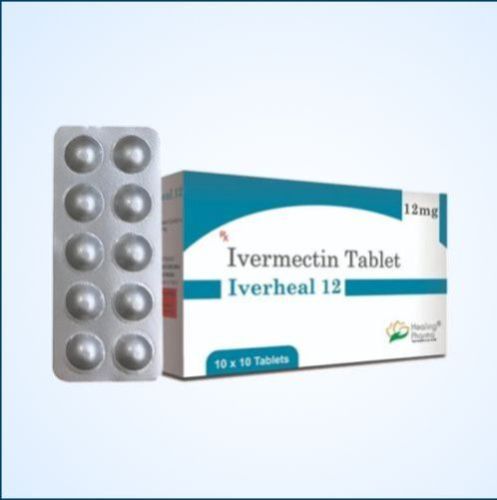
Ivermectin Tablet is a well-known antiparasitic medication widely used for the treatment of various parasitic infections in humans. Doctors prescribe Ivermectin Tablet for conditions caused by intestinal worms, external parasites like head lice, and skin conditions such as scabies. The effectiveness of Ivermectin Tablet has made it one of the most recognized antiparasitic drugs worldwide.
What is Ivermectin Tablet?Ivermectin Tablet is an oral medication that belongs to the class of antiparasitic agents. It works by paralyzing and eliminating parasites from the body. The medicine is particularly effective against roundworms, threadworms, and certain types of mites. Since its introduction, Ivermectin Tablet has played a vital role in controlling infections that impact millions globally.
Uses of Ivermectin TabletIvermectin Tablet is primarily prescribed for:
Onchocerciasis (river blindness) caused by parasitic worms.
Strongyloidiasis, a severe intestinal worm infection.
Scabies, a skin condition caused by mites.
Head lice infestations.
Other parasitic infections under medical supervision.
In many regions, Ivermectin Tablet has also been studied for additional therapeutic applications, but its approved uses remain focused on parasitic conditions.
Dosage and AdministrationThe dosage of Ivermectin Tablet depends on body weight, type of infection, and medical history. Doctors usually prescribe a single oral dose with water on an empty stomach. In some cases, a follow-up dose of Ivermectin Tablet may be required after a specific interval. Patients should never self-medicate or adjust the dosage without medical advice.
Benefits of Ivermectin TabletHighly effective against a wide range of parasites.
Simple oral administration.
Proven safety record when used correctly.
Helps reduce the spread of parasitic infections in communities.
Although generally well tolerated, Ivermectin Tablet may cause mild side effects such as nausea, dizziness, fatigue, diarrhea, or headache. Rarely, allergic reactions or severe skin rashes may occur. Medical supervision ensures safe use of Ivermectin Tablet, especially in patients with underlying health conditions.
Precautions and WarningsPregnant or breastfeeding women should consult a doctor before taking Ivermectin Tablet.
Patients with liver disorders must use Ivermectin Tablet cautiously.
It is important to follow prescribed dosage and avoid overuse.
Q1: What is Ivermectin Tablet used for?
Ivermectin Tablet is used for treating parasitic infections such as scabies, strongyloidiasis, onchocerciasis, and head lice.
Q2: Can I buy Ivermectin Tablet without prescription?
In most countries, Ivermectin Tablet is available only with a prescription to ensure safe use.
Q3: Is Ivermectin Tablet safe for children?
Doctors may prescribe Ivermectin Tablet for children above a certain weight and age, depending on the condition.
Q4: How long does it take for Ivermectin Tablet to work?
Ivermectin Tablet usually starts working within a few hours, but visible improvements in symptoms may take days.
Q5: Can Ivermectin Tablet be taken with other medicines?
Ivermectin Tablet may interact with certain medications, so medical guidance is necessary.
 Mr. Kishan (KN Medlife)
 Address: 422,Amby Valley Arcade, opp. Santosa Height,, Utran, Surat, Gujarat - 394105, India
 Share us via