Our Products
We offer a complete product range of N Butanol, Thf ( Tetrahydrofuran), Distilled ISO Propyl Acetate, Distilled ISO Propyl Alcohol (IPA) and Distilled Ethylene DI Chloride


1. Identification: - Chemical Name: N-Butanol - CAS Number: 71-36-3 - Synonyms: 1-Butanol, Butyl Alcohol, n-Butyl Alcohol - Uses: Solvent, fuel additive, chemical intermediate
\n
2. Hazard Identification: - Hazard Class: Flammable Liquid (Category 3) - Health Hazards: Causes skin irritation, may cause drowsiness or dizziness, harmful if inhaled - Precautionary Measures: Keep away from heat, sparks, open flames, and hot surfaces
\n
3. Composition/Information on Ingredients: - Chemical Formula: C4H10O - Concentration: 100%
\n
4. First-Aid Measures: - Inhalation: Move to fresh air; seek medical attention if symptoms persist - Skin Contact: Wash with soap and water - Eye Contact: Rinse cautiously with water for several minutes - Ingestion: Do not induce vomiting; seek medical help
\n
5. Fire-Fighting Measures: - Extinguishing Media: Dry chemical, CO2, alcohol-resistant foam - Hazards: Vapors may form explosive mixtures with air - Protection: Wear self-contained breathing apparatus (SCBA)
\n
6. Accidental Release Measures: - Personal Protection: Wear gloves, goggles, and protective clothing-
\n
- Spill Response: Absorb with inert material; ventilate area
\n
7. Handling and Storage: - Handling: Use in well-ventilated areas; avoid ignition sources - Storage: Keep in a cool, dry place in a tightly sealed containe
Additional Information:
Payment Terms :


1. Identification: - Chemical Name: Tetrahydrofuran (THF) - CAS Number: 109-99-9 - Synonyms: Oxolane, Butylene Oxide, Cyclotetramethylene Oxide - Uses: Solvent, reagent in chemical synthesis, polymer precursor
\n
2. Hazard Identification: - Hazard Class: Highly Flammable Liquid (Category 2) - Health Hazards: Causes skin and eye irritation, may cause drowsiness or dizziness, harmful if inhaled - Precautionary Measures: Keep away from heat, sparks, open flames, and hot surfaces
\n
3. Composition/Information on Ingredients: - Chemical Formula: C4H8O - Concentration: 100%
\n
4. First-Aid Measures: - Inhalation: Move to fresh air; seek medical attention if symptoms persist - Skin Contact: Wash with soap and water - Eye Contact: Rinse cautiously with water for several minutes - Ingestion: Do not induce vomiting; seek medical help
\n
5. Fire-Fighting Measures: - Extinguishing Media: Dry chemical, CO2, alcohol-resistant foam - Hazards: Vapors may form explosive mixtures with air; peroxide formation risk - Protection: Wear self-contained breathing apparatus (SCBA)
\n
6. Accidental Release Measures: - Personal Protection: Wear gloves, goggles, and protective clothing - Spill Response: Absorb with inert material; ventilate area
\n
7. Handling and Storage: - Handling: Use in well-ventilated areas; avoid ignition sources - Storage: Keep in a cool, dry place in a tightly sealed container; protect from light


Chemical Name: Isopropyl Acetate
Common Names: Acetic Acid Isopropyl Ester, IPAC
Chemical Formula: CHO
Molecular Weight: 102.13 g/mol
CAS Number: 108-21-4
Description:
Isopropyl Acetate (IPAC) is a clear, colorless, and highly flammable liquid with a characteristic fruity odor. It is an excellent solvent for a wide range of natural and synthetic resins, cellulose derivatives, oils, and waxes. Due to its balanced evaporation rate, low surface tension, and good solvency, IPAC is widely used in the coatings, adhesives, inks, and cleaning industries.
Applications:
Paints & Coatings: Solvent for nitrocellulose, acrylic, and urethane resins; provides smooth film formation.
Printing Inks: Used in flexographic and gravure inks for fast drying and excellent flow properties.
Adhesives: Used in pressure-sensitive and lamination adhesives due to its balanced solvency.
Cleaning Solvent: Suitable for precision cleaning, degreasing, and electronics applications.
Cosmetics & Fragrances: Used as a carrier solvent in perfumes and cosmetic formulations.
Pharmaceuticals: Utilized as an extraction and reaction solvent in synthesis processes.
Storage & Handling:
Store in tightly sealed containers in a cool, dry, and well-ventilated area away from direct sunlight, sparks, and open flames. Use explosion-proof electrical fittings. Avoid prolonged exposure to air and moisture to prevent hydrolysis. Ensure all containers are properly grounded during transfer.
Packaging Options:
180190 kg galvanized steel drums
ISO tanks or bulk tankers
IBC containers (on request)
Safety Information:
Hazard Class: Flammable Liquid, Class 3
UN Number: 1220
Precautions: Keep away from ignition sources and static discharge. Use only in well-ventilated areas.
PPE Required: Safety goggles, gloves, flame-resistant clothing, and proper respiratory protection if vapors exceed exposure limits.
Additional Information:
Payment Terms :
Packaging Details : 180 KGS IN DRUM
STANDARD NET PACKING
HDPE DRUM/MS DRUM


Chemical Name: Isopropyl Alcohol
Common Names: IPA, 2-Propanol, Isopropanol, Rubbing Alcohol
Chemical Formula: CHO
Molecular Weight: 60.10 g/mol
CAS Number: 67-63-0
Description:
Isopropyl Alcohol (IPA) is a clear, colorless, and volatile liquid with a characteristic alcoholic odor. It is one of the most commonly used solvents in both industrial and consumer applications due to its excellent solvency, rapid evaporation, and disinfectant properties. IPA is miscible with water and most organic solvents, making it ideal for cleaning, extraction, and formulation purposes.
Applications:
Pharmaceutical & Healthcare: Used as a disinfectant, antiseptic, and cleaning agent in hospitals and laboratories.
Electronics: Ideal for cleaning precision components, circuit boards, and optical devices due to its fast evaporation and residue-free nature.
Paints & Coatings: Used as a solvent and viscosity reducer in inks, resins, and coatings.
Cosmetics & Personal Care: Used in perfumes, hand sanitizers, lotions, and deodorants as a solvent and antiseptic agent.
Household & Industrial Cleaning: Effective degreasing and surface-cleaning solvent.
Chemical Intermediate: Used in the synthesis of acetone, isopropyl acetate, and other derivatives.
Grades Available:
Industrial Grade (99%) For general solvent use in coatings, cleaning, and extraction.
Pharmaceutical / Cosmetic Grade (99.8%) Meets IP / BP standards for sanitizer and medical formulations.
Storage & Handling:
Store in a cool, dry, and well-ventilated area away from open flames, sparks, and heat sources. Keep containers tightly closed when not in use. Ground all equipment during transfer to prevent static discharge. Use explosion-proof electrical fittings.
Packaging Options:
160 / 200 kg galvanized steel drums
ISO tankers or bulk tank supply
IBC containers (1000 L)
Safety Information:
Hazard Class: Flammable Liquid, Class 3
UN Number: 1219
Precautions: Avoid inhalation and contact with eyes. Use in a well-ventilated area.
PPE Required: Safety goggles, gloves, flame-resistant clothing.
Additional Information:
Payment Terms :
Packaging Details : 160 KGS NET PACKING
NEW HDPE DRUM


Chemical Name: Ethylene Dichloride
Common Names: 1, 2-Dichloroethane, EDC
Chemical Formula: CHCl
Molecular Weight: 98.96 g/mol
CAS Number: 107-06-2
Description:
Ethylene Dichloride (EDC) is a clear, colorless, oily liquid with a mild, chloroform-like odor. It is a chlorinated hydrocarbon primarily used as an intermediate in the production of vinyl chloride monomer (VCM), which is the key raw material for polyvinyl chloride (PVC). Due to its excellent solvent properties, EDC is also used in various industrial cleaning, degreasing, and extraction applications.
Applications:
Intermediate for PVC Production: Over 90% of global EDC output is used to produce vinyl chloride monomer (VCM).
Solvent: Effective solvent for fats, oils, waxes, resins, and rubber.
Degreasing Agent: Used in metal cleaning and degreasing applications (under controlled conditions).
Laboratory Use: Employed as a reaction medium and extraction solvent.
Storage & Handling:
Store EDC in tightly closed containers in a cool, dry, and well-ventilated area away from heat, sparks, and flames. It should be handled with care using corrosion-resistant equipment. Avoid direct contact and inhalation. Regularly check for peroxide formation if stored for long periods.
Packaging Options:
250 kg HDPE-lined steel drums
ISO tanks / bulk tankers
IBC containers (on request)
Safety Information:
Hazard Class: Flammable Liquid, Toxic
UN Number: 1184
Precautions: Avoid inhalation or skin contact. Use only with proper ventilation.
PPE Required: Safety goggles, gloves, and flame-resistant clothing.
Additional Information:
Payment Terms : D/A,
Packaging Details : Packaging Options:
250 kg HDPE-lined steel drums
ISO tanks / bulk tankers
IBC containers (on request)


1. Identification: - Chemical Name: Methanol - CAS Number: 67-56-1 - Synonyms: Methyl Alcohol, Wood Alcohol - Uses: Solvent, fuel, antifreeze, chemical intermediate
2. Hazard Identification: - Hazard Class: Highly Flammable Liquid (Category 2) - Health Hazards: Toxic if swallowed, causes blindness, affects nervous system - Precautionary Measures: Avoid ingestion and inhalation; use in a well-ventilated area
3. Composition/Information on Ingredients: - Chemical Formula: CH3OH - Concentration: 100%
4. First-Aid Measures: - Inhalation: Move to fresh air; seek medical attention if symptoms persist - Skin Contact: Wash with soap and water - Eye Contact: Rinse cautiously with water for several minutes - Ingestion: Do not induce vomiting; seek medical help
5. Fire-Fighting Measures: - Extinguishing Media: Foam, dry chemical, CO2 - Hazards: Forms explosive vapors with air; burns with an invisible flame - Protection: Wear self-contained breathing apparatus (SCBA)
6. Accidental Release Measures: - Personal Protection: Wear gloves, goggles, and protective clothing - Spill Response: Absorb with inert material; ventilate area
7. Handling and Storage: - Handling: Use in well-ventilated areas; avoid prolonged exposure. - Storage: Keep in a cool, dry place in a tightly closed container.


1. Identification: - Chemical Name: Acetone - CAS Number: 67-64-1 - Synonyms: Propanone, Dimethyl Ketone - Uses: Solvent, cleaning agent, chemical intermediate
\n2. Hazard Identification: - Hazard Class: Highly Flammable Liquid (Category 2) - Health Hazards: Causes eye irritation, may cause drowsiness or dizziness - Precautionary Measures: Keep away from heat, sparks, open flames, and hot surfaces
\n3. Composition/Information on Ingredients: - Chemical Formula: C3HO - Concentration: 100%
\n4. First-Aid Measures: - Inhalation: Move to fresh air; seek medical attention if symptoms persist - Skin Contact: Wash with soap and water - Eye Contact: Rinse cautiously with water for several minutes - Ingestion: Do not induce vomiting; seek medical help
\n5. Fire-Fighting Measures: - Extinguishing Media: Dry chemical, CO2, alcohol-resistant foam - Hazards: Vapors may form explosive mixtures with air - Protection: Wear self-contained breathing apparatus (SCBA)
\n6. Accidental Release Measures: - Personal Protection: Wear gloves, goggles, and protective clothing - Spill Response: Absorb with inert material; ventilate area
\n7. Handling and Storage: - Handling: Use in well-ventilated areas; avoid ignition sources. - Storage: Keep in a cool, dry place in a tightly


1. Identification: - Chemical Name: Acetonitrile - CAS Number: 75-05-8 - Synonyms: Methyl cyanide, Ethanenitrile - Uses: Solvent, chemical intermediate, pharmaceutical applications
\n2. Hazard Identification: - Hazard Class: Highly Flammable Liquid (Category 2), Acute Toxicity (Category 4) - Health Hazards: Harmful if inhaled, causes skin and eye irritation, may damage organs through prolonged exposure - Precautionary Measures: Keep away from heat, sparks, open flames, and hot surfaces; use protective equipment
\n3. Composition/Information on Ingredients: - Chemical Formula: C2H3N - Concentration: 100%
\n4. First-Aid Measures: - Inhalation: Move to fresh air; seek medical attention if symptoms persist - Skin Contact: Wash with soap and water - Eye Contact: Rinse cautiously with water for several minutes - Ingestion: Do not induce vomiting; seek medical help immediately
\n5. Fire-Fighting Measures: - Extinguishing Media: Dry chemical, CO2, alcohol-resistant foam - Hazards: Vapors may form explosive mixtures with air, toxic fumes may be released when burning - Protection: Wear self-contained breathing apparatus (SCBA)
\n6. Accidental Release Measures: - Personal Protection: Wear gloves, goggles, and protective clothing - Spill Response: Absorb with inert material; ventilate area
\n7. Handling and Storage: - Handling: Use in well-ventilated areas; avoid ignition sources - Storage: Keep in a cool, dry place in a tightly closed container


1. Identification: - Chemical Name: Mix Xylene - CAS Number: 1330-20-7 - Synonyms: Xylol, Dimethylbenzene - Uses: Solvent in paints, coatings, and chemical synthesis.
2. Hazard Identification: - Hazard Class: Flammable Liquid (Category 2) - Health Hazards: May cause skin irritation, dizziness, and respiratory issues - Precautionary Measures: Use in a well-ventilated area, avoid prolonged exposure.
3. Composition/Information on Ingredients: - Chemical Formula: C8H10 - Concentration: 100%.
4. First-Aid Measures: - Inhalation: Move to fresh air; seek medical attention if symptoms persist - Skin Contact: Wash with soap and water - Eye Contact: Rinse cautiously with water for several minutes - Ingestion: Do not induce vomiting; seek medical help.
5. Fire-Fighting Measures: - Extinguishing Media: Foam, dry chemical, CO2 - Hazards: Vapors may form explosive mixtures with air - Protection: Wear self-contained breathing apparatus (SCBA).
6. Accidental Release Measures: - Personal Protection: Wear gloves, goggles, and protective clothing - Spill Response: Absorb with inert material; ventilate area.
7. Handling and Storage: - Handling: Use in well-ventilated areas; avoid prolonged exposure. - Storage: Keep in a cool, dry place in a tightly closed container.
Additional Information:
Payment Terms :


CAS No.: 75-05-8
HS Code: 29269000
Purity: 99.9% (Technical, HPLC, or Recovered Grade – available)
Form: Clear, Colorless Liquid
Packaging Type: HDPE Drums / Tanker Load / IBC Tanks
Origin: Distilled / Recovered (as per availability)
We supply high-quality Acetonitrile, available in both distilled (recovered) and pure technical grades, suitable for a wide range of industrial and laboratory applications. Acetonitrile is a polar aprotic solvent known for its low viscosity and excellent solvency power, making it highly effective in pharmaceutical synthesis, HPLC analysis, and specialty chemical manufacturing.
Our recovered acetonitrile is carefully distilled and quality-tested to ensure minimal impurities, providing a cost-effective solution without compromising performance.
Applications:
Pharmaceutical intermediates & API manufacturing
HPLC solvent (high purity grades)
Agrochemical formulations
Paints and coatings
Specialty chemicals and fine chemicals
Extraction and purification processes
Additional Information:
Payment Terms :
Packaging Details : STANDARD NET PACKING WITH 160KG MS DRUM


1. Basic identity
Name: Acetonitrile (systematic: ethanenitrile)
Typical abbreviations: MeCN, ACN
CAS No.: 75-05-8
Molecular formula: CHN
Molecular weight: 41.05 gmol
2. Key physical properties (typical)
Appearance: Colorless liquid
Odour: Mild, ethereal/ether-like
Boiling point (): 81.6 C
Melting point (): 45.7 C
Density (20 C, ): 0.786 gcm
Refractive index (nD): 1.344
Viscosity (25 C, ): 0.30.4 cP
Dielectric constant (20 C): 36.6 (polar aprotic solvent)
Solubility: Completely miscible with water and most organic solvents
Flammability: Flammable liquid / vapour (low flash point) handle as combustible chemical
3. Major applications
HPLC / Chromatography mobile phase (very common).
Synthetic organic solvent SN2, nitrile chemistry, coupling reactions, organometallic chemistry.
Electrolytes / battery industry (component for Li-ion electrolytes).
Pharmaceuticals & fine chemicals synthesis and extractions.
Polymer chemistry (polymerizations, polymer processing solvents).
Spectroscopy & analytical labs (NMR solvent sometimes deuterated form CDCN used for NMR).
Industrial processes cyanohydrin production, acetamide/other derivatives, extraction/cleaning tasks where polar aprotic solvent is required.
4. Safety, hazards & first aid (practical summary)
Hazards: Flammable; harmful by inhalation, ingestion and skin contact; can affect the central nervous system (headache, dizziness, nausea); chronic exposure potential (see MSDS).
PPE: Safety goggles, chemical-resistant gloves (nitrile gloves okay), lab coat/coveralls, use in well-ventilated area or fume hood; respirator if ventilation inadequate.
Storage: Tightly closed containers, cool/ventilated area, away from heat/ignition sources and strong oxidizers. Store per local/regional regulations.
Spill response: Eliminate sources of ignition; absorb spills with inert material (e.g., vermiculite), collect for proper disposal; prevent discharge to drains.
Fire-fighting: Use foam, dry chemical or CO do not use water jet. Firefighters should wear SCBA.
First aid:
Inhalation: Move to fresh air; seek medical attention if symptoms persist.
Skin contact: Remove contaminated clothing; wash skin with soap/water.
Eye contact: Rinse cautiously with water for several minutes; seek medical attention.
Ingestion: Do NOT induce vomiting seek immediate medical help.
Always use the suppliers MSDS/SDS for complete and authoritative safety instructions and emergency data.
Additional Information:
Payment Terms :
Packaging Details : OXFORD BLUE NEW M/S DRUM
NET STANDARD PACKING
NET WT . 160 KGS


1. Identification: - Chemical Name: Mix Xylene - CAS Number: 1330-20-7 - Synonyms: Xylol, Dimethylbenzene - Uses: Solvent in paints, coatings, and chemical synthesis.
2. Hazard Identification: - Hazard Class: Flammable Liquid (Category 2) - Health Hazards: May cause skin irritation, dizziness, and respiratory issues - Precautionary Measures: Use in a well-ventilated area, avoid prolonged exposure.
3. Composition/Information on Ingredients: - Chemical Formula: C8H10 - Concentration: 100%.
4. First-Aid Measures: - Inhalation: Move to fresh air; seek medical attention if symptoms persist - Skin Contact: Wash with soap and water - Eye Contact: Rinse cautiously with water for several minutes - Ingestion: Do not induce vomiting; seek medical help.
5. Fire-Fighting Measures: - Extinguishing Media: Foam, dry chemical, CO2 - Hazards: Vapors may form explosive mixtures with air - Protection: Wear self-contained breathing apparatus (SCBA).
6. Accidental Release Measures: - Personal Protection: Wear gloves, goggles, and protective clothing - Spill Response: Absorb with inert material; ventilate area.
7. Handling and Storage: - Handling: Use in well-ventilated areas; avoid prolonged exposure. - Storage: Keep in a cool, dry place in a tightly closed container.
Additional Information:
Payment Terms :


PRODUCT NAME : ISO PROPYL ACETATE
CAS NO : 108-21-4
PURITY : 99.912%
M/C : 0.03%
DENSITY : 0.870
Additional Information:
Payment Terms :
Packaging Details : 40 HDPE DRUM WITH NET PACKING
Delivery Time : 2 DAYS


CAS No.: 78-83-1
HS Code: 29051300
Purity: 99% Min (Fresh / Technical / Distilled / Recovered Grade Available)
Form: Clear, Colorless Liquid
Packaging Type: HDPE Drums / IBC Tanks / Tanker Load
Odor: Characteristic Mild Alcohol Odor
We supply high-purity Iso Butyl Alcohol (IBA), available in fresh, technical, and distilled/recovered grades, suitable for use across paints, coatings, agrochemicals, plasticizers, and specialty chemical industries. IBA is a branched-chain, medium-boiling solvent alcohol known for its excellent solvency, moderate evaporation rate, and miscibility with organic solvents.
Our distilled IBA is refined under controlled processes to ensure low water and impurity content—offering a cost-effective and high-performance alternative for industrial applications.
Applications:
Solvent in paints, varnishes, and coatings
Intermediate in manufacturing plasticizers, esters, and agrochemicals
Additive in hydraulic and brake fluids
Chemical synthesis and process solvents
Extraction and purification processes
Additional Information:
Payment Terms :
Packaging Details : STANDARD NET PACKING
170KGS HDPE DRUM
Chemical Name: Ethyl Acetate
Common Names: Acetic Acid Ethyl Ester, Ethyl Ethanoate, EA
Chemical Formula: CHO
Molecular Weight: 88.11 g/mol
CAS Number: 141-78-6
Description:
Ethyl Acetate is a clear, colorless, and volatile liquid with a pleasant fruity odor. It is one of the most widely used organic solvents due to its excellent solubility, fast evaporation rate, and low toxicity. It is primarily used in coatings, adhesives, inks, and as a solvent in the pharmaceutical and food industries.
Applications:
Paints & Coatings: As a solvent for nitrocellulose, acrylics, and urethane resins.
Adhesives & Sealants: Used in flexible packaging and lamination adhesives.
Printing Inks: Commonly used in gravure and flexographic inks due to quick drying.
Pharmaceuticals: Used as a process solvent for extraction and purification.
Perfumes & Flavorings: Acts as a carrier and diluent in fragrances and food essences.
Cleaning Solvent: Ideal for degreasing and surface cleaning in electronics and automotive sectors.
Storage & Handling:
Store in a cool, dry, and well-ventilated area away from heat and open flames. Use explosion-proof electrical systems. Avoid direct sunlight and sources of ignition. Handle with protective gloves, goggles, and proper ventilation to prevent vapor inhalation.
Packaging Options:
210 kg steel drums
ISO tank / bulk tanker
IBC container (on request)
Safety Information:
Hazard Class: Flammable Liquid, Class 3
UN Number: 1173
Precautions: Keep away from sparks and static discharge. Use only with adequate ventilation.
PPE Required: Safety goggles, gloves, flame-resistant clothing.
Additional Information:
Payment Terms :
Packaging Details : 185 KGS NET PACKING MS DRUM/ HDPE DRUM
1. Identification: - Chemical Name: Mix Xylene - CAS Number: 1330-20-7 - Synonyms: Xylol, Dimethylbenzene - Uses: Solvent in paints, coatings, and chemical synthesis.
2. Hazard Identification: - Hazard Class: Flammable Liquid (Category 2) - Health Hazards: May cause skin irritation, dizziness, and respiratory issues - Precautionary Measures: Use in a well-ventilated area, avoid prolonged exposure.
3. Composition/Information on Ingredients: - Chemical Formula: C8H10 - Concentration: 100%.
4. First-Aid Measures: - Inhalation: Move to fresh air; seek medical attention if symptoms persist - Skin Contact: Wash with soap and water - Eye Contact: Rinse cautiously with water for several minutes - Ingestion: Do not induce vomiting; seek medical help.
5. Fire-Fighting Measures: - Extinguishing Media: Foam, dry chemical, CO2 - Hazards: Vapors may form explosive mixtures with air - Protection: Wear self-contained breathing apparatus (SCBA).
6. Accidental Release Measures: - Personal Protection: Wear gloves, goggles, and protective clothing - Spill Response: Absorb with inert material; ventilate area.
7. Handling and Storage: - Handling: Use in well-ventilated areas; avoid prolonged exposure. - Storage: Keep in a cool, dry place in a tightly closed container.
Additional Information:
Payment Terms :


1. Identification: - Chemical Name: Mix Xylene - CAS Number: 1330-20-7 - Synonyms: Xylol, Dimethylbenzene - Uses: Solvent in paints, coatings, and chemical synthesis.
2. Hazard Identification: - Hazard Class: Flammable Liquid (Category 2) - Health Hazards: May cause skin irritation, dizziness, and respiratory issues - Precautionary Measures: Use in a well-ventilated area, avoid prolonged exposure.
3. Composition/Information on Ingredients: - Chemical Formula: C8H10 - Concentration: 100%.
4. First-Aid Measures: - Inhalation: Move to fresh air; seek medical attention if symptoms persist - Skin Contact: Wash with soap and water - Eye Contact: Rinse cautiously with water for several minutes - Ingestion: Do not induce vomiting; seek medical help.
5. Fire-Fighting Measures: - Extinguishing Media: Foam, dry chemical, CO2 - Hazards: Vapors may form explosive mixtures with air - Protection: Wear self-contained breathing apparatus (SCBA).
6. Accidental Release Measures: - Personal Protection: Wear gloves, goggles, and protective clothing - Spill Response: Absorb with inert material; ventilate area.
7. Handling and Storage: - Handling: Use in well-ventilated areas; avoid prolonged exposure. - Storage: Keep in a cool, dry place in a tightly closed container.
Additional Information:
Payment Terms :
1. Identification: - Chemical Name: Mix Xylene - CAS Number: 1330-20-7 - Synonyms: Xylol, Dimethylbenzene - Uses: Solvent in paints, coatings, and chemical synthesis.
2. Hazard Identification: - Hazard Class: Flammable Liquid (Category 2) - Health Hazards: May cause skin irritation, dizziness, and respiratory issues - Precautionary Measures: Use in a well-ventilated area, avoid prolonged exposure.
3. Composition/Information on Ingredients: - Chemical Formula: C8H10 - Concentration: 100%.
4. First-Aid Measures: - Inhalation: Move to fresh air; seek medical attention if symptoms persist - Skin Contact: Wash with soap and water - Eye Contact: Rinse cautiously with water for several minutes - Ingestion: Do not induce vomiting; seek medical help.
5. Fire-Fighting Measures: - Extinguishing Media: Foam, dry chemical, CO2 - Hazards: Vapors may form explosive mixtures with air - Protection: Wear self-contained breathing apparatus (SCBA).
6. Accidental Release Measures: - Personal Protection: Wear gloves, goggles, and protective clothing - Spill Response: Absorb with inert material; ventilate area.
7. Handling and Storage: - Handling: Use in well-ventilated areas; avoid prolonged exposure. - Storage: Keep in a cool, dry place in a tightly closed container.
Additional Information:
Payment Terms :

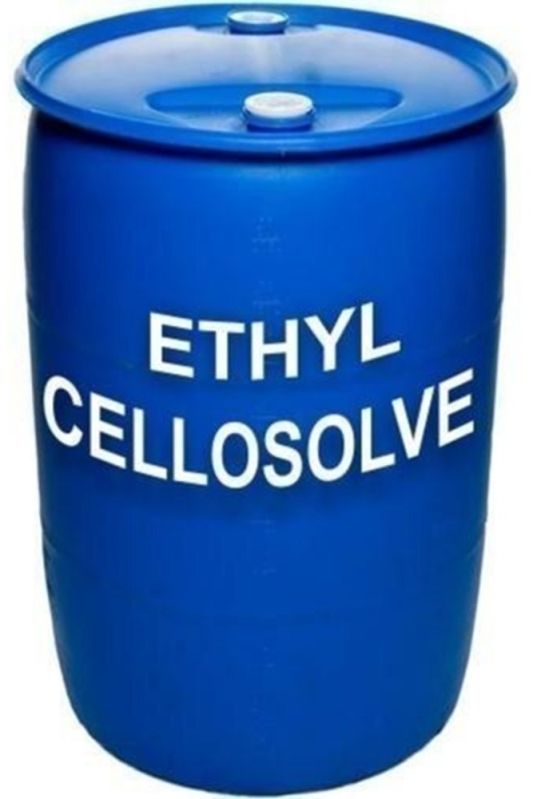
Product Name: Ethyl Cellosolve (2-Ethoxyethanol)
CAS No.: 110-80-5
HS Code: 29094300
Purity: 99% Min (Technical / Distilled / Recovered Grade Available)
Form: Clear, Colorless Liquid
Packaging Type: HDPE Drums / Tanker Load / IBC Tanks
Odor: Mild Ether-like Odor
Product Description:
We offer high-quality Ethyl Cellosolve (2-Ethoxyethanol), a powerful solvent widely used in paints, coatings, cleaning agents, inks, and industrial chemical processes. Known for its excellent solvency for oils, resins, and waxes, Ethyl Cellosolve is miscible with water and most organic solvents, making it highly versatile in various formulations.
Our distilled or recovered Ethyl Cellosolve is refined to maintain high purity and low moisture content, providing a cost-effective and efficient alternative for industrial users.
Applications:
Solvent in paints, coatings, and lacquers
Printing inks and textile dyes
Metal and electronic cleaning
Degreasing and industrial cleaning agents
Intermediate in chemical synthesis
Herbicide and pesticide formulations
Additional Information:
Payment Terms :
Packaging Details : NET STANDARD PACKING
190 KGS HDPE DRUM
 Mr. Vivek Soliya (Loki Industries)
 Ground Floor, C-42, GIDC Saykha Industrial Estate, Grassim Company Road, Aditya Birla Company, Saykha, Saykha Industrial Estate, Bharuch, Gujarat - 392140
 https://www.lokiindustries.co.in
 Share us via








 GST : 24AAJFL8194K1ZQ