 GST : 27ACPFS6578L1Z1
 4.4/5
4.4/5
Our Products
Our product range contains a wide range of Polyethylene Glycol (PEG 200 , 400 ), Methanol, Isopropyl Alcohol, Octanol and Triethylene Glycol ( TEG)
Polyethylene glycol (PEG) is a versatile polymer used in various applications due to its solubility in water and low toxicity. It's a member of a family of compounds known as polyethers, and it comes in different molecular weights, ranging from small liquids to large solids.
Here are some common uses of PEG:
1. Pharmaceuticals: PEG is used in drug delivery systems to improve the solubility and stability of drugs. PEGylation, the process of attaching PEG molecules to drugs, can enhance their bioavailability and reduce immunogenicity.
2. Cosmetics and Personal Care Products: PEGs are often found in creams, lotions, shampoos, and other personal care products. They act as moisturizers, emulsifiers, or solvents.
3. Industrial Applications: PEG is used as a lubricant, in manufacturing processes, and as a component in various industrial formulations.
4. Medical Applications: PEG is used in medical devices and as a base for laxatives and other treatments due to its non-reactive nature and effectiveness.
5. Food Industry: PEG can be used in some food processing applications, though its use is less common compared to other applications.
The safety of PEG is generally considered high, though it is always important to follow specific guidelines and regulations for its use in different applications.

Methanol is a colorless, volatile liquid with a slightly sweet odor. It is used primarily as a solvent, antifreeze, and fuel, and is also a key feedstock in the production of formaldehyde and other chemicals. Due to its high toxicity, methanol must be handled with care and proper safety measures.
Additional Information:
Packaging Details : 158 Kg Tanker Load
Delivery Time : Immediate
Certificate Of Analysis Report (COA)
Certificate Of Analysis Report (COA)

Isopropyl alcohol is a colorless, volatile liquid with a mild, alcohol-like odor. Commonly known as rubbing alcohol, it is widely used as a disinfectant, antiseptic, and solvent. It is employed in medical and personal care products, cleaning solutions, and as a solvent in industrial and laboratory settings.
Additional Information:
Payment Terms : T/T
Packaging Details : Drum or Carboy from Bhiwandi / Mumbai &Tanker Load
Delivery Time : Immediate

Octanol, also known as 1-octanol, is an eight-carbon straight-chain alcohol with the chemical formula CHO. It’s a colorless, oily liquid with a characteristic odor, somewhat reminiscent of oranges or other fruity scents.
Here are some key details about octanol:
1. Uses:
- Solvents: Octanol is used as a solvent in various industrial processes, including the formulation of coatings, adhesives, and cleaning agents.
- Flavor and Fragrance: It's used in the fragrance and flavor industries due to its pleasant odor. It can be found in some perfumes and flavorings.
- Plasticizers: Octanol is used in the production of plasticizers, which are additives that increase the flexibility and durability of plastics.
- Intermediate Chemical: It serves as an intermediate in the synthesis of other chemicals, such as octyl esters, which are used in a range of applications including cosmetics and lubricants.
2. Production:
- Octanol can be synthesized from various feedstocks, including petrochemical sources. One common method involves the hydrolysis of octyl chloride or the oxidation of octanal (an aldehyde).
3. Physical Properties:
- Boiling Point: Approximately 195°C (383°F).
- Melting Point: Around -16°C (3°F).
- Density: About 0.825 g/cm³.
- Solubility: It is only slightly soluble in water but is miscible with most organic solvents, including alcohols, ethers, and hydrocarbons.
4. Reactivity:
- Octanol is relatively stable under normal conditions. It can undergo typical alcohol reactions, such as esterification, where it reacts with acids to form esters.
5. Safety:
- Octanol is generally considered to have low toxicity, but it can be irritating to the skin, eyes, and respiratory tract. As with many chemicals, appropriate safety measures should be taken to avoid direct contact and inhalation.
6. Environmental Impact:
- Octanol is not highly toxic to aquatic life, but like many organic chemicals, it should be managed properly to prevent environmental contamination.

Triethylene glycol is a colorless, viscous liquid with a slightly sweet taste. It is used primarily as a solvent and a humectant in various industrial applications, including in the production of plastics, resins, and coatings. It is also used in antifreeze and de-icing solutions. Its hygroscopic properties make it effective at retaining moisture and improving product stability.

Diacetone alcohol (DAA) is an organic compound with the formula C(_6)H(_10)O(_3). It's a colorless liquid with a slightly sweet odor and is used in various industrial and chemical processes. Here’s a bit more about it:
1. Chemical Structure: DAA is a diketone alcohol, meaning it has two ketone groups and one alcohol group in its structure. Its full chemical name is 4-hydroxy-4-methylpentan-2-one.
2. Uses:
- Solvent: It's used as a solvent in paints, coatings, and adhesives due to its ability to dissolve a variety of substances.
- Chemical Intermediate: DAA serves as an intermediate in the synthesis of other chemicals, such as pharmaceuticals and agrochemicals.
- Hydrolysis Agent: It can be involved in reactions that lead to hydrolysis of certain compounds.
3. Safety: Like many chemicals, DAA should be handled with care. It may be irritating to the skin and eyes, and inhaling its vapors can cause respiratory issues. Proper protective equipment and ventilation are recommended when working with it.
4. Production: It can be synthesized through the oxidation of 4-hydroxy-4-methylpentan-2-one or through other chemical processes involving diketones and alcohols.
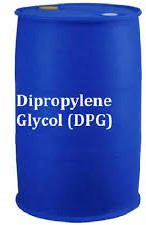
Dipropylene glycol is a colorless, odorless liquid used as a solvent, carrier, and humectant in a variety of industries. It is commonly found in personal care products , pharmaceuticals, and as a base for industrial fluids. It helps retain moisture, improve product stability, and enhance the effectiveness of other ingredients.
Additional Information:
Packaging Details : Drum or Carboy packing from Bhiwandi / Mumbai & Tanker load from Kandla , Hazira & JNPT Mumbai Port
Delivery Time : Immediate
 Mr. Rajesh Thakkar (Shagun Chem)
 B 01, New Payal Co op Housing, Navghar Road, Behind Navghar Police Station, Bhayandar, Thane, Maharashtra - 401195
 https://www.solventschemicals.com
 Share us via