 GST : 27ACPFS6578L1Z1
 4.4/5
4.4/5
Our Products
We offer a complete product range of Oxalic Acid, Formic Acid, Mono Ethylene Glycol (MEG), Acrylic Acid and Phenol

Oxalic acid is a colorless, crystalline organic acid found in many plants. It is used in various applications including as a cleaning agent, in rust removal, and as a chemical reagent in laboratories. It is also known for its role in the textile and leather industries, and as a mordant in dyeing processes.
Additional Information:
Packaging Details : Drum or Carboy Packing from Bhiwandi / Mumbai & Tanker load from Kandla , Hazira & JNPT Mumbai Port
Delivery Time : Immediate

Formic acid is a colorless, pungent liquid and the simplest carboxylic acid. It is used in various applications, including as a preservative and antibacterial agent in livestock feed, in the production of leather, and as a chemical reagent in laboratories. Formic acid is also used in the synthesis of other chemicals and as a solvent in certain industrial processes.
Additional Information:
Packaging Details : Carboy 50 kg From Bhiwandi or Mumbai & Truck Load
Delivery Time : Immediate
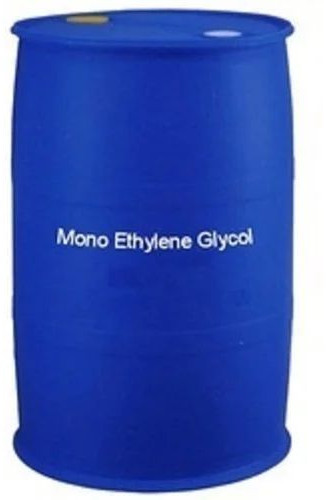
Monoethylene glycol (MEG) is a colorless, odorless, and hygroscopic liquid. It is primarily used as an antifreeze and coolant in automotive and industrial applications. Additionally, MEG serves as a precursor in the production of polyethylene terephthalate (PET) for plastics and fibers. It is valued for its ability to lower the freezing point of water and its utility in various chemical processes.
Additional Information:
Packaging Details : Drum or Carboy packing from Bhiwandi / Mumbai & Tanker load from Kandla , Hazira & JNPT Mumbai Port
Delivery Time : Immediate

Acrylic acid is a colorless or slightly yellow liquid with a pungent, acrid odor. Its chemical formula is CHO, and it is an unsaturated carboxylic acid with a double bond between the first two carbon atoms. Acrylic acid is used primarily in the production of superabsorbent polymers and various other polymeric materials.
Here are some key points about acrylic acid:
1. Uses:
- Polymers: Acrylic acid is a key monomer in the production of polyacrylic acid and its salts, which are used in products like diapers, adult incontinence products, and other absorbent materials.
- Coatings and Adhesives: It's used to make resins for coatings, paints, and adhesives.
- Textiles: Acrylic acid is used in textile manufacturing to improve properties like wrinkle resistance and colorfastness.
2. Production:
- It’s typically produced from propylene through the process of oxidation. The industrial process involves converting propylene to acrolein and then to acrylic acid.
3. Reactivity:
- Acrylic acid is highly reactive due to its double bond and carboxyl group, making it useful in various polymerization reactions. However, it is also quite corrosive and can be irritating to the skin and eyes.
4. Safety:
- Acrylic acid should be handled with care. It is a hazardous substance that can cause severe irritation to the skin, eyes, and respiratory tract. Proper safety measures, including the use of personal protective equipment (PPE) and adequate ventilation, are essential when working with it.

Phenol, also known as carbolic acid, is an organic compound with the formula CHOH. It consists of a benzene ring (CH) with a single hydroxyl group (OH) attached to it. Here are some key points about phenol:
1. Physical Properties: Phenol is a colorless or white solid at room temperature, but it may appear pinkish or brownish due to oxidation. It has a distinctive, sweet odor and is highly soluble in water. It has a melting point of about 40°C (104°F) and boils at around 182°C (360°F).
2. Chemical Properties: Phenol is a weak acid compared to carboxylic acids but can donate a proton (H) from its hydroxyl group. It reacts with strong bases to form phenoxide salts. Phenol undergoes electrophilic substitution reactions, such as nitration and sulfonation, more readily than benzene due to the activating effect of the hydroxyl group.
3. Uses:
- Antiseptic: Historically, phenol was used as a disinfectant and antiseptic. However, due to its corrosive nature and toxicity, it has largely been replaced by other antiseptics.
- Industrial Applications: Phenol is a key precursor in the production of various chemicals, including plastics (e.g., Bakelite), resins, and pharmaceuticals. It’s used to manufacture epoxy resins, which are used in coatings, adhesives, and composites.
- Laboratory: In the lab, phenol is used as a reagent and in the synthesis of other organic compounds.
4. Health and Safety: Phenol is toxic and can cause burns if it comes into contact with skin. It is also harmful if inhaled or ingested. Proper safety precautions, such as using personal protective equipment and working in a well-ventilated area, are important when handling phenol.
5. Environmental Impact: Phenol can be harmful to aquatic life and the environment if not properly managed. Waste containing phenol needs to be treated appropriately to avoid environmental contamination.
Certificate Of Analysis Report (COA)
Certificate Of Analysis Report (COA)

Ethylenediamine is a colorless, viscous liquid with a distinctive amine odor. It is used primarily as a building block in the synthesis of various chemicals, including pharmaceuticals, agrochemicals, and polymers. It acts as a chelating agent and a cross-linking agent in the production of resins and other materials. Ethylenediamine is also used in the manufacture of detergents and as a catalyst in certain chemical reactions.
Additional Information:
Packaging Details : Drum or Carboy Packing from Bhiwandi / Mumbai & Tanker Load from Kandla , Hazira & JNPT Mumbai Port .
Delivery Time : Immediate
 Mr. Rajesh Thakkar (Shagun Chem)
 B 01, New Payal Co op Housing, Navghar Road, Behind Navghar Police Station, Bhayandar, Thane, Maharashtra - 401195
 https://www.solventschemicals.com
 Share us via