 GST : 27ACPFS6578L1Z1
 4.4/5
4.4/5
Our Products
We are leaders in the market for providing best range of Butyl Cellosolve, Ethyl Cellosolve, Tetrahydrofuran (Thf), Acetone and N Butanol

Butyl cellosolve, also known as butylene glycol butyl ether, is a solvent with the chemical formula C(_6)H(_14)O(_2). Its systematic name is 2-butoxyethanol. Here’s an overview of butyl cellosolve:
-Chemical Structure
- Formula: C(_6)H(_14)O(_2)
- Structure: It consists of a butoxy group (-OCH(_2)CH(_2)CH(_2)CH(_3)) attached to an ethylene glycol backbone.
-Properties
- Appearance: Colorless liquid
- Odor: Mild, somewhat sweet odor
- Boiling Point: Approximately 171°C (340°F)
- Density: About 0.91 g/cm³
- Miscibility: It is miscible with water and many organic solvents.
-Uses
1. Solvent: Butyl cellosolve is widely used as a solvent in industrial applications. It is effective in dissolving a broad range of substances, making it valuable in the formulation of paints, coatings, inks, and adhesives.
2. Cleaning Products: It is used in the formulation of cleaning agents and degreasers due to its ability to dissolve oils and greases.
3. Chemical Intermediate: It serves as an intermediate in the synthesis of other chemicals.
-Safety
- Health Hazards: It can cause irritation to the skin, eyes, and respiratory tract. Prolonged or high-level exposure might lead to more serious health effects, such as central nervous system depression or liver damage.
- Handling: Use appropriate personal protective equipment (PPE), such as gloves and goggles, and ensure adequate ventilation when working with butyl cellosolve. Follow safety guidelines as specified in the safety data sheet (SDS).
-Environmental Impact
- Biodegradability: Butyl cellosolve is biodegradable but should be handled and disposed of properly to minimize environmental impact.

Ethyl cellosolve, also known as ethylene glycol ethyl ether, is a solvent with the chemical formula C(_4)H(_10)O(_2). Its systematic name is 2-ethoxyethanol. It is a clear, colorless liquid with a mild odor. Here are some key points about ethyl cellosolve:
-Chemical Structure
- Formula: C(_4)H(_10)O(_2)
- Structure: It features an ethoxy group (-OCH(_2)CH(_3)) attached to an ethylene glycol backbone.
-Uses
1. Solvent: Ethyl cellosolve is primarily used as a solvent in various industrial and commercial applications. It is effective in dissolving a wide range of substances, making it useful in paints, coatings, inks, and adhesives.
2. Chemical Intermediate: It is used in the production of other chemicals and can be a component in formulations for cleaning agents and degreasers.
3. Industry Applications: It’s utilized in the textile industry for dyeing and finishing processes, as well as in pharmaceuticals and cosmetics.
- Properties
- Boiling Point: Approximately 130°C (266°F)
- Density: Around 0.98 g/cm³
- Miscibility: It is miscible with water, alcohols, and many organic solvents.
-Safety
- Health Hazards: Ethyl cellosolve can be irritating to the skin, eyes, and respiratory tract. Prolonged or excessive exposure may lead to more serious health issues.
- Handling: Adequate ventilation and personal protective equipment (PPE) should be used when handling ethyl cellosolve to minimize exposure. Safety data sheets (SDS) should be consulted for detailed handling and first aid instructions.
Environmental Impact
- Degradation: Ethyl cellosolve is biodegradable, but like many solvents, it should be handled responsibly to minimize environmental impact.
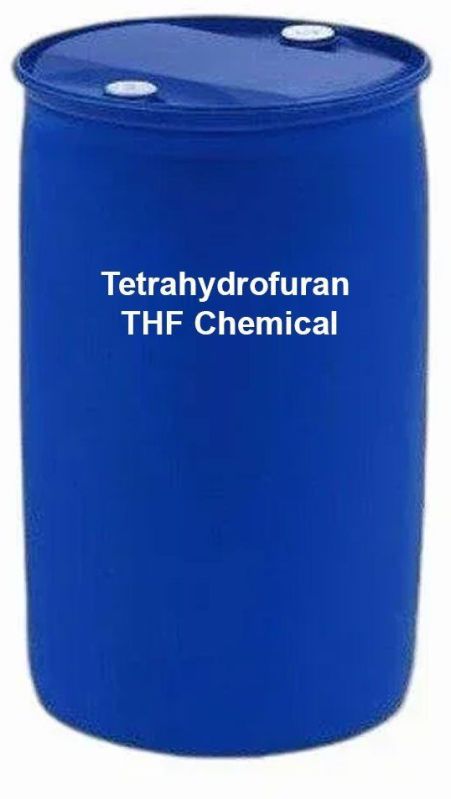
Tetrahydrofuran (THF) is a colorless, volatile liquid with a slightly sweet odor. It is commonly used as a solvent in chemical reactions and industrial processes due to its ability to dissolve a wide range of substances, including polymers and resins. THF is also used in the production of pharmaceuticals and as a reagent in laboratories. Its low viscosity and high solubility make it a versatile solvent, though it should be handled with care due to its flammability and potential health effects.
Additional Information:
Packaging Details : Drum or Carboy packing from Bhiwandi / Mumbai & Truck load from Kandla , Hazira & JNPT Mumbai Port .
Delivery Time : Immediate
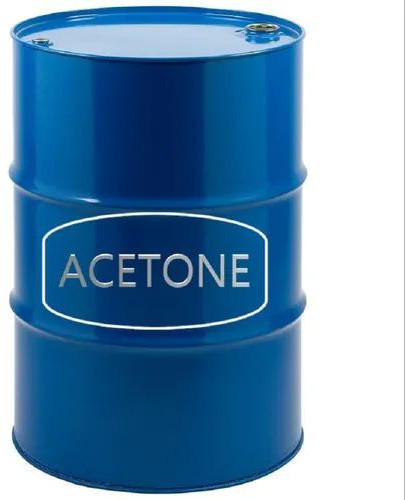
Acetone is a colorless, volatile solvent with a distinct, sweet odor. It is widely used in industrial and laboratory settings for its effectiveness in dissolving a variety of substances, including oils, resins, and plastics. Acetone is commonly used in nail polish remover, as a cleaning agent, and in the production of chemicals and pharmaceuticals.
Additional Information:
Payment Terms : T/T
Packaging Details : Drum or Carboy packing from Bhiwandi or Mumbai
Delivery Time : Immediate

N-butanol is a colorless, flammable liquid with a mild, alcoholic odor. It is used as a solvent in industrial processes, including the manufacture of coatings, paints, and adhesives. N-butanol is also a key ingredient in the production of butyl esters, which are used in various applications, including as plasticizers and solvents. Its versatility and solvent properties make it valuable in many chemical and industrial processes.
Additional Information:
Packaging Details : Drum or Carboy packing from Bhiwandi / Mumbai & Tanker Load from Kandla, Hazira or JNPT Port
Delivery Time : Immediate

N-propanol acetate is a colorless liquid with a fruity odor. It is used as a solvent in coatings, paints, and adhesives, as well as in the production of various chemical products. Its properties make it suitable for applications requiring effective solvent action and rapid evaporation.
Additional Information:
Payment Terms : T/T
Packaging Details : 165 Kg Drum or Carboy from Bhiwandi or Mumbai & Truck Load
Delivery Time : Immediate
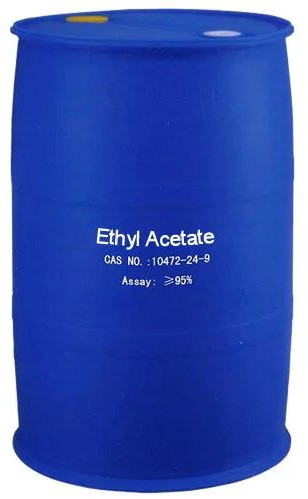
Ethyl acetate is a colorless liquid with a sweet, fruity odor. It is widely used as a solvent in various applications, including in paints, coatings, adhesives, and nail polish removers. Ethyl acetate is valued for its ability to dissolve a range of organic compounds and its relatively low toxicity compared to other solvents.
Additional Information:
Payment Terms : L/C
Packaging Details : Drum from Bhiwandi or Mumbai & Tanker Load
Delivery Time : Immediate

Acetonitrile, with the chemical formula CHCN, is an organic compound that belongs to the nitrile group. It’s a colorless liquid with a faint, ethereal odor. Here’s a summary of its properties and uses:
-Properties:
- Boiling Point: 81.6°C (178.9°F)
- Melting Point: -45°C (-49°F)
- Solubility: It is miscible with water and many organic solvents like alcohols, ethers, and hydrocarbons.
- Reactivity: Acetonitrile is relatively stable but can undergo hydrolysis to form acetic acid and ammonia in the presence of strong acids or bases.
-Uses:
1. Industrial Applications:
- Solvent: It’s widely used as a solvent in various industrial processes, including in the extraction of pharmaceuticals and in chemical syntheses due to its high polarity and ability to dissolve a wide range of substances.
- Electroplating: Utilized in the electroplating of metals.
2. Chemical Industry:
- Synthesis: It serves as a precursor in the synthesis of other chemicals, such as acrylic fibers and certain pharmaceuticals.
- Extraction: Used in the extraction and purification processes in chemical manufacturing.
3. Laboratory Use:
- Chromatography: Commonly employed as a solvent in high-performance liquid chromatography (HPLC) due to its ability to dissolve a wide range of substances and its low UV absorbance.
4. Pharmaceuticals:
- Intermediate: It is used as an intermediate in the production of various pharmaceuticals and as a reagent in chemical research.
Safety and Handling:
- Toxicity: Acetonitrile is toxic and can be harmful if ingested, inhaled, or absorbed through the skin. It may cause symptoms such as headaches, nausea, or respiratory distress.
- Precautions: Proper ventilation, protective clothing, and safety equipment should be used when handling acetonitrile. It should be stored in a well-ventilated area away from sources of ignition.
Overall, acetonitrile is a valuable chemical in many industrial and research applications, but its handling requires caution due to its toxicity.
 Mr. Rajesh Thakkar (Shagun Chem)
 B 01, New Payal Co op Housing, Navghar Road, Behind Navghar Police Station, Bhayandar, Thane, Maharashtra - 401195
 https://www.solventschemicals.com
 Share us via