 Write a Review
Our Products
Leading Manufacturer, Supplier & Retailer of BALSAM ROSE MIXED FLOWER SEEDS, MICROGREEN CAULIFLOWER SEEDS, Gluten Free Roasted Flax Seeds, YELLOW BEANS SEEDS and Red Carrot Seeds.
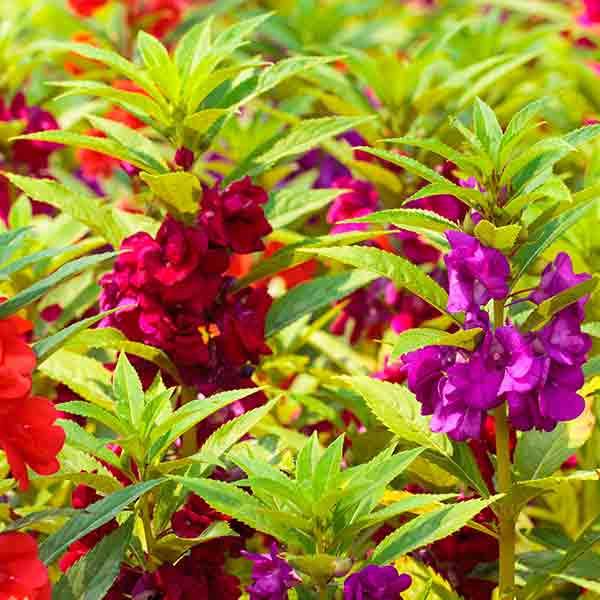
Sow Seeds In Beds And Cover Seeds With Thin Layer Of Soil. Maintain A Distance Of 0.5 Feet Between Plants.Irrigate Immediately And Then As Per Requirement But The Soil Should Remain Moist Always. Flowering Starts After 7-8 Weeks Afer Sowing And Continues For Longer Duration.
Balsam is a medium-tall, rainy season annual that is grown for its beautiful flowers. The flowers are long lasting on the plant and are quickly replaced by new flowers. Balsam is one of the few flowers, planted from flower seeds, that can do well in sun or shade as long as it has plenty of moisture
Soil should be mixed with well rotten Cow dung. Sow seeds in beds and cover seeds with thin layer of soil. Maintain a distance of 0.5 feet between plants.Irrigate immediately and then as per requirement but the soil should remain moist always. Flowering starts after 7-8 weeks after sowing which continues for longer duration.
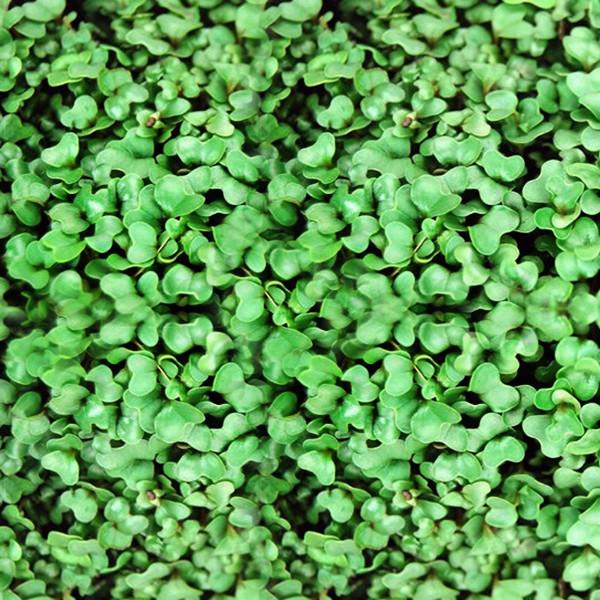
Cauliflower microgreens offer a tidy way to consume all of the nutrients of mature cauliflower in a form that is easily digested. Cauliflower is a nice green crop that has a fresh, mild cabbage flavor. It is easy to grow and can be sown more thickly than most other seeds.
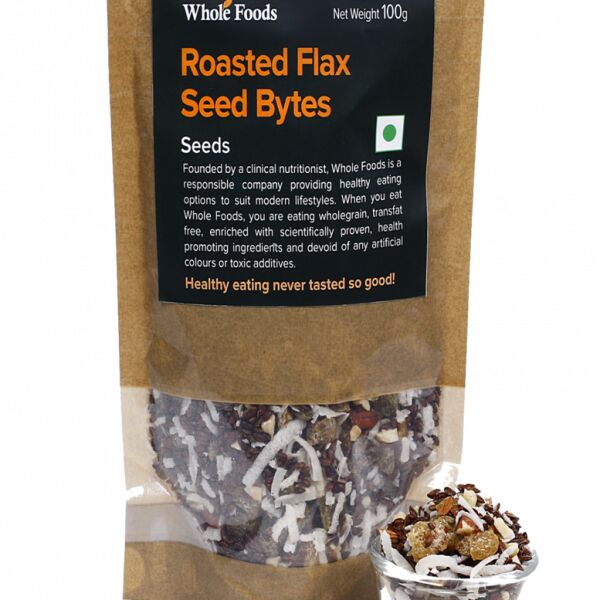
Gluten Free Roasted Flax Seeds Bytes 100g
Ingredients:Flax Seeds, Dessicated Coconut, Raisins, Cashewnuts, Almonds, Fresh Lemon Juice, Walnuts, Black Salt
Shelf Life: 5 Months
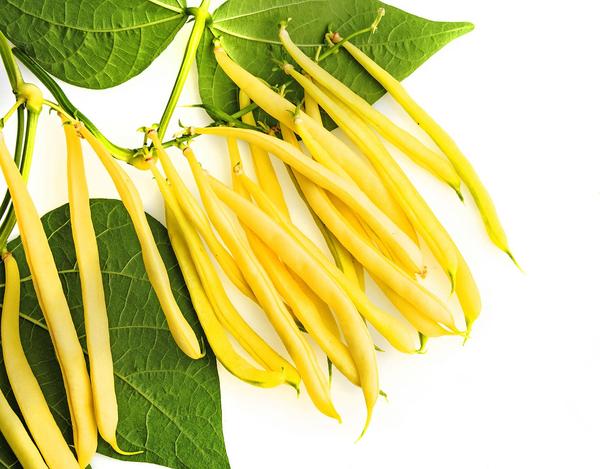
The ancestors of yellow beans are native to Central and South America. Yellow Wax beans, ideally harvested young, are crisp, succulent and tender-firm, with mellow grassy sweet and nutty flavors. They benefit your health by boosting iron and manganese intake. Both minerals have the ability to activate enzymes, including enzymes needed to produce energy and support your metabolism.They are also rich in Phosphorous, Vitamin C and Vitamin B1.
They stand out, as compared to other beans as french beans, classic green beans and purple beans in salads and alongside several companion ingredients. Use them to prepare hearty salads by combining with kidney beans, chickpeas, minced onion and a balsamic vinaigrette for healthy three-bean salad, or roast them with summer squash and cherry tomatoes for a roasted summer vegetable salad. You can also roast the beans on their own, adding minced garlic for flavor, or saute them with your favourite vegetables and lean proteins for a healthful stir-fry. Beans can be kept fresh for about 4 days, or blanched and frozen immediately after harvesting.
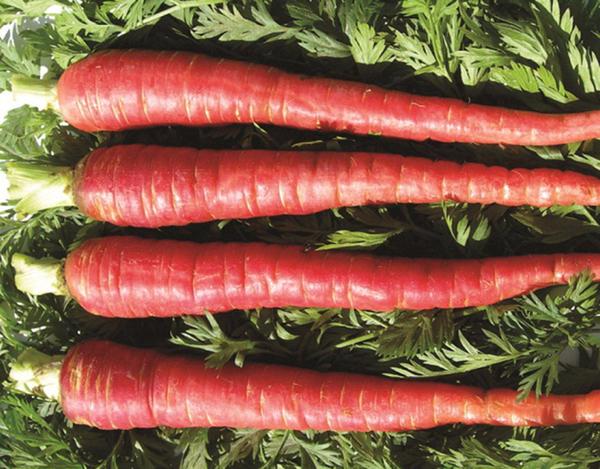
The luscious red carrots, are at their glorious best during the fall months, i.e. from November to February. Carrots, also known as Gaajar in some South Asian countries including India, also come in black, purple, white, and yellow varieties apart from the easily available and widely consumed orange and red ones. If you are protective about your eyesight and want to restore it in the long-run, then carrots is what you should be eating more often. Including it in your daily diet also helps in regulating blood sugar levels, preventing the risk of brain stroke while also giving a boost to immunity.
Carrots make for a great mid-meal snack too. Simply pick a carefully washed and peeled one and munch on the fresh goodness. Even for salads you can play around a bit and experiment with interesting shapes. You can grate, shred, julienne, or slice them in sticks or roundels. Even if you want to cook them, make sure not to expose them to heat for longer periods as it will considerably reduce the benefits of beta-carotene and other antioxidants.
Soil should be mixed with well rotten Cow dung. Make ridges at the distance of 1.5 feet and sow seed at the distance of 2 inches apart. Irrigate immediately and then as per requirement. Harvest starts after 75 80 days.
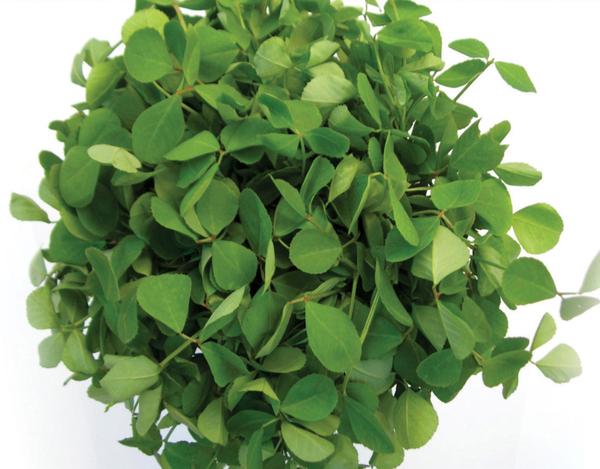
India is the largest producer of fenugreek, but it is also cultivated in Egypt, France, Spain, Argentina, Turkey, and Morocco. Used as a herb, spice, and also a vegetable, Fenugreek as Methi is a versatile edible ingredient in the Indian sub-continent with magical health benefits. To speak of the lush green and little oblong leaves in particular, these are an excellent source of iron, Vitamin C, calcium, phosphorous, and protein. The protein content, in the herb form, also called methi kasuri, that are the sun-dried leaves, is equivalent to that found in pulses. With a slight bitter taste, fenugreek leaves or methi has proven results for keeping blood sugar levels stable, highly nutritious for lactating mothers, and excellent for skin, hair, and weight loss. It is also a great way of keeping bowel dysfunctions at bay and can be used as a mouth-freshner too! The intake of methi leaves has a strong effect on keeping the LDL (bad Cholestrol) levels low and HDL (good Cholestrol) levels up.
The methi leaves are cooked fresh with vegetables and spices for a savory dish. The leaves are also kneaded along with flour to make delicious paranthas. It can be also be used in soups, salads, and any which way you deem fit as per your love for this green veggie.
Soil should be mixed with well rotten Cow dung. Broadcast seeds in beds and rake it to cover seed. Irrigate immediately and then as per requirement. First cutting starts after 25-30 days and subsequent cuttings after 20-25 days.
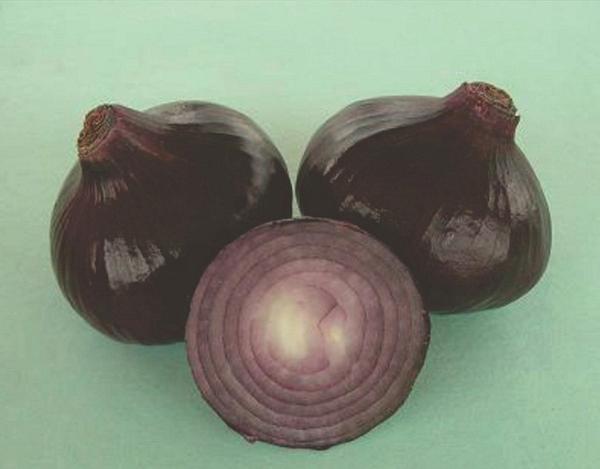
Like garlic and leeks, onions too are an allium vegetable that were cultivated 2000 years ago in ancient Egypt. Particularly rich in polyphenol and flavanoids, care should be taken not to over-peel the papery layer of onions for fear of losing much of the essentials. Including onions in your diet is also a great way to prevent colorectal, laryngeal, ovarian, oral, and esophageal cancers. It has been specially effective to keep the heart and blood vessels in an excellent condition and a great defense against heart attacks. There is good news for menopausal women too! Eating onions can help them gain bone density and lower the risk of fractures due to accidental falls. Also rich in sulphur, onions are very beneficial for the formation of connective tissues. The other main nutrients found in onions include Vitamin A, B6, C, E, sodium, potassium, iron, and dietary fibre. Onions also contain the coveted allyl propyl disulphide which helps in maintaining optimum blood sugar levels too.
Mostly, onions are eaten raw in salads, sandwiches, and other savoury side dishes. While they can be cooked in a variety of styles. Sautee, steam, bake, grill, boil or have a soup made entirely and just of onions! Have them any which way you like, but be sure to make them a part of your meals so as not to miss out on the benefits.
Soil should be mixed with well rotten Cow dung. Raise nursery and transplant 40-45 days old plants in beds at the distance of 6 inches between line to line and 4 inches plant to plant. Irrigate immediately and then as per requirement.Harvest starts in 135 140 days after sowing.
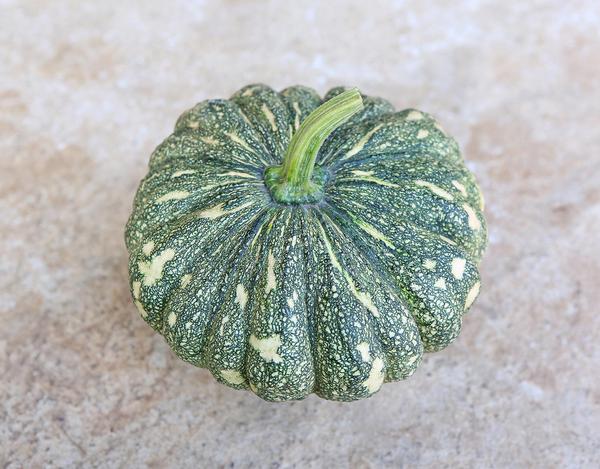
Unlike the ones found in the west with an orange skin and associated mostly with Halloween to be carved into Jack-o-Lanterns, in India pumpkins usually have a green skin. A part of the Cucurbitaceae family of plants just like cucumbers, squash and cantaloupes, pumpkins are widely cultivated and consumed all over the world. Though not everyones favourite veggie, they are extremely healthy to eat1! Wait till you know of the nutritional value it carries. Pumpkins are an excellent source of Vitamin A, E, C, iron, folate, dietary fiber and antioxidants. Its consumption can greatly help you with lowering the risk of heart disease, diabetes, and breast cancer, while fighting fatigue, boosting the immune system, maintaining optimum weight, and improving vision and digestion. A water-rich vegetable, pumpkins will keep your feeling refreshed and hydrated sufficiently too.
Pumpkins are generally cooked after removing the seeds with spices. Also generously included in stews, soups, and even desserts. You can even steam, boil or bake it for a delicious savory dish.
Soil should be mixed with well rotten Cow dung. Sow the seeds at a distance of 1 feet plant to plant and 4 feet line to line. Water it immediately and then water as per requirement. Harvest after 70-75 days.
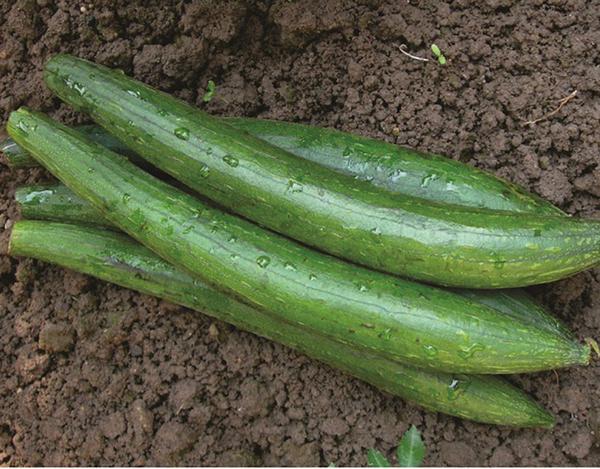
The Luffa or the dark green sponge belongs to the Cucurbitaceae family. It is widely cultivated in India and the Americas. However, it is easiest to grow in the tropical and sub-tropical climates which means that if you are in India, then your backyards! The Sponge gourd / Luffa or the Tori is a highly fibrous vegetable and has a flavor and taste which is similar to bitter melon. Its a nutrient-dense green veggie that you can rely on for a rich supply of anti-oxidants, minerals, vitamins, dietary essentials such as lipids and good carbohydrates. Sponge gourd offers Vitamin C and B6 in abundance quantities along with Magnesium which itself performs key roles in the human physiology. Because the sponge gourd is low on carbohydrates, it is highly recommended for people suffering from diabetes. Luffa or the Tori, is in fact, believed to have many medicinal qualities. Vitamin A in this gourd prevents macular degeneration which leads to blindness. The vegetable even prevents cardiovascular ailments thanks to the Vitamin B5 which lowers bad Cholestrol in the blood. Apart from this the sponge gourd is extremely good for skin health, treating migraine headaches, and providing the necessary cooling to the body when it heats up.
You can add the Luffa to your salads by steaming or blanching them, to your chutneys for that peculiar bitter flavor, cook them in a curry, or simply saute. There are many traditional and modern ways to cook and eat the sponge gourd! But first, sow them in your garden for a healthy supply!
Soil should be mixed with well rotten Cow dung. Sow the seeds at a distance of 1 feet plant to plant and 4 feet line to line. Water it immediately and then water as per requirement. Harvest after 50 to 55 days.
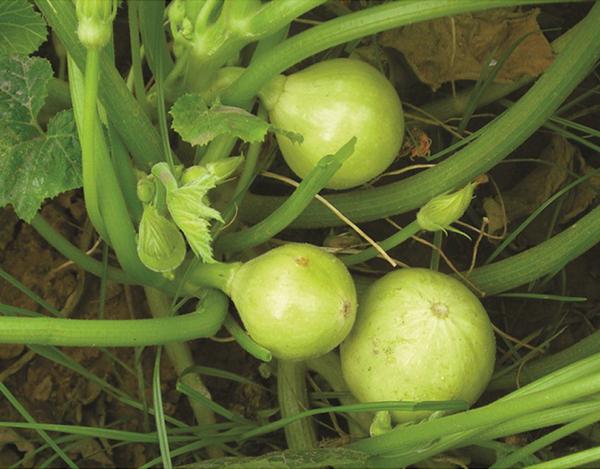
Belonging to the easy-to-grow and healthy family of Cucurbitaceae, summer squashes are related to both the water-rich cucumber and the sweet melons! Not endowed with a very powerful taste such as the melon, the chappan kadu is more of a power-food than a tasty food. Its a variety of Zucchini, actually. They were originally found in the caves of Mexico about 10, 000 years ago! Since then they are now found in almost all around the world with India, China, Russia, and the United States being the largest producers of the summer squashes. Summer squashes have a white soft flesh which and a very soft shell which is also edible. They are a rich source of carotenoids, minerals, good carbohydrates, anti-oxidants. They are also abundant in Vitamin C, K, phosphorus, potassium, Vitamin B6, B1, Zinc, Copper, Omega-3 fatty acids, folate and other essential nutrients. These essentials make the Chappan Kadu anti-microbial, anti-inflammatory, anti-cancer, and great for diabetic patients.
You can steam, boil, blanche, cook the summer squash for a curry-based dish or eat them raw. Some also add the summer squashes to soups, smoothies, and chutneys. So dont wait up, add this healthful vegetable to your green patch, right away!
Soil should be mixed with well rotten Cow dung. Prepare 5-6 feet wide bed and sow the seed on both sides at a distance of 1.0 feet .Irrigate immediately and then as per requirement. Harvest starts after 60-90 days.
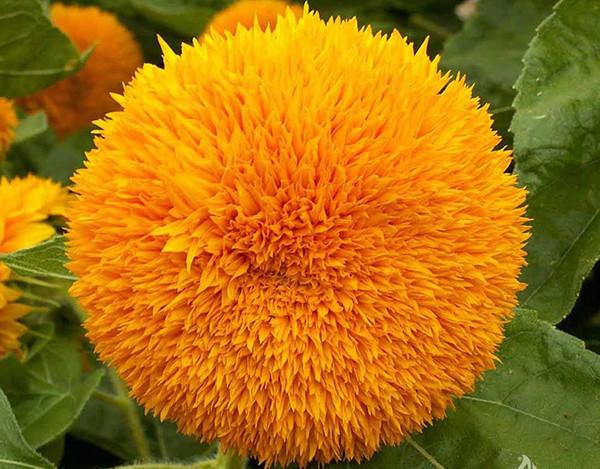
An annual plant, Sunflower defines summer with its daisylike flower faces of bright yellow petals. They emerge as dense petals of the richest frilly golden yellow that are packed clear to a brown center. Giant Sungold is long lasting in the garden and in the vase.
Soil should be mixed with well rotten Cow dung. Broadcast seeds in beds and rake it to cover seed. Maintain a distance of 2.0 feet between plants.Irrigate immediately and then as per requirement but the soil should remain moist always. Flowering starts after 6-7 weeks after sowing which continues for very long duration.
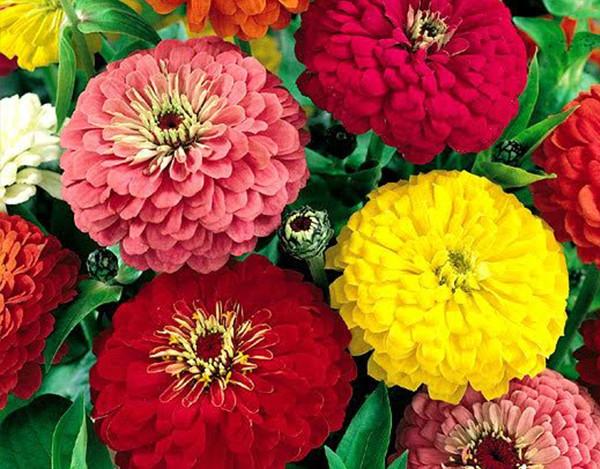
Zinnia flowers are one of the easiest plants grow. They grow quickly, and their prolific, bright flowers bloom in vivid or even neon shades from mid-summer to fall. They make a massive burst of color in your garden and they attract butterflies. They also dont need much care, just simple weeding. Pinching spent blossoms encourages new blooms. Zinnias make beautiful border plants and cut flowers. Zinnia helps cure constipation and the extracts are used in many beauty products.
Soil should be mixed with well rotten Cow dung. Broadcast seeds in beds and rake it to cover seed. Maintain a distance of 8-10 inches between plants.Irrigate immediately and then as per requirement but the soil should remain moist always. Flowering starts after 40-45 days after sowing. It blooms almost all the year round.
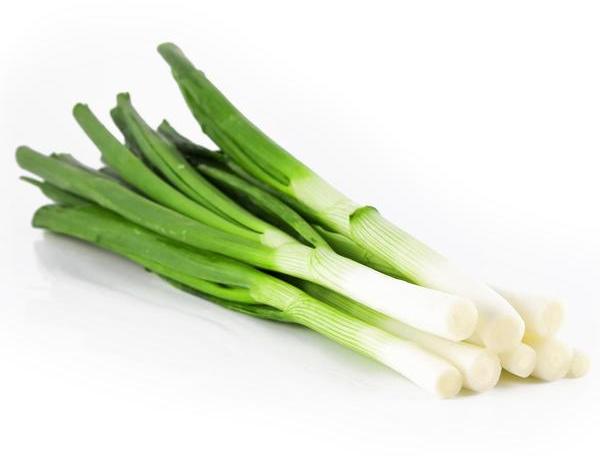
An allium vegetable, just like onion, garlic, shallots, and scallions, leeks are native to Central Asia. These are abundantly cultivated in Europe too. Sweeter, more delicate, and less pungent in taste than onions, leeks have a very subtle presence in a dish to which they are added. Leeks are full of antioxidant agents such as flavanoids which are most concentrated in the bulb and leaves adjoining it. Extremely rich in kaempferol, a flavanol that produces Nitric Oxide(NO) that dilates and relaxes blood vessels and protects them from damage. Another very important nutrient found in leeks is folate, helpful for a healthy cardiovascular system. These also comprise nutrients and minerals like Vitamin A, C, E, K, potassium, iron, magnesium, zinc, and selenium along with anti-inflammatory properties. Leeks are specially beneficial to expecting mothers as its intake reduces the chances of neural tube defects in newborns significantly.
Leek is a versatile vegetable and can be consumed in a variety of ways. Be it raw in salads, in stews and soups, in pizzas, pasta, and fried rice or simply blanched to be added to your favorite dish. Leeks can be had as and when and how you like.
Soil should be mixed with well rotten Cow dung. Raise nursery and transplant 40-45 days old plants in beds at the distance of 1.0 feet between line to line and 4 inches plant to plant. Irrigate immediately and then as per requirement. Harvest starts after 70-80 days from transplanting.
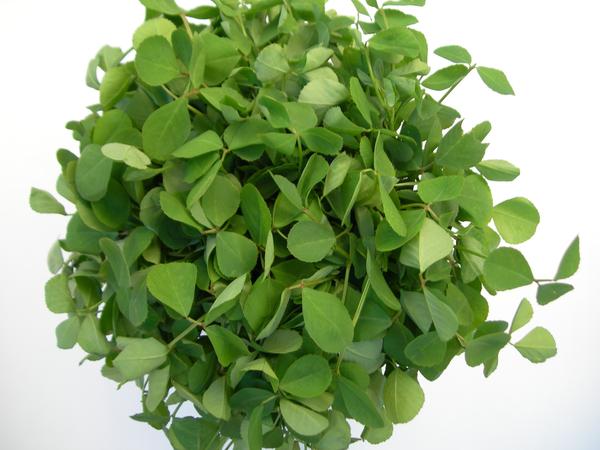
Cultivated in North Africa, the Middle East, Egypt, and India, Fenugreek has a long history as an ingredient in traditional medicine. The leaves are flat and spear-shaped, and radiate out from a central stem. Fenugreek is rich in calcium, phosphorus, iron nd Vitamin C. The leaf is highly beneficial for treating poor liver functions and dyspepsia. It helps in controlling blood sugar levels as galactomannan, a natural soluble fiber present in Fenugreek slows down the rate of sugar absorption into the blood. It also contains amino acid responsible for inducing the production of insulin. Fenugreek is beneficial in the case of high blood levels of certain fats including cholesterol and triglycerides. It also helps in reducing menstrual discomfort and prevents colon cancer.
Fenugreek is most widely used in Indian cuisine, though it is also found in North African and Middle Eastern dishes. While the leaves smell like caramel or maple syrup, when heated, their taste is rather bitter, like burnt sugar. The ground seeds (yellow) are often used in curry powder, spices blends, dry rubs, and tea blends. Fresh leaves can be added to salads and cooked dishes. Start out with a small amounttoo much can cause a bitter taste.
Soil should be mixed with well rotten Cow dung. Broadcast seeds in beds and rake it to cover seed. Irrigate immediately and then as per requirement. First cutting starts after 25-30 days and subsequent cuttings after 20-25 days.
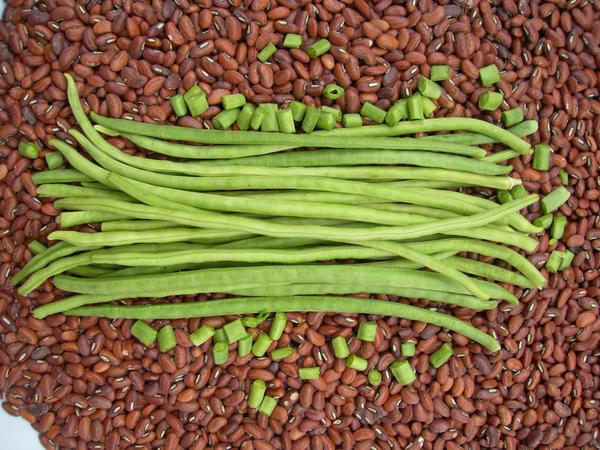
Found and grown mostly in semi-arid tropical areas of Africa, Asia, South Europe, and Central & South America, Cowpeas are a savior crop for areas with poor climatic conditions. These can be grown easily and do not require much to thrive. Helpful in fixing atmospheric nitrogen through its root nodules, cowpeas carry all the essential nutritional benefits and the makings of a super food. Majorly rich in Vitamin A, B9, C, fibre, protein, copper, iron, and phosphorous, consuming cowpeas is an excellent way to prevent the risk of developing cancer, diabetes, anemia, cold sores, and even depression. Including cowpeas in your diet will also help in maintaining a healthy metabolism, bowel system, cardiovascular system, and immunity. Also great for having strong bones and healing injured muscle tissues. Eating cowpeas results in a radiant skin and shiny hair as well. With so many benefits, we are sure your next meal might just consist this bean like legume.
These can be cooked with spices and vegetables after soaking overnight. They are also used as an important ingredient in soups, salads, pastas, sandwiches and many other dishes as a taste-enhancing and healthful ingredient.
Soil should be mixed with well rotten Cow dung. Sow seeds in rows at distance of 2 feet between row to row and 0.5 feet between plant to plant. Irrigate immediately and then as per requirement. Harvest after 50 55 days.
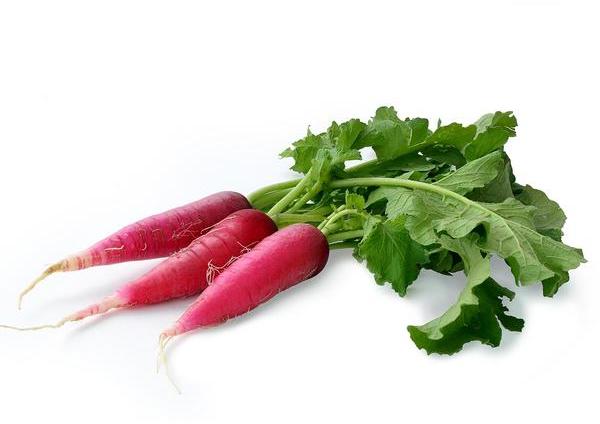
Red Radishes are more pungent and sharp as compared to the popular white ones but are not nutritionally deficit at all. In fact, the anthocyanins that are responsible for the blush red color make them more nourishing than the white varieties. The red radishes pack quite a punch when it comes to flavor and nutrition! In fact, since the ancient times the radish has been known to have many health benefits. There is even a Chinese proverb dedicated to radishes which states, eating pungent radish and drinking hot tea, let the starved doctors beg on their knees. The pungency in radishes can be attributed to isothiocyanate which is very intense in red radishes. These are also extremely rich in antioxidants such as sulforaphane and Vitamin C. Better digestion, glowing skin, stronger hair are only a few benefits of consuming red radishes. Radishes are extremely useful in treating jaundice, piles, urinary disorders, and liver dysfunctions too. It also makes for an effective cure for constipation and enhances immune system as well.
You can eat them raw, cook them or add to salads and sandwiches. Radish leaves can also be eaten.
Soil should be mixed with well rotten Cow dung. Sow at least 2-3 seeds in 6 inches raised rows at distance of 1.0 feet between row to row and 3 inches feet between plant to plant. Water it immediately and then water as per requirement. After germination, keep only one plant at one place and remove all other plants just after germination. Harvest after 40-45 days.
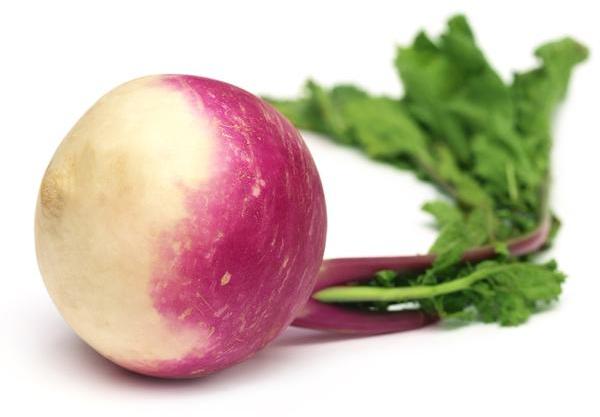
The purple top white globe Turnip is the most commonly found winter vegetable in India. However, it is now found all over the world and is related to Radish and Mustard. Its a vegetable that is grown in cool-temperate regions and is a root vegetable grown for its tap root and, sometimes, leaves. It is easy to grow and does not require much effort, like the beet or the potato. Some regions even eat turnip stems. Turnips are considered to be native to Europe and form the staple for both human (only the smaller varieties) and livestock. The bigger bulbous roots are given to the livestock as feed. Turnips are a rich source of Vitamin C and hence are essentially immunity-boosting veggies. Also, the phytonutrients which are responsible for its stingy flavor are great as detoxifiers. In fact, the high-dietary fiber that the turnips provide the human body, make the vegetable, a great remedy for diverticulitis a condition of the colon. Other benefits of including turnips in your diet include maintaining a healthy vision, weight, and digestion.
You can cook turnip along with other vegetables or separately for a flavorful dish! Add them to salads, soups, or to your meat dishes for a strong and earthy taste. Before you bring this healthy staple to your kitchens, why not add them to your gardens?
If you are looking for the best purple top turnip seeds then look no further! Get them now.
Soil should be mixed with well rotten Cow dung. Make ridges at the distance of 1.5 feet and sow seed at the distance of 4 inches apart. Irrigate immediately and then as per requirement. Harvest starts after 40 50 days.
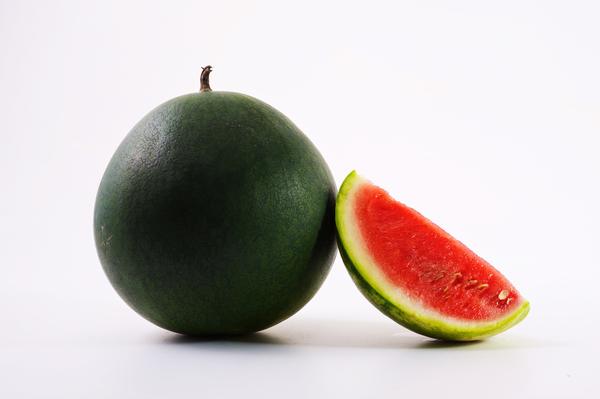
People growing in the tropical countries have a very sweet association with hot summery days the huge large Watermelon! It is one of the sweetest, juiciest, and cooling fruits that you can find in nature. Its interesting to note that the Watermelon is actually a berry! It is classified so because botanically its called a Pepo or a berry which has a hard rind but no internal division! First grown in the Kalahari desert of Africa, the first records of harvesting this popular heat-dasher, dates back to 5000 years ago. In India there presence was recorded in the 7th century. More than just a fruit, the watermelon also has special connotations in the Freedom struggle of Africans and also became a symbol of their freedom. Eventually, they also found their way into the warmer parts of the Mediterranean region. The flowering plant belongs to the flowering vine-like family called the Cucurbitaceae and is an annual. It is usually grown for the special edible fruit.
The fruit, which is 91% water and 6% sugar, is one of the most nutritious fruits to include in your diet. With a very high content of Vitamin C, A, B6, and lycopene. Its seeds are edible too and are usually dried and roasted before consumed. They are known to be extremely rich in micro-nutrients and provide many life-sustaining essentials. The popular ways of eating watermelon include slicing or cutting it into cubes and enjoying on a hot summer day. You can also add it to salads, fruits salad, desserts and even pickle it.
Tempted to grow this beautiful and large fruit in your gardens? Get the seeds that will assure a high variety of the Black Watermelon. Shop with us now.
Soil should be mixed with well rotten Cow dung. Make planting beds around 5 7 feet wide and sow seeds on both sides of the bed at 1.5 feet distance between two lines. Water it immediately and then water as per requirement. Harvest after 85-90 days.
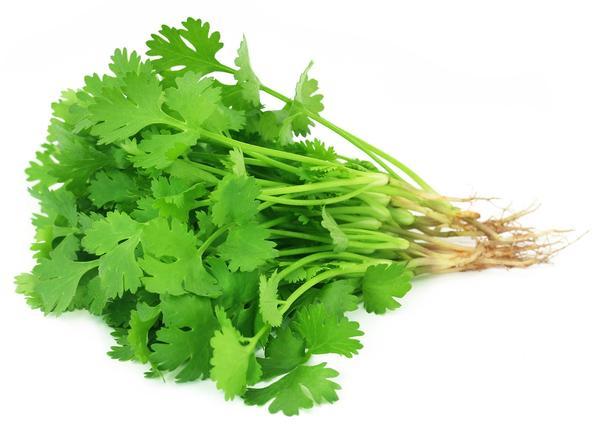
Coriander has long been used as a garnishing agent in almost all cuisines the world over. But there is so much more to coriander than just being an ingredient with a strong and much-loved aroma. Both a herb and a spice, coriander belongs to the Apiaceae family of flowering plants that also includes celery, carrot, and parsley. With origins in Southern Europe, Northern Africa, and South-Western Asia, it is mainly the fresh leaves and dried seeds in powder form that are consumed. The delicate looking and lush coriander plant is packed with extremely beneficial nutrients that both protect and regulate body functions. From being considered anti-diabetic to controlling cholesterol and free-radical production, the coriander does it all. Its healing properties are also said to be anti-inflammatory in nature. So now you know, coriander is not just a seasoning condiment but also particularly an excellent source of Vitamin A, C, K, calcium, manganese, magnesium and dietary fibre.
It is most famously used in salsa dips and chutneys, and generously sprinkled over soups, broths, omelettes and countless other dishes. If you are fond of coriander, you will find a way to include it in any and everything you eat. Its that simple! So go ahead and give your preparations the coriander kick!
Soil should be mixed with well rotten Cow dung. Crush the seed with feet to divide it into two parts.Place few seeds 1 inch deep at line to line distance of 9 inches and plant to plant 6 inches. Water it immediately and then water as per requirement. First cutting after 30 35 days.
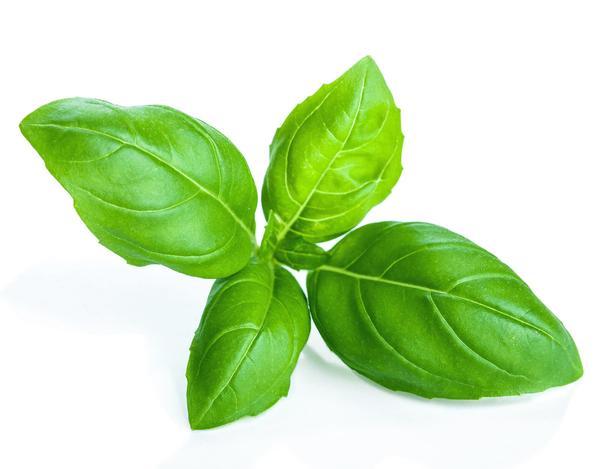
Tulsi is not only a household herb but also a highly honoured and venerated one! The significance of Basil in the Hindu religion dates back to ancient times. Even today in homes across India, Tulsi is a symbol of purity and is considered as a sacred plant to be included in all important religious ceremonies. Basil is also considered a highly affective herb with remedial and medicinal properties. Basil is native to India, Iran, and other parts of South Asia, but Mediterranean and European varieties are also commonly found. The European varieties are usually known as sweet Basil. The herb belongs to the mint family Lamiaceae. Basil is a powerful herb with many health benefits! It is usually consumed as a spice and added to salads, cooked dishes, soups, smoothies, and even desserts! In India, basil seeds are soaked overnight and used to make some popular desserts such as faluda and sharbat-e-rihan. Basil is full of therapeutic chemical compounds that form the basis of many essential oils and give it the distinctive fragrance and flavor which closely resembles that of clove.
Basil leaves themselves contain many remedial essential oils such as eugenol, citronellol, linalool, citral, limonene and terpineol. These oils are anti-inflammatory and anti-bacterial. Other than the oils, Basil is also full of polyphenolic flavanoids like orientin and vicenin which act as amazing antioxidants. Vitamin A and K are found in abundant quantities in Basil along with other micro-nutrients.
One can go on and on about the health benefits of Basil because they are so many but wed simply suggest growing your own healthy variety of this herb to get a fresh supply all season around. The pure, non-hybrid, and open pollinated seed variety at ATG will ensure that you get a fresh and bountiful yield.
Soil should be mixed with well rotten Cow dung. Sow the seed one inch deep closely at the distance of 8 inches plant to plant and 6 inches row to row. Water it immediately and then water as per requirement.Harvest after 30-35 days from sowing.
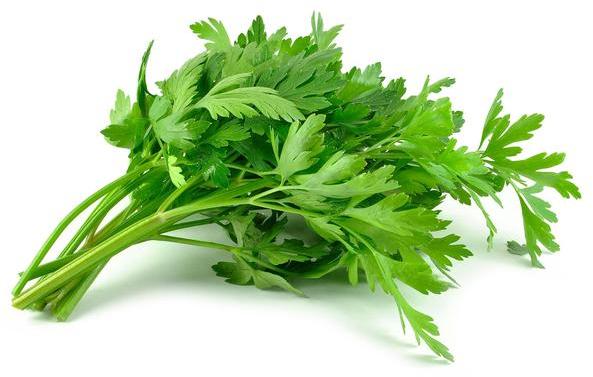
Celery is more of a herb and less of a vegetable. With a strong flavor and presence in the Mediterranean and Asian cuisines, this herb is not something that can be ignored. In comparison to Basil, of course Celery comes in second, but it isnt a herb you can simply ignore for too long. Some claim that Celery was originally native to Europe before its variegated strains became prevalent in other parts of the world, specifically Asia. Celery is a highly potent herb and extremely nutritionally dense. It is a low-calorie herb and consists of many antioxidants. Its also rich in folic acid, Vitamin-K, riboflavin, niacin, and others. People also extract essential oils from Celery to be used as an effective carminative and galactogogue (helps in breast milk secretion) and a remedy for curing nervous system ailments such as headaches and irritability.
You can use Celery seeds, the leaves, and even the stem to add to your dishes or to garnish them. Celery seeds can even be eaten raw. With so many health and culinary benefits, you must add this easy-to-grow herb in your kitchen gardens right away!
The bed is ploughed properly and soil should be mixed with well rotten Cow dung. Make ridges at the distance of 2.0 feet and seedlings are transplanted 6 inches apart. Irrigate immediately and then as per requirement. Harvest starts after 75-90 days of transplanting.
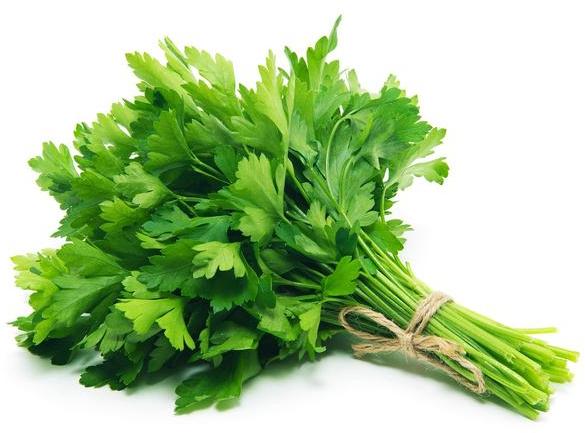
Parsley, the sweet and pungent tasting dried herb or a fresh table garnish originated in Southern Europe and has been cultivated for almost 2000 years. It was extensively used and revered by Greeks. Belonging to the Apiaceae family of plants, Parsley is not just an ingredient used in cooking but has medicinal properties too. Comprising of both nutritious and healing qualities, Parsley is regarded as worlds most popular herb. The true worth of Parsley can be understood only once you know about the unique components it packs within itself. The first is a type of volatile oil that prevents the formation of tumors in lungs and neutralizes carcinogens too. The second is the presence of antioxidant flavanoids. Parsley also consists of Vitamin A, B6, B12, C, E, K, folate, calcium, iron, magnesium and many other highly beneficial nutrients and minerals. Because of being so nutritionally charged, it helps you fight rheumatoid arthritis, strengthens immunity, helps control diabetes, and also prevent internal inflammations.
Parsley as a herb is widely used as a seasoning over soups, salads, pastas, over grilled food, and even used for making dips and sauces.
The bed is ploughed properly. Prepare the flat beds and make rows 1.0 feet apart and planting is done 6 inches apart. Soil should be mixed with well rotten Cow dung. Irrigate the beds immediately after transplanting and afterwards as per requirement. Harvest starts after 90 to 100 days from transplanting
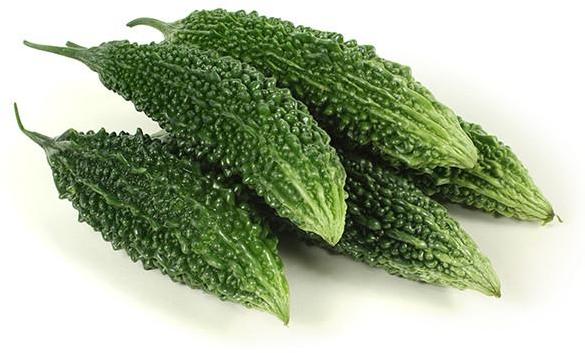
Karela, as better known in India and some neighboring countries, is also called by names such as bitter melon, bitter gourd, bitter squash and balsam pear. Bitter Gourd comes packed with nutrients that enable you to lead a healthy life. Most important of all is a phytonutrient Polypeptide-P, which is a plant insulin that lowers blood sugar levels naturally. Not just this, it also has the potential to treat cancer and HIV infection in their early stages. It also carries a potent dose of Vitamin C, A, K and is proven to work wonders for the skin and liver. Bitter Gourd is also helpful in lowering cholesterol, ridding the kidneys of stones, and even reducing the risk of pancreatic cancer.
As far as the taste is concerned, rubbing salt or soaking peeled bitter gourd in salt water prior to cooking cuts down on the bitterness considerably. Either cut it in fine rings and cook it like other vegetables with spices or simply slit through and stuff it with your favorite spices for an interesting dish.
Soil should be mixed with well rotten Cow dung. Sow the seeds at a distance of 1 feet plant to plan and 4 feet line to line. Water it immediately and then water as per requirement. Harvest after 55 to 60 days.
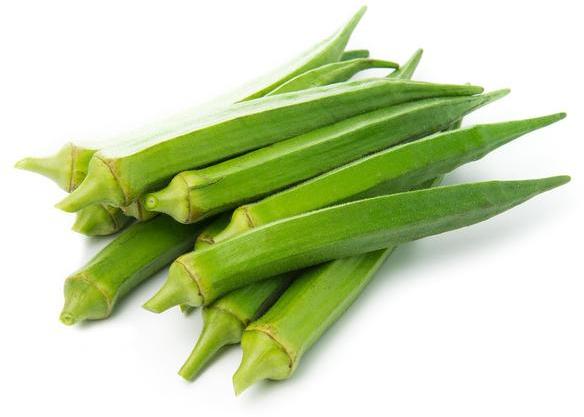
First cultivated in Africa, Okra popularly travelled from there to America and South Asia and became a much-loved summer vegetable. Grown usually in tropical and sub-tropical weather conditions, Okra has a gummy texture and belongs to the Malvaceae family of flowering plants. Okra is also one of the most heat and drought resistant vegetable. It is full of life-sustaining nutrients and minerals such as Vitamin A, B6, C, K, dietary fibre, folate, potassium, calcium, magnesium, and iron. Eating Okra, rich in so many health-giving nourishing substances, is a great way to have healthy cholesterol levels, maintain weight, prevent the risk of developing colorectal cancer, have a strong immune system, as well as protect the eyesight and body tissues. Though not in abundance but the ladyfinger does carry small quantities of protein, carbohydrate, and almost negligible calories too. These also have plenty of antioxidants such as beta-carotene, xanthin, and lutein and can also help in keeping the heart healthy and reduces the chances of being afflicted with type 2 diabetes monumentally.
In India, Okra is cooked in a variety of ways. Fried, stuffed, or cooked simply after cutting in equal sized pieces with spices.
Soil should be mixed with well rotten Cow dung. Sow seeds in rows at distance of 1.5 feet between row to row and 1 feet between plant to plant. Water it immediately and then water as per requirement. Harvest after 45-50 days.
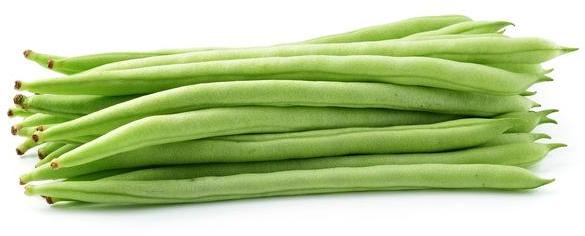
Green beans, also known as french beans, pencil beans, string beans and snap beans, are much-loved all over the world and consumed in a variety of ways. Steamed, sauteed, grilled, roasted, stir-fried, or simply freshly picked. So gorge on this green vegetable, full of carotenoids, any which way you like. Green beans are a great source of the less popular nutrients like Manganese and Silicone, crucial for bone health, along with Vitamin K, C, B2, dietary fibre and folate. Scoring high on the antioxidant scale too, consuming green beans is beneficial to reduce the risk of colon cancer, heart disease, obesity, and keep the stress levels to a minimum low. This super veggie also boosts immunity and helps regulate and manage blood sugar levels.
With so many plus points, there is clearly no way why you wont include these fresh green beans in your diet. Grow fresh and enjoy the goodness!
Soil should be mixed with well rotten Cow dung. Seeds are sown in lines at the distance of 1.5 feet between line to line and 8 inches seed to seed. Irrigate immediately and then as per requirement. Harvest starts after 45 50 days.
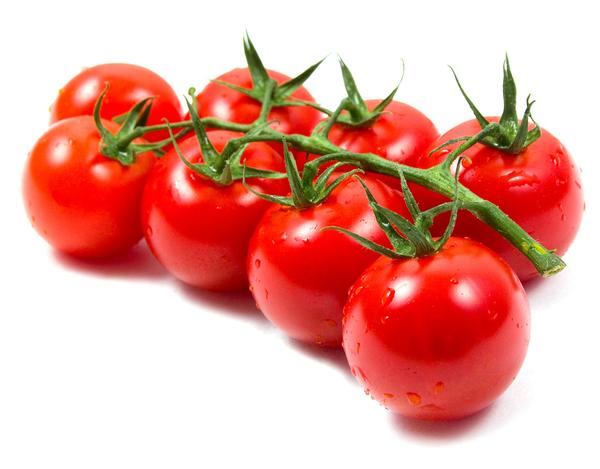
Now available almost everywhere, the Cherry Tomatoes were originally known to be part of the Aztec Mexico agriculture. In Europe, it appeared in the 16th century and the variety grown in Europe was mostly the yellow cherry tomatoes. As far as the genetic make up of the Cherry tomatoes is concerned, it is an admixture of the garden and the wild-currant type variety of tomatoes. The seed variety available at All That Grows will yield bright red, roundish and, sometimes may be oblong produce. Cherry tomatoes are succulent, refreshing, and extremely flavorful. They are a popular addition to salads, even sangrias, smoothies, or regularly eaten raw. If you love juicy tomatoes, then this variety will surely become your favorite. Apart from being so tasty, the Cherry tomatoes are also very nutritious and healthful. Cherry tomatoes are very low in sodium, saturated fats, and cholesterol. Thanks to the Alpha Tocopherol, the vegetable is a great source of Vitamin E and also offers B6, Folate, Magnesium, Phosphorus, and Copper along with potassium, Vitamin A, C and K. You can also use Cherry tomatoes in sandwiches, or steam them anduse to make a sour-sweet sauce, etc.
Beautiful to look at, and very tasty to savor, the Cherry tomatoes will be an excellent way to beautify and add nourishment to your gardens. Get started, shop the seeds with us. Botanical Name: Solanum lycopersicum var. cerasiforme
Soil should be mixed with well rotten Cow dung. Raise nursery and transplant 30-35 days old plants in 6 inches raised beds at the distance of 2.5 feet between line to line and 1.0 feet plant to plant. Irrigate immediately and then as per requirement.Harvest starts after 55-60 days from transplanting.
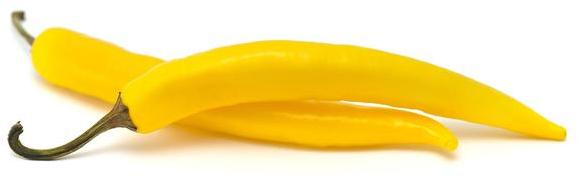
Chillies were first grown in Central America, South America and West Indies. The Spanish conquest eventually introduced chilly cultivation around the world. Yellow chilly has anti-bacterial, analgesic and anti-diabetic properties. It has also been proven that chillies reduce cholesterol level in patients with obesity. Yellow chillies are also a good source of vitamin C, though compared to the fiery red chillies, they have a considerably low amount of Vitamin C and carotene.
This variety of chilly is mainly grown in the regions of Punjab and South Kashmir. They are widely used in Indian households while cooking as spices to enhance colour and piquancy to the dishes in recipes of stuffed chilly and in preparation of dips and sauces.The yellow chilly powder is extensively used in vegetarian and non-vegetarian dishes.It is also used in making pickles, soups, sauces and stews. Chillies, either fresh or ground, can cause severe burning sensation to hands and severe irritation to nasal passages, eyes, and throat. Therefore, it may be advised in some sensitive individuals to use thin hand gloves while handling chillies.
Soil should be mixed with well rotten Cow dung. Sow seeds in rows at distance of 1.5 feet between row to row and 1.0 feet between plant to plant. Water it immediately and then water as per requirement.
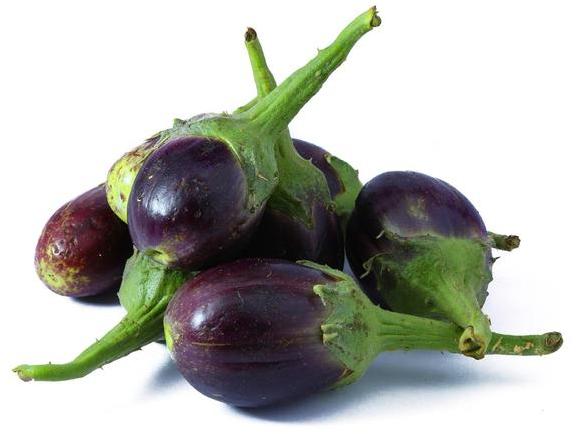
Yet another variant of the versatile vegetable, the chu chu or small cluster produce has a distinct flavor with all the benefits of brinjals intact. Brinjals, also known as the Eggplant and Aubergine in the west and as Baingan and Bataun in some countries of South Asia including India, are a low calorie vegetable with a high nutritive value. Rich in B-Vitamins, intake of brinjals helps in keeping blood pressure in check while also lowering bad cholesterol levels. High in fibre, these aid in proper digestion while preventing constipation and the risk of colon cancer. Eating brinjals also promotes healthy looking hair and skin because of a high water content.
Brinjals can be cooked both peeled and unpeeled. For these mini eggplants, you just need to cut slits and stuff them with spices before frying for a mouth-watering savory dish. Another unique quality of brinjals is their ability to be made into a healthful dip that acts as an accompaniment with snacks. You can also roast, grill or steam them as per your taste and preference.
Soil should be mixed with well rotten Cow dung. Sow seeds in rows at distance of 1.5 feet between row to row and 1 feet between plant to plant. Water it immediately and then water as per requirement. Harvest after 90 100 days.
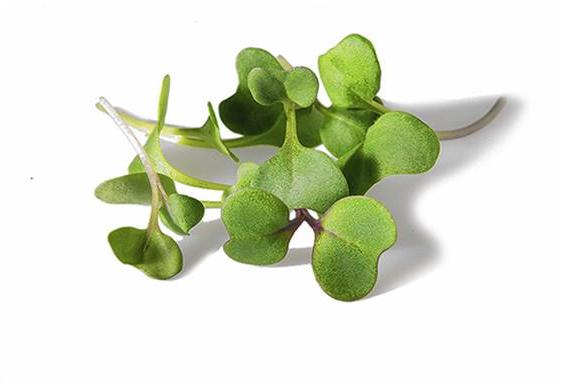
Strikingly coloured and full of flavour, broccoli micro-leaves add the perfect finishing touch to all manner of dishes such as salads, soups and pasta recipes. They are also an excellent source of vitamins, such as vitamin C, and other nutrients such as sulforaphane with multiple health benefits.
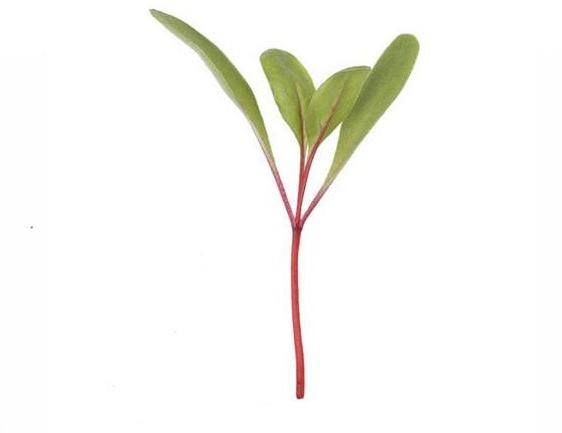
Beets microgreen seeds grow better in soil as compared to hydroponics. The translucent violet colour pops on the plate and the flavour goes brilliantly well with garlic. Beets microgreens contain 40 times higher levels of vital nutrients than their mature counterparts. These should be harvested close to the soil to feature the colorful red stem.
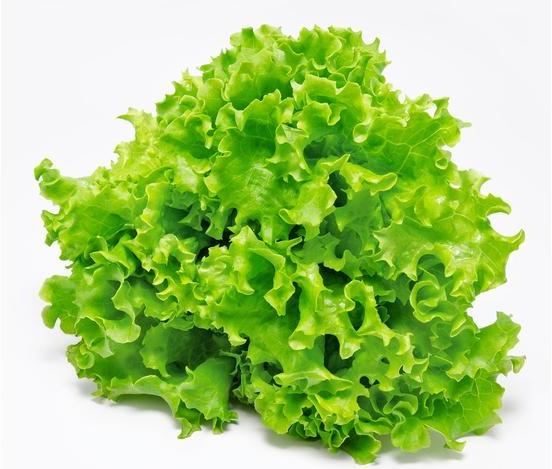
One of the most famous salad ingredient, lettuce belongs to the Asteraceae family of flowering plants that also includes artichokes. Native to ancient Egypt, Lettuce consumption quickly spread to Greece, Rome and then further onto North America and other parts of Europe. The easy to grow green Lettuce is a low-calorie food rich in many minerals and nutrients. Have it to enrich your body with the benefits of Vitamin A, B6, C, E, K, folate, calcium, iron, potassium, zinc, riboflavin, and many others. Intake of these soothing-green leaves helps in preventing anemia, osteoporosis, certain types of cancer, cardiovascular diseases and even Alzheimers.
A powerful antioxidant, eating lettuce fights free radical attacks and neutralizes them effectively. It also possesses anti-inflammatory, anti-microbial and sleep-inducing properties. This in turn helps tackle anxiety issues and lowers bad cholesterol or LDL levels, while also normalizing blood sugar and blood pressure.
Lettuce can be had raw in salads, sandwiches, burgers, and other healthy alternatives of your favorite fast food preparations. It can also be steamed, sauteed and stir-fried. It is also commonly seen as a fresh green leafy bed in both vegetarian and non-vegetarian sizzlers.
The bed is ploughed properly. Prepare the flat beds and make rows 1.0 feet apart and seeds are sown thinly in these rows. Sowing is done in dry soil and then the beds are irrigated. Soil should be mixed with well rotten Cow dung. Harvest starts after 80-85 days from sowing.

Beetroot consists of the phytonutrient betalain responsible for making it antioxidant, anti-inflammatory, and detoxifying in nature. And it is the plant pigment, betacyanin, responsible for the rich purplish-red tone. The presence of this pigment is what helps prevent the formation of some kinds of cancer cells in the body and prevents birth defects too. Consuming beetroot, better known as Chukandar in India, is very beneficial for the liver and the quickest way to recover from iron deficiency. While detoxifying it, beetroot also helps keep the disorders of the liver at bay. Being rich in fibre, beetroot stimulates better bowel functions and an increase in the antioxidant enzymes. It also comprises glutamine, an essential amino acid that keeps the intestinal tract in good shape. Having a shot of beet juice daily has a positive effect on blood pressure levels too.
Mostly, beetroot is eaten raw in salads but it can also be mixed in juices and smoothies or even cooked and pickled.
Soil should be mixed with well rotten Cow dung. Make ridges at the distance of 1.0 feet and sow seed at the distance of 4 inches apart. Irrigate immediately and then as per requirement. Harvest starts after 65-70 days.
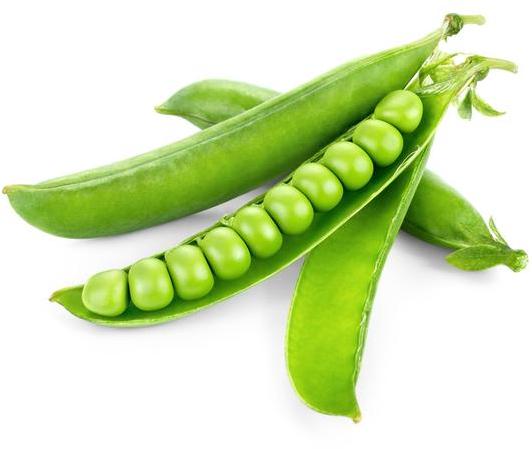
Peas, botanically a fruit, belong to the Fabaceae family of flowering plants just like cowpeas and pigeon peas. Peas are also recognized as the only legume to be consumed fresh unlike the lentils, pulses, and chickpeas that are sold in the dried form. Considered as one of the earliest food crops to be cultivated, peas are most abundantly produced in Canada with France, China, Russia, and India next in line. The fresh green peas come packed with phytonutrients, specially coumestrol, that protects against stomach cancer. Another phytonutrient found only in peas is saponin. Being low on the glycemic index and high on the fibre and protein content, the risk of developing Type 2 diabetes is also down to a minimum if you consume peas regularly. These also come loaded with antioxidants and nutrients like Vitamin A, C, B6, K, iron, zinc, copper, magnesium, and phosphorous.
Eating the sweet-tasting green peas is effective in maintaining cardiovascular health, and limiting neuronal damage while slowing down the progression of Alzheimers disease. Feel free to add peas to whatever you eat. Steam, boil, sautee, bake, grill, fry! Go ahead and put it in soups, pastas, sandwiches, salads, or even in curries. Can be used both fresh and frozen.
Soil should be mixed with well rotten Cow dung. Seeds are sown in lines at the distance of 1 feet between line to line and 4 inches seed to seed. Irrigate immediately and then as per requirement. Harvest starts after 55 60 days.
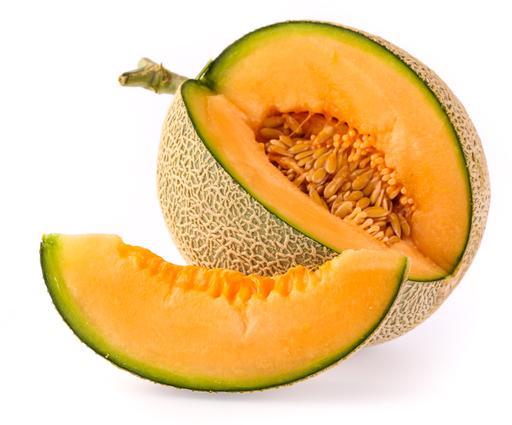
Golden melon or honey-melon is a fruit for everyone. The balance in its taste, color, crunchiness and water content is a perfect combination for anyone hoping to consume a delight. The golden melon was originally from Europe and Africa before spreading to other parts of the world. Golden melon is a great constituent of essential minerals and nutrients such as vitamin C, pantothenic acid, calcium, zinc, vitamin B6, fiber, magnesium, iron, potassium, vitamin A and omega-3 & 6. The intake of golden melon helps to regulate blood pressure level due to the presence of potassium in it. The Omega 3 & 6 fatty acids also makes it effective for maintaining a healthy heart. Puree and use your melons to make sauces, smoothies, and cocktails. The sweet flavor is complemented by cucumber, mint, basil, red onion, blueberries, mango, robust cheese varieties, salted meats, honey, cream, black pepper and balsamic vinegar.
Do not forget to scoop out the seed portion inside the fruit just like you would do to papaya. Golden melon is easily perishable and as such necessitates quick consumption upon ripening to avoid spoilage.
Soil should be mixed with well rotten Cow dung. Make planting beds around 5 7 feet wide and sow seeds on both sides of bed at 1.5 feet distance between two lines. Water it immediately and then water as per requirement. Harvest after 90 to 95 days.
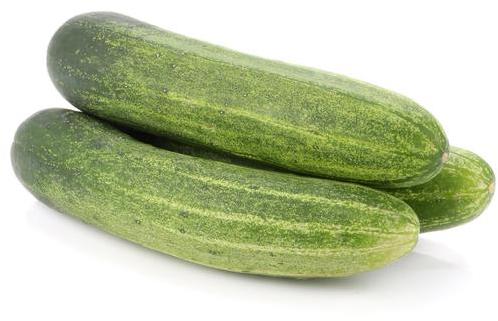
Belonging to the Cucurbitaceae family of plants, same as melons and squash, cucumbers originated in parts of Middle East and Western Asia, but particularly in India. The elongated, water-rich, and light-on-the-palette vegetable is an effective way of getting rid of internal heat, flushing out toxins, while still sufficiently hydrating to prevent dehydration. Also, low on calories, cucumbers are rich in Vitamin A, C, K, folate, magnesium, potassium, calcium, iron, copper, zinc, and many other nutrients and minerals. Being a potent source of antioxidants, cucumbers impart enough nourishment for the skin to look healthy and can also reduce puffiness around eyes, and treat swelling and sunburns too. Also with anti-inflammation and anti-cancer properties, there is no possible excuse one can come up with, to not eat them. In fact, people looking to maintain or reduce weight should have these on a daily basis with their meals.
Cucumbers are popularly consumed raw in salads, sandwiches, smoothies, and cold soups. Just wash, peel, and you are good to go. But if you are bored with the regular way of eating cucumbers, then try pickling them.
Soil should be mixed with well rotten Cow dung. Sow the seeds at a distance of 1 plant to plant and 4 line to line. Water it immediately and then water as per requirement. Harvest 55 60 days after sowing.
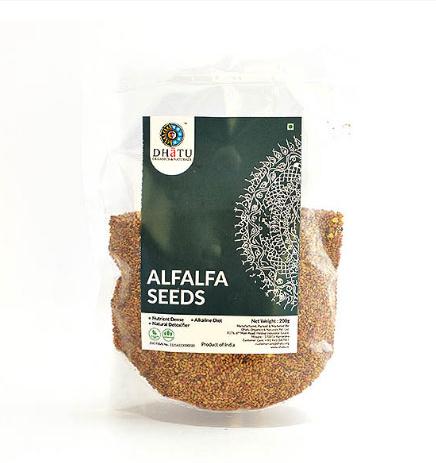
Alfalfa seeds are high in many essential vitamins and minerals, including A, D, E, K, and B vitamins; biotin, calcium, folic acid, iron, magnesium, potassium and many others, as well as being very high in protein. Sprout the seeds and use them in salads and smoothies.
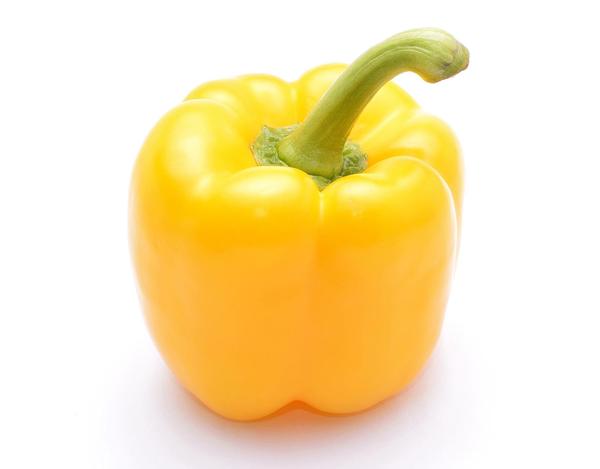
Just like red and green varieties, yellow bell peppers too come packed with their own set of health-giving properties. Not just beautiful and happy to look at, the yellow capsicum is distinct in taste and the benefits it can endow you with. A fantastic way of taking in the much-needed dose of iron and protein in sufficient quantity. Also a potent source of antioxidants like Vitamin C and Vitamin E along with the fat-soluble agent Vitamin A. It does contain Vitamin B6 and potassium too. The presence of all these nutrients gives yellow capsicum its anti-inflammation and even anti-cancer properties. But what actually sets the yellow ones apart from other bell peppers is the presence of lutein and zeaxanthin carotenoids in abundance.
Where cooking techniques are concerned, they are not much different from those recommended for other bell peppers. You can grill, roast, steam, saute and stuff these ones too. But take care not to overcook them and destroy the essential nutrients.
Soil should be mixed with well rotten Cow dung. Sow seeds in rows at distance of 1.5 feet between row to row and 1.0 feet between plant to plant. Water it immediately and then water as per requirement.
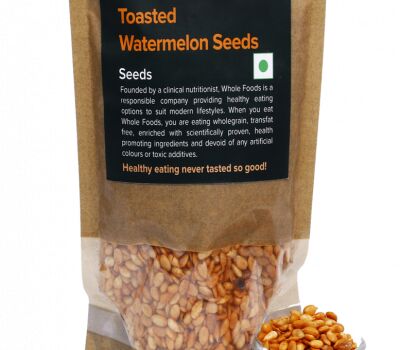
Gluten Free Toasted Water Melon Seeds 180g
Ingredients: Watermelon seeds, Edible vegetable oil, citrus acid, salt, spices and condiments
Best had: Can be added to salads, flours, or just the way it is.
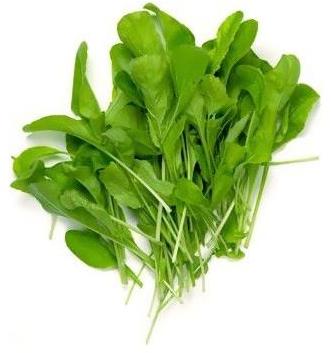
Spinach microgreens are so intensely flavorful that a handful go a long way. Pinch off a few to check the flavor. Spray the plants thoroughly two hours before you intend to harvest them. Shake off excess water and allow them to air dry. This will keep them at their freshest.
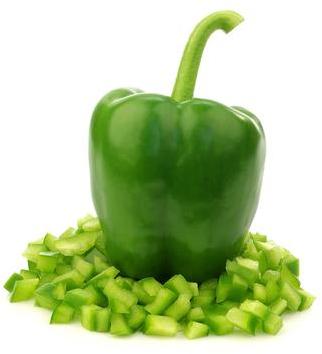
The origin of the capsicum is known to be the Americas. However, the vegetable is now widely available in almost all parts of the world. It is now one of the main ingredients of many cuisines such as South Asian, European, Mediterranean and of course Mexican. Native to the Americas, Mexico, Central America, and South America, the capsicum has been named after the Latin word, capsa, meaning case. Its a highly flavorful vegetable with variants in red and yellow colors. The vegetable is also known to have medicinal value and formed a primary food ingredient in the Americas. The capsicum belongs to the genus of flowering plants in the nightshade family Solanaceae. Capsicum is very rich in nutrients and contains good amount of Vitamin A and C. Along with essential nutrients, it also provides a healthy dosage of proteins, plant fats, and carotenoids. It also contains provitamins such as B1, B2, and B3, P, and E. Traditionally, the capsicum has been used to keep cholesterol in check and treating indigestion. Regular consumption of the vegetable is also advised to those suffering from diabetes. At All That Grows, we offer pure, non-GMO seeds of capsicum that you can easily grow in your kitchen gardens! So start today and add this healthy vegetable to your gardens.
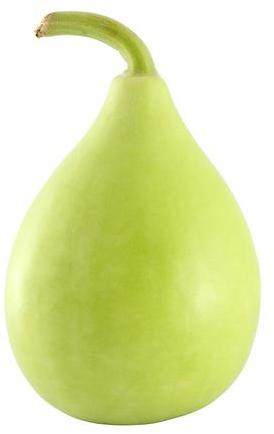
When going by the shape of this vegetable, the name is hardly a surprise. This variety of bottle gourd is called the Lattu Ghiya in India and is cultivated differently too. Grown along a trellis that comprises wooden or metal bars as a means of support for the fruit to retain its unique shape. Consisting of all the qualities of bottle gourd, the bulb or pear-shaped variant too, is an excellent source of Vitamin C, B, zinc, potassium, magnesium and many other beneficial and life-sustaining nutrients. Being rich in fibre, its consumption works wonders as a remedy for constipation and flatulence. It also helps in lowering bad cholesterol levels. With a high water content, almost 94%, the vegetable can be consumed without having to worry about burning calories.
So go ahead and grow the freshest bottle gourd bulbs in your homes and farms. Whether cook as a curry with your favorite spices or extract its juice, but make sure make to make it a regular part of your diet.
Soil should be mixed with well rotten Cow dung. Sow the seeds at a distance of 4 feet line to line and 1 feet plant to plant. Water it immediately and then water as per requirement. Harvest after 55 to 60 days.
 Steve A (My Green Mart)
 Old Madras Road, Indira Nagar, Bengaluru, Karnataka - 560049
 Share us via









