Write a Review
Our Products
We offer the best product range of Mung and Soybean.
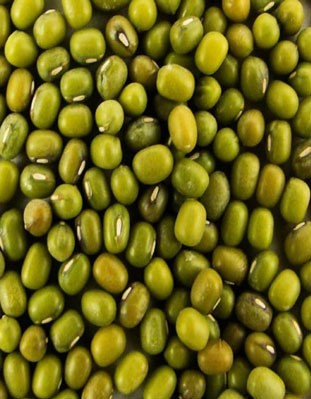
Mung beans have been used throughout Asia in cuisine and for medicinal purposes for thousands of years.Mung beans are also know as Green Gram and Golden Gram. Mung beans are the cousin to the Adzuki Bean.A nourishing and easily digestable legume. This small, green, fighting bean is high in overall nutritionalcontent, low in calories, sodium and fat, and exhibits powerful antioxidant properties that fight disease and protect your body. Mung beans are an effective detoxifier, provide anti-inflammatory benefits, lower cholesterol and contain compounds that inhibit the formation and growth of cancerous tumors. Rich in fibre and low in calories, mung beans make the perfect addition to your weight loss goals as they increase your sense of fullness while curbing cravings for carbs and sweets. Mung beans can be eaten whole or sprouted, in savoury and sweet dishes, and can be added to soups, salads, sandwiches, casseroles and curries.
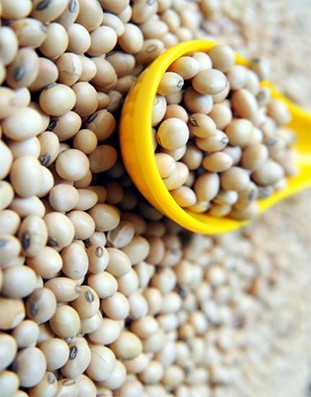
The soybean (U.S.) or soya bean (UK) is a species of legume native to East Asia. The plant is classed as an oilseed rather than a pulse. It is an annual plant that has been used in China for 5, 000 years to primarily add nitrogen into the soil as part of crop rotation. The plant is sometimes referred to as greater bean. In Vietnam, the plant is called d?u tuong or d?u nnh. Both unriped soybean and its dish is called edamame in Japan, and referring to a specific dish in English.
Fat-free(defatted) soybean meal is a primary, relatively low-cost, source of protein for animal feeds or rations; soy vegetable oil is another valuable product of processing the soybean crop. Soybean products such as TVP (textured vegetable protein), for example, are important ingredients in many meat and dairy analogues. Traditional nonfermented food uses of soybeans include soymilk, and from the latter Tofu and tofu skin or yuba. Fermented foods include shoyu or soy sauce, miso, natto, tempeh, Ketjap among others. The oil is used in many industrial applications. The main producers of soy are the United States (32%), Brazil (28%), Argentina (21%), China (7%) and India (4%). The beans contain significant amounts of phytic acid, alpha-Linolenic acid, and the isoflavones genistein and daidzein.
 Sanjay (Oswal Psyllium Exports)
 asirabad Highway, Opp. Balkavi Bairagi College, Village- Kanawati, Neemuch, Madhya Pradesh, India
 Share us via