
Company Information
 Member Since 1 Year
 Nature of Business Manufacturer
 GST No. 18AAICH2604L1ZH
Ask for more detail from the seller
Contact Supplier
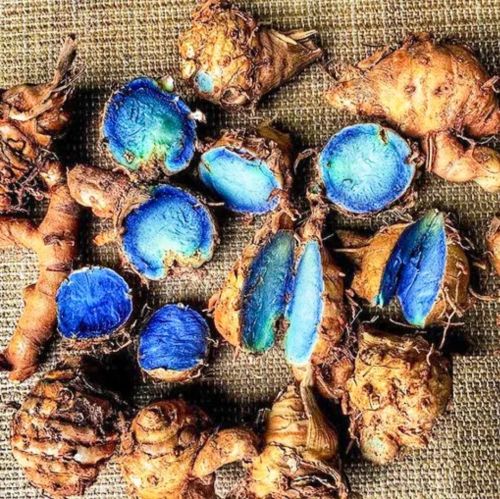
The rhizome known locally as "Black Turmeric" or "Kali Haldi" is scientifically identified as Curcuma caesia Roxb. It is highly valued in traditional Indian medicine, particularly in the North-Eastern regions.
Here are the key medicinal properties of Black Turmeric:
Medicinal Properties of Black Turmeric (Curcuma caesia)
1. Anti-inflammatory and Analgesic (Pain Relief)
Anti-inflammatory: Black Turmeric possesses strong anti-inflammatory properties, mainly due to its high concentration of bioactive compounds, including curcumin and volatile oils (like camphor). This makes it effective in traditional medicine for reducing swelling, bruises, sprains, and symptoms of rheumatic pains and arthritis.
Analgesic: It is traditionally used as a pain reliever for conditions such as toothaches, joint pain, muscle soreness, and generalized discomfort.
2. Digestive Health
Carminative: The rhizome is used to alleviate gastrointestinal issues like bloating, flatulence (expelling gas), and indigestion (dyspepsia).
Stomach Tonic: Chewing a small piece of the fresh rhizome is believed to provide relief from stomach pain and promote proper functioning of the liver and kidneys.
3. Respiratory Disorders
Anti-asthmatic and Bronchial Support: It is traditionally used to treat various respiratory conditions, including asthma and bronchitis, by helping to clear the airways and reduce inflammation.
4. Anti-Microbial and Wound Healing
Antioxidant Power: It contains a high level of antioxidants, which combat free radicals and oxidative stress, thereby helping to prevent cellular damage and support overall health.
Anti-microbial: Extracts and essential oils show significant antibacterial and antifungal activities, making it useful in fighting infections.
Wound and Skin Healing: A paste made from the fresh rhizome is topically applied to wounds, sores, contusions, and other skin disorders (like leukoderma/white patches) for quick relief and healing.
5. Potential Anti-cancer Activity
Antitumor/Anticancer: Similar to common turmeric, C. caesia has been studied for its anti-tumor and anti-cancer potential. Research suggests its active compounds may help limit the spread of cancerous cells.
6. Women's Health and Other Uses
Menstrual Health: Traditionally, it is used to manage and relieve symptoms of menstrual disorders and cramps.
Aphrodisiac and Fertility: It is cited in folk medicine as an aphrodisiac and is believed to enhance fertility levels.
Neurological: It has been traditionally used to treat conditions like epilepsy and is considered a tonic for the brain.



Connect with us





 For Buyer
  For Seller
  Help
Help 

 Katigorah Badarpur, Silchar, Assam
 Send Enquiry