
Company Information
 Member Since 9 Years
 Nature of Business Exporter Year of Establishment 2014
Ask for more detail from the seller
Contact Supplier
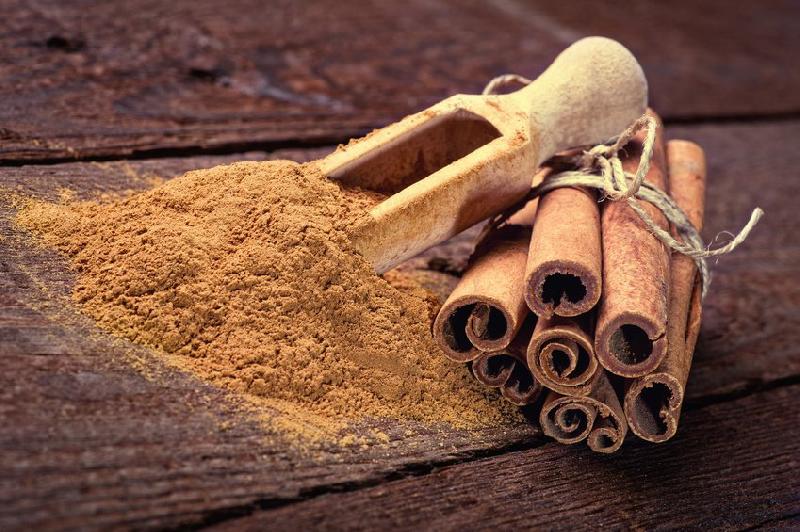
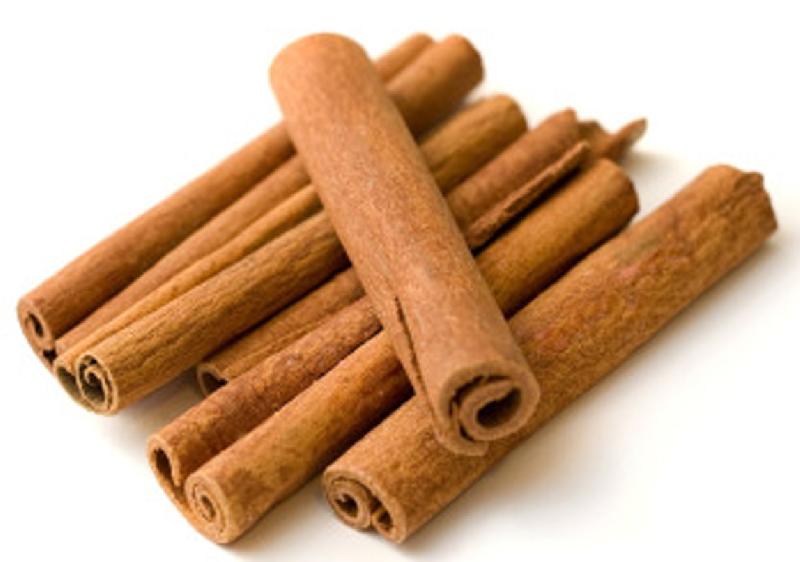
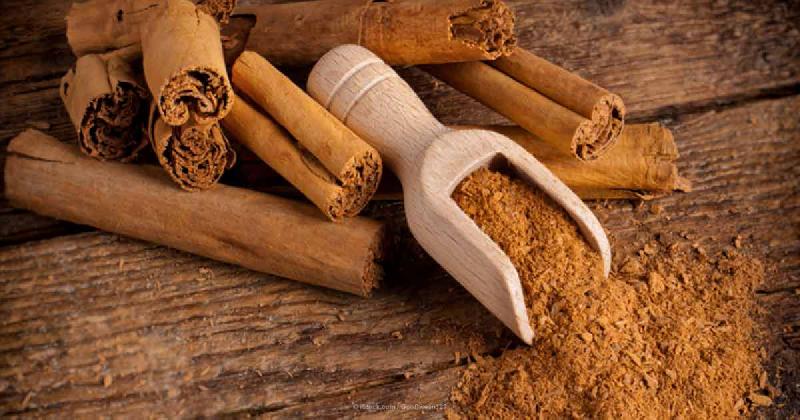
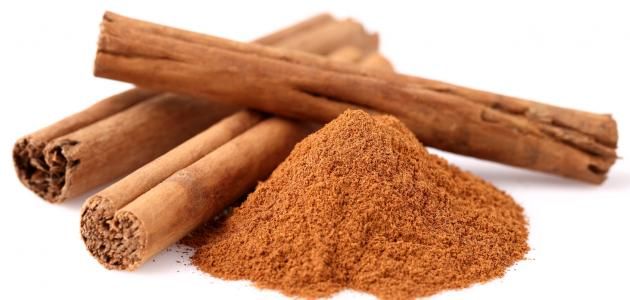
Cinnamon spice is one of the highly prized spices that has been in use since biblical times for its fragrance, medicinal and culinary properties. This delightfully exotic, sweet-flavored spice traditionally obtained from the inner brown bark of Cinnamomum trees which when dried rolls into a tubular-sticks, known commercially as "quill." The cinnamon plant is a small, evergreen bushy tree belonging to the family of Lauraceae or laurel within the genus, Cinnamomum. This novel spice is native to Sri Lankan island but also grow in many other countries such as Indonesia, Myanmar, Bangladesh, India, China.
Different cultivars of cinnamons exist; however, Sri Lankan variety considered widely as "true cinnamon" (Cinnamonum verum.) Traditionally, mature cinnamon tree inner bark bruised using a brass rod, which is then peeled off from the tree. In the processing units, this layer sliced into long stripes which are then rolled into quills by hand and allowed to dry under the sunlight.
Aromatic cinnamon essential oil (makes up 0.5% to 1% of its composition) also extracted from the same tree. In the factories, this fragrant-rich inner layer pounded roughly, macerated in seawater, and then quickly distilled. Cinnamon oil features golden-yellow color with the characteristic tint of cinnamon and very pungent, aromatic taste. The pungent taste and scent in cinnamon spice is because of chemical compounds, cinnamic aldehyde and cinnamaldehyde. Cassia, also known as Chinese cinnamon, is a different member of Lauraceae family, and named as Cinnamomum cassia. Cassia is coarser, more spicy, and pungent but less fragrant than cinnamon. It is usually substituted for the cinnamon in savory dishes.
Health benefits of cinnamon :
Selection and storage :
Medicinal uses of cinnamon :
Culinary uses :
In order to keep the fragrance and flavor intact, cinnamon spice is generally powdered just before preparing dishes and added at the last moment in the cooking recipes since prolonged cooking results in evaporation of its essential oils.
| Principle | Nutrient Value | Percentage of RDA |
|---|---|---|
| Energy | 247 Kcal | 0.12 |
| Carbohydrates | 50.59 g | 0.39 |
| Protein | 3.99 g | 0.07 |
| Total Fat | 1.24 g | 0.05 |
| Cholesterol | 0 mg | 0 |
| Dietary Fiber | 53.1 g | 1.33 |
| Vitamins | ||
| Folates | 6 µg | 0.02 |
| Niacin | 1.332 mg | 0.08 |
| Pantothenic acid | 0.358 mg | 0.07 |
| Pyridoxine | 0.158 mg | 0.12 |
| Riboflavin | 0.041 mg | 0.03 |
| Thiamin | 0.022 mg | 0.02 |
| Vitamin A | 295 IU | 0.1 |
| Vitamin C | 3.8 mg | 0.06 |
| Vitamin E | 10.44 mg | 0.7 |
| Vitamin K | 31.2 µg | 0.26 |
| Electrolytes | ||
| Sodium | 10 mg | <1% |
| Potassium | 431 mg | 0.09 |
| Minerals | ||
| Calcium | 1002 mg | 1 |
| Copper | 0.339 mg | 0.38 |
| Iron | 8.32 mg | 1.04 |
| Magnesium | 60 mg | 0.15 |
| Manganese | 17.466 mg | 7.59 |
| Phosphorus | 64 mg | 0.09 |
| Zinc | 1.83 mg | 0.17 |
| Zinc | - | - |
| Phyto-Nutrients | ||
| Carotene-ß | 112 µg | - |
| Crypto-xanthin-ß | 129 µg | - |
| Lutein-zeaxanthin | 222 µg | - |
| Lycopene | 15 µg | - |



Connect with us





 For Buyer
  For Seller
  Help
Help 

 Kodambakkam, Chennai, Tamil Nadu
 Send Enquiry