
Company Information
 Member Since 1 Year
 Nature of Business Manufacturer Year of Establishment 2025
Ask for more detail from the seller
Contact Supplier
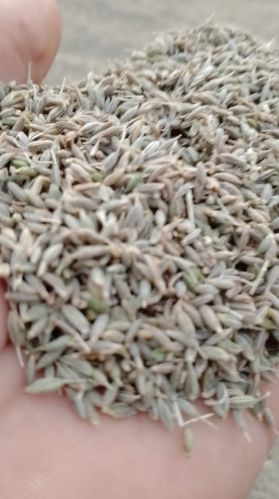
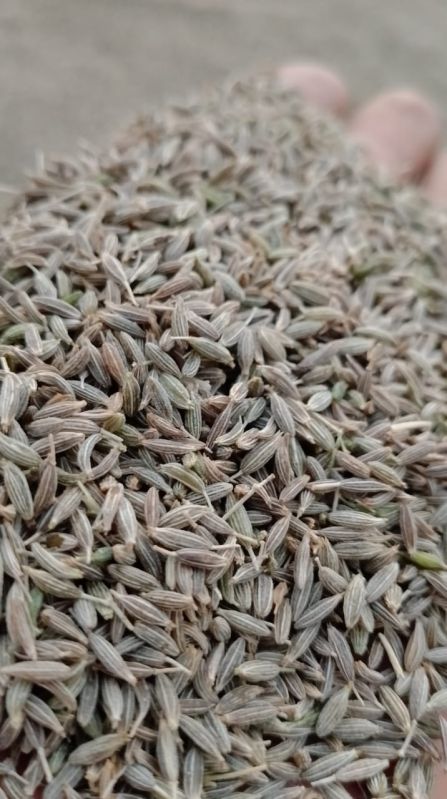
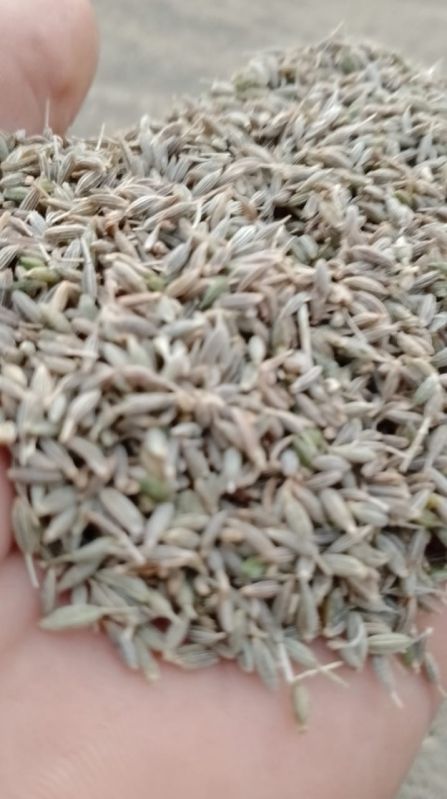
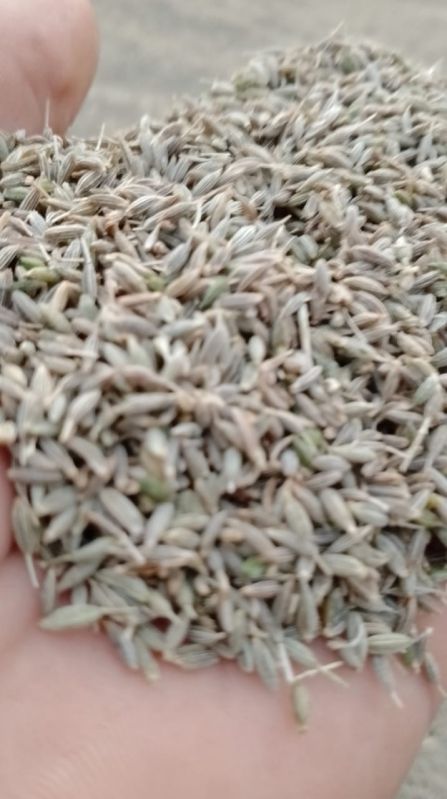
Cumin has a warm, earthy, and slightly bitter flavor, making it a popular spice in various cuisines worldwide, especially Indian, Middle Eastern, Mediterranean, and Mexican.
\Nutritional Value:
\Despite being used in small quantities, cumin seeds offer several nutrients. According to the University of Rochester Medical Center, one tablespoon of cumin seeds contains approximately:
\Smaller amounts of other B vitamins, vitamin A, zinc, copper, and manganese.
\Cumin seeds are also rich in antioxidants, including phenolic acids and flavonoids like luteolin, quercetin, and apigenin.
\Health Benefits:
\Modern research supports many traditional uses of cumin seeds, highlighting a wide range of potential health benefits:
\Digestive Health: Cumin can stimulate digestive enzymes, promote bile excretion, and reduce symptoms like bloating and indigestion. It has carminative properties that help relieve flatulence.
\Blood Sugar Control: Studies suggest cumin may help lower blood sugar levels and improve insulin sensitivity, making it beneficial for diabetes management.
\Heart Health: Cumin may help lower bad (LDL) cholesterol and triglyceride levels while increasing good (HDL) cholesterol. It can also help regulate blood pressure due to its anti-inflammatory, antioxidant, and vasodilatory properties, as well as its potassium content.
\Antioxidant Properties: The high antioxidant content in cumin helps protect the body against damage from free radicals, potentially reducing the risk of chronic diseases.
\Anti-inflammatory Effects: Cumin\\\'s active compounds possess anti-inflammatory properties that may help counter pain and inflammation.
\Antimicrobial Properties: Cumin oil has shown effectiveness against certain bacteria and fungi, including some antibiotic-resistant strains. It has also been used as a food preservative.
\Potential Anti-cancer Effects: Some studies suggest that cumin may inhibit the growth and multiplication of cancer cells, particularly in the colon, stomach, and liver, although more human research is needed.
\Immune Support: Cumin is a good source of essential nutrients like iron, zinc, and B vitamins, which are crucial for a healthy immune system.
\Weight Management: Some studies indicate that cumin may aid in weight loss by boosting metabolism and reducing body fat.
\\
Bone Health: Cumin is rich in calcium and phosphorus, essential minerals for maintaining healthy bones and teeth. It also contains phytoestrogens that may reduce calcium loss.
\\
\



Connect with us





 For Buyer
  For Seller
  Help
Help 

 Jetpur, Rajkot, Gujarat
  Send Enquiry