
Company Information
 Member Since 1 Year
 Nature of Business Supplier
 GST No. 33AFKFS0198A1Z6
Ask for more detail from the seller
Contact Supplier
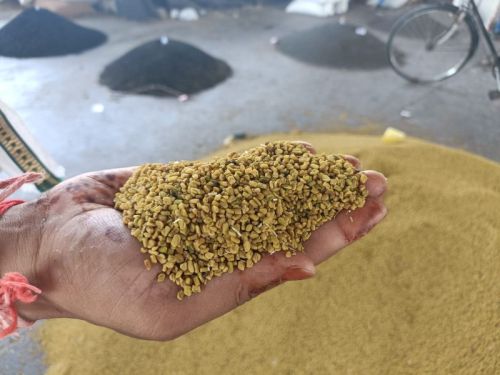
Cultivated and used variety in India. Here are its key characteristics and uses:
Characteristics:
1. Leafy greens with trifoliate leaves
2. White or yellow flowers
3. Long, thin pods containing 10-20 seeds
4. Strong, earthy aroma
5. Bitter, slightly sweet taste
Culinary Uses:
1. Leaves (methi): Used in curries, stews, and sabzis
2. Seeds: Used whole or ground in curries, stews, and baked goods
3. Sprouts: Used in salads and sandwiches
Regional Varieties:
1. Kasoori methi (Punjab): Dried fenugreek leaves used in curries
2. Methi saag (Bengal): Fresh fenugreek leaves used in stir-fries
3. Hyderabadi methi (Telangana): Fenugreek seeds used in biryani
Health Benefits:
1. Lowers blood sugar and cholesterol
2. Aids digestion and bowel health
3. Supports lactation in nursing mothers
4. May alleviate menopausal symptoms
Ayurvedic Medicine:
1. Digestive issues: Used to treat bloating, gas, and indigestion
2. Diabetes: Used to lower blood sugar levels
3. Respiratory issues: Used to treat bronchitis, asthma
Cultivation:
1. Easy to grow in well-drained soil
2. Prefers full sun and warm temperatures
3. Sow seeds directly in spring or fall
Indian Recipes:
1. Methi chicken
2. Palak paneer with methi
3. Methi thepla (flatbread)
4. Kasoori methi biryani
Storage:
1. Store seeds in airtight containers
2. Keep leaves fresh in refrigerated conditions
3. Freeze or dry leaves for longer storage
Fun Facts:
1. Fenugreek is a natural galactagogue, increasing milk production in nursing mothers.
2. In Ayurvedic medicine, fenugreek is considered a tridoshic herb, balancing all three doshas.
3. Indian fenugreek is exported worldwide for its medicinal and culinary uses.



Connect with us





 For Buyer
  For Seller
  Help
Help 

 Chengalpattu, Tamil Nadu

 Send Enquiry