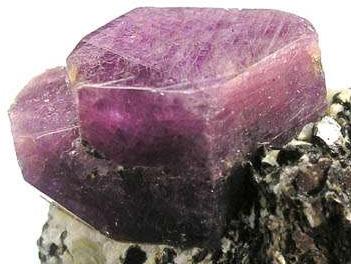
In the early 1990's, a new source of gem quality sapphire stunned the international gemstone market. Madagascar, a large island nation off the south-east coast of the African continent, became the hottest news in the precious gem industry. With just a few years of development, several new mine sources began producing commercial to top gem quality sapphires the likes of which had not been seen for over a century.Buyers from around the globe flocked to the new finds. Once small villages of a few dozen mud huts soon became wild west boomtowns with 10's of thousands of new inhabitants. Most of the newcomers were itinerant miners looking to strike it rich in the pay dirt of the Madagascar wilderness. Dirt poor farmers could become instantly wealthy by local standards with the find of just one exceptional rough sapphire crystal.These new African deposits have been a boon to sapphire traders everywhere in the world. There is now a whole new range of beautiful blue gemstones available to gem dealers, jewelers and collectors, many of which are often compared with Ceylon sapphire. The color saturation, clarity, evenness and purity of color occasionally rival the finest of Burma and even the elusive sapphires of Kashmir.Production from Kashmir has been virtually nothing for the past several decades, making fine sapphires from this source nearly impossible to find. Burma however, does continue to produce excellent quality sapphires to this day, but in very small quantities. The wonderful advantage to modern day sapphire lovers is the relative availability of Madagascar gems at affordable prices. Madagascar has made the dream of owning a Kashmir look-alike possible to a wide range of gem lovers around the world.

 Member Since 19 Years
 Nature of Business Exporter
 Address Gopalpur Satsang Colony, Gopalpur, Asansol, West Bengal, 713304, IN
 Number of Employees 6 - 20






 For Buyer
  For Seller
  Help
Help 
 Twitter
 WhatsApp
 Facebook
 Linkedin