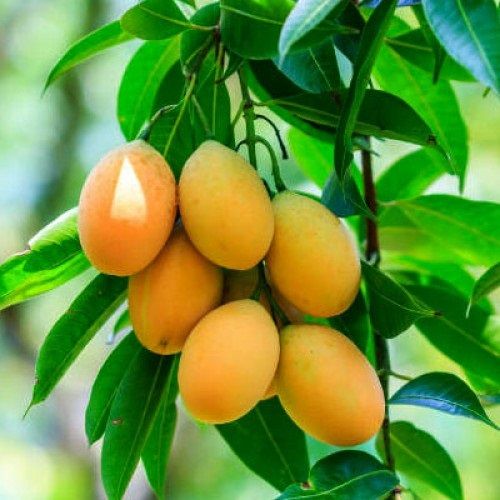
 399 / piece
Company Information
 Member Since 5 Years
 Nature of Business Supplier
Ask for more detail from the seller
Contact Supplier
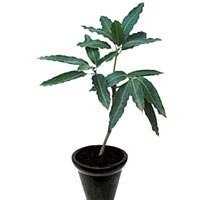
The Mango Plant, scientifically known as Mangifera indica, is a tropical fruit tree belonging to the Anacardiaceae family. Revered for its delicious and aromatic fruits, the Mango Plant is native to South Asia but is now cultivated in tropical and subtropical regions worldwide. It is cherished for its sweet and juicy mangoes, as well as its ornamental value, cultural significance, and potential health benefits. Key Features and Benefits: Delicious Fruit: Mangoes are renowned for their sweet, succulent flesh and rich flavor, making them one of the most popular tropical fruits worldwide. Depending on the variety, mangoes come in a range of shapes, sizes, colors, and flavors, from small and tangy to large and sweet. Nutritional Value: Mangoes are packed with essential nutrients, including vitamins (such as vitamin C, vitamin A, and vitamin E), minerals (such as potassium and magnesium), antioxidants, and dietary fiber. They are low in calories and fat, making them a healthy addition to a balanced diet. Versatile Culinary Uses: Mangoes can be enjoyed fresh, sliced, diced, or blended into smoothies, salads, salsas, desserts, and savory dishes. They are also used to make juices, jams, chutneys, ice creams, and other delicious treats, adding a tropical flair to any recipe. Medicinal Properties: In addition to their culinary appeal, mangoes have been used in traditional medicine systems like Ayurveda and traditional Chinese medicine for their potential health benefits. They are believed to have anti-inflammatory, antioxidant, immune-boosting, and digestion-improving properties. Ornamental Value: Beyond its culinary and medicinal uses, the Mango Plant is valued for its ornamental beauty. It features glossy, evergreen foliage and clusters of fragrant, showy flowers that bloom in spring or early summer, attracting bees, butterflies, and other pollinators.



Connect with us





 For Buyer
  For Seller
  Help
Help 

 Rohini, Delhi
 Send Enquiry