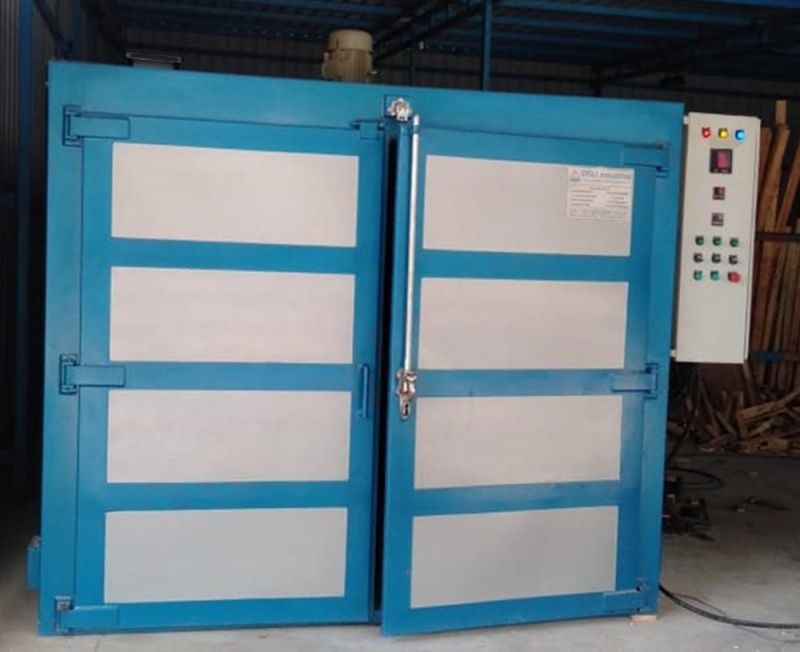
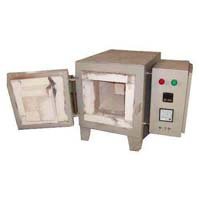
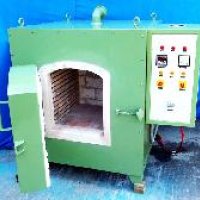
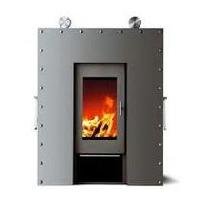
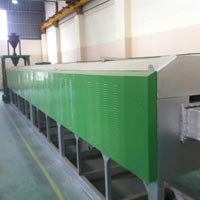
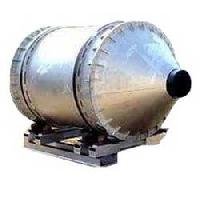
Stress-relieving improves the part’s machinability and promotes tighter mechanical tolerances, but unlike annealing or normalizing, it does not change the steel properties. As a result of rolling, forging, machining, welding, and other hot and cold working, steel will build up residual stresses as the metal is stretched and compressed. To relieve these stresses, the steel is heated to just below the critical range, approximately 600° C for one steel formulation, and soaked thoroughly at this temperature. The metal becomes soft enough to allow creep, and internal residual stresses are released. This prepares the steel for further working without stress cracking, or to be put into service without failure in the future. An industrial stress relieving oven applies heat to a product which reduces residual stress in the material and decreases the risk of dimensional changes. Stress relieving improves parts machinability and promotes tighter mechanical tolerances without changing the steel properties.

 Member Since 1 Year
 Nature of Business Manufacturer
 Address Plot No. 145, Sector-16, HSIIDC Bahadurgarh, Haryana, H S I I D C, Bahadurgarh, Haryana, IN






 For Buyer
  For Seller
  Help
Help 
 Twitter
 WhatsApp
 Facebook
 Linkedin