
Company Information
 Member Since 1 Year
 Nature of Business Manufacturer
 GST No. 23EEIPP1517P1Z5
Ask for more detail from the seller
Contact Supplier
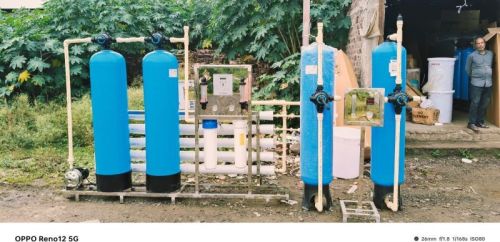
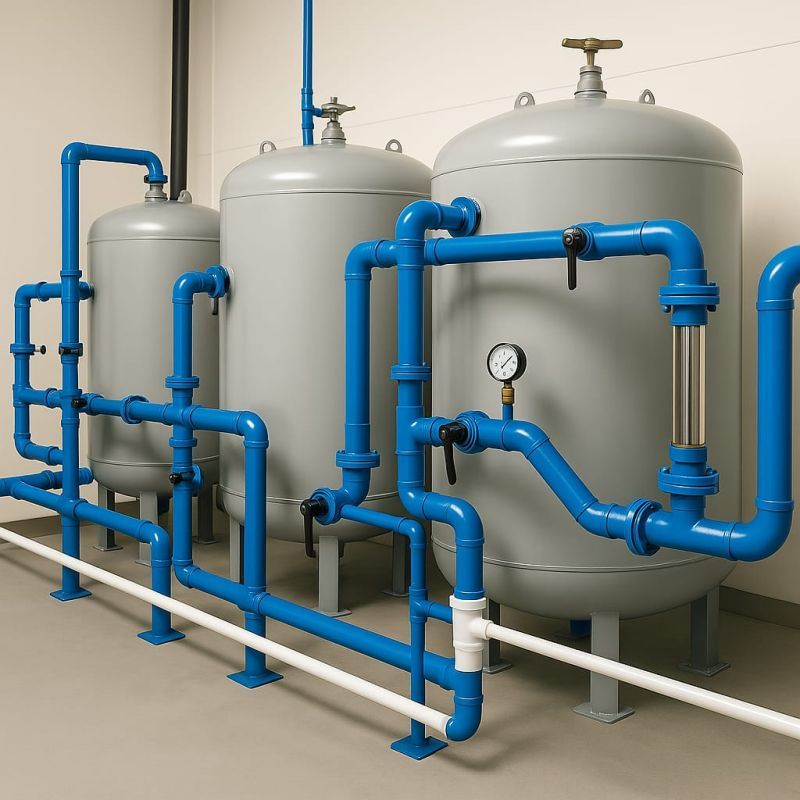
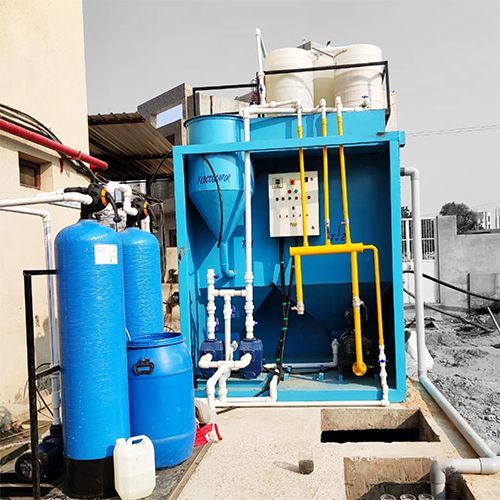
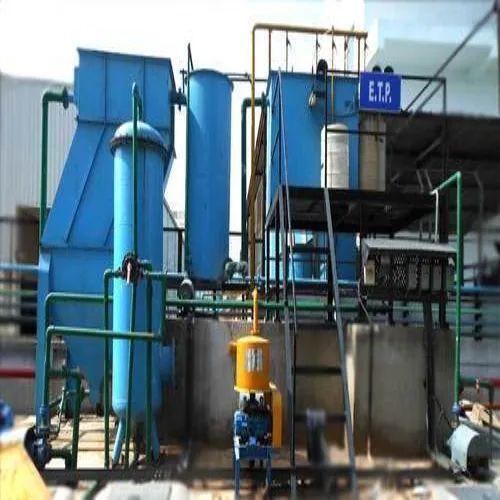
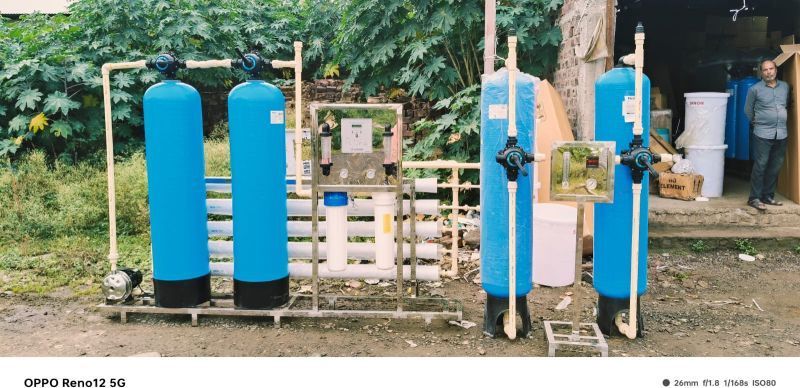
Wastewater recycling equipment includes a variety of specialized technologies and machinery used for treating and reusing wastewater across different industries. Based on recent web sources, here are the key types of equipment commonly used:
Types of Wastewater Recycling Equipment
Screw Press: Used for sludge dewatering, efficiently removing moisture from sludge (up to 85%) using a self-cleaning mechanism, suitable for industrial sludge and biosolids.
Dissolved Air Flotation (DAF): Removes suspended solids, fats, oils, and greases through microbubble flotation, providing high removal efficiency with low operational costs and small footprint.
Submerged Aerated Filters (SAF): Biological treatment systems using bio-media beds and aeration to remove organic matter and nutrients with minimal energy requirements.
Sequencing Batch Reactors (SBR): Biological treatment technology treating wastewater in batches, capable of high-quality effluent with flexible operation, particularly effective for variable flows.
Filter Presses: Powerful dewatering units that recover water from sludge, producing solids for disposal while reclaiming over 95% of water, suitable for plastic recycling and other industries.
Biofiltration and Advanced Technologies:
BioFiltro employs worms and microbes to remove up to 99% of contaminants rapidly, enabling high-quality water reuse or discharge.
Algae-based systems like Gross-Wen recover nutrients and produce fertilizer, reducing nutrient load and greenhouse gases.
Pellets for phosphorus and nitrogen removal target nutrient pollution effectively.
Reverse Osmosis (RO): Uses semi-permeable membranes to remove impurities, delivering high-purity water suitable for reuse in industrial processes.
Vacuum Evaporation and Distillation: Employ heat to separate water from contaminants, frequently used in chemical, petrochemical, and pharmaceutical industries.
Other Equipment: Valves, heat pumps, and specialized units for specific industrial applications support the treatment process at different stages, ensuring efficiency and compliance.
These technologies are often combined into integrated systems for effective treatment, resource recovery, and water reuse, reducing environmental impact and operational costs in industries like plastics, pharmaceuticals, chemicals, and manufacturing.



Connect with us





 For Buyer
  For Seller
  Help
Help 

 Sapna Sangeeta Road, Indore, Madhya Pradesh
  Send Enquiry