 GST : 27AKFPY9928E1ZI
 Write a Review
Our Products
Our product range contains a wide range of Fresh Shallot Onion
How to Identify an Onion
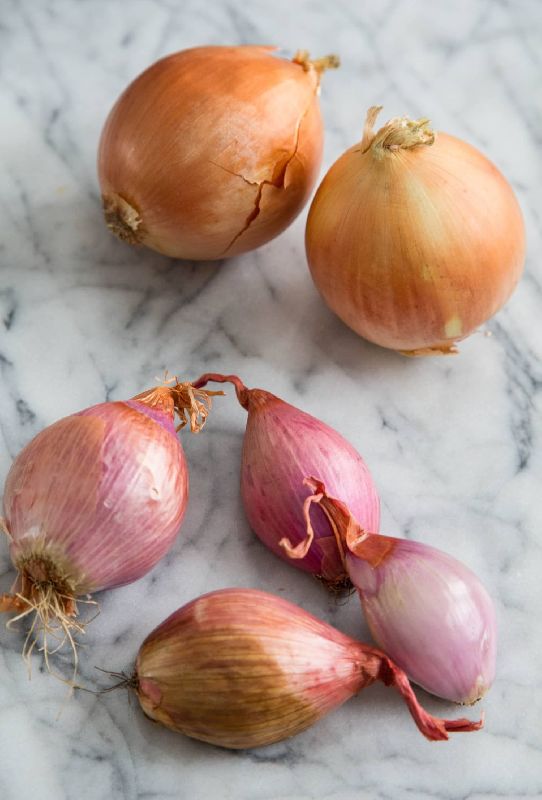
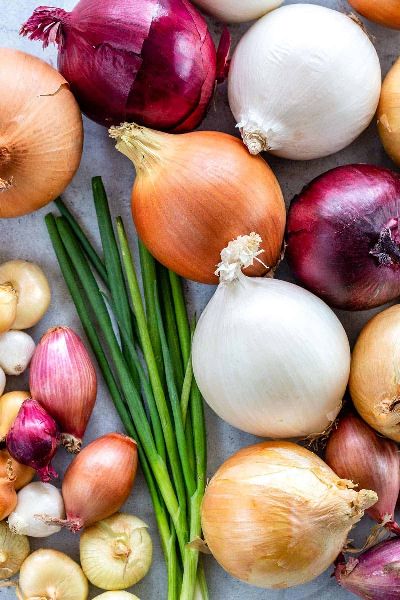
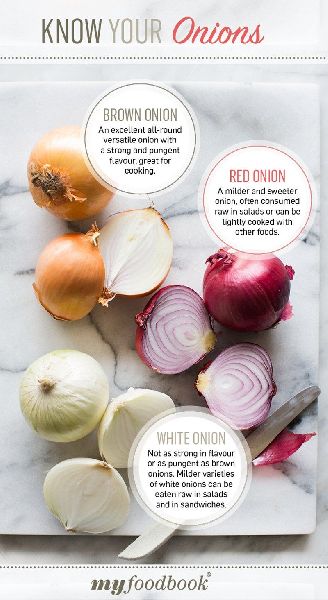
Just in case they are not labeled at the farmers’ market, here is how to spot an onion. Each onion grows as an individual bulb. They have a smooth, papery skin that, when peeled off, reveals multiple layers and rings of the vegetable. An onion’s texture is crunchy when raw, crisp when fried, and soft when cooked down. Onions come in a wide range of colors, from pure white to deep purple, and sizes, from tiny pearl onions to those as big as a softball. You may even come across the flattened cippolini, an onion out of Italy. The most common types of onions found at the grocery stores, however, are yellow, red, white, and the long, thin green onions.
How to Identify a Shallot
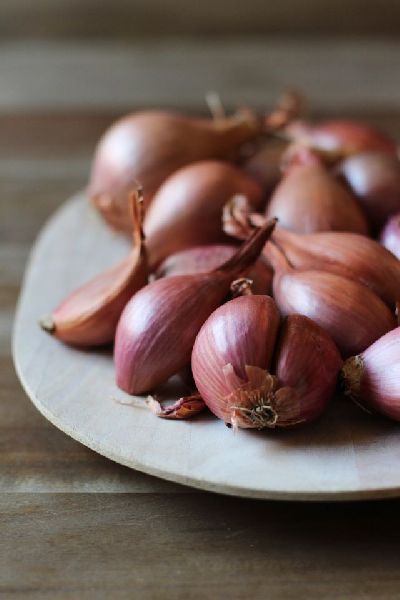
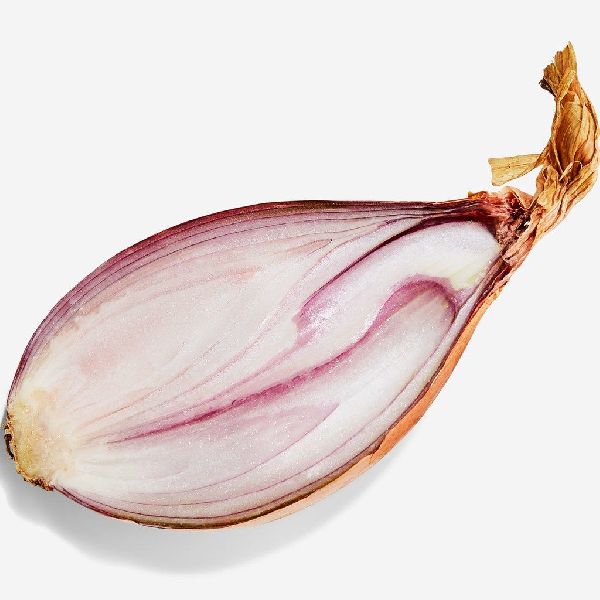
It is easy to confuse a shallot for an onion because it looks like an oblong shaped onion. But while an onion grows individually, shallots, like garlic, grow in clusters on a plant. A shallot will also reveal cloves when peeled, rather than rings. Their skin color can vary between golden brown, red, or gray, while the flesh is usually creamy white with a hint of color similar to that of the skin.
Can They Be Used Interchangeably?
While both onions and shallots give an oniony flavor, they are not always interchangeable. If used as an enhancement, such as in a salad dressing and measured by the teaspoon, you can swap them out with little issue. But in a larger cooked dish, you should use half the amount of shallot as you would onion when making substitutions.
 Mr. Avneesh Yewale (Shipaway Overseas)
 03, Sujata Layout, Indraprastha Nagar Road, Bhamti, Nagpur, Maharashtra - 440022
 Share us via