My ExportersIndia

For Buyer

For Seller

For Help

Our Products

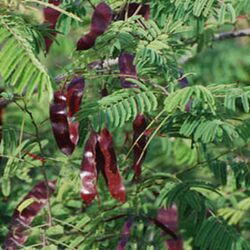
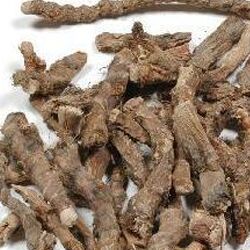
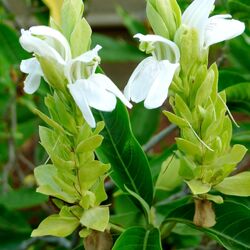
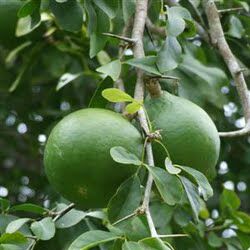
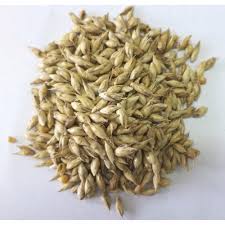
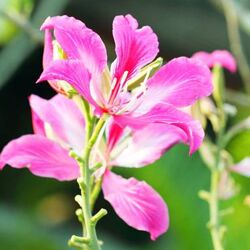
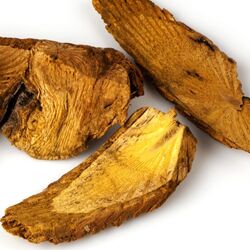
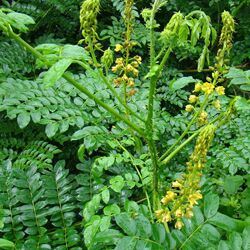
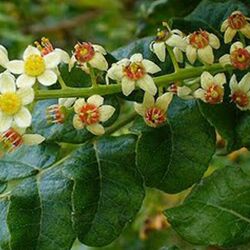
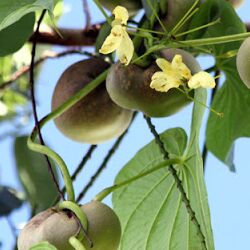
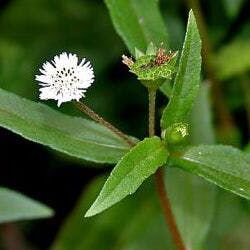
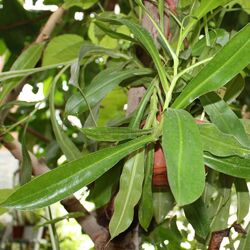
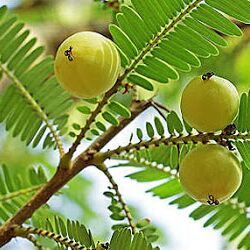
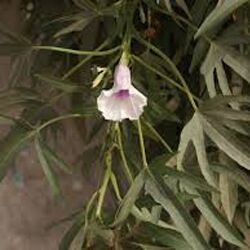
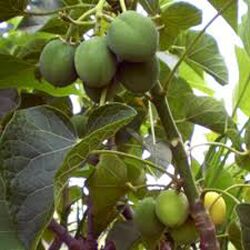
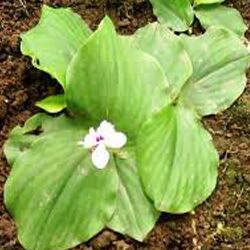
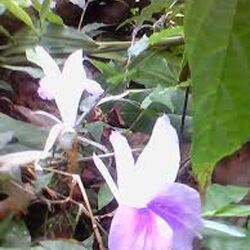
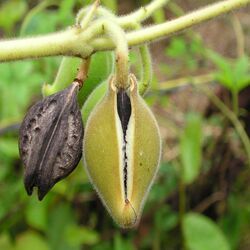
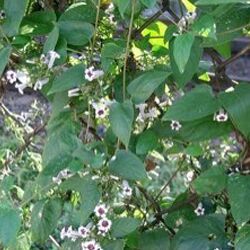
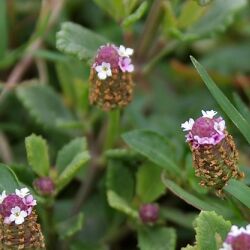
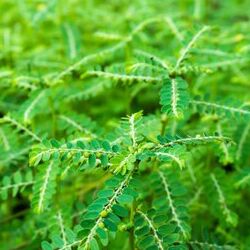
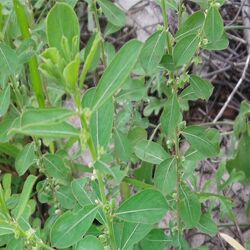
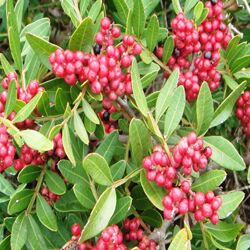
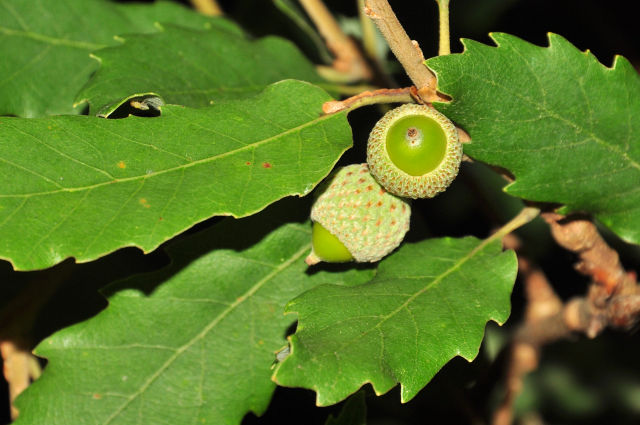
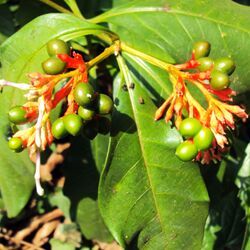
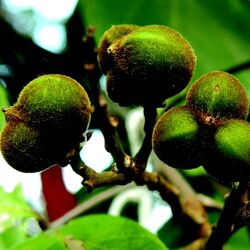
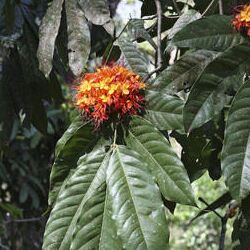
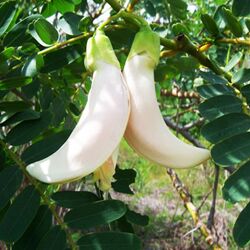
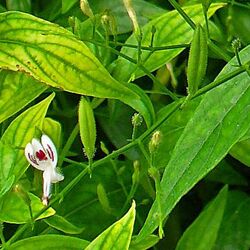
We offer the best product range of Quercus Infectoria, Holarrhena Antidysenterica, Leaves Biophytum Sensitivum, Ocimum Basilicum and Baliospermum Montanum.

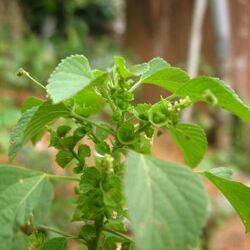
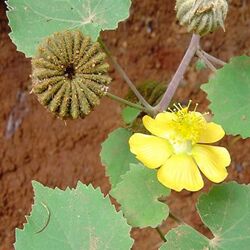
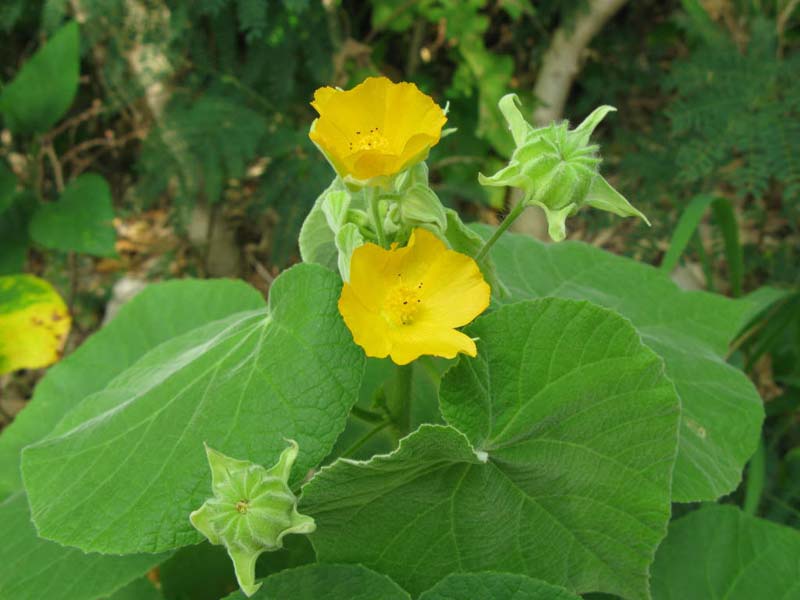
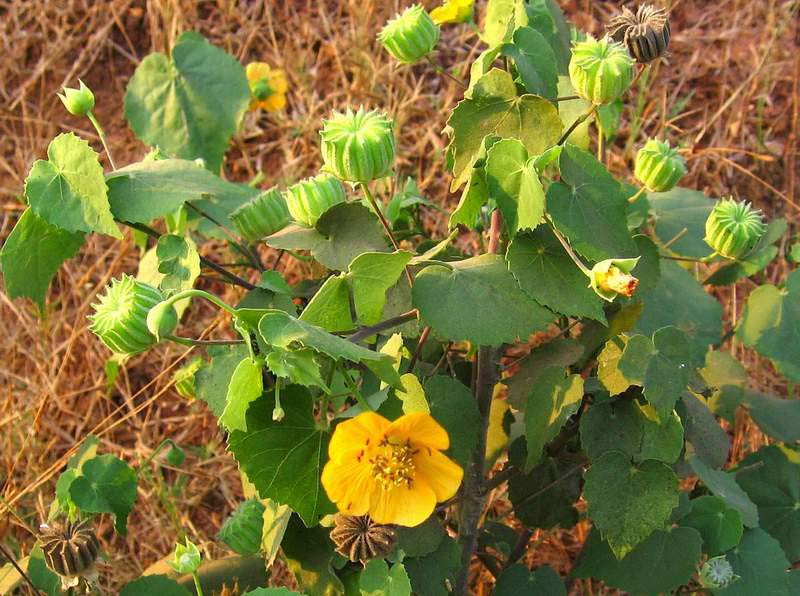
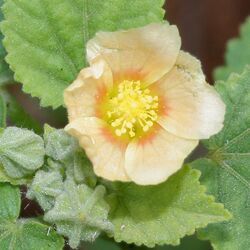
Abutilon Indicum

  • Botanical Name Abutilon indicum
  • English Name Flowering Maples
  • Common Name Thutthi, Atibalaa, Kanghi,
  • Active Ingredient Mucilage, tannins, asparagines, gallic acid, sesquiterpenes, alkaloids, leucoanthocyanins, flavonoids, sterols, triterpenoids, saponins and cardiac glycosides.
  • Uses Dried, whole plant—febrifuge, anthelmintic, demulcent, diuretic, anti-inflammatory (in urinary and uterine discharges, piles, lumbago). Juice of the plant—emollient. Seeds—demulcent (used in cough, chronic cystitis), laxative. Leaves—cooked and ea
  • Description Analgesic, Anti-bacterial, Anti-fungal, Immunogenic, Diuretic.
View Complete Details

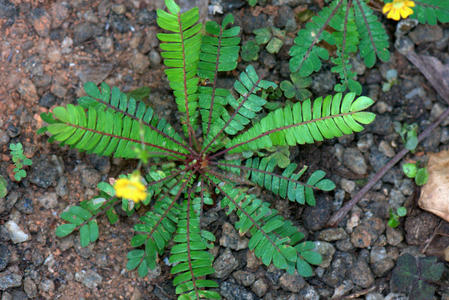
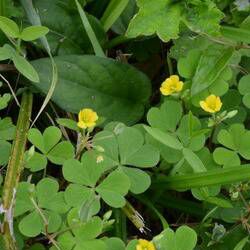
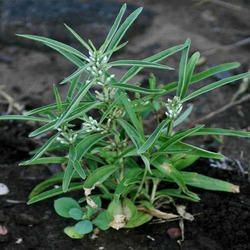
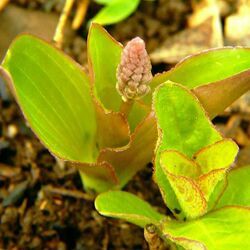
Leaves Biophytum Sensitivum

80 / Kilogram Get Latest Price
  • Packaging Size 50-100 Kg
  • Form Leaves
  • Packaging Type Jute Bag
  • Is It Dried Dried
  • Common Name Nilaccurunki, Alambushaa
  • English Name Little tree plant
  •    
View Complete Details

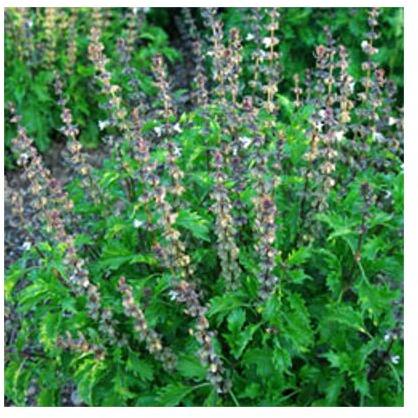
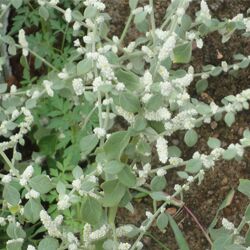
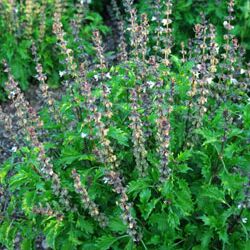
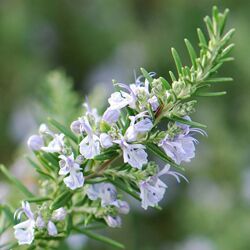
Ocimum Basilicum

130 / Kilogram Get Latest Price
  • Packaging Size 50 Kg
  • Packaging Type Gunny Bag
  • Is It Dried Dried
  • English Name Sweet Basil, Basil
  • Common Name Thiruneetrupachilai
  • Active Ingredient Linalool, Methyl Ester, Eugenol
View Complete Details

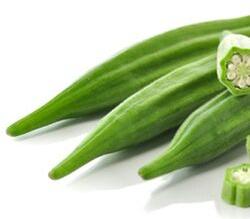
Abelmoschus Esculentus

  • Botanical Name Abelmoschus esculentus
  • Common Name Vendai, Bhindi, Raamturai, Bhaandi, Bhindaka, Bhendaa.
  • Application Seeds causes destruction of cancerous cell growth in vitro. The pods are reported to exhibit anti-tumour activity. An ethanolic extract of pods was effective against Grampositive bacteria.
  • Description Anti-tumour, Anti-bacterial
  • English Name Gumbo, Lady Finger, Okra
  • Active Ingredient Quercetin, hyperin (hyperoside), hydrolysate of precipitated mucilage, proanthocyanidins, D-glucose, D-glucuronic and galacturonic acids, flavonol glycosides and anthocyanins.
View Complete Details

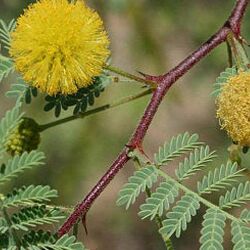
Acacia Arabica

  • Botanical Name Acacia arabica
  • English Name Babul, Indian Gum arabic tree.
  • Common Name Karu-velamaram, Babbuula, Aqaaqia
  • Active Ingredient Tannin, polyphenolic compounds, galactose; l-arabinose, l-rhamnose and aldobiouronic acids, arabinobioses. Flavonoids—kaempferol-3-glucoside, iso-quercitrin and leucocyanidin.
  • Uses Gum resin— used in diarrhoea and dysentery. Pods— used in urogenital disorders. Seeds— hypoglycaemic in normal rats. Stembark— spasmolytic, hypoglycaemic.
  • Description Astringent, Anti-inflammatory, Anti-fungal.
View Complete Details

Acacia Catechu

  • Botanical Name Acacia catechu
  • English Name Cutch tree
  • Common Name Kalippakku, Kaasukkatti (heartwood extract), Gaayatri
  • Active Ingredient Tannins 2–20%, catechin 25–33%, phlobatannins including catechutannic acid 20–50%, flavonoids including quercetin, quercitrin, fisetin, gums, resins, pigments.
  • Uses Haemostatic, used for treating excessive mucous discharges, haemorrhages, relaxed conditions of gums, throat and mouth, stomatitis, irritable bowel.
  • Description Blood purifier, Powerful Astringent (in urinary and vaginal discharge), Anti-diarrhoeal, Anti-leprotic drug.
View Complete Details

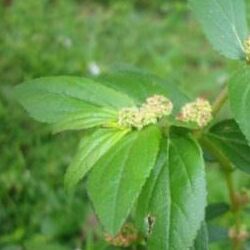
Acalypha Indica

  • Botanical Name Acalypha indica
  • English Name Indian Acalypha
  • Common Name Kuppaimeni, Kuppi, Aamaabhaaji
  • Active Ingredient Kaempferol, acalyphamide and other amides, quinone, sterols, cyanogenic glycoside.
  • Uses Used in bronchitis, asthma, pneumonia, arterial haemorrhage.
  • Description Anti-bacterial
View Complete Details

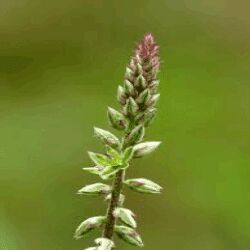
Achyranthes Aspera

  • Botanical Name Achyranthes aspera
  • English Name Prickly Chaff Flower
  • Common Name Naayuruvi, Chirchitaa
  • Active Ingredient Alkaloids achyranthine and betaine. Achyranthine, a water-soluble alkaloid, ecdysterone, oleanolic acid, tannins, glycosides
  • Uses Lower blood pressure, Lipid disorders, Obesity, Blood-purifyier, Bleeding piles, Asthma & Cough
  • Description Astringent pectoral & Diuretic.
View Complete Details

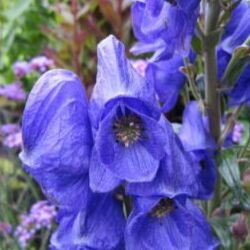
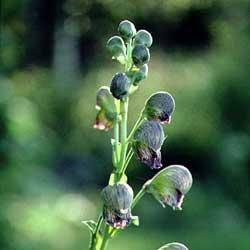
Aconitum Ferox

  • Botanical Name Aconitum ferox
  • English Name Indian aconite
  • Common Name Vasanaavi, Bishnaag, Vatsanaabha
  • Active Ingredient Diterpenoid alkaloids, Aconitine
  • Uses In neuralgia
  • Description Narcotic, sedative, antileprotic, anti-inflammatory. Extremely poisonous.
View Complete Details

Aconitum Heterophyllum

  • Botanical Name Aconitum heterophyllum
  • English Name Atis Root, Aconite.
  • Common Name Athividayam, Atees, Patis
  • Active Ingredient 0.79% of total alkaloids, of which atisin is 0.4%.
  • Uses Used in irritability of stomach and abdominal pains, cough, diarrhoea, dyspepsia, fevers
  • Description Nonpoisosnous, Anti-periodic, Anti-inflammatory, Astringent, Tonic, Febrifuge, Anti-spasmodic, Immunostimulant.
View Complete Details

Acorus Calamus

  • Botanical Name Acorus calamus
  • English Name Sweet Flag, Calamus
  • Common Name Vasambu, Waj-e-Turki
  • Active Ingredient Isoasarone 96%, beta-asarone, alpha-asarone, pento-barbital
  • Uses Bronchial catarrh, chronic diarrhoea and dysentery.
  • Description Nervine tonic, hypotensive, tranquilizer, sedative, anti-anxiety, analgesic, spasmolytic, anti-convulsant.
View Complete Details

Adhatoda Vasica

  • Botanical Name Adhatoda vasica
  • English Name Malabar nut, Vasaca
  • Common Name Aadaathodai, Arusaa
  • Active Ingredient Quinazoline alkaloid vasicine, trypsin.
  • Uses It is a bitter bronchodilator, respiratory stimulant, hypotensive, cardiac depressant, uterotonic and abortifacient. It is used in bronchial, asthmatic and pulmonary affections
  • Description Expectorant
View Complete Details

Aegle Marmelos

  • Botanical Name Aegle marmelos
  • English Name Bael tree, Bengal Quince
  • Common Name Vilvam, Shriphala
  • Active Ingredient Coumarins(including xanthotoxol and alloimperatorin methyl ether), Flavonoids(including rutin and marmesin), Alkaloids (including alpha-fagarine), Sterols and essential oils, Pectin, Alkaloid aegeline
  • Uses Asthma, Anti-inflammatory, Anti--allergic. Seed oil showed beneficial effects in regeneration of tumour cells. Aurapten is found to be the most potent inhibitor of heart rate. Rootbark is used for palpitation of the heart.
  • Description Stomachic, Anti-microbial, Digestive, Astringent, Spasmolytic, Hypoglycaemic.
View Complete Details

Aerva Lanata

  • Botanical Name Aerva lanata
  • English Name Mountain knot grass
  • Common Name Sirupeelai.
  • Active Ingredient Palmitic acid, beta-sitosterol and alpha-amyrin
  • Uses Anti-calculus (used in lithiasis), diuretic, demulcent, anthelmintic, anti-diarrhoeal, anticholerin, bechic; leaf used in hepatitis, root in strangury. A decoction of the plant is used in catarrh of bladder. The flowers and roots are used for headache.
  • Description: Diuretic and Lithontriptic.
View Complete Details

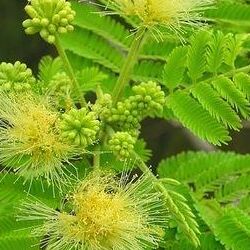
Albizia Amara

  • Botanical Name Albizia amara
  • Common Name Thuringil
  • Application Leaf and flower—antiinflammatory, used for boils and ulcers. Leaf—used for erysipelas. Seeds—astringent, anti-diarrhoeal, anti-bacterial. The oil from the seeds is said to cure leprosy and leucoderma.
  • Description DNA binding activity, Anti-inflammatory and Cytotoxic activity.
  • English Name Mimosa amara
  • Active Ingredient Pithecolibine alkaloids, budmunchiamines, prodelphinidins, myricitrin, hyperin, quercitrin, transp-coumaric acid, cis-p-coumaric acid, trans-ferulic acid. echinocystic acid, taxifolin-3-O-beta-D xylopyranosyl-beta-D-arbinopyranoside.
View Complete Details

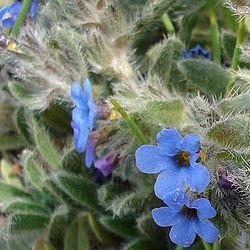
Alkanna Tinctoria

  • Botanical Name: Alkanna tinctoria
  • English Name: Alkanet, Dyers’ or Spanish Bugloss.
  • Common Name Ratthapaalai, Surulpattai.
  • Active Ingredient 5% alkannins (lipophilic iso-hexenylnaphthazarin red pigments), tannins, wax, pyrrolizidine (hepatotoxic) alkaloid.
  • Uses The alkannins have antimicrobial and wound-healing properties.
  • Description Astringent, antimicrobial (used for indolent ulcers, wounds, erysipelas).
View Complete Details

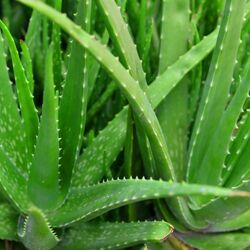
Aloe Barbadensis

  • Botanical Name Aloe barbadensis
  • English Name Indian Aloe & Jaffarabad Aloe
  • Common Name Sotru Kattraazhai
  • Active Ingredient Anthraquinone glycosides, Resin fraction, carboxypeptidase, salicylate components, C-glycosyl chromone.
  • Uses In occasional constipation; contraindicated in intestinal obstruction and acutely inflamed intestinal diseases, ulcerative colitis, appendicitis.
  • Description Purgative (causes griping), emmenagogue. Gel—topically emollient, anti-inflammatory, antimicrobial (used for wound healing, sunburn).
View Complete Details

Alpinia Galanga

  • Botanical Name Alpinia galanga
  • English Name Greater Galangal
  • Common Name Perarattai, Khulanjaan
  • Active Ingredient methyl cinnamate, cineole and d-pinene.
  • Uses Throughout southern India, the rhizome of Alpinia galanga is used as Raasnaa for rheumatism, intermittent fever, dyspepsia and respiratory ailments.
  • Description Rhizome—carminative (in dyspepsia), stomachic, circulatory stimulant, diaphoretic, antiinflammatory
View Complete Details

Aristolochia Bracteolata

  • Botanical Name Aristolochia bracteolata
  • Common Name Aadutheendaappaalai, Kattusuragam
  • Application Aristolochic acid is insecticidal, poisonous, nephrotoxic. Leaf juice— vermifuge. Seeds—strong purgative.
  • Description Oxytocic, abortifacient, emmenagogue.
  • English Name Bracteated Birthwort.
  • Active Ingredient Ceryl alcohol, aristolochic acid and beta-sitosterol, magnoflorine.
View Complete Details

Aristolochia Indica

  • Botanical Name Aristolochia indica
  • English Name The Indian Birthwort
  • Common Name Adagam.
  • Active Ingredient Aristolochic acid
  • Uses Abortifacient
  • Description Oxytocic, abortifacient, emmenagogue.
View Complete Details

Azadirachta Indica

  • Botanical Name Azadirachta indica
  • English Name Neem tree
  • Common Name Vemmu, Veppan
  • Active Ingredient Tetranortriterpenoids
  • Uses Anti-biotic, anti-tumour, insecticidal, anti-bacterial, anti-fungal activities, anti-malarial activity, anti-ulcer and anti-inflammatory activity.
  • Description Leaf, bark—antimicrobial, antifungal, anthelmintic, insecticidal, antiviral, antipyretic, antimalarial, antiperiodic, mosquito larvicidal, anti-inflammatory, antifertility, spermicidal, hypoglycaemic; used in inflammation of gums, gingivitis, periodonit
View Complete Details

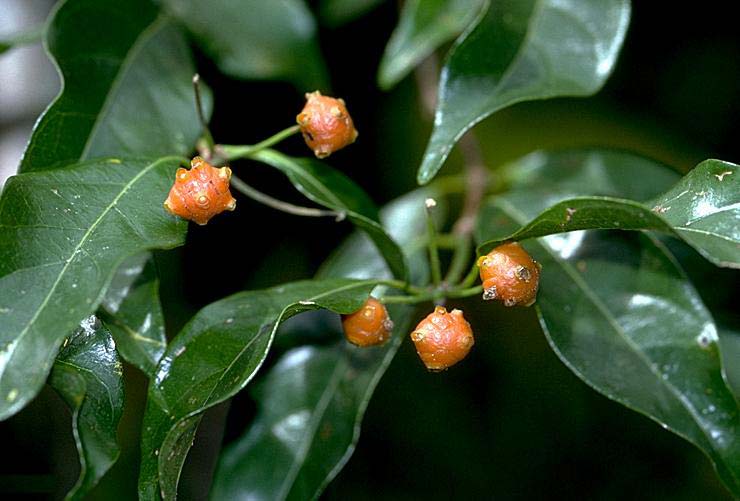
Baliospermum Montanum
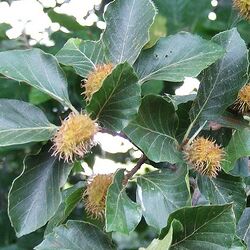
  • Botanical Name Baliospermum montanum
  • Common Name Neeradimuthu, Danti.
  • Application Dried root in jaundice, abdominal lump and splenomegaly.
  • Description Seed—purgative. Leaves— purgative (also used in dropsy), antiasthmatic (decoction is given in asthma). Latex—used for body ache and pain of joints. Root and seed oil—cathartic, antidropsical
  • English Name Physic nut
  • Active Ingredient Teroids, terpenoids and flavonoids
View Complete Details

Bambusa Bambos

  • Botanical Name Bambusa bambos
  • English Name Spiny or Thorny Bamboo.
  • Common Name Moongil; Moongiluppu.
  • Active Ingredient Cyanogenic glucoside—taxiphyllin, Ilicious crystalline substances.
  • Uses Leaf bud and young shoots—used in dysmenorrhoea; externally in ulcerations. Leaf—emmenagogue, antileprotic, febrifuge, bechic; used in haemoptysis. Stem and leaf—blood purifier (used in leucoderma and inflammatory conditions). Root—poisonous. Burn
  • Description The starch obtained from Maranta arundinacea Linn., Marantaceae, is also used as Bamboo-manna (known as Koovai Kizhangu, Kookaineer and Araroottu Kizangu).
View Complete Details

Bauhinia Purpurea

  • Botanical Name Bauhinia purpurea
  • English Name Camel’s Foot tree, Butterfly tree
  • Common Name Mandarai.
  • Active Ingredient Astragalin, isoquercitrin, quercetin, anthocyanins, chalcone glycosides.
  • Uses Bark—astringent, antidiarrhoeal. Flower buds and flowers, fried in purified butter, are given to patients suffering from dysentery. Extract of stems are used internally and externally for fractured bones. Plant is used in goitre. It exhibited antithyroi
  • Description Astringent, Antidiarrhoeal & Antithyroid-like activity.
View Complete Details

Berberis Aristata

  • Botanical Name Berberis aristata
  • English Name Indian Barberry
  • Common Name Marmanjal
  • Active Ingredient Berberine hydrochloride and sulphate, Alkaloid berberine
  • Uses Rasaut, Rasasranjana (extract)—bitter, cholagogue, anti-diarrhoeal, stomachic, laxative, diaphoretic, antipyretic, antiseptic. Used externally in opthalmia, conjunctivitis, ulcers, sores, swollen gums Root bark-- anti-inflammatory, hypoglycaemic hypoten
  • Description The diagnosis of latent malaria, Anti-bacterial & Anti-inflammatory activities
View Complete Details

Biophytum Sensitivum

  • Botanical Name Biophytum sensitivum
  • Common Name Nilaccurunki, Alambushaa
  • Application Plant—used in insomnia, convulsions, cramps, chest-complaints, inflammations, tumours, chronic skin diseases. Ash—in stomachache. Leaves— diuretic, astringent, antiseptic. Paste is applied to burns, contusions and wounds. Decoction is given in stran
  • Description Anti-inflammtory, Anti-tumour, Anti-septic
  • English Name Little tree plant
  • Active Ingredient amentoflavone and a polysaccharide fraction, BP100 III
View Complete Details

Boswellia Serrata

  • Botanical Name Boswellia serrata
  • English Name Indian Olibanum
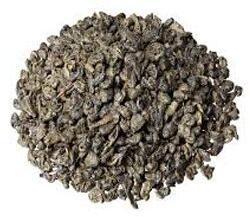
  • Common Name Parangisambirani, Kungli.
  • Active Ingredient Many derivatives of 3-keto-methyl beta- boswellic ester, a pyrazoline derivative, triterpenes of oleanane, ursane and euphane series.
  • Uses Gum-resin—anti-septic, anti-inflammatory, anti-atherosclerotic, emmenagogue, analgesic, sedative, hypotensive. Also used in obesity, diarrhoea, dysentery, piles, urinary disorders, scrofulous affections. Oil—used topically in chronic ulcers, ringworm.
  • Description Anti-inflammatory activity,  Anti-fungal,  Hypoglycaemic
View Complete Details

Cardiospermum Halicacabum

  • Botanical Name Cardiospermum halicacabum
  • English Name Ballon Vine, Winter Cherry, Heartseed
  • Common Name Mudukottan, Kottavan
  • Active Ingredient Beta-sitosterol, D-glucoside, alkaloid, oxalic acid, amino acid, saponin, quebrachitol.
  • Uses Used in rheumatism, lumbago, skeletal fractures, nervous diseases, amenorrhoea, haemorrhoids, erysipelas. The herb is used in hairoils for treating dandruff, alopecia and for darkening hair.
  • Description Anti-inflammatory activity, Sedative effect, Vasod-pressant activity, Common cold, Anti-sickling, Anti-arthritic activity, Anabolic activity, Increase body weight, Anti-bacterial activity.
View Complete Details

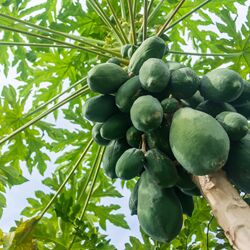
Carica Papaya

  • Botanical Name Carica papaya
  • English Name Papaya, Papaw
  • Common Name Pappaali, Pappayi
  • Active Ingredient Alkaloid carpaine, carpasemine, papain, chymopapain, pseudocarpaine, polypeptides, amides and esters.
  • Uses Papain inhibits platelet aggregation. carpaine, extracted from the plant, exhibited anti-tubercular activity, also anti-tumour and hypotensive.
  • Description Ripe fruit—stomachic, digestive, carminative, diuretic,  galactagogue. Useful in bleeding piles, haemoptysis, dysentery and chronic diarrhoea. Unripe fruit—emmengagogue and abortifacient. Latex—applied topically on eczema, ringworm, psoriasi
View Complete Details

Cassia Alata

  • Botanical Name Cassia alata
  • English Name Ringworm Cassia.
  • Common Name Malanthakerai, Seemai agathi
  • Active Ingredient Rhein, emodin, aloe-emodin, anthraquinone
  • Uses: A strong decoction is used for ringworm, eczema and herpes. Leaves are also used as a purgative.
  • Description Leaf—used in skin diseases like herpes, blotch, eczema, mycosis (washerman’s itch). Dried leaves— in leprosy.
View Complete Details

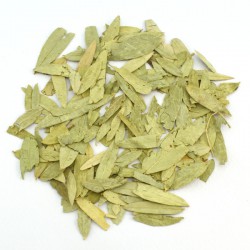
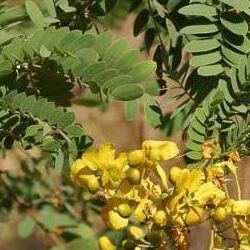
Cassia Angustifolia

  • Botanical Name Cassia angustifolia
  • English Name Indian Senna & Tinnevelly Senna
  • Common Name Nilaavaarai
  • Active Ingredient Rhein, Aloe-emodin, Kaempferol, Isormamnetin,
  • Uses Leaf and dried fruit—in occasional constipation. As a stimulant laxative. 1, 8- dihydoxy-anthracene derivatives have a laxative effect. This effect is due to the sennosides, specifically, due to their active metabolite in the colon, rheinanthrone. The ef
  • Description Purgative (free from astringent action of rhubark type herbs, but causes gripe), used in compounds for treating biliousness, distention of stomach, vomiting and hiccups. Also used as a febrifuge, in splenic enlargements, jaundice, amoebic dysentery. Contr
View Complete Details

Cassia Auriculata

  • Botanical Name: Cassia auriculata
  • English Name: Tanner’s Cassia
  • Common Name: Aavaarai
  • Active Ingredient: Pod husk contains nonacosane and nonacosan-6-one, chrysophanol, emodin and rubiadin
  • Uses: Roots—used in skin diseases and asthma. Flowers enter into compounds for diabetes, urinary disorders and nocturnal emissions.
  • Description: Nocturnal Emissions
View Complete Details

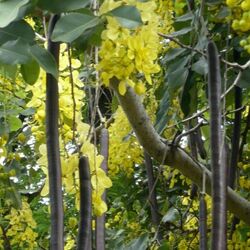
Cassia Fistula

  • Botanical Name Cassia fistula
  • English Name Indian Laburnum, Purging Cassia, Golden Shower
  • Common Name Sarakkonrai
  • Active Ingredient Pulp of the pod contains anthraquinone glycosides, sennosides A and B, rhein and its glucoside, barbaloin, aloin, formic acid, butyric acid, their ethyl esters and oxalic acid, pectin and tannin.
  • Uses Flowers and pods— purgative, febrifugal, astringent, antibilious. Seed powder—used in amoebiasis.
  • Description Seeds gave galactomannan free sugars and free amino acids; extract laxative, carminative, cooling and antipyretic properties. Flowers gave ceryl alcohol, kaempferol, rhein and a bianthraquinone glycoside, fistulin. Leaves gave free rhein, its glyc
View Complete Details

Cassia Obovata

  • Botanical Name Cassia obovata
  • Common Name Maarkandikaa & Svarnapattri.
  • Application An adulterant of the true senna. Leaves and seeds—purgative and anthelmintic.
  • Description Laxative
  • English Name Spanish & Sudan Senna
  • Active Ingredient Sennosides A and B.
View Complete Details

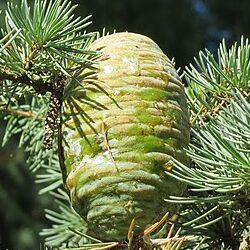
Cedrus Deodara

  • Botanical Name Cedrus deodara
  • English Name Himalayan Cedar & Deodar
  • Common Name Thevathaaram
  • Active Ingredient Sesquiterpenoids—alpha and beta-himchalenes, butyric and caproic acids, 8-C methyltaxifoline, dihydroquercetin, 8-C methylquercetin, quercetin, sitosterol, and tannins 8.25%, non-tannins 6.95%.
  • Uses The wood exhibits sapasmolytic activity,  anti-inflammatory activity, anti-bacterial activity The wood possesses diaphoretic, diuretic and carminative properties, and is used in fevers and in pulmonary and urinary disorders. The oil shows in vitro antibac
  • Description Bark—decoction is used internally as astringent, antidiarrhoeal and febrifuge. Essential oil—antiseptic (used in skin diseases).
View Complete Details

Celastrus Paniculatus

  • Botanical Name Celastrus paniculatus
  • English Name Staff tree & Intellect tree
  • Common Name Vaaluluvai
  • Active Ingredient Alkaloids, celastrine and paniculatine,
  • Uses Seeds—nervine and brain tonic, diaphoretic, febrifugal, emetic. Seed-oil—used for treating mental depression, hysteria and for improving memory; also used for scabies, eczema, wounds, rheumatic pains, paralysis. A decoction of seeds is given in gout,
  • Description As a tranquilizer and brain tonic. The ripe seed is used in leucoderma and vitiligo.
View Complete Details

Centratherum Anthelminticum

  • Botanical Name Centratherum anthelminticum
  • English Name Purple Flea-bane & Achenes
  • Common Name Kaattu seerakam
  • Active Ingredient Delta-7-avenasterol, vernasterol, demanolide lactone, Centratherin, germacranolide & abscisic acid.
  • Uses Anthelmintic (agains earthworms and tapeworms), stomachic, diuretic; used in skin diseases
  • Description Various plant parts are used in syphilis. The drug exhibited smooth musclerelaxant and hypotensive activity in animals.
View Complete Details

Cichorium Intybus

  • Botanical Name: Cichorium intybus
  • English Name: Chicory, Indian Endive
  • Common Name: Kasinikkeerai
  • Active Ingredient: The herb contains inulin (up to 58% in the root); sesquiterpene lactones (including lactucin and lactucopicrin); coumarins (chicoriin, esculetin, esculin, umbelliferone and scopoletin); the root includes a series of glucofructosans. Raw chicory root conta
  • Uses: In loss of appetite, dyspepsia.
  • Description: Diuretic, laxative, cholagogue, mild hepatic. Excites peristalsis without affecting the functions of the stomach. Used in liver congestion, jaundice, rheumatic and gouty joints.
View Complete Details

Cinnamomum Cassia

  • Botanical Name: Cinnamomum cassia
  • English Name: Chinese Cinnamon, Cassia Bark
  • Common Name: Lavangappattai
  • Active Ingredient: Cinnamaldehyde (82.2%) & eugenol (1.5%)
  • Description: Antispasmodic, carminative, antiputrescent, antidiarrhoeal, antiemetic, antimicrobial, mild analgesic.
View Complete Details

Cinnamomum Tamala

  • Botanical Name Cinnamomum tamala
  • English Name Indian Cassia, Lignea
  • Common Name Talishpattiri
  • Active Ingredient Cinnamaldehyde (7--85%), lonalool (54.66%), alpha and beta- pinene, pcymene and limonene.
  • Uses Diarrhoea and fungal infections
  • Description Leaf—Carminative, antidiarrhoeal, spasmolytic, antirheumatic, hypoglycaemic. Essential oil—fungicidal.
View Complete Details

Cinnamomum Zeylanicum

  • Botanical Name: Cinnamomum zeylanicum
  • English Name: Cinnamon, Ceylon Cinnamon
  • Common Name: Elavangappattai
  • Active Ingredient: Cinnamaldehyde (74%), eugenol (28-98%), camphor (60%) and tannins (6.5%) consisting of tetrahydroxyflavandiols; diterpenes, cinnzeylanin and cinnzeylanol
  • Uses: Ground cinnamon is used in diarrhoea and dysentery; for cramps of the stomach, gastric irritation; for checking nausea and vomiting; used externally in toothache, neuralgia and rheumatism. The bark is included in medicinal preparations for indigestion, fl
  • Description: Bark—carminative, astringent, antispasmodic, expectorant, haemostatic, antiseptic. Leaf—antidiabetic. As antibacterial and fungistatic. Internally, for loss of appetite, dyspeptic complaints such as mild spastic conditions of the gastrointesti
View Complete Details

Cissus Quadrangularis

  • Botanical Name Cissus quadrangularis
  • English Name Square Stalked Vine, Adamant Creeper
  • Common Name Perandai
  • Active Ingredient The plant contains phytogenic steroid, ketosteroids, sitosterol, alphaamyrin, alpha-ampyrone and tetracyclic triterpenoids.
  • Uses The anabolic and steroidal principles of the aerial part showed a marked influence in the rate of fracture-healing. The drug exerts influence both on the organic and mineral phase of fracture-healing. Stem—alterative in scurvy (the plant is rich in vita
  • Description Bone healing properties,  smooth muscle relaxant effect,  anti-anabolic effect.
View Complete Details

Cleome Icosandra

  • Botanical Name Cleome icosandra
  • Common Name Nayikkadugu, Nalvellai.
  • Application Seed—carminative, antiseptic, anthelmintic (for round worms). Leaf—sudorific. Bark— externally rubefacient, vesicant. Root—vermifuge.
  • Description The leaf extract exhibited fungitoxicity against ringworm causing fungi with reported mycelian inhibitions.
  • English Name Wild Mustard
  • Active Ingredient The aerial parts contain a macrocyclic diterpene, cleomaldeic acid, and a bicyclic diterpene, cleomeolide. The seeds contain coumarino-lignans, cleomiscosin A, B, C and D.
View Complete Details

Clerodendrum Phlomidis

  • Botanical Name Clerodendrum phlomidis
  • Common Name Tazhuthaazhai
  • Application Plant parts used in dyspepsia, stomachache, colic, cholera, dysentery, postnatal fever, during convalscence from measles. Root and bark—bitter tonic, usedin debility and nervous disorders.
  • Description Hepatoprotective activity. anthelmintic activity and antidiabetic activity  
  • English Name Arni
  • Active Ingredient Flavonoids, scutellarein and pectolinarin, d-mannitol, betasitosterol, its glucosides and ceryl alcohol, clerodin, clerosterol and clerodendrin A.
View Complete Details

Coleus Amboinicus

  • Botanical Name Coleus amboinicus
  • Common Name Karpoorvalli
  • Application Leaf—used in urinary diseases, vaginal discharge, colic and dyspepsia. Stimulates the function of liver. Also given in epilepsy and other convulsive affections, asthma, bronchitis, cold and chronic cough. Bruised leaves are applied to burns; leaf juice
  • Description Homoeopathic medicine, prepared from fresh leaves, is used in the affections of urinary organs, especially in difficult urination or in burning pains  during and after urination.
  • English Name Indian Borage
  • Active Ingredient The aerial parts from Pakistan yield an essential oil (0.1%) which contains thymol (79.6%); whereas in Fijian sample of leaves carvacrol and camphor are major constituents. Leaves contain a large amount of oxalacetic acid, flavonoid, cirsimaritin and beta
View Complete Details

Convolvulus Pluricaulis

  • Botanical Name Convolvulus pluricaulis
  • English Name Shankhapushpi
  • Common Name Sivakraandi
  • Active Ingredient Sankhpushpine alkoloids, Pentatriacontane, Tricontane
  • Uses Tranquilizer used in Nervous disorderss, Mental aberration
  • Description The leaves contain flavones, api-genin and luteolin, also anthocyanins. Leaves cause severe irritation in mouth. Cooked leaves are a source of dietary
View Complete Details

Costus Speciosus

  • Botanical Name Costus speciosus
  • Common Name Ven kottam
  • Application Astringent, Purgative, Depurative
  • Description Anthelmintic, Antivermin, Maggoticide, Antifungal.
  • English Name Wild Ginger
  • Active Ingredient Dioscin, Gracillin & Beta -sitosterol
View Complete Details

Crataeva Nurvala

  • Botanical Name Crataeva nurvala
  • Common Name Maavilingam
  • Application Diuretic, Juice of the bark is given to women after chidbirth
  • Description Lupeol not only prevented the formation of vesical calculi, but also reduced the size of the performed stones in the kidney
  • English Name Varun
  • Active Ingredient Lupeol
View Complete Details

Curculigo Orchioides

  • Botanical Name Curculigo orchioides
  • English Name Black musli
  • Common Name Nilappana Kilangu
  • Active Ingredient Curculiosaponin C & F
  • Uses Nervine, Adaptogenic , Sedative, Anticonvulsive
  • Description In Indian medicne, powdered rhizome with milk are taken as a restorative tonic, also for sexual debility
View Complete Details

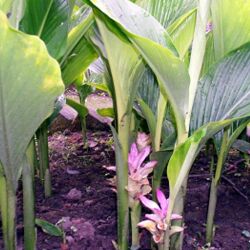
Curcuma Aromatica

  • Botanical Name Curcuma aromatica
  • English Name Zeodary roots
  • Common Name Kastoori Manjal
  • Active Ingredient d-camphene, d-camphor, sesquiterpene alcohols
  • Uses Essential oil from rhizome -antimicrobial, antifungal & anthelmintic
  • Description The tubers are applied externlly to bruises and sprains, to skin eruptions and infections
View Complete Details

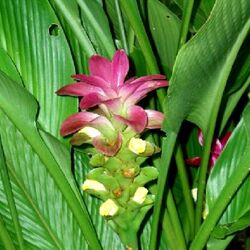
Curcuma Longa

  • Botanical Name Curcuma longa
  • English Name Turmeric
  • Common Name Manjal
  • Active Ingredient Curcuminoides, Phenolic compounds
  • Uses Anti-inflammatory, Cholagogue, Hepatoprotective, Blood purifier
  • Description Antiplatelet actiivity offers protection to heart and vessels.Also protects against DNA damage in lymphocytes
View Complete Details

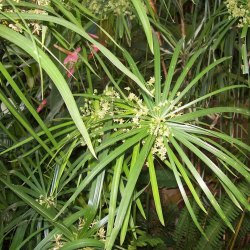
Cyperus Scariosus

  • Botanical Name Cyperus scariosus
  • English Name Nut grass
  • Common Name Motha
  • Active Ingredient Refer C.rotundus
  • Uses Hypotensive
  • Description Essential Oil- CNS stimulant. rhizome- Stomachic, Antidiarrhoeal, diuretic
View Complete Details

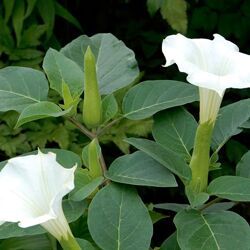
Datura Metel

  • Botanical Name Datura metel
  • English Name Dhatura
  • Common Name Oomatthai
  • Active Ingredient Hyoscine, Hyoscyamine
  • Uses Headache, Hemiplegia, epilepsy
  • Description Delirium, Convulsions, Cramps, Rigid thigh muscles, rheumatism
View Complete Details

Decalepis Hamiltonii

  • Botanical Name Decalepis hamiltonii
  • English Name Anantmool, Sariva
  • Common Name Mahali kizhangu
  • Active Ingredient Quercetin, Kaempferol, Coumarin & Rutinn
  • Uses Appetizer, Blood Purifier, Bacteriostatic
  • Description The sterola consists mainly of stagmaand brassica sterols.Root powder is goven to diabetics
View Complete Details

Desmodium Gangeticum

  • Botanical Name Desmodium gangeticum
  • Common Name Moovilai
  • Application Antipyretic, diuretic, astringent
  • Description Anticatarrhal, Diuretic, Anthelmintic, laxtive, Nervine tonic
  • English Name Shaaliparni, Prshniparni
  • Active Ingredient Pterocarpanoids- gangetin, gangetinin, desmodin
View Complete Details

Air Potato

  • Botanical Name Dioscorea bulbifera
  • English Name Air Potato
  • Common Name Baraahikand
  • Active Ingredient D-sorbitol, Furanoid, Lucein
  • Uses Febrifuge
  • Description Application for swelling, boils and ulcers; roasted tubers are used in dysentery, piles Venereal sores
View Complete Details

Eclipta Alba

  • Botanical Name Eclipta alba
  • English Name Bhringaraj
  • Common Name Karisalaankanni
  • Active Ingredient Thiophene acetylenes
  • Uses Peptic ulcer, Inflammatory disease,
  • Description Deobstruent, Antihepatotoxic, Anticatarrhal.Used in hepatitis, spleen enlargements, chronic skin disease
View Complete Details

Embelia Ribes

  • Botanical Name Embelia ribes
  • English Name Baobarang, Vidanga
  • Common Name Vaayuvidangam
  • Active Ingredient Embelin, Rapanone
  • Uses Ascaricidal, Anthelmintic, Carminative
  • Description Oestrogenic and weakly progestogenic. Bechic, Spermicidal, Oxytocic
View Complete Details

Emblica Officinalis

  • Botanical Name Emblica officinalis
  • English Name Amla
  • Common Name Nellikai
  • Active Ingredient Zeatin, Phylembin
  • Uses Antianaemic, Anabolic, Bechic, Carminative
  • Description For Jaundice, Dyspepsia, Bacillary dysentery, Eye trouble, Peptic ulcer
View Complete Details

Enicostemma Littorale

  • Botanical Name Enicostemma littorale
  • Common Name Vellargu
  • Application Substitute for Swertia chirayita, Antimicrobial
  • Description Bitter tonic, Carminative, Blood Purifier, Antirheumatic, Antipsychotic, Cardiostimulant
  • English Name Indian Gentian
  • Active Ingredient Gentianoine, Erythrocentaurin, Enicoflavine
View Complete Details

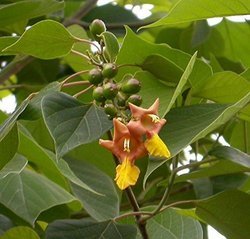
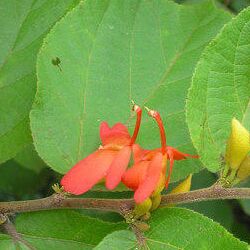
Erythrina Indica

  • Botanical Name Erythrina indica
  • Common Name Kliyanamurukkan
  • Application Smooth muscle relaxant, Cathartic, Antibilious
  • Description Nervine sedative, Antiepileptic, astringent, antiasthmatic, fever 
  • English Name Indian coral tree, Raktapushpa
  • Active Ingredient Tetracyclic alkaloids,
View Complete Details

Euphorbia Hirta

  • Botanical Name Euphorbia hirta
  • English Name Dudhi, Dudhi Khurd
  • Common Name Amman Pachharisi
  • Active Ingredient Terpenes, Anthocyanins, Alcohols & Steroids
  • Uses Pectoral, asthma, Postnatal complaints.Chronic nasal
  • Description Exhibit Sedative, Anxiolytic, Analgestic, Antiasthmatic, Intestinal parasitosis
View Complete Details

Evolvulus Alsinoides

  • Botanical Name Evolvulus alsinoides
  • English Name Shankapushpi
  • Common Name Vishnukrandi
  • Active Ingredient Evolvine, Beta-sitosterol, Stearic
  • Uses Antifungal Property, Respiration and blood Pressure
  • Description Astringent, Nervine affections, Duodenal ulcers, Uterine affections
View Complete Details

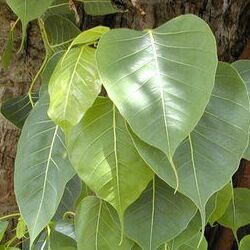
Ficus Religiosa

  • Botanical Name Ficus religiosa
  • English Name Peepal, Bot-tree
  • Common Name Arasu, Ashvatham
  • Active Ingredient Beta-sitosteryl-D-glucoside, Vitamin K, n-octacosanol, methyl oleanolate, lanosterol, stigmasterol, lupen-3-one, 4.9% protein having the essential amino acids, isoleucine and phenylalanine
  • Uses Used in diabetes, diarrhoea, leucorrhoea, menorrhagia, nervous disorders; also in skin diseases. Applied externally on unhealthy ulcers and wounds.
  • Description Bark—astringent, antiseptic, alterative, laxative, haemostatic, vaginal disinfectant Leaves and twigs— laxative The dried fruits are used as a uterine tonic
View Complete Details

Garcinia Indica

  • Botanical Name Garcinia indica
  • Common Name Murgal
  • Application Applied externally to ulcerations, fissures of lips, chapped skin and skin diseases.
  • Description Fruit—antiscorbutic, cholagogue, cooling, antibilious, emollient and demulcent. A syrup from the fruit juice is given in bilious affections. Bark—astringent. Oil or Kokam Butter—used for dysentery and diarrhoea with mucus.
  • English Name Kokam Butter tree & Mangosteen Oil tree
  • Active Ingredient Polyisoprenylated phenolic pigment, garcinol and its isomer isogarcinol, along with (−)-hydroxycitric acid, cyanidin-3-glucoside and cyanidin-3-sambubioside, L-leucine and DNP-L-leucine hydrochloride. Kokum butter contains fatty acids— palmtic 2.0, st
View Complete Details

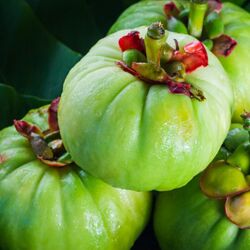
Garcinia Cambogia

  • Botanical Name Garcinia cambogia
  • English Name Gamboge tree
  • Common Name Kodakkapuli
  • Active Ingredient The plant contains iso-prenylated polyphenols—cambogin and camboginol. The fruit contains about 30% acid (dry weight basis), which is essentially (−)-hydroxycitric acid (HCA).
  • Uses Garcinia inhibits the supply of fatty acids without affecting adipose conversion.
  • Description Taking Garcinia fruit rind extract orally does not seem to help decrease weight, satiety, fat oxidation or energy expenditure in obese people.
View Complete Details

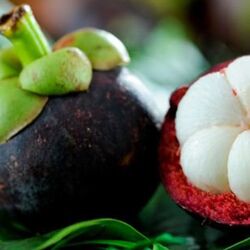
Garcinia Mangostana

  • Botanical Name Garcinia mangostana
  • Common Name Mangosteen, Dodol
  • Application Used in cystitis, diseases of the genitourinary tract, diarrhoea, tropical dysentery and fevers. Used externally for eczema and other skin diseases.
  • Description Fruit—antileucorrhoeic, astringent, antifungal, antibacterial. Leaves—anti-inflammatory, antiimmunosuppressive, antiprotozoal, antimicrobial.
  • English Name Mangosteen, Dodol
  • Active Ingredient Anthocyanin glycosides, a benzophenone, maclurin, terpenoids, xanthones and long chain hydrocarbons, xanthone derivatives, mangostin, normangostin, beta-mangostin, gammamangostin, isomangostin.
Garcinia Mangostana
View Complete Details

Glycyrrhiza Glabra

  • Botanical Name Glycyrrhiza glabra
  • English Name Licorice, Liquorice
  • Common Name Athimathuram
  • Active Ingredient Glycyrrhizin (about 2– 9%), a triterpene saponin with low haemolytic index. Glycyrrhetinic (glycyrrhetic) acid (0.5–0.9%), the aglycone of glycyrrhizin.
  • Uses Used in bronchitis, dry cough, respiratory infections, catarrh, tuberculosis; genitourinary diseases, urinary tract infections; abdominal pain, gastric and duodenal ulcers, inflamed stomach, mouth ulcer. Also used for adrenocorticoid insufficiency.
  • Description Demulcent, expectorant, antiallergic, anti-inflammatory, spasmolytic, mild laxative, antistress, antidepressive, antiulcer, liver protective, estrogenic, emmenagogue, antidiabetic.
View Complete Details

Gmelina Arborea

  • Botanical Name Gmelina arborea
  • Common Name Kattanam, Kumizham
  • Application The bark and stem are used in inflammatory diseases and oedema; the fruit in dysuria and haemorrhagic diseases.
  • Description Leaf—demulcent, bechic.  Used for removing foetid discharges from ulcers. Root—stomachic, laxative, antibilious, demulcent, galactagogue. Bark—anticephalalgic. Root and bark—febrifuge.
  • English Name Candahar tree, White Teak
  • Active Ingredient The heartwood contains lignans, arborone, 7-oxodihydrogmelinol, paulownin acetate and epieudesmin; metrans-p-methoxycinnamate and trans-p-hydroxycinnamic acid.
View Complete Details

Helicteres Isora

  • Botanical Name Helicteres isora
  • English Name East Indian Screw tree
  • Common Name Valampiri
  • Active Ingredient 4-quinolone alkaloid, malatyamine, diosgenin, cucurbitacin B and iso-cucurbitacin, ester tetratriacontanyl—tetratriacontanoate along with tetratriacontanoic acid, tetratriacontanol and sitosterol.
  • Uses Used in cough and asthma. Used in fever due to cold.
  • Description Pods and bark—antidiarrhoeal, astringent, antibilious. Bark and root—antigalactic, demulcent, expectorant. Leaf—paste used against skin diseases. Pods—anthelmintic. Seeds—aqueous extract administered in colic and dysentery.
View Complete Details

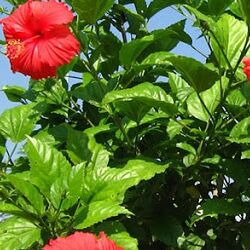
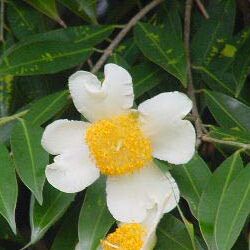
Hibiscus Rosa-sinensis

  • Botanical Name Hibiscus rosa-sinensis
  • English Name Rose-of-China, Shoeflower, Chinese Hibiscus
  • Common Name Semparuthi
  • Active Ingredient Cyclopropanoids, methyl sterculate, methyl-2-hydroxysterculate, 2-hydroxysterculate, malvalate and beta-sitosterol, cyanidin 3-sophoroside, amino acids, aspartic acid and asparagin.
  • Uses Diabetes, demulcent and antidiarrhoeal
  • Description Flower—used in impotency, bronchial catarrh. Flower and bark—emmenagogue. Leaf— stimulates expulsion of placenta  after childbirth; laxative, anodyne. Flower and root—used in menorrhagia.
View Complete Details

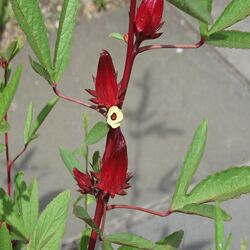
Hibiscus Sabdariffa

  • Botanical Name Hibiscus sabdariffa
  • English Name Roselle, Jamaican Sorrel, Natal Sorrel, Red Sorrel
  • Common Name Sivappu Kashmakki, Pulichai-keerai, Gogu, Seemai Kaseru
  • Active Ingredient 3.2% ergosterol, sitosterol-beta-D-galactoside, myricetin, kaempferol and quercetin
  • Uses Flowers are used for loss of appetite, for colds, catarrhs of the upper respiratory tract and stomach, for disorders of circulation.
  • Description Digestive, choleretic, antibilious, laxative, diuretic, hypotensive, antiscorbutic.
View Complete Details

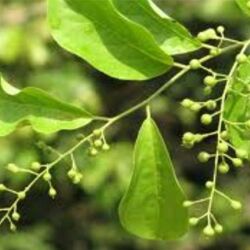
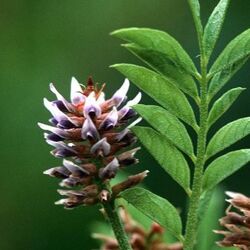
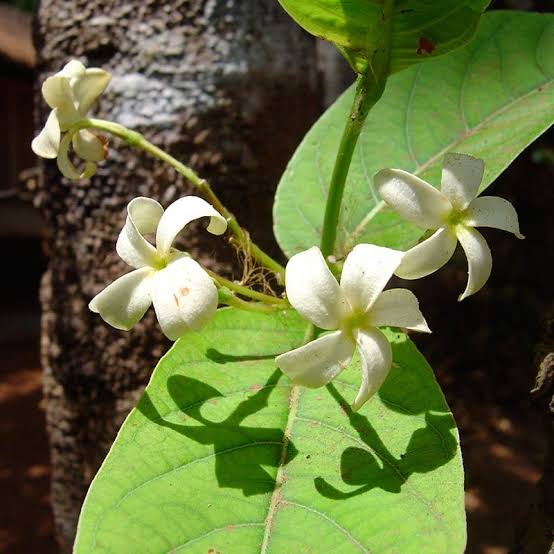
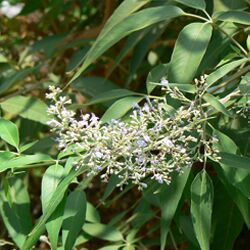
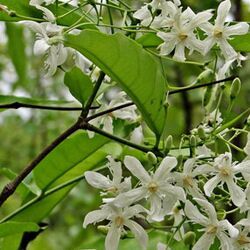
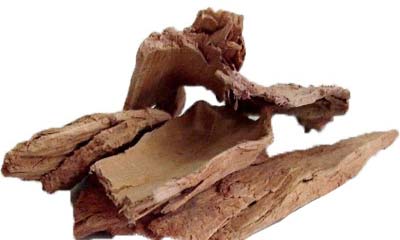
Holarrhena Antidysenterica

  • Botanical Name Holarrhena antidysenterica
  • English Name Easter tree, Ivory tree, Tellicherry Bark
  • Common Name Kudasappaalai-pattai-vidai
  • Active Ingredient Alkaloids, regholarrhenine-A, -B, -C, -D, -E and -F, pubescine, norholadiene, pubescimine, kurchinin, kurchinine, kurchinidine, holarrifine, holadiene, kurchilidine, kurchamide, kurcholessine, kurchessine, conessine, conessimine and isoconessimine, and th
  • Uses Used in colic, dyspepsia, piles, diseases of the skin and spleen. Used for promoting conception, also for toning up vaginal tissues after delivery.
  • Description Root and bark—used in amoebic dysentery. Bark—astringent, anthelmintic, amoebicidal, diuretic. Seed—antibilious.
View Complete Details

Indigofera Tinctoria

  • Botanical Name Indigofera tinctoria
  • English Name Indigo
  • Common Name Nili, Averi, Asidai, Attipurashadam
  • Active Ingredient Indicine (5–15 mg/g, dry basis) and the flavonoids, apigenin, kaempferol, luteolin and quercetin
  • Uses Used in hepatitis. Used in enlargement of liver and spleen, skin diseases, leucoderma, burns, ulcers, piles, nervous disorders, epilepsy, asthma, lumbago, gout. Promote growth of hair.
  • Description Plant—antiseptic, hepatoprotective, hypoglycaemic, nervine tonic Leaf—anti-inflammatory Root and stem— diuretic laxative, expectorant, febrifuge, anticephalalgic, antitumour, anthelmintic
View Complete Details

Inula Racemosa

  • Botanical Name Inula racemosa
  • Common Name Pushkaramuula, Padmapatra, Kaashmira
  • Application Used for asthma, chronic bronchitis and pulmonary disorders
  • Description Antispasmodic, stomachic, antihistaminic, expectorant, anticatarrhal
  • English Name Elecampane
  • Active Ingredient Volatile oil (1-4%), inulin (10.0) and sesquiterpene lactones, alantolactone, isoalantolactone and their dihydro derivatives
View Complete Details

Ipomoea Digitata

  • Botanical Name Ipomoea digitata
  • English Name Milky Yam
  • Common Name Paalmudukkan kizhangu
  • Active Ingredient taraxerol acetate andbeta-sitosterol, 6.3 mg/100g of carotene
  • Uses Used in enlargement of spleen & liver, used for menorrhagia, debility and fat accumulation
  • Description Cholagogue, galactagogue, alterative, demulcent, purgative
View Complete Details

Jatropha Curcas

  • Botanical Name Jatropha curcas
  • English Name Physic Nut, Purging Nut
  • Common Name Kattu Amanaku
  • Active Ingredient Toxic albumin curcin (protein 18.0%, curcin 0.005%), phorbol derivatives, curcosones and lathyrane diterpenes
  • Uses Used for scabies, ringworm, eczema, whitlow, warts, syphilis
  • Description Seed—highly toxic. Nut— purgative. Stem bark—applied to wounds of animal bite
View Complete Details

Kaempferia Galanga

  • Botanical Name Kaempferia galanga
  • English Name Galanga, Maraba
  • Common Name Kachoram
  • Active Ingredient n-pentadecane, ethyl-p-methoxy cinnamate, ethyl cinnamate, carene, camphene, borneol, p-methoxystyrene, p-methoxy cinnamate, p-methoxy-trans-cinnamic acid and cinnamaldehyde
  • Uses Used for respiratory ailments like cough, bronchitis and asthma
  • Description Insecticidal activity Tuber—stimulant, carminative, expectorant, diuretic
View Complete Details

Kaempferia Rotunda

  • Botanical Name Kaempferia rotunda
  • Common Name Karunkuvalai
  • Application Used for swellings (removes blood clot), mumps and wounds
  • Description Tuber—antitumour
  • English Name Flower of the earth
  • Active Ingredient Crotepoxide and betasitosterol, chavicol, cineole
View Complete Details

Leptadenia Reticulata

  • Application Cure Eye-Diseases, Seminal Debility
  • Cultivation Type GMO, Natural, Organic
  • Purity 100%
  • Packaging Type Bags, Plastic Box, Plastic Packet
  • Drying Process Air Dried
  • Application Improves eyesight, useful in the treatment of habitual abortion, used in skin diseases
  • Botanical Name Leptadenia reticulata
  • English Name Cork Swallow-Wort
  • Common Name Keerippaalai
  • Active Ingredient n-triacontane cetyl alcohol, beta-sitosterol, betaamyrin acetate, lupanol 3-O-diglucoside and lepitidin glycoside
  • Description Plant—stimulant and restorative
View Complete Details

Lippia Nodiflora

  • Botanical Name Lippia nodiflora
  • English Name Wild sage
  • Common Name Paduthalai
  • Active Ingredient Flavonoids, flavone aglycones and flavone sulphates
  • Uses Plant—cooling, febrifuge, diuretic. Poultice used as maturant for boils Leaves—an infusion is given to women after delivery
  • Description Antibacterial activity
View Complete Details

Madhuca Indica

  • Botanical Name Madhuca indica
  • Common Name Ieluppai
  • Application Used in pneumonia, skin diseases, piles Used for tonsilitis, gum troubles, diabetes, ulcers
  • Description Flowers—stimulant, demulcent, laxative, anthelmintic, bechic Seed oil—galactogenic, anticephalgic, emetic Bark—astringent, emollient Bark, seed oil and gum—antirheumatic
  • English Name Mahua tree, Moha
  • Active Ingredient Triterpenoids (including alpha- and beta-amyrin acetate), n-hexacosanol, beta-D-glucoside of beta-sitosterol and free sitosterol
View Complete Details

Mangifera Indica

  • Botanical Name Mangifera indica
  • English Name Mango
  • Common Name Manga, Mau, Mamaram (bark), Mangottai Paruppu (seed)
  • Active Ingredient Sugars (9.5-18.6%), citric acid (0.12-0.34%), ascorbic acid (10.8-225.0 mg/100 g), carotenoids as beta-carotene (2000–17000 mcg/100 g), phenolic compounds, flavonoids, alpha-and beta-amyrins, gallotannin, glucogallin and several sterols, pentacyclic tri
  • Uses Used in diabetes, externally in burns and scalds, diarrhoea, diabetes and menstrual disorders, haemorrhages, diarrhoea, rheumatism
  • Description Leaves—anti-inflammatory, antibacterial, chloretic, diuretic Kernel—astringent, anti-inflammatory, antibacterial, antifungal, anthelmintic, antispasmodic, antiscorbutic Stem bark—astringent
View Complete Details

Martynia Annua

  • Botanical Name Martynia annua
  • English Name Devil’s Claw, Tiger Claw
  • Common Name Kakatundi, Thelkodukkukai
  • Active Ingredient Flavonoids including apigenin, luteolin, apigenin-7- O-beta-D-glucuronide, luteolin-7-Obeta-D-glucuronide, pellargonidin-3, 5-diglucoside, cyanidin-3-galactoside
  • Uses Used in epilepsy, also applied to tuberculous glands of the neck Used for treating itching and skin affections
  • Description Anti-inflammatory
View Complete Details

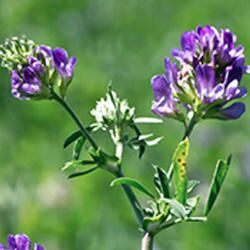
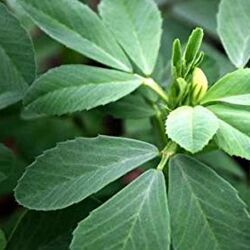
Medicago Sativa

  • Botanical Name Medicago sativa
  • Common Name Barsem
  • Application A preventive of high blood pressure, diabetes, peptic ulcer
  • Description Anticholesterolemic, rich in essential enzymes, minerals and vitamins  
  • English Name Alfalfa, Lucerne
  • Active Ingredient Carotinoids, triterpene saponins, isoflavonoids coumarins, triterpenes, cyanogenic glycosides, pro-vitamins A, B6, B12, D, K, E and P; calcium, phosphorus, iron, potassium, magnesium, choline, sodium, silicon and essential enzymes
View Complete Details

Mesua Ferrea

  • Botanical Name Mesua ferrea
  • Common Name Sirunagappo, Nagakesaram
  • Application Used in cough, bleeding piles, metrorrhagia, gout, haemorrhagic disorders and diseases of the urinary bladder.
  • Description Flower bud—antidysenteric. Flowers—astringent, haemostatic, anti-inflammatory, stomachic. Essential oil from stamens—antibacterial, antifungal.
  • English Name Iron-wood, Mesu
  • Active Ingredient Xanthones— euxanthone, mesuaxanthones A and B, 4-phenyl coumarin analogues—mesuol, mammeigin, mesuagin, mammeisin and mesuone, alpha- and beta-amyrin, beta-sitosterol, biflavonoids, mesuaferrones A and B, and mesuanic acid.
View Complete Details

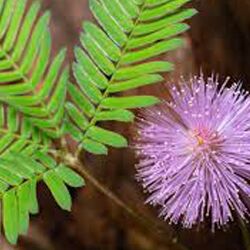
Mimosa Pudica

  • Uses Used for diarrhoea, dysentery, haemophilic conditions, leucorrhoea, morbid conditions of vagina, piles, fistula, hydrocele and glandular swellings. A decoction is taken to relieve asthma.
  • Botanical Name Mimosa pudica
  • English Name Sensitive-plant, Humble- Plant
  • Common Name Thottalsurungi
  • Active Ingredient Mimosine and Turgorin, C-glycosylflavones, 2"-O-rhamnosylorientin and 2"-O-rhamnosylisoorientin.
  • Description Leaf—astringent, alterative, antiseptic, styptic, blood purifier. Root—used in gravel and urinary complaints.
View Complete Details

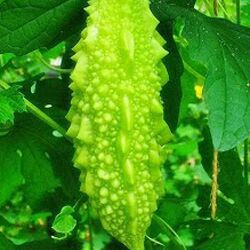
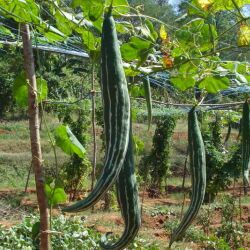
Momordica Charantia

  • Botanical Name Momordica charantia
  • English Name Bitter Gourd
  • Common Name Paakal
  • Active Ingredient 5-hydroxytryptamine, charantin, diosgenin, cholesterol, lanosterol and betasitosterol.
  • Uses Used in cough, respiratory diseases, intestinal worms, skin diseases, also for gout and rheumatism.
  • Description Seed/fruit—improves diabetic condition. Fruit—stomachic, laxative, antibilious, emetic, anthelmintic. Root—astringent; appled to haemorrhoids.
View Complete Details

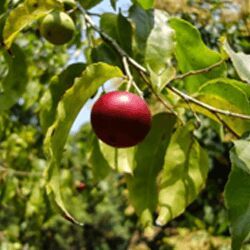
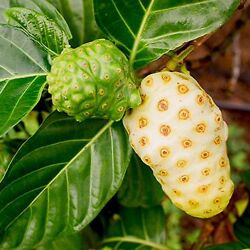
Morinda Citrifolia

  • Botanical Name Morinda citrifolia
  • Common Name Nunaa, Togaru
  • English Name Indian Mulberry
  • Active Ingredient Anthraquinones—alizarin and its glycosides, nordamnacanthol, ursolic acid and beta-sitosterol, asperuloside and caproic acid.
  • Uses used in throat infections and asthma, gout. A decoction is given to regulate menstruation.
  • Description Fruit—emmenagogue, antileucorrhoeic, antidysenteric, anticatarrhal. Root and leaf—cathartic, febrifuge, anti-inflammatory. Root—anticongestive, hypotensive.
View Complete Details

Murraya Koenigii

  • Botanical Name Murraya koenigii
  • English Name Curry-Leaf tree
  • Common Name Karuveppilei, Karivempu, Kattuveppilei
  • Active Ingredient Carbazole alkaloids, coumarin glucoside, scopolin.
  • Uses Used against skin eruptions.
  • Description Leaf—stomachic, antiprotozoal, spasmolytic; promotes appetite and digestion, destroys pathogenic organism, antidysenteric.
View Complete Details

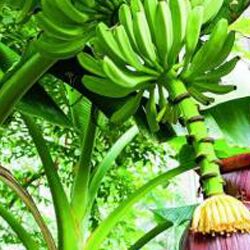
Musa Paradisiaca

  • Botanical Name Musa paradisiaca
  • Common Name Vaazhai
  • Application Promotes healing of intestinal lesions in ulcerative colitis. Unripe fruit considered useful in diabetes.
  • Description Fruit—mild laxative, combats diarrhoea and dysentery. Root—anthelmintic.
  • English Name Banana, Plantain
  • Active Ingredient Hexoses (32.4%), uronic acid (52.5%), pectin
View Complete Details

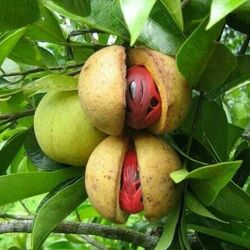
Myristica Fragrans

  • Botanical Name Myristica fragrans
  • English Name Nutmeg, Mace
  • Common Name Jaathikkai (nutmeg), Jaadippatthiri (mace)
  • Active Ingredient myristicin, licarin-B and dehydro diisoeugenol, resorcinols, malabaricones B and C, volatile oil (3.12%)
  • Uses Nutmeg is used in flatulency, diarrhoea, nausea and vomiting. Mace is used in rheumatism, chronic bowel complaints and asthma.
  • Description Nutmeg—carminative, spasmolytic, antiemetic, orexigenic, anti-inflammatory. Mace—stimulant carminative. Narcotic in high doses.
View Complete Details

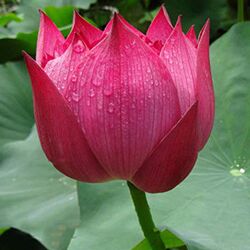
Nelumbo Nucifera

  • Botanical Name Nelumbo nucifera
  • English Name Sacred Lotus
  • Common Name Thamarai
  • Active Ingredient Quercetin, Luteolin, nuciferin
  • Uses Used for dysentry, dyspepsia, piles, skin affections and its for anticoagulant properties
  • Description Astrigent, haemostatic. Prescribed for bleeding piles and menorrhagia.
View Complete Details

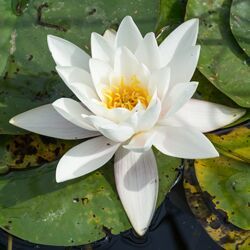
Nymphaea Alba

  • Botanical Name Nymphaea alba
  • Common Name Alli
  • Application Used in the form of an infusion internally for chronic diarrhoea, as a douche of leucorrhoea & vaginitis.
  • Description Astrigent, demulcent, Mild sedative, spasmolytic, antiseptic, antimicrobial
  • English Name European white water lily
  • Active Ingredient Qucertin, Kaempferol, Apigenin
View Complete Details

Ocimum Sanctum

  • Botanical Name Ocimum sanctum
  • English Name Holy basil
  • Common Name Tulasi
  • Active Ingredient Eugenol, Carvacrol, Nerol, Orientin , molludistin
  • Uses Exhibited significant protection of mast cell membrane
  • Description Carminative, Stoachic, antispasmodic, antiasthmatic, antirheumatic, diaphoretic
View Complete Details

Paederia Foetida

  • Botanical Name Paederia foetida
  • Common Name Mudiyar Kundal
  • Application Carminative, anti-inflammatory, astrigent, spasmolytic, antilithic
  • Description Used for rheumatic affections, piles, inflammation of liver, spleen & chest
  • English Name Gandhaprasaarini
  • Active Ingredient epi-fridelanol, embelin, beta-sitosterol
View Complete Details

Passiflora Incarnata

160 - 200 / Kilogram Get Latest Price
  • Number Of Flower Passiflora Incarnata
  • Storage Condition Dried
  • Cultivation Type Natural
  • Shelf Life 7-10 Days
  • Feature Non Artificial
  • Packaging Type Plastic Packet
  • Occasion Festivals
  • Category Cosmetics
  • Botanical Name Passiflora incarnata
  • English Name Wild Passion flower
  • Common Name Thakka poondu
  • Active Ingredient C-glycosylflavones, cyanogenic glycoside, gynocardine
  • Uses Apigenin exhibits antispasmodic and anti-inflammatory activity
  • Description Mild sedative, hypnotic, tranquilizer, hypotensive, vasodilator, anodyne

Whole dried plant

View Complete Details

Phyla Nodiflora

  • Botanical Name Phyla nodiflora
  • Common Name Poduthalai
  • Application For dandruff
  • Description Spasmolytic, diuretic, febrifuge
  • English Name Jalapippali
  • Active Ingredient Nodiflorins A & B, Nepetin
View Complete Details

Phyllanthus Amarus

  • Botanical Name Phyllanthus amarus
  • English Name Bhumi amla
  • Common Name Keelkaay nelli
  • Active Ingredient Lignana, niranthin, nirtetralin
  • Uses Against hepatitis B virus; Repair CC14-induced liver damage in rats
  • Description Diuretic, deobstruent, astrigent, Single drug in the treatment of jaundice
View Complete Details

Phyllanthus Maderaspatensis

  • Botanical Name Phyllanthus maderaspatensis
  • Common Name Melanelli
  • Application CNS depressant; hypothermic effects in mice
  • Description Carminative, diuretic, headache
  • English Name Kanochaa
  • Active Ingredient Antispasmodic activity
View Complete Details

Picrorhiza Kurroa

  • Botanical Name Picrorhiza kurroa
  • English Name Kutki
  • Common Name Kaduguragini
  • Active Ingredient Kutkin, Picroside I, Kutkoside, Kutkiol
  • Uses In jaundice, intermittent fever, dyspnoea & skin disease
  • Description Stomachic, antidiarhoeal, cholagogue, hepatoprotective
View Complete Details

Piper Chaba

  • Botanical Name Piper chaba
  • Common Name Chevuyam
  • Application Dyspepsia, gastralgia
  • Description Muscle relaxant Property
  • English Name Java Long Pepper
  • Active Ingredient Piperine, piplartine
View Complete Details

Piper Cubeba

  • Botanical Name Piper cubeba
  • English Name Kabaabchini
  • Common Name Valmilagu
  • Active Ingredient Cubebinin, Pipernol A & B
  • Uses Amoebic dystentery, Coughs, asthma
  • Description Genitourinary diseases, urinary tract infections, Cystitis
View Complete Details

Piper Longum

  • Botanical Name Piper longum
  • English Name Pippali
  • Common Name Thippili
  • Active Ingredient Aristolactams, dioxoaporphines, sesamin
  • Uses Antipyretic, hypotensive, CNS stimulant
  • Description Analeptic, Sedative, Cholagogue, as general tonic & haematinic
View Complete Details

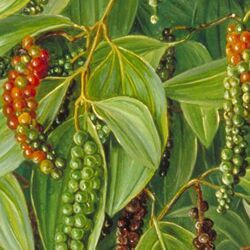
Piper Nigrum

  • Uses Fever, dyspepsia, flatulence, indigestion
  • Botanical Name Piper nigrum
  • English Name Black Pepper
  • Common Name Milagu
  • Active Ingredient Piperine, Piperoleins A & B
  • Description Used with ginger and Piper longum for viral hepatitis
View Complete Details

Pistacia Integerrima

  • Botanical Name Pistacia integerrima
  • English Name Karkatashringi, Ajashringi
  • Common Name Karkatasingi
  • Active Ingredient Tetracyclic triterpenes, Pistacigerrimones A, B & C
  • Uses Antispasmodic, carminative & antiprotozoal, antiamoebic
  • Description Cough, Brochitis and dyspnoea, anthelmintic activities
View Complete Details

Pongamia Pinnata

  • Botanical Name Pongamia pinnata
  • English Name Karanja
  • Common Name Pungam
  • Active Ingredient Flavones, furanoflavonoides, coumarones
  • Uses Oil applid in scabies, herpes, leucoderma
  • Description Antileprotic, antirheumatic, internally in bleeding piles, cholagogue in sluggish liver
View Complete Details

Premna Integrifolia

  • Botanical Name Premna integrifolia
  • Common Name Agnimantha, Munnai
  • Application Powerful action on the uterus
  • Description Galactagogue, flatulence and Colic
  • English Name Headache Tree
  • Active Ingredient Isoxazole alkaloid premnazole
View Complete Details

Psoralea Corylifolia

  • Botanical Name Psoralea corylifolia
  • English Name Baabchi
  • Common Name Karpoogaarisi
  • Active Ingredient Isoflavones, Furanocoumarins, Psoralen
  • Uses Nausea, Vomiting, Purging
  • Description Seed used in leucoderma, vitiligo, leprosy, psoriasis and inflammatory diseases of the skin, both orally and externally
View Complete Details

Pterocarpus Marsupium

  • Botanical Name Pterocarpus marsupium
  • English Name Indian kino Tree
  • Common Name Vengai
  • Active Ingredient Isoflavonoids, Terpenoids, Tannins
  • Uses Worm infestation, Skin disease, Obesity
  • Description Bark- Astringent, Flowers- febrifuge, Leaves- used externally for skin disease
View Complete Details

Pueraria Tuberosa

  • Botanical Name Pueraria tuberosa
  • English Name Indian kudze
  • Common Name Vidaari
  • Active Ingredient Puerarin, Daidzein, Tuberosin
  • Uses Promoting Breast milk and Semen
  • Description Tuber- diuretic, cardiactonic, galactogogue;Root- demulcent
View Complete Details

Punica Granatum

  • Botanical Name Punica granatum
  • Common Name Maathulai
  • Application Inhibit the activity of Mycobacterium tuberculosis 607
  • Description Rind of fruit-Astringent, stomachic, digestive; leaf- used in stomatitis, dyspepsia, biliousness, Palpitation
  • English Name Pomegranate
  • Active Ingredient Ellagitannin, Punicalagin, Ellagic acid
View Complete Details

Quercus Infectoria

  • Botanical Name Quercus infectoria
  • Common Name Maasikkai, Maazu
  • Application Inflammatory skin disease, acute diarrhoea
  • Description Galls- used for disease of gums and oral cavity, Used as an enema in prolapus of rectum
  • English Name Oak galls
  • Active Ingredient 50-70% Gallo tanic acid, 2-4%gallic acid, Ellagic acid
View Complete Details

Rauvolfia Serpentina

  • Botanical Name Rauvolfia serpentina
  • English Name Indian Snake root
  • Common Name Sarpagandha
  • Active Ingredient Ajmaline, Ajmalicine, Rauwolscine, Sarpagine
  • Uses Treatment is usually administered with a diuretic to prevent fluid retention
  • Description Root- Decoction is employed to increase uterine contractions and for expulsion of oetus in difficult cases
View Complete Details

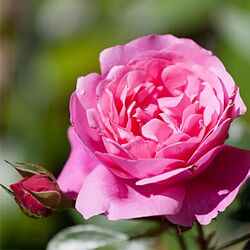
Rosa Centifolia

  • Botanical Name Rosa centifolia
  • Common Name Rajapoo
  • Application It yields a volatile oil
  • Description Floers- a decoction is prescribed for inflammation of the mouth and pharynx, and ulcers of the intestine
  • English Name Cabbage Rose
  • Active Ingredient Methionine sulphoxide
View Complete Details

Rubia Cordifolia

  • Botanical Name Rubia cordifolia
  • English Name Indian Madder
  • Common Name Manjitti
  • Active Ingredient Pentacyclic triterpenic acids- rubicoumaric & rubifolic acids
  • Uses Dried stem in blood, skin & urinogenital disorders;dysentry piles, ulcers, erysipelas
  • Description Roots and dried stem- blood purifier, astringent, diuretic, emmenagogue, deobstruent, antidysenteric, antiseptic
View Complete Details

Sapindus Laurifolius

  • Botanical Name Sapindus laurifolius
  • Common Name Boondikottai
  • Application Skin lightening & anti-inflammatory cosmetics
  • Description Fruit- astrigent, emetic, detergent, anthelmintic. Pulp- aqueous solution used as nasal drops in migraine
  • English Name Reetha
  • Active Ingredient Triterpenoid glyscosides, Sapindosides
View Complete Details

Saraca Asoca

  • Botanical Name Saraca asoca
  • English Name Ashoka tree
  • Common Name Asogam
  • Active Ingredient Fatty acids & Gallic acid, Qucertin
  • Uses Recommends the bar in metrohhagia, menorrhagia, chronic lymphadenitis
  • Description Bark- uterine tonic, used for suppressed menses, leucorrhoea, menstrual pain, menorrhagia
View Complete Details

Scilla Indica

  • Botanical Name Scilla indica
  • Common Name Kattu Vengayam
  • Application Large amounts of squill are gastric irritants; small amounts expectorant
  • Description Bulb- cardioactive glycosides, expectorant, diuretic.Used in cough, dysuria, strangury
  • English Name Jangli Piyaz
  • Active Ingredient Bufadienolides, Scillaren, Scillaridin A
View Complete Details

Semecarpus Anacardium

  • Botanical Name Semecarpus anacardium
  • English Name Marking Nut
  • Common Name Shenkottai
  • Active Ingredient Tetrahydrobustaflavone, nallaflavone
  • Uses A decoction, mixed with milk or butter fat, is prescribed in asthma, neuralgia, sciatica, gout, hemiplegia
  • Description Toxic drug, used only after curing.Fruit- caustic, astringent, anti-inflammatory, antitumour.Used in rheumatoid arthritis
View Complete Details

Sesbania Grandiflora

  • Botanical Name Sesbania grandiflora
  • English Name Agati sesban
  • Common Name Agatti
  • Active Ingredient Kaempferol-3, 7, diglucoside, Saponins, Galactose
  • Uses Used for intermittent fevers, cstarrh, cough, consumption, glandular enlargement
  • Description Bark contains gum and tannin.Red gum is used as a substitute for gum arabic.Plant- astringent
View Complete Details

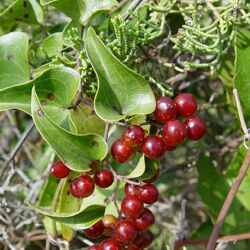
Smilax Glabra

  • Botanical Name Smilax glabra
  • Common Name Parangi chakkai
  • Application Gentle circulatory stimulant and mild testosterone activity
  • Description Tubers-used as alterative in veneral disease, chronic skin disease and rheumatic affections. Used as official sarsaparilla
  • English Name Chobchini
  • Active Ingredient Steroidal saponins, Pro-sapogenin-A, Gracillim, Smilaxin
View Complete Details

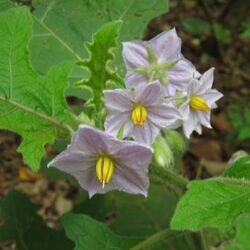
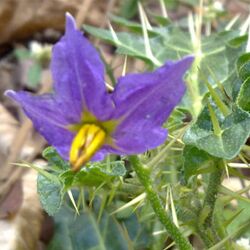
Solanum Indicum
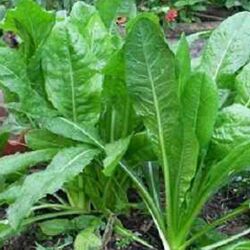
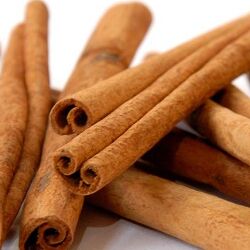
  • Botanical Name Solanum indicum
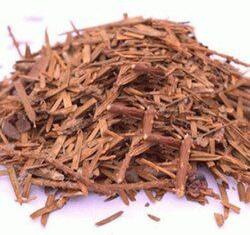
  • Common Name Mullamkatti; Papparamulli
  • Application Extract of leaves is also active against E.coli
  • Description Root-Carminative, expectorant, used for colic, dysuria, cough and cattarrhal affections. A decoction is prescribed in difficult parturition  
  • English Name Posion Berry
  • Active Ingredient Glycoalkaloid, solasonine, Diosgenin
View Complete Details

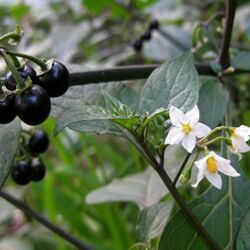
Solanum Nigrum
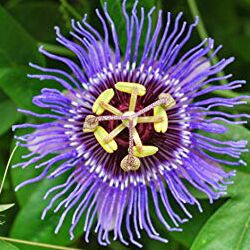
  • Botanical Name Solanum nigrum
  • English Name Black Nightshade
  • Common Name Manathakkali
  • Active Ingredient Steroidal alkaloid glycoside, solasonine, alpha & beta-solanigrine, solasodine
  • Uses Paste used as poultice to gout, rheumatic swellings and skin disease, Prescribed in cough and cold
  • Description Plant-anti inflammatory, antispasmodic, sedative, diuretic, laxative, antiseptic, enlargement of liver and spleen and in cirrhosis of liver
View Complete Details

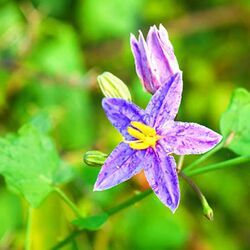
Solanum Trilobatum

  • Botanical Name Solanum trilobatum
  • Common Name Toothuvilai
  • Application Promising results in two cancer test systems-KB cell and sarcoma 180 in mice
  • Description Berries and flowers- a decoction is used for cough and chronic bronchitis.Exhibit antimitotic, antitumour, antibacterial and antifungal activities
  • English Name Climbing Brinjal
  • Active Ingredient Solasodine, 20% beta-solamarine, Steroidal alkaloid
View Complete Details

Solanum Xanthocarpum

  • Botanical Name Solanum xanthocarpum
  • English Name Yellow-Berried Nightshade
  • Common Name Kandankathiri
  • Active Ingredient Solasonine, solamargine, beta-solamargine, solasodine, diosgenin
  • Uses Used in the treatment of cough, bronchitis, asthma, for dislodging tenacious, phlegm;rheumatism, enlargement of liver
  • Description Stimulant, expectorant, diuretic, laxative, febrifuge, vomiting, difficult urination, bladder stones, skin disease; Fruit- Promoting conception
View Complete Details

Strychnos Nux-vomica

  • Botanical Name Strychnos nux-vomica
  • English Name Nux vomica
  • Common Name Yetti kottai
  • Active Ingredient Strychnine, Strychnine N oxide, brucine, condylocarpine, diaboline
  • Uses Recommends detoxified seeds in paralysis, facial paralysis, sciatica & impotency, geissoschizine, novacine
  • Description Seeds-used in emotional disorders, insomania, hysteria, epilepsy, paralytic and neurological affections, retention or nocturnal incontinence of urine, spermatorrhoea, sexual debility, GIT disorders;Bark- juice given in acute dysentry
View Complete Details

Strychnos Potatorum

  • Botanical Name Strychnos potatorum
  • Common Name Thettran kottai
  • Application Recommends the seed in dysuria, polyuria, urolithiasis, also in epilepsy
  • Description Mannogalactan from seeds reduces cholestrol and triglycerides. Seeds are also applied to abscesses and venereal sores.Fruits- antidiabetic, antidysenteric, expectorant
  • English Name Nirmali
  • Active Ingredient Diabolin, acetyldiabolin, brucine, strychnine, novacine
View Complete Details

Symplocos Racemosa

  • Botanical Name Symplocos racemosa
  • English Name Lodh Tree
  • Common Name Velli lothram
  • Active Ingredient Proanthocyanidin-3-moonoglucofuranosides, betulinic, oleanolic, acetyl oleanolic, ellagic acids
  • Uses Diabetics, dysentry, vaginal ulcers, inflammatory affections and liver disorders
  • Description Bark-used as specific remedy for uterine complaints, vaginal disease and menstrual disorders, menorrhagia, leucorrhoea
View Complete Details

Syzygium Cuminii

  • Botanical Name Syzygium cuminii
  • Common Name Naaval
  • Application Recommends the bark in acute diarrhoea and haemorrhagic disease
  • Description Bark- in non-specific acute diarrhoea and intopical therapy for mild inflammation of the oral-pharyngeal mucose, externally in mild, superficial inflammation of the skin, blood sugar lowering effect
  • English Name Jaamun
  • Active Ingredient Anthcyanins, citric, malic, gallic acids, aliphatic alcohols, sitosterols, crategolic acid
View Complete Details

Terminalia Arjuna

  • Botanical Name Terminalia arjuna
  • English Name Arjun
  • Common Name Marudam
  • Active Ingredient Arjunolic acid, Terminic acid, arjunetin, oligomeric pronathocyanidins
  • Uses Recommends the powder of the stembark in emaciation, chest diseases, cardiac disorders, lipid imbalances & Polyuria
  • Description Fruit-deobstruent, Bark-used as a cardioprotective and cardiotonic in angina and poor coronary circulation, as a diuretic in cirrhosis of liver and for symptomatic relief in hypertensions;externally in skin diseases, hepes & leukoderma
View Complete Details

Terminalia Bellirica

  • Botanical Name Terminalia bellirica
  • English Name Baheraa
  • Common Name Thaanirikkaai
  • Active Ingredient Beta-sitosterol, gallic acid, ellagic acid, ethyl gallate, bellaricanin
  • Uses Recommends the drug in powder form in emesis and worm infestation, in addition to other therapeutic applications
  • Description Fruit-purgative when half ripe, astringent when ripe, antipyretic, used in prescriptions for diarrhoea, dyspepsia, biliousness, cough, bronchitis and upper respiratory tract infections
View Complete Details

Terminalia Chebula

  • Botanical Name Terminalia chebula
  • English Name Black myrobalan
  • Common Name Kadukkai
  • Active Ingredient Shikimic, gallic, triacontanoic, palmitic acids, beta-sitosterol, terchebulin
  • Uses Use of powder of mature fruits in intermittent fevers, chronic fevers, anaemia and polyuria
  • Description Gentle purgative, astringent, stomachic, antibilious, alterative, treating flatulence, constipation, diarrhoea, dysentry
View Complete Details

Tinospora Cordifolia

  • Active Ingredient Berberine, columbin, chasmanthin, palmarin
  • Botanical Name Tinospora cordifolia
  • English Name Guduchi
  • Common Name Seendhil
  • Uses Recommends the dried stems in jaundice, anaemia, polyuria and skin diseases
  • Description Herb-antipyretic, antiperiodic, anti-inflammatory, antirheumaitc, spasmolytic, hypoglycaemic, hepatoprotective; water extract increases urine output; Stem juice-prescribed in high fever
View Complete Details

Toddalia Asiatica

  • Botanical Name Toddalia asiatica
  • English Name Wild orange Tree, Forest Pepper
  • Common Name Milagaranai
  • Active Ingredient Toddaline, Toddalinine, skimmianine, pimpinellin, toddalactone
  • Uses Used as a tonic during convalescence and constitutional debility. Unripe fruits and roots are included in liniments for rheumatism
  • Description Whole Plant-febrifuge, diuretic, Leaves-antispasmodic, Rootbark- antipyretic, disphoretic, antiperiodic, exhibit spasmolytic activity
View Complete Details

Tribulus Terrestris

  • Common Name Sirunerinjil
  • Botanical Name Tribulus terrestris
  • English Name Puncture vine
  • Active Ingredient Diosgenin, gitogenin, chlorogenin, ruscogenin, rutin, quercetin
  • Uses Attributes cardiotonic properties to the root and fruit, Strangury, calculus affections, urinary discharges
  • Description Fruits-diuretic, demulcent, anti-inflammatory, anabolic, spasmolytic, muscle relaxant, hypotensive, hypoglycaemic, Leaf-diuretic, haemostatic, Root-stomachic, diuretic
View Complete Details

Trichosanthes Cucumerina

  • Botanical Name Trichosanthes cucumerina
  • Common Name Kattu Pey Pudal
  • Application Bitter fruits-blood purifier, used in the treatment of skin diseases, germicidal, appetizer, laxative
  • Description Root and seed-anthelmintic, antifebrile. Whole Plant-antipyretic, cathartic, Leaves- used externally in alopecia
  • English Name Patola
  • Active Ingredient Luteolin-7-glucoside, kaempferol, oleanolic acid, betasitosterol, D-glucoside
View Complete Details

Valeriana Wallichii

  • Botanical Name Valeriana wallichii
  • English Name Indian valerian
  • Common Name Tagarai
  • Active Ingredient Valtrate, didrovaltrate, linarin, valepotriate
  • Uses Prescribed as a remedy for hysteria, nervous inrest and emotional troubles and as a sedative
  • Description Used as a substitute for Valeriana officinalis
View Complete Details

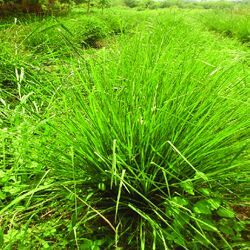
Vetiveria Zizanioides

  • Botanical Name Vetiveria zizanioides
  • Common Name Vilamichaver
  • Application Recommends the root in dysuria, used in obstinate vomiting, colic and flatulence
  • Description Root-infusion used as refrigerant, febrifuge, diaphoretic, stimulant, stomachic, antispasmodic, emmenagogue, blood purifier
  • English Name Khas
  • Active Ingredient Sesquiterpene ketones & alcohols
View Complete Details

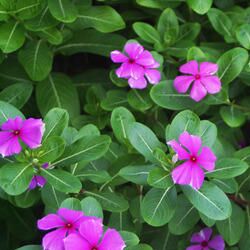
Vinca Rosea

  • Botanical Name Vinca rosea
  • English Name Madagascar Periwinkle
  • Common Name Nithiya Kalyani
  • Active Ingredient Vinblastine, vincristin, vincamine
  • Uses Used for the treatment of metastatic testicular cancer, also against bladder cancer, breast cancer, non-small cell lung cancer
  • Description Proved to be highly effective as cancer chemotherapeutic agents, thrombocytopenic disorders, metastatic testicular cancer
View Complete Details

Vitex Negundo

  • Botanical Name Vitex negundo
  • English Name Five-leaved chaste tree
  • Common Name Nirgundi, Nochi
  • Active Ingredient Iridoid glycosides, isomeric flavones, luteolin-7-glucoside
  • Uses Recommends the leaf in excessive vaginal discharges, oedema, skin diseases, pruritus, helminthiasis, rheumatism, puerperal fever
  • Description Seeds-spermatorrhoea, promoting spermiogenesis, rejuvenating tonic for retarding old age. Leaf-anti-inflammatory, analgesic, removes foetid discharges, worms from ulcers  
View Complete Details

Wrightia Tinctoria

  • Botanical Name Wrightia tinctoria
  • Common Name Vetpaalai
  • Application Antidysenteric, used in piles and skin diseases, febrifuge
  • Description Prescribed in flatulence, bilious affections, Used as an adulterant of Holarrhena antidysenterica bark
  • English Name Pala Indigo Plant
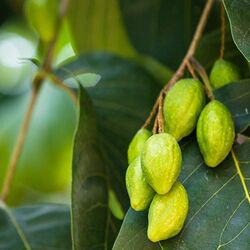
  • Active Ingredient 3-O-rhamnoglucoside, cycloartanes, cycloartenone, ursolic acid
View Complete Details
Tell Us What are you looking for? Will call you back
Contact Us