My ExportersIndia

For Buyer

For Seller

For Help

Our Product / Services

  1. Pipe Bending Machine 3 Products available
  2. Hydraulic Bending Machine 2 Products available
  3. Bending Machine 2 Products available
  4. CNC Turning Center 2 Products available
  5. Metal Ingot 2 Products available
  6. Cnc And Lathe Machinery 2 Products available
  7. Machine And Precision Tools 2 Products available
  8. CNC Machine Repair 1 Services available
  9. Repair & Maintenance Services 1 Services available
  10. SPM Machine 1 Products available
  11. Lathe Chucks 1 Products available
  12. Lathe Machines 1 Products available
  13. Fuel Injection System & Assemblies 1 Products available
  14. Hydraulic Machines 1 Products available
  15. Automotive Spare Parts 1 Products available
  16. Steering Parts And Components 1 Products available
  17. Milling Machines 1 Products available
  18. Automotive Components 1 Products available
  19. Cnc Machined Components 1 Products available
  20. Industrial & Engineering Products 1 Products available

Pipe Bending Machine

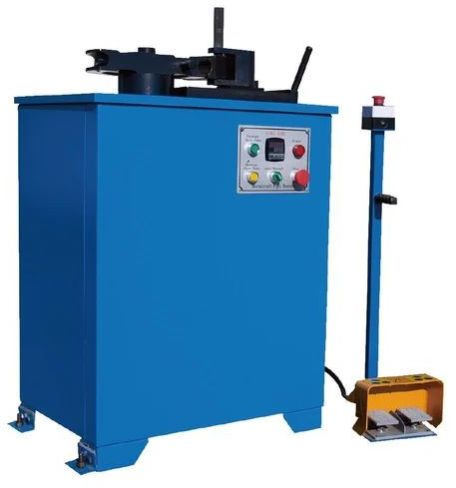
Our product range contains a wide range of Semi Automatic Pipe Bending Machine, Section Pipe Bending Machine and Three Roller Pipe Bending Machine

Semi Automatic Pipe Bending Machine

2 Lakh - 2.25 Lakh / Piece Get Latest Price
  • Min. Order (MOQ) 1 Piece
  • Brand Name Ujwal Engineering
  • Country of Origin India
  • Phase 3 Phase
  • Power Source Electric
  • Automatic Grade Semi Automatic
  • Max Bending Angle 1 - 180 Degree
View Complete Details

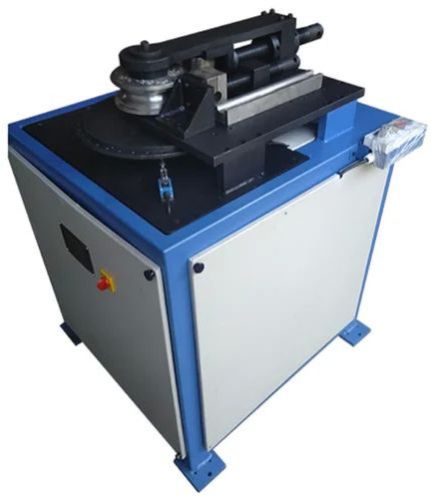
Section Pipe Bending Machine

  • Min. Order (MOQ) 1 Piece
  • Country of Origin India
  • Country of Origin 220-380V
  • Application Pipe Bending
  • Condition New
  • Driven Type Electric
  • Brand Name Ujwal Engineering

A section pipe bending machine, also known as a section bender or profile bending machine, is used to bend pipes, tubes, and other metal profiles into curved shapes or arcs. This type of machine is primarily used in industries that require curved or circular sections of pipes or metal, such as construction, shipbuilding, and metal fabrication.


Key Components:

  • Rollers or Dies: These are the tools that the pipe or profile passes through. Typically, there are three rollers arranged in a pyramid or triangle, and they are adjustable to control the radius of the bend.
  • Hydraulic or Electric Drive: The machine is powered either hydraulically or electrically to rotate the rollers and push the pipe through to achieve the desired bend.
  • Frame: A strong, rigid structure that holds the rollers in place and supports the machine during the bending process.
  • Control Panel: Used to set parameters such as roller positioning, speed, and bending angle. Adjustable Rollers: The position of the rollers can be adjusted depending on the size of the section being bent and the desired bend radius.


Types of Section Pipe Bending Machines:

  • Manual Section Bending Machine: Operated manually, often used for lighter materials and smaller projects.
  • Hydraulic Section Bending Machine: Uses hydraulic power to bend larger or heavier sections of pipe or metal profiles.
  • CNC Section Bending Machine: Computer-controlled for high precision and automation, used in large-scale production settings where repeatable accuracy is critical.


Features:

  • Multi-Directional Bending: Section benders can bend pipes in both vertical and horizontal planes, allowing for complex shapes and arcs.
  • Bending Capacity: Can handle a wide variety of profile shapes, including round pipes, square tubes, rectangular sections, and other custom profiles.
  • Variable Radius: By adjusting the rollers, operators can achieve different radii and bend angles to suit the specific needs of the project.
  • Versatility: Section benders can work with various materials, such as steel, stainless steel, aluminum, and brass, making them versatile for different industries.


Applications:

  • Architectural Structures: For bending metal pipes into arches, railings, and decorative metalwork in buildings.
  • Shipbuilding: Used to form curved metal sections required for ship hulls and frames.
  • Automotive: For bending exhaust pipes, roll cages, and chassis components.Furniture Manufacturing: For creating curved metal furniture components like chair frames and tables.
  • Structural Engineering: Used for making curved beams and sections used in construction projects, such as bridges, stadiums, and tunnels.


Advantages:

  • High Precision: Machines, especially CNC models, can produce very accurate bends without deforming the pipe or metal profile.
  • Versatility: Can bend a variety of pipe sizes, profiles, and materials, making them useful in multiple industries.
  • Efficient Bending: Hydraulic and CNC models can bend large sections quickly, improving productivity in large-scale projects.
  • Reduced Material Waste: With precise control, section benders help reduce the risk of material wastage due to inaccurate bends or deformations.


How It Works:

  • The pipe or profile is placed between the three rollers.
  • The two outer rollers push against the pipe while the middle roller exerts pressure, bending the pipe as it moves through the machine.
  • By adjusting the distance between the rollers and controlling the force, the operator can control the radius and angle of the bend.
View Complete Details

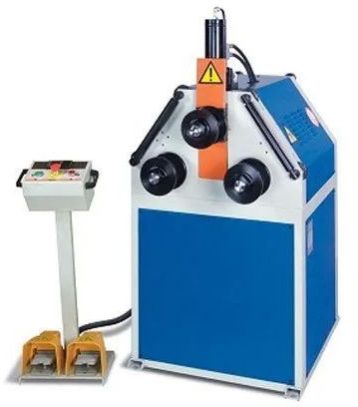
Three Roller Pipe Bending Machine

  • Min. Order (MOQ) 1 Piece
  • Brand Name Ujwal Engineering
  • Material Mild Steel
  • Condition New
  • Application Metal Pipe Bending
  • Frequency 50/60 Hz
  • Country of Origin India
  • Max Bending Radius 100 mm
  • Layout Vertical

A three-roller pipe bending machine is a specialized type of section bending machine designed to bend pipes, tubes, and other profiles using three rollers to apply pressure. This type of machine is commonly used in industries like construction, automotive, shipbuilding, and metal fabrication, where precise and smooth curves are required in pipes or profiles.


Key Components:

Three Rollers:

  • Top Roller: This is usually the adjustable roller that moves vertically (up and down) to control the bend’s radius.
  • Bottom Rollers: These are fixed and rotate the pipe or profile through the machine while applying bending force.
  • Electric or Hydraulic Power System: The machine can be powered by an electric motor or hydraulic system to move the rollers and provide the force needed to bend the pipe. Frame/Structure: A heavy-duty steel frame that holds the rollers in place and supports the machine during operation.
  • Control Panel: Allows the operator to adjust the roller positions, bending speed, and pressure. Guide Rollers: Some machines are equipped with side guide rollers to help maintain the shape of the profile and ensure the bend is consistent.


Types of Three-Roller Pipe Bending Machines:

  • Manual: These machines are operated by hand, typically for small-scale or light-duty applications.
  • Electric: Powered by an electric motor, these machines are more powerful and are used for larger pipes and more frequent bending tasks.
  • Hydraulic: These use hydraulic power to move the top roller and provide force, suitable for bending larger diameter pipes or thicker materials.
  • CNC: Computer-controlled versions that allow for precision bending and automation, often used in industrial applications where high accuracy and repeatability are needed.


Working Principle:

  • The pipe or profile is placed between the three rollers.
  • The two lower rollers rotate the pipe while the upper roller applies pressure downward to bend the pipe into a curve or arc.
  • By adjusting the position of the top roller, the operator can control the tightness of the bend.
  • The machine can produce different radii and angles depending on the settings of the rollers.


Bending Process:

  • Loading the Pipe: The pipe or tube is placed between the three rollers, usually with the outer two rollers positioned at the desired spacing based on the pipe size.
  • Adjusting the Rollers: The top roller is adjusted downward to begin bending the pipe while the two lower rollers rotate the pipe forward.
  • Bending: As the pipe moves through the machine, the top roller continues to press the pipe, gradually forming the bend.
  • Completing the Bend: The process continues until the desired angle or curve radius is achieved.


Applications:

  • Construction: Bending structural pipes for building frameworks, handrails, and curved beams., roll bars, and other curved components.
  • Shipbuilding: Bending pipes and sections used in ship hulls and frames.
  • Furniture: Used to form curved pipes and tubes for chairs, tables, and other metal furniture pieces.
  • Aerospace: Bending precision pipes and profiles for aircraft parts.
View Complete Details
Tell Us What are you looking for? Will call you back

Contact Us