
 GST : 09AABCV5910E1ZH
 4.3/5
4.3/5
Our Products
Our Complete range of products are Rose Water, Lavender Water, Sandalwood Water and Cardamom Water.
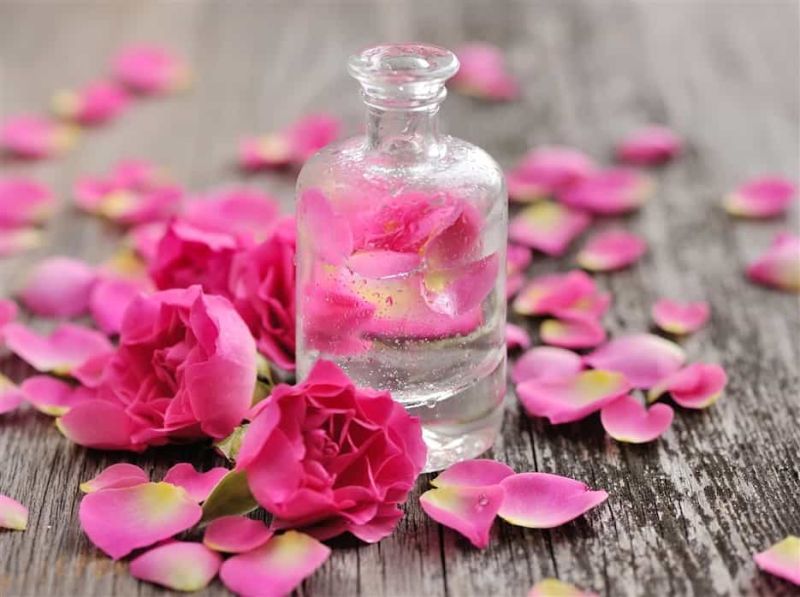
Rose water is a fragrant floral water derived from the steam distillation of rose petals, primarily from Damask roses (Rosa damascena) or other species of roses known for their aromatic qualities. It has been used for centuries in various cultures for its pleasing scent and numerous potential benefits.
Here are some key points about rose water:
Production: Rose water is produced by distilling fresh rose petals with steam. The process captures the volatile compounds and essential oils found in the petals, resulting in a liquid that carries the aroma and properties of roses.
Aroma and Flavor: Rose water has a delicate floral aroma with sweet and subtle notes. It is often described as having a fresh, romantic scent that evokes images of blooming roses in a garden. In terms of flavor, rose water adds a floral and slightly sweet essence to culinary dishes and beverages.
Culinary Use: Rose water is a common ingredient in culinary traditions around the world. It is used in Middle Eastern, Indian, and Mediterranean cuisines to flavor desserts, pastries, beverages, and savory dishes. Rose water is particularly popular in desserts such as baklava, Turkish delight, and rosewater-scented rice puddings.
Skincare: Rose water is valued for its soothing and hydrating properties, making it a popular ingredient in skincare products. It is used as a toner, facial mist, and ingredient in moisturizers and masks to refresh and hydrate the skin, as well as to balance pH levels and soothe irritation.
Aromatherapy: In aromatherapy, rose water is prized for its calming and uplifting effects on the mind and emotions. It is used as a natural air freshener, room spray, or added to bathwater to create a relaxing and aromatic experience.
Cosmetics: Rose water is also used in cosmetics and personal care products for its natural fragrance and skin-nourishing properties. It can be found in perfumes, soaps, lotions, and hair care products, adding a luxurious touch to formulations.
Health Benefits: Rose water is sometimes used for its potential health benefits, including its anti-inflammatory and antioxidant properties. It may help soothe skin irritations, reduce redness, and protect against environmental damage when applied topically.
Overall, rose water is a versatile and beloved botanical ingredient with a wide range of culinary, skincare, and aromatherapy applications. Its enchanting fragrance and potential health benefits make it a cherished addition to many cultures and lifestyles.
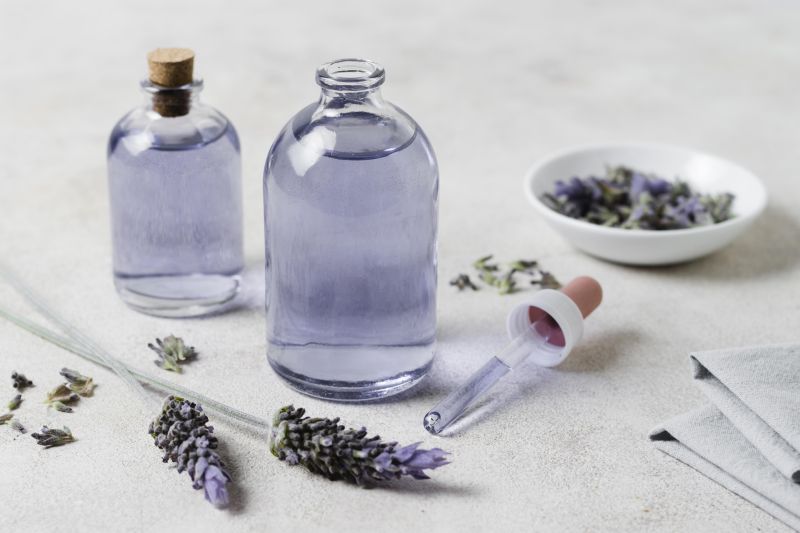
Lavender water, also known as lavender hydrosol or lavender floral water, is a fragrant floral water produced through the steam distillation of lavender flowers (Lavandula angustifolia). It is a byproduct of the process used to extract lavender essential oil and carries many of the same aromatic and therapeutic properties as the oil itself.
Here are some key points about lavender water:
Production: Lavender water is typically produced using a steam distillation process, where fresh lavender flowers are placed in a still and steam is passed through them. The steam carries the volatile aromatic compounds of the lavender flowers, which are then condensed back into a liquid form. The resulting liquid is lavender water, which contains water-soluble components of the lavender plant as well as small amounts of essential oil.
Aroma and Properties: Lavender water has a soothing, floral aroma with herbaceous undertones, similar to that of fresh lavender flowers. It is valued for its calming and relaxing properties, making it popular in aromatherapy and natural skincare.
Aromatherapy: Lavender water is commonly used in aromatherapy as a natural way to promote relaxation, reduce stress, and improve sleep quality. It can be sprayed in the air, added to baths, or used as a room or linen spray to create a calming atmosphere.
Skincare: Lavender water is gentle and soothing to the skin, making it a popular ingredient in natural skincare products. It can be used as a facial toner, body mist, or added to bathwater to hydrate and refresh the skin. Lavender water is also known for its mild antiseptic properties, making it useful for soothing minor skin irritations and inflammation.
Household Uses: Lavender water can be used around the home as a natural air freshener and linen spray. It adds a pleasant, floral scent to rooms, closets, and linens, while also providing the calming benefits of lavender.
Culinary Applications: Lavender water can also be used in cooking and baking to add a subtle floral flavor to dishes and beverages. It is often used in desserts, teas, cocktails, and savory dishes to enhance their aroma and taste.
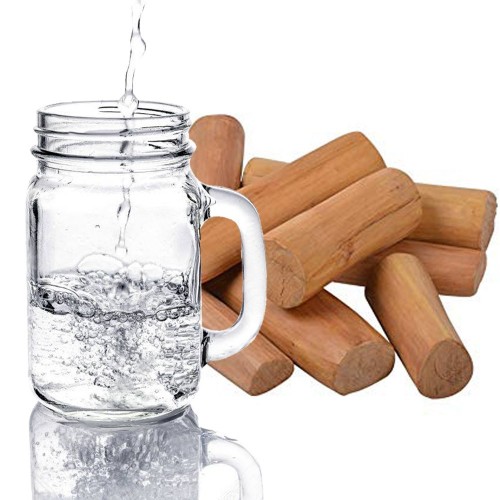
Sandalwood water, also known as sandalwood hydrosol or sandalwood floral water, is a fragrant water produced through the steam distillation of sandalwood (Santalum album) heartwood. It is a byproduct of the process used to extract sandalwood essential oil and carries many of the same aromatic and therapeutic properties as the oil itself.
Here are some key points about sandalwood water:
Production: Sandalwood water is typically produced using a steam distillation process, where pieces of sandalwood heartwood are placed in a still and steam is passed through them. The steam carries the volatile aromatic compounds of the sandalwood, which are then condensed back into a liquid form. The resulting liquid is sandalwood water, which contains water-soluble components of the sandalwood tree as well as small amounts of essential oil.
Aroma and Properties: Sandalwood water has a soft, woody aroma with sweet and earthy undertones, similar to that of sandalwood essential oil. It is valued for its calming, grounding, and balancing properties, making it popular in aromatherapy and natural skincare.
Aromatherapy: Sandalwood water is commonly used in aromatherapy as a natural way to promote relaxation, reduce anxiety, and enhance mental clarity. It can be sprayed in the air, added to baths, or used as a room spray to create a calming and peaceful atmosphere.
Skincare: Sandalwood water is gentle and soothing to the skin, making it a popular ingredient in natural skincare products. It can be used as a facial toner, body mist, or added to bathwater to hydrate and refresh the skin. Sandalwood water is also known for its antimicrobial and anti-inflammatory properties, making it useful for soothing irritated or inflamed skin.
Spiritual and Meditation Practices: Sandalwood water is often used in spiritual and meditation practices due to its grounding and centering effects. It is believed to enhance focus, deepen meditation, and promote spiritual awareness.
Fragrance: Sandalwood water can be used as a natural fragrance in perfumes, colognes, and room sprays. Its subtle and enduring aroma adds depth and complexity to fragrance blends.
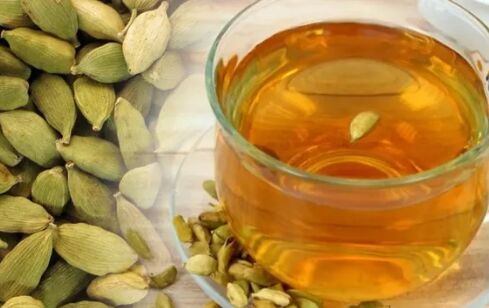
Cardamom water is a flavored water infused with the essence and aroma of cardamom pods. Cardamom is a spice native to the Indian subcontinent and is known for its intense, aromatic flavor with hints of citrus, mint, and herbal notes. Cardamom water is typically made by steeping whole cardamom pods in water to extract their flavor and fragrance.
 Mr. Ramandeep Singh (Vdh Organics Pvt. Ltd.)
 C - 7/1/6 Meerut Road Industrial Area, Guldhar, Ghaziabad, Uttar Pradesh - 201001
 https://www.vdhthymol.com
 Share us via









