 GST : 27AAICV0424G1ZH
 5.0/5
5.0/5
Our Products
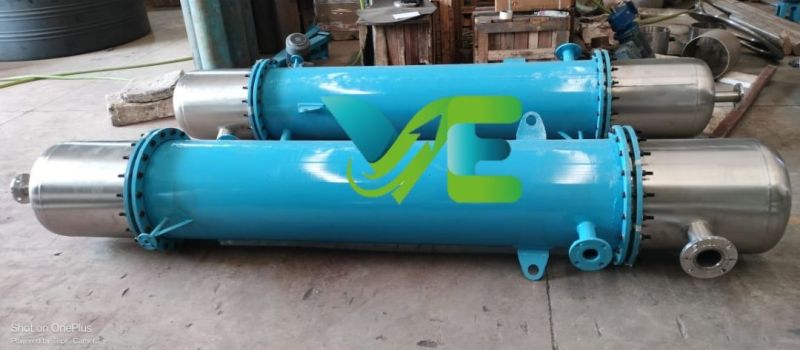
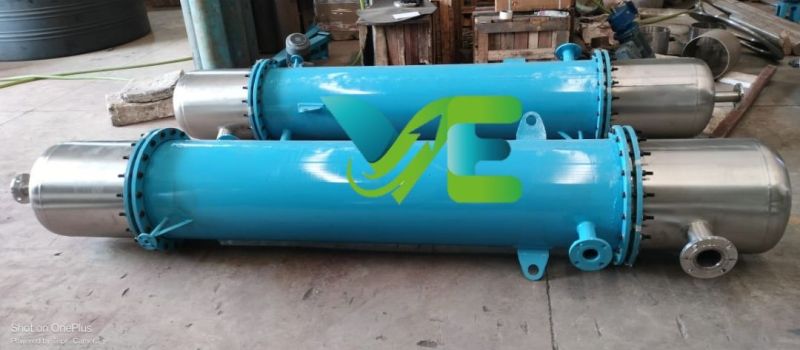
Our Complete range of products are STAINLESS STEEL VESSEL GAS COOLER, VEPL VESSEL GAS COOLER, Shell and Tube Heat Exchanger, Finned Tube Heat Exchanger and U Tube Heat Exchanger.
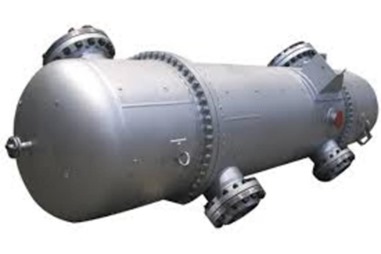
A vessel gas cooler, specifically a shell and tube gas cooler, is a type of heat exchanger used to cool gases or vapors in industrial processes. It consists of a cylindrical shell with a bundle of tubes running through it. The gas to be cooled flows through the tubes, while the cooling medium, typically water or a refrigerant, circulates around the tubes within the shell.The gas enters the cooler through an inlet connection and passes over the external surface of the tubes. As it comes into contact with the cooler tubes, heat is transferred from the gas to the cooling medium. This causes the gas to cool down and potentially condense.The cooling medium, circulating inside the shell, absorbs the heat from the gas and exits the cooler through an outlet connection. It may be cooled by external means, such as a cooling tower or refrigeration system, before being recirculated back into the shell.The design of the shell and tube gas cooler allows for efficient heat transfer due to the large surface area provided by the tube bundle. The tube bundle is typically removable, allowing for easy cleaning and maintenance.Shell and tube gas coolers are widely used in various industries, including oil and gas, petrochemical, chemical processing, and power generation. They are employed in applications such as gas compression, gas separation, vapor recovery, and gas conditioning.These coolers can be customized to meet specific requirements, including variations in shell and tube materials, tube arrangement, and overall dimensions. It is important to consider factors such as gas composition, pressure, temperature, and desired cooling capacity when selecting a shell and tube gas cooler for a particular application.
A vessel gas cooler, specifically a shell and tube gas cooler, is a type of heat exchanger used to cool gases or vapors in industrial processes. It consists of a cylindrical shell with a bundle of tubes running through it. The gas to be cooled flows through the tubes, while the cooling medium, typically water or a refrigerant, circulates around the tubes within the shell.The gas enters the cooler through an inlet connection and passes over the external surface of the tubes. As it comes into contact with the cooler tubes, heat is transferred from the gas to the cooling medium. This causes the gas to cool down and potentially condense.The cooling medium, circulating inside the shell, absorbs the heat from the gas and exits the cooler through an outlet connection. It may be cooled by external means, such as a cooling tower or refrigeration system, before being recirculated back into the shell.The design of the shell and tube gas cooler allows for efficient heat transfer due to the large surface area provided by the tube bundle. The tube bundle is typically removable, allowing for easy cleaning and maintenance.Shell and tube gas coolers are widely used in various industries, including oil and gas, petrochemical, chemical processing, and power generation. They are employed in applications such as gas compression, gas separation, vapor recovery, and gas conditioning.These coolers can be customized to meet specific requirements, including variations in shell and tube materials, tube arrangement, and overall dimensions. It is important to consider factors such as gas composition, pressure, temperature, and desired cooling capacity when selecting a shell and tube gas cooler for a particular application.
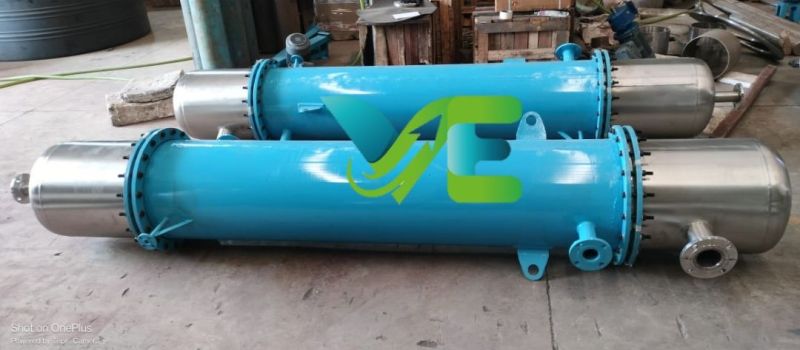
In systems involving heat transfer, heat exchanger used to condense a gaseous substance into a liquid state through cooling.
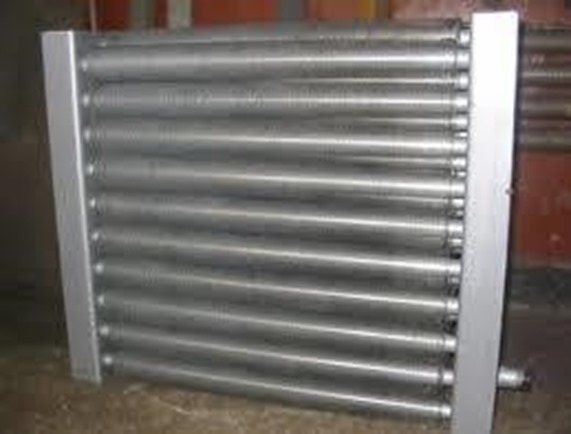
Finned tube exchangers areknown for maximizing heat transfer surface area, by design. Finned tube heat exchangers have tubes with extended outer surface area or fins to enhance the heat transfer rate from the additional area of fins.Finned tubes or tubes with extended outer surface area enhance the heat transfer rate by increasing the effective heat transfer area between the tubes and surrounding fluid. The fluid surrounding finned tubes maybe process fluid or air.

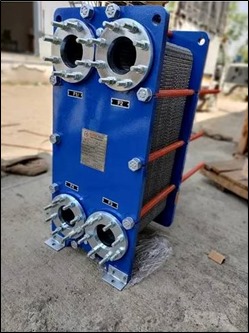
A plate heat exchanger isa type of heat exchanger that uses metal plates to transfer heat between two fluids.Fluid of the substance to be heated and cooled takes place between alternating sheet allowing heat to transfer through the metal sheet. This has a major advantage over a conventional heat exchanger in that the fluids are exposed to a much larger surface area because the fluids are spread out over the plates.
 Mr Ram Khandekar (Vincitore Edutechnologies OPC Pvt. Ltd.)
 Gate No 679 2 2 Plot No 12 37 Chakan - Alandi Road Kuruli, Khed, Pune, Maharashtra - 410501, India
 https://www.vincitoreedutechnologies.co.in
 Share us via