Write a Review
Our Products
Our offered Product range includes GALANGAL SLICES, Ginger Slices and Sunflower Meal.
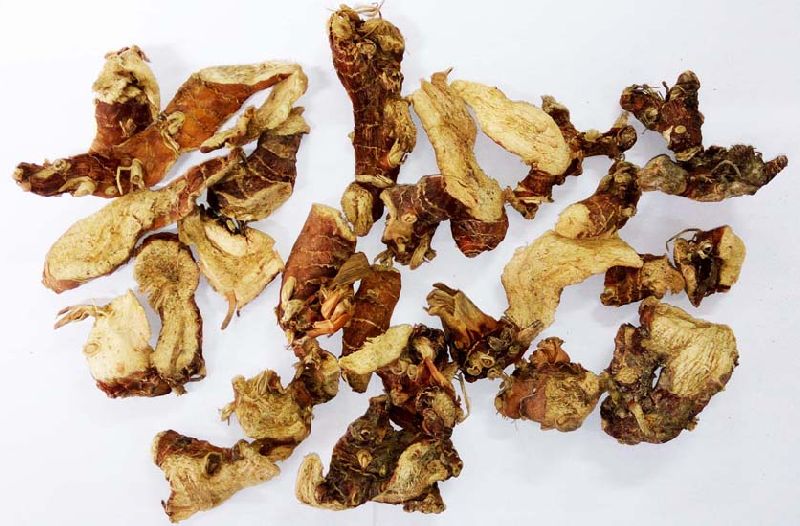
| At first, galangal or 'Khaa' in Thai, appears similar to ginger. However a closer look will reveal the difference between galangal and ginger. Galangal has a tighter skin, is lighter in color and can have pinkish portions too. Galangal tastes more like pepper than ginger even though both grow underground as root and the method used to cook them (in various dishes) is similar too. The galangal that originated in Indonesia is also called, lengkuas and has a sharp flavour and pine like aroma. This is more commonly found as fresh or dried (powder) form. The second type of galangal, has a pungent flavour and tastes like a combination of pepper and ginger. This galangal is believed to have its origin in southern parts of China. This type of Galangal is popular in Thailand and locally called krachaai. Galangal is commonly used as a seasoning ingredient in Thai food, many seafood and meat dishes. It is pounded into paste and mixed with other spices or in curries. |
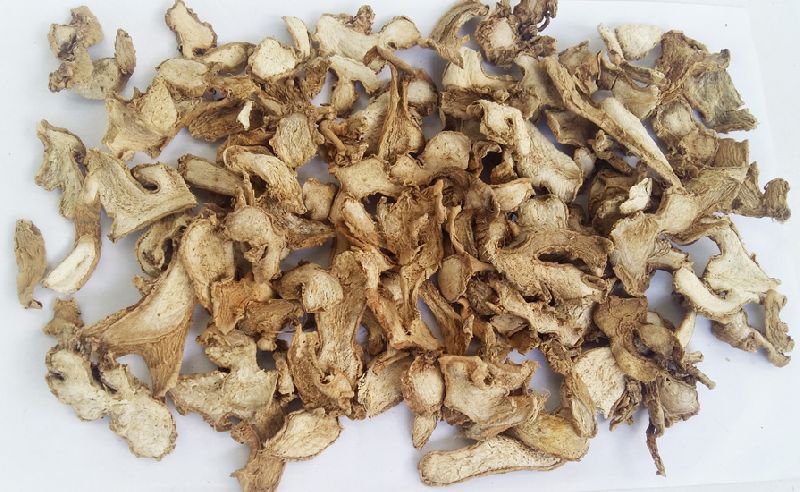
| The spice ginger is the underground rhizome of the ginger plant, known botanically as Zingiber officinale. The flesh of the ginger rhizome can be yellow, white or red in color, depending upon the variety. Ginger is aromatic, pungent and hot in taste. The root or underground stem (rhizome) of the ginger plant can be consumed fresh, powdered, dried as a spice, in oil form or as juice. It is commonly produced in India, Jamaica, Fiji, Indonesia and Australia. |
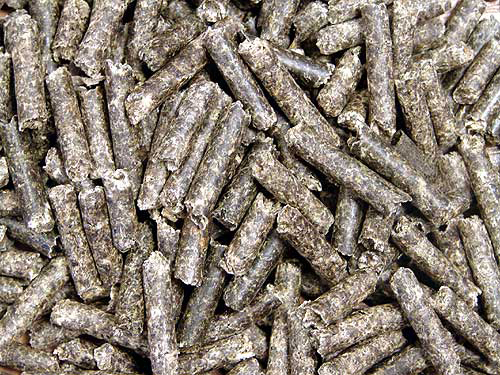
| Sunflower meal is the by-product of the extraction of oil from sunflower seeds. In terms of production, it is the 4th most important oil meal after soybean meal, rapeseed meal and cottonseed meal (Oil World, 2011). A wide variety of products are available on the market, from low-quality straw-like meals to high-quality flours. Sunflower meals can be made from whole or decorticated seeds, and can be mechanically and/or solvent-extracted. The quality of sunflower meal depends on the plant characteristics (seed composition, hulls/kernel ratio, dehulling potential, growth and storage conditions) and on the processing (dehulling, mechanical and/or solvent extraction). |
 Prashant Sethi (August Industries)
 403, Akshat Heights,
D-91, Madho Singh Road, Bani Park,
- , , Jaipur, Rajasthan - 302016
403, Akshat Heights,
D-91, Madho Singh Road, Bani Park,
- , , Jaipur, Rajasthan - 302016 Share us via