 GST : 23EEIPP1517P1Z5
 Write a Review
Our Product / Services
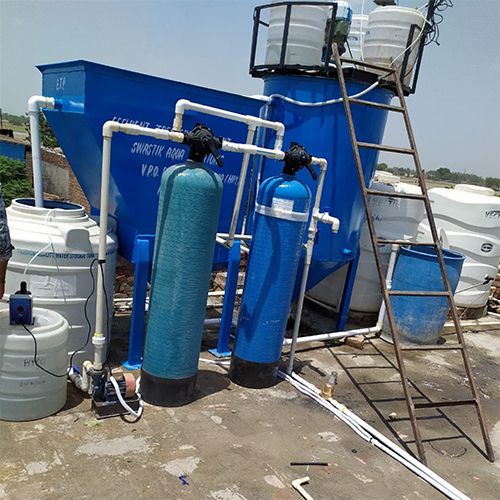
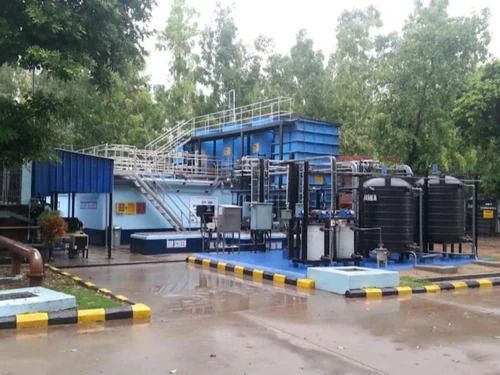
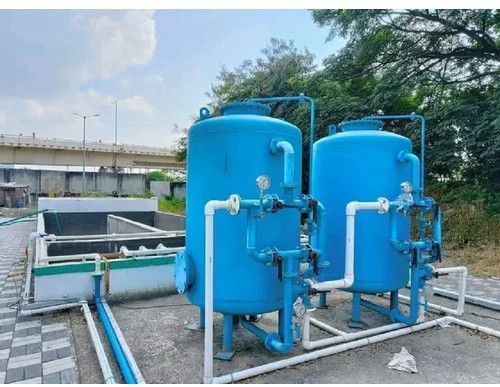
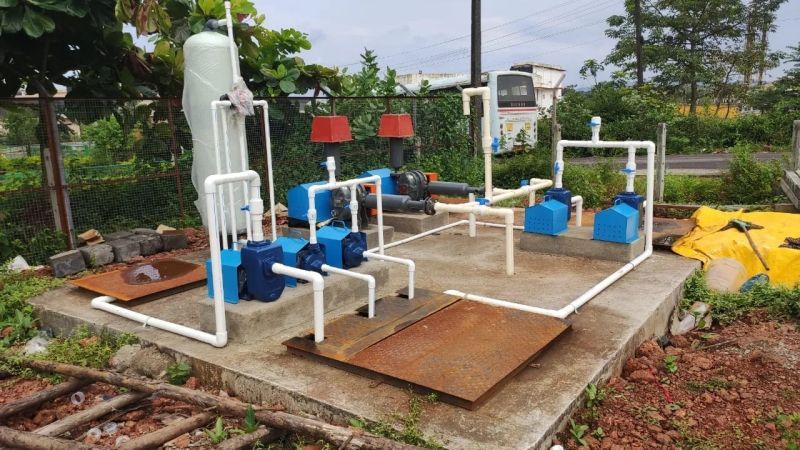
We offer a complete product range of Water Softener Plant, Compact Sewage Treatment Plant, hybrid capsule type 1-2 kld sewage treatment plants, Containerized Effluent Treatment Plant and Zero Liquid Discharge Plant


Sewage treatment plants using plantation technology, also known as Constructed Wetlands or Botanical STPs, treat sewage through the combined action of specially selected plants, soil, bacteria, and micro-organisms. These systems mimic natural wetlands, with plant roots and associated microflora removing pollutants naturally and efficiently.
Technology and Process
Wastewater passes through a series of beds or basins planted with wetland species like sedge, grasses, and reeds.
The roots provide a large surface for beneficial bacteria to colonize, supporting the breakdown of organic matter and absorption of nutrients and pollutants.
Plants uptake certain contaminants and help sequester them in their biomass, while the root zones promote aerobic and anaerobic degradation.
The system is low-maintenance, energy-efficient, and blends well into landscapes.
Suitable for domestic, institutional, and small-scale industrial sewage, and can be enhanced with other treatment stages for larger flows.
Advantages
Lower energy consumption compared to conventional mechanical STPs.
Minimal odor and reduced operational costs.
Treated water is suitable for landscape irrigation or safe surface discharge.
Creates green, eco-friendly sites that can educate and raise awareness.
Applications in India
Used for housing complexes, hospitals, resorts, factories, and rural projects.
Neptune Technologies and similar companies offer "Sewage Treatment Plant - Through Plantation" systems designed for industrial and community use, priced competitively with traditional STP systems.
Sewage treatment through plantation is an innovative ecological method, ideal for projects focused on sustainability, landscaping, and low operational costs while meeting environmental standards.
Additional Information:
Delivery Time : 1 week


AnIndustrial Sewage Treatment Plant (ISTP)is an advanced wastewater treatment system designed to treat sewage generated from industrial establishments such as factories, manufacturing units, processing plants, industrial canteens, administrative offices, and worker colonies.Unlike domestic STPs, an Industrial STP handleshigher organic load, fluctuating flow, presence of oils/grease, detergents, chemicals, and variable pH, ensuring stable, compliant output under all conditions.
The system followsPrimary Treatment Biological Treatment Secondary Clarification Tertiary Filtration Disinfection, achieving treated water quality that meetsCPCB/SPCB discharge or reuse norms.ISTPs are engineered forhigh efficiency, heavy-duty operation, low maintenance, and long-term durability, using robust technologies such asMBBR, SBR, FAB, MBR, and Ultra Filtration (UF).
They are ideal for industries looking to:Reduce freshwater consumptionAchieve Zero Liquid Discharge (ZLD) integrationComply with pollution control board normsReuse water for flushing, gardening, and utility applications
A Dairy Effluent Treatment Plant (DETP) is an advanced wastewater purification system specifically designed to treat high-strength organic wastewater generated from milk processing units, paneer/cheese plants, ghee units, and dairy product industries. It efficiently removes fats, oil & grease (FOG), suspended solids, dissolved impurities, lactose, proteins, detergents, and high BOD/COD loads, ensuring the treated water meets CPCB & State Pollution Control Board discharge norms.
Built with a robust combination of physico-chemical, biological, and tertiary filtration technologies, our DETP guarantees stable performance, low operational cost, high durability, and easy maintenance making it ideal for small, medium, and large dairy units.
A Containerized Effluent Treatment Plant (CETP) is a fully assembled, plug-and-play wastewater treatment system housed inside a portable ISO shipping container. It is designed for industries needing quick installation, zero civil work, high mobility, and compact footprint. The plant is engineered to treat a wide range of industrial wastewater, ensuring compliance with CPCB / SPCB discharge norms for BOD, COD, TSS, Oil & Grease, and other pollutants.
A Compact Sewage Treatment Plant (STP) is a fully integrated, space-saving wastewater treatment system designed for residential, commercial, and industrial establishments. Built with advanced biological treatment technology, it ensures effective removal of BOD, COD, TSS, and pathogens, delivering treated water suitable for gardening, flushing, or reuse applications.
A De-Mineralization (DM) Water Treatment Plant is designed to produce high-purity water by removing dissolved ionic impurities through a combination of cation, anion, and mixed-bed exchangers. This system delivers mineral-free water suitable for industrial processes, boilers, pharmaceuticals, laboratories, cooling towers, and other high-precision applications where ultra-pure water is essential.


An Industrial Reverse Osmosis Plant is a high-efficiency water purification system designed to remove dissolved salts, minerals, chemicals, and impurities from raw water using semi-permeable membranes. Engineered for continuous heavy-duty operation, it produces reliable, high-quality permeate water suitable for industrial processes, manufacturing units, boiler feed, food processing, and utility applications.


An Industrial Water Softening Plant is an advanced ion-exchange-based water treatment system designed to eliminate hardness-causing minerals such as calcium and magnesium, ensuring a continuous supply of soft, treated water for industrial and commercial applications. Hard water is one of the major causes of scale formation in boilers, cooling towers, heat exchangers, pipelines, and industrial machinery. This scaling leads to increased energy consumption, reduced equipment efficiency, and frequent maintenance downtime. An industrial softener effectively solves these problems by converting hard water into soft water using a reliable and highly efficient cation exchange process.
The plant is engineered with high-capacity softening resin, a durable FRP/MSRL/SS vessel, multiport valve or PLC-based control panel, and a brine regeneration system that ensures consistent and long-term performance. The softener operates in multiple cyclesservice, backwash, brine draw, slow rinse, fast rinse, and regenerationensuring the resin is constantly recharged for repeated use, reducing operational costs and ensuring long service life.
Industrial Water Softening Plants are widely used across industries such as textile, pharmaceutical, food & beverage, chemical, automotive, hospitality, hospitals, and manufacturing units. These plants improve operational efficiency by preventing scaling, enhancing the life of boilers and cooling towers, improving heat transfer efficiency, and reducing chemical consumption for descaling.
The system can be designed in automatic or semi-automatic configurations, with flow capacities ranging from 1 m/hr to 100 m/hr, depending on specific application requirements. The compact, skid-mounted design ensures easy installation with minimal civil work and low maintenance needs. The brine tank ensures effective regeneration, while the high-quality resin guarantees stable hardness removal even under varying water quality.
Overall, an Industrial Water Softening Plant offers high reliability, low running cost, easy operation, and long-term protection of industrial equipment, making it an essential utility for any facility dealing with hard water issues.
A 20 KLD Sewage Treatment Plant (STP) is a compact, efficient, and fully engineered wastewater treatment system designed to treat up to 20, 000 litres of domestic sewage per day. It is ideal for small hotels, residential complexes, schools, hostels, commercial buildings, clinics, and small industries where space is limited and reliable wastewater treatment is essential. The plant ensures compliance with pollution control board norms and helps users reuse treated water for gardening, flushing, and general utility applications.
The STP typically incorporates primary, secondary, and tertiary treatment processes within a compact footprint. Sewage first passes through screening and grit removal units that eliminate large particles and oil/grease content. The equalization tank stabilizes flow variations, ensuring uniform loading to the biological system. The biological treatment is carried out using either the MBBR (Moving Bed Biofilm Reactor) or Extended Aeration ASP technology. Both processes effectively reduce organic load (BOD/COD) by supporting active microbial growth and maintaining adequate dissolved oxygen levels through fine-bubble aeration systems.
After biological treatment, wastewater flows to a secondary clarifier, where suspended solids and biomass are settled and returned to the aeration tank for process stability. The clarified water then undergoes tertiary polishing through a Multimedia Filter or Activated Carbon Filter, followed by disinfection using Chlorination or UV treatment. This ensures high-quality treated water suitable for safe discharge or onsite reuse, helping conserve fresh water and reduce environmental impact.
The 20 KLD STP is supplied as a pre-fabricated, easy-to-install system with pumps, blowers, piping, valves, instrumentation, and an electrical control panel. Optional PLC-based automation enhances reliability and reduces manual intervention. The system requires minimal maintenance, low operating cost, and generates stabilised sludge that can be periodically removed and reused as manure after proper drying.
This plant is a dependable and cost-effective solution for consistent wastewater treatment, long operational life, and full regulatory compliance.
The 5 KLD Hybrid Sewage Treatment Plant (STP) by VEPL (Ventilair Engineers Pvt. Ltd.) is a compact, fully integrated wastewater treatment solution designed for small residential buildings, villas, offices, schools, and commercial setups.
Key Features:
Capacity:5 Kiloliters per day (KLD)
Treatment Technology:Moving Bed Biofilm Reactor (MBBR)-based biological treatment combined with advanced physical and chemical filtration.
Construction:Mild Steel (MS) capsule with 3 mm Fiber Reinforced Plastic (FRP) coating on both inner and outer surfaces for corrosion resistance.
Design:Plug-and-play skid-mounted modular unit; minimal civil work required.
Components Included:
Multi-Grade Filter (MGF)
Activated Carbon Filter (ACF)
Micron Filter
Hypo (chlorine) dosing system
Filter feed tank
pH adjustment system
Air blowers
Sewage and filter feed pumps
Electrical control panel
Flow and water meters
Filter press (for sludge management)
UV disinfection unit
Optional Ultra Filtration (UF) for sensitive reuse applications.
Automation:Semi-automatic with control modules for easy monitoring and operation.
Power Consumption:Approximately 0.5 kW for water pumps and air blowers.
Effluent Quality:Produces treated water suitable for non-potable reuse such as gardening, flushing, and cleaning; BOD, COD, and TSS levels meet CPCB/SPCB standards.
Sludge Management:Integrated sludge reduction system reduces frequent sludge removal requirements.
Applications:Residential townships, commercial complexes, hotels, educational institutions, and small industrial facilities.
Warranty:Typically 1 year on system components.
Benefits:
Compact footprint suitable for limited spaces.
Eco-friendly, cost-efficient operation.
Reduced sludge handling and maintenance.
Supports water reuse solutions.
Price:Around 5.5 Lakh (price may vary based on customization and accessories).
Summary Table
| Capacity | 5 KLD |
| Construction | Mild Steel with 3 mm FRP coating |
| Technology | MBBR with advanced filtration and chemical dosing |
| Automation | Semi-automatic with control panel |
| Power Consumption | 0.5 kW |
| Key Components | MGF, ACF, Micron Filter, Hypo dosing, UV disinfection |
| Effluent Quality | CPCB-compliant; BOD, COD, TSS within permissible limits |
| Sludge Management | Filter press for sludge dewatering |
| Application | Residential, commercial, institutional wastewater |
| Installation | Modular, prefabricated, minimal civil work |
| Benefits | Compact, eco-friendly, reduces maintenance |
The 5 KLD Hybrid STP by VEPL provides an efficient, reliable, and low-maintenance solution ideal for small-scale sewage treatment needs, ensuring compliance with environmental regulations and promoting sustainable water reuse.
A Small Effluent Treatment Plant (ETP) is a compact system designed to treat and purify smaller volumes of wastewater generated by small industries, commercial establishments, or residential communities. It efficiently removes contaminants through a series of physical, chemical, and biological processes to ensure the treated water meets environmental discharge or reuse standards.
Common Components and Their Functions
Screening and Pre-Treatment:Removal of large solids and debris using bar screens or mesh screens to protect downstream equipment.
Equalization Tank:Balances flow and pollutant load fluctuations, stabilizing the wastewater characteristics for uniform treatment.
Chemical Dosing and Coagulation:Addition of chemicals like alum, ferrous sulfate, or polymers to aggregate fine suspended particles into larger flocs.
Primary Clarification:Settling tanks where flocculated solids settle down as sludge.
Biological Treatment:Aerobic processes such as Activated Sludge Process (ASP), Moving Bed Biofilm Reactor (MBBR), or Sequential Batch Reactor (SBR) break down organic pollutants.
Secondary Clarification:Separates biological sludge from clarified water; sludge is recirculated or wasted.
Tertiary Treatment:Filters like pressure sand filters or activated carbon filters remove residual solids, color, and odor.
Disinfection:UV or chlorination to eliminate pathogens in the treated effluent.
Sludge Management:Sludge thickening, dewatering (using filter presses or drying beds), and safe disposal.
Advantages of Small ETPs
Compact footprint suitable for limited space.
Cost-effective and customizable according to wastewater volume and pollutant load.
Provides environmentally compliant treated water suitable for discharge or non-potable reuse.
Low operational and maintenance requirements suitable for small-scale applications.
Applications
Small to medium industries like textiles, food processing, and pharmaceuticals.
Residential complexes, hotels, and commercial buildings.
Institutional setups such as schools and hospitals.
In summary, a Small Effluent Treatment Plant integrates essential treatment stages in a compact, cost-effective system ensuring effective wastewater treatment and environmental compliance on a smaller scale.
AInstitutional Sewage Treatment Plant (STP)is designed for large-scale treatment of wastewater generated by institutions such as colleges, hospitals, colleges, government offices, or other large facilities. These plants are engineered to handle significant flow volumes and ensure compliance with environmental standards while supporting sustainability and operational efficiency.
Key Design Features:
Flow and Capacity:Tailored to the expected daily wastewater volume, often ranging from 50 m/day to several hundred or thousand MLD, depending on the institutions size.
Treatment Stages:It generally includes primary treatment (screening, grit removal, sedimentation), secondary biological treatment (activated sludge, MBBR, or SBR), and tertiary processes such as filtration and disinfection for polishing the treated effluent.
Component Layout:Optimized for space efficiency with clear separation of units for easy maintenancesuch as aeration tanks, clarifiers, filters, and disinfection units.
Materials:Usually constructed using corrosion-resistant and durable materials like reinforced concrete, stainless steel, or FRP, suitable for long-term industrial and municipal use.
Automation:Many systems are automated with SCADA or PLC controls for monitoring flow, operational parameters, and alert systems to facilitate remote supervision.
Environmental & Regulatory Compliance:Designed to meet local standards for effluent BOD, COD, TSS, nutrients, and pathogens, ensuring treatment effluent supports safe reuse or disposal.
Design Considerations:
Location:Close to discharge points such as rivers or land disposal sites, with environmental impact assessments performed beforehand.
Flow Variability:Capable of handling peak flow rates and seasonal fluctuations.
Modular Design:Often includes expandable components to accommodate future demand increases.
Operational Ease:Easy to operate and maintain with features like sludge dewatering and odour control systems.
Cost & Sustainability:Balance between capital investment, operational costs, energy efficiency, and resource recovery options (e.g., biogas, reclaimed water).
Typical Components:
Raw sewage inlet and grit chamber
Primary sedimentation tank
Biological treatment unit (activated sludge, MBBR, SBR)
Secondary clarifier
Tertiary filtration and disinfection (UV, chlorination)
Sludge handling system (thickening, drying)
Effluent outfall/Reuse system
Applications:
Large educational institutions
Hospitals and healthcare complexes
Government offices and administrative zones
Corporate campuses
Special facilities requiring high-quality water treatment
Summary:
Institutional Sewage Treatment Plants are essential infrastructure for sustainable water management. They improve sanitation standards, minimize environmental impact, and support resource reuse, making them vital for responsible institutional operations.
A Labour Camp Sewage Treatment Plant (STP) is a specially designed sewage treatment system to handle wastewater generated from temporary or permanent labor accommodations. These facilities are compact, efficient, and constructed to meet sanitation and environmental compliance standards for such camps, ensuring hygienic wastewater disposal and preventing pollution.
Features and Design
Built on compact, modular design principles, often underground and fully covered to eliminate foul odors and environmental exposure.
Employs Sequential Batch Reactor (SBR) or other biological treatment technologies for efficient processing of sewage from toilets, kitchens, and washing areas.
Includes raw sewage intake, screening, grit removal, equalization tanks, aeration chambers, settling tanks, and disinfection units.
SCADA systems and automation can be integrated for smooth monitoring and operation.
Designed for capacities typically ranging from 1 KLD to 100 KLD or more, based on camp size.
Provides treated water suitable for non-potable reuse or safe discharge as per local environmental regulations.
Benefits
Ensures compliance with labor laws related to water, sanitation, and hygiene.
Protects the health and well-being of laborers by preventing contamination and waterborne diseases.
Reduces environmental impact by treating sewage onsite, avoiding contamination of local water bodies.
Compact and easy to install with minimal land use suitable for temporary or semi-permanent camps.
Typical Components
Bar Screens and Grit Chamber
Equalization Tank
Sequencing Batch Reactor (SBR) Tanks
Clarifiers and Sedimentation Tanks
Disinfection (Chlorination/Ozone/UV)
Sludge Handling and Dewatering System
Control Room and Electricals
Labour Camp STPs offer turnkey wastewater management solutions tailored for construction sites, mining camps, large event camps, or any temporary housing facilities, combining regulatory compliance with effective wastewater treatment in a compact footprint.
An Acids and Alkali Packaged Effluent Treatment Plant is specialized for treating industrial wastewater streams that contain significant acidic or alkaline components. The main objective is to neutralize the pH and remove suspended solids, oils, and other contaminants before discharge or reuse.
Key Features and Process
pH Neutralization:
Wastewater with high acidity or alkalinity is first passed through a neutralization tank where acid or alkali dosing adjusts the pH to a near-neutral range (usually 6.5 to 8.5) suitable for subsequent treatment steps.
Chemicals like lime, caustic soda (NaOH), hydrochloric acid (HCl), or sulfuric acid (H2SO4) are used for pH correction.
The neutralization can occur in neutralization tanks or neutralization towers designed for efficient mixing and corrosion resistance.
Equalization Tank:Balances flow and pollutant load variations for steady downstream treatment.
Chemical Treatment:Coagulation and flocculation follow pH correction, with dosing of alum, ferric chloride, or polymers to aggregate suspended solids and reduce turbidity.
Sedimentation/Clarification:Settling tanks remove flocculated solids as sludge.
Biological Treatment (optional):For biodegradable organic content, an aerobic or anaerobic biological process may be included.
Tertiary Treatment:Filtration (pressure sand, activated carbon) and disinfection (chlorination, UV) polish treated water.
Sludge Handling:Sludge from chemical and biological processes is thickened, dewatered, and disposed of or reused per environmental norms.
Advantages
Efficiently neutralizes corrosive acidic or alkaline wastes protecting downstream equipment.
Achieves effective removal of suspended solids, heavy metals, and organics.
Ensures treated water is compliant with discharge standards.
Packaged, compact design suitable for industries with space constraints.
Automated dosing and control for consistent treatment performance.
Applications
Industries generating acidic or alkaline effluents such as chemical manufacturing, textiles, metal finishing, battery manufacturing, and mining.
Plants requiring compact, ready-to-install treatment systems for acids and alkalis in wastewater.
In summary, Acids and Alkali Packaged Effluent Treatment Plants provide a robust, integrated solution for neutralizing and treating corrosive industrial effluents, combining chemical dosing, coagulation, sedimentation, and optional biological treatment in a compact, efficient system to meet environmental regulations.
Wastewater recycling equipment includes a variety of specialized technologies and machinery used for treating and reusing wastewater across different industries. Based on recent web sources, here are the key types of equipment commonly used:
Types of Wastewater Recycling Equipment
Screw Press:Used for sludge dewatering, efficiently removing moisture from sludge (up to 85%) using a self-cleaning mechanism, suitable for industrial sludge and biosolids.
Dissolved Air Flotation (DAF):Removes suspended solids, fats, oils, and greases through microbubble flotation, providing high removal efficiency with low operational costs and small footprint.
Submerged Aerated Filters (SAF):Biological treatment systems using bio-media beds and aeration to remove organic matter and nutrients with minimal energy requirements.
Sequencing Batch Reactors (SBR):Biological treatment technology treating wastewater in batches, capable of high-quality effluent with flexible operation, particularly effective for variable flows.
Filter Presses:Powerful dewatering units that recover water from sludge, producing solids for disposal while reclaiming over 95% of water, suitable for plastic recycling and other industries.
Biofiltration and Advanced Technologies:
BioFiltro employs worms and microbes to remove up to 99% of contaminants rapidly, enabling high-quality water reuse or discharge.
Algae-based systems like Gross-Wen recover nutrients and produce fertilizer, reducing nutrient load and greenhouse gases.
Pellets for phosphorus and nitrogen removal target nutrient pollution effectively.
Reverse Osmosis (RO):Uses semi-permeable membranes to remove impurities, delivering high-purity water suitable for reuse in industrial processes.
Vacuum Evaporation and Distillation:Employ heat to separate water from contaminants, frequently used in chemical, petrochemical, and pharmaceutical industries.
Other Equipment:Valves, heat pumps, and specialized units for specific industrial applications support the treatment process at different stages, ensuring efficiency and compliance.
These technologies are often combined into integrated systems for effective treatment, resource recovery, and water reuse, reducing environmental impact and operational costs in industries like plastics, pharmaceuticals, chemicals, and manufacturing.
An Organic Effluent Water Treatment Plant is a specialized Effluent Treatment Plant (ETP) designed to treat wastewater containing high concentrations of organic pollutants such as BOD, COD, oils, greases, and other biodegradable substances. These plants use a combination of physical, chemical, and biological processes to efficiently reduce organic load and ensure treated water meets environmental standards.
Key Treatment Processes
Preliminary Treatment:Includes bar screens to remove large solids, grit chambers to settle heavy inorganics, and oil traps to separate oil and grease from the wastewater.
Equalization Tank:Balances fluctuations in flow and pollutant concentration, stabilizing the influent for uniform treatment.
Chemical Treatment:Uses coagulants and flocculants (e.g., alum, PAC) in flash mixers for coagulation and flocculation to remove suspended solids.
Primary Clarification:Settles out flocculated solids as sludge.
Biological Treatment:Utilizes aerobic processes such as Activated Sludge Process (ASP), Moving Bed Biofilm Reactor (MBBR), Sequential Batch Reactor (SBR), or anaerobic processes like UASB to biodegrade organic pollutants.
Tertiary Treatment:Includes pressure sand filters and activated carbon filters for polishing before disinfection with UV or chlorination.
Sludge Management:Involves thickening, dewatering, and disposal or reuse of sludge generated during treatment.
Benefits
Effectively reduces organic pollutants, ensuring compliance with discharge norms.
Recovers valuable water for reuse in industrial processes or irrigation.
Minimizes environmental pollution and health hazards.
Customizable design based on industry type, effluent characteristics, and volume.
Applications
Industries like textiles, food processing, pharmaceuticals, chemicals, and distilleries generating organic-laden effluents.
Municipal wastewater treatment with significant organic waste load.
Facilities requiring zero liquid discharge (ZLD) or advanced treatment for reuse.
The design and operation of an organic effluent water treatment plant prioritize efficient removal of organic contaminants through integrated physical, chemical, and biological treatment stages, ensuring environmental safety and sustainable water management.
MS Filter Vessels are widely used in water treatment and wastewater treatment systems to remove impurities, sediments, and contaminants through filtration media like sand, activated carbon, or other adsorbents. These vessels are made of Mild Steel (MS) for durability and strength.
Typical Specifications:
Material:Mild Steel (MS), often lined internally with epoxy or rubber for corrosion resistance.
Capacity:Variations generally range from small units of around 280 liters to larger systems over 1000 liters.
Size:Common dimensions include diameters from 500 mm to 1050 mm, and heights from 1500 mm onwards.
Inlet/Outlet:Usually 1.5 inches (11/2") or similar for fluid entry and exit.
Design:Bell mouth cone type or cylindrical with top/bottom flanges for easy installation.
Design Pressure:Maximum operating pressure generally around 5-20 bar, depending on system needs.
Application:Used in effluent and potable water treatment plants, sewage, and chemical industries.
Features:
Non-corrosive lining options like epoxy or rubber for longer life.
Easy to install with inlet/outlet connections and flange fittings.
Suitable for multi-media filtration (sand, carbon, etc.).
Easy maintenance and media change.
Benefits:
Robust construction ensures durability.
Cost-effective and suitable for various industrial applications.
Suitable for filtering out mud, oil, grease, organic impurities, and chlorine.
Compact size allows installation in space-constrained locations.
Examples:
MS Filter Vessels with capacities of 280 liters, 600 liters, 900 liters, and more.
Designed for slip-in, bolt-on, or flange connections.
Available in different sizes based on flow rate requirements.
These vessels are a core component of water and wastewater filtration systems, ensuring high-quality output for industrial, municipal, or commercial applications.
Underground Sewage Treatment Plant (STP)
Overview:Our Underground Sewage Treatment Plant (STP) is a cutting-edge, space-saving solution designed to treat domestic and industrial wastewater efficiently while remaining hidden from view. Perfect for urban areas, residential complexes, commercial establishments, and industrial sites, this STP offers robust performance and compliance with stringent environmental standards.
Key Features:
Compact and Concealed Design:
Advanced Treatment Technologies:
High Efficiency:
Low Maintenance:
Environmentally Friendly:
Scalability:
Applications:
Benefits:
Installation and Support:
A Water Filtration Unit is a system that removes suspended solids, impurities, contaminants, and unwanted substances from water to improve its quality for industrial, commercial, or domestic use.
Key Components of Water Filtration Units:
Pretreatment Unit:Screens, grit chambers, and sedimentation tanks remove large particles, sand, and debris to protect downstream equipment.
Core Filtration Unit:
Sand Filters:Remove suspended solids, turbidity, and particulate matter by passing water through layers of sand media.
Activated Carbon Filters:Adsorb organic compounds, chlorine, odors, and some heavy metals to improve taste and safety.
Membrane Filters:Including Ultrafiltration (UF), Nanofiltration (NF), and Reverse Osmosis (RO) membranes, remove dissolved salts, microorganisms, viruses, and smaller particles.
Ion Exchange Resins:Used to soften water by removing hardness-causing calcium and magnesium ions.
Post-Treatment Unit:Disinfection components like UV sterilizers, ozone generators, or chlorination systems kill pathogens to ensure microbiological safety. Mineralization units may be included to add beneficial minerals to treated water.
Auxiliary Equipment:Pumps, valves, pressure vessels, flow sensors, water quality monitors, and automated control panels.
Types of Industrial Water Filtration Systems:
Centrifugal Separators:Use rotational force to remove particulates.
Inline Sand Filters:Remove sediments to protect equipment.
Reverse Osmosis Systems:Highly effective in removing dissolved contaminants and pathogens.
Activated Carbon Systems:Target chemical impurities and odors.
Membrane Filtration Units:For advanced particle and microorganism removal.
Benefits of Water Filtration Units:
Provide safe, clean water for drinking, manufacturing, and process needs.
Protect equipment from scaling, fouling, and corrosion.
Ensure compliance with environmental and health regulations.
Improve taste, odor, and appearance of water.
Enable water reuse and minimize waste.
Water filtration units are essential in industries ranging from pharmaceuticals, food & beverage, electronics, to municipal water treatment, offering tailored systems to meet specific water quality requirements
Weekend Homes Sewage Treatment Plants are compact, low-maintenance systems designed specifically for treating sewage from weekend homes, farmhouses, villas, and similar properties where water usage and sewage generation are intermittent and relatively low.
Key Features:
Compact and Underground Design:The plant is designed to occupy minimal space, often fully underground, preserving aesthetics and usability of the property.
No Foul Odor:Advanced treatment technologies prevent unpleasant odors around the plant area.
Minimal Sludge Generation:Efficient processes reduce sludge production, lowering maintenance frequency.
Low Energy Consumption:Consumes 50-70% less power compared to conventional aerobic treatment plants.
Automatic and Semi-Automatic Operation:Minimizes manual intervention and operational effort.
Effective with Inconsistent Flows:Works well despite irregular greywater and blackwater load typical of weekend homes.
Treated Water Reuse:Water treated up to high standards, suitable for reuse in gardening, toilet flushing, landscape irrigation, cooling towers, car washing, and fire sprinklers.
Environmentally Safe:Treated effluent meets discharge or land irrigation standards.
Benefits:
Provides a sustainable solution for remote or off-grid weekend homes without access to municipal sewage.
Reduces water footprint through wastewater recycling.
Easy to operate with minimal monitoring and maintenance.
Prevents environmental pollution through on-site treatment.
Applications:
Weekend homes and holiday cottages
Farmhouses and villas
Off-grid and rural properties
This solution is tailored to meet the unique challenges of intermittent usage and lower sewage volumes, making it ideal for weekend homes and similar settings while ensuring compliance with environmental regulations
An Integrated Sewage Treatment Plant (STP) is a comprehensive wastewater treatment system that combines multiple treatment processesphysical, biological, and chemicalwithin a single, coordinated infrastructure to efficiently treat sewage and meet regulatory standards for discharge or reuse.
Components and FunctionsPre-Treatment: Removal of large solids and grit via screens and sedimentation to protect downstream equipment and optimize treatment.
Primary Treatment: Sedimentation tanks where suspended solids settle out as sludge, reducing pollutant load before biological treatment.
Secondary (Biological) Treatment: Uses microorganisms in activated sludge processes, Moving Bed Biofilm Reactors (MBBR), or Sequencing Batch Reactors (SBR) to degrade organic pollutants, reducing BOD and COD substantially.
Tertiary Treatment: Advanced filtration units such as sand filters, activated carbon filters, and disinfection via UV or chlorination polish the effluent to meet stringent quality standards.
Sludge Management: Integrated sludge thickening, dewatering, and disposal units ensure safe management of solids produced during treatment.
Automation and Control: Sophisticated control panels enable real-time monitoring and automatic adjustments to optimize plant performance.
Materials: Often constructed with corrosion-resistant materials like fiber-reinforced plastic (FRP) for tanks and vessels, improving durability and reducing maintenance.
AdvantagesCompact and Modular Design: Facilitates installation in limited spaces and scalability for future capacity increases.
Durability: Use of corrosion-resistant materials like FRP extends plant lifespan.
High Efficiency: Integrated treatment ensures thorough removal of physical, chemical, and biological contaminants.
Resource Recovery Potential: Some integrated plants enable recovery of energy (biogas), nutrients, and water reuse, supporting sustainability.
Environmental Compliance: Ensures effluent meets or exceeds regulatory discharge norms, protecting public health and ecosystems.
ApplicationsUrban municipal sewage treatment.
Industrial complexes generating domestic-level waste.
Residential townships and commercial establishments.
Facilities seeking compact, efficient, and scalable sewage treatment solutions.
Integrated Sewage Treatment Plants leverage advanced, multifunctional treatment stages within a cohesive system to provide reliable, efficient, and sustainable wastewater management, with improved operational control and environmental benefits.
A Commercial Sewage Treatment Plant (STP) with Tertiary Treatment provides advanced wastewater purification beyond primary and secondary treatments, ensuring highly clean effluent suitable for sensitive discharge environments or reuse in non-potable applications such as irrigation, landscaping, or industrial processes.
What is Tertiary Treatment in STP?
Tertiary treatment is the last phase in sewage treatment and focuses on polishing the effluent further to remove contaminants like fine suspended solids, nutrients (nitrogen, phosphorus), pathogens, color, and odors that primary and secondary stages cannot fully eliminate.
Common Tertiary Treatment Processes:
Filtration:Using sand, activated carbon, or membrane filters (microfiltration, ultrafiltration) to catch fine particles and residual solids.
Disinfection:Chlorination, ultraviolet (UV) light, or ozone to kill pathogens and ensure microbial safety.
Nutrient Removal:Biological or chemical processes to reduce nitrogen and phosphorus, preventing eutrophication in receiving water bodies.
Advanced Oxidation:Used to break down persistent organic pollutants and reduce color and odors.
Polishing Ponds or Lagoons:Natural or constructed wetlands providing secondary polishing.
Benefits of Tertiary Treatment:
Produces high-quality effluent with BOD, COD, TSS drastically reduced (often BOD < 10 mg/L).
Enables treated water reuse, supporting sustainable water management.
Protects sensitive ecosystems by meeting stringent discharge norms.
Removes nutrients and pathogens preventing water pollution and health risks.
Enhances treatment reliability and environmental compliance.
Application in Commercial STPs:
Shopping malls, hotels, complexes needing high-quality treated water.
Industrial parks and commercial buildings aiming for water reuse or zero liquid discharge.
Facilities in ecologically sensitive areas requiring advanced effluent treatment.
Summary Table:
| Primary Treatment | Remove large solids and grit | Screening, Sedimentation |
| Secondary Treatment | Reduce organic load and solids | Biological treatment (MBBR, ASP) |
| Tertiary Treatment | Effluent polishing and disinfection | Filtration, UV/Chlorination, Nutrient Removal |
Tertiary treatment in commercial STPs ensures superior effluent quality, enabling safe discharge or reuse, which is increasingly vital for sustainable urban water management and compliance with strict environmental standards.
Small Capacity Sewage Treatment Plants (STPs) with capacities ranging from 5 KLD to 50 KLD are designed for efficient treatment of domestic or light industrial wastewater with compact, modular designs suitable for small residential colonies, offices, restaurants, and small industrial units.
Key Features of Small Capacity STPs (5 - 50 KLD):
Capacity Range:5 KLD to 50 KLD.
Installation Types:Containerized plug & play, prefabricated skid-mounted, or underground system to suit space and project requirements.
Material Construction:Mild Steel or Stainless Steel tanks with FRP or epoxy coating for corrosion resistance.
Treatment Technology:
Mixed Bed Bio Reactor (MBBR) or Moving Bed Biofilm Reactor technology offering high efficiency in organic removal.
Primary screening and grit removal.
Secondary biological treatment for BOD and COD reduction.
Tertiary treatment for filtration and disinfection (UV/chlorine) to meet discharge standards.
Automation:Fully automatic or semi-automatic with PLC-based controls and remote monitoring options.
Power Consumption:Low energy blower and pump systems optimized for cost-effective operation.
Sludge Management:Periodic sludge dewatering ensuring minimal handling.
Effluent Quality:BOD < 10 mg/L, TSS < 10 mg/L, suitable for safe discharge or reuse applications.
Applications:Small housing societies, boutique hotels, restaurants, hospitals, food processing units, laboratories, and educational institutions.
Benefits:
Compact footprint ideal for limited spaces.
Minimal civil work required for installation.
Low operating and maintenance costs.
Environmentally friendly and supports water recycling.
Quick deployment and easy operation tailored for small-scale sewage volumes.
Example Specifications (50 KLD STP):
| Capacity | 5 to 50 KLD |
| Construction | Mild Steel / Stainless Steel |
| Treatment Technology | MBBR / ASP |
| Automation | Semi-automatic / Fully automatic |
| Power Consumption | 0.5 - 2 kW |
| Effluent Quality | BOD < 10 mg/L, TSS < 10 mg/L |
| Installation | Prefabricated plug & play |
| Applications | Residential, commercial, light industry |
Manufacturers like Indus Ecowater, VEPL, and other specialized providers offer customized, efficient, and compliant small capacity STPs, ensuring sustainable wastewater management tailored to small-scale needs.
The lowest capacity Sewage Treatment Plant (STP) with Ultrafiltration (UF) available in the market typically starts at around 1 KLD (1, 000 liters per day), suitable for very small-scale residential, commercial, or light industrial requirements.
Key Details about Smallest Ultrafiltration STP
Capacity:As low as 1 KLD (1, 000 liters/day) with options scaling up based on demand.
Ultrafiltration Membrane:Pore sizes around 0.01 to 0.025 microns effectively remove suspended solids, bacteria, viruses, and colloids resulting in water with turbidity less than 0.1 NTU.
Power Consumption:Low power requirement due to low pressure operation compared to reverse osmosis; typically small motors of 0.55 kW to 1.5 kW depending on capacity.
Design:Compact skid-mounted or containerized modular units incorporating primary treatment, biological treatment, and UF as tertiary treatment for high-quality effluent or water reuse.
Applications:Residential buildings, small commercial complexes, hospitals, and industrial units needing highly reliable treatment and potential water reuse.
Output Quality:Capable of producing water with over 99.5% removal of turbidity and microorganisms, suitable for reuse or safe discharge meeting strict regulatory standards.
Maintenance:Periodic membrane cleaning typically via chemical cleaning, low fouling due to ultrafiltration properties, and ease of operation.
Example Plant Sizes and Features
| 1 | 0.55 | 1.0 x 0.8 x 1.7 | Polysulfone | Small residential/industrial usage |
| 2-5 | 0.75-1.5 | 1.2 - 2.2 x 1.3 x 1.7-2.5 | Hollow Fibers | Small-medium commercial complexes |
| 10 and above | 2.2-4 | 2.2 - 3.5 x 1.3 - 1.8 x 2.5 | PVDF/Polysulfone | Larger complexes, industrial reuse |
Summary
The smallest ultrafiltration STPs integrate UF membranes with biological or physical pretreatment systems to deliver high-grade treated water in very compact footprints, consuming less energy than reverse osmosis and enabling sustainable water reuse. They are especially suited where space is limited and high water quality standards are mandated.
If extremely low capacity is required (around 1 KLD), such STPs are available as fully automated, skid-mounted units for plug-and-play deployment in small residential or commercial facilities.
Dairy Sewage Treatment Plants are specially designed wastewater treatment systems to handle the unique characteristics and high organic load of dairy industry effluents. These plants treat wastewater generated from milk processing and other dairy product manufacturing processes, which typically contain milk solids, fats, proteins, detergents, and nutrients.
Key Characteristics of Dairy Wastewater:
High levels of Biological Oxygen Demand (BOD) and Chemical Oxygen Demand (COD).
Presence of fats, oils, grease, suspended solids, and nutrients like nitrogen and phosphorus.
Variable pH, ranging from acidic to alkaline due to diverse dairy processes.
Wastewater volume can be approximately 3-4 liters generated for every liter of milk processed.
Typical Treatment Process:
Screening and Grit Removal:Large solids and grit are removed to protect downstream equipment.
Equalization:Balances fluctuations in flow and pollutant concentration.
Dissolved Air Flotation (DAF):Separates fats, oils, greases, and suspended solids efficiently, especially important for cheese and high-fat wastewater.
Biological Treatment:Activated Sludge Process (ASP), Moving Bed Biofilm Reactor (MBBR), or Sequencing Batch Reactor (SBR) processes degrade organic matter using aerobic microorganisms, significantly lowering BOD and COD.
Chemical Treatment:Coagulation and flocculation may be applied to enhance removal of dissolved solids and nutrients, particularly in high-fat effluents.
Tertiary Treatment:Filtration, nutrient removal, and disinfection (UV or chlorination) for enhanced effluent quality suitable for reuse or discharge.
Sludge Handling:Thickening, dewatering, and safe disposal of sludge generated during treatment.
Benefits:
Effectively reduces organic pollutants, fats, and nutrients.
Complies with environmental discharge regulations.
Produces treated water suitable for reuse or safe discharge.
Optimized for variable and complex wastewater typical of dairy operations.
Applications:
Milk processing plants
Cheese, yogurt, butter, and ice cream manufacturing units
Dairy farms and processing facilities
Dairy sewage treatment plants combine physical, chemical, and biological processes to efficiently treat highly polluted dairy effluents, protecting the environment and enabling sustainable water management.
The Hybrid Capsule Type Sewage Treatment Plant (STP) with a capacity of 1-2 KLD by is a compact, semi-automatic, fully equipped system designed for small residential, commercial buildings, and institutional wastewater treatment.
Key Specifications and Features:
Capacity:1 to 2 Kiloliters per day (KLD).
Construction:Mild Steel (MS) body with 3 mm Fiber Reinforced Plastic (FRP) coating on both inner and outer surfaces, providing corrosion resistance and durability suitable for outdoor installations.
Design:Capsule-shaped, skid-mounted, plug-and-play unit requiring minimal civil work.
Treatment Technology:
Hybrid Process:Combines Moving Bed Biofilm Reactor (MBBR) biological treatment with advanced physical and chemical filtration techniques.
Multi-Grade Filter (MGF), Activated Carbon Filter (ACF), and Micron Filterfor polishing and removal of turbidity, odor, and organic contaminants.
Hypo (Chlorine) Dosing Systemfor disinfection.
pH Adjustment Systemfor maintaining optimal treatment conditions.
Filter Feed Tank, Air Blowers, Sewage Pump, Filter Feed Pump, Electrical Control Panel, Flow and Water Meterincluded.
Filter Press (optional based on capacity)aids sludge dewatering and water recovery.
UV Disinfection Unitfor pathogen removal.
Optional Ultrafiltration (UF) system available for sensitive reuse applications.
Automation:Semi-automatic with control modules to provide easy operation, monitoring, and minimal manual interference.
Power Consumption:Approximately 0.25 kW blower power and integrated system power-efficient.
Water Quality Post-Treatment:
BOD, COD, and TSS significantly reduced to meet CPCB/SPCB discharge norms.
Produces treated water suitable for gardening, flushing, and other non-potable uses.
Advantages:
Reduces sludge cleaning frequency, up to several months apart.
Requires minimal civil construction work.
Eco-friendly and supports green building certifications.
Compact footprint ideal for space-constrained areas.
Warranty:Typically 1-2 years on components.
Applications:
Residential complexes, small hotels, villas, schools, and small commercial setups.
Institutions requiring advanced, compact sewage treatment solutions.
Summary Table
| Capacity | 1-2 KLD |
| Construction Material | MS Body with 3mm FRP Coating |
| Treatment Technology | Hybrid MBBR + Filtration + Chemical dosing |
| Automation | Semi-automatic |
| Power Consumption | 0.25 kW blower + system efficient |
| Key Components | MGF, ACF, Micron Filter, Hypo dosing, UV disinfection |
| Effluent Quality | CPCB/SPCB compliant, BOD/COD/TSS reduction |
| Installation | Plug-and-play, minimal civil work |
| Sludge Management | Filter press (optional) |
| Application | Residential, commercial, institutional wastewater |
| Benefits | Compact, low maintenance, eco-friendly |
This Hybrid Capsule Type STP provides a modern, integrated wastewater treatment solution focusing on space efficiency, ease of operation, reduced maintenance, and treated water reuse capabilities for small scale sewage treatment needs.
A 125 KLD (kiloliter per day) Sewage Treatment Plant (STP) is designed to treat 125, 000 liters of domestic or municipal sewage daily, suitable for residential colonies, commercial complexes, or institutional setups.
Design Specifications
Design Capacity:125 KLD (125 m/day) operated 24 hours/day with an average flow rate of approximately 5.20 m/hour.
Influent Characteristics:
BOD: Around 300 mg/L
COD: About 550 mg/L
TSS: Approximately 200 mg/L
Oil and Grease: 5-10 mg/L
pH: 6.5-8.0
Temperature: 25-30C
Effluent Standards:
BOD < 30 mg/L
COD < 150 mg/L
TSS < 20 mg/L
Oil & Grease < 1 mg/L
pH maintained within 6.5-8.
Treatment Process Overview
Pre-treatment:Collection tank with bar screen to remove large debris.
Oil & Grease Removal:Skimmer or conventional methods for separating oils.
Aeration Tank:Biological treatment where microbes degrade organic matter.
Settling Tank:Suspended solids and sludge settle, separated from clear water.
Filtration:Multi-grade filters (MGF) for suspended solids removal, followed by chlorination for disinfection.
Activated Carbon Filter (ACF):Final polishing to remove residual color, odor, and chlorine traces.
Water Reuse:Treated water suitable for gardening or low-end applications; other uses require consultation.
Design Details
Components like the collection tank, bar screen chamber, aeration tank, settling tank, and filtration units are dimensioned and designed considering hydraulic load and pollutant removal efficiency.
The plant operates continuously to achieve stable and compliant effluent quality.
Sludge generated is handled in settling tanks and removed for appropriate disposal or reuse.
Applications and Benefits
Suitable for residential colonies, educational institutions, and commercial properties.
Reduces pollution load on municipal systems and protects the environment.
Enables treated water reuse for irrigation or non-potable purposes.
Designs can be customized as per site requirements and discharge norms.
This 125 KLD STP offers an effective, environmentally compliant solution with a complete multi-stage treatment process for sustainable domestic sewage management.
| Capacity (KLD) | 50 KLD |
| Feed Flow Rate(m3/day) | 0-50 m3/day |
| Treatment Technology | Membrane Bioreactor(MBR) |
| Impurities to be removed | Dissolved Minerals, Color, BOD, COD, Oil and Grease |
| Material Of Construction | Mild Steel |
| Treatment Stages | Primary Treatment, Preliminary Treatment, Secondary Treatment |
| Air Blower Power | 0.4 KW |
| Air Blower Count | 2 |
| Control Module | Available |
| Automation Grade | Automatic |
| Water Pump Power | 1 kW |
| Country of Origin | Made in India |
| Application | Industrial Sewage |


| Application Industry | Residential & Commercial Building |
| Treatment Technology | Mixed Bed Bio Reactor(MBBR) |
| Inlet Flow Rate(m3/day) | 50 m3/day |
| Automation Grade | Semi Automatic |
| Treatment Capacity | 50 kld |
| Capacity (KLD/MLD) | 50 KLD |
| AMC Provided | Yes |
| Application Industry | Residential & Commercial Building |
| Treatment Technology | Mixed Bed Bio Reactor(MBBR) |
| Feed Flow Rate(m3/day or m3/hr) | 50 m3/day |
| Water Pump Power | 1 KW |
| Impurities To Be Removed | TDS |
| Deliver Type | PAN India |
| Treatment Stages | Primary Treatment |
Additional Information:
Delivery Time : 1 week
In response to the stringent statutory requirements set forth by all State Pollution Control Boards, we offer a range of economical, easy-to-install, and user-friendly Sewage Treatment Plants (STP). Designed with precision, our STPs are capable of receiving waste from domestic, commercial, and industrial sources, effectively removing contaminants to ensure high water quality. Renowned for their exceptional standards, our STPs encompass comprehensive solutions that incorporate the latest advancements in biological, physical, and chemical treatment technologies.
| Technology:Moving Bed Biofilm Reactor (MBBR) | Applications: |
| Capacity:Ranges from 1 KLD to 500 KLD | Residential Buildings |
| Material:Available in prefabricated and civil-based options | Commercial Buildings |
| Operation:Semi-automatic | Institutional Organizations |
| Maintenance:Free for the first year | Hospitality Industry |
| Hospital Buildings | |
| Municipal STPs | |
| Public Transport Systems |
Advanced Sewage Treatment Plants (STPs) with UV and Ozonation are cutting-edge wastewater treatment systems designed for highly efficient water recycling by ensuring superior disinfection and oxidation of contaminants.
Key Features of Advanced STP with UV & Ozonation:
High-Quality Disinfection:
UV light damages microbial DNA, effectively inactivating bacteria, viruses, and other pathogens without harmful disinfection by-products.
Ozonation is a powerful oxidant that breaks down organic pollutants, eliminates color, odor, residual pesticides, and disinfects water by destroying bacteria and viruses more completely than chlorine.
Advanced Oxidation Process (AOP):Combination of ozone and UV produces hydroxyl radicals (OHOH) that degrade even hard-to-remove pollutants and organic molecules, ensuring exceptionally clean water.
Process Integration:
Secondary treated water is filtered and then subjected to UV and ozone treatment as part of tertiary treatment stage.
Ozonation tanks and UV reactors can be integrated seamlessly into existing STPs or designed as part of new installations.
Environmental and Health Benefits:
Eliminates chlorine use, thus avoiding toxic chlorine residuals and disinfection by-products like trihalomethanes (THMs).
Oxygen content of water improves after ozonation, benefitting aquatic ecosystems if discharged.
Effective against emerging contaminants such as pharmaceuticals and personal care products.
Applications:
Commercial complexes, residential townships, hospitals, and hotels requiring safe, clean, and reusable water.
Industries and municipalities looking for sustainable water reuse options.
Use Cases:
Flush water recycling, landscaping irrigation, cooling tower makeup water, and other non-potable industrial uses.
Safety and Automation:
Systems typically include ozone gas monitoring, residual ozone destructors for safe operation, automatic control panels with real-time monitoring.
Advantages:
Chemical-free and environmentally friendly.
Low operating costs compared to chemical disinfection long term.
Enhances overall effluent water quality to meet stringent discharge and reuse standards.
Summary Table
| Disinfection | UV light and ozone oxidation |
| Contaminant Removal | Organic pollutants, pathogens, odors, color |
| Process Stage | Tertiary treatment |
| Applications | Water reuse in commercial, residential, industrial sectors |
| Environmental Impact | No harmful chemical residuals |
| Automation | Real-time monitoring, gas detection |
VEPL and other water treatment providers offer advanced STP solutions integrating UV and ozonation for highly effective sewage treatment with optimized water recycling and environmental compliance.
Automobile Vehicle Wash Effluent Treatment Plants (ETPs) are designed to treat wastewater generated from vehicle washing activities at car wash centers, bike wash stations, and automobile service workshops. These treatment systems efficiently remove oil, grease, suspended solids, and detergents, enabling water reuse and compliance with pollution control regulations.
Key Features of Automobile Vehicle Wash ETP
Capacity:Customizable, commonly available from 1 KLD up to 20 KLD or higher depending on volume of wash water.
Technology:Physico-chemical treatment combined with biological processes and advanced filtration.
Treatment Steps:
Oil and Grease Separation:Efficient oil skimmers remove floating oils and grease.
Coagulation and Flocculation:Chemical dosing to aggregate suspended solids and emulsified oils.
Dissolved Air Flotation (DAF):Removes flocculated matter and fine solids.
Biological Treatment:Aeration tank with microbial degradation of organic load.
Sedimentation:Clarifies treated water by settling sludge.
Tertiary Filtration:Pressure sand filter (PSF), activated carbon filter (ACF), and bag filters for final polishing.
Ultrafiltration (UF) Membrane:Optional for removing colloids, bacteria, and fine suspended solids.
Disinfection:Chlorination or UV treatment.
Water Saving:Recovers and recycles up to 80-90% of used water, significantly reducing fresh water consumption.
Automation:Ranges from semi-automatic to fully automatic systems often equipped with IoT-based control and monitoring.
Compact Design:Skid-mounted or containerized units for easy installation in limited spaces.
Sludge Management:Sludge dewatering units reduce sludge volume by 80-85%, producing dry sludge cakes for safe disposal or reuse.
Applications:Commercial car and bike wash stations, fleet washing facilities, malls, hotels, and automobile workshops.
Compliance:Designed to meet PCB discharge norms for treated effluent quality.
Operational Benefits:Low operational costs, easy maintenance, and reduced environmental impact.
Example Parameters
| Capacity | 5 KLD to 20 KLD |
| Oil & Grease Removal | > 90% |
| BOD Removal | > 85% |
| COD Removal | > 80% |
| Water Recovery Rate | Up to 90% reuse |
| Automation | Semi-automatic/Automatic |
| Footprint | Compact skid-mounted |
Summary
Car Wash ETPs integrate advanced physico-chemical and biological treatment technologies, maximizing water recovery and pollutant removal for vehicle washing applications. These systems support sustainable water management in the automobile industry while ensuring regulatory compliance, operational efficiency, and cost savings.
Chemical Sector Effluent Treatment Plant (ETP) solutions provide comprehensive wastewater management specifically designed for the chemical manufacturing industry, where wastewater contains a variety of complex pollutants including organic compounds, heavy metals, toxic chemicals, and suspended solids.
Key Features of Chemical Sector ETP Solutions:
Capacity:Ranges from small-scale (5 KLD) to large facilities (up to 1 MLD) depending on industrial requirements.
Treatment Technologies:
Physico-chemical processes including coagulation, flocculation, chemical precipitation, and pH adjustment to remove heavy metals and toxic compounds.
Biological treatment such as Activated Sludge Process (ASP), Moving Bed Biofilm Reactor (MBBR), anaerobic digestion to degrade organic loads.
Advanced oxidation processes (AOPs) and membrane filtration (RO, UF) for removing recalcitrant organics and achieving stringent discharge standards.
Electro-coagulation and precipitation (ECP) for enhanced metal removal and contaminant breakdown.
Automation and Monitoring:Automated controls with real-time monitoring ensure operational stability, regulatory compliance, and early issue detection.
Sludge Management:Efficient sludge thickening and dewatering systems to handle hazardous sludge safely and economically.
Environmental Compliance:Designed to meet CPCB/SPCB stringent discharge norms including BOD, COD, heavy metals, and toxicity limits.
Resource Recovery and Sustainability:Helps recover water and other valuable materials from effluent, promoting circular economy and cost savings.
Customization:Solutions are tailored to specific effluent compositions and volumes from chemical manufacturing plants.
Typical Process Flow:
Collection and Pre-treatment:Screening and equalization to balance flow and remove solids.
Primary Treatment:Chemical dosing for precipitation and coagulation.
Secondary Treatment:Biological degradation of organic matter.
Tertiary Treatment:Filtration, advanced oxidation, disinfection, and polishing.
Sludge Treatment:Dewatering, safe disposal, or further processing.
Benefits of Chemical ETP Solutions:
Efficient removal of complex pollutants including heavy metals and organic toxins.
Compliance with current and future environmental regulations.
Protects ecosystems and human health by minimizing hazardous discharges.
Reduces freshwater consumption by enabling wastewater reuse.
Supports sustainable and green manufacturing practices.
Summary Table
| Capacity | 5 KLD to 1 MLD |
| Technologies | Physico-chemical, Biological, Advanced Oxidation, Electro-coagulation |
| Automation | Fully automated with monitoring and alerts |
| Effluent Quality | CPCB/SPCB compliant, heavy metals & toxics removal |
| Sludge Management | Thickening, dewatering, safe disposal |
| Sustainability | Resource recovery, water reuse |
| Industry Applications | Chemical manufacturing, processing plants |
Chemical Effluent Treatment Plants ensure environmentally responsible wastewater management in the chemical sector by combining robust treatment technologies with automation and sustainability principles.
VEPL Adhesive & Paint Effluent Treatment Plant (ETP) is a specialized wastewater treatment solution designed to handle the complex and toxic effluent generated from adhesive manufacturing and paint production processes. These effluents often contain solvents, heavy metals, suspended solids, chemical additives, and volatile organic compounds (VOCs) that require efficient and compliant treatment.
Key Features of VEPL Adhesive & Paint ETP:
Capacity:Customizable to client needs, commonly available from 1 KLD to 1000 KLD.
Construction:Fabricated with Mild Steel tanks internally coated with anti-corrosive FRP or epoxy layers.
Treatment Technology:
Physico-chemical Treatment:Chemical coagulation, flocculation, and precipitation to remove suspended solids, heavy metals, and chemical contaminants.
Biological Treatment:Activated Sludge Process (ASP), Moving Bed Biofilm Reactor (MBBR), or Fluidized Aerated Reactor (FAR) for organic load reduction.
Tertiary Treatment:Filtration through pressure sand filters, activated carbon filters, and UV/chlorine disinfection.
Automation:Semi-automatic to fully automatic with user-friendly control panels.
Applications:Paint manufacturing plants, adhesive production units, printing inks factories, and related chemical industries.
Compliance:Designed to meet CPCB and SPCB discharge norms including heavy metal removal and VOC control.
Water Reuse:Treated water can be reused for process needs or safely discharged.
Environmental and Operational Benefits:
Reduces toxic effluent discharge, protecting environment and worker health.
Lowers fresh water consumption by enabling reuse.
Modular design supports scalable solutions.
Advantages:
Tailored design for handling complex chemical effluents.
Energy efficient and cost-effective operation.
Ensures regulatory compliance and sustainability.
Integrated sludge handling and recovery options.
Summary
| Capacity | 1 KLD to 1000 KLD |
| Construction Material | Mild Steel with FRP/epoxy coating |
| Treatment Processes | Physico-chemical + Biological + Tertiary Treatment |
| Automation | Semi to Fully Automatic |
| Application Industry | Paint, Adhesive, Printing Ink Production |
| Compliance | CPCB/SPCB Environmental Standards |
| Water Reuse | Enabled |
VEPL's Adhesive & Paint ETP offers a reliable, efficient, and compliant solution for managing wastewater from paint and adhesive manufacturing, focusing on effective removal of toxic substances and resource recovery while supporting environmental sustainability and regulatory compliance.
Large-Capacity Effluent Treatment Plants (ETPs) designed for heavy industrial and institutional needs typically range from 100 KLD to 500 KLD. These systems are engineered to treat vast volumes of industrial or institutional wastewater, ensuring compliance with stringent environmental regulations and enabling sustainable water reuse.
Key Features:
Capacity:100 KLD to 500 KLD
Construction:Robust construction with heavy-duty Mild Steel tanks often coated internally with corrosion-resistant materials such as FRP or epoxy.
Treatment Technology:
Advanced biological processes like Moving Bed Biofilm Reactor (MBBR), Sequencing Batch Reactor (SBR), or Membrane Bioreactor (MBR).
Primary treatments such as screening, grit removal, and equalization tanks to stabilize wastewater.
Secondary biological treatment for organic load reduction and nutrient removal.
Tertiary treatments including filtration (sand/activated carbon), chemical dosing (coagulation/flocculation), and disinfection using UV or chlorination.
Automation:Typically fully or semi-automated with PLC/SCADA for remote monitoring and control.
Power Consumption:Varies with system size and technology, ranging from a few kilowatts to 10 kW or more.
Sludge Management:Integrated sludge dewatering using filter presses or centrifuges; sludge recycling or safe disposal options included.
Effluent Quality:Treated water meets or exceeds CPCB/SPCB norms, suitable for reuse in non-potable applications like irrigation, cooling, or industrial processes.
Areas Served:Large industrial complexes, pharmaceutical and chemical industries, textile units, food processing, slaughterhouses, large institutional complexes (universities, hospitals).
Installation:Requires sufficient space (1, 000+ square meters), civil foundation work, and infrastructure for piping and electrical supply.
Operation & Maintenance:Typically done by trained personnel with regular monitoring and scheduled maintenance to ensure optimal performance.
Customization:Systems are modular and scalable to client needs, with options for zero-liquid discharge (ZLD) where required.
Typical Pricing:25 Lakhs to 1 Crore+ depending on plant size, technology, and additional features.
Typical Specifications (Example for 500 KLD ETP)
| Capacity | 500 KLD (500 m/day) |
| Treatment Process | MBBR with primary and tertiary |
| Power Consumption | 5-10 kW |
| Air Blower Power | 2-3 kW |
| Automation | Full or Semi-automatic |
| Material | Mild Steel with anti-corrosion |
| Effluent Quality | BOD < 10 mg/L, COD < 50 mg/L, TSS < 10 mg/L |
| Sludge Handling | Filter presses/centrifuge |
Benefits
Handles high volumes and complex industrial wastewater loads.
Ensures regulatory compliance reducing legal and environmental risks.
Facilitates large-scale water reuse reducing fresh water demand.
Reduces sludge production and optimizes disposal costs.
Modular and scalable design allows for future expansion.
These plants are designed to meet the demanding needs of heavy industries and large institutional complexes, offering robust, flexible, and reliable wastewater treatment solutions that support sustainable industrial operations and environmental stewardship.
Medium Effluent Treatment Plants (ETP) with capacities in the range of 50 KLD to 95 KLD are designed for medium-scale industrial setups, municipal facilities, and commercial complexes requiring efficient wastewater treatment to meet environmental discharge norms.
Key Specifications and Features:
Capacity:Typically between 50 KLD and 95 KLD (kiloliters per day).
Design:Prefabricated modular units made with Mild Steel construction, often internally coated with corrosion-resistant material.
Treatment Technology:
Options include Moving Bed Biofilm Reactor (MBBR), Sequencing Batch Reactor (SBR), or Membrane Bioreactor (MBR) biological treatment systems.
Primary treatment through screening, grit removal, and equalization tanks.
Secondary biological treatment for biodegradation of organics with aeration systems.
Tertiary treatment may involve filtration, chemical dosing (coagulation/flocculation), pressure sand filters, activated carbon filters, and disinfection (chlorination/UV).
Use of tube settlers or lamella clarifiers to enhance sedimentation efficiency.
Power Consumption:Varies depending on technology and capacity but energy-efficient systems reduce operating costs.
Automation:Semi-automatic to fully automatic PLC-controlled operation.
Sludge Handling:Integrated sludge thickening and dewatering systems.
Effluent Quality:Produces treated water meeting regulatory standards with BOD, COD, TSS significantly reduced to permissible levels.
Footprint:Plant area is typically around 1000 square meters for a 50 KLD STP.
Applications:Textile, pharmaceutical, chemical industries, slaughterhouses, municipal wastewater, and food processing units.
Advantages:
Modular design allows easy expansion.
Reduced sludge generation and handling costs.
Reuse of treated water for non-potable purposes like irrigation or cooling.
Compliance with CPCB/SPCB norms ensuring minimal environmental footprint.
Implementation Considerations:
Requires dedicated space for installation, typically 1000 sqm for 50 KLD units.
Proper civil foundation and piping infrastructure essential.
Skilled operation and maintenance to optimize treatment efficiency.
Possibility of integrating advanced technologies like UF/RO post-treatment for zero discharge applications.
Typical Design Parameters (Example for 50 KLD STP):
| Inlet BOD | 300 mg/L |
| Outlet BOD | 10 mg/L |
| Inlet COD | 650 mg/L |
| Outlet COD | 50 mg/L |
| Inlet TSS | 600 mg/L |
| Outlet TSS | 10 mg/L |
| Nitrogen (NH3-N) | 2 mg/L |
| Total Phosphorus (TP) | 1 mg/L |
These medium-scale ETPs provide effective, scalable treatment solutions for wastewater management in industries and municipalities, balancing technological sophistication with cost and environmental compliance.
Ozone Water Treatment Plants use ozone (O3), a powerful oxidizing agent, to purify water by oxidizing and decomposing contaminants such as bacteria, viruses, organic compounds, and metals like iron and manganese.
How Ozone Water Treatment Works:
Ozone is generated on-site by electrical discharge (corona discharge) or ultraviolet (UV) light, which splits oxygen molecules (O2) into atomic oxygen that recombines to form ozone (O3).
The ozone gas is injected into water using systems like venturi injectors or diffusion bubbles, where it dissolves rapidly.
Once dissolved, ozone oxidizes bacteria and organic/material contaminants, rupturing cell membranes and breaking down complex molecules.
It converts metals such as iron and manganese into solid oxides, which can be filtered out easily.
Following oxidation, remaining ozone decomposes back to oxygen, leaving no harmful residues.
Contact time, ozone dose, and mixing efficiency are critical to maximize treatment efficacy.
Ozone treatment often complements other filtration and disinfection methods like UV and activated carbon filters.
Applications:
Municipal drinking water disinfection.
Industrial wastewater treatment for removing odors, colors, and toxic substances.
Food and beverage processing water purification.
Aquaculture water treatment.
Ballast water treatment on ships.
Advantages of Ozone Water Treatment:
Extremely strong and fast oxidant, more effective than chlorine.
Broad-spectrum antimicrobial action without chemical residues.
Removes odors, colors, and taste-causing compounds.
Enhances biodegradability of wastewater for further treatment.
Eco-friendly by decomposing into oxygen.
Can reduce chemical usage in water treatment processes.
Summary Table
| Ozone Generation | Electrical corona discharge or UV light |
| Mechanism | Oxidation of contaminants in water |
| Contaminants Removed | Bacteria, viruses, organic compounds, iron, manganese |
| Advantages | Fast, powerful, eco-friendly, no residues |
| Applications | Drinking water, industrial effluent, aquaculture, ballast water treatment |
Ozone Water Treatment Plants provide an advanced, sustainable method for water purification using ozone's superior oxidizing power to achieve clean and safe water with minimal environmental impact.
A 10 KLD (Kilo Liters per Day) Effluent Treatment Plant (ETP) is smaller in scale but serves the same fundamental purpose as larger ETPs: to treat wastewater generated from various industrial processes. Heres a detailed overview:
Key Components
Pre-Treatment:
Primary Treatment:
Secondary Treatment:
Tertiary Treatment:
Sludge Management:
Effluent Disposal:
Design Considerations
Applications
A 10 KLD ETP is suitable for smaller industries, such as:
Compliance and Monitoring
If you have specific questions or need further details on components or technologies, let me know!
A mini ETP (Effluent Treatment Plant) is a compact facility designed to treat wastewater or effluents generated by small industries, commercial establishments, or residential complexes. These plants are essential for ensuring that wastewater is treated to meet environmental regulations before being discharged or reused.
Key Components of a Mini ETP:
Pre-treatment Units: Remove large solids and debris. This can include screens and grit chambers.
Primary Treatment: Typically involves sedimentation tanks where heavier solids settle out.
Secondary Treatment: Utilizes biological processes, often with aeration tanks and activated sludge systems, to further reduce organic content.
Tertiary Treatment: May include filtration, chemical treatment, or disinfection methods (like UV or chlorine) to polish the effluent.
Sludge Management: Systems for dewatering and managing the sludge generated during the treatment process.
Benefits:
Applications:
If you're looking into setting one up or need more specific information, feel free to ask!
AnIndustrial Sewage Treatment Plant (ISTP)is an advanced wastewater treatment system designed to treat sewage generated from industrial establishments such as factories, manufacturing units, processing plants, industrial canteens, administrative offices, and worker colonies.Unlike domestic STPs, an Industrial STP handleshigher organic load, fluctuating flow, presence of oils/grease, detergents, chemicals, and variable pH, ensuring stable, compliant output under all conditions.
The system followsPrimary Treatment Biological Treatment Secondary Clarification Tertiary Filtration Disinfection, achieving treated water quality that meetsCPCB/SPCB discharge or reuse norms.ISTPs are engineered forhigh efficiency, heavy-duty operation, low maintenance, and long-term durability, using robust technologies such asMBBR, SBR, FAB, MBR, and Ultra Filtration (UF).
They are ideal for industries looking to:Reduce freshwater consumptionAchieve Zero Liquid Discharge (ZLD) integrationComply with pollution control board normsReuse water for flushing, gardening, and utility applications
 Sachin Patidar (Greenstar Enviro Solutions)
 203, Shanti Corporate (Plot No.-116), Sneh Nagar, Near Lotus Showroom, Sapna Sangeeta Road, Indore- 452001, Madhya Pradesh
 Share us via



















-certificate-1764913449-8468232.jpg)

-noc-1764913450-8468234.jpeg)