 Write a Review
Our Products
Our offered Product range includes Anise Seeds, Fenugreek Seeds, Mustard Seeds, Cardamom Seeds and Cumin Seeds.
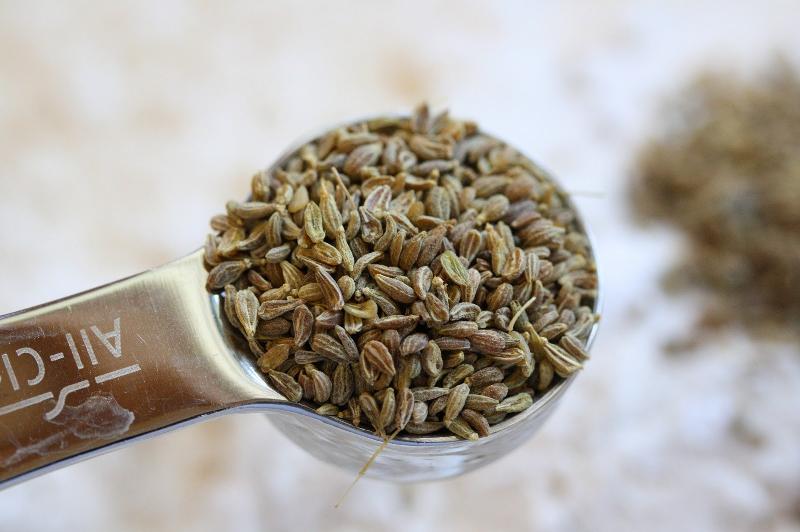
Do you suffer from gripping stomach pain? Or with cold and cough? Take a few sips of anise seed mixed in hot-water and you feel better instantly. These unique aromatic spicy seeds indeed are quite popular for their culinary and medicinal values. Anise botanically belongs to the Apiaceae family in the genus Pimpinella and known scientifically as Pimpinella anisum. The humble anise plant is native to Middle-East and Mediterranean region; probably originated on the fertile plains of Nile delta in the Egypt.
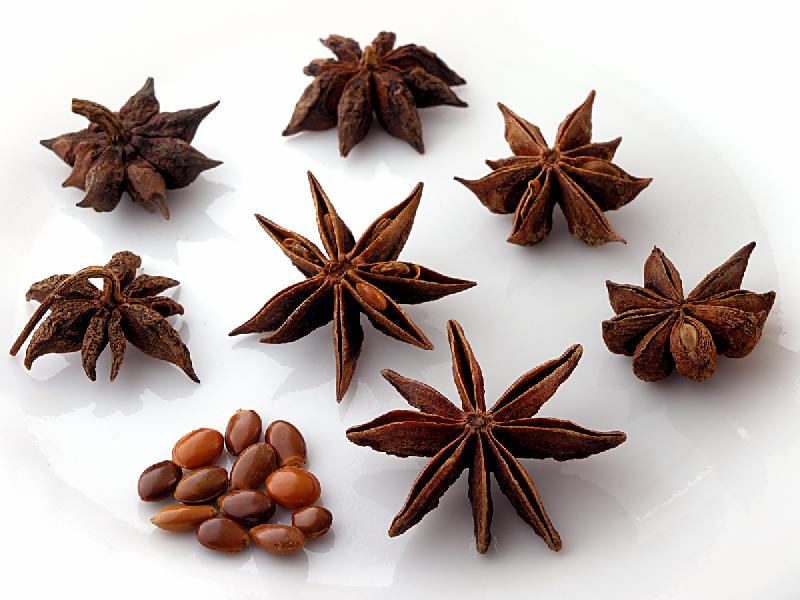
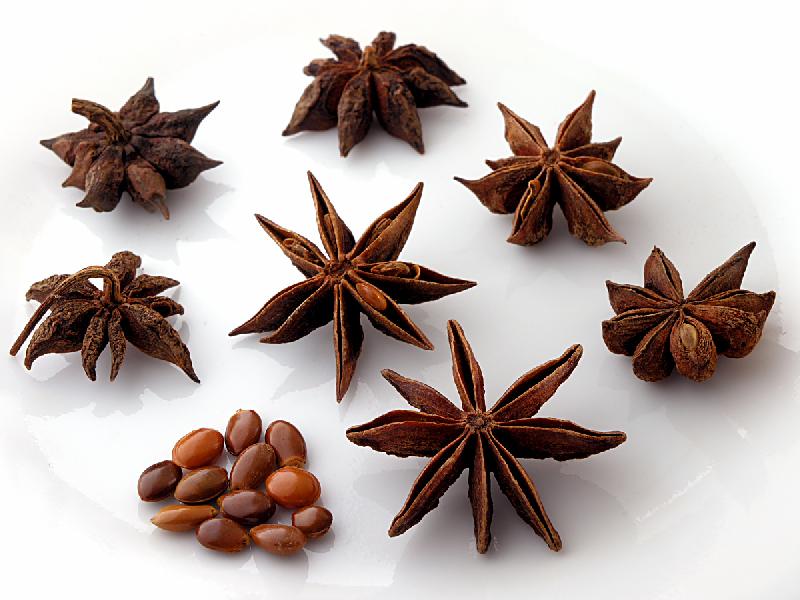
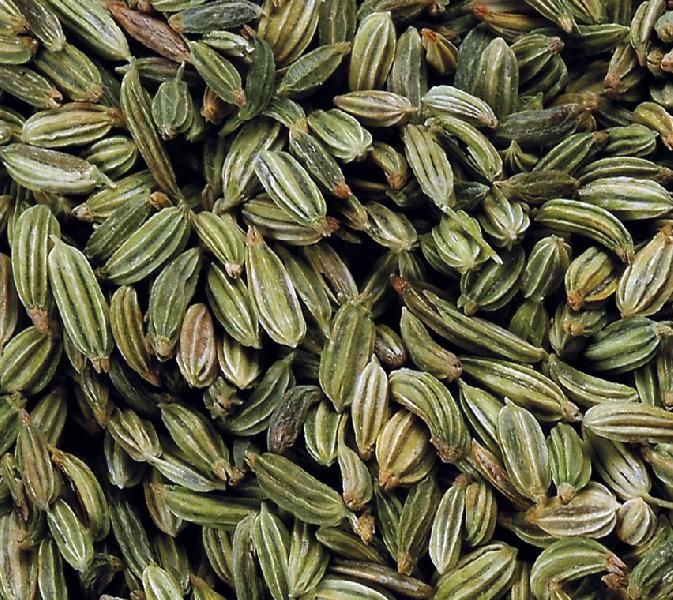
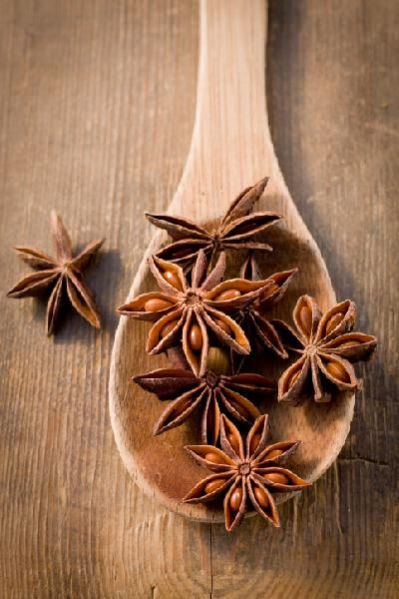
Anise is a perennial herbal plant; generally, grows up to a height of about 2 feet. It bears white colored umbelliform flowers by July, and harvested by bringing down the whole plant once its seed-heads matured enough on the plant itself. Its seeds then separated from the flower heads by threshing. Anise seeds feature oblong or curved, comma shape, about 3-4 mm long, light brown color and fine stripes over its outer surface. The seeds feature delicately sweet and aromatic bouquet with a distinctive liquorice flavor. Their special fragrance is due to essential oil, anethole in them. Star anise (Illicium verum) is a spicy fruit, obtained from evergreen tree native to South-West China. It has similar flavor and taste like that of anise seed. Star-anise tree bears star-shaped fruits which turn rust-red color when ripen. Interiorly, these fruits envelope amber-colored seeds. Both the seed as well as fruit husks used as spice in cooking.
Health benefits of anise :
Selection and storage :
Medicinal use :Anise seed as well its oil found application in many traditional medicines for their distinctive health promoting and disease preventing roles.
Culinary uses :
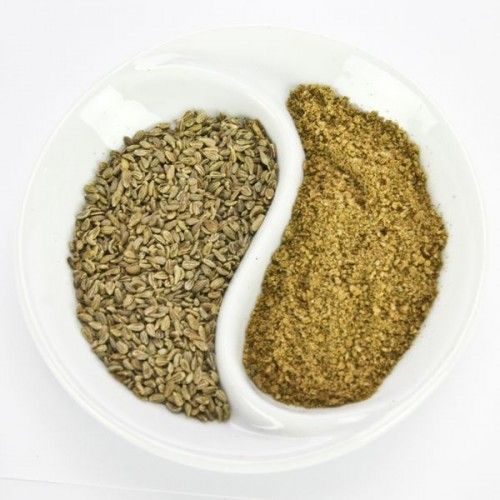
Anise seeds, its oil as well as fresh young leaves used in cooking. The flavor may be heightened by gentle toasting the seeds. Its seeds impart sweet-aromatic flavor and employed in variety of savory and sweet dishes. The whole seeds, and oftentimes freshly ground powder can be added to the recipes at the last moment to limit the evaporation of essential volatile oils in them.
Technical Specification
| Principle | Nutrient Value | Percentage of RDA |
|---|---|---|
| Energy | 337 Kcal | 0.17 |
| Carbohydrates | 50.02 g | 0.38 |
| Protein | 17.60 g | 0.31 |
| Total Fat | 0.79 | 15.90 g |
| Cholesterol | 0 mg | 0 |
| Dietary Fiber | 14.6 g | 0.38 |
| Vitamins | ||
| Folates | 10 µg | 0.03 |
| Niacin | 3.060 mg | 0.19 |
| Pantothenic acid | 0.797 mg | 0.16 |
| Pyridoxine | 0.650 mg | 0.5 |
| Riboflavin | 0.290 mg | 0.22 |
| Thiamin | 0.340 mg | 0.28 |
| Vitamin A | 311 IU | 0.11 |
| Vitamin C | 21 mg | 0.35 |
| Electrolytes | ||
| Sodium | 16 mg | 0.01 |
| Potassium | 1441 mg | 0.31 |
| Minerals | ||
| Calcium | 646 mg | 0.65 |
| Copper | 0.910 mg | 1.01 |
| Iron | 36.96 mg | 4.62 |
| Magnesium | 170 mg | 0.43 |
| Manganese | 2.300 mg | 1 |
| Phosphorus | 440 mg | 0.63 |
| Selenium | 5.0 mg | 0.09 |
| Zinc | 5.30 mg | 0.48 |
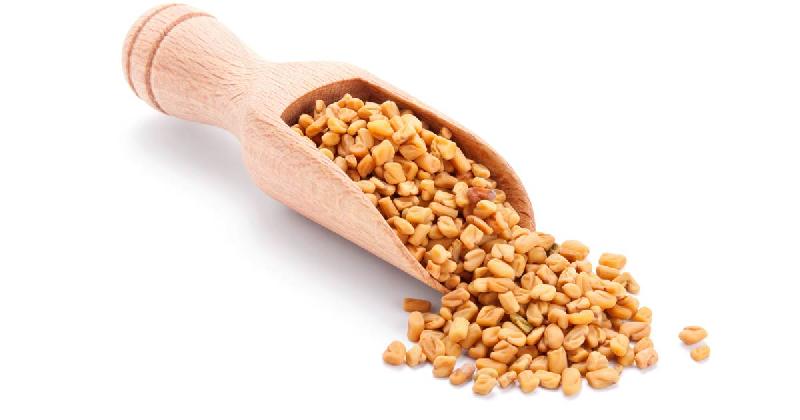
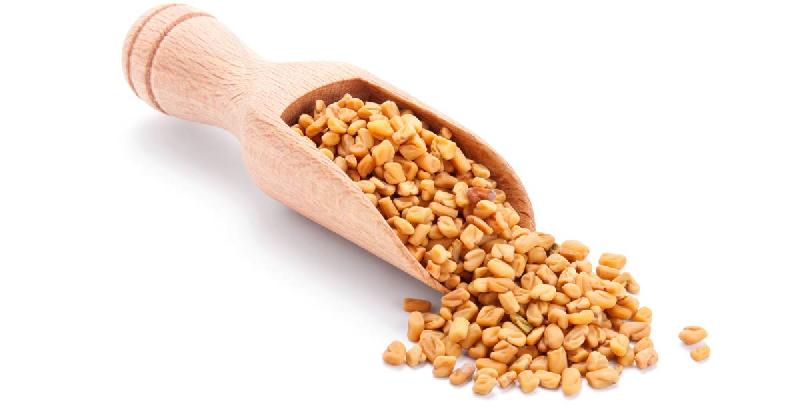
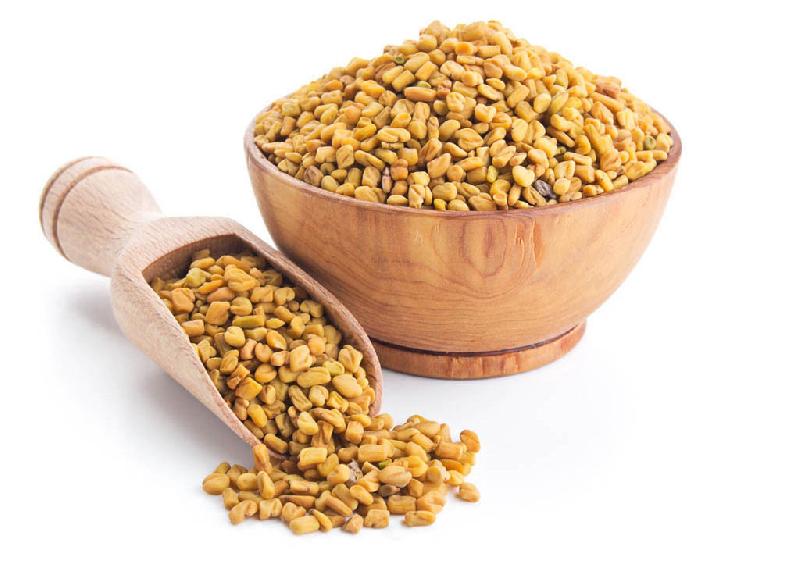
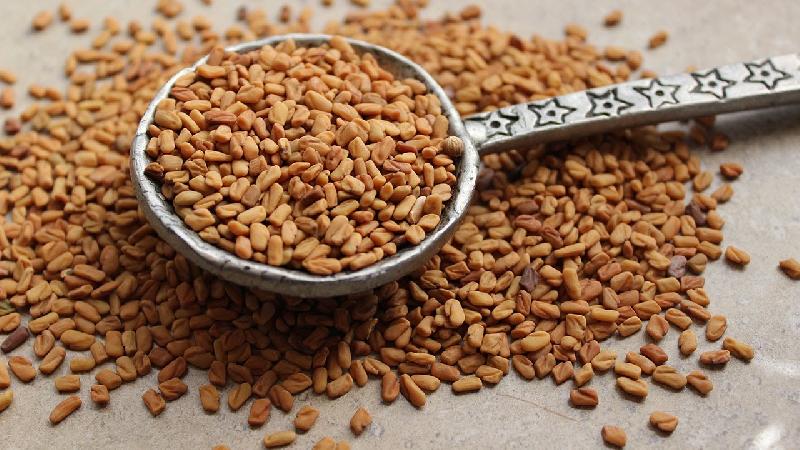
Fenugreek seeds are tiny, bitter, dicotyledonous seeds of herb fenugreek. Toasted gently, they exhibit strongly aromatic and pungent flavor. Traditionally, fenugreeks have been found use to cure digestive problems and to improve breast milk secretion in the nursing mothers. In the botany, fenugreek is a small annual leguminous herb belonging in the fabaceae family, genus: Trigonella. Scientific name: Trigonella foenum-graecum. Some of the common names of herb fenugreek include greek-hay, mehti, bird's foot, greek-clover, etc.
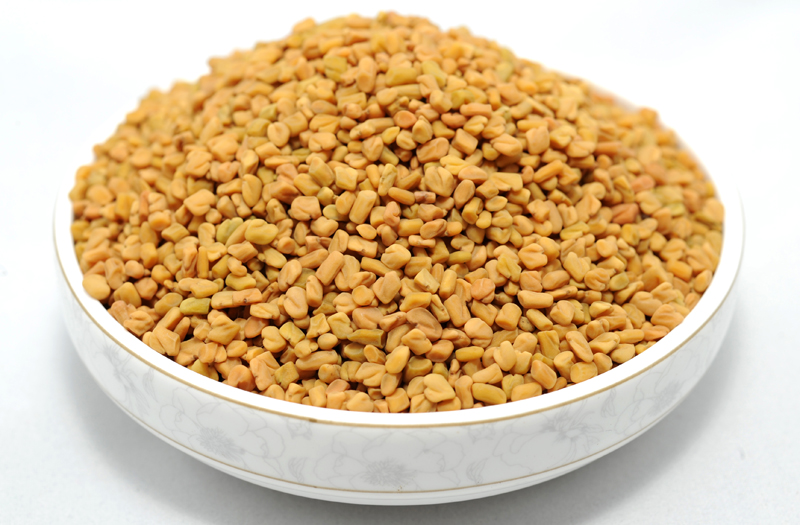
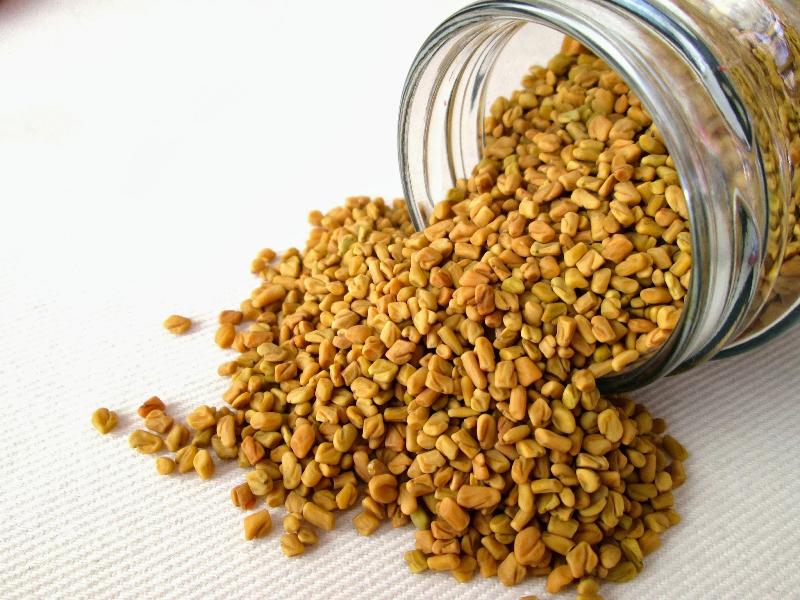
Fenugreek is native to the sub-Himalayan plains of Indian subcontinent, and today, it is widely grown all over the southern and Mediterranean Europe, Middle-East Asia and northern African regions. Fenugreek grows up to about 1-2 feet in height with light green color tri-foliate leaves and white flowers. It bears long, slender, yellow-brown pods containing about 10-20 golden-yellow color seeds. Its seeds are small, hard, and resemble tiny, multi-faceted stone-pieces. Raw seeds have maple flavor and bitter taste; however, their taste becomes more acceptable once they gently roasted under light heat.
Health benefits of fenugreek seeds :
Medicinal uses of fenugreek seed :
Selection and storage :
Culinary uses :
Here are some serving tips :
Technical Specification
| Principle | Nutrient Value | Percentage of RDA |
|---|---|---|
| Energy | 323 Kcal | 0.16 |
| Carbohydrates | 58.35 g | 0.45 |
| Protein | 23 g | 0.41 |
| Total Fat | 6.41 g | 0.21 |
| Cholesterol | 0 mg | 0 |
| Dietary Fiber | 24.6 g | 0.65 |
| Vitamins | ||
| Folates | 57 µg | 0.14 |
| Niacin | 1.640 mg | 0.07 |
| Pyridoxine | 0.600 mg | 0.46 |
| Riboflavin | 0.366 mg | 0.28 |
| Thiamin | 0.322 mg | 0.27 |
| Vitamin A | 60 IU | 0.02 |
| Vitamin C | 3 mg | 0.05 |
| Electrolytes | ||
| Sodium | 67 mg | 0.05 |
| Potassium | 770 mg | 0.16 |
| Minerals | ||
| Calcium | 176 mg | 0.18 |
| Copper | 1.110 mg | 1.23 |
| Iron | 33.53 mg | 4.19 |
| Magnesium | 191 mg | 0.48 |
| Manganese | 1.228 mg | 0.53 |
| Phosphorus | 296 mg | 0.42 |
| Selenium | 6.3 µg | 0.11 |
| Zinc | 2.50 mg | 0.23 |
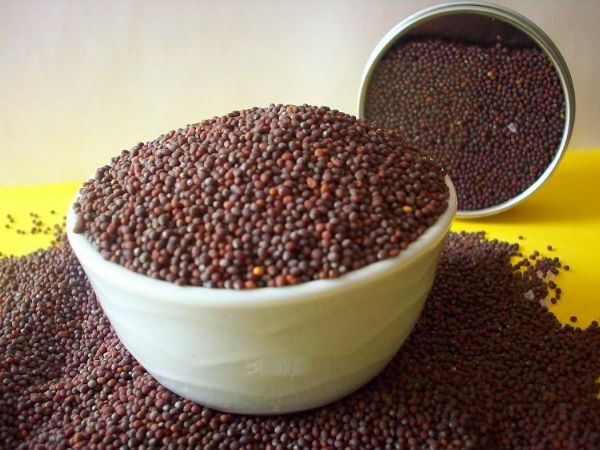
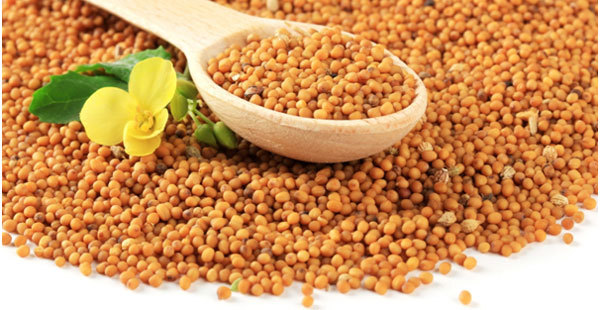
Mustard seeds have been highly prized culinary oil-seeds being in use since earlier times. The seeds are fruit pods obtained from mustard plant, in the Brassica family. Some of close members of mustards in this family include cabbage, broccoli, brussels-sprouts, etc. Scientific name: Brassica juncea. Mustards are native to Asia Minor, but these days cultivated as one of the main commercial crop in Canada, India, China, and temperate climates of European region.
Mustards are winter crops. The plant reaches about 4-5 feet in height and bears golden yellow colored flowers. Its tiny, round seeds measuring about one mm in diameter are encased inside a fruit pod, in a similar fashion like green pea pod. In general, three main varieties of mustard are grown worldwide for use.
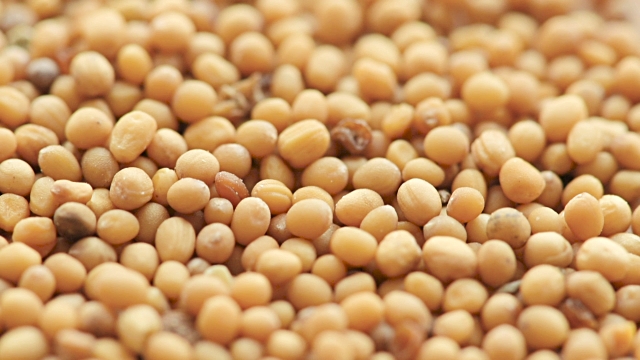
White mustard seeds (Sinapis alba or Brassica alba): The seeds are light straw-yellow colored and are slightly larger than the other two varieties. White seeds exhibit mild pungency. Black mustards (Brassica nigra): The seeds are commonly seen in South Asia. The seeds are sharp and more pungent than other two varieties. Brown mustards (Brassica juncea): The seeds are native to sub-Himalayan plains of Northern India.
Health benefits of mustard seeds :
Medicinal uses :Mustard seeds and its oil has traditionally been used to relieve muscle pain, rheumatism and arthritic pain.In India, mustard oil is applied over scalp and is believed to stimulate hair growth. Its ground seeds act as a laxative, stimulant to gastric mucosa and increase intestinal secretion. (Disclaimer).
Selection and storage :
Culinary uses :
Here are some serving tips :
Technical Specification
| Principle | Nutrient Value | Percentage of RDA |
|---|---|---|
| Energy | 508 Kcal | 0.25 |
| Carbohydrates | 28.09 g | 0.21 |
| Protein | 26.08 g | 0.46 |
| Total Fat | 36.24 g | 1.21 |
| Cholesterol | 0 mg | 0 |
| Dietary Fiber | 12.2 g | 0.32 |
| Vitamins | ||
| Folates | 162 µg | 0.4 |
| Niacin | 4.733 mg | 0.3 |
| Pantothenic acid | 0.810 mg | 0.16 |
| Pyridoxine | 0.397 mg | 0.31 |
| Riboflavin | 0.261 mg | 0.2 |
| Thiamin | 0.805 mg | 0.67 |
| Vitamin A | 31 IU | 0.01 |
| Vitamin C | 7.1 mg | 0.12 |
| Vitamin E-? | 19.82 mg | 1.32 |
| Vitamin K | 5.4 µg | 0.04 |
| Electrolytes | ||
| Sodium | 13 mg | 0.01 |
| Potassium | 738 mg | 0.16 |
| Minerals | ||
| Calcium | 266 mg | 0.27 |
| Copper | 0.645 mg | 0.71 |
| Iron | 9.21 mg | 1.15 |
| Magnesium | 370 mg | 0.92 |
| Manganese | 2.448 mg | 1.06 |
| Selenium | 208.1 µg | 3.78 |
| Zinc | 6.08 mg | 0.55 |
| Phyto-nutrients | ||
| Carotene-ß | 18 µg | - |
| Crypto-xanthin-ß | 0 µg | - |
| Lutein-zeaxanthin | 508 µg | - |
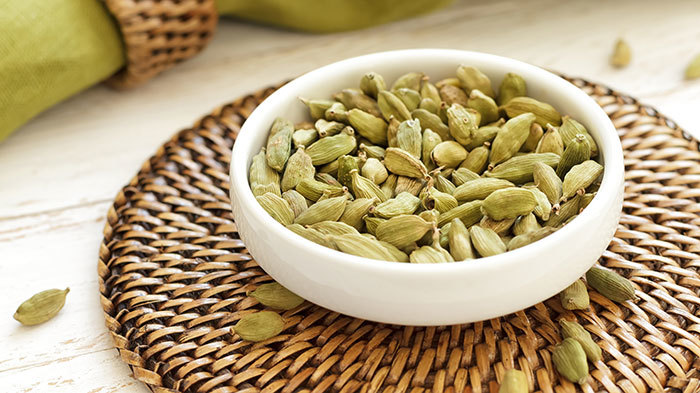
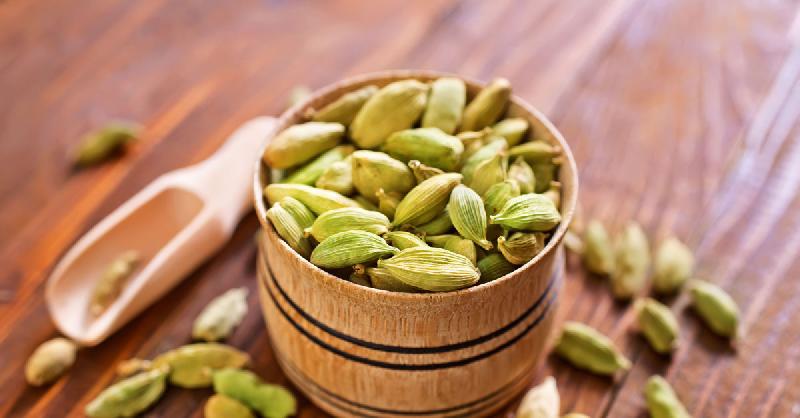
Cardamom is a seed pod, known since centuries for its culinary and medicinal properties. This aromatic spice is native to the evergreen rain forest of southern Indian Kerala state and grown in only a few tropical countries. Botanically, it belongs to the family of "Zingiberaceae" and consists of two genera; Elettaria and Amomum.
Generally, the cardamom plant grows up to 4 meters in length in thick clumps and starts bearing its prized seed podssoon after about two years of plantation. Each pod measures about 1-2 cm in length. Both Elettaria and Amomum cardamom types feature three-sided pods with a thin, yet tough papery outer cover. Inside, tiny, deep-brown to black, aromatic seeds are arranged in vertical rows with each grain ensheathed again inside a very thin membrane.
Elettaria pods are small and light green, while amomum pods are larger and dark brown. The pods are being used as flavoring base in both food and drink as well as in medicine. Black cardamom (Amomum subulatum) also known as Nepal cardamom (bari or kali elaichi in India and Nepal) is a relatively bigger sized pod of same Zingiberaceae family. They have dark brown, rough outer coat, measuring about 2-4 cm in length and 1-2 cm in diameter. The pods have camphor-like intense flavor commonly used in spicy stews in sub Himalayan plains of India, Pakistan, Nepal as well as in China.
Health benefits of cardamom :This exotic spice contains many plants derived chemical compounds that are known to have been anti-oxidant, disease preventing and health promoting properties. The spicy pods contain many essential volatile oils that include pinene, sabinene, myrcene, phellandrene, limonene, 1, 8-cineole, terpinene, p-cymene, terpinolene, linalool, linalyl acetate, terpinen-4-oil, a-terpineol, a-terpineol acetate, citronellol, nerol, geraniol, methyl eugenol, and trans-nerolidol.
The therapeutic properties of cardamom-oil have been found application in many traditional medicines as antiseptic, antispasmodic, carminative, digestive, diuretic, expectorant, stimulant, stomachic and tonic. Cardamom is a good source of minerals like potassium, calcium, and magnesium. 100 g pods conatin 1119 mg of this electrolyte. Potassium is an important component of cell and body fluids that helps control heart rate and blood pressure. Copper is required in the production of red blood cells.
Additionally, it is also an excellent source of iron and manganese. 100 g pods contain 13.97 mg or 175% of daily-required levels of iron. Iron is required for red blood cell formation and cellular metabolism. Manganese is a co-factor for the enzyme, superoxide dismutase, a very powerful free-radical scavenger. Further, these aromatic pods are rich in many vital vitamins, including riboflavin, niacin, vitamin-C that is essential for optimum health.
Selection and storage :Fresh cardamom pods as well as its powder can be available in the market year around. Both varieties of pods are readily sold in the markets. "Elettaria" pods are small and light green, while 'Amomum" pods are larger and dark brown. Fresh pods should be heavy and give sweet aroma when rubbed with the finger tips. Avoid pods that appear light and that are with surface discoloration or spots, which may feature mold (fungal infection).
Medicinal use :The therapeutic properties of cardamom oil have found application in many traditional medicines as antiseptic and local anesthetic, and antioxidant in addition to play health promoting and disease preventing roles.
Culinary uses :In general, cardamom seeds are one of the most sought-after ingredients in sweet and dessert preparations. The pod is split open to expose its underlying seeds either with fingers or using a small knife. The seeds are then crushed (powdered) using a pestle/mortar or hand-mill just before their addition in cooking. However, whole pods are preferred in savory dishes, which give a further punch to the recipe since their peel too contains significant amounts of valuable essential oils.
Here are some preparation tips :
Technical Specification
| Principle | Nutrient Value | Percentage of RDA |
|---|---|---|
| Energy | 311 Kcal | 0.16 |
| Carbohydrates | 68.47 g | 0.53 |
| Protein | 10.76 g | 0.19 |
| Total Fat | 6.7 g | 0.23 |
| Cholesterol | 0 mg | 0 |
| Dietary Fiber | 28 g | 0.7 |
| Vitamins | ||
| Niacin | 1.102 mg | 0.07 |
| Pyridoxine | 0.230 mg | 0.18 |
| Riboflavin | 0.182 mg | 0.14 |
| Thiamin | 0.198 mg | 0.165 |
| Vitamin A | 0 IU | 0 |
| Vitamin C | 21mg | 0.35 |
| Electrolytes | ||
| Sodium | 18 mg | 0.01 |
| Potassium | 1119 mg | 0.24 |
| Minerals | ||
| Calcium | 383 mg | 0.38 |
| Copper | 0.383 mg | 0.425 |
| Iron | 13.97 mg | 1.75 |
| Magnesium | 229 mg | 0.57 |
| Manganese | 28 mg | 12.17 |
| Phosphorus | 178 mg | 0.25 |
| Zinc | 7.47 mg | 0.68 |
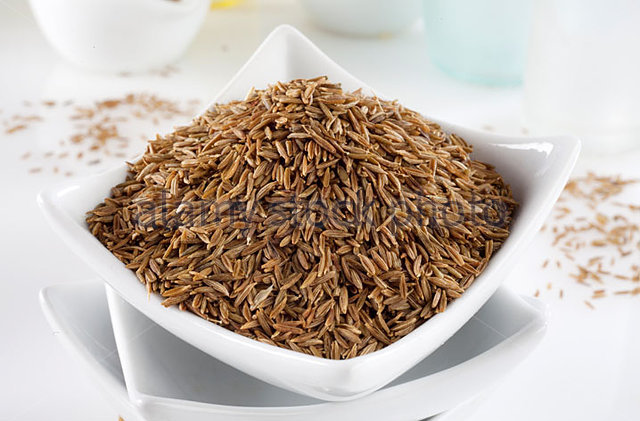
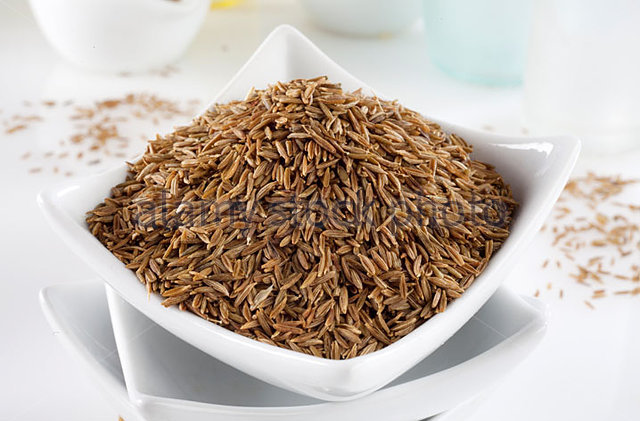
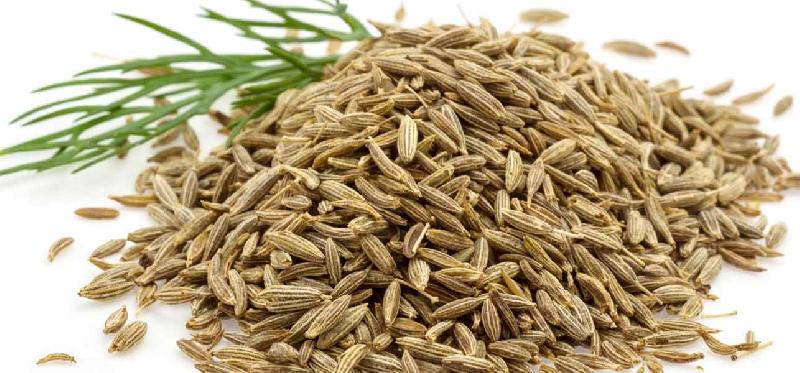
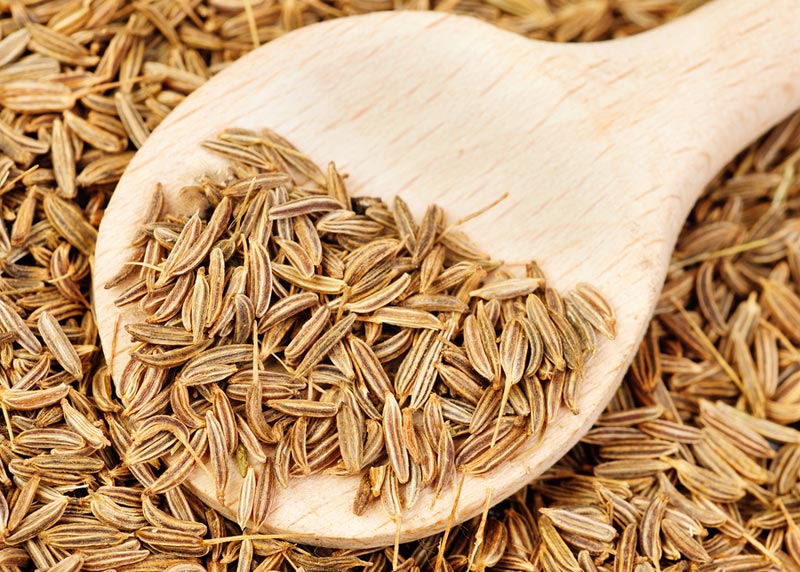
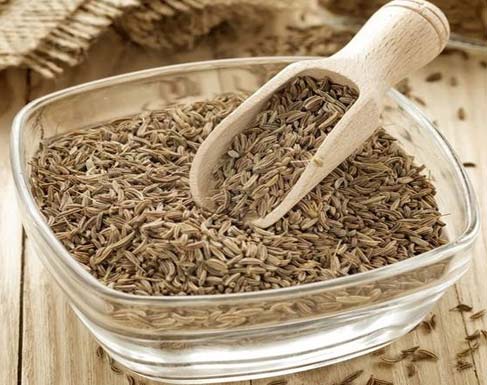
Widely popular for their distinctive spice flavor, cumin seeds are commonly featuring ingredients in the North African, Middle-East, Western Chinese, Indian, Cuban and North Mexican cuisine. The spice is native to Middle-East Asian region, and today, grown all over the world for its pleasantly aromatic seeds. Cumin is a small flowering herbaceous plant belonging in the Apiaceae, family, in the genus; Cuminum. Its scientific name is Cuminum cyminum. The cumin plant flourishes well in sandy, fertile soil, assisted with hot summer weather conditions. It bears small, gray-yellow, oblong shaped seeds with vertical ridges on their outer surface. The seeds closely resembles caraway seedsin appearance.
Cumin seeds impart distinctive strong flavor, and warm perception on taste buds. This comes from certain group of essential oils in them. The chief constituent and important aromatic compound in cumin is cuminaldehyde (4-isopropylbenzaldehyde). Black cumin (Bunium persicum), also popular as wild or shahi jeera in the Persian and Indian sub-continent, is related variety of regular cumin. Its seeds feature long, slender, curved, dark-brown pods with distinctive earthy flavor.
Health benefits of cumin seeds :
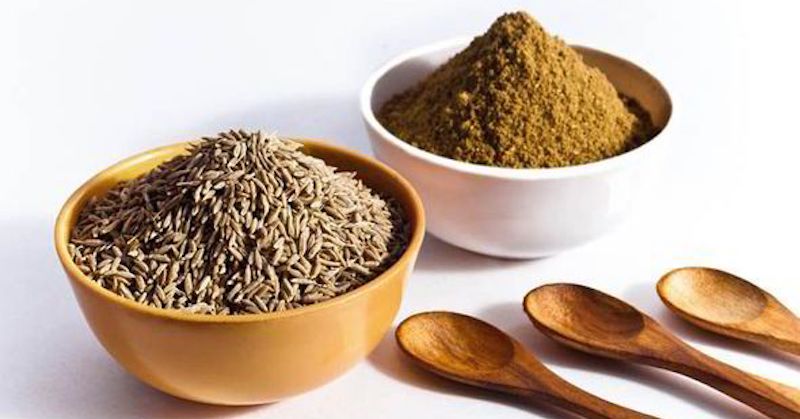
Selection and storage :Cumin spice can be readily available around the year in the market. You can buy its seeds as well as ground powder in ready made packs. Good-quality cumin should release pleasant yet peppery flavor when squeezed between index.
Technical Specification
| Principle | Nutrient Value | Percentage of RDA |
|---|---|---|
| Energy | 375 Kcal | 0.19 |
| Carbohydrates | 44.24 g | 0.34 |
| Protein | 17.8 g | 0.32 |
| Total Fat | 22.27g | 0.74 |
| Cholesterol | 0 mg | 0 |
| Dietary Fiber | 10.5 g | 0.26 |
| Vitamins | ||
| Folates | 10 µg | 0.03 |
| Niacin | 4.58 mg | 0.29 |
| Pyridoxine | 0.435 mg | 0.33 |
| Riboflavin | 0.32 mg | 0.25 |
| Thiamin | 0.628 mg | 0.52 |
| Vitamin A | 1270 IU | 0.42 |
| Vitamin C | 7.7 mg | 0.13 |
| Vitamin E | 3.3 mg | 0.22 |
| Vitamin K | 5.4 µg | 0.05 |
| Electrolytes | ||
| Sodium | 1788 mg | 0.38 |
| Potassium | 68 mg | 0.11 |
| Minerals | ||
| Calcium | 931 mg | 0.93 |
| Copper | 0.867 mg | 0.96 |
| Iron | 66.36 mg | 8.29 |
| Magnesium | 366 mg | 0.91 |
| Manganese | 3.3 mg | 1.45 |
| Phosphorus | 499 mg | 0.71 |
| Zinc | 4.8 mg | 0.44 |
| Phyto-nutrients | ||
| Carotene-ß | 762 µg | -- |
| Crypto-xanthin-ß | 0 µg | -- |
| Lutein-zeaxanthin | 448 µg | -- |
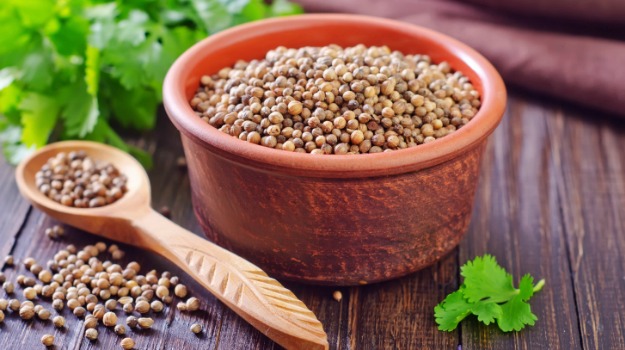
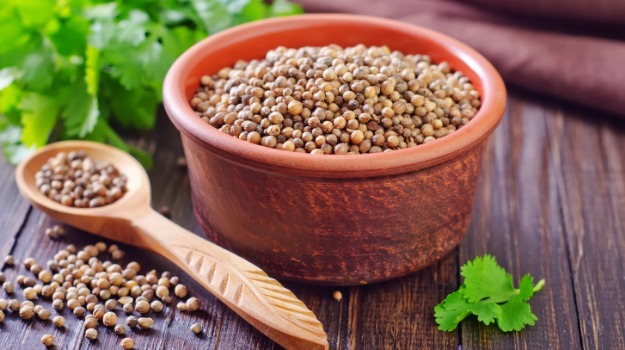
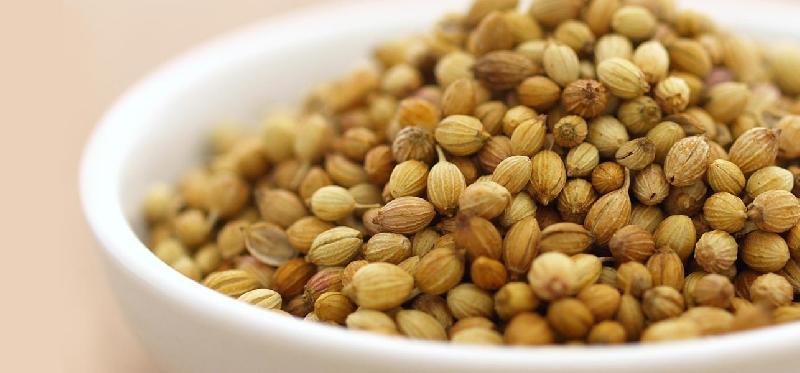
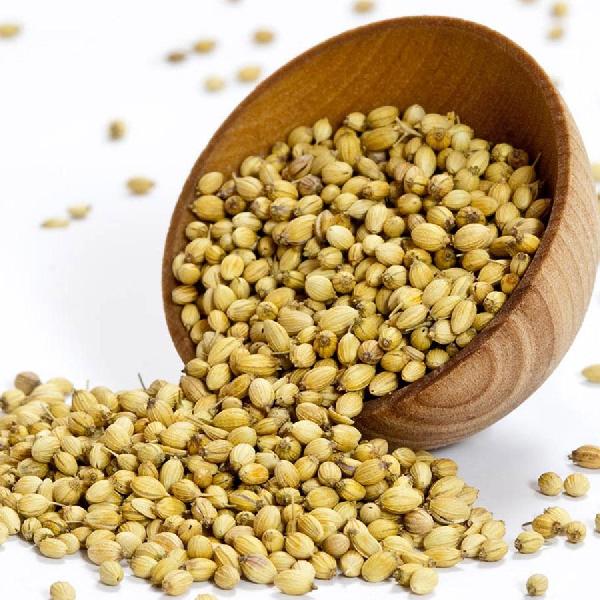
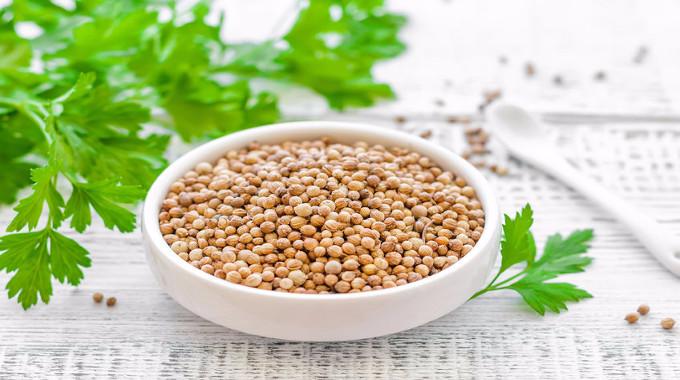
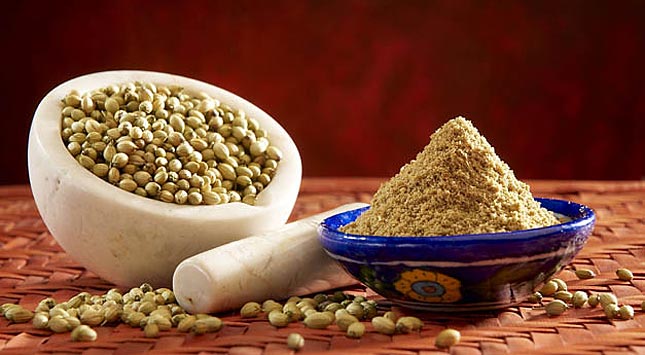
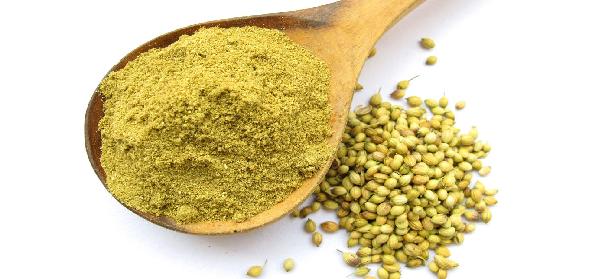
Have you ever caught up with gripping stomach pain? Drinking a few sips of extraction obtained from coriander seeds, dill, caraway, fennel, and aniseed from your granny's kitchen spice-box perhaps would be the most effective carminative remedy for this ailment! Coriander is a small, hollow-stemmed plant in the Apiaceae family, in the genus: Coriandum. Its scientific name is Coriandum sativum. Pleasant, aromatic and spicy, its seeds have been found utility since ancient times in cooking as well as in various traditional medicines.
Coriander is native to South-Eastern Europe and grown extensively all over the Europe, Middle East, China, India, and Turkey. It is recognized as cilantro in the west. This herbaceous plant grows up to 2 feet in height with branching stems, featuring deep green soft, hairless bi or tri-lobed leaves. The mature plant bears small light pink color flowers that subsequently turn into globular or oval-shaped fruits (seeds). The seeds measure about 4-6 mm in diameter with central hollow cavity containing two vertical vittae containing some important essential oils. Coriander seeds can be ready for harvest when the plant turn brown and its leaves begin to dry and fall. Immature seeds are light green and taste bitter. To harvest, the crop is cut, tied in small bundles, and sun-dried for several days. Traditionally, to separate the seeds, either the sheaves are beaten with stick or a lightweight roller used to wear off the pods.
Health benefits of coriander seeds :
Selection and storage :
Culinary uses :Dried coriander seeds are one of the common spice ingredients used worldwide. In general, completely dried seeds gently roasted under low flame just before milling in order to get fine powder. Roasting releases special aromatic compounds and essential oils in the seeds.
Here are some serving methods :Coriander seeds are used as flavoring agent in confectionary, stews, sausages, sweet breads, and cakes.Coriander leaves as well as seeds are being used as an aromatic spice in Chinese, Indian, Pakistani, Middle-eastern and European cooking.Russian dark rye bread, "Borodinsky bread" uses coriander seeds.In India, ground powder of coriander seeds is a common household spice powder that is used in pickling, chutneys, stews, curries, marinades as well as in sausages.
Medicinal uses :
Technical Specification
| Principle | Nutrient Value | Percentage of RDA |
|---|---|---|
| Energy | 298 Kcal | 0.15 |
| Carbohydrates | 54.99 g | 0.42 |
| Protein | 12.37 g | 0.22 |
| Total Fat | 17.77 g | 0.6 |
| Cholesterol | 0 mg | 0 |
| Dietary Fiber | 41.9 g | 1.1 |
| Vitamins | ||
| Folates | 1 µg | <1% |
| Niacin | 2.130 mg | 0.13 |
| Riboflavin | 0.290 mg | 0.22 |
| Thiamin | 0.239 mg | 0.2 |
| Vitamin A | 0 IU | 0 |
| Vitamin C | 21 mg | 0.35 |
| Electrolytes | ||
| Sodium | 35 mg | 0.02 |
| Potassium | 1267 mg | 0.27 |
| Minerals | ||
| Calcium | 709 mg | 0.71 |
| Copper | 0.975 mg | 1.08 |
| Iron | 16.32 mg | 2.04 |
| Magnesium | 330 mg | 0.83 |
| Manganese | 1.900 mg | 0.82 |
| Phosphorus | 409 mg | 0.39 |
| Zinc | 4.70 mg | 0.43 |
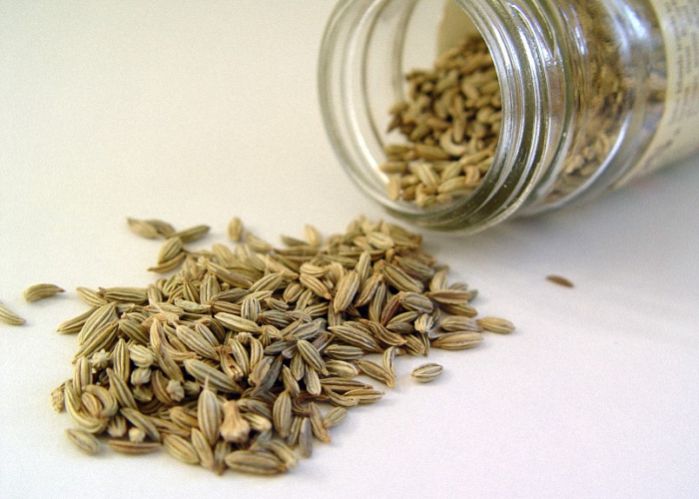
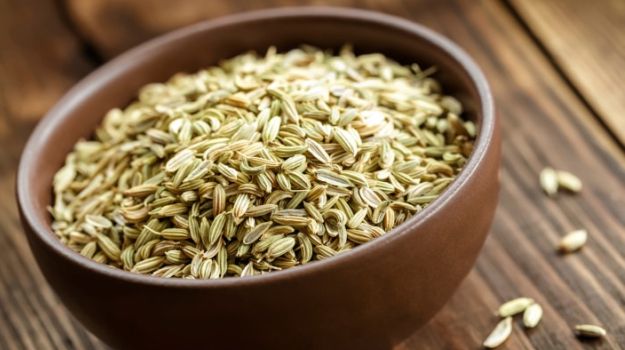
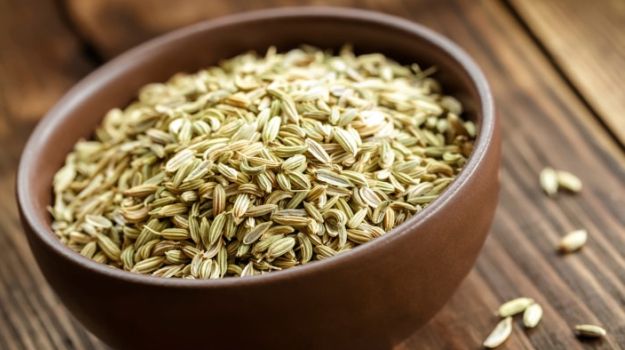
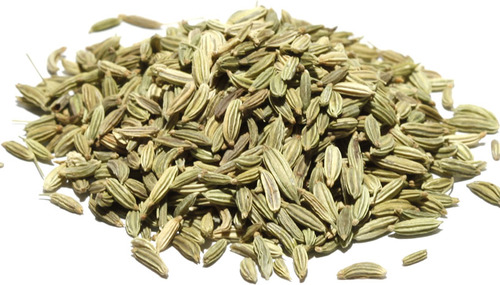
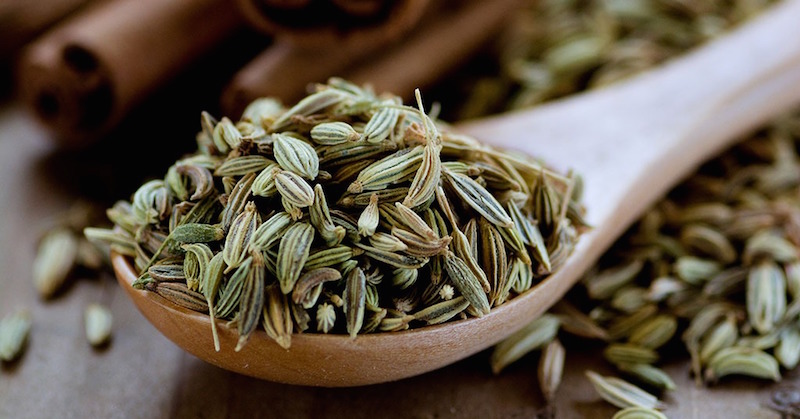
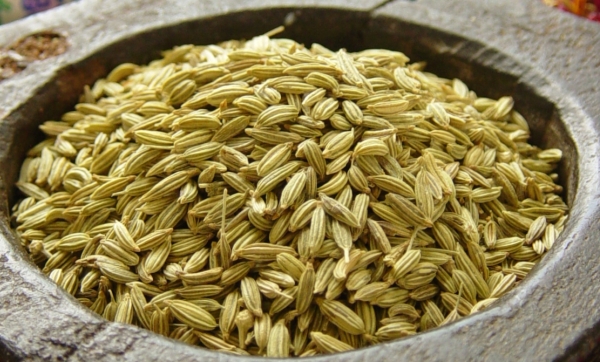
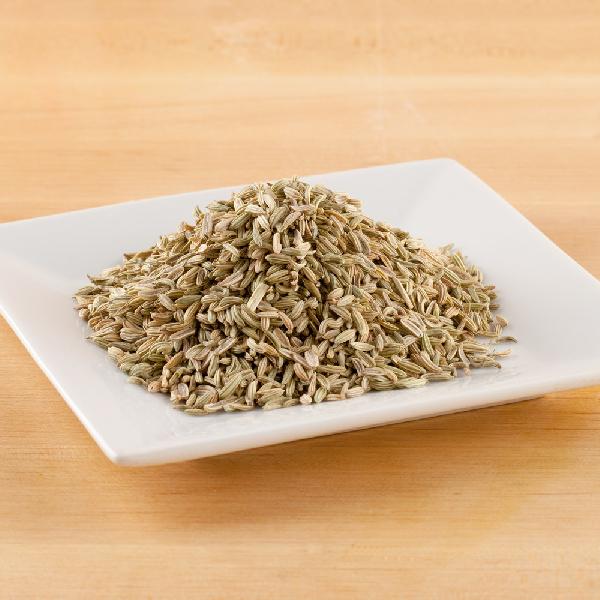
Sweet, anise-flavored fennel seed together with thyme, nettle, mugwort, etc., has been revered as one of nine Anglo-Saxon sacred herbs for its conventional health benefits. The spice is one of the most sought-after ingredients in many popular cuisines all over the Mediterranean regions. Fennel is a perennial herb belonging to the parsley (Umbelliferae) family; a broad family of herbs and spices which also includes some of other common members such as caraway, dill, anise, cumin…etc. Scientific name of fennel is Foeniculum vulgare var. dulce.
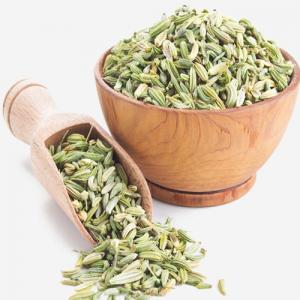
Fennel is native to Southern Europe and grown extensively all over Europe, Middle-East, China, India, and Turkey. This herbaceous plant reaches up to 2 meters (about 6 feet) in height with deep green feathery (lacy) leaves and bears golden-yellow flowers in umbels. In general, fennel seeds are harvested when their seed heads turn light-brown. The seeds, which closely resemble that of anise seeds in appearance, feature oblong or curved (comma) shape, about 3-4 mm long, light brown-color with fine vertical stripes over their surface.
In general, fennels are harvested during early hours of the day to avoid loss of seeds in the field. As in caraway, its stems are staked until they were dry and then threshed, processed and dispatch to the markets. Fennel bulb (Foeniculum vulgare var. azoricum), used as a vegetable, is closely related to seeding fennel. It has grown for its anise flavored sweet taste fronds in many parts of Mediterranean region.
Health benefits of fennel seeds :
Selection and storage :
Medicinal uses :
Culinary uses :
Technical Specification
| Principle | Nutrient Value | Percentage of RDA |
|---|---|---|
| Energy | 345 Kcal | 0.17 |
| Carbohydrates | 52.29 g | 0.4 |
| Protein | 15.80 g | 0.28 |
| Total Fat | 14.87 g | 0.48 |
| Cholesterol | 0 mg | 0 |
| Dietary Fiber | 39.8 g | 1.04 |
| Vitamins | ||
| Niacin | 6.050 mg | 0.37 |
| Pyridoxine | 0.470 mg | 0.36 |
| Riboflavin | 0.353 mg | 0.28 |
| Thiamin | 0.408 mg | 0.34 |
| Vitamin A | 135 IU | 0.05 |
| Vitamin C | 21 mg | 0.35 |
| Electrolytes | ||
| Sodium | 88 mg | 0.06 |
| Potassium | 1694 mg | 0.36 |
| Minerals | ||
| Calcium | 1196 mg | 1.2 |
| Copper | 1.067 mg | 1.18 |
| Iron | 18.54 mg | 2.32 |
| Magnesium | 385 mg | 0.96 |
| Manganese | 6.533 mg | 2.84 |
| Phosphorus | 487 mg | 0.7 |
| Zinc | 3.70 mg | 0.34 |
 M. Mohamed Ameenudeen (INCON EXIM)
 No.601, Ankur Bob Classic Apartments, Rathinammal Street, Rangarajapuram, Kodambakkam, Chennai, Tamil Nadu - 600024
 Share us via