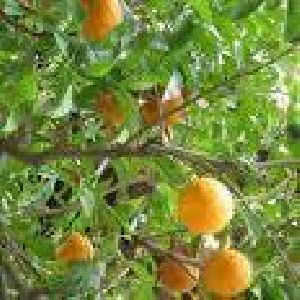
Caution : Petitgrain oil is an essential oil and as such should not be applied directly, undiluted on the skin or ingested. It should not be taken by pregnant women.
Part of Plant Used : Leaves and twigs.
Origin : Paraguay
How to Use : Diffuse, bath and massage
Aroma : Fresh, floral, citrus odor and woody herbaceous undertone
Stability and Storage : It should be kept away from heat & other ignition materials. And keep it in tightly closed containers . keep container in cool & well ventilated area
Chemical Composition : Petit grain oil's main chemical components are geraniol, y-terpineol, geranyl acetate, linalool, nerol, neryl acetate, linalyl acetate, myrcene and trans-ocimene.
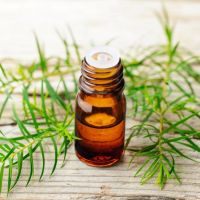
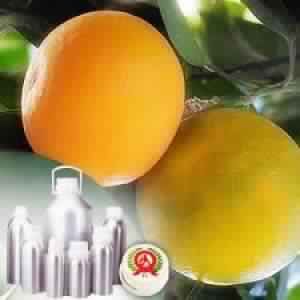
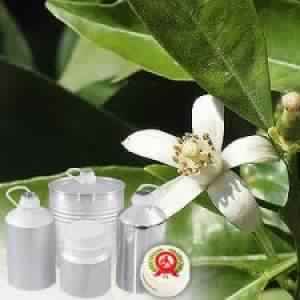
Scientific Name :Â Petitgrain Bigarde Packaging Option :Â 10 ml in Amber Glass Bottles with Euro Dropper 50 ml, 500 ml & 1 kg available in Aluminum Containers HDPE plastic drums are available for the volume of 25kg Usage & Benefits :Â An...
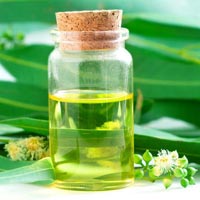
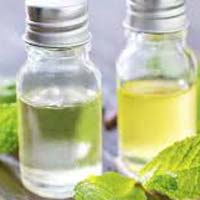
Color & Odor : Clear to a yellow tinge tansperant liquid with resh, floral, citrusy, lighter in fragrance than neroli and slightly woody fragrance
Use : used to treat impotence, mental fatigue, colic, indigestion, nausea, diarrhea, fainting, vertigo, halitosis and many respiratory conditions. It is helpful to acne, pimples, scars and other skin related problems
Common Name  : Citrus aurantium l. leaf oil, Petitgrain essential oil
Refractive Index : 1.45000 to 1.46000 @ 20.00 °C
Extraction Method : Steam Distillation
Plant Parts Used : Leaves & Twigs
CAS # : 8014-17-3, F.E.M.A. : 2855
Botanical Name : Citrus aurantium
Properties : It is antiseptic, anti-spasmodic, anti-depressant, deodorant, sedative and nervine. It has antidepressant, antispasmodic, deodorant and sedative vitalizing, refreshing and cooling properties.
The main components of petitgrain oil are geraniol, linalool, nerol, y-terpineol, geranyl acetate, linalyl acetate, myrcene, neryl acetate and trans-ocimene. Extraction: The essential oil is steam distilled from the flowering tops and leaves of the bitter orange tree (Citrus...