 GST : 24BCGPP8825B1ZO
 5.0/5
5.0/5
Our Product / Services
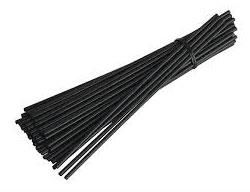
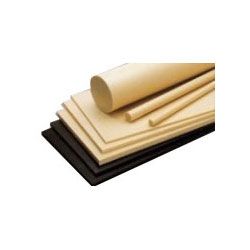
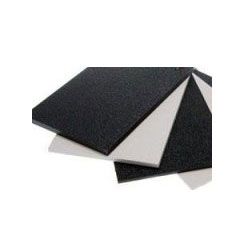
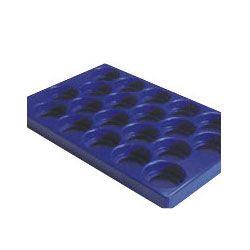
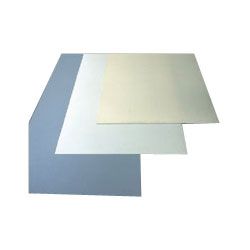
We offer a complete product range of ABS Sheet Rod Vaccum Forming Machining Components
Although ABS polymers are resistant to alkalies, concentrated hydrocloric and phosphoric acids, aqueous acids, vegetable and mineral oils, alcohols and animal, but they are prone to get swollen by carbon tetra-chloride and aromatic hydrocarbons, glacial acetic acid. Concentrated sulfuric and nitric acids cause changes and deformation. They are soluble in acetone, esters, ketones and ethylene dichloride.
ABS Properties
ABS Fields Of Application
 Mr. Hemant Prajapati (Plastance Exim)
 5, Narsinh Nagar, Near Baliyadev Temple, Lambha, Ahmedabad, Gujarat - 382405
 Share us via