 GST : 27AAGCI4506C1ZX
 4.0/5
4.0/5
Our Services
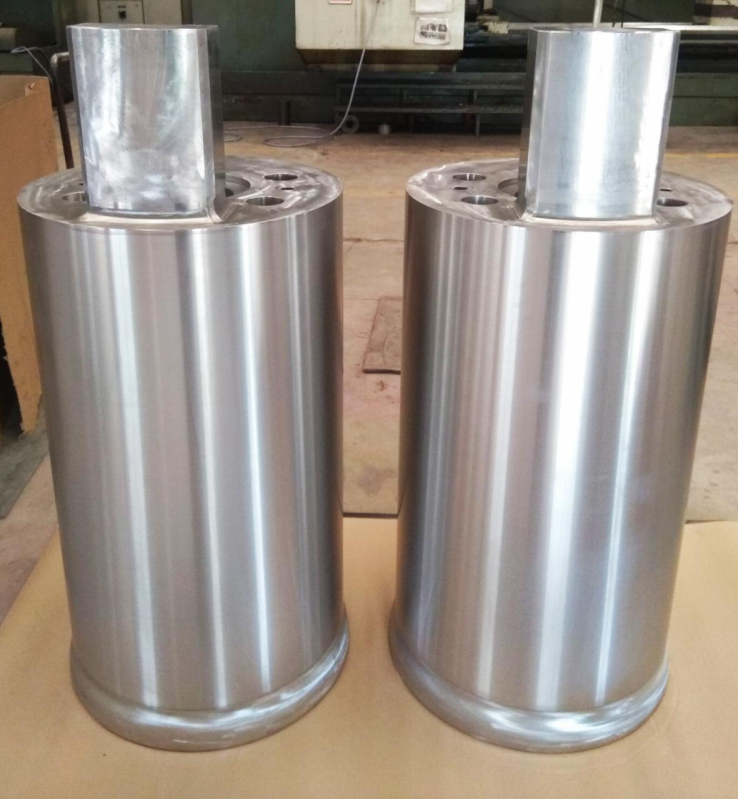
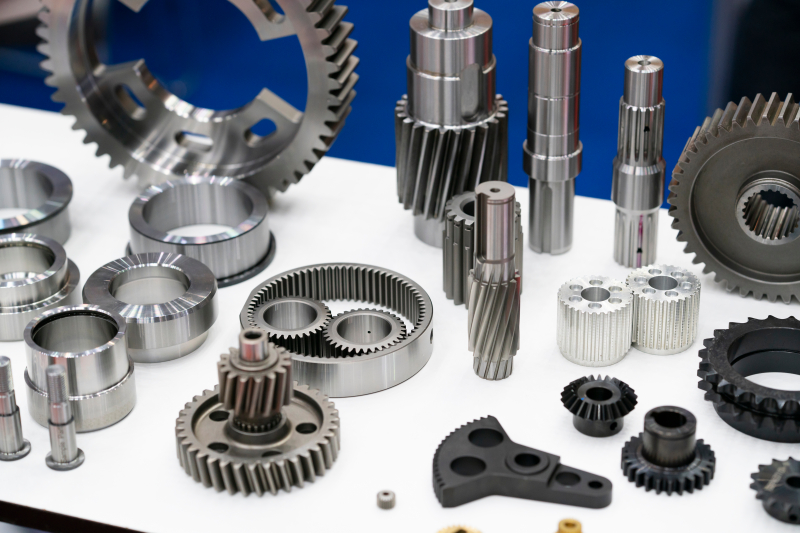
We offer the best product range of Precision Machining Services and Forging Services.
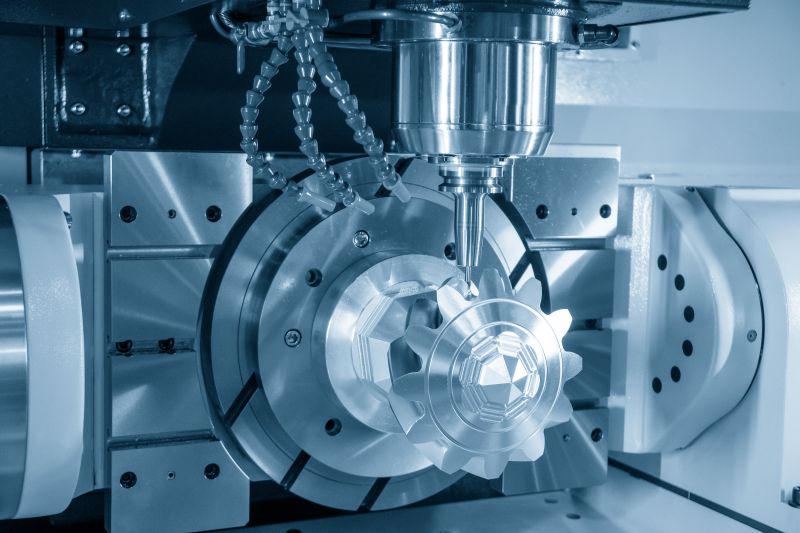
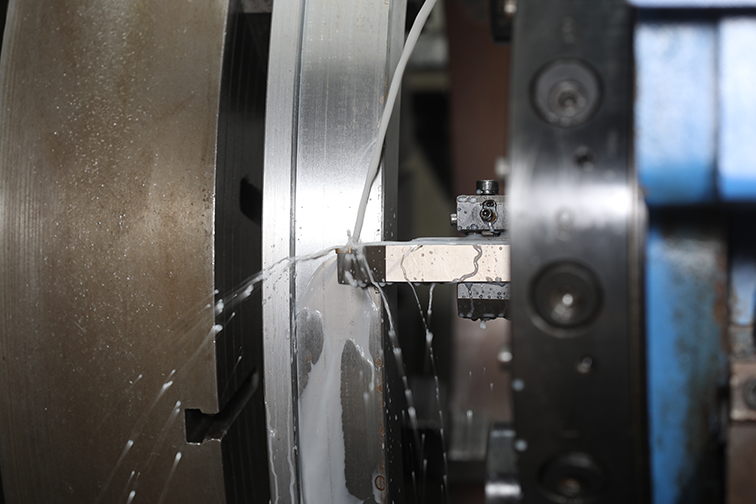
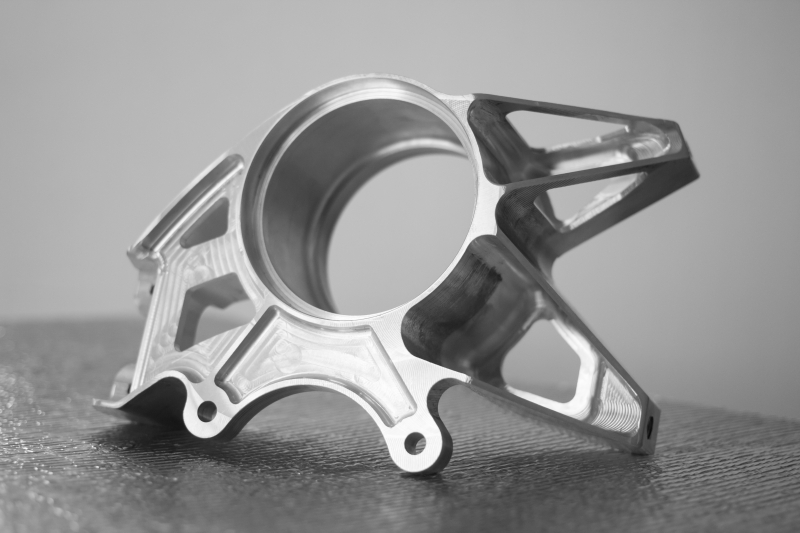
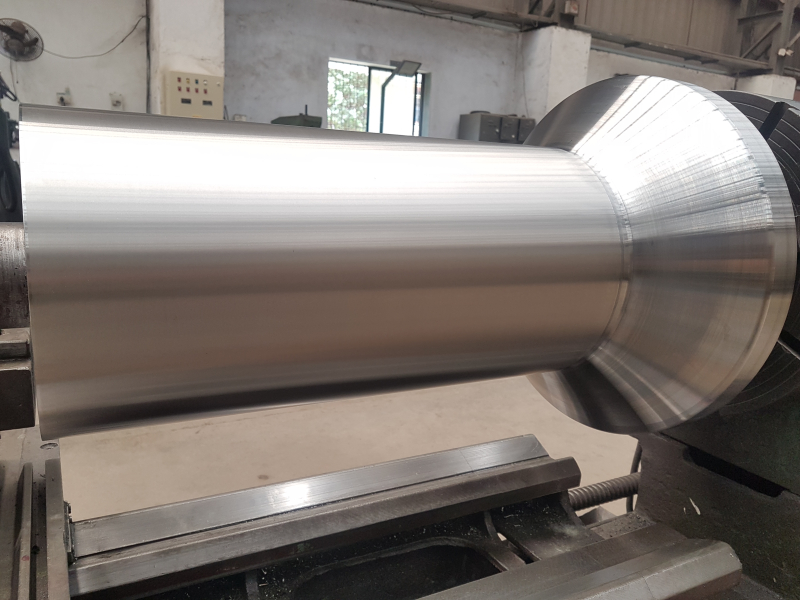
Process Overview – It is a process that creates a desired shape and size by removing the unwanted material from a larger piece of metal i.e Subtractive Manufacturing. A plethora of machining options are available depending on the part geometry, profile to be achieved, GD & T requirements, surface finish, throughput etc. CNC (Computer Numerical Controlled) machining is a widely used manufacturing process that uses automated high-speed cutting tools to form a particular feature from metal or plastic. CNCs are generally classified as 3-axis, 4-axis and 5-axis based on the movement of part and tooling along the axis. Different machines have different working mechanisms such as : a) workpiece securely clamped while the tool moves b) tool may remain in place while the workpiece moves c) both the cutting tool and workpiece move together.
Capabilities
Prototype to high volume production of up to thousands of parts per year based on part configuration
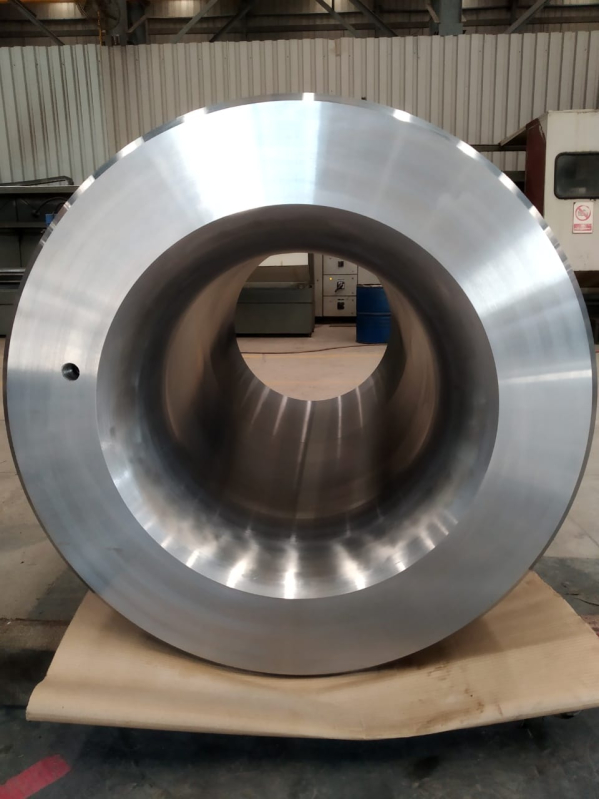
CNC machining of parts weighing up to 10 Tonnes
CNC machining of parts measuring up to 1000mm Dia and 4000mm Length
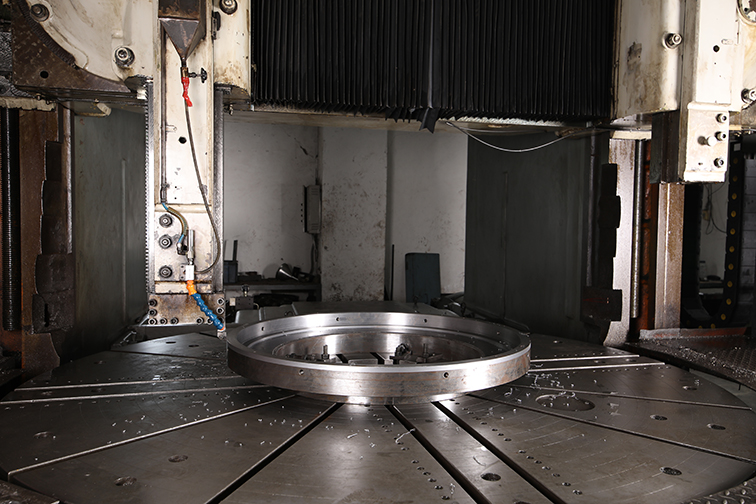
Small and big sized VMC machines up to X axis – 4000mm, Y axis – 2000mm and Z axis – 1000mm
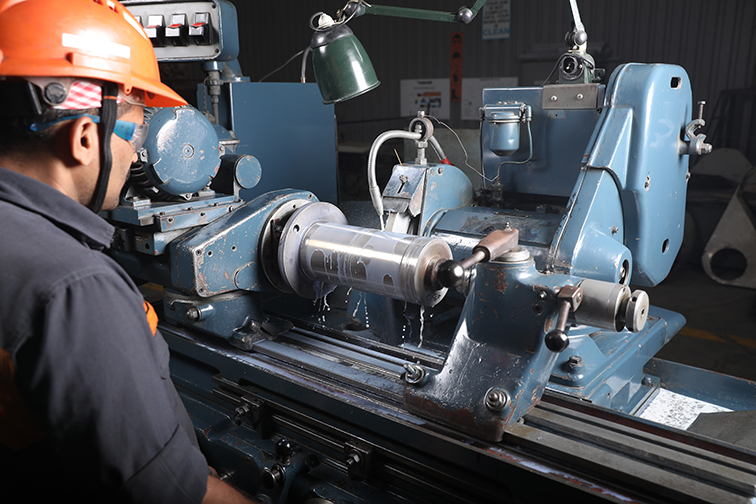
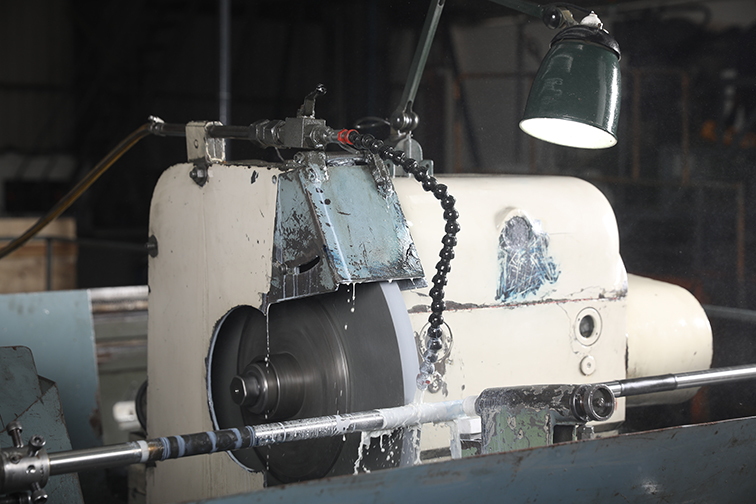
Cylindrical Grinding of parts up to 800mm Dia and 6000mm Length
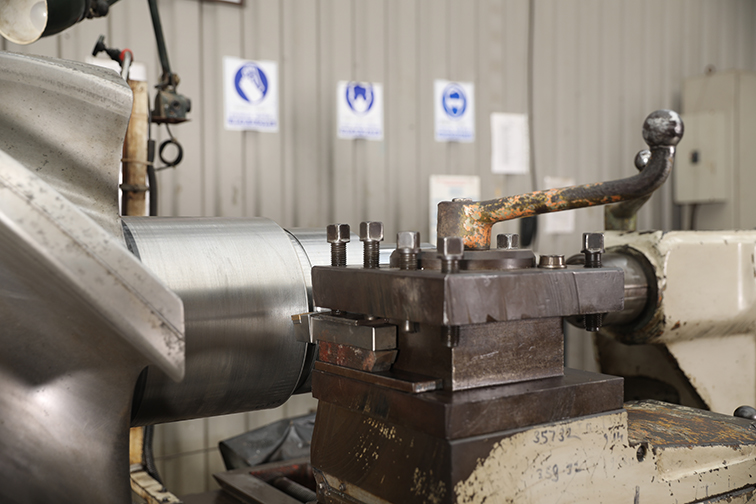
Conventional turning of parts up to 1500mm Dia and 6000mm Length
Supporting machining operations such as Cutting, Deep hole drilling, Milling, Boring, Broaching, Gear hobbing, Surface grinding etc.
Machining of wide variety of material grades such as Carbon steel, Alloy steel, Tool steel, Non-ferrous alloys, and Superalloys
Machining of castings and forgings of small to large sized parts
Tight tolerance of machined parts up to ± 0.005mm
Post-machining surface finishing operations such as ID and OD polishing, Superfinishing, Honing etc.
Surface treatment processes such as plating, anodizing, phosphating, blackodizing, thermal spray coating, slurry coating, polymer painting etc.
CMM inspection for part validation and approval of machined parts
ERP notified calibration control system for measuring/monitoring instruments and machines
In-house lab tests carried out for raw material verification at production site, certified to NABL standards
Complete NDT testing of parts for defect analysis pre and post machining as per international standards
Customer appointed third party inspection and verification allowed
Manufacturing facility certified to IATF 16949 and AS 9100 Rev.D Quality Management System
Implementation of Lean Six Sigma tools for better quality control, process control, part traceability and documentation
Industry 4.0 integrated manufacturing facilities
Application and Benefits
We supply machined components to almost all industry sectors in batch and mass production quantities. The design and functional characteristics of the part are fixed based on its end application. Selection of the material is done to sustain the working environment and machined to accurate dimensions to ensure proper fit and assembly.
Usually, Aerospace engine parts are made from Titanium, Tantalum and Nickel based alloys which exhibit high strength, low weight and high temperature fatigue resistance
Similarly, parts used in Oil & Gas and Power Generation sectors are made from Nickel, Chrome and Cobalt based alloy steels which exhibit high wear and corrosion resistance
Few key benefits of machining include :
Rapid Tooling – A variety of materials can be machined to achieve accurate dimensions for making fixtures and molds.
Rapid Prototyping – Flexibility of manufacturing small scale prototypes saves a lot of time, money and effort and enables to conduct a detailed part validation and risk assessment
Production – Reliability and Repeatability of machining can be ensured by application of advanced process control techniques which enables mass production
Customization – Wide range of advanced manufacturing techniques increases the scope of customization for new part development
Forging is a manufacturing process involving the shaping of metal using localized compressive forces of a hammer or a die (Open Die & Closed Die). Forgings are broadly classified based on the temperature at which it is formed as Cold, Warm & Hot forging. For the latter two, the material is heated up to a certain range of temperature. Depending on the type of die used, the Closed die shall provide better dimensional control and strength. To meet the increasing demand for customized part requirements many new forging technologies have evolved such:
Capabilities
Application and Benefits
 Mr. Ganesh Kanojiya (Innowerx Manufacturing Services Private Limited)
 R-397, T.T.C Industrial Area, Thane Belapur Road, Rabale, Navi Mumbai, Maharashtra - 400701
 Share us via