 Write a Review
Our Products
Leading Manufacturer, Supplier & Retailer of Indian Almond.
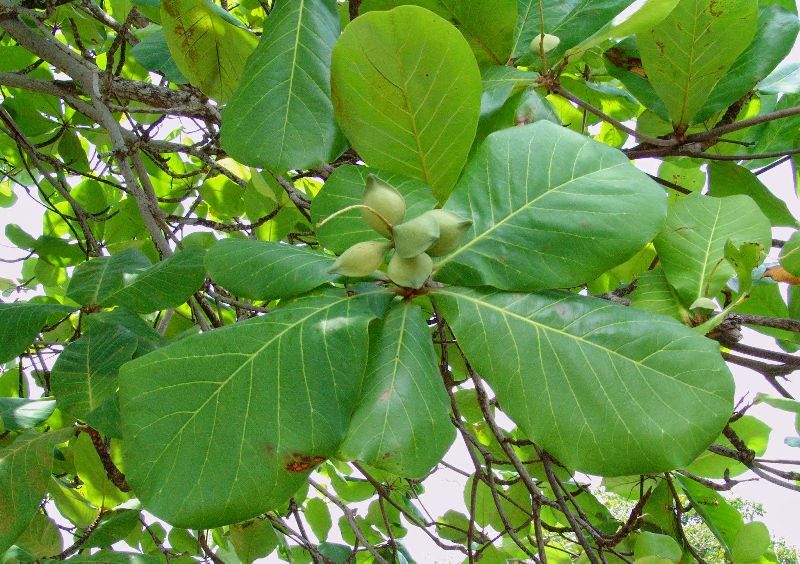
T. catappa is widely grown in tropical regions of the world as an ornamental tree, grown for the deep shade its large leaves provide. The fruit is edible, tasting slightly acidic. The wood is red and solid, and has high water resistance; it has been used in Polynesia for making canoes. In Tamil, almond is known nattuvadumai. The leaves contain several flavonoids (such as kaempferol or quercetin), several tannins (such as punicalin, punicalagin or tercatin), saponines and phytosterols. Due to this chemical richness, the leaves (and the bark) are used in different herbal medicines for various purposes. For instance in Taiwan, fallen leaves are used as an herb to treat liver diseases. In Suriname, an herbal tea made from the leaves is prescribed against dysentery and diarrhea. The leaves may contain agents for prevention of cancers (although they have no demonstrated anticarcinogenic properties) and antioxidants, as well as anticlastogenic characteristics. Extracts of T. catappa have shown activity against Plasmodium falciparum chloroquine (CQ)-resistant (FcB1) and CQ-sensitive (HB3) strains. Keeping the leaves in an aquarium may lower the pH and heavy metal content of the water.[citation needed] It has been used in this way by fish breeders for many years, and is active against some parasites and bacterial pathogens. It is also believed to help prevent fungus forming on the eggs of the fish.
 Plant's Online Nursery (Plant's Online Nursery)
 41-2-52/2,
Tadithota
-533101
East Godavari
, Rajahmundry, Andhra Pradesh, India
41-2-52/2,
Tadithota
-533101
East Godavari
, Rajahmundry, Andhra Pradesh, India Share us via








