 1.20 Lakh / Piece Get Latest Price
Product Specifications
Description
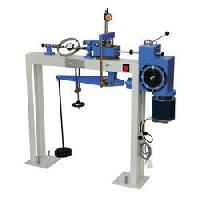
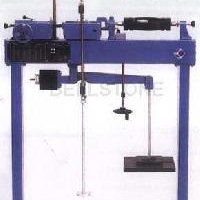
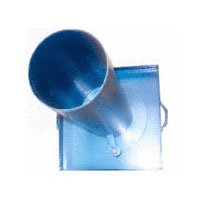
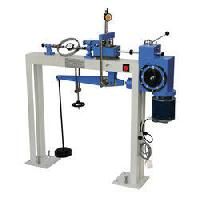
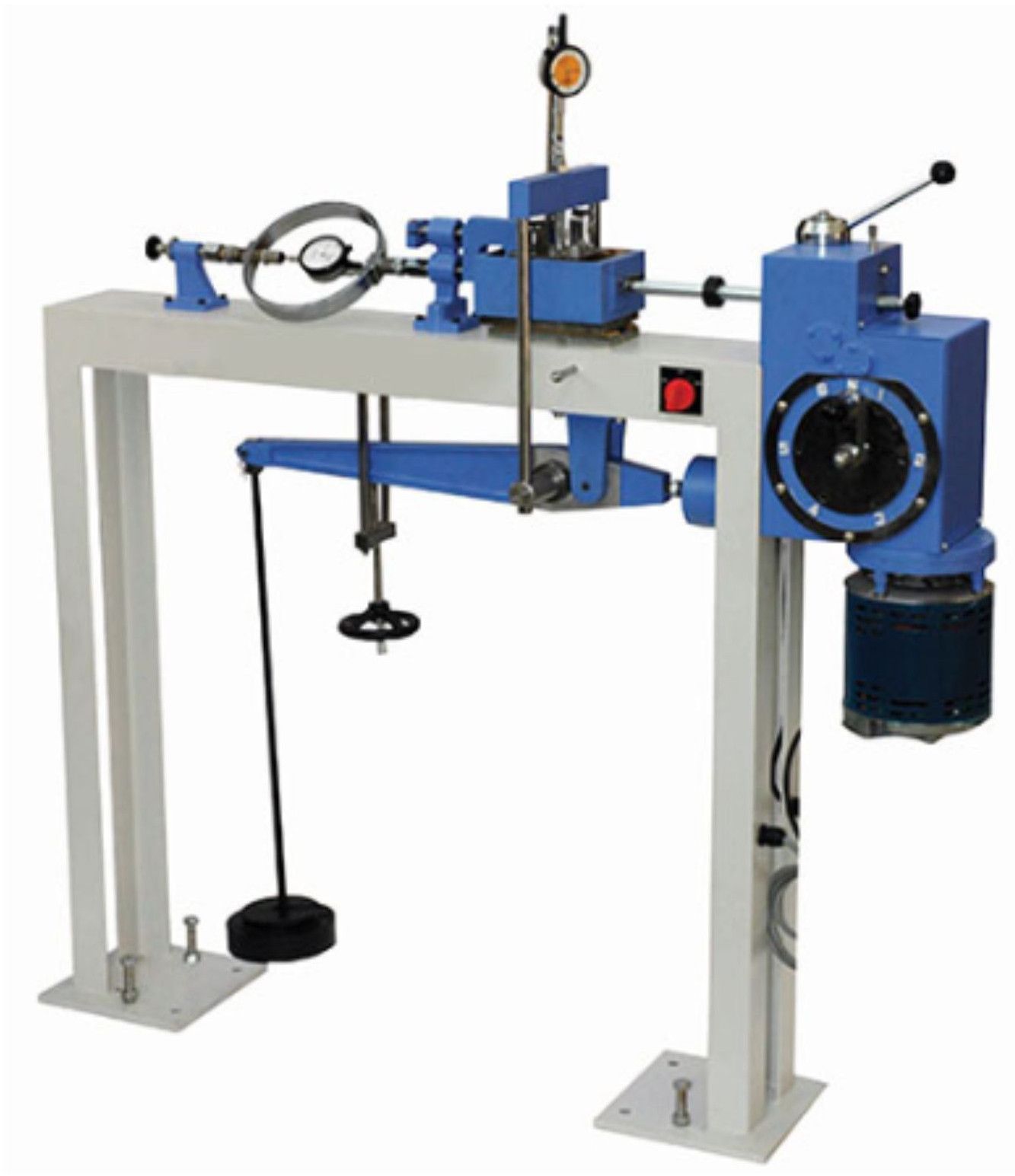
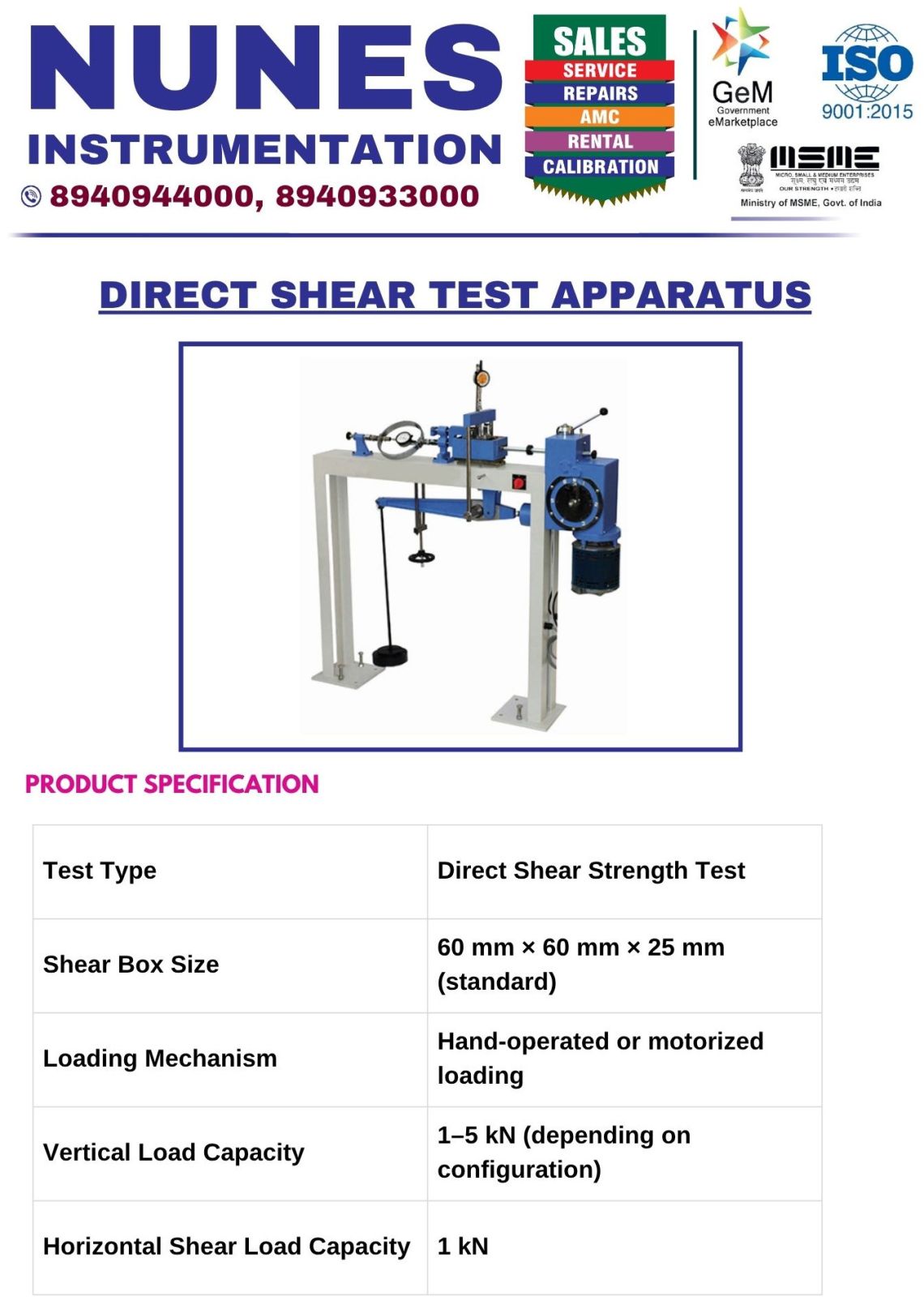
The Direct Shear Test Apparatus is a soil testing instrument used to determine the shear strength parameters of soil, including cohesion (c) and angle of internal friction (ϕ). The apparatus applies a horizontal shear force to a soil specimen under a constant vertical load to measure shear resistance at failure. It is widely used in geotechnical engineering, foundation design, slope stability analysis, retaining wall design, and earthworks.
Key Features
Applications



Company Information
 Member Since 9 Years
 Nature of Business Manufacturer
 GST No. 33AAIPN8819N1Z3
  Address 11A/1, 11A/2, Sundaram Street, Rathinapuri, Coimbatore, Tamil Nadu, 641027, IN
Ask for more detail from the seller
Contact Supplier

Connect with us





 For Buyer
  For Seller
  Help
Help 
 Twitter
 WhatsApp
 Facebook
 Linkedin