
Company Information
 Member Since 7 Years
 Nature of Business Supplier
Ask for more detail from the seller
Contact Supplier
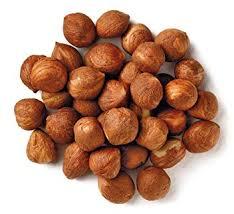
Hazelnuts have been consumed by humans since prehistoric times. Evidence of the cultivation of hazelnuts exists in excavations sites in China that date back over 5,000 years ago. An ancient manuscript also listed hazelnuts as one of China’s five sacred foods. Archaeologists have found large quantities of hazelnut shells in Mesolithic and Neolithic sites in what is now Sweden, Denmark, and Germany. The Mesolithic era, or Middle Stone Age, dates back around 10,000 years ago until the Neolithic period, which started 7,000 years ago. Hazelnuts were a large part of the prehistoric hunter and gatherer’s diet, and the nuts probably provided them with enough nutrition to sustain them between hunting seasons.
The hazel tree is very sturdy and can flourish in drought-susceptible to cold environments. It can be grown in a wide range of USDA plant hardiness zones, from four through eight. It was one of the first shrub-like trees to spread north after the last glacial period in Europe ended 7,000 years ago. Hazelnut trees have long dominated the British Isles and parts of Scandinavia.
The Reasons to Eat Hazelnut
Nutritional composition of Hazelnut
Hazelnuts are very high in energy and loaded with many health-benefiting nutrients that are essential for optimum health. 100g nuts carry 628 calories.
Hazelnuts have a high amount of vitamin E in addition to B vitamins, including folate. Vitamin E is important in maintaining healthy skin, hair and nails. The B vitamins are important in proper cell and energy metabolism. Hazelnuts are also a rich source of potassium, calcium and magnesium. The minerals provide many health benefits, including regulating a healthy blood pressure.



Connect with us





 For Buyer
  For Seller
  Help
Help 
 Sharjah
  Send Enquiry