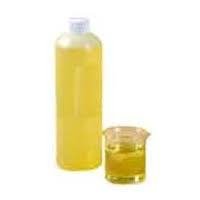
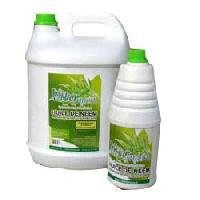
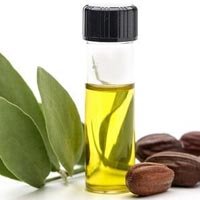
Uses & ApplicationsSkincare & Healing: Treats acne, eczema, psoriasis, reduces inflammation, soothes dry skin, repairs damaged skin, fades scars, reduces pigmentation, and prevents premature aging.Haircare: Prevents dandruff, promotes hair growth, strengthens roots, nourishes the scalp, conditions hair, reduces hair fall, controls lice, prevents scalp infections, and improves hair texture.Medicinal Benefits: Antifungal, antibacterial, anti-inflammatory, supports wound healing, relieves itching, protects skin, reduces redness, soothes burns, accelerates recovery, and fights fungal infections like athlete’s foot and ringworm.Pest Control: Used in organic insecticides, mosquito repellents, agricultural sprays, pet care treatments, controls plant pests, protects crops, repels mites, combats fleas in pets, and prevents termite infestations.Industrial Uses: Found in soaps, cosmetics, shampoos, pharmaceuticals, pet care, skincare formulations, hand sanitizers, disinfectants, herbal creams, toothpaste, balms, herbal oils, biodegradable pesticides, and veterinary care products.Neem oil is extracted from a tree with the same name, but which can also be known as the Tree of Life and the Sacred Tree. Although its oil is well known for its medicinal properties, the entire structure of the plant can be used for our benefit.Well-known in Asia, this oil has different functions and properties, both for the skin and for internal body functions, such as cholesterol reduction, and acne treatment, among many others.The oil is obtained more specifically from the almond found inside the seed of the tree. The seed is already inside the fruit, which begins to be produced from 3 years of age of the plant, on average.Almonds are cleaned and have their shell removed. From then on, they are crushed and pressed to obtain the oil.In addition to being a great substance for our body, neem oil is also a great insecticide and can be used in plantations in place of pesticides.

 Member Since 10 Years
 Nature of Business Retailer
 Address B-47/C, Joshi Colony, I.P. Extn., Patparganj, Patparganj, Delhi, IN






 For Buyer
  For Seller
  Help
Help 
 Twitter
 WhatsApp
 Facebook
 Linkedin