
 Write a Review
Our Products
We offer the best product range of Organic Kasuri Methi, Asafoetida Granules, Jeera, Natural Jaiphal Oil and Kasoori Methi.

We offer Methi leaves. In indian homes, kasoori methi leaves are generally used as a condiment for flavoring and giving special delicious taste. Steaming is considered the best method of cooking leaves; in this the vitamins are retained and the vegetable become palatable. The dried leaves can be composed to pulses for their protein content. They supplement the lysine-deficient cereal diets. They have an aromatic odor and agreeable spicy taste. Kasoori methi leaves is an important ingredient of curry powder and juicy and fry vegetables.

English name : asafoeitdabotanical name : ferula narthex boissuses : colic , cholera, malarial fever, pneumonia, bronchitis, nervous disorder of hysteria, cough, flatulence, anthelmintic (round worms) nervine stimulant, dyspepria whooping cough, asthma, constipation.
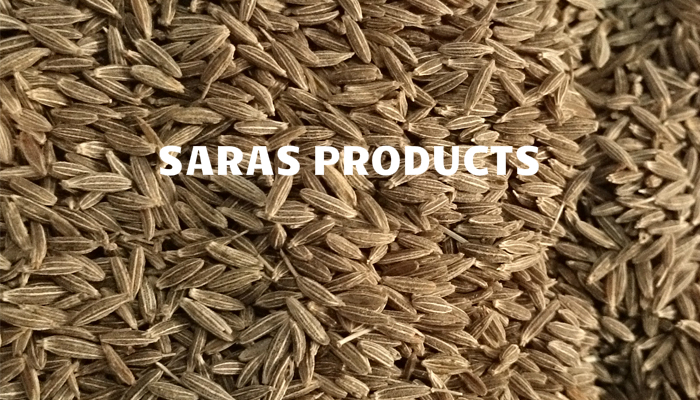
Jeera/Cumin (belongs to the Apiaceous family) seeds are very famous for their medicinal benefits having spicy flavor and slightly bitter taste. It has a strong photochemical compound called as the cumin aldehyde (4-isopropylbenzaldehyde) which gives it a pungent aroma as well as the hot and spicy taste. Generally, in India it is used to fry the soups, curries, sauces and etc to get the aromatic and yummy taste. Taking roasted cumin seeds powder with and or lassie helps in treating diarrhea or dysentery problems.

English name : croton tiglium linnbotanical name : croton tiglium linnuses : seed oil is used in rheumatism , lymphocytic, leukemia, tuber colosys, lever disease, leucoderma, arthitis, it is insecticidal and anthelmintic.
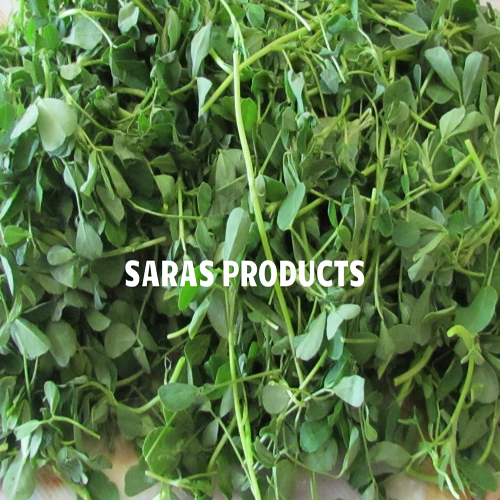
Fenugreek Leaves is an ancient spice and is mostly used inMiddle East, Northern Eastern Africa andIndiaespecially for pickles. Fenugreek has three culinary uses as a herb (Dried or Fresh leaves) as a spice (seeds) and a vegetable ( Fresh leaves sprouts and micro-greens. The seeds are used in the preparation of pickles, vegetable dishes dals, and spice mixes, such as panch phoron and sambar powder. Fenugreek seeds are used both whole and in powdered form and are often roasted to reduce their bitterness.
Additional Information:
Payment Terms : L/C, D/P, T/T

English name : cinamonbotanical name : cinnamomum zeylanicum blume synuses : bark : gastroenterological complaints, flue, indigestion, mouth washes, leafoil : anti fungal, antimicrob, clears throat, useful in cough, heart disease, eczima, piles and worms, essential oil : inhibitory effection pathogenic and non pathogenic fuugi.
We offer Jaiphal. English name : nutmeg. Botanical name : myristica fragrans houtt. Uses : --cough, throat disease, impurity of blood, asthma, heart disease, abdominal pain, anti-emetic, anthelmintic, anti-thirst; also useful in indigestion, diarrhoea, flatulance.
English Name : Turmeric Botanical Name : Curcuma domestica Val.Uses : Cold, Cough, Skin disease, Abdominal worms, Diabetes, Scabies, Leucoderma, Polyuria, Ulcer, Swelling, Anaemia, Indigestion. Jaundice, Conjectivities, blood purifier, Liver tonic, Promote Complexon, catarrh and purulent ophthalmia.
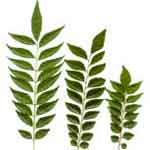
We are offering Curry Leaf. hindi name curry patta the small deciduous curry is native to india. from wild jungles to farmlands and almost everywhere in the indian subcontinent excluding the higher levels of the himalayas curry leaves grow in abundance. in the east, its range extends into burma, malaysia, south africa and reunion islands.curry leaves are extensively used in southern india and sri lanka (and are absolutely necessary for the authentic flavor), but are also of some importance in northern india. together with south indian immigrants, curry leaves reached outside the indian sphere of influence, they are rarely found. curry powder is a british invention to imitate the flavor of indian cooking with minimal effort. in indian cuisine curry leaves are used fresh for some recipes or fried in butter or oil for a short while.
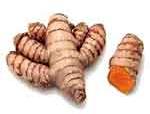
We are offering Turmeric. turmeric (haldi)india alone produces nearly the whole world's crop of turmeric and uses 80% of it. in today's india, turmeric is added to nearly every dish be it non- vegetarian or vegetables. turmeric is part of all indian curry powders and due to indian influence, turmeric made its way to the cuisine of ethiopia. in south east asia, the fresh spice is much preferred to the dried.
 N.k. Maheshwari (Saras Products)
 F-65, Industrial Area, Pali, Rajasthan - 306104
 Share us via