Our Products
Our offered Product range includes Glassy Carbon Working Electrode, Nafion Membrane, PEM Fuel Cell Test Station, Pt Counter Electrode and Squidstat Plus Electrochemical Workstation.
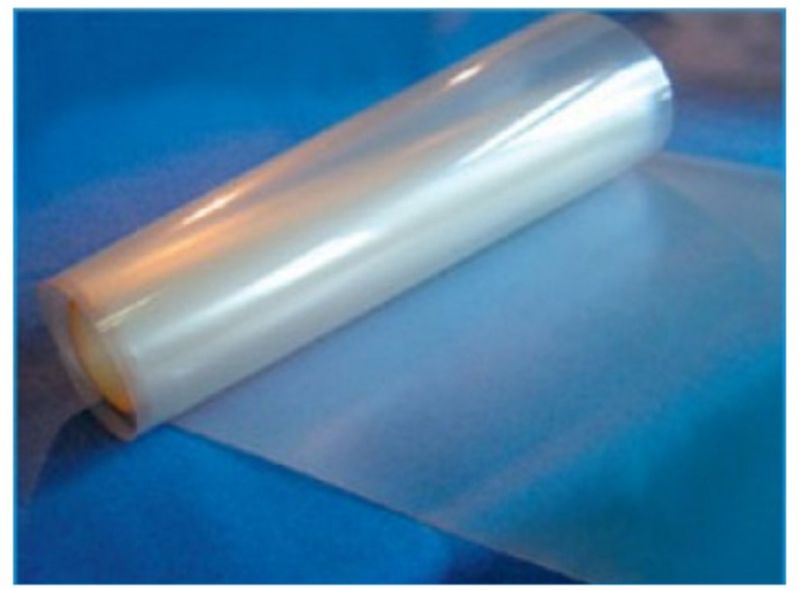
The Nafion™ 117 membrane is a perfluorosulfonic acid (PFSA) ion-exchange membrane widely used in electrochemical and energy applications. It is a chemically stable, proton-conductive polymer that serves as both an electrolyte and a separator, enabling ionic conductivity while preventing electronic conduction between electrodes.
Key Properties:
Material: Perfluorosulfonic acid (PFSA) polymer
Thickness: 183 µm (7 mils)
Equivalent Weight (EW): 1100 g/mol SO
Appearance: Transparent, mechanically robust film
Ionic Conductivity: Excellent proton conductivity in hydrated state
Chemical Resistance: Outstanding stability against acids, oxidizing agents, and solvents
Applications:
Fuel Cells: Functions as a proton exchange membrane (PEM), conducting protons from anode to cathode while blocking gases.
Electrolyzers: Used in water electrolysis for hydrogen production.
Chlor-alkali Industry: Separation of anode and cathode chambers.
Batteries & Sensors: Acts as an ion-conducting medium in advanced energy storage and sensing devices.
Advantages:
High proton conductivity with low electrical conductivity
Excellent chemical and mechanical durability
Reliable long-term performance in harsh electrochemical environments
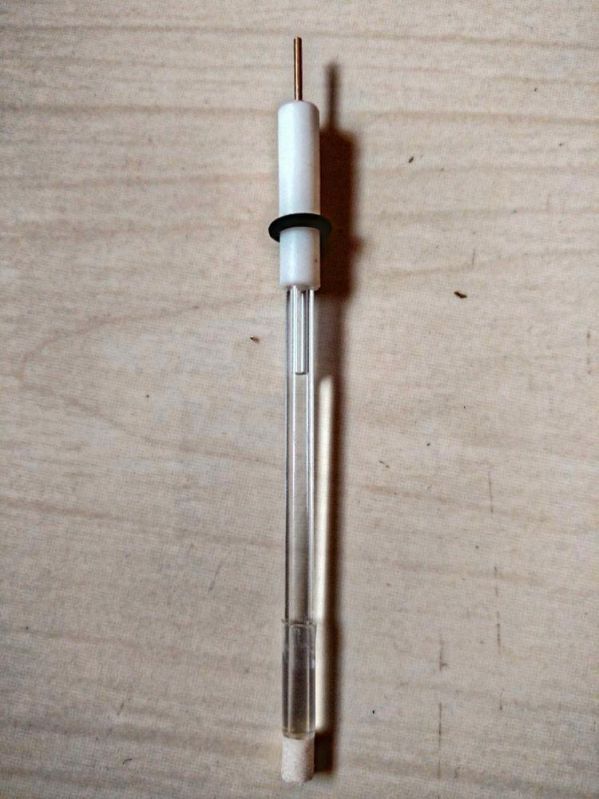
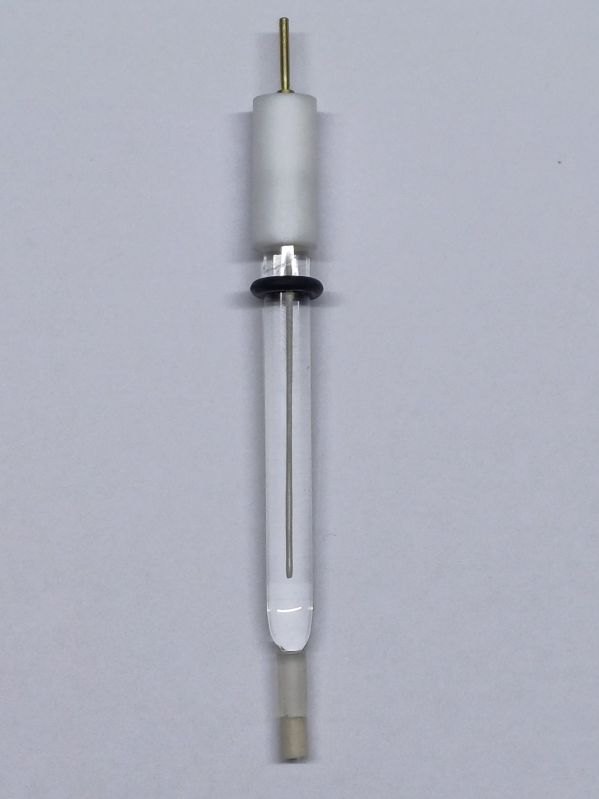
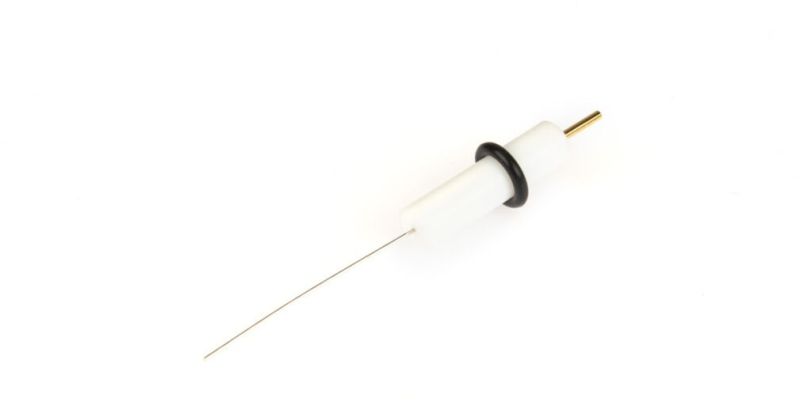
An Ag/AgCl reference electrode is one of the most commonly used reference electrodes in electrochemical measurements. It consists of a silver wire coated with silver chloride, immersed in a solution containing a known concentration of chloride ions (commonly KCl). This design provides a stable and well-defined electrode potential, which is independent of the test solution, making it reliable for precise electrochemical experiments.
Key Features:
Construction: Silver wire coated with AgCl, placed in a chloride ion-containing electrolyte.
Stability: Offers a stable and reproducible potential over long periods.
Compatibility: Non-toxic compared to mercury-based electrodes; suitable for aqueous electrochemical systems.
Applications: Used widely in corrosion studies, cyclic voltammetry, battery and fuel cell research, biosensors, and general electrochemical testing.
Advantages:
Simple design and easy handling
High reproducibility of potential
Environmentally safer than calomel electrodes
Additional Information:
Delivery Time : 1-2 Weeks
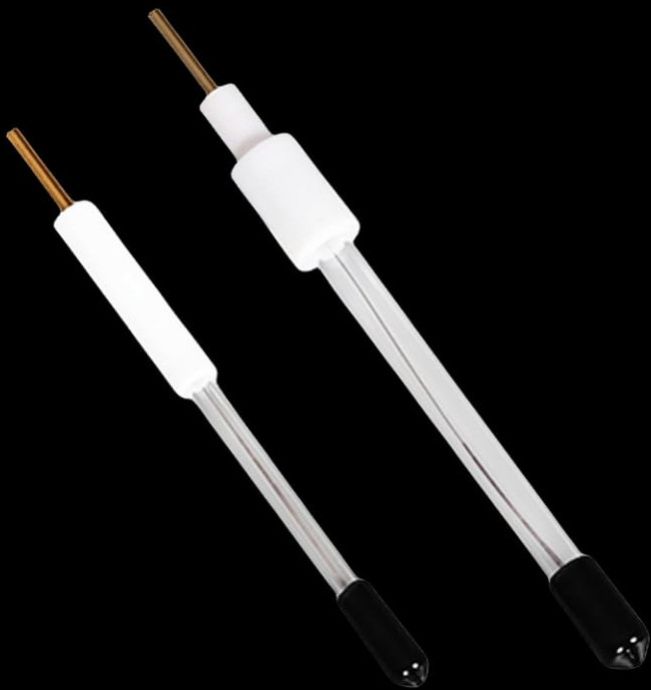
A Pt counter electrode is a key component used in three-electrode electrochemical systems such as potentiostats/galvanostats. It serves as the current-carrying electrode, completing the circuit between the working electrode and the reference electrode. Made of high-purity platinum, it is chemically inert, highly conductive, and resistant to corrosion, making it ideal for electrochemical reactions.
Key Features:
Material: Platinum (Pt) – offers excellent stability and long lifespan.
Function: Provides a pathway for current flow without interfering with the reaction at the working electrode.
Applications: Used in electrochemical studies including corrosion, electroplating, battery research, fuel cells, and sensor development.
Advantages: High electrochemical stability, wide potential window, and low reactivity with electrolytes.
In essence, the Pt counter electrode ensures accurate and reliable measurements by maintaining a stable and efficient current path in electrochemical experiments.
Additional Information:
Delivery Time : 1-2 Weeks
Platinum Sheet Electrodes
Platinum sheet electrodes are widely used in electrochemical research and industrial applications due to their exceptional chemical stability, high conductivity, and excellent catalytic properties. These electrodes are typically made from thin, flat sheets of platinum metal, providing a large surface area for electrochemical reactions.
Platinum, being a noble metal, is highly resistant to corrosion and oxidation, even in harsh acidic or alkaline environments. This makes platinum sheet electrodes suitable for a broad range of electrochemical techniques, including cyclic voltammetry, chronoamperometry, and electrolysis. Their inert nature ensures minimal interference, allowing for precise and reproducible results.
Applications include fuel cells, hydrogen evolution and oxygen reduction reactions, electroplating, electrocatalyst evaluation, and various laboratory experiments in analytical and physical electrochemistry. Due to their durability and reusability, platinum sheet electrodes are considered a reliable choice for both academic research and industrial-scale electrochemical systems.
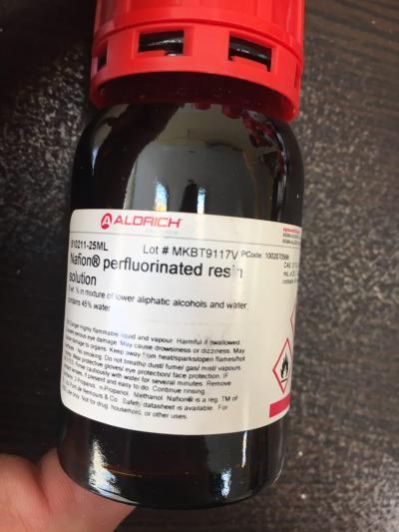
Nafion solution is a liquid dispersion of Nafion, a perfluorinated sulfonic acid (PFSA) polymer, dissolved in a mixture of alcohol and water. It serves as a proton-conducting medium widely used in electrochemical research and energy applications. The solution can be easily cast into thin films or used as a binder to enhance ionic conductivity in electrode structures.
Nafions unique structurefeaturing a chemically stable fluorocarbon backbone with strongly acidic sulfonic groupsprovides excellent proton conductivity, thermal stability, and chemical resistance. This makes Nafion solution ideal for preparing proton exchange membranes, coating electrodes, and improving performance in systems such as fuel cells, electrolyzers, batteries, and sensors.
By forming uniform, conductive coatings, Nafion solution enhances catalyst utilization, reduces resistance losses, and improves overall efficiency of electrochemical devices.
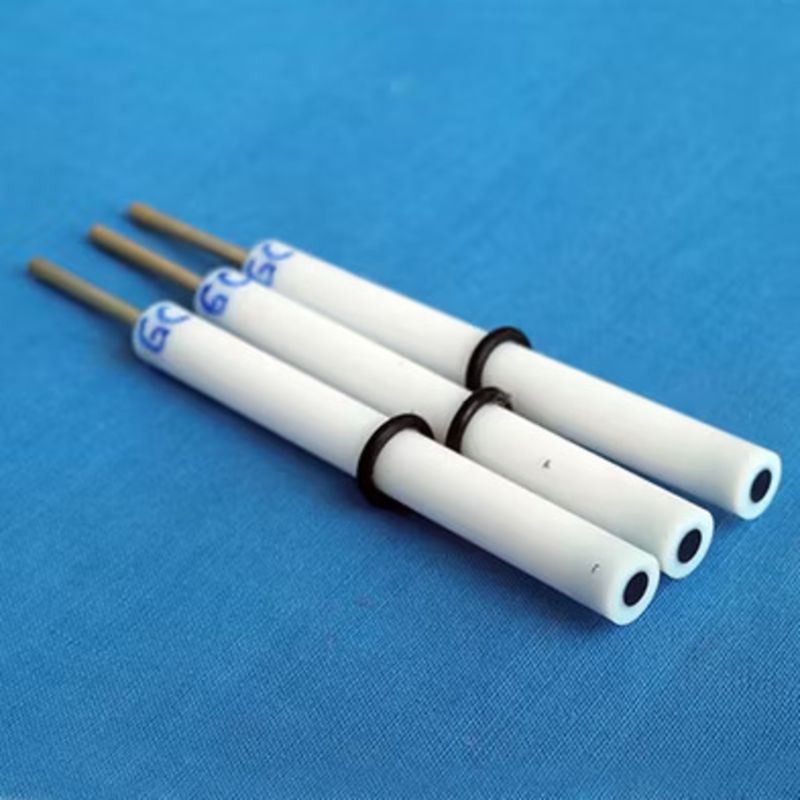
A glassy carbon electrode (GCE) is a widely used working electrode in electrochemical analysis due to its excellent chemical stability, wide potential window, and low background current. Made from a form of pure carbon with a glass-like, non-graphitizing structure, the GCE provides a hard, smooth, and impermeable surface that resists corrosion in both acidic and alkaline media.
Its unique properties include high electrical conductivity, inertness, and ease of surface modification. The electrode surface can be polished to renew activity or modified with polymers, nanoparticles, or biomolecules to enhance sensitivity and selectivity for specific electrochemical applications.
Glassy carbon electrodes are extensively employed in voltammetry, amperometry, and electroanalytical studies. They are particularly useful in detecting organic and inorganic species, studying redox mechanisms, and developing sensors and biosensors. Their reproducibility, durability, and adaptability make them an essential tool in both research laboratories and applied electrochemical systems.
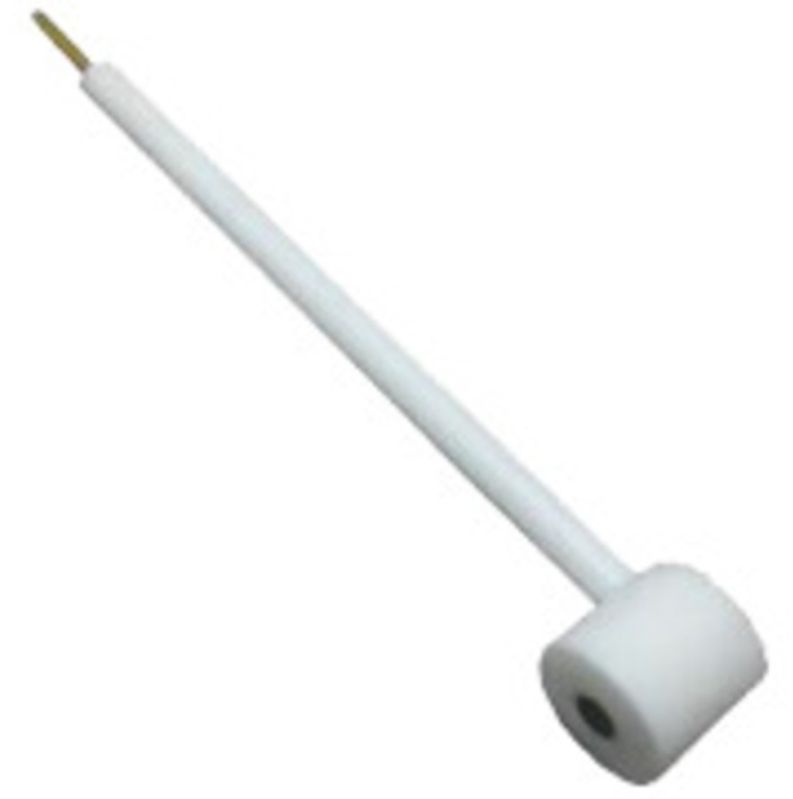
An L-shaped glassy carbon electrode (GCE) is a specialized electrode design that combines the unique properties of glassy carbon with an ergonomic geometry for convenient use in electrochemical systems. The working end of the electrode is composed of high-purity glassy carbon, providing excellent chemical inertness, a wide potential window, low background currents, and high electrical conductivity.
The L-shaped configuration allows easier immersion and positioning of the electrode in electrochemical cells, particularly in setups with limited space or when vertical alignment is impractical. It also helps reduce strain on electrical connections, improving durability and reliability during long-term measurements.
Like standard GCEs, the L-shaped variant can be polished to restore surface activity or functionalized with catalysts, polymers, or nanomaterials to enhance electrochemical performance. It is commonly used in voltammetry, amperometry, corrosion studies, electrocatalyst evaluation, and sensor development.
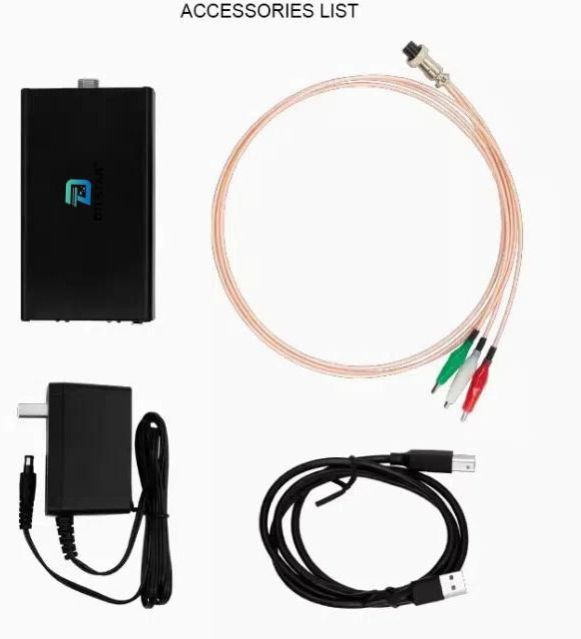
A portable electrochemical workstation is a compact and versatile instrument designed for on-site and laboratory-based electrochemical analysis. Despite its lightweight and small form factor, it integrates the core functions of a potentiostat/galvanostat, enabling researchers and engineers to perform a wide range of electrochemical techniques, including cyclic voltammetry, chronoamperometry, electrochemical impedance spectroscopy (EIS), and corrosion studies.
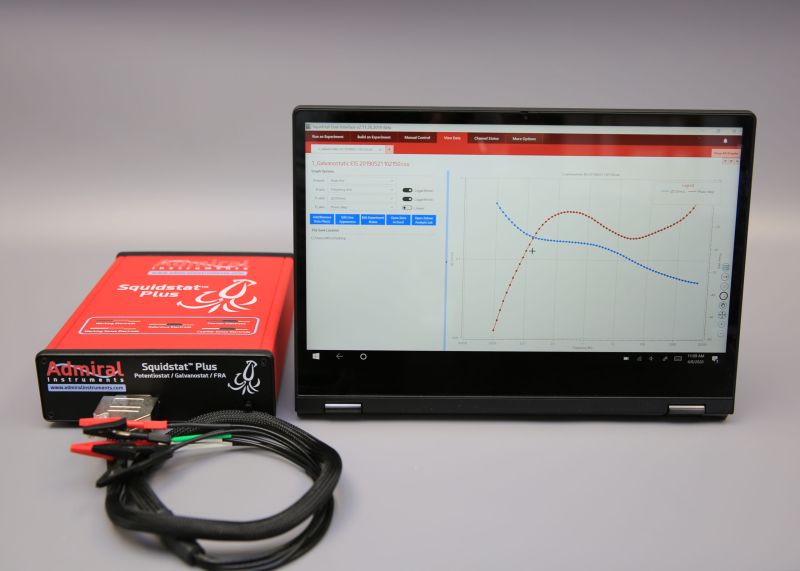
Its portability makes it ideal for field applications, environmental monitoring, educational purposes, and rapid prototyping of electrochemical sensors and energy devices. With USB or wireless connectivity, the workstation can interface with laptops, tablets, or smartphones, allowing real-time data acquisition, analysis, and reporting.
Engineered for convenience without compromising accuracy, a portable electrochemical workstation is widely used in electrochemistry research, battery testing, fuel cell development, biosensing, and quality control processes. It provides researchers with flexibility, efficiency, and reliable performance anytime, anywhere.
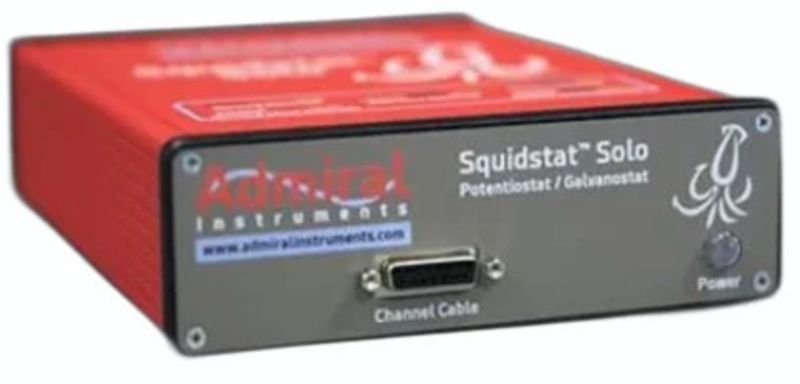
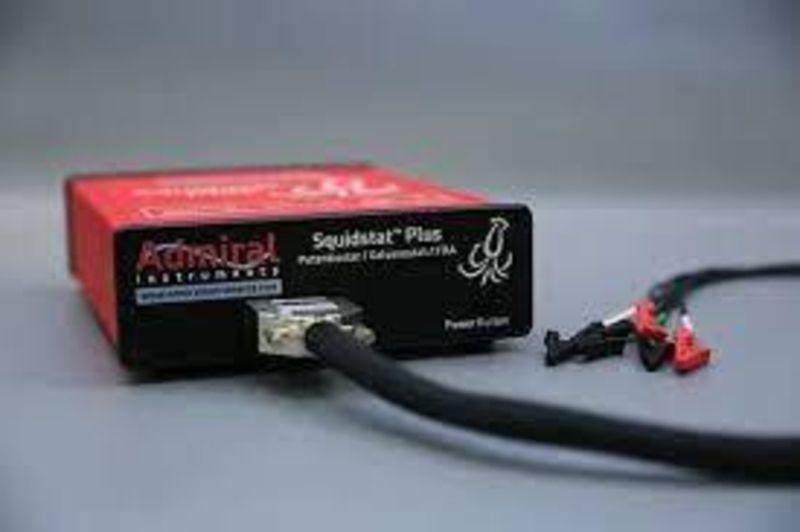
The Squidstat Plus, developed by Admiral Instruments, is a powerful yet compact potentiostat/galvanostat instrument with built-in electrochemical impedance spectroscopy (EIS) up to 2 MHz. Its engineered for high-performance electrochemical analysis across research and industrial settings.
Key Highlights:
High Current Capability: Supports up to 1 A current range across eight precision ranges, enabling studies of energy systems like batteries and fuel cells
Ideal Applications Include:
Electrochemical studies involving batteries, fuel cells, corrosion testing, and sensor development. Also effective for general voltammetric analyses, cyclic voltammetry, chronoamperometry, and advanced impedance spectroscopy.
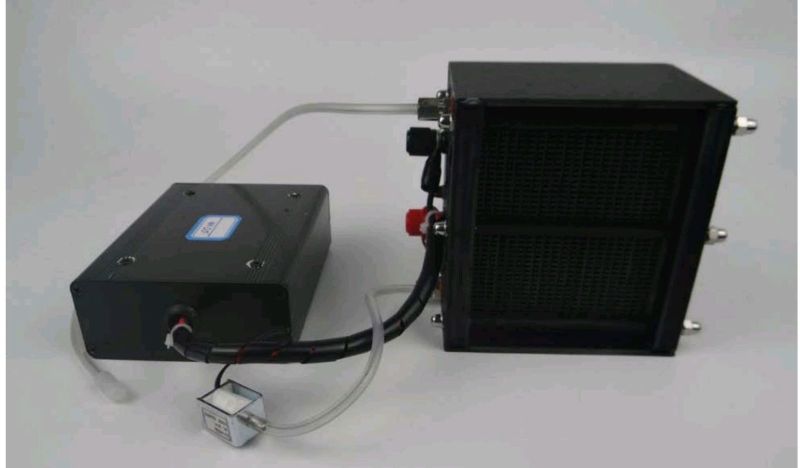
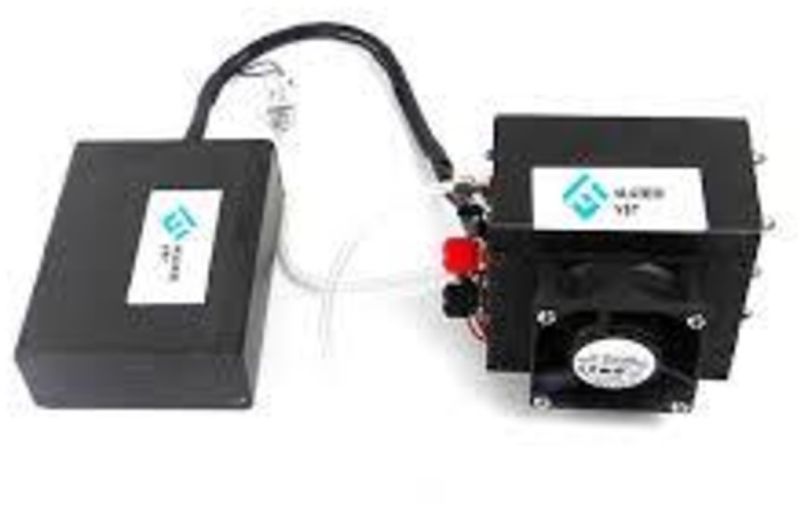
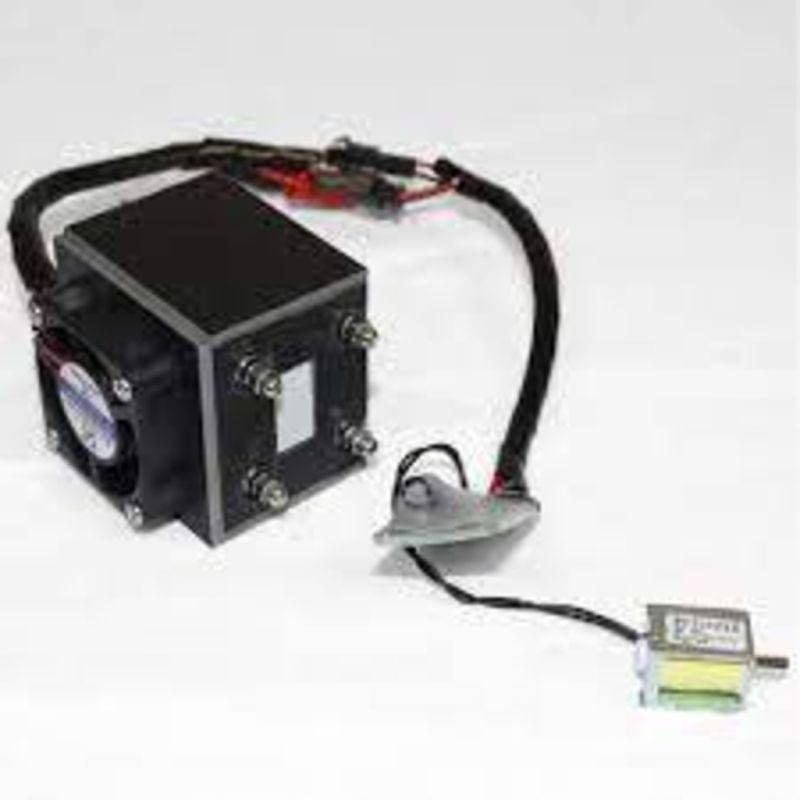
A Proton Exchange Membrane (PEM) electrolyzer is an advanced electrochemical device designed to produce high-purity hydrogen through the electrolysis of water. It employs a solid polymer electrolyte (the PEM) that conducts protons while serving as a barrier for gases, ensuring safe and efficient hydrogen generation.
When an electrical current is applied, water fed to the anode is split into oxygen, protons, and electrons. The protons migrate through the PEM to the cathode, where they recombine with electrons to form hydrogen gas. The oxygen is released separately at the anode, resulting in two pure gas streams.
Key Advantages:
High Efficiency & Purity: Produces hydrogen at >99.99% purity with minimal post-processing.
Compact & Scalable: Modular design suitable for small labs up to large-scale industrial applications.
Dynamic Operation: Quickly responds to fluctuating power inputs, making it highly compatible with renewable energy sources like solar and wind.
Environmentally Friendly: Generates hydrogen without greenhouse gas emissions, supporting clean energy initiatives.
Applications:
PEM electrolyzers are widely used in fuel cell research, green hydrogen production, renewable energy storage, power-to-gas systems, industrial gas supply, and hydrogen fueling stations.
Specification:
Output Performance:
Nominal Power: 100 W
Nominal Voltage: 12 V
Nominal Current: 8.33 A
DC Voltage Range: 10 - 17 V
Efficiency: >50% at the nominal power Hydrogen Fuel:
Hydrogen Purity: >99.99% (CO content being < 1 ppm)
Hydrogen Pressure: 0.04 - 0.06 MPa
Hydrogen Consumption: 1 160 mL/min (at nominal power) Environmental Characteristics:
Ambient Temperature: -5 to +35 oc
Ambient Humidity: 10% RH to 95% RH (No misting)
Storage Ambient Temperature: -10 to +50 oc
Noise: dB
Physical Characteristics:
Stack Size (mm): 94*85*93
Stack Weight: TBD
Controller Size (mm): TBD
Controller Weight: TBD
System Size (mm): TBD
System Weight: 0.77 kg
Conductive carbon paper is a lightweight, porous, and electrically conductive substrate widely used in electrochemical research, particularly in fuel cells, electrolyzers, and battery studies. It is composed of carbon fibers bound into a thin, flexible sheet that provides both mechanical stability and high electrical conductivity.
Its porous structure allows efficient gas and liquid diffusion, making it an ideal gas diffusion layer (GDL) in proton exchange membrane (PEM) fuel cells and water electrolyzers. The high surface area supports uniform catalyst deposition and facilitates effective electron transfer during electrochemical reactions.
Carbon paper is chemically stable in a wide potential range and can withstand harsh acidic or alkaline environments. Often treated with hydrophobic coatings (e.g., PTFE), it ensures controlled water management and enhances durability in electrochemical systems.
Applications:
Fuel cells (PEMFC, DMFC, SOFC)
PEM electrolyzers and flow batteries
Electrocatalyst testing and sensor development
Gas diffusion electrodes in CO reduction and hydrogen evolution studies
 Kavish Maheshwari (Super Scientific Instrumets)
 Ground floor, A-123, Aeshbagh Colony, Bharkhedi, Aishbagh, Bhopal, Madhya Pradesh - 462010, India
 Share us via







 GST : 23GEKPM9010J1ZC