 GST : 09AVOPS2676K1ZN
 5.0/5
5.0/5
Our Products
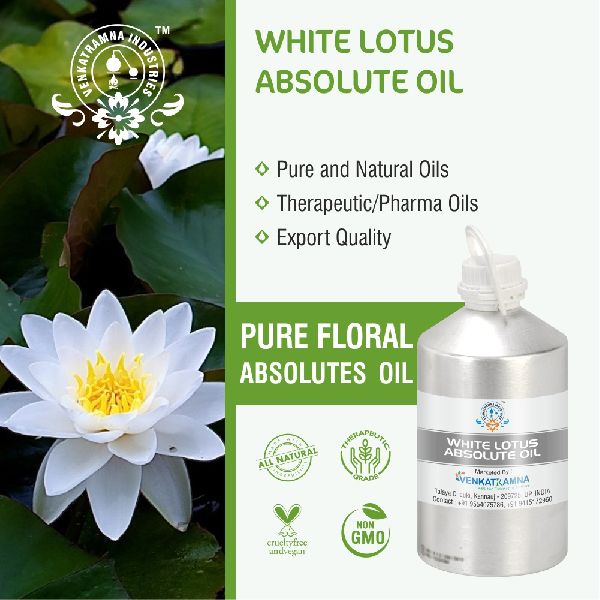
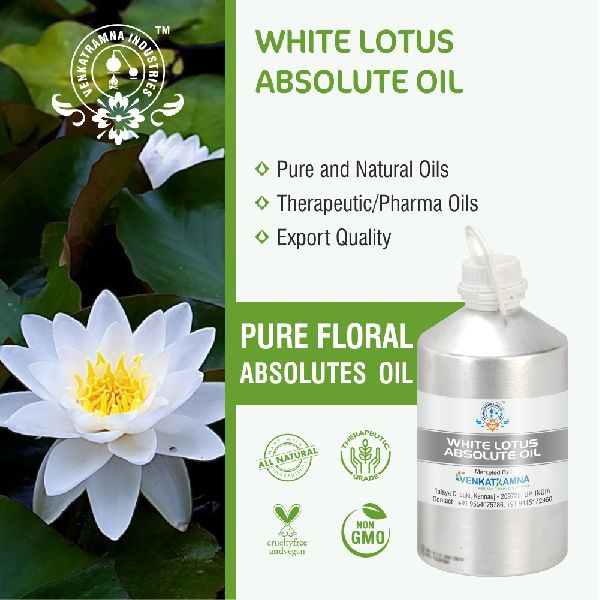
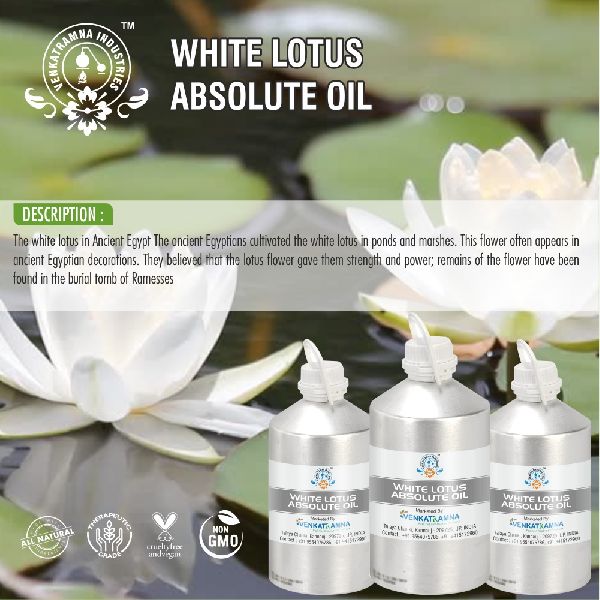
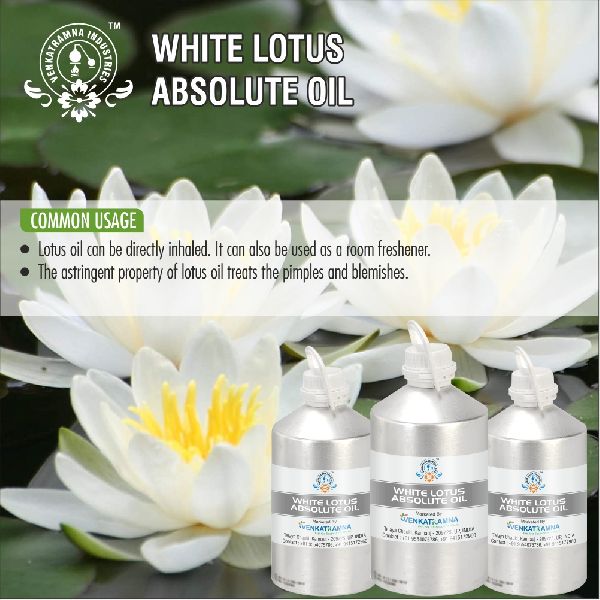
Our offered Product range includes White Pepper Oil and White Lotus Absolute Oil.
Black pepper is native to India and is extensively cultivated there and in tropical regions. The spiciness of black pepper is due to the chemical piperine. Black pepper essential oil and its major active principle, piperine, which has the ability to enhance the digestive system and protect us against oxidative damage. The aroma of black pepper is spicy, musky, warm, and or course peppery. Its oil is mostly used as a supplement for digestive and nervous system support and wellness. For this reason, many people will use the oil as a flavouring in their cooking, just as you might with crushed black pepper.
Black pepper is native to India and is extensively cultivated there and in tropical regions. The spiciness of black pepper is due to the chemical piperine. Black pepper essential oil and its major active principle, piperine, which has the ability to enhance the digestive system and protect us against oxidative damage. The aroma of black pepper is spicy, musky, warm, and or course peppery. Its oil is mostly used as a supplement for digestive and nervous system support and wellness. For this reason, many people will use the oil as a flavouring in their cooking, just as you might with crushed black pepper.
As of 2013, Vietnam was the world’s largest producer and exporter of black peppercorns, producing 163, 000 tonnes or 34%of the world total of 473, 000 tones (table). Other major producers include Indonesia (19%) (table). Global pepper production may very annually according to crop management, disease and weather. Vietnam dominates the export market, using almost none of its production domestically. Peppercorns are among the most widely treaded spice in the world, accounting for 20 percent of all spice imports.
Technical Analysis
| Key Constituents | Strength (%) |
|---|---|
| b-caryophyllene | 19.4-40.9 |
| (p)-Limonene | 16.4-24.4 |
| a-pinene | 1.1-16.2 |
| b-pinene | 4.9-14.3 |
| Sabinene | 0.1-13.8 |
| b-Bisabolene | 0.1-5.2 |
| a-copaene | 0.1-3.9 |
| (E)-b-farnesene | Tr-3.3 |
| a-cubebene | 0.2-1.6 |
| D-3-carene Tr | 15.5 |
The word 'attar', 'ittar' or 'othr' is basically an Arabic word which means 'scent'; this in turn is believed to have been derived from the Persian word Atr, meaning 'fragrance'. Attar (Arabic: ) also known as ittar is a natural perfume oil derived from botanical sources, such as flowers (jasmine, rose, sandalwood and more), herbs, spices, or barks. Oils can also be expressed by chemical means but generally natural perfumes which qualify as Attars are distilled naturally. Once obtained, these oils are generally distilled into a wood base such as sandalwood and then aged. The aging period can last from one to ten years depending on the botanicals used and the results desired.
A large number of references to cosmetics and perfumes in Sanskrit literature were found like in the Brhatsamhita is a 6th century Sanskrit encyclopaedia by Varahamihira (505 AD – 587 AD). Cosmetics and perfumes making were mainly practiced for the purpose of worship, sale and sensual enjoyment. Gandhayukti gave recipes for making scents. It gives a list of eight aromatic ingredients used for making scents. They were: Rodhara, Usira, Bignonia, Aguru, Musta, Vana, Priyangu, and Pathya. The Gandhayukti also gave recipes for mouth perfumes, bath powders, incense and talcum powder. The manufacture of rose water began perhaps in the nineteenth century AD. The earliest distillation of attar was mentioned in the Ayurvedic text Charaka Samhita. The Harshacharita, written in 7th century AD in northern India, mentions use of fragrant agarwood oil. In ancient India, attar was prepared by placing precious flowers and sacred plants into a water or vegetable oil. Slowly the plants and flowers would infuse the water/oil with their delicate fragrance. The plant and flower material would then be removed and a symphony of their aromatic beauty would be held in the attar. These attars were then worn as a sacred perfume or to anoint. Some of the first lovers of Attars were the Mughal nobles of India. Jasmine attar was the favourite perfume of the Nizams of the Hyderabad state. Attar figures into some of the romantic stories of a bygone era. Its patrons included great poets like the legendary Mirza Ghalib. When Ghalib met his beloved in the winter, he rubbed his hands and face with attar hina. In Ain-e-Akbari, Abul Fazal, has mentioned that Akbar used attar daily and burnt incense sticks (bakhoor) in gold and silver censers. A princess's bath was incomplete without incense and attar. Avery popular attar with the Mughal princes was ood, prepared in Assam.
Specifications
| Botanical Name: | Nelumbo Nucifera |
|---|---|
| Common name: | Indian lotus, sacred lotus, bean of India, Egyptian bean, Pundarika |
| Plant family: | Nelumbonaceae |
| Genus: | Nelumbo |
| Appearance/Color: | A viscous concentration with a yellow-orange to reddish color. |
| Odor: | The lotus oil comes with an exotic floral fragrance which sometimes feels slightly medicinal & herbaceous. |
| Blends With: | Cinnamon, sandalwood, and all spice essential oils. |
| Origin: | India, Tamilnadu |
| Source: | Flower |
| Method of Extraction: | Steam Distillation |
 Mr. Amit Kumar Saini (Venkatramna Industries)
 House No.310, C1, MIG, Indra Nagar, Kanpur, Uttar Pradesh - 208026
 Share us via