Write a Review
Our Products
We offer a complete product range of Beets and Radish
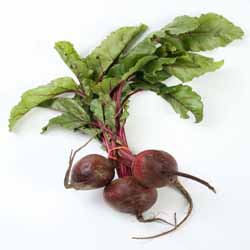
BothBeetsand Swiss chard are different varieties within the same plant family (Amaranthaceae-Chenopodiaceae) and their edible leaves share a resemblance in both taste and texture. Attached to the beets green leaves is a round or oblong root, the part conjured up in most peoples minds by the word beet. Although typically a beautiful reddish-purple hue, beets also come in varieties that feature white or golden roots. No matter what their color, however, beet roots arent as hardy as they look; the smallest bruise or puncture will cause red beets red-purple pigments, which contain beneficial flavonoids called anthycyanins, to bleed, especially during cooking.
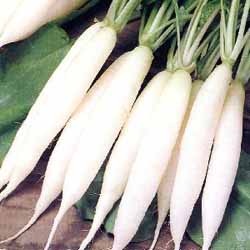
Radishis a vegetable with thin white skin and white flesh, this vegetable can be eaten raw ( appetizer and salads) or cooked (ingredient to soup dishes). To retain the freshness and crunchiness of this vegetable it is advised to soak it in a cold water. Radish, the well known part of your salad, is a root crop, pungent or sweet in taste with a lot of juice. Radishes can be white, red, purple or black, long cylindrical or round in shape. They are eaten raw, cooked or pickled. The oil obtained from the seeds of radish is also used. The other parts of radish which are consumed are the leaves, the flowers, the pods and the seeds. The scientific name of radish is Raphanus Sativus which belongs to the Brassicaceae family. Radish is also known as Daiken in some parts of the world.The benefits of radish against certain ailments and on certain body parts are listed below.
 Akila Senthil (Akil Exports)
 No. 10, Bkr Nagar, Sathy Main Road, Behind Damro Furniture, New Siddhapudur, Coimbatore-641012, Tamil Nadu, India, Gandhipuram
 Share us via