
 Write a Review
Our Products
Our offered Product range includes Basmati Rice and Healthy and Delicious Rice.
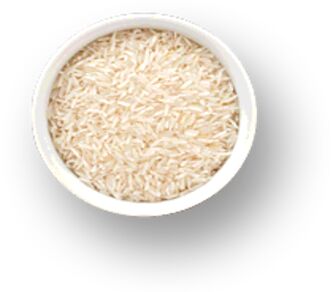
Basmati ricehas been reported in India since the early days of the 19th Century though it may have been named differently. Bas in the Hindi language means aroma and Mati means full of hence the word Basmati i.e. full of aroma. Thisriceis different from other rice mainly due to the aroma and elongation postcooking. No other rice has this combined characteristic. The post cooking elongation of more than twice its original length, the aroma, and its sweet taste have made basmati rice a delicacy. Basmati rice is grown only in Northern India and in parts ofPakistan touching India. One can easily call it theChampagne of India. Indian Rice, Long grain rice, Parboiled Basmati Rice, Sella Basmati rice, 1121 basmati rice, rice producers in India, the largest producer of basmati rice, parboiled rice, and brown basmati rice.
A well known Company in the USA had applied for the Patent of Basmati Rice i.e. it could label its product as Basmati Rice and in turn, nobody else could use this nomenclature for its product. It is like somebody, say in India, gets a patentregistered for Champagneand then nobody, even people in France (where Champagne originated from) would be allowed to call its product as Champagne. Though the authorities in the USA have rejected the claim however they have allowed their three strains of rice to be called basmati rice. This is also against the principles asbasmati rice is only grown in UP, Punjab, Haryana and J&K in India and Punjab in Pakistanfor decades. Any rice grown elsewhereother than the above regions cannot be called Basmati, as it cannot have the combined characteristic of aroma and elongation postcookingbecause of thesoil and weather conditions.TheBasmati Ricediet is an extension of the Rice Diet program. The Rice Diet program is based on a 1939 North Carolina study, in which subjects were monitored on the diet. According toRiceDietProgram.com, it may help prevent or treat obesity, heart disease, hypertension, diabetes and other health problems. The diet consists of eliminating excess sodium and simple sugars from your diet. Instead, you consume healthy carbohydrates such asBasmati ricein your meals. Your diet also consists of whole grains, fruits, vegetables, legumes and lean proteins. Basmati rice can be part of a sensible diet plan because it provides you with beneficial vitamins, minerals, and protein.
Basmati RiceDuring the course of this diet plan, you are allowed to eat starches such as Basmati rice as your bodys main source of energy. Basmati rice is aromatic rice grown in India and Pakistan. It has a nut-like texture and a buttery flavor. It is considered long-grain white rice and is lower in starch than other varieties. According to The Wellness Encyclopedia of Food and Nutrition, this means that Basmati rice does not raise blood sugar quickly for those concerned with diabetes. Basmati rice is usually soaked for 30 minutes up to two hours before cooking. It can be cooked in low-sodium broth, fresh fruitor tomato juice.
Significance of SodiumA main component of the Rice Diet program is to significantly decrease your intake of sodium. The U.S. Department ofAgriculturerecommends no more than 2, 400 mg of sodium in your diet. However, the Rice Diet suggests limiting yourself to 500 mg per day. According to author Kitty Rosati, excess sodium or salt in your diet is linked to high blood pressure, water retention and weight gain. Basmati rice is aromatic rice and does not need to be enhanced with salt. If you want to add flavor, squeeze some lemon juice, herbs and spices over your rice.
Considerations for FiberBasmati is refined white rice that has been stripped of its bran layer. In The 150 Healthiest Foods on Earth, Dr. Jonny Bowden says that stripping the grain of its bran removes essential vitamins, minerals, and fiber. Dr. Bowden suggests using brown rice because it has not had its bran layer removed and retains its nutrients.
In The Fiber35 Diet, author Brenda Watson says that fiber found in brown rice protects against various types of cancer, lowers cholesterol levels and prevents heart disease. Serve Basmati rice mixed with brown rice to get the benefits of fiber into your diet. Other fiber-rich foods consumed during the Rice Diet include fresh vegetables, fruits, beans, nuts, and seeds.
Effects on B-VitaminsBasmati rice provides you with key nutrients such as iron, manganese, and B-vitamins such as niacin and thiamin. Niacin and thiamin play a role in the breakdown and utilization of proteins, fats, and carbohydrates. According to the University of California at Berkeley, the B-vitamins are depleted through the processing, preparation, and cooking of Basmati rice.
As a preliminary step to cooking, Basmati rice is soaked before cooking, which may increase the loss of water-soluble B-vitamins. To ensure you are getting an adequate amount of B-vitamins in your diet, include other acceptable food sources such as sunflower seeds, peanuts, whole grains, mushrooms and oily fish.
Considerations for ProteinAccording to FatSecret.com, a 3/4-cup serving of Basmati rice provides about 3 g of protein. In The Food Bible, author Judith Wills says that protein is essential in your diet for growth and development. The protein contains different amino acids that are used in your body for different purposes. Essential amino acids are those that your body cannot produce on its own and must obtain from food.
Foods that contain all essential amino acids are considered complete proteins. Basmati rice lacks certain amino acids and needs to be combined with other forms of protein that contain the missing amino acids. You can mix Basmati rice with legumes, nuts or seeds to form a complete protein in your diet plan.
CarbohydratesOne serving of basmati rice contains 35 grams of carbs, most of which is found in the starchy white grain inside the bran. While you should definitely watch your intake of carbs, especially if youre not an active person, basmati rice is composed of complex carbohydrates, meaning its digested easily and made available as an energy source for the body fairly quickly. Basmati rice also contains a little less than 1 g of fiber per serving. As far as carbs go, rice is a better choice over something like bread.
FatAs stated previously, rice is a low fat, low cholesterol food. Most of its very minimal fat content located in the grains germ, which is stripped away during the milling process for white rice.Brown ricemaintains its germ and has a very slightly higher fat content.
Most of your concern regarding fat consumption should come from how you prepare your rice dish; whether or not you use a lot of butter or oil while its in the rice cooker, and what kind of toppings youre putting on it.Plain basmati riceitself is very low in fat, with about 1 g per serving.
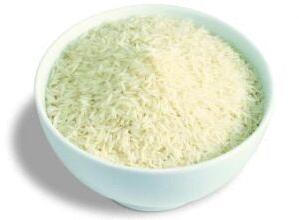
Riceis an annual plant that is harvested once a year. The cultivation of rice is suited for countries with low labor costs and high rainfall as it is very labor intensive and requires large amounts of water for cultivation. Small rice seedlings are hand planted into rice paddies that are then filled with water. The seeds draw nutrients from the paddies water, which is also the same waterBrown Rice
Indian Riceis the second highest worldwide production after maize (corn). Since maize is mostly grown for purposes other than human consumption, rice is the most important grain for human consumption. There are more than 40, 000 varieties of rice that grow on every continent except on Antarctica. Some research shows that rice may have been indigenous to India over 4, 000 years ago and moved
Thehealth benefits of riceinclude its ability to provide fast and instant energy, regulate and improve bowel movements, stabilize blood sugar levels, and slow down the aging process, while also providing an essential source of vitamin B1 to the human body. Other benefits include its ability to boost skin health, increase the metabolism, aid in digestion, reduce high blood pressure, help weight loss efforts, improve the immune system and provide protection against dysentery, cancer, and heart disease. Rice is a fundamental food in many cultural cuisines around the world, and it is an important cereal crop that feeds more than half of the worlds population. parboiled rice, jasmine rice, brown rice, white rice and Long grain rice. Indian Rice
Benefits of RiceThe various benefits ofricecan be found in more than forty thousand varieties of this cereal that is available throughout the world. The two main categories are whole grainriceand white rice. Whole grain rice is not processed very much, so it is high in nutritional value, whereas white rice is processed so that the bran or outer covering is removed, leaving it with less nutritional value. People choose different styles of rice for particular flavors, depending on their culinary needs, the availability, and the potential for health benefits as well!
Rice can also be defined by the length of each grain. Indian or Chinese cuisines specialize in long grained rice, whereas western countries prefer short or medium length grains.
Health Benefits of RiceSome of the health benefits of rice are explained below.
Great Source of Energy:Since rice is abundant in carbohydrates, it acts as fuel for the body and aids in the normal functioning of the brain. Carbohydrates are essential to be metabolized by the body and turned into functional, usable energy. The vitamins, minerals, and variousorganic componentsincrease the functioning and metabolic activity of all your organ systems, which further increases energy levels.
Cholesterol Free:Eating rice is extremely beneficial for your health, simply because it does not contain harmful fats,
cholesterol or sodium. It forms an integral part of abalanced diet. Any food that can provide nutrients without having any negative impacts on health is a bonus! Low levels of fat, cholesterol, and sodium will also help reduce obesity and the health conditions associated with being overweight. Rice is one of the most widely used and eaten foods in the world because it cankeep people healthy and alive, even in very small quantities.
Blood Pressure Management:Rice is low in sodium, so it is considered one of the best foods for those suffering from high blood pressure and hypertension. Sodium can cause veins and arteries to constrict, increasing the stress and strain on the cardiovascular system as the blood pressure increases. This is also associated with heart conditions like atherosclerosis, heart attacks, and strokes, so avoiding excess sodium is always a good idea.
Cancer Prevention:Whole grain ricelikebrown riceis rich in insoluble fiber that can protect against many types of cancer. Many scientists and researchers believe that such insoluble fibers are vital for protecting the body against the development and metastasis of cancerous cells. Fiber specifically is beneficial in defending against colorectal and intestinal cancer. However, besides fiber, rice also has natural antioxidants like vitamin C, vitamin-A, phenolic and flavonoid compounds, which also act as or stimulate antioxidants to scour the body for free radicals. Free radicals are byproducts of cellular metabolism that can do serious damage to your organ systems and cause the mutation of healthy cells into cancerous ones. Boosting your antioxidant levels is a great idea, and eating more rice is a wonderful way to do that.
Skin care:Medical experts say that powdered rice can be applied topically to cure certain skin ailments. On the Indian subcontinent, rice water is readily prescribed by Ayurvedic practitioners as an effective ointment to cool off inflamed skin surfaces. The phenolic compounds that are found in rice, particularly in brown or wild rice, have anti-inflammatory properties, so they are also good for soothing irritation and redness. Whether consumed or topically applied, a substance derived from rice tend to relieve a number of skin conditions. The antioxidant capacity also helps delay the appearance of wrinkles and other premature signs of aging that can affect the skin.
Alzheimers Disease:Brown riceis said to containhigh levels of nutrientsthat stimulate the growth and activity of neurotransmitters, subsequently helping toprevent Alzheimers diseaseto a considerable extent. Various species of wild rice have been shown to stimulate neuroprotective enzymes in the brain, which inhibit the effects of free radicals and other dangerous toxins that can cause dementia and Alzheimers disease.
Diuretic and Digestive Qualities:Thehusk part of riceis considered to be aneffective medicineto treat dysentery, and some people say that athree-month-old riceplants husks are said to havediuretic properties. Chinese people believe that rice considerably increases appetite, cures stomach ailments and reduces all digestive problems. As a diuretic, rice husk can help you lose excess water weight, eliminate toxins from the body like uric acid, and even lose weight, since approximately 4% of urine is actually made up of body fat! The high fiber content also increases bowel movement regularity and protects against various types of cancer, as well as reducing the chances of cardiovascular diseases.
Rich in Vitamins:Riceis an excellent source of vitamins and minerals like niacin, vitamin D, calcium, fiber, iron, thiamine, and riboflavin. These vitamins provide the foundation for body metabolism, immune system health, and general functioning of the organ systems since vitamins are commonly consumed in the most essential activities in the body.
Cardiovascular Health:Rice bran oil is known to have antioxidant properties that promote cardiovascular strength by reducing cholesterol levels in the body. We have already spoken about the cardiovascular benefits of fiber, and low levels of fat and sodium. Wild rice and brown rice varieties are far better than white rice in this category since the husk of the grain are where much of the nutrients are; thehusk is removed in white rice preparation.
Resistant starch:Rice abounds inresistant starch, which reaches the bowels in an undigested form. This type of starchstimulatesthe growth ofuseful bacteriathat help with normal bowel movements. Also, this insoluble rice is very useful in reducing the effects of conditions like Irritable Bowel Syndrome (IBS), and diarrhea.
According to theInternational Rice Research Institutein the Philippines, the nutritional value of rice needs to be improved even more so that it benefits mankind. Rice, being the most dominant cereal crop in most of the world can improve the lives of millions of people who consume it.
Efforts are currently being made to increase the micro-nutrient value of rice by combiningtraditional methods of growing crops with modern biotechnology. The institute further states that the development of rice with high iron and zinc compounds could be possible through bio-fortification. That can also induce high-quality yields, which could be eagerly accepted by farmers as well asrice consumersfor healthier, longer lives.
Rice can also prevent chronic constipation. The insoluble fiber from rice acts like a soft sponge that may be pushed through the intestinal tract quickly and easily.Brown riceandwhole grainsare known to berich in insoluble fiber. However, it is advisable to drink lots of water for relieving your constipated condition, in addition toeating fibrous foods.
Diabetic patientsshould includebrown ricerather thanwhite rice, which containslow levelsof theglycemic index. As little as one cup of brown rice on a daily basis provides a person with almost100% of their daily manganese requirement, which helps to produce energy from carbohydrates and protein. Brown rice is also extremely beneficial for normal functioning of the nervous system and the production of sex hormones.
 M Ayyavu (APTSO EXPORTS)
 12/14/1 SouthKadu,Katchupalli,Edappaadi,Salem, Edappadi, Tamil Nadu - 637102, India
 Share us via