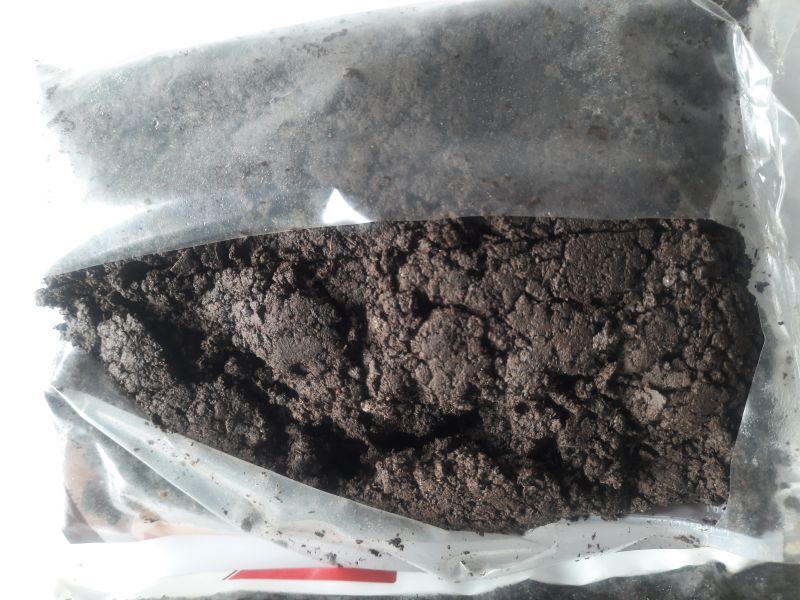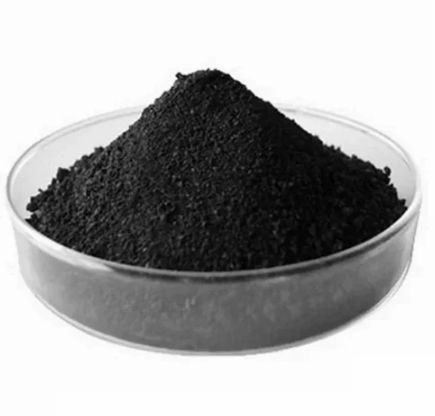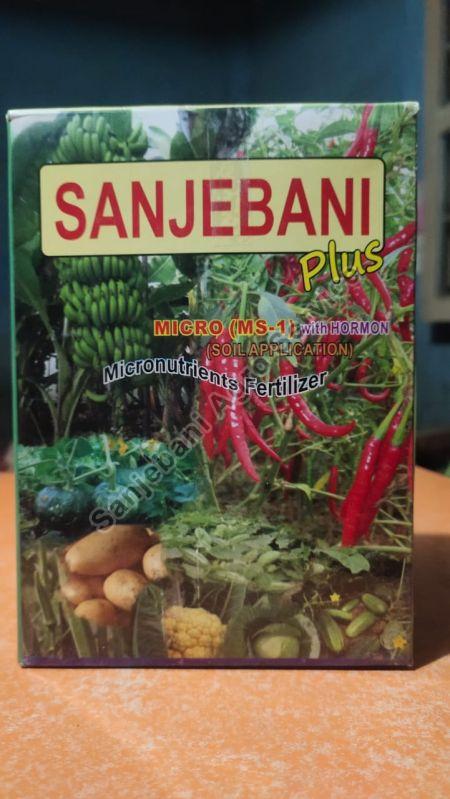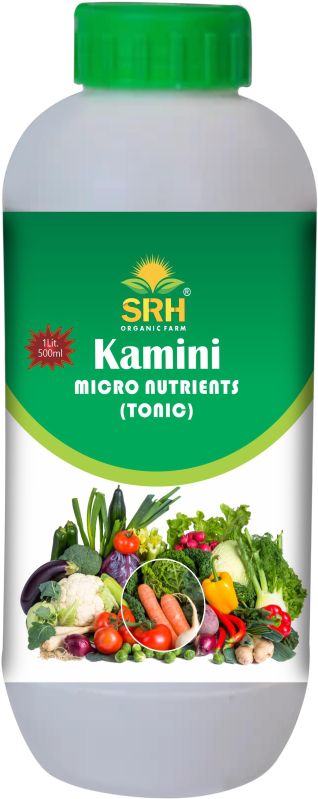

Healthy soil is the foundation of successful farming. As it is rightly said that essentially all life depends upon the soil. Since crops cannot grow well or yield in the future without the appropriate balance of nutrients. Thus, farmers in India are currently applying a combination of soil additives and fertilizers in the correct proportion to enhance the overall health of the soil. This will enhance productivity and sustainable farming. Along with this, both NP Fertilizers and Organic Fertilizers play a big role in keeping farming systems strong and eco-friendly. In this article, we will discuss why soil additives and fertilizers are important, their benefits and the main types of NP Fertilizers and Organic Fertilizers. This will help farmers achieve strong crops and long-lasting soil health and help in sustainable farming.
Fertilizers and soil additives play a very important role in modern world farming practice. Since it supplements the nutrients that crops constantly draw out of the soil. In their absence, the soil becomes less productive and weaker with time. With that, the main reason is that the use of fertilizers also promotes improved soil structure.
Plus, it also enhances the easier penetration of roots. They ensure that they have optimized productivity by supplying the plants with the right nutrients in time. The outcome is a healthier production of crops and increased production. Moreover, they also help plants to withstand stress due to pests, illness and adverse weather like drought. Organic alternatives facilitate the cause of green farming because they minimize the use of chemicals that harm the environment, and balanced application of fertilizer enables the fertile soils to remain fertile and the practice of farming activities to be sustainable.
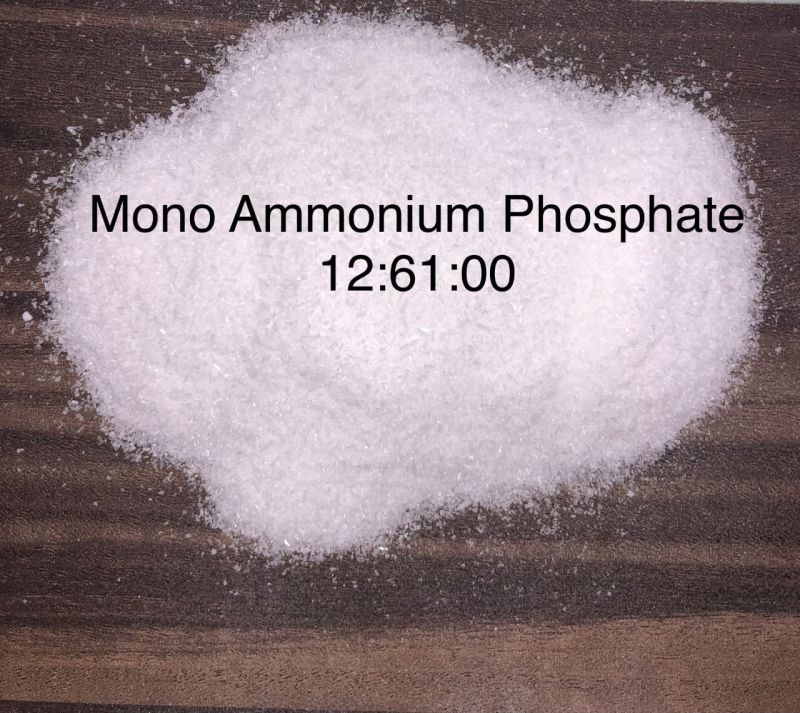
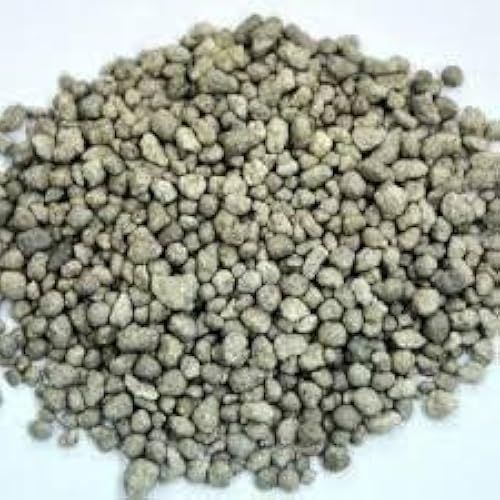
NP Fertilizers are a category of fertilizers that provide the plants with two important nutrients i.e Nitrogen (N) and Phosphorus (P). Nitrogen plays an important role in the development of the leaves. Whereas Phosphorus plays a role in the development of roots, flowering and fruit production. Among the commonly used NP variants are DAP Fertilizer, Ammonium Phosphate, Mono-ammonium Phosphate, and Ammonium Polyphosphate
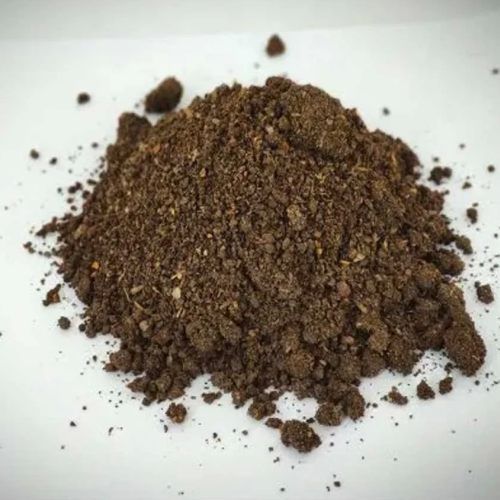
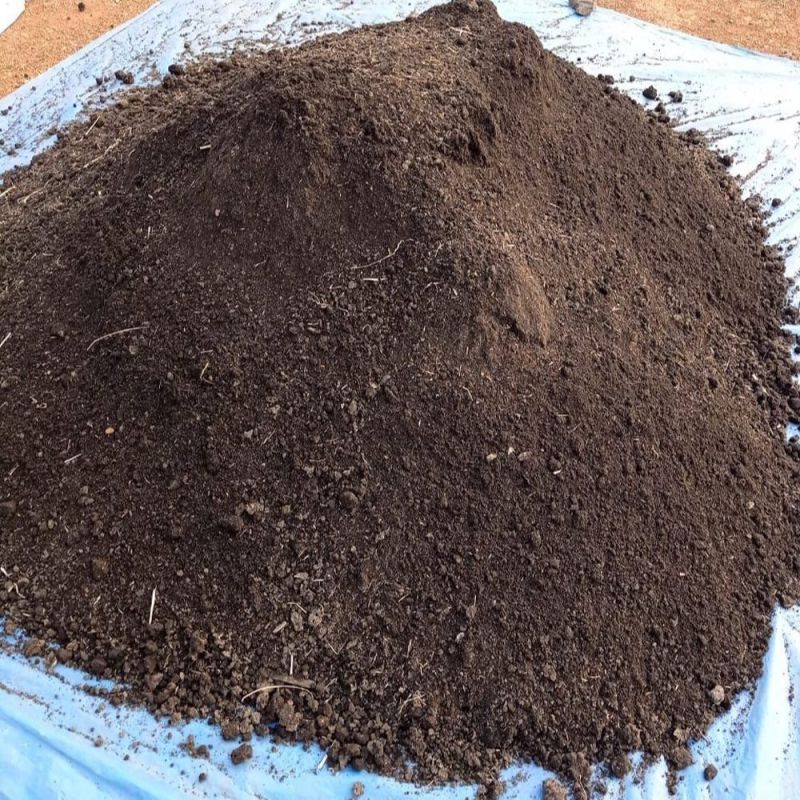
Natural products like Cow Dung Cake, Meat Bone Meal, Live Earthworm, and Phosphate-Rich Organic Manure are organic fertilizers that help improve soil health, water retention, and their ability to encourage the growth of microorganisms like earthworms. Long-term feeding plants enhances the soil fertility, rendering agriculture more eco-friendly.
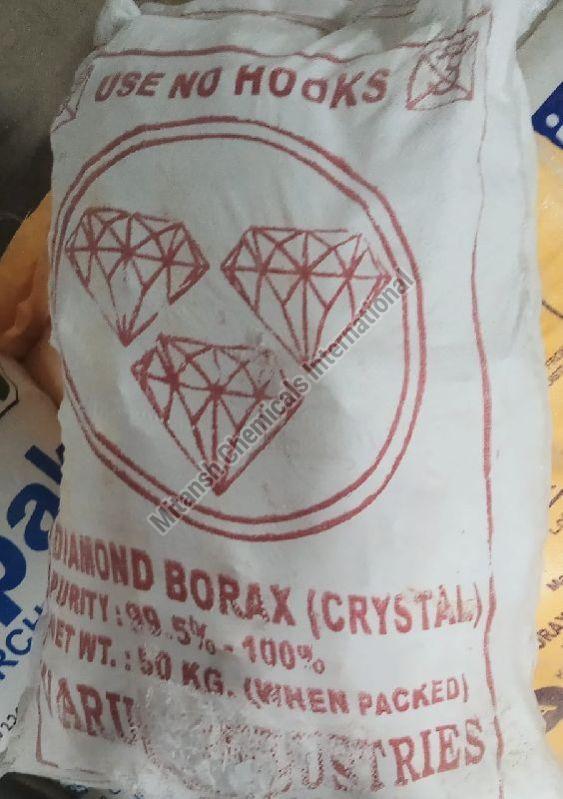
Micronutrient fertilisers, which include Boric Acid, Borax, Zinc Sulphate Monohydrate and Zinc Sulphate Heptahydrate, are necessary to provide plants with trace elements that are taken in minute amounts. They increase plant growth, nutrient absorption, and help in flowering and fruiting, as well as make sure that the crops that are grown are healthy of crops.
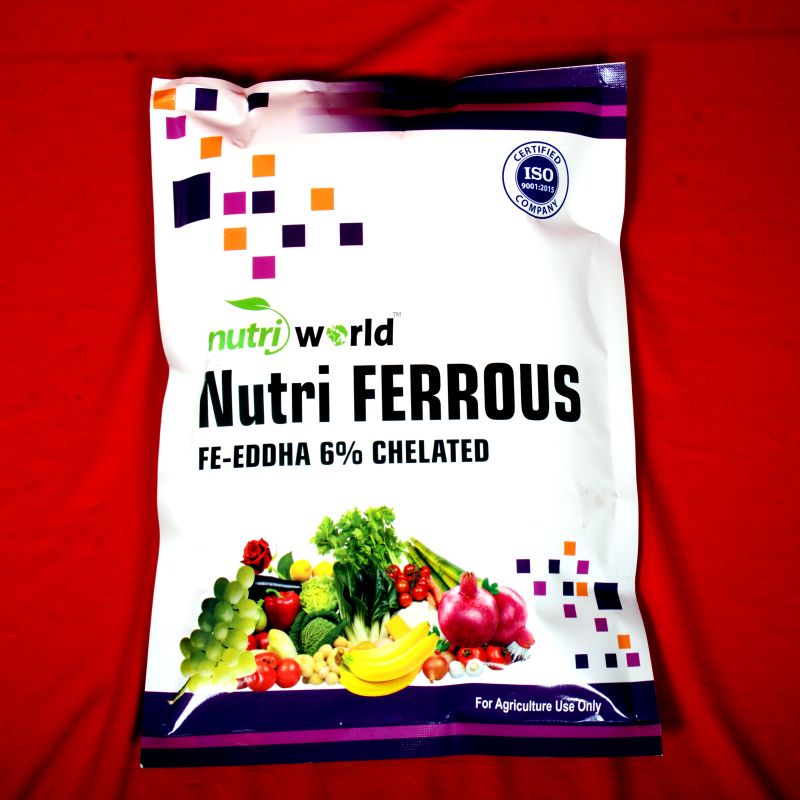
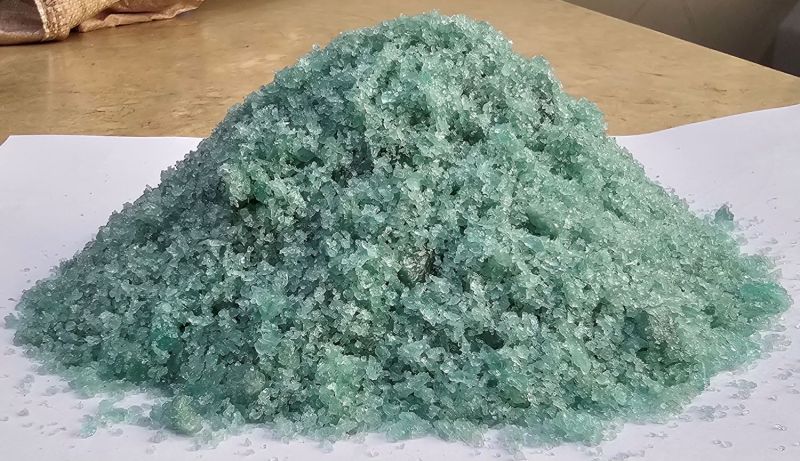
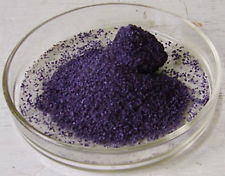
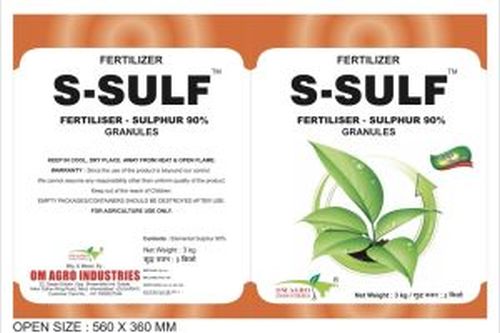
Copper Sulphate, Magnesium Sulphate, Ferrous Sulphate and Ammonium Sulphate are all forms of sulphur fertilisers which play crucial roles in raising the level of soil fertility and nutritional status of the plants. In addition, they ease the synthesis of proteins, control the action of enzymes and chlorophyll development. Plus, it also helps in the general health of crops. Such fertilisers are necessary to treat the nutrient deficiencies and yield higher production and quality products.
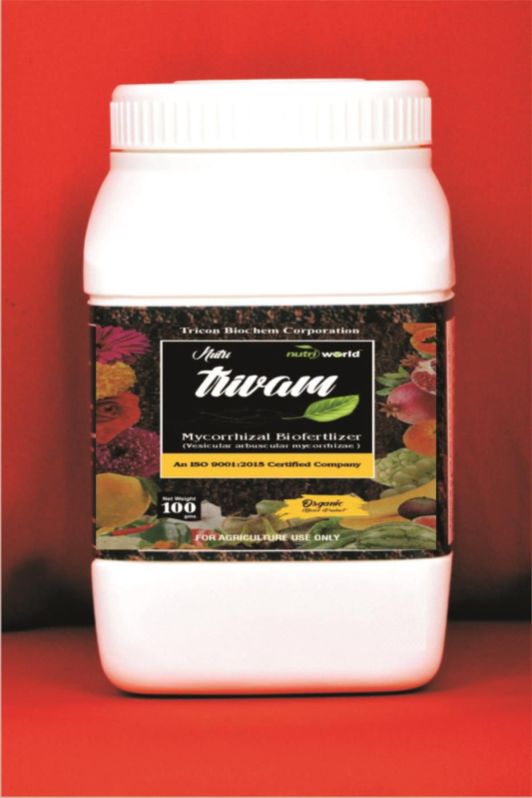
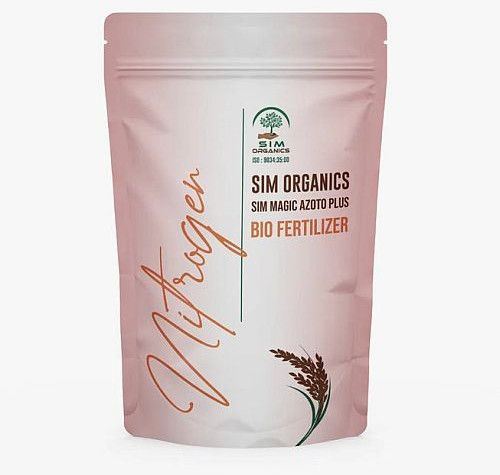
The biofertilizers which could be sprayed onto enhance the fertility of the soil in addition to enhancing efficient agricultural production. This includes such common biofertilizers as Liquid Bio Fertilizer, Rhizobium Biofertilizer, Phosphate Solubilizing Bacteria, Azospirillum Biofertilizer and Potash Mobilizing Bacteria. Together with this they also improve soil microorganisms, improve nutrient level and healthy plant growth and reduce the use of chemical fertilizers.
| Fertilizer Type | Best Use Case | Examples |
| Potassic Fertilizers | Enhance flowering, fruiting, and resistance | Potassium Sulphate, Rock Phosphate, Potassium Chloride |
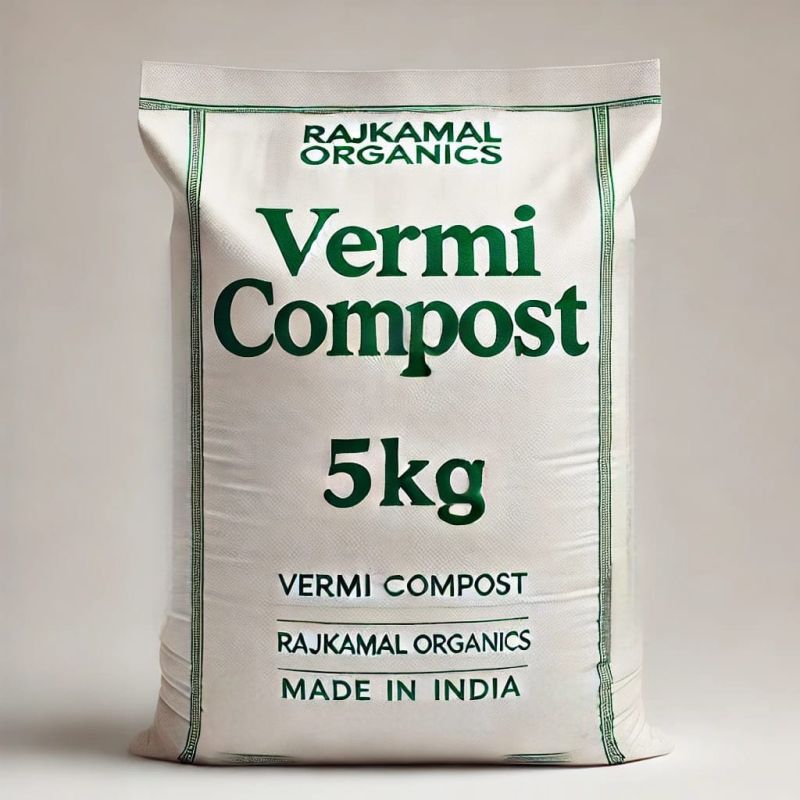
| Manure | Improve soil fertility and structure | Cow Dung Cake, Chicken Manure, Bio Organic Manure, Neem Manure, Vermicompost, Meat Bone Meal |
| Nitrogen Fertilizers | Promote leafy growth and protein synthesis | Urea, Calcium Nitrate, NPK Fertilizer, Potassium Nitrate |
| Plant Growth Promoters / Regulators | Stimulate flowering, growth, and yield | Gibberellic Acid, Triacontanol, Cyanamide, Indoleacetic Acid |
| Soil Conditioners | Improve water retention and soil structure | Vermiculite, Potting Soil, Phosphogypsum, Agricultural Perlit |
Increasing soil health, crop productivity, and sustainable agriculture through the use of soil additives and fertilizers in agricultural activities is also very significant. Through these inputs, the farmers will be in a position to produce optimally, balanced production and quality production.
These are the soil additives and fertilizers, which will help the soil to keep in check and also increase crop production and sustainability in Indian agriculture. With the help of fertilizers, farmers can produce the highest growth and productivity depending on the requirements of the soil and crop. Plus, if chemical and organic fertilizers are used together and deliver nutrients to the soil at in equal proportion. With that, it the use of fertlizers and soil additives also produces healthy soils and disease-resistant crops. Hence, the use of such practices will ensure long-term profitability of farms and sustainability of the environment.







Connect with us