 GST : 05AACPY6891P2ZO
 5.0/5
5.0/5
Our Products
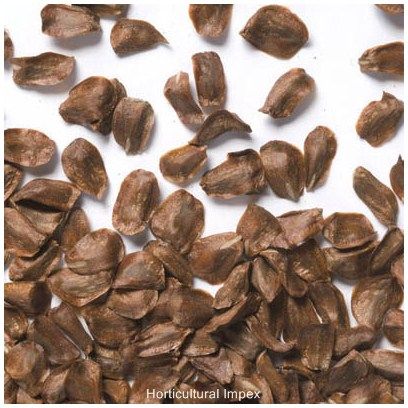
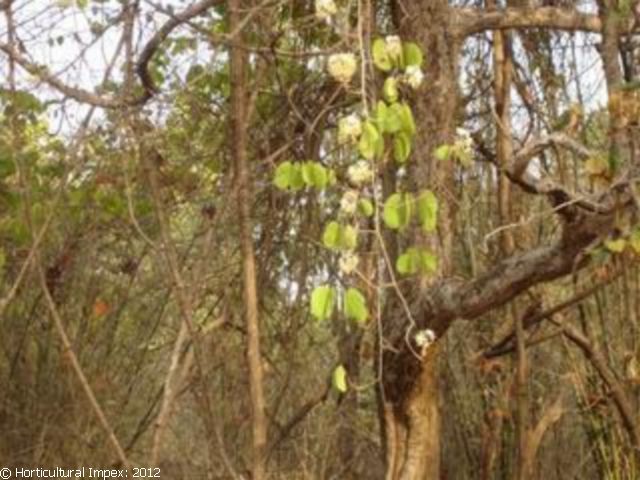
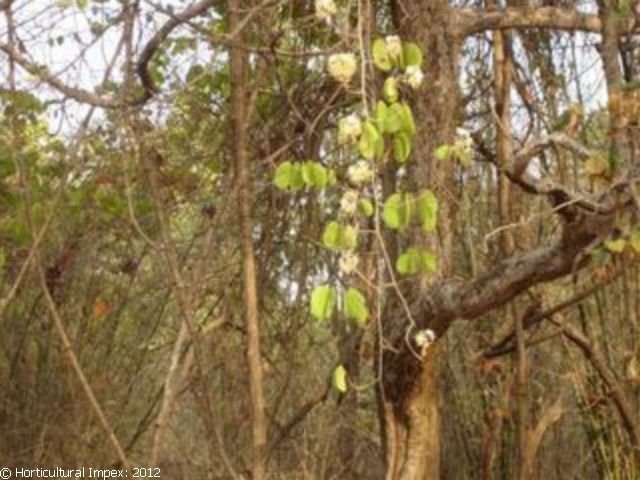
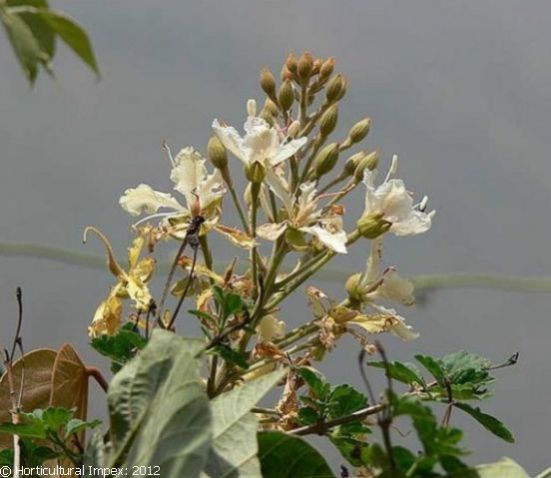
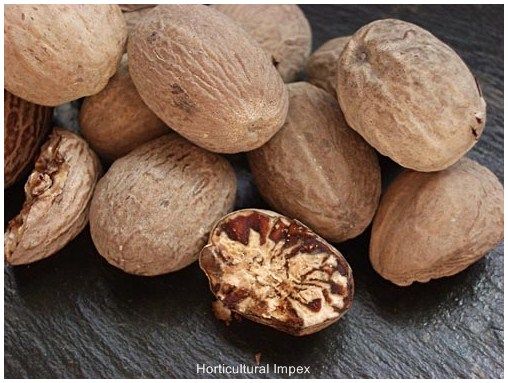
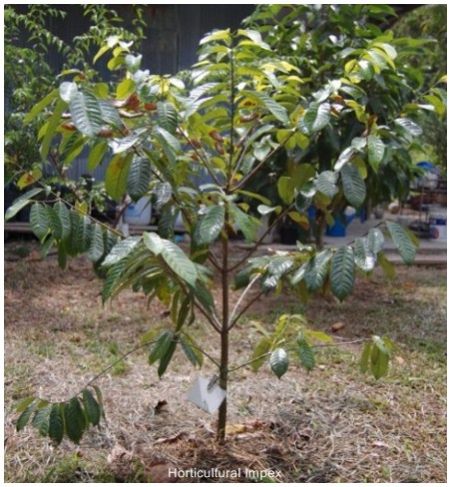
We are leaders in the market for providing best range of Pistacia Vera Seeds, Cupressus Sempervirens Seeds, Areca Catechu Seeds, Acacia Concinna Seeds and Bauhinia Vahlii Seeds
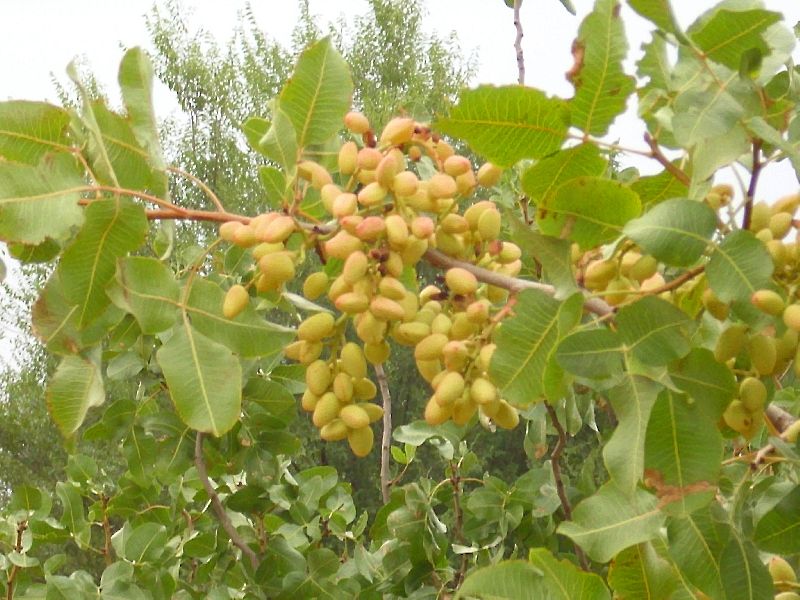
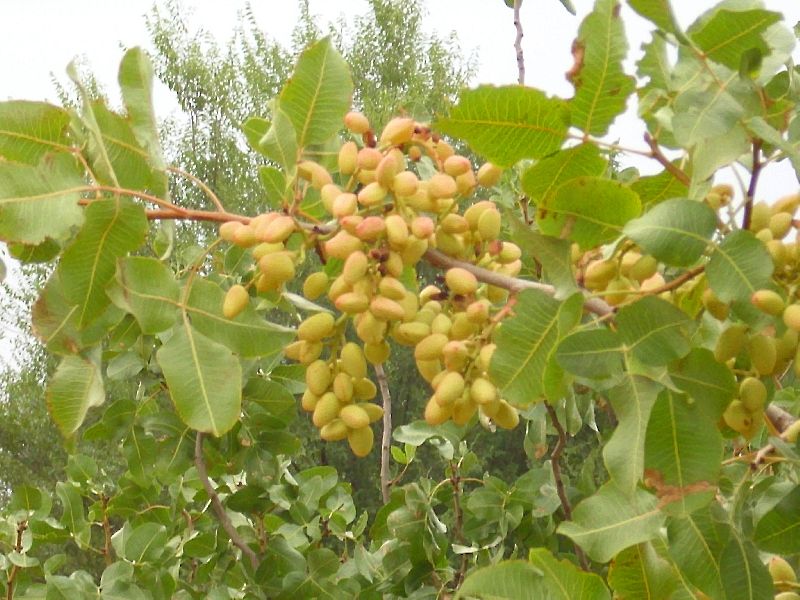
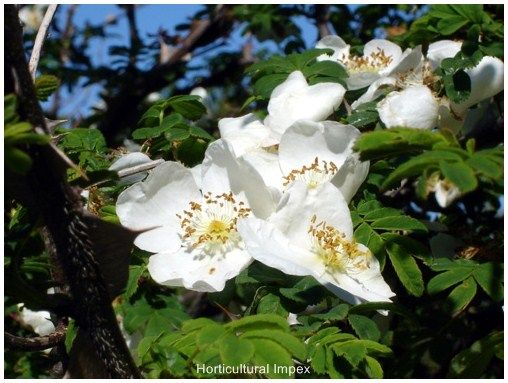
Pistacia Vera plants are shrubs and small trees growing to 5–15 m tall. The leaves are alternate, pinnately compound, and can be either evergreen or deciduous depending on species.
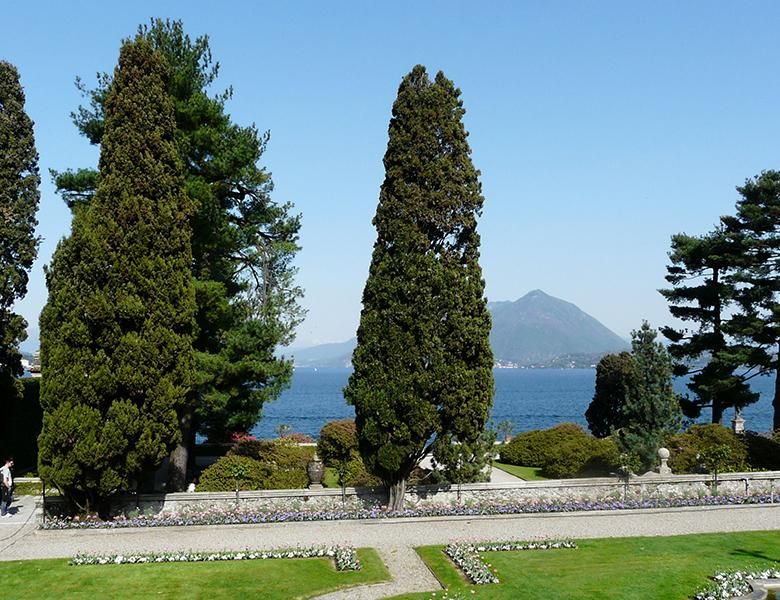
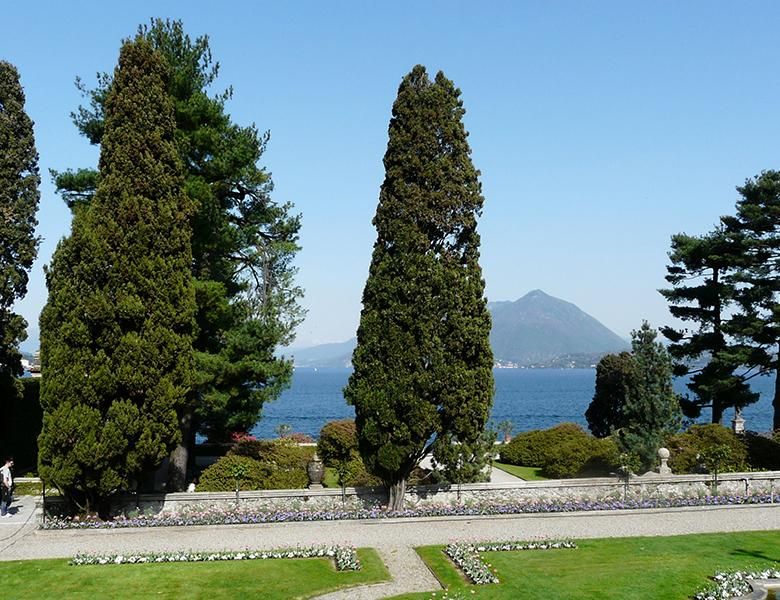
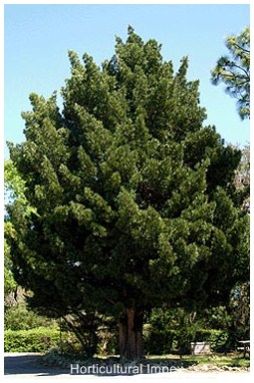
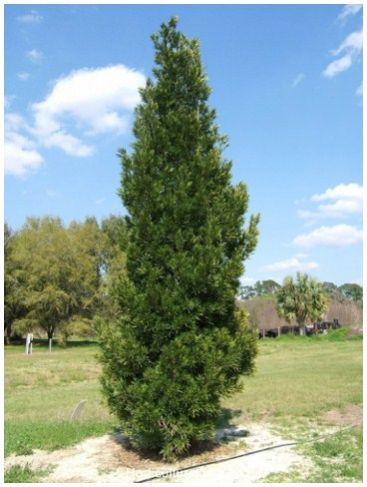
Cupressus sempervirens, a native to the Mediterranean Region, is an evergreen tree attaining a height of 40-60ft. with 2-5 mm scale-like leaves which are arranged in whorl. The leaves are simple, entire, evergreen, less than 2inches. Flower is not showy. Fruit is oval in shape. Twig is brown or grey coloured. The tree prefers climatic conditions suitable for several hundred years of life. Cupressus sempervirens seed cones are oblong or oval in shape and, and 25–40 mm in length. Cupressus sempervirens seeds remain fertile for a long period of time and are ideal for cultivation in areas with hot-dry winters and mild-wet winters. It is highly drought tolerant, moderately aerosol salt tolerant. It is also soil salt tolerant. The aromatic timber of Cupressus sempervirens is very durable and very famous for being used in doors of St Peter's Basilica in the Vatican City. It is also known as Drama Tree as it bends in slightest air breezes. Propagation can be done by layering and cutting.
Synonyms : Cupressus sempervirens Pyramidalis, Cupressus sempervirens Stricta, Cupressus sempervirens var. sempervirens
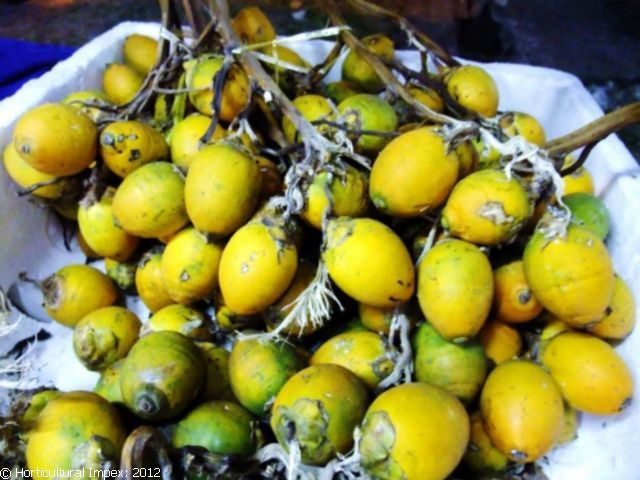
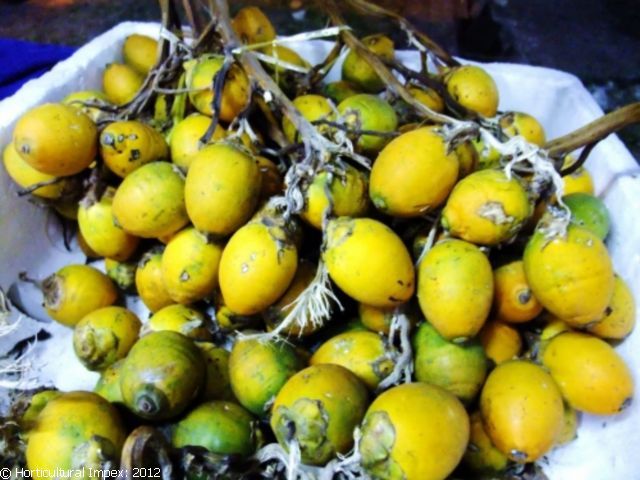
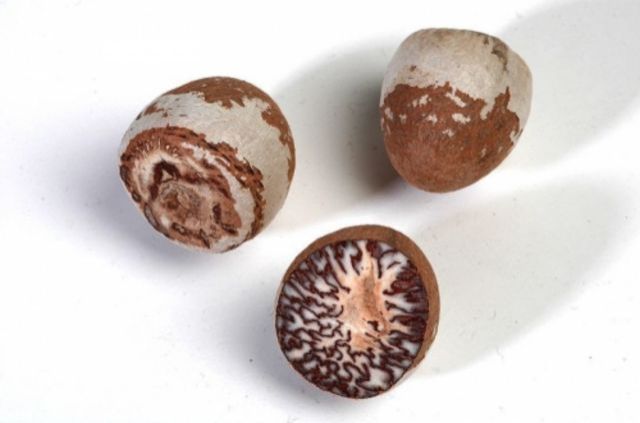
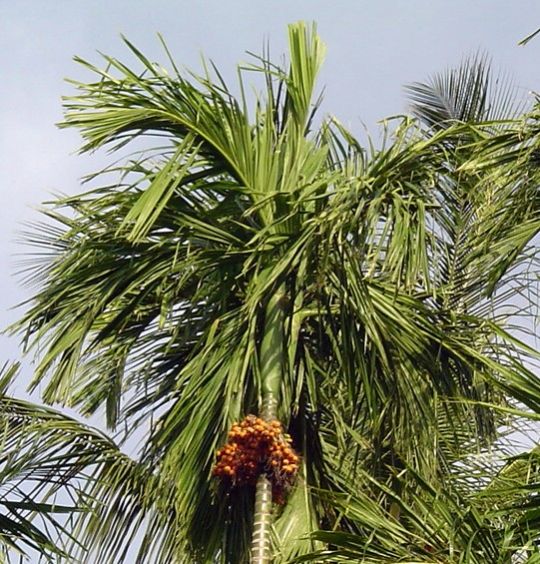
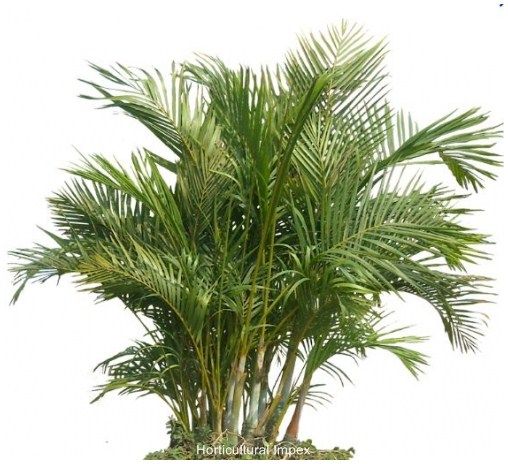
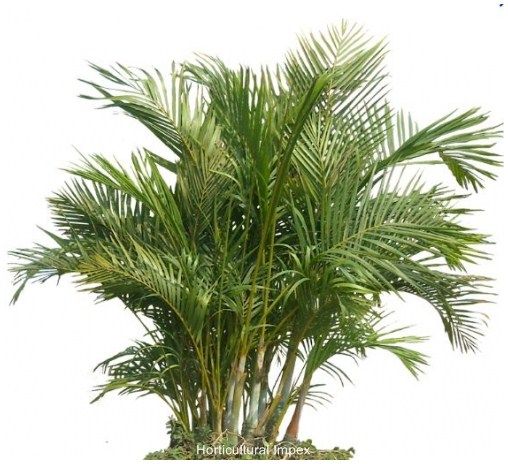
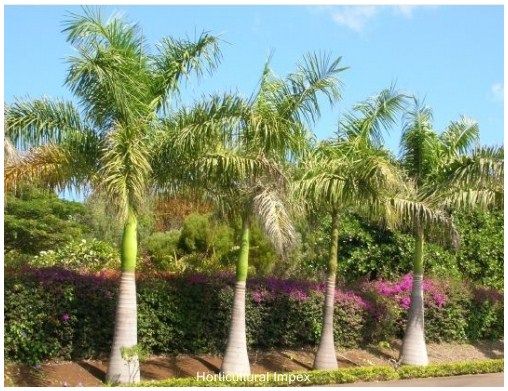
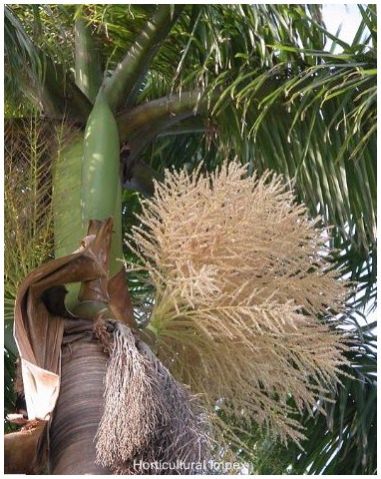
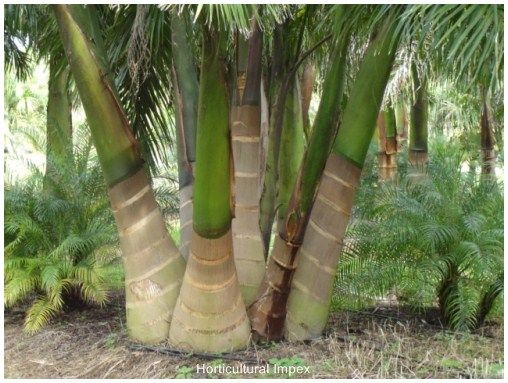
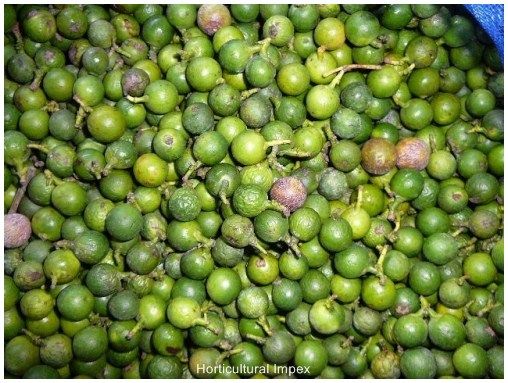
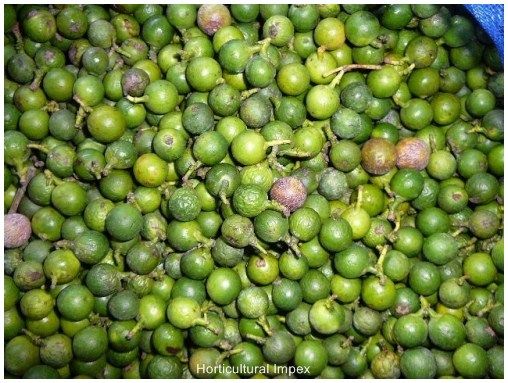
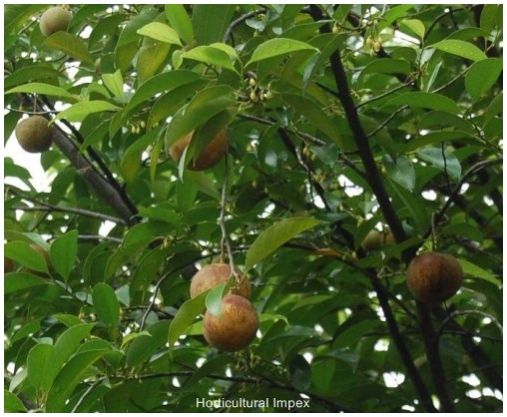
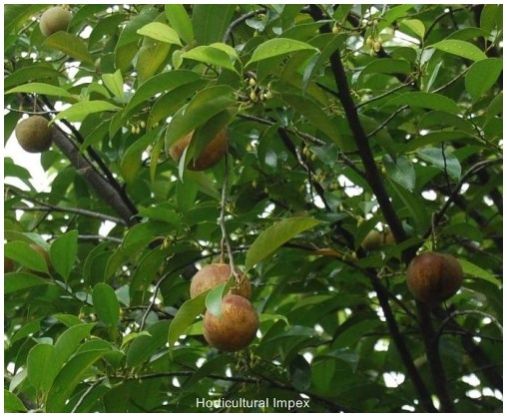
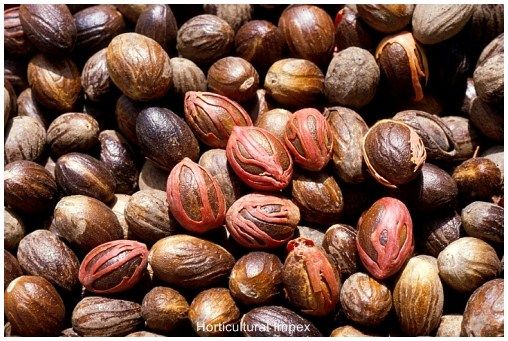
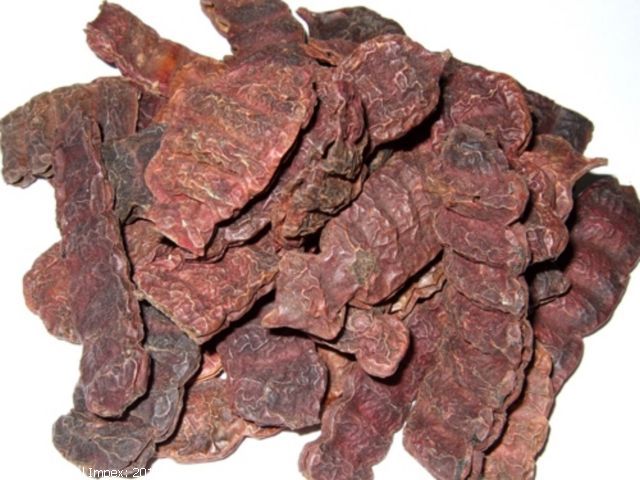
Areca catechu a tree with annulate stem, 12.18m in height, some trees reaching up to 30m, widely distributed in the coastal regions from Maharashtra to Kerala and Tamil Nadu and in the Deccan Plateau, in Assam, Meghalaya, West Bengal, and Andaman and Nicobar Islands, It is also cultivated in the areas of its ocurrence for its nuts which are commercially important. Stem surmounted by a crown of pinnate leaves, 1.2-1.8m long; leaflets numerous, 30-60cm long upper pinnae confluent, glabrous, petioles expanded into a broad, tough, shealth like growth at the lower end; spathe double, compressed, glabrous; spadices much-branched, bearing ebracteate male and female flowers; male flowers small, numerous, sessile; female flowers solitary or in groups of two or three, at or near the base of each ramification of the spadix, sessile, much larger than the male; bisexual flowers have also been recorded; fruits ovoid or oblong, 4-5cm long, smooth, orange or scarlet when fully ripe, single-sided, with persistent perianth and fibrous mesocarp; endosperm or seed-kernel, popularly called the "Arecanut:, 2-4cm in diam, greyish brown, ruminate with reddish brown lines.
Synonyms : Acacia concinna DC. (syn. Acacia sinuata (Lour.) Merrill, Acacia hooperiana , Mimosa concinna, Acacia hooperiana, Miq. var. glabriuscula Miq, Acacia hooperiana Miq. var. subcuneata Miq. , Acacia philippinarium Benth. Acacia poilanei Gagnep., Acacia polycephala DC., Acacia pseudointsia auct. non Miq. Acacia quisumbingii Merr, Acacia rugata (Lam.) Merr., Guilandina microphylla DC., Mimosa concinna
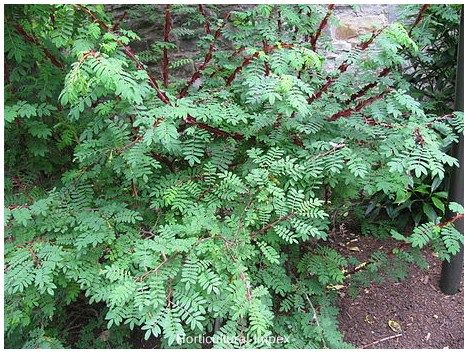
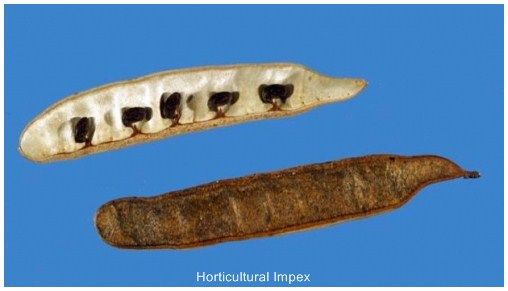
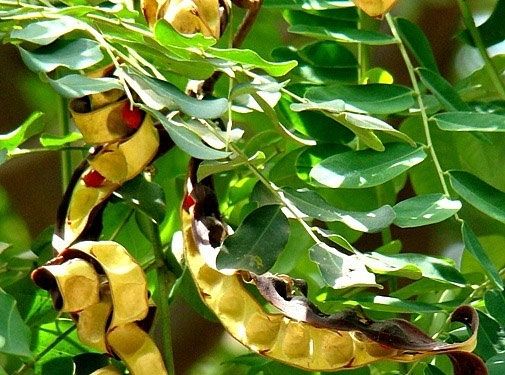
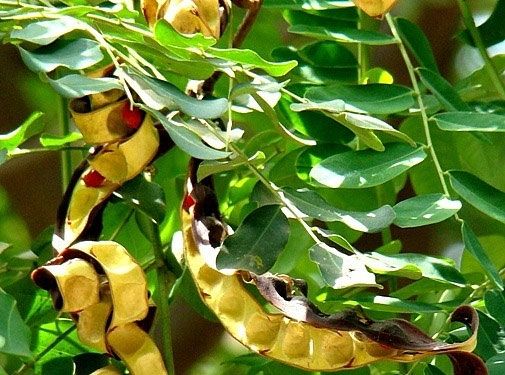
Acacia concinna is a thorny medicinal plant, native to south Asia, widely known for the organic shampoo derived from its fruit, shikakai. The leaves are bipinnate and the thorns are soft and small. There are about 6-10 Acacia concinna seeds in a pod. The pods (shikakai), have medicinal properties and are used for hair cleansing and enhancement. Shikakai is traditionally preferred over commercially available shampoo, across the Indian Subcontinent. Shikakai is also used for manufacturing body and facial care creams, across the personal hygiene industry. Moreover, a particular extract from Acacia concinna leaves has shown to be effective in treatment of malarial fever.
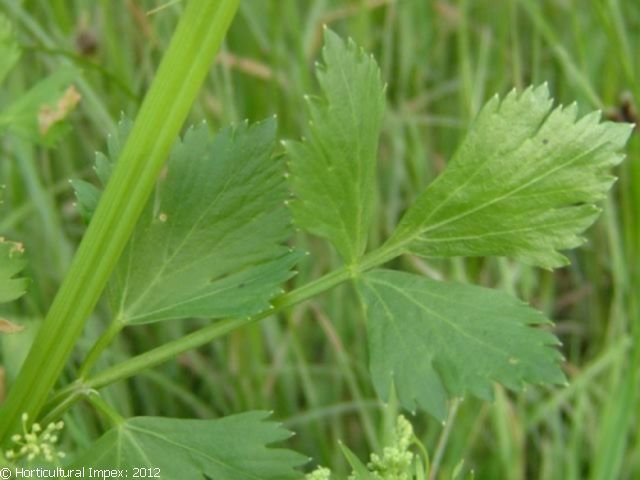
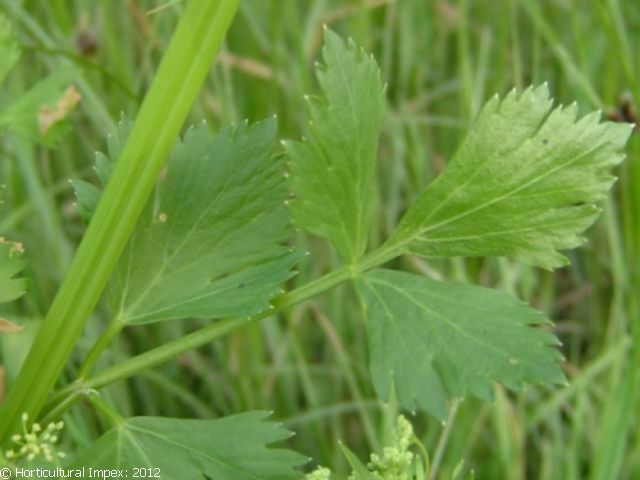
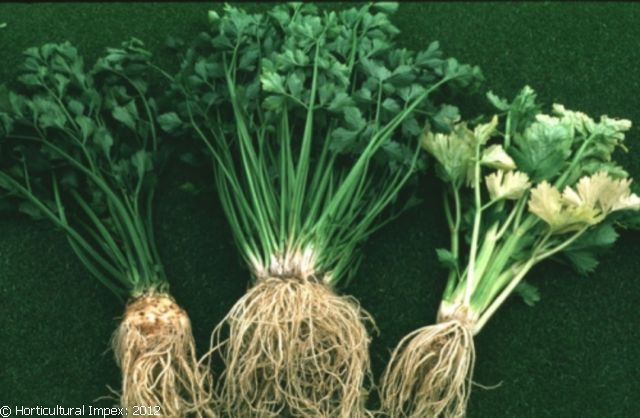
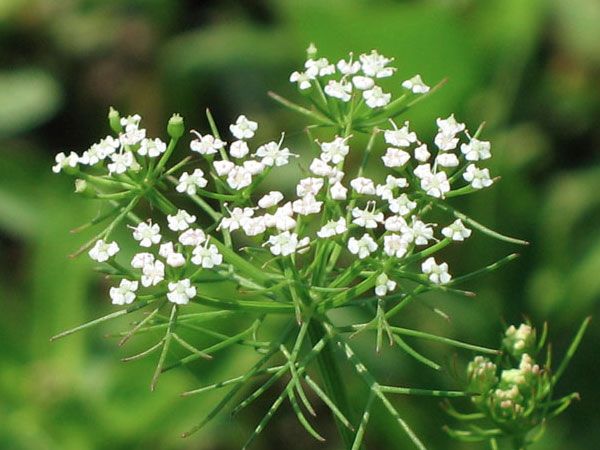
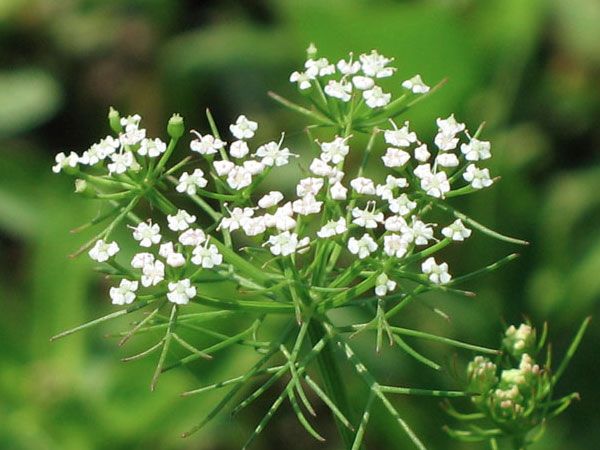
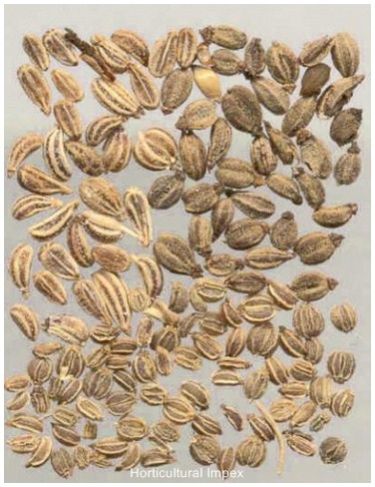
Apium graveolens an erect, annual or biennial herb, native to Europe and now naturalised and occurring wild in the foot-hills of north-western Himalayas and the outlying hills of Punjab, Himachal Pradesh and Uttar Pradesh. Roots succulent, well-developed, numerous; stems branching, angular or fistular, conspicuously jointed, up to 2.4m in height; leaves oblong to obovate, 7-18cm long, pinnate or trifoliolate, radical leaves with large deeply lobed segments, cauline tripartite; segments once or twice trifid, coarsely toothed; leaflets ovate to sub-orbicular, 3-lobed, 2.0-4.5cm long; flowers white or greenish white very small, in short-peduncled or sessile compound umbels; fruit a schizocarp consisting of two mericarps, suborbicular to ellipoid greyish brown to brown with pale ridges, 1.2mm in diam, aromatic and slightly biter.
Synonyms : Apium graveolens Linn., ?Apium dulce Mill., Apium graveolens subsp. butronensis (D.Gómez & G.Monts.) Aizpuru, Apium graveolens var. butronensis D.Gómez & G.Monts., Apium graveolens var. maritimum Dumort., Apium integrilobum Hayata, Apium lobatum Gilib., Apium lusitanicum Mill., Apium palustre Thore, Apium rapaceum Mill., Apium celleri Gaertn., Apium decumbens Eckl. & Zeyh., Apium graveolens f. lusita
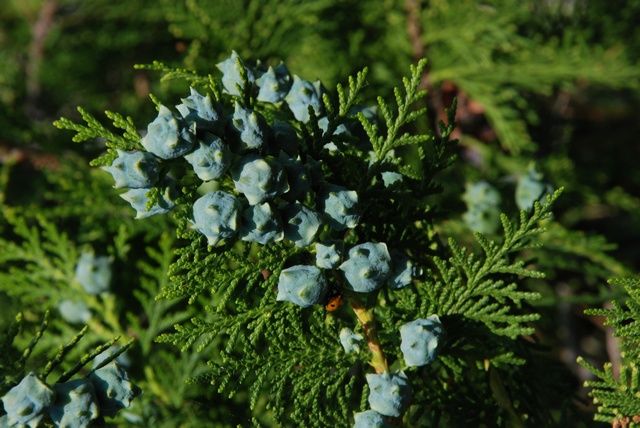
Thuja orientalis a shrub or small tree, 15mt. tall, with a dense crown and thin, reddish brown bark, native of China, grown successfully in forests in Bihar. And frequently planted for ornament all over India, particularly in hill-stations. Leaves 3mm. long rhombic-ovate, acute; cones erect, globose-ovate; seedsvinged.It is extensively cultivated as an ornamental tree in cool, moist places for its attractiveand dense foliage and bush like habit of growth. It is also grown as a hedge-plant, and for screens. The trees make fine avenues in gardens and parks. It is propagated by cuttings and seeds. The better-quality seeds are those which sink after not more than eight-hour of soaking. It is popular as a Christmas-tree in the plains.
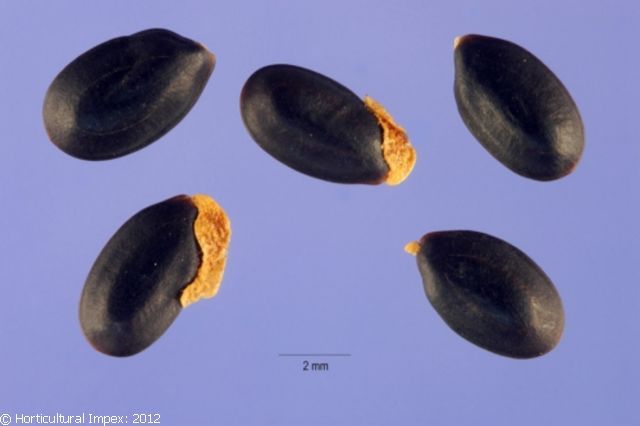
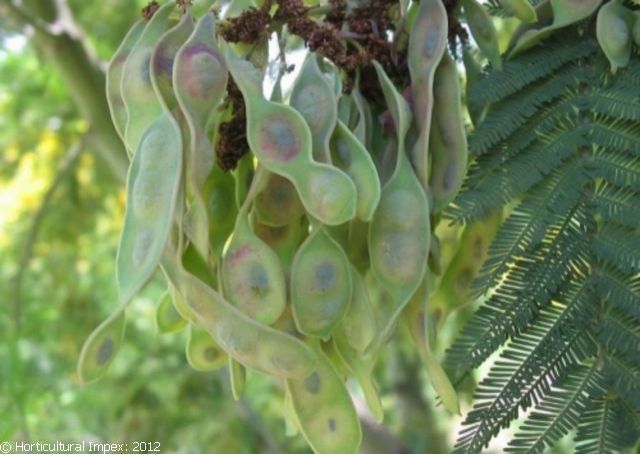
Acacia dealbata, an evergreen tree, native to Australia and Tasmania, with gray and somewhat silvery bark, was later introduced in the Nilgiri and Palni hills of India, where it attains a height of over not confirmed 6-9mt/ 8-25mt. /30mt. and girth of over 1.2m. Leaves are bipinnate and flowers are yellow and fragrant. The gum which is naturally produced by the trunk of Acacia dealbata is edible and can be substituted for Gum Arabic, which is the main ingredient in the production of soft drinks. Acacia dealbata cultivation requires a sandy loam soil and prefers a sandy location, which is sheltered from strong winds. The plant prefers hot dry conditions, but is also tolerant of wet conditions. Acacia dealbata propagation through seeds requires scarification and soaking in warm water for about 12 hrs, followed by sowing in a warm greenhouse in mid spring-season.
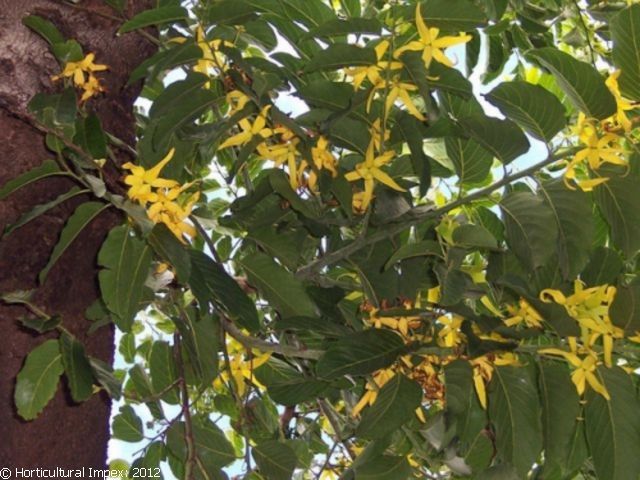
Synonyms ; Cananga odorata, Artabotrys hexapetalus, Artabotrys uncinatus, Artabotrys uncatus, Annona hexapetala, Artabotrys uncinata, Uvaria esculenta
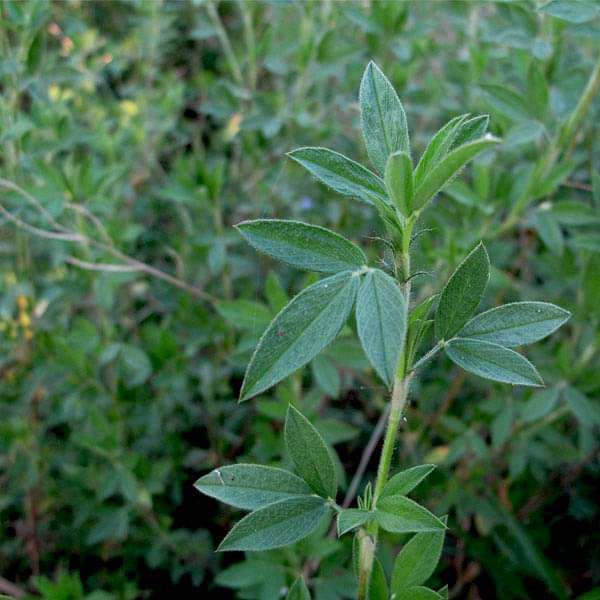
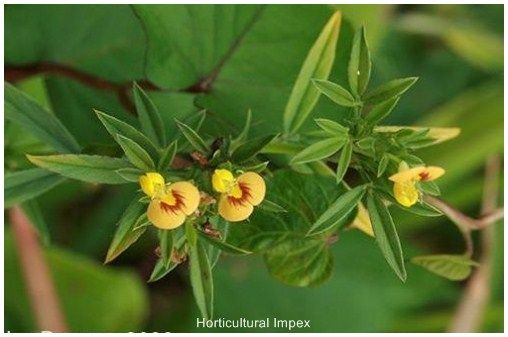
Stylosanthes scabra Erect, hardy plant, growing to a height of 1-1.5m in height, profusely branching, leaves slightly waxy in appearance.
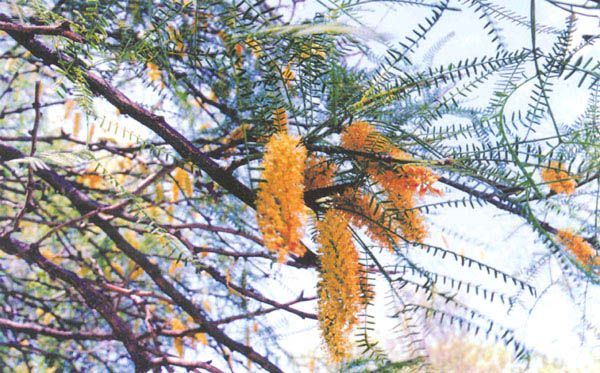
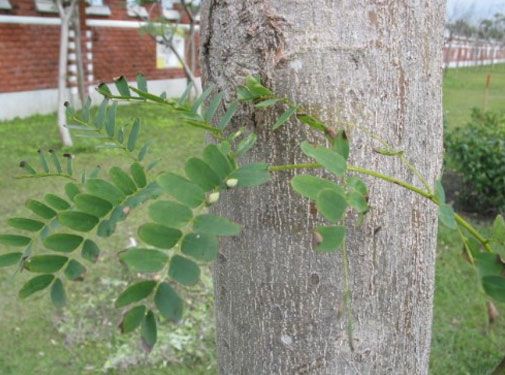
The trunk is stout and gnarled, and can reach a metre (yard) in diameter. The bark is pale brown and thick, with cracks and vertical fissures. The leaves are pinnate and up to 20 cm (8 in) long, with twelve to twenty leaflets arranged in pairs. Each leaflet is oval with a smooth margin and yellowish green upper surface. A pair of strong, curved thorns is borne at the location of each whorl of leaves. The flowers are borne in dense axillary spikes. Each individual flower has five sepals, five petals and ten stamens. The fruits are twisted or coiled pods up to 15 cm (6 in) long, with several coffee-coloured seeds inside. P. chilensis flowers between October and December and the fruits ripen between February and April.
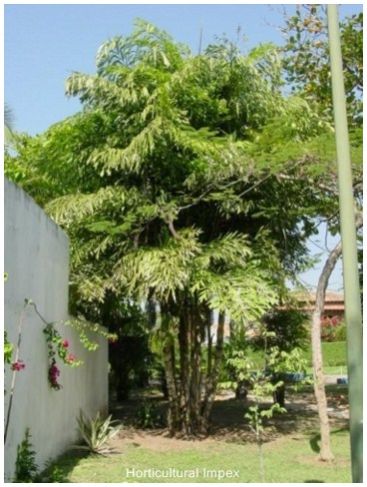
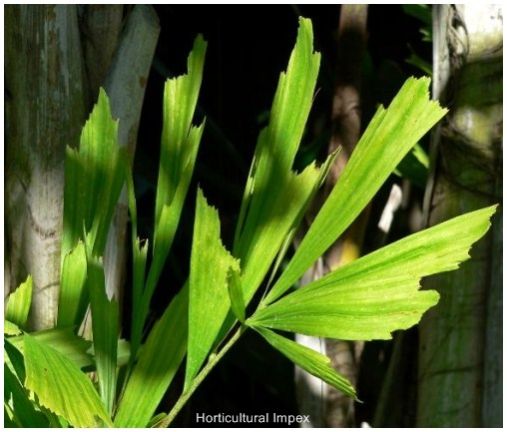
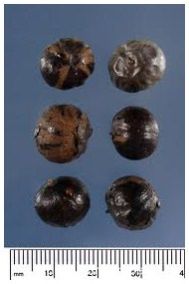
Synonyms : Caryota furfuracea Blume ex Mart. Caryota griffithii Becc. Caryota griffithii var. selebica Becc. Caryota javanica Zipp. ex Miq. [Illegitimate] Caryota nana Linden Caryota propinqua Blume ex Mart. Caryota sobolifera Wall. ex Mart. Caryota sobolifera Wall. Caryota speciosa Linden Drymophloeus zippellii Hassk. Thuessinkia speciosa Korth.
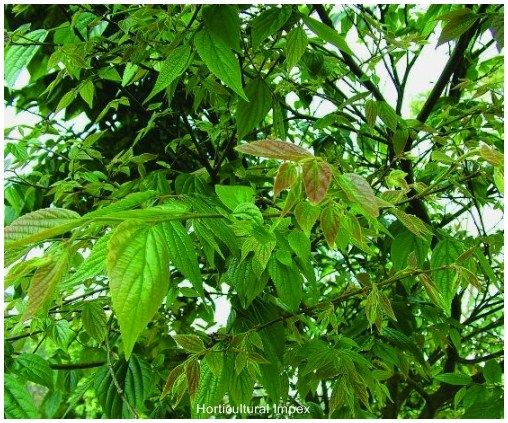
Celtis (Hackberry) is a genus of about 60-70 species of deciduous trees widespread in warm temperate regions of the Northern Hemisphere, in southern Europe, southern and eastern Asia, and southern and central North America, south to central Africa, and no
Celtis (Hackberry) is a genus of about 60-70 species of deciduous trees widespread in warm temperate regions of the Northern Hemisphere, in southern Europe, southern and eastern Asia, and southern and central North America, south to central Africa, and northern and central South America. The genus is present in the fossil recordat least since the Miocene of Europe.
Celtis species are generally medium-sized trees, reaching 10–25 m (33–82 ft) tall, rarely up to 40 m (130 ft) tall. The leaves are alternate, simple, 3–15 cm (1.2–5.9 in) long, ovate-acuminate, and evenly serrated margins.
Small monoecious flowers appear in early spring while the leaves are still developing. Male flowers are longer and fuzzy. Female flowers are greenish and more rounded.
The fruit is a small drupe 6–10 mm (0.24–0.39 in) in diameter, edible in many species, with a dryish but sweet, sugary consistency, reminiscent of a date.
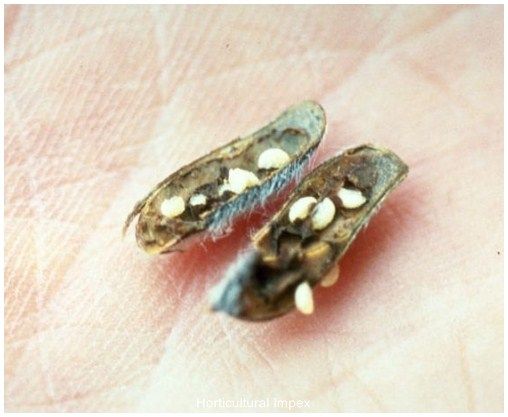
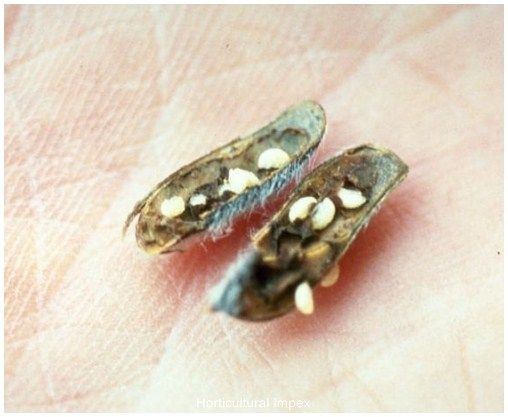
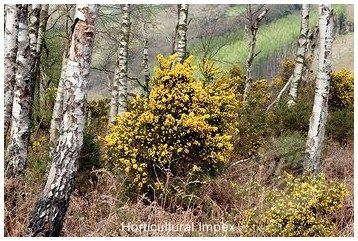
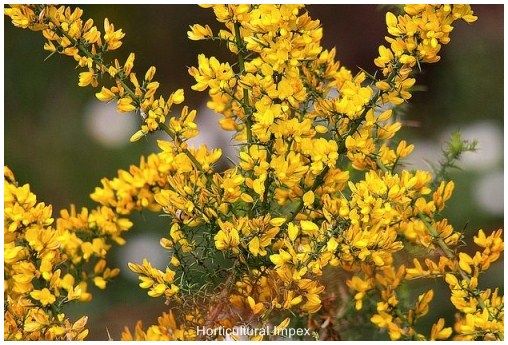
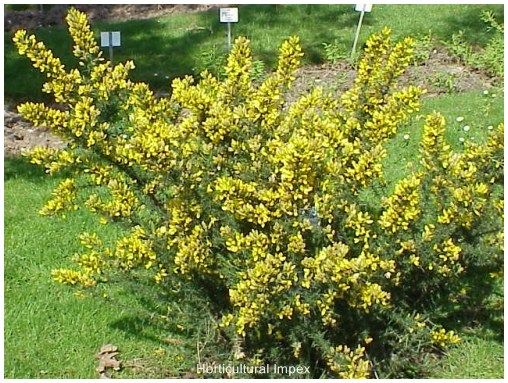
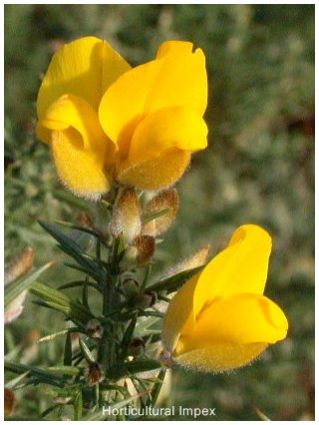
A native to Europe especially England, the 5-feet tall tree grows well in the southern hills of our country that is known as the Deccan region. The tree has great value as a medicinal plant as well as an evergreen tree that can be used for ornamental purposes.
The Ulex Europaeus Seeds are collected from the mature trees from around August to September and have seed longevity of 2 years. You can jolly store the seeds in optimum conditions for the specified time till you can plant the seeds. And we as suppliers of the seeds assure you that the seeds have a germination rate of up to 70-80%. You can also trust our quality thereby.
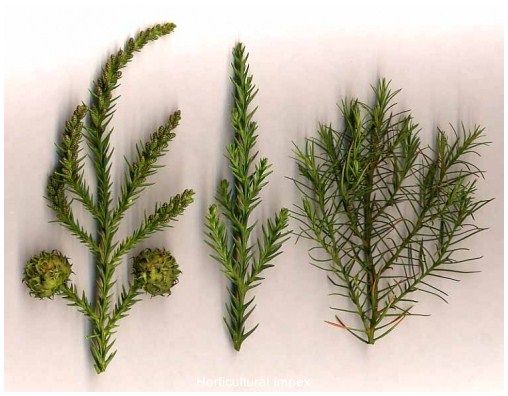
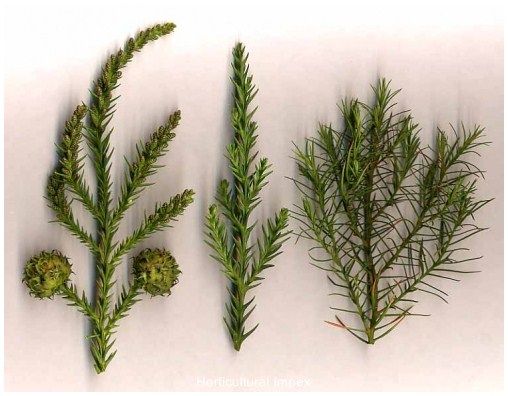
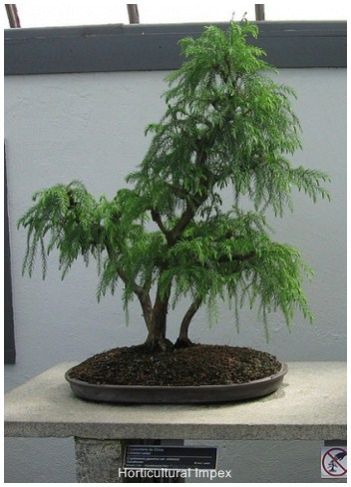
Cryptomeria japonica is a large ornamental evergreen tree, native to Japan and later introduced into India. In its native habitat the tree attains a height of about 30-40ft. and a girth of 20-25ft. Leaves are spiral, simple, entire, evergreen. Flowers are showy, monoecious with male and female flower. Fruits are round, brown and hard. It is moderately drought tolerant. Cryptomeria japonica is widely cultivated in Japan for timber and for afforestation purposes. In India, the tree grows in the western Himalayas, Assam, Darjeeling hills and Nilgiris. The tree is intolerant to dry weather and poor soils, so it grows well in finely drained and deep forest soils.
Cryptomeria japonica seeds are obtained from its cones which are produced by the tree in its fifth year. The initially green cones become brown when mature, and open their scales to shed the seeds. Cryptomeria japonica seed germination requires moist compost, which is free of any competing weed.
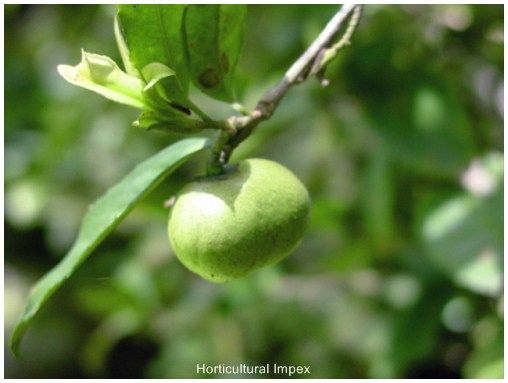
Camellia sinensis is an evergreen tree or shrub growing to a height of 30-50 ft. when left to itself. Under cultivation it is usually pruned down to a height of 2-5 feet and maintained as a bush. The leaves are alternate, evergreen, elliptic obovate or lanceolate, with serrate margin. They are glabrous or, sometimes, pubescent beneath. The young leves are more or less pubescent. Mature leaves are bright green in colour, leathery and smooth, varying in length from 2 to 12in. The flowers may be either solitary or may occur in clusters of 2-4. They are white and fragrant, about 1-½ in. diam. The capsules are brownish-green, 1-4 lobed, each lobe bearing 1-3 seeds. The seeds are spherical or flattened and brown in colour. It is native to south East Asia, but today it is cultivated in tropical and sub-tropical regions of the whole world.
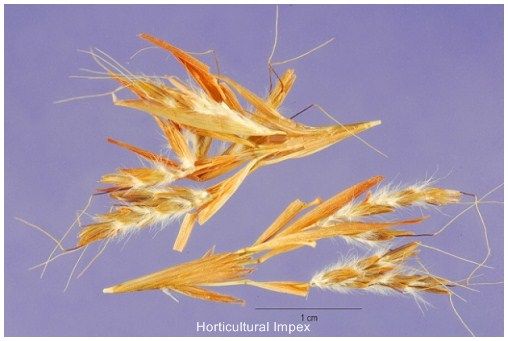
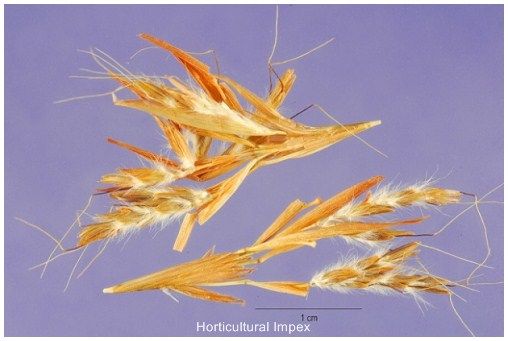
Cenchrus ciliaris a perennial tufted grass, 15-120cm., erect or decumbent; common in the plains of India, particularly in sandy and dry regions. It is cultivated in Punjab and south India for fodder. The flowered spikelets fall when ripe, leaving no glumes. It is deep rooting. The seeds have good vigour. It stands cutting well, and resists drought. It produces a fair crop even when the rain is plentiful and the soil is well drained. For raising a pasture, seeds are sown during the early rains at the rate of 16 - 20 lb. per acre. Manuring the field previous to sowing, helps in establishing a thick stand of grass. The pasture is ploughed after a shower at intervals of 3 - 5 years. A total annual yield of 30, 000 - 50, 000 lb. of green fodder per acre in 3 - 4 cuttings, has been recorded. In south India pastures are kept for long periods, from 5 - 40 years, and regular grazing is allowed from the third year onwards. It is drought resistant and widely spread by wind by sticking to animal fur.
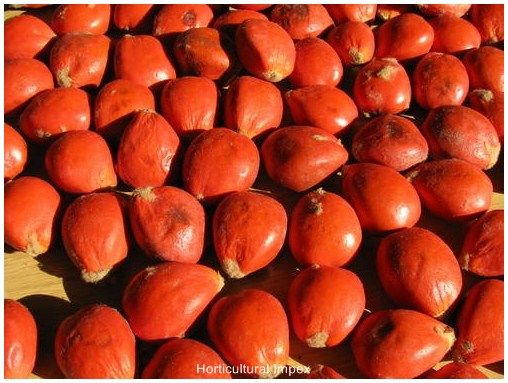
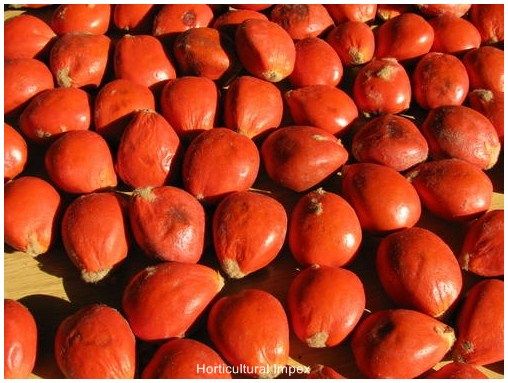
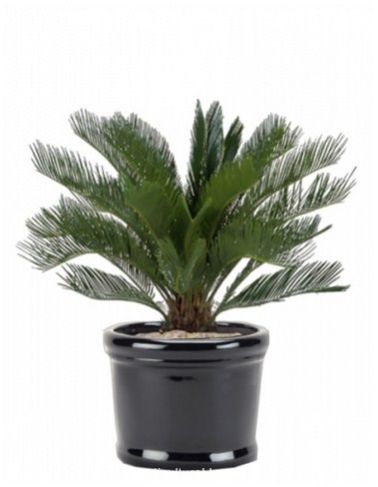
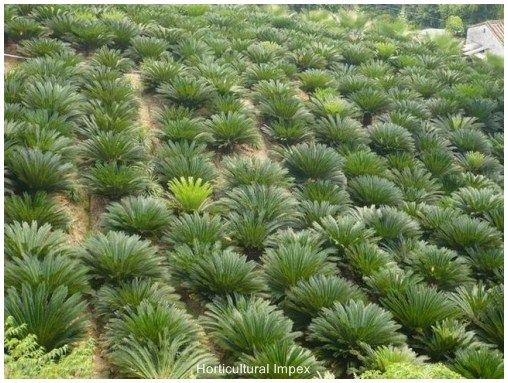
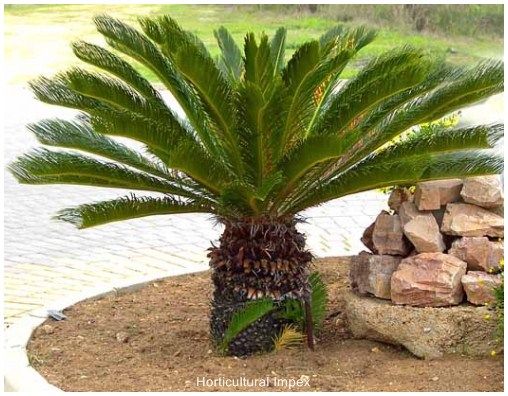
Cycas revoluta is cultivated in Indian gardens. The plant attains a height of 3.5mt. it is a slow growing plant, with larger leaves, pinnately compound, 4-5ft. long. The dark green stiff leaflets have a linear shape with a shiny upper surface. The trunk is dark brown, thick and appears shaggy. The male and female reproductive structures are in the centre. The male resembles a large con, which is upto 2feet in length. The female organ resembles a yellow furry globe, and there are many bright orange seeds that are 2 inches in diameter. It is drought resistant. The seeds contain: crude protein, 14; soluble non-nitrogenous substances, 68; and combined formaldehyde, 0.164 - 0.22%. About 90% of the formaldehyde can be removed by washing the seed flour with water. Washed meal is cooked and eaten. It is used as astringent, cancer, diuretic, expectorant.
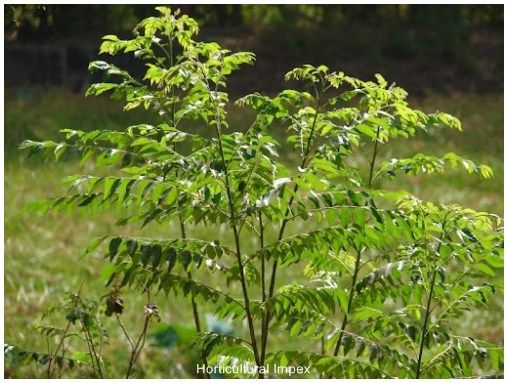
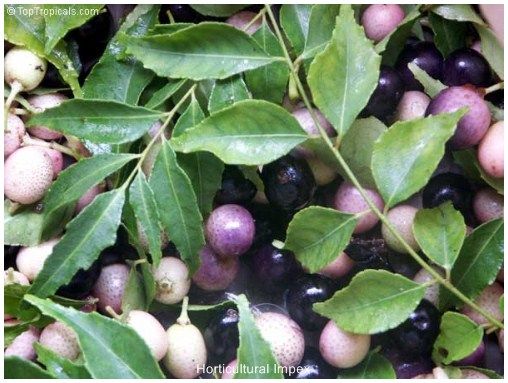
Murraya koenigii a handsome, aromatic, more or less deciduous shrub or small tree, up to 2.5 metres height and 15-40 cm. in diam, found almost black; leaves bipinnate Leaflet 9-25, ovate, lanceolate or somewhat rhomboid, irregularly crenate-dentate, acuminate, obtuse or acute, base usually oblique, almost glabrous above, pubescent beneath, glanddottted, strongly aromatic; flowers in terminal corymbose cymes, white, fragrant; berries sub-globose or ellipsoid, purplish black when ripe, 2-seeded. Fruits, round to oblong, 1.4 to 1.6 cm long, 1 to 1.2 cm in diameter; weight, 880 mg; volume, 895 microlitres; fully ripe fruits, black with a very shining surface; pulp, Wistaria blue 640/2; the number of fruits per cluster varying from 32 to 80. Seed, one in each fruit, 11 mm long, 8 mm in diameter, colour spinach green 0960/3; weight, 445 mg; volume, 460 microlitres.
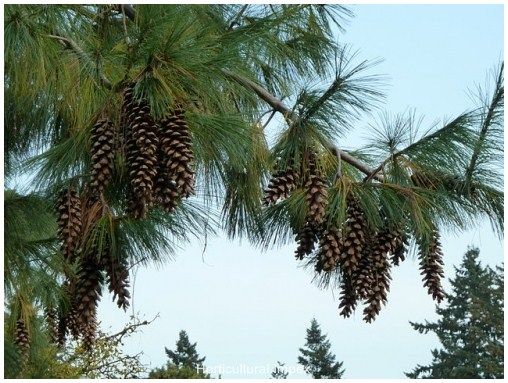
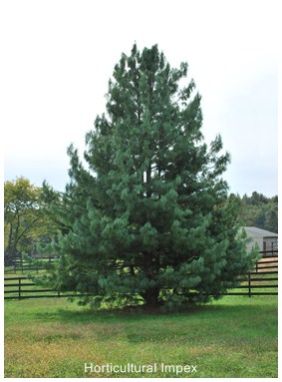
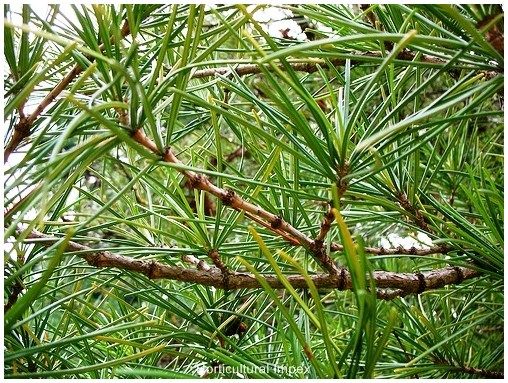
Born into a family of evergreen trees, the Pinus Wallichiana trees grow very well in high elevations like the mountainsides. In India, it is found in the northern and northeastern parts of the country leaving out Sikkim. The plant is used as an evergreen plant, for its timber and as a specimen tree.
Thus Horticultural Impex with its base in Dehradun, Uttarakhand is the leading Pinus Wallichiana Seeds Exporter being able to source it from the hills and produce them at our own unit. The quality of our seeds is comparable to none in the country. We assure all our buyers from across the globe that our seeds are superior and can be confirmed to give you assured results.
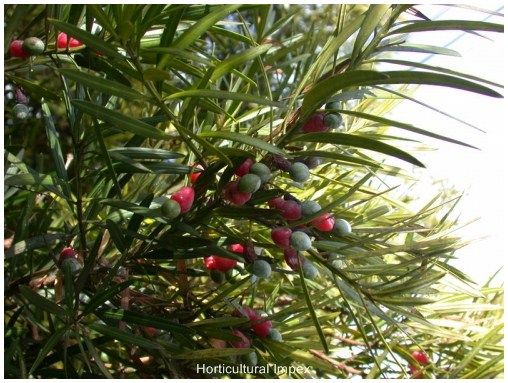
Podocarpus macrophyllus (Kusamaki or Inumaki) is a conifer in the genus Podocarpus, family Podocarpaceae. It is the northernmost species of the genus, native to southern Japan and China. Kusamaki and Inumaki are Japanese names for this tree, and Kusamaki is increasingly being used as the English name as well, replacing the old, botanically inaccurate names Buddhist Pine and Fern Pine (it is not a pine). In China, it is known as luohan song, which literally means "arhat pine".
It is a small to medium size evergreen tree, reaching 20 m tall. The leaves are strap-shaped, 6–12 cm long, and about 1 cm broad, with a central midrib. The cones are borne on a short stem, and have 2-4 scales, usually only one (sometimes two) fertile, each fertile scale bearing a single apical seed 10–15 mm. When mature, the scales swell up and become reddish purple, fleshy and berry-like, 10–20 mm long; they are then eaten by birds, which disperse the seeds in their droppings.
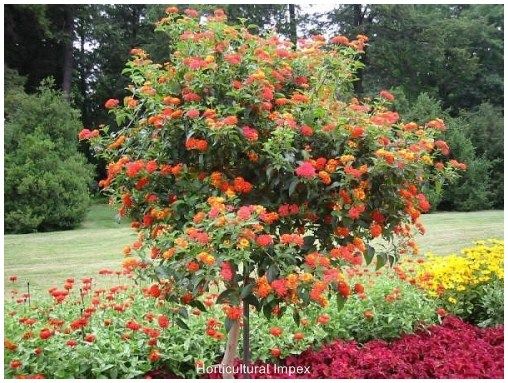
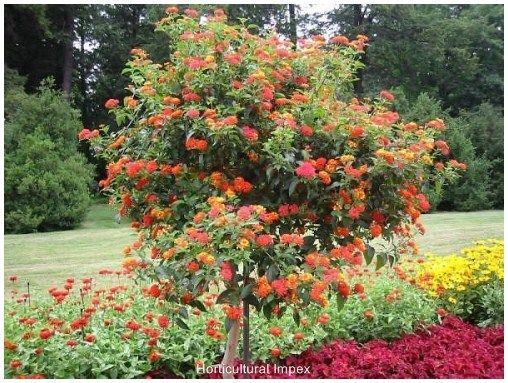
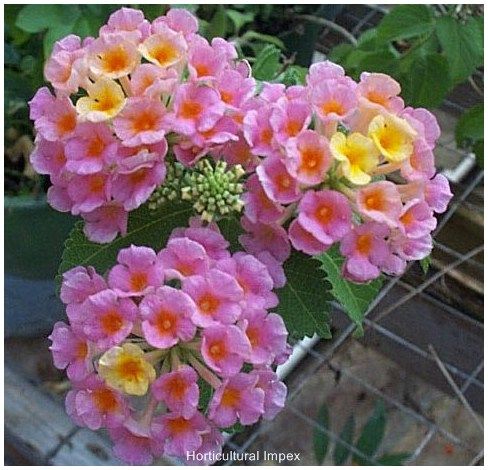
Lantana camara a hairy, unarmed or slightly prockly shrub, 0.3 - 1.8 m or more in height, native of tropical America and cultivated as an ornamental or hedge plant, Leaves opposite, ovate or oblong-ovate, crenatedentate, rather thick, rugose, scabrous above, pubescent beneath; flowers small, usually yellow or orange changing to red or scarlet, in dense axillary heads; fruit drupaceous, 5 mm. diam., greenish black.
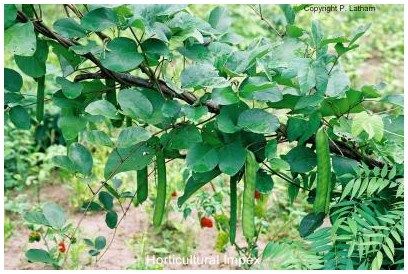
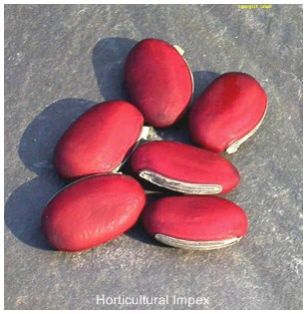
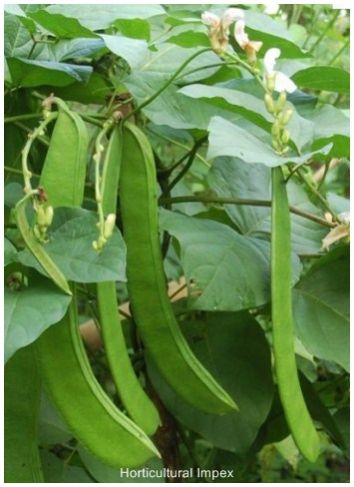
Canavalia gladiata a large, annual climber, widely cultivated nearly throughout the East, attain a height of 6feet. It has not been found so far in a wild state in India, but it is supposed to have originated, probably from C. virosa Wight & Arn., a wild climber extending from W. Africa to Philippines (Piper & Dunn, Kew Bull., 1922, 134). It exhibits some variations under cultivation, particularly in the length of pods and number of seeds (Haines, III, 278). It is grown mostly near houses and hedges of fields and left to trail on walls and trees.
It is generally twining in habit, but semi-erect varieties are known. It grows vigorously and bears large white or pinkish flowers and large sword shaped pods, 8-12 in. long and 1.0 - 1.5in broad. The pods are more curved and have more strongly developed ridges than those of C. ensiformis. The seeds are rose or pink in colour, but occasionally greyish or white. They are strongly compressed and have a hilum nearly as long as the seed. The fruits are eaten as a vegetable in Africa and Asia. It is also grown as ornamental plant. Propagation is done from seeds.
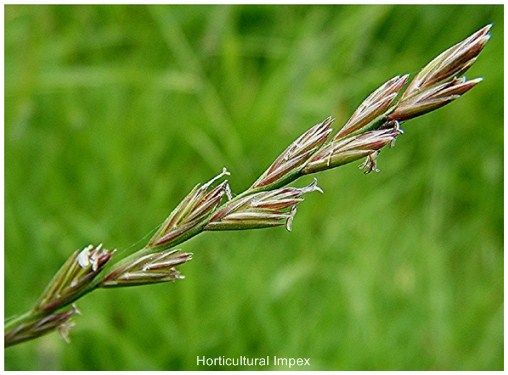
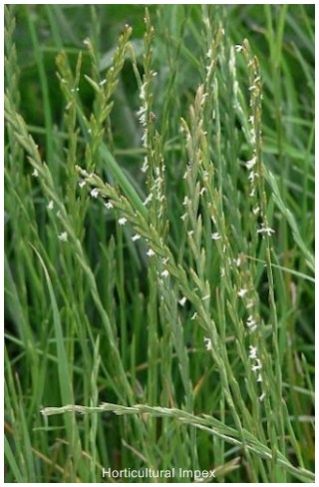
Lolium perenne is a perennial grass with tufted stems, up to 90cm high, found in western Tibet at c. 4500m. Leaves flat, hairless, pointed or blunt, up to 30cm long and 1.25cm broad; spikes straight with spikelets stalkless; grain glabrous tightly enclosed in the hardened lemma and palea.This grass has been introduced into Simla, Sikkim, Shillong, Nilgiri and Palni hills. It is considered worthy of trial in the lower foothills, valleys and highlands of S. India and also in such places as Kangra valley in Punjab, where grassing is deficient. It responds well to cultivation and manuring, and can be grown in mixture with clover and other grass species. It withstands cuttings and grazing, and yields an excellent fodder for horses, cattle and sheep.
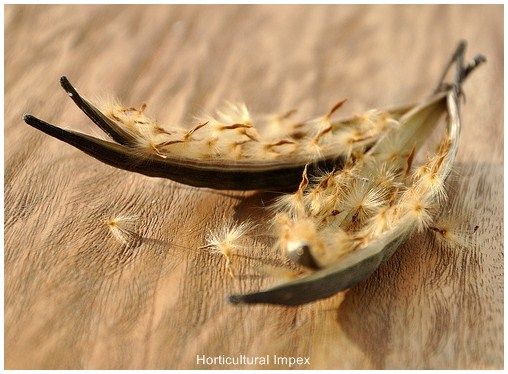
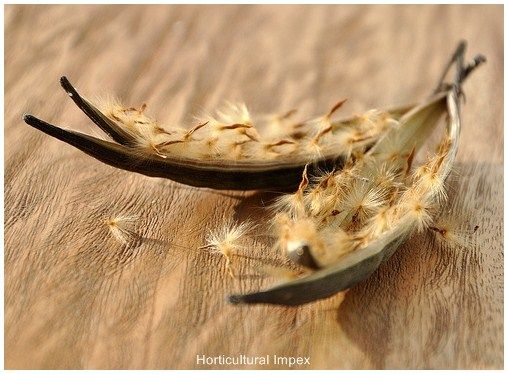
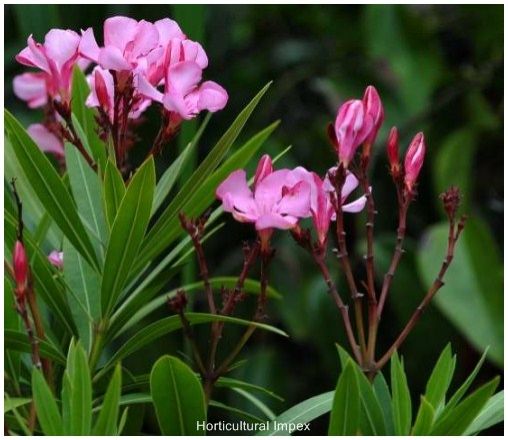
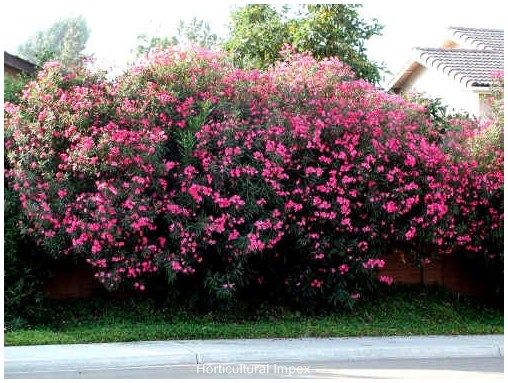
Nerium oleander a large evergreen shrub with milky juice found in the Himalayas from Nepal westwards to Kashmir up to 1950 m and in upper Gangetic plain and Madhya Pradesh; it is found as an escape in many other states. The plant attains a height of 3mt. Leaves mostly in whorls of 3 sometimes 2, linear-lanceolate, acuminate, coriaceous; flowers white, rose or red, in terminal cymes, fragrant; fruit a follicle, 15-23 cm. long, connate; seeds numerous, small, tipped with coma of light brown hairs. The plants are almost free from pests and diseases and untouched by cattle and goats, due to their toxicity. In India they are thus the most favoured plants for the road dividers, where a plant has to withstand heat and dust, and little water. There are single and double forms in white, pink and red.
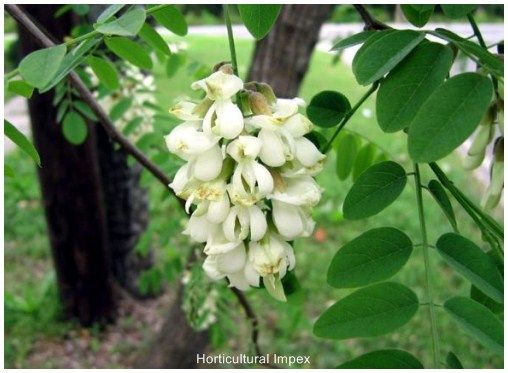
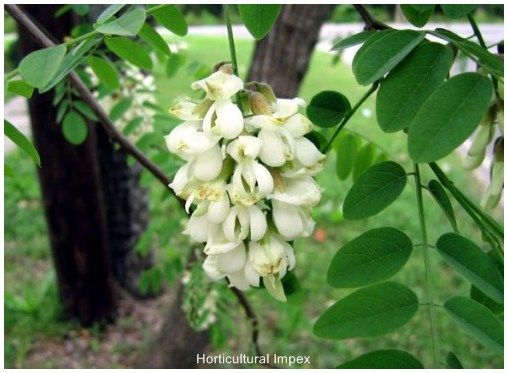
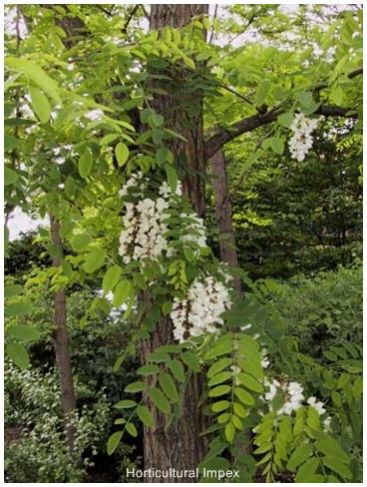
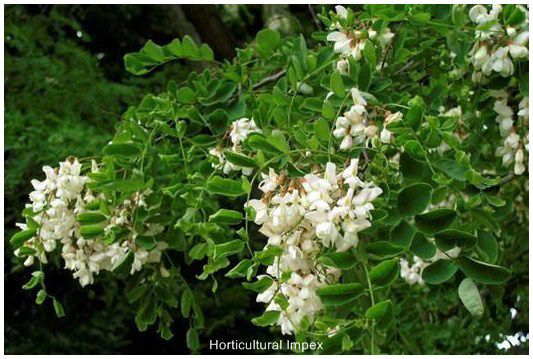
Robinia pseudoacacia a medium sized, thorny tree, reaching height up to 30m and a girth of 2.8m. Bark thick, rough, brown, longitudinally furrowed; leaves imparipinnate; leaflets 7-23, up to 5 cm. long, elliptic or oval; flowers white, very fragrant, in axillary, pendulous racemes; pods flat, brown, 12.5cm x 1.8cm; seeds up to 16 in a pod, c. 5 mm. long, reniform, dark brown.In Jammu and Kashmir, the tree was introduced foor ornamental purposes c. 50 years ago, and gradually it assumed importance for soil conservation and afforestation in the western Himalayas. Robinia is easy to cultivate. It yields fodder and timber, and is a source of nectar for bees. The tree is useful for farm forestry.
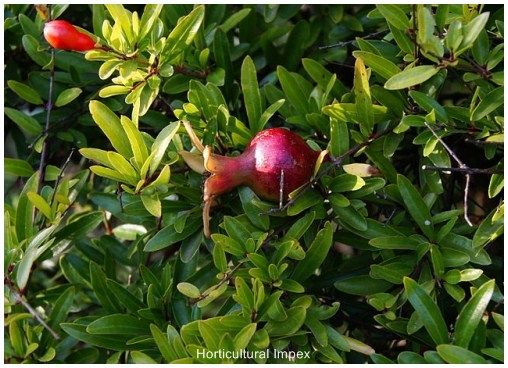
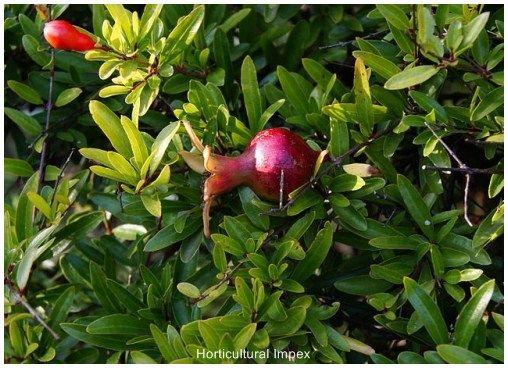
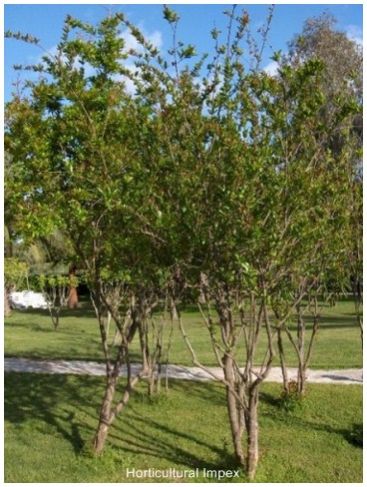
Punica granatum is a shrub or small tree, 5-8m. high, considered to be a native of Iran, Afghanistan and Baluchistan, found growing wild in the warm vallyeys and outer hills of the Himalaysa between 900 and 1800m and cultivated throughout India. Bark smooth, dark grey; branchlets sometimes spiniscent; leaves 2.0-8.0cm long, oblong or obovate, shining above; flowers usually scarlet red, sometimes yellow, 3.7-5.0cm long and as much across, mostly solitary or 2-4 together; fruits globose, crowned by persistent calyx, with a coriaceous woody rind and an interior septate with membranous walls, containing numerous seeds; seeds angular with a fleshy testa with is red, pink or whitish.
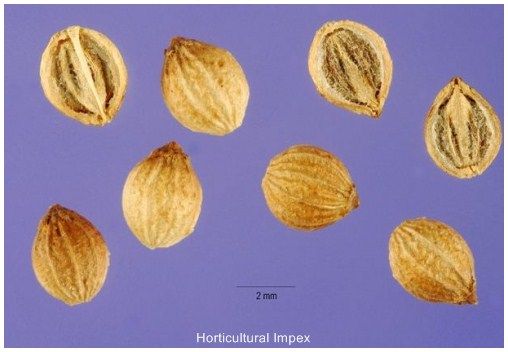
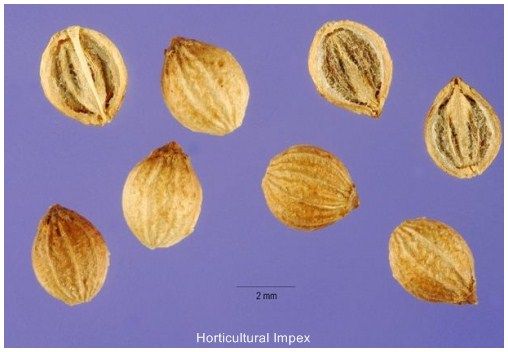
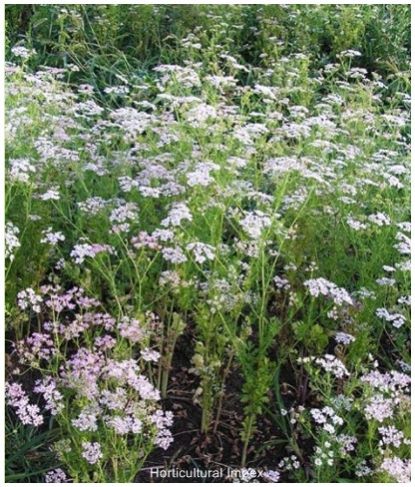
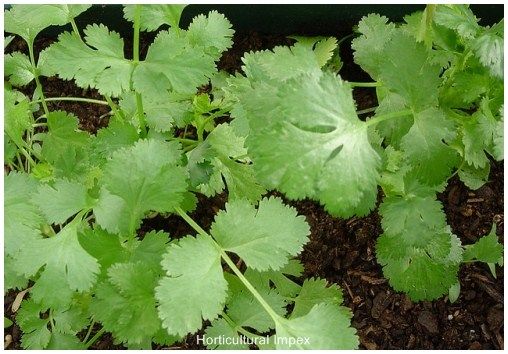
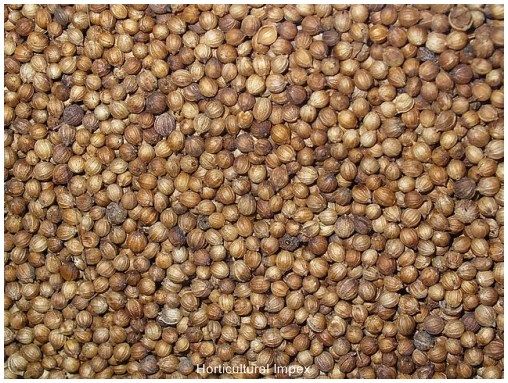
Coriandrum sativum an annual herb, 1-3 feet high, with small, white or pinkish purple showy flowers borne on compound terminal umbels. The lower leaves are broad with crenately lobed margins, while the upper ones are narrow, finely cut with linear lobes. The fruits are globular and ribbed, yellow brown in colour and range in size from 2.0 - 3.3 mm. diam. When pressed they separate into two halves (mericarps), each containing a seed. Coriander is a native of the Mediterranean region and is extensively grown in India, Russia, Central Europe, Asia Minor and Morocco. Flowering occurs in June-July. And seeds ripen from Aug.-Sep. the flowers are hermaphrodite and pollinated by seeds. The plant is self-fertile. It can grow in semi shade. It prefers dry and moist soil. It is native to Europe. It is used in anti dirrhoeal, appetizer, aromatherapy, aromatic, carminative, expectorant, stimulant, nacrotic.
Centella asiatica a prostrate, perennial, faintly aromatic herb found wild throughout India and Ceylon up to an altitude of 2, 000ft. This plant attain a height of 0.2-1mt. The leaves are orbiculoreniform, 0.5 - 1.5 inches in diam., with short stalks. The plant enjoys considerable reputation in Indian systems of medicine as diuretic, alterative and tonic. An infusion of the plant is used in India and Madagascar in the treatment of leprosy and is known to ameliorate the symptoms of the disease and to improve the general health of the patient. The leaves are commonly employed, but the use of the whole plant is recommended.the ususal dose for oral administration is 5 - 10 grains of the plant powder , thrice daily. In larger doses, the drug is a stupefying narcotic, producing giddiness and sometimes coma.
It is reported to be a useful cover crop in tea and rubber plantation in Ceylon, although opinion on this point is not unanimous. It is also reprted to possess insecticidal properties.
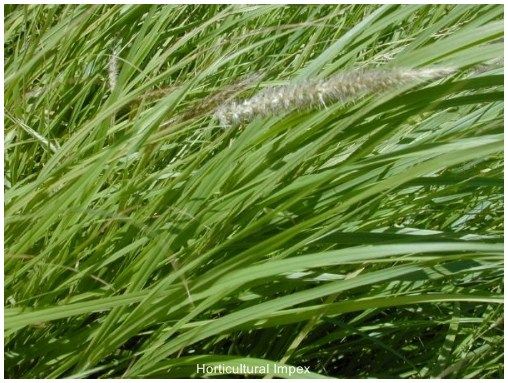
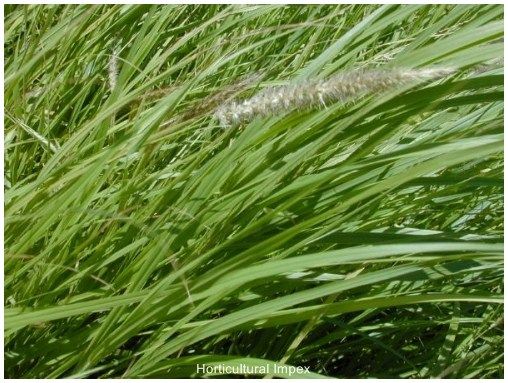
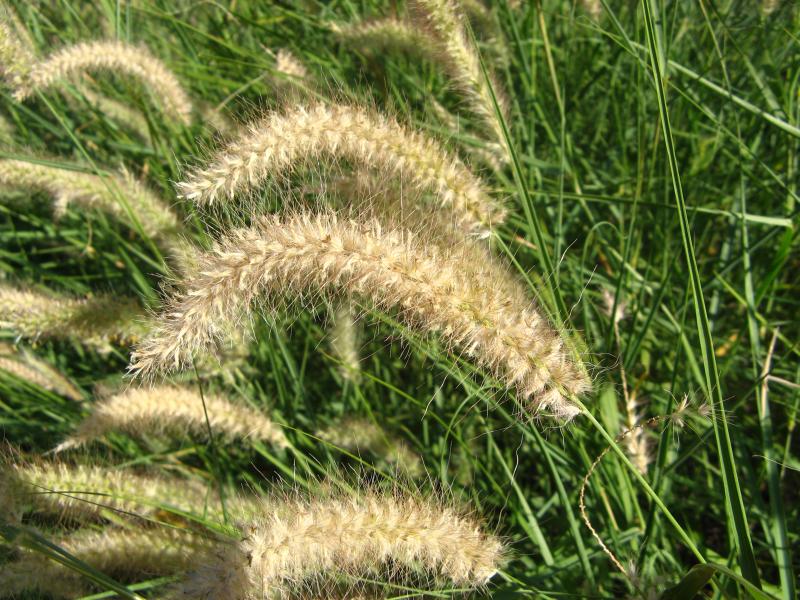
Cymbopogon martinii a tall perennial sweet-scented grass, 5- 8 ft. high, occurring in the drier localities of India, from Kashmir through Punjab hills to Almora, Garhwal and Singhbhum and extending from C.P. to Rajputana, Bombay and south India. Two varieties are known, Motia and Sofia, which are morphologically indistinguishable. It is stated that experienced farmers can distinguish them in the field both by their appearance and scent. The two varieties have different habits and grow under different ecological conditions. The motia variety is not gregarious and it occurs in patches 1 - 2ft. apart. It grows in open forests or clearings on dry sunny slopes. The sofia variety, on the other hand is gregarious and covers considerable area. It grows in lower altitudes and valleys, in shady nullas, and dense moist areas with poor drainage.
It has fragrant leaves, long slender stems and terminal flowering tops. It is a drought hardy grass attaining a height of 1.5 to 2.5m having hairy and fibrous shallow root system with long linear lanceolate leaves. It produces large fawn coloured inflorescence containing while, hairy star like spiked flowers. It is native to India.
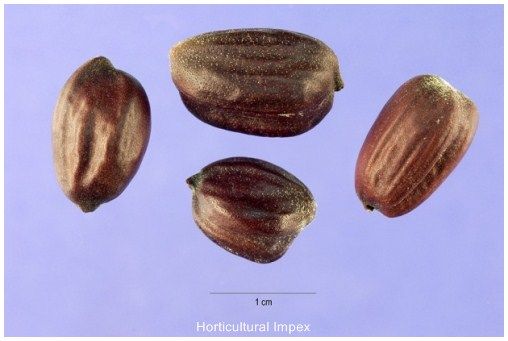
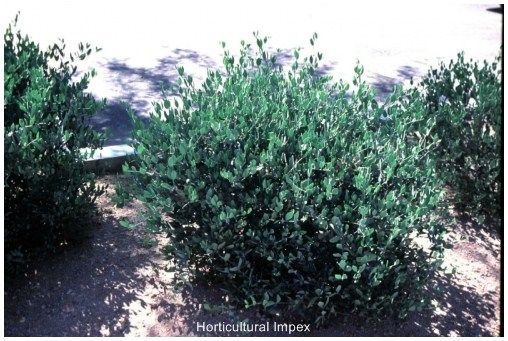
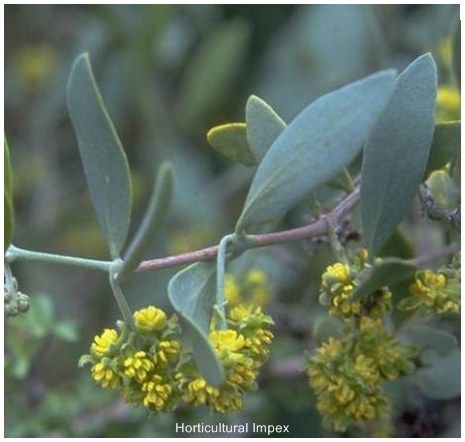
Jojoba, (Simmondsia chinensis) is a shrub native to the Sonoranand Mojave deserts of Arizona, California, and Mexico. It is the sole species of the family Simmondsiaceae, placed in the order Caryophyllales. It is also known as goat nut, deer nut, pignut, wild hazel, quinine nut, coffeeberry, and gray box bush Jojoba is grown commercially for its oil, a liquid wax ester, extracted from the seed. The plant has also been used to combat and prevent desertification in the Thar Desert in India.
Jojoba grows to 1–2 metres (3.3–6.6 ft) tall, with a broad, dense crown. The leaves are opposite, oval in shape, 2–4 centimetres (0.79–1.6 in) long and 1.5–3 centimetres (0.59–1.2 in) broad, thick waxy glaucous gray-green in color. The flowers are small, greenish-yellow, with 5–6 sepals and no petals.
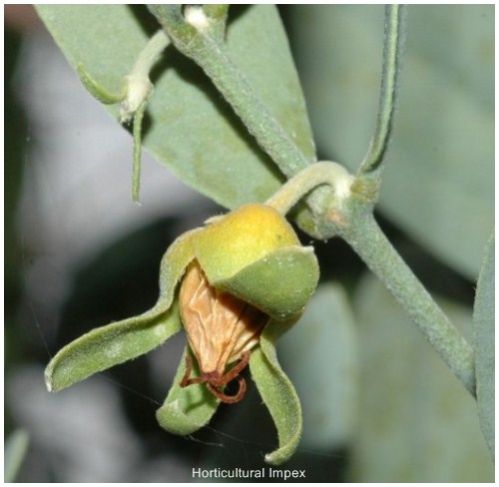
Each plant is single-sex, either male or female, with hermaphrodites being extremely rare. The fruit is an acorn-shaped ovoid, three-angled capsule 1–2 centimetres (0.39–0.79 in) long, partly enclosed at the base by the sepals. The mature seed is a hard oval, dark brown in color and contains an oil (liquid wax) content of approximately 54%. An average-size bush produces 1 kilogram (2.2 lb) of pollen, to which few humans are allergic.
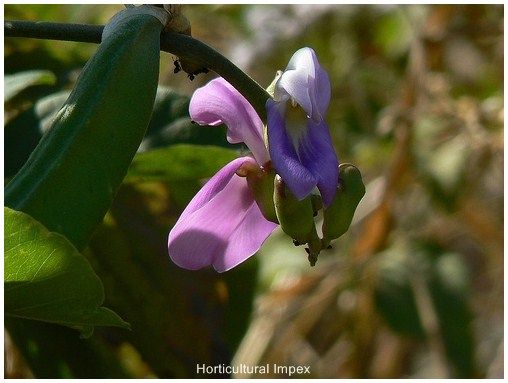
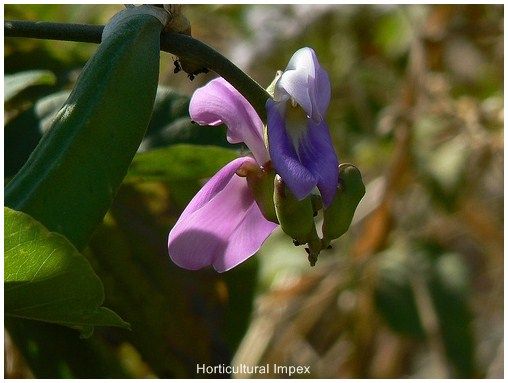
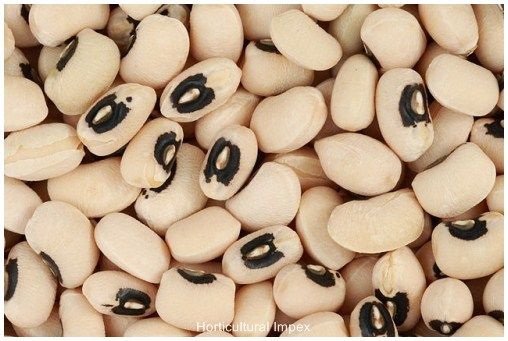
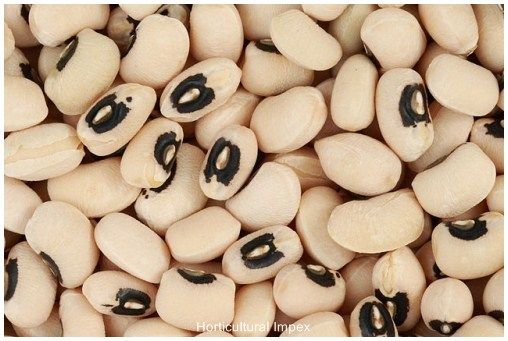
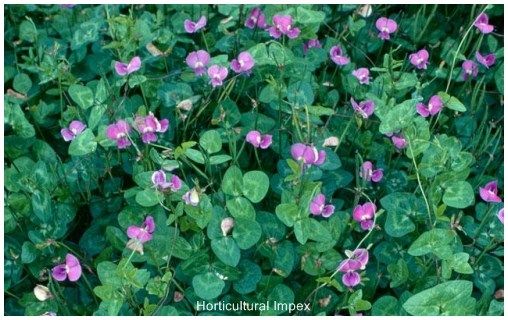
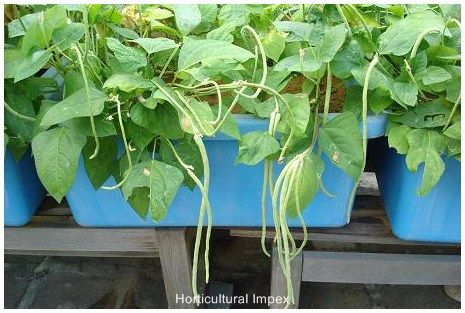
Vigna sinensis a sub-erect, trailing or climbing, bushy annual, with glabrous stems, found in the warmer parts throughout India, mostly under cultivation. Leaves pinnate: leaflets 7.5-15 cm. long, ovate, flowers in recemes, white, pale violet or purple in colour with an yellow eye, turning yellow when faded; pods variable, up to 90 cm long. 10-20 seeded: seeds varying in size, shape and colour.
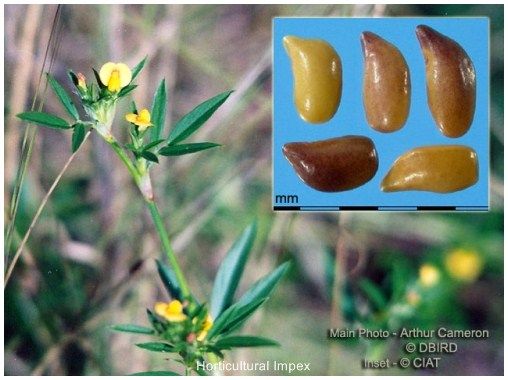
Stylosanthes hamata Short spreading and busy in appearance. Green colour of leaves, growing to a height of maximum 1 ft., profusely branching.
Common Name : Red wood, Peacock wood, Red bead tree (Chacko et al., 2002). Bead tree, Coral wood (Bose et al., 1998).
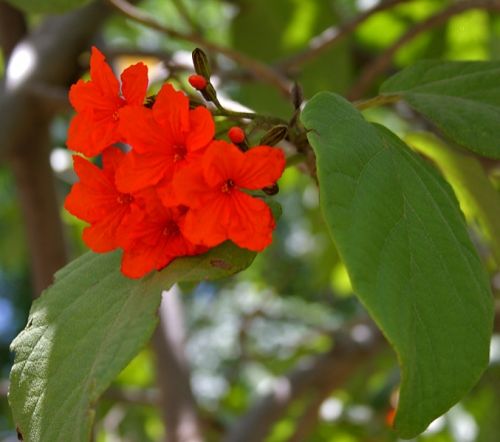
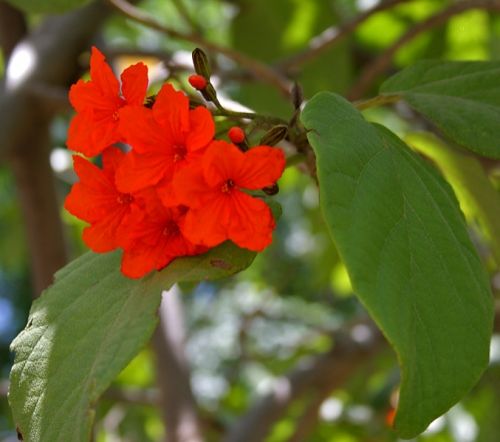
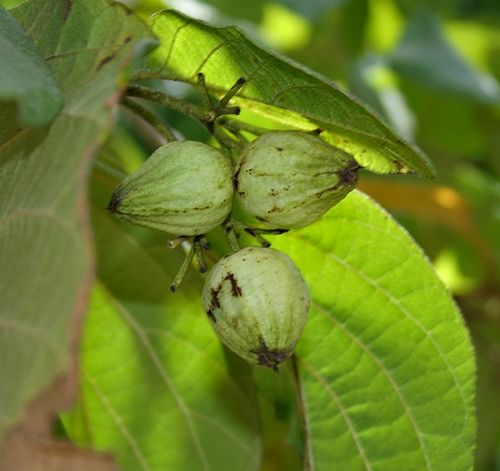
Cordia sebestena it is commonly grown in Indian gardens. It is a small tree or a shrub, attains a height of 25-30ft. Leaves are alternate, simple, ovate, pinnate, leaf blade is 4-8inch. In length, flowers are orange in colour, bearing clusters of showy, orange-red, bell-shaped flowers, practically throughout the year. The fruit oval in shape, 1-3inches, and fruit covering is dry and hard. Fruit colour is white, grey or green. It is highly drought and aerosol salt tolerant. Also resistant to pest. Propagation is done by seeds and layering. The wood of C. fragrantissima Kurz, a native of Burma, is attractively mottled, moderately hard, and fragrant.
 Mr. Harsh Kumar (Horticultural Impex)
 05, Panditwari, PO, Prem Nagar, Dehradun, Uttarakhand - 248007, India
 Share us via