Our Products
Our Complete range of products are Coffee Beans, Yellow Corn Maize, Pickled Gherkins, Dry Red Chilli and Basmati Rice.
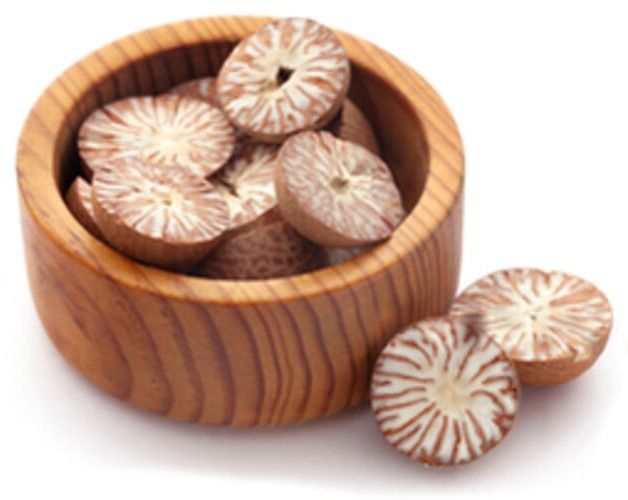

Product Overview:Betelnut, also known as areca nut, is widely used across various industries, including chewing products, medicinal applications, and religious offerings. The roasted and double-roasted varieties are processed for enhanced flavor, texture, and extended shelf life.
Key Features:
Types: Roasted and Double Roasted
Size: 1.53 cm in diameter
Color: Dark brown to reddish-brown
Aroma: Mildly nutty with a roasted fragrance
Texture: Hard, crisp, and crunchy
Uses: Chewing (pan masala, supari), herbal formulations, and traditional offerings
Nutritional Benefits:
Rich in alkaloids that provide a mild stimulant effect
Contains tannins and antioxidants beneficial for digestive health
Good source of fiber aiding in digestion
Why Choose Our Betelnut?
Superior Processing: Carefully roasted for the best flavor and longevity
Premium Quality: Sourced from the best-growing regions
Extended Shelf Life: Double-roasting enhances preservation
Multiple Uses: Suitable for both traditional and commercial applications
Primary Growing & Import Regions:Betelnut is cultivated in India, Indonesia, Thailand, Myanmar, and Sri Lanka.
Heres the moisture content for betel nuts in various forms:
Fresh Betel Nut:
Moisture Content: 15-20%
Dried Betel Nut:
Moisture Content: 8-10% (after sun-drying or other drying methods)
Roasted Betel Nut:
Moisture Content: 5-7% (roasting reduces moisture further)
Double Roasted Betel Nut:
Moisture Content: 3-5% (further reduction in moisture due to additional roasting)
The moisture content decreases with each roasting stage, which helps in preservation and intensifies the nuts flavor.
Nutritional Values
Betel nut, also known as areca nut, is a common stimulant and is often chewed wrapped in a betel leaf. It's popular in many parts of Asia, including India. Here's some information about its growing regions and nutritional value:
Betel NutNutritional Value (per 100g):
Calories: 190-200 kcal
Protein: 2-3g
Fat: 1-2g
Carbohydrates: 45-50g
Fiber: 10-15g
Calcium: 200-300mg
Iron: 2-3mg
Phosphorus: 50-60mg
Potassium: 1000-1500mg
Magnesium: 70-100mg
Source of Origin: Grown primarily in regions like Kerala, Karnataka, Assam, West Bengal, Tamil Nadu, and Odisha in India.
Additional Information:
Payment Terms : L/C, T/T
Packaging Details : Whole Betel Nut

Description:
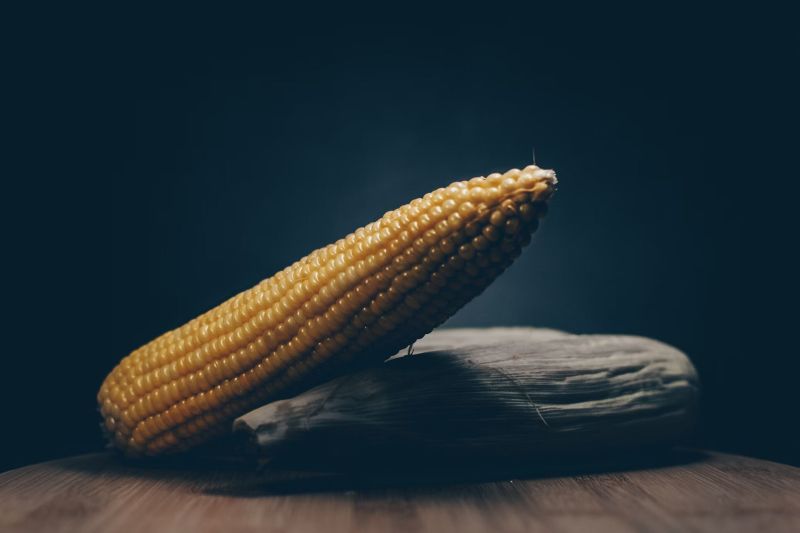
Yellow corn, also known as maize, is one of the most widely cultivated cereal crops globally. Known for its vibrant yellow kernels, yellow corn is a versatile crop used in a variety of forms, including fresh, dried, or processed into products such as cornmeal, popcorn, and corn syrup. It is a key ingredient in food production, animal feed, and biofuel industries. Grown extensively in India, yellow corn is exported globally for its quality and nutritional value.
Growing Regions in India:India has several regions ideal for growing yellow corn due to its varied climate conditions:
Size:Yellow corn typically comes in medium to large-sized cobs, with kernels that are firm, plump, and bright yellow. The size of the corn cobs varies depending on the variety and growing conditions but is generally uniform for high-quality production.
Uses:Yellow corn is incredibly versatile. It is used for human consumption in forms like cornmeal, flour, and popcorn. It's also an essential ingredient in processed foods such as cereals, snacks, and corn syrup. Yellow corn is a staple in animal feed and is used in biofuel production (ethanol).
Storage:Yellow corn, when dried and properly stored, has a long shelf life. It should be kept in a cool, dry place to avoid mold or insect infestations. For fresh corn, it should be refrigerated to preserve its taste and texture.
Preservatives:No artificial preservatives are added to yellow corn. It is naturally preserved when dried or processed for various uses, ensuring it remains fresh for extended periods without the need for chemicals.
Ideal For:Yellow corn is ideal for food manufacturers, animal feed suppliers, and consumers looking for high-quality corn products. It is perfect for those in need of corn for both culinary uses and industrial applications such as biofuels and animal feed.
Additional Information:
Payment Terms : L/C, T/T
Packaging Details : 50 Kgs Packed in PP Bags
Delivery Time : 90 Days
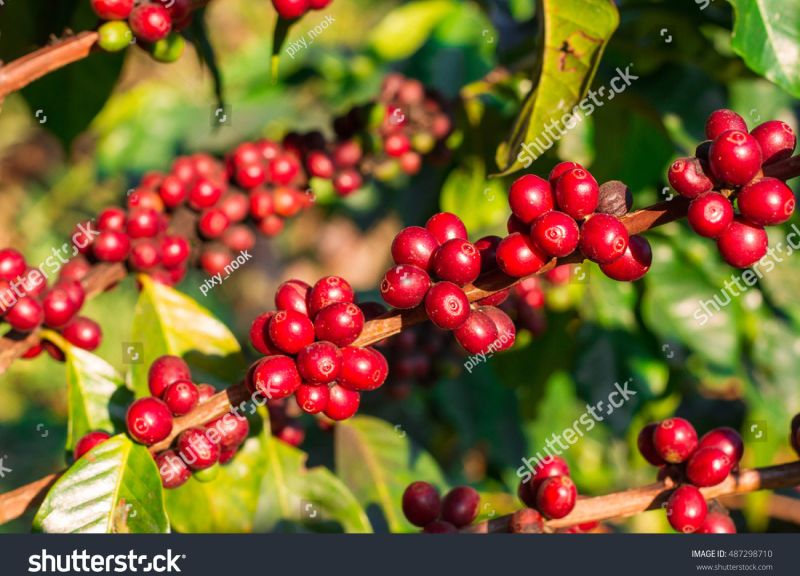
Description:Indian coffee is known for its rich aroma, smooth flavor, and distinctive profiles, making it one of the most popular beverages worldwide. Grown in the high-altitude regions of South India, Indian coffee is primarily produced inArabicaandRobustavarieties. Indian coffee is well-regarded for its balanced taste, ranging from mild and aromatic to strong and robust. Renowned coffee-growing regions in India, includingKarnataka, Kerala, Tamil Nadu, andAndhra Pradesh, offer some of the best coffee beans in the world.
Growing Regions in India:Indias coffee is cultivated in regions that offer the perfect climate for coffee beans:
Types of Indian Coffee:
Size:Indian coffee beans come in varying sizes, typically ranging frommedium to largein diameter, with the size varying depending on the variety (Arabica being smaller and Robusta larger). The beans are processed and sorted based on their size for consistency in roasting and brewing.
Moisture Content:The moisture content of Indian coffee beans generally ranges between10% to 12%. Proper moisture levels are critical for preserving the flavor and ensuring the beans are suitable for roasting without compromising their quality.
Uses:Indian coffee is widely used for brewing, whether as a filter coffee, espresso, cappuccino, or in various flavored coffee drinks. It can be enjoyed black, with milk, or sweetened according to preference. Coffee beans can also be ground for different brewing methods, such as percolators, French presses, or espresso machines.
Storage:To maintain freshness and flavor, Indian coffee beans should be stored in an airtight container in a cool, dry place, away from sunlight and humidity. Ground coffee should be consumed quickly, as it loses freshness faster than whole beans.
Shelf Life:
Ideal For:Indian coffee is perfect for coffee lovers, cafes, roasters, and manufacturers looking for high-quality, flavorful coffee. Its rich taste and smooth texture make it a preferred choice for domestic consumption and international markets.
Additional Information:
Payment Terms : L/C, T/T
Packaging Details : Packed in 10 Kg pouches.
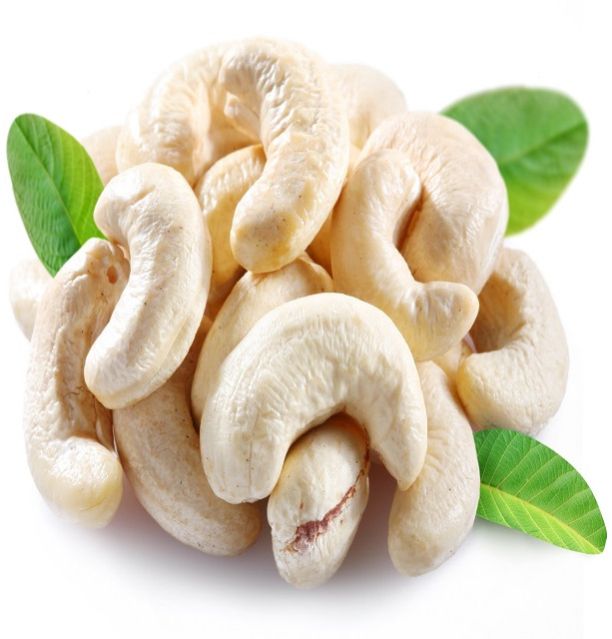
Description:Cashew nuts are the edible seeds of the cashew tree (Anacardium occidentale) and are known for their rich, buttery flavor and smooth texture. Grown predominantly in tropical regions, cashew nuts are consumed worldwide as a snack, used in cooking, or processed into products such as cashew butter, cashew milk, and roasted or salted varieties. India is one of the largest producers and exporters of cashew nuts, offering high-quality products for both domestic and international markets.
Available :
Growing Regions in India:India is a major producer of cashew nuts, and several regions are known for their cashew cultivation:
Size:Cashew nuts are typically available in sizes ranging fromSmall (S)toJumbo (J). The size is determined by the number of nuts per kilogram, withJumbocashews being larger and more desirable for premium products. Cashew nuts typically range in size from18 to 24mmin length, and their smooth, kidney-like shape is one of their distinguishing features.
Moisture Content:The moisture content of cashew nuts is generally kept below5%to ensure freshness and prevent spoilage. Low moisture content helps in maintaining their crunch and prevents the growth of mold or bacteria, allowing for extended shelf life.
Uses:Cashew nuts are versatile and can be consumed raw, roasted, or salted. They are used in a variety of culinary applications, such as in curries, desserts (like cashew-based sweets), and snacks. Cashew nuts are also processed into products like cashew butter, cashew milk, and cashew cheese, making them a popular ingredient in vegan and dairy-free diets.
Storage:To maintain their freshness and prevent spoilage, cashew nuts should be stored in a cool, dry place, away from direct sunlight. Ideally, they should be kept in an airtight container. For extended shelf life, cashew nuts can be refrigerated or frozen. Proper storage can help retain the nuts' crunch, flavor, and nutritional value.
Shelf Life:
Ideal For:Cashew nuts are ideal for food manufacturers, snack producers, and consumers looking for a nutritious, versatile ingredient. They are perfect for individuals and companies seeking high-quality, preservative-free cashews for both culinary and export purposes.
Additional Information:
Payment Terms : L/C, T/T

Description:Gherkins in brine are small cucumbers harvested young, pickled in a saltwater solution, and preserved in brine to maintain their crispness and tangy flavor. These gherkins are often used as a condiment, snack, or side dish, adding a delightful crunch to sandwiches, burgers, and salads. Made in India, these gherkins are produced without the use of artificial preservatives, relying on the natural preservation properties of the brine to maintain freshness and flavor. India is a leading producer and exporter of gherkins in brine, providing high-quality products to international markets.
Growing Regions in India:Indias diverse climate is perfect for gherkin cultivation, and several key regions are known for their production:
Size:Gherkins in brine typically range from 2 to 4 inches in length. These small, tender cucumbers are harvested young to maintain their crunchiness and absorb the brine, resulting in a firm, tangy texture.
Uses:These gherkins are commonly used in various dishes like sandwiches, burgers, salads, charcuterie boards, and dips. They add a refreshing, crunchy texture and a tangy flavor. Gherkins in brine can also be enjoyed as a stand-alone snack.
Storage:Gherkins in brine have a long shelf life due to the natural preserving properties of the brine. They should be stored in a cool, dry place, and once opened, they should be refrigerated to maintain freshness.
Preservatives:No artificial preservatives are added to these gherkins. They are preserved naturally in brine, ensuring a fresh and natural taste without the need for chemicals or additives.
Ideal For:Perfect for food manufacturers, restaurants, and consumers looking for a natural, tangy addition to their dishes. These gherkins are also an excellent choice for those seeking high-quality, preservative-free, brine-preserved vegetables for international markets.
Additional Information:
Payment Terms : L/C, T/T

Description:Indian dry red chilies are sun-dried or air-dried varieties of fresh red chilies grown in India. Known for their fiery flavor and rich color, they are a staple in Indian cuisine and are exported worldwide. Available in varying heat levels, from mild to very hot, these chilies are prized for their ability to add depth, spice, and color to dishes.
Size:Indian dry red chilies generally range in size from 2 to 6 inches in length, with some varieties being thin and others more robust in shape. Their size may differ based on the type and region they are grown in.
Texture:The texture of dry red chilies is tough and brittle, with a leathery outer skin that snaps easily when broken. Inside, they contain seeds and dry pulp, which contribute to their distinct heat.
Varieties & Spice Levels:
Uses:Indian dry red chilies are widely used in ground or whole form to add spice and smoky depth to curries, chutneys, sauces, soups, and marinades. They are an essential ingredient in Indian, Middle Eastern, and Southeast Asian cooking.
Storage:These chilies are naturally preserved through the drying process, giving them a long shelf life. They should be stored in a cool, dry place to maintain their quality.
Ideal For:Indian dry red chilies are ideal for anyone seeking to introduce authentic heat, flavor, and color to their dishes. They are perfect for both domestic use and export to international markets looking for high-quality, authentic Indian spices.
India's major dry red chili growing regions include:
Additional Information:
Payment Terms : L/C, T/T
Packaging Details : 50 Kgs packed in Jute bag

Readily Available in - Crystal Form, Free Flow and Free Flow Powder
Product Description:
Industrial Salt, also known as Rock Salt or Sodium Chloride, is a versatile raw material widely used across various industries. This product is not intended for culinary purposes but serves essential roles in multiple applications due to its purity and cost-effectiveness. Below are some of its primary uses:
De-icing and Snow Removal: Ideal for winter road treatment, Industrial Salt is highly effective in melting ice and snow, ensuring safe and accessible roads.
Chemical Manufacturing: A key ingredient in the production of essential chemicals, including chlorine, caustic soda, and soda ash. These are vital for manufacturing plastics, water treatment, and other chemical processes.
Water Treatment: Used in water softening systems to eliminate hardness by removing calcium and magnesium ions, improving water quality for industrial and residential applications.
Agriculture: Serves as a mineral supplement in animal feed to promote livestock health.
Oil & Gas Industry: Employed in the formulation of drilling fluids, aiding in lubrication and maintaining pressure during drilling operations.
Food Processing: Though not suitable for table consumption, Industrial Salt is commonly used in food preservation, curing, and pickling.
Product Features:
Specifications:
Applications:
Additional Information:
Payment Terms : L/C, T/T
Packaging Details : 50 kg packed in PP Bag

Basmati rice is a long-grain, aromatic rice variety primarily produced in India, with Punjab, Haryana, Uttar Pradesh, Himachal Pradesh, and Jammu & Kashmir as key growing regions. India is the world's largest exporter of Basmati rice, known for its distinct fragrance, long grains, and unique flavour.
Available -
Nutritional Value (per 100g)
Length and Color
Export Specifications
Additional Information:
Payment Terms : L/C, T/T
Packaging Details : 50 Kgs in Jute Bag

IR 64 is a high-yielding, medium-grain rice variety widely cultivated in India. It is a popular non-Basmati rice variety, known for its resilience to varying climates and pests, making it suitable for both irrigated and rain-fed areas.
Nutritional Value (per 100g)
Available in
Length and Color
Export Specifications
IR 64 rice is widely grown in states like West Bengal, Uttar Pradesh, Andhra Pradesh, and Tamil Nadu, and is commonly exported to countries across the world for its affordability and versatility.
Additional Information:
Payment Terms : L/C, T/T
Packaging Details : Packed in moisture resistant bags. Packed in 50 Kgs bags.
 Nakul (Inca Ventures)
 , Chennai, Tamil Nadu - 600048, India
 Share us via