Our Product / Services
We offer the best product range of lift automation controller.
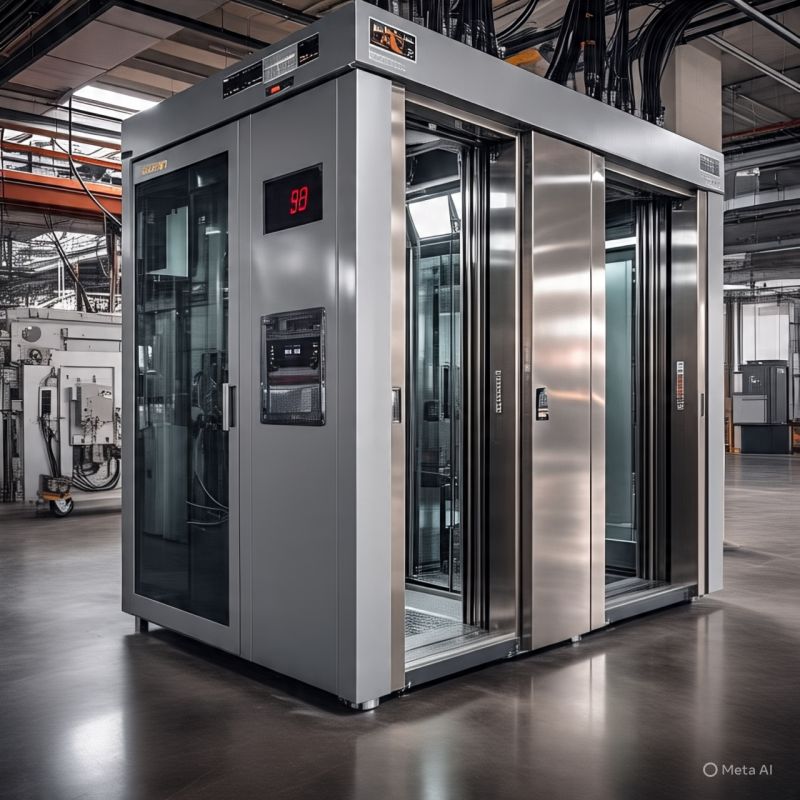
We are offering all types of lift system that are available from us at very nominal prices. Lift Automation & Control
Lift System (or Elevator System) is an electromechanical vertical transport system designed to move people or goods between floors of a building. It uses electric motors, drive mechanisms, and control systems to operate lift cars safely and efficiently.
leelavati automation
Lift systems are used in:
Residential buildings
Commercial complexes
Hospitals
Warehouses and factories (freight lifts, goods lifts, dumbwaiters)
Types of Lift Systems
Traction LiftUses ropes and counterweights, motor-drivenMedium/high-rise buildings
Hydraulic LiftUses fluid pressure to raise the carLow-rise, up to 56 floors
Machine Room-less (MRL)Compact traction system, no machine roomSpace-saving modern buildings
Freight/Goods LiftHeavy-duty design for cargo transportFactories, warehouses, loading docks
Hospital LiftLarge cabin size, smooth operationHospitals and medical facilities
DumbwaiterMini-lifts for kitchen/office documentsRestaurants, hotels, libraries
Home ElevatorCompact, low-speed lifts for villasResidential use, 24 floors
leelavati automation
Components of Lift Systems
Lift Car/CabinCarries passengers or goods
Shaft/HoistwayEnclosed path for lift movement
Drive MotorPowers lift movement (AC gearless or geared motor)
Control Panel/PLCControls operations, floor stops, speed, safety
Door SystemAutomatic/manual doors, with sensors and locks
CounterweightBalances lift car in traction systems
Guide RailsKeep car aligned during vertical movement
Safety Gear & BufferPrevents free fall or collision
Display and Call ButtonsFor floor selection, status, overload, direction
Lift Automation & Control
Modern lift systems integrate:
PLC or Microcontroller-based logic
VFDs (Variable Frequency Drives) for motor speed control
leelavati automation
Limit switches, proximity sensors for door and position sensing
Touchscreen or keypad-based HMIs for user interaction
IoT/SCADA connectivity for remote monitoring and diagnostics
UPS & backup systems for power failure protection
Safety Systems & Features
Overspeed GovernorStops lift if it moves too fast
Automatic Rescue Device (ARD)Moves lift to nearest floor during power failure
InterlocksPrevents door opening when car isn't aligned
Load SensorsDetects overload and disables operation
Emergency AlarmAlert system for users
Fire Recall SystemReturns lift to ground floor in case of fire
Door SensorsInfrared curtains or bump sensors for safety
Lift Specifications (Typical)
ParameterRange
Load Capacity200 kg 5000 kg
Speed0.3 m/s 2.5 m/s
Number of Stops2 to 30+ floors
Power Supply3-phase, 415V AC / single-phase for home lifts
Cabin DimensionsVaries (standard 1100 x 1400 mm for 68 persons)
Shaft SizeVaries by model (min 1500 x 1500 mm for passenger lift)
leelavati automation
Industrial Applications
Factory floors Material handling between levels
Warehouses Goods lifts for pallet or trolley transport
Hotels & Hospitals Guest and stretcher lifts
Shopping malls High-traffic passenger lifts with voice guidance
Residential buildings Passenger lifts with minimal pit/headroom
Home Lift (24 floors)250400 kg
Passenger Lift (610 persons)450680 kg
Hydraulic Lift (low-rise)3001000 kg
Freight/Goods Lift5003000 kg
Hospital/Stretcher Lift10001600 kg
MRL Lift (compact)4501000 kg
leelavati automation
Additional Information:
Payment Terms :
Packaging Details : Lift Automation & Control
Lift System (or Elevator System) is an electromechanical vertical transport system designed to move people or goods between floors of a building. It uses electric motors, drive mechanisms, and control systems to operate lift cars safely and efficiently.
leelavati automation
Lift systems are used in:
Residential buildings
Commercial complexes
Hospitals
Warehouses and factories (freight lifts, goods lifts, dumbwaiters)
Types of Lift Systems
Traction Lift Uses ropes and counterweights, motor-driven Medium/high-rise buildings
Hydraulic Lift Uses fluid pressure to raise the car Low-rise, up to 56 floors
Machine Room-less (MRL) Compact traction system, no machine room Space-saving modern buildings
Freight/Goods Lift Heavy-duty design for cargo transport Factories, warehouses, loading docks
Hospital Lift Large cabin size, smooth operation Hospitals and medical facilities
Dumbwaiter Mini-lifts for kitchen/office documents Restaurants, hotels, libraries
Home Elevator Compact, low-speed lifts for villas Residential use, 24 floors
leelavati automation
Components of Lift Systems
Lift Car/Cabin Carries passengers or goods
Shaft/Hoistway Enclosed path for lift movement
Drive Motor Powers lift movement (AC gearless or geared motor)
Control Panel/PLC Controls operations, floor stops, speed, safety
Door System Automatic/manual doors, with sensors and locks
Counterweight Balances lift car in traction systems
Guide Rails Keep car aligned during vertical movement
Safety Gear & Buffer Prevents free fall or collision
Display and Call Buttons For floor selection, status, overload, direction
Lift Automation & Control
Modern lift systems integrate:
PLC or Microcontroller-based logic
VFDs (Variable Frequency Drives) for motor speed control
leelavati automation
Limit switches, proximity sensors for door and position sensing
Touchscreen or keypad-based HMIs for user interaction
IoT/SCADA connectivity for remote monitoring and diagnostics
UPS & backup systems for power failure protection
Safety Systems & Features
Overspeed Governor Stops lift if it moves too fast
Automatic Rescue Device (ARD) Moves lift to nearest floor during power failure
Interlocks Prevents door opening when car isn't aligned
Load Sensors Detects overload and disables operation
Emergency Alarm Alert system for users
Fire Recall System Returns lift to ground floor in case of fire
Door Sensors Infrared curtains or bump sensors for safety
Lift Specifications (Typical)
Parameter Range
Load Capacity 200 kg 5000 kg
Speed 0.3 m/s 2.5 m/s
Number of Stops 2 to 30+ floors
Power Supply 3-phase, 415V AC / single-phase for home lifts
Cabin Dimensions Varies (standard 1100 x 1400 mm for 68 persons)
Shaft Size Varies by model (min 1500 x 1500 mm for passenger lift)
leelavati automation
Industrial Applications
Factory floors Material handling between levels
Warehouses Goods lifts for pallet or trolley transport
Hotels & Hospitals Guest and stretcher lifts
Shopping malls High-traffic passenger lifts with voice guidance
Residential buildings Passenger lifts with minimal pit/headroom
Home Lift (24 floors) 250400 kg
Passenger Lift (610 persons) 450680 kg
Hydraulic Lift (low-rise) 3001000 kg
Freight/Goods Lift 5003000 kg
Hospital/Stretcher Lift 10001600 kg
MRL Lift (compact) 4501000 kg
leelavati automation
Delivery Time : ref description
 Prashant Tempe (Leelavati Automation Pvt Ltd)
 Unit No. 809, 8th Floor, The EPI Centre SATTVA The Wadhwa Group, above D-Mart, Chembur(E, Mumbai, Maharashtra 400071 - 40061, India
 Share us via







 GST : 27AABCL9949B1ZC