My ExportersIndia

For Buyer

For Seller

For Help

Our Products

We are leaders in the market for providing best range of Sona Masoori Rice, Whole Wheat Flour, White Flour (Maida), Semolina Flour and Sugar
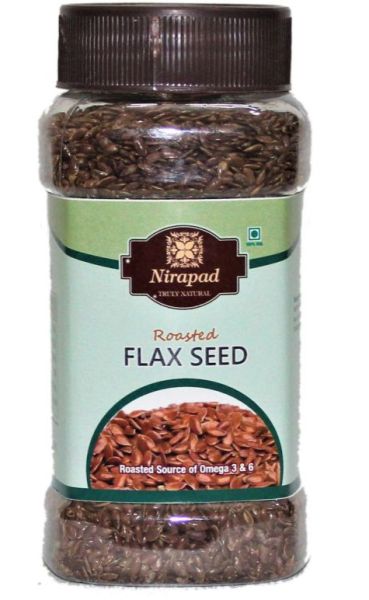
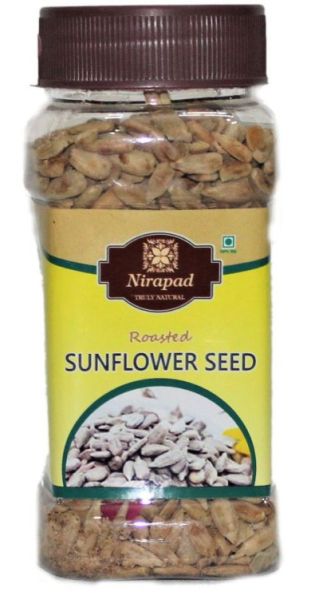
Roasted Flax Seed

  • Shelf Life 12 Months
  • Weight 200 Grams
  • Storage Cool And Dry Place
  • Allergens May Contain Traces Of Nuts
  • Nutrition Facts High In Omega-3 Fatty Acids
View Complete Details

Roasted Sunflower Seed

  • Brand Name Generic
  • Origin Multiple Origins
  • Shelf Life 6 Months
  • Storage Cool And Dry Place
  • Weight 100g
View Complete Details

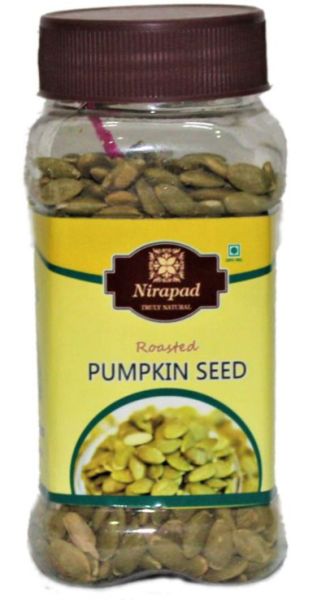
Roasted Pumpkin Seed

  • Shelf Life 6 Months
  • Weight 100g
  • Material Pumpkin Seed
  • Flavor Roasted
  • Storage Cool And Dry Place
View Complete Details

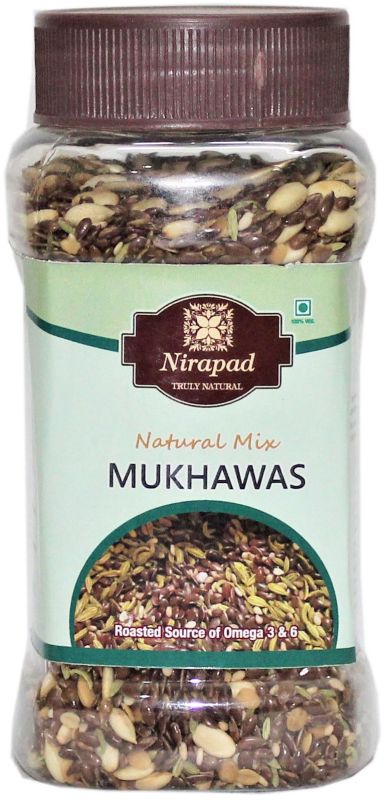
Mixed Super Seeds

  • Shelf Life 12 Months
  • Weight 500g
  • Allergens May Contain Traces Of Nuts
  • Storage Store In A Cool, Dry Place
View Complete Details

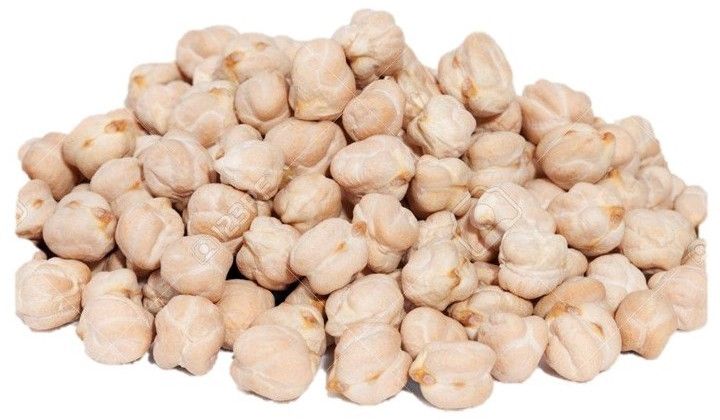
White Chick Peas

  • Packaging Type 500g, 1kg, 2kg, 5kg, 10kg, 25kg, 100kg, As Required
  • Source Of Vitamins, Minerals, Fiber, Protein
  • Application Cooking, Salads, Soups, Stews
  • Dietary Restrictions Vegetarian, Vegan
Rich source of vitamins, minerals and fiber, improving digestion. High in protein and make an excellent replacement for meat in vegetarian and vegan diets. Desi and kabuli. Desi contains smaller, darker seeds and has more of a rough coat. Kabuli is a larger, lighter colored bean with a smoother coat. Colorsgreen, black, brown, red, beige.
View Complete Details

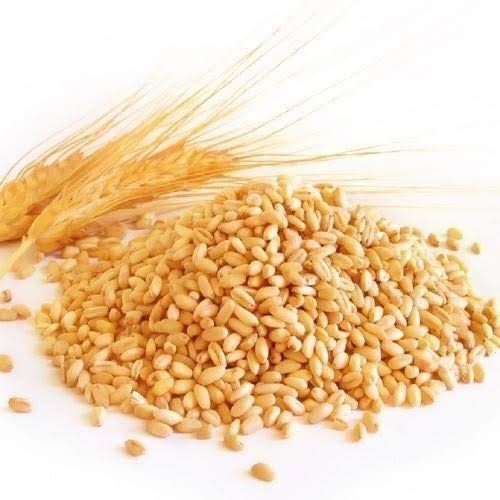
Wheat

  • Packaging Type Jute Bag
  • Importance In India Second Most Important Cereal After Rice
  • Growing Regions Cooler Regions Of India
  • Sowing Period November To Mid-April
  • Nutrients Carbohydrates, Protein, Fiber
  • Common Uses Flour Production, Food Staple
Wheat is the most important winter cereal grown during the non-monsoon months, and it is less vulnerable to yield fluctuation than other crops. After rice, wheat is the most important cereal in India. It is grown in cooler regions of India during the mild winter months of November to mid-April.
View Complete Details

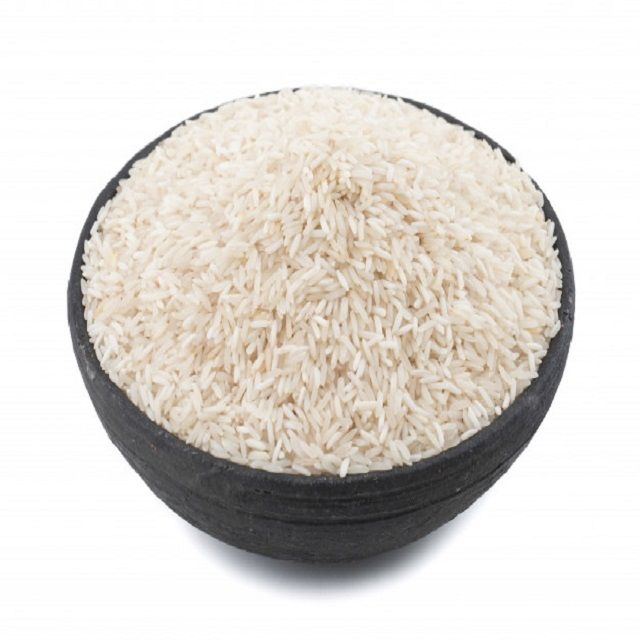
Basmati 1121 Rice

  • Texture Soft And Fluffy
  • Origin Himalayan Foothills Of The Indian Subcontinent
  • Grain Length Extra-long
  • Unique Traits Long Grain, Aromatic
Basmati is long grain aromatic rice grown for many centuries in the specific geographical area, at the Himalayan foot hills of Indian sub-continent, blessed with characteristics extra- long slender grains that elongate at least twice of their original size with a characteristics soft and fluffy texture upon cooking, delicious taste, superior aroma and distinct flavor, Basmati rice is unique among other aromatic long grain rice varieties.
View Complete Details

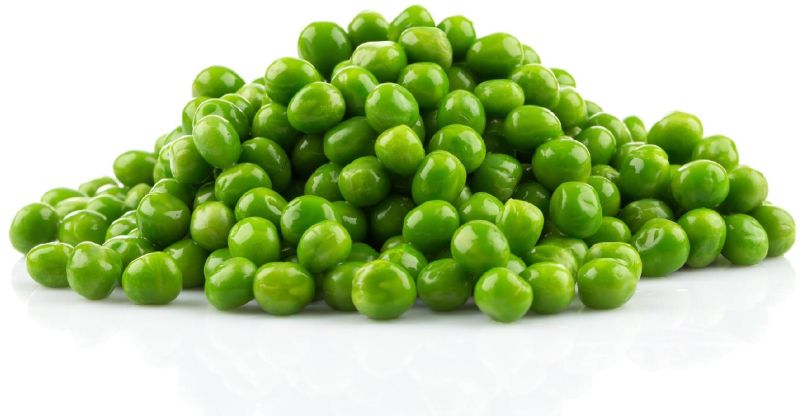
Green Peas

  • Packaging Type 500g, 1kg, 2kg, 5kg, 10kg, 25kg, 100kg, As Required
  • Usage/Application Cooking, Restaurant
  • Storage Cool And Dry Place
  • Shape Round
  • Style Fresh
Green Peas are high in carbohydrates and green in color. They are great source of other nutrients like fiber, iron potassium.
View Complete Details

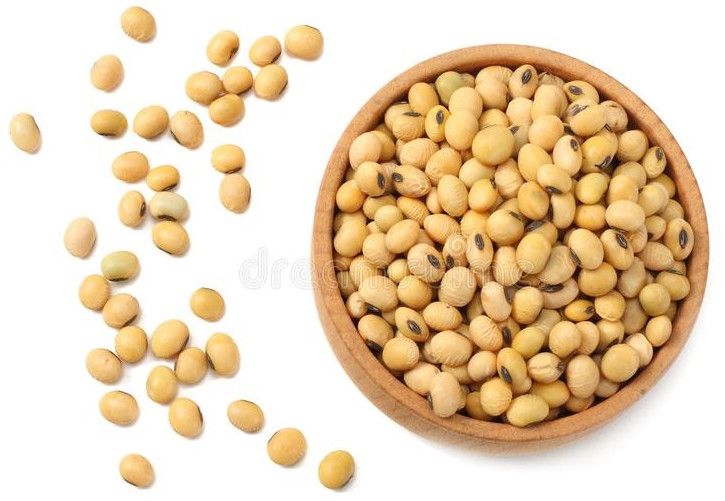
Soybean

  • Form Whole, Chunks
  • Material Soybean
  • Usage Cooking, Snacking
  • Omega-3 Fats Present
  • Minerals Calcium, Magnesium, Iron, Selenium
Soybean is an exceptionally nutritive and very rich protein food. Soy also used as milk product and availabe in the form of Soya chunks which is also called "meal maker " in India. Soybean is low in fat with no cholesterol, contains essential heart friendly omega-3 fats, provides important minerals such as calcium, magnesium, iron and selenium., excellent source of fiber, enriched Calcium and Vitamin B12.
View Complete Details

Ir 64 Rice

  • Average Length 5.8mm To 6.2mm
  • Other Names Parimal, IR36, Long Grain White Rice
  • Growing Conditions Perfect Climatic Conditions
  • Cultivation Method Grown By Expert Farmers
IR 64 Parboil Rice is one of the most exported varieties of Long grain non-basmati rice with average length of 5.8mm to 6.2mm and has good demand in the international market. Its also called Parimal/IR36/Long Grain White Rice. Our White Long Grain Rice is grown in the perfect climatic conditions of Maharashtra, Andhra and Chhattisgarh by expert farmers. With Rich source of carbohydrate and minerals, IR 64 Parboil Rice got good demand in hotels, restaurants and homes for preparing biryani and it is ideal for basic food requirements. Our IR 64 5% Broken Parboiled rice is double polished and cleaned and processed fine to match/Exceed the global standards.
View Complete Details

Toor Dal

  • Application Cooking
  • Weight 500g, 1kg, 2kg, 5kg, 10kg, 25kg, 100kg
  • Nutrients Carbohydrates, Fiber, Proteins, Folic Acid
  • Polished Unpolished
  • Benefits Muscle Development, Organ Development
Toor Dal is popularly Known as Pigeon Pea. It is powerhouse of carbohydrates, fibre, protiens, and folic acid. Pigeonn Pea is 100% unpolished . It helps in muscle and organ development.
View Complete Details

Barley ( Jau )

  • Cultivation Seasons Summer, Winter
  • Primary Use Human Consumption, Livestock Feed
  • Industrial Use Coarse Cereals Production
  • Cultivation Regions Temperate, Tropical
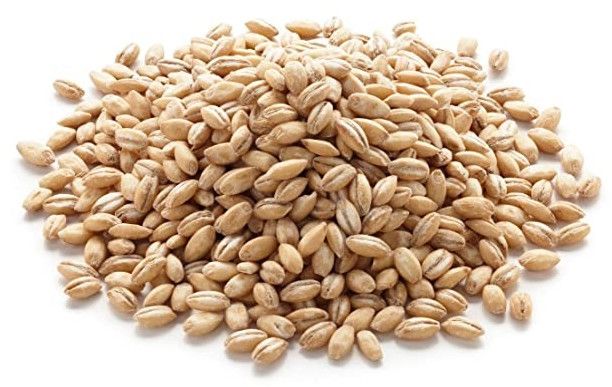
Barley is popularly known as Jau in Hindi and one of the most important cereal grain crops after rice, wheat & maize. In India, this crop is cultivated as a summer crop in temperate regions & as a winter crop in tropical regions. Barley is a short growing season crop and has good drought tolerant. In olden days, Barley was mainly used as livestock feed and currently it is one of the grains used daily in human consumption (barley malt).Barley also play major role in industrial consumption. Coarse cereals are made out of this along with other cereal crops like oats, pearl millet (bajra), finger millet (Ragi), corn/maize, sorghum (Jowar). Generally, Barley is cultivated as a rabi season crop in India and sowing being undertaken from Oct to Dec & harvesting from Mar to May.
View Complete Details

Sona Masoori Rice

  • Packaging Type 500g, 1kg, 2kg, 5kg, 10kg, 25kg, 100kg, As Required
  • Usage/Application Cooking
  • Region Grown Andhra Pradesh, Telangana, Karnataka
  • Weight Lightweight
  • Local Name Bangaru Theegalu
  • Storage Cool And Dry Place
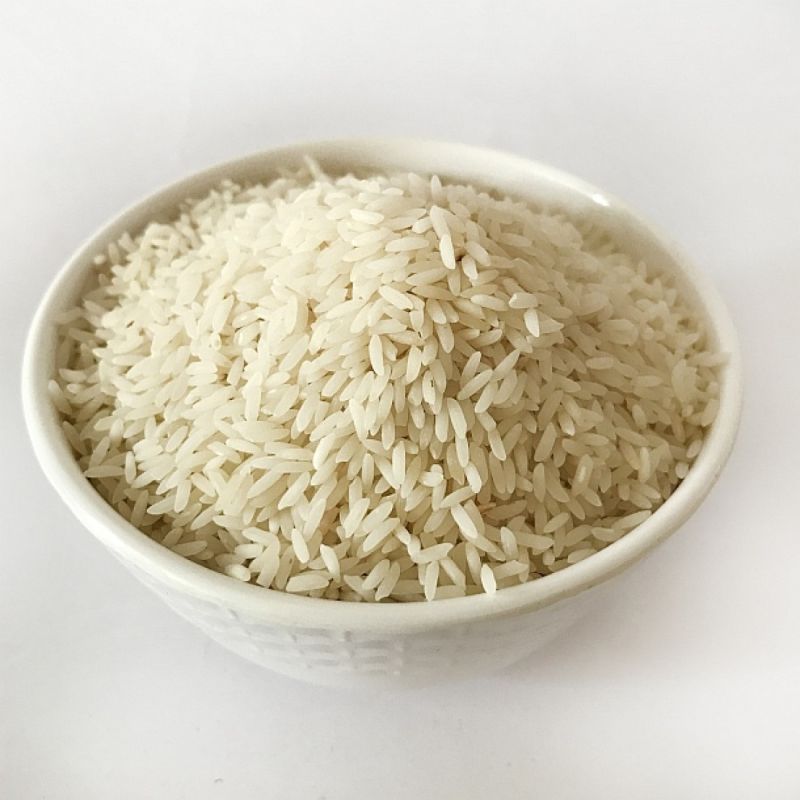
Sona Masuri is a lightweight and aromatic medium-grain rice which is the result of a cross combination of the rice varieties Sona and Mahsuri. It is grown largely in the Indian states of Andhra Pradesh, Telangana and Karnataka. In Telugu, Sona Masuri rice is called Bangaru Theegalu
View Complete Details

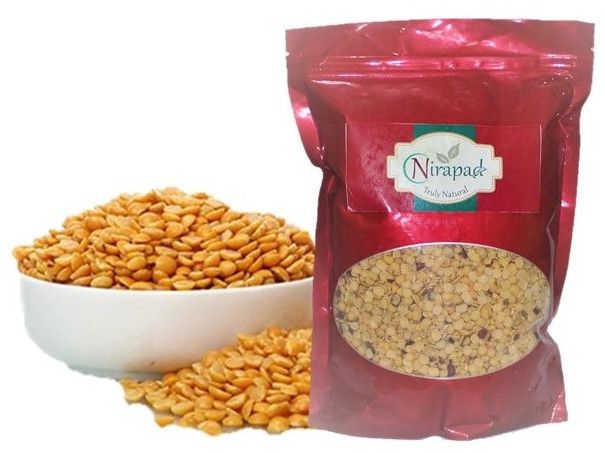
Chana Dal (Split Chikpea)

  • Packaging Type Consumer Zipper Pouch 500g, 1kg, 2kg, 5kg, 10kg, 25kg, 100kg, As Required
  • Texture Soft When Cooked
  • Nutrition High In Protein And Fiber
  • Dietary Needs Vegetarian, Vegan, Gluten-free
  • Storage Store In A Cool, Dry Place
Chana dal is delicious, nutritious and easily digested. One of the most popular ingredients in Indian cuisine. Being used in soups, salads, curries, dal preparations, savouries, sweets and rice dishes, the legumes are also roasted and powdered into chickpea flour (besan).
View Complete Details

Sorghum (Jowar)

  • Usage/Application Healthy Diet, Weight Loss
  • Special Feature Hardy, Drought Resistant
  • Packaging Options 500g, 1kg, 2kg, 5kg, 10kg, 25kg, 100kg, As Required
  • Recommended For People With Gluten Intolerance
Sorghum, known as Jowar in Hindi, is a cereal grain that grows tall like corn and is rated among the healthiest grains for weight loss and overall health. It is a gluten-free grain, making it an excellent alternative food for people who have gluten intolerance .It belongs to the major millet family and is the farmers friend due to its hardy, drought resistant capacities. This highly nutritious and healthy grain is an ideal addition for your healthy and wholesome diet.
View Complete Details

Masoor Dal (Red Lentils)

  • Material Lentils
  • Weight 500g, 1kg, 2kg, 5kg, 10kg, 25kg, 100kg
  • Benefits Lowers Cholesterol, Stabilizes Blood Sugar Level
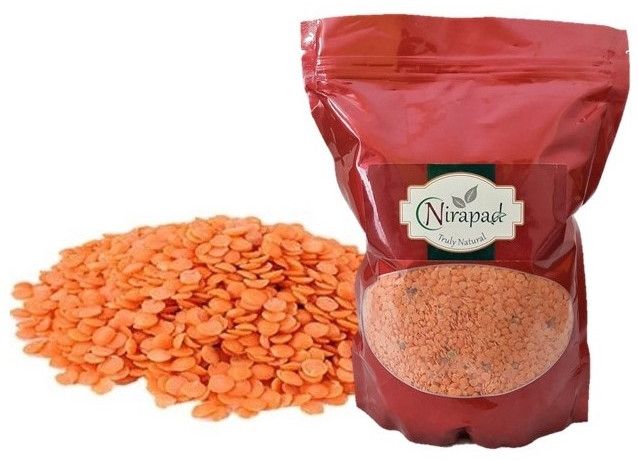
Loaded with essential proteins, fiber, iron and other vital nutrients including amino acids isoleucine and lysine. These are also good sources of potassium, iron, dietary fiber. Heath benifits by Lowering Cholesterol, Stabilise Blood Sugar Level, Weight Loss.
View Complete Details

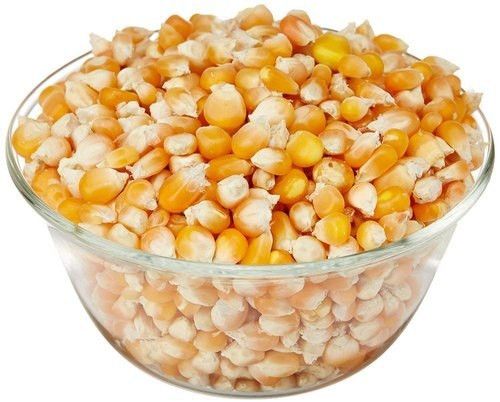
Yellow Maize

  • Color Yellow
  • Packaging Type 500g, 1kg, 2kg, 5kg, 10kg, 25kg, 100kg, As Required
  • Usage/Application Starch Production, Oil Extraction, Protein Source
  • Material Maize
Maize is one of the most versatile emerging crops having wider adaptability under varied agro-climatic conditions. Globally, maize is known as queen of cereals because it has the highest genetic yield potential among the cereals. Maize serves as a basic raw material as an ingredient to thousands of industrial products that includes starch, oil, protein, alcoholic beverages, food sweeteners, pharmaceutical, cosmetic, film, textile, gum, package and paper industries etc.
View Complete Details

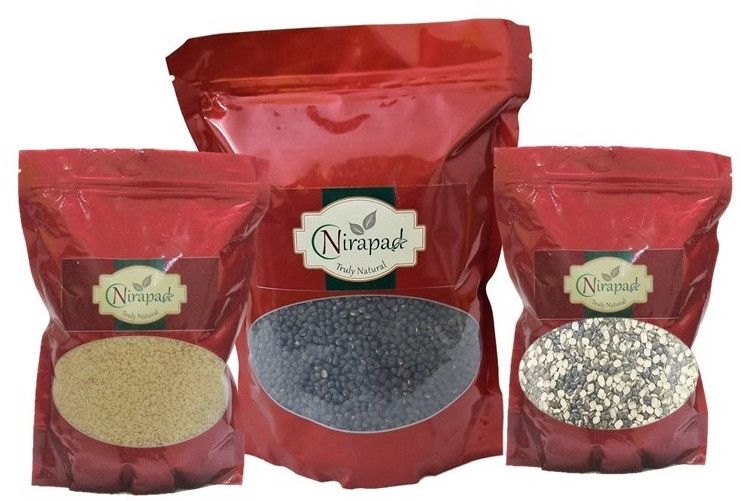
Urad Dal (Black Gram)

  • Material Black Gram
  • Packaging Type Consumer Zipper Pouch
  • Packing Sizes 500g, 1kg, 2kg, 5kg, 10kg, 25kg, 100kg
  • Potassium Content Good Amount
Black lentil is nothing but the split black gram and after removing black skin it is sold as white lentil. It has a good amount of potassium that is meant to boost blood circulation, thereby eliminating chances of damage on the arterial walls.
View Complete Details

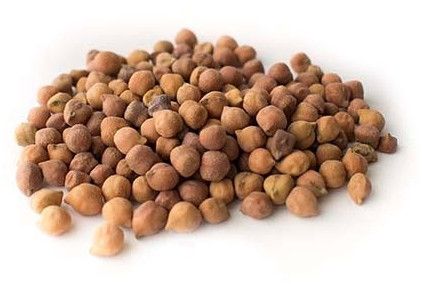
Black Chickpeas

  • Material Chickpeas
  • Packaging Type Consumer Zipper Pouch
  • Shelf Life Varies
  • Storage Cool And Dry Place
  • Packaging Sizes 500g, 1kg, 2kg, 5kg, 10kg, 25kg, 100kg
Kala Chana is an Indian black chickpea, also called Bengal gram. They are smaller in size, have a rough exterior and a nuttier flavor than light brown chickpeas. However they can be used in the same way as the lighter chickpeas.
View Complete Details

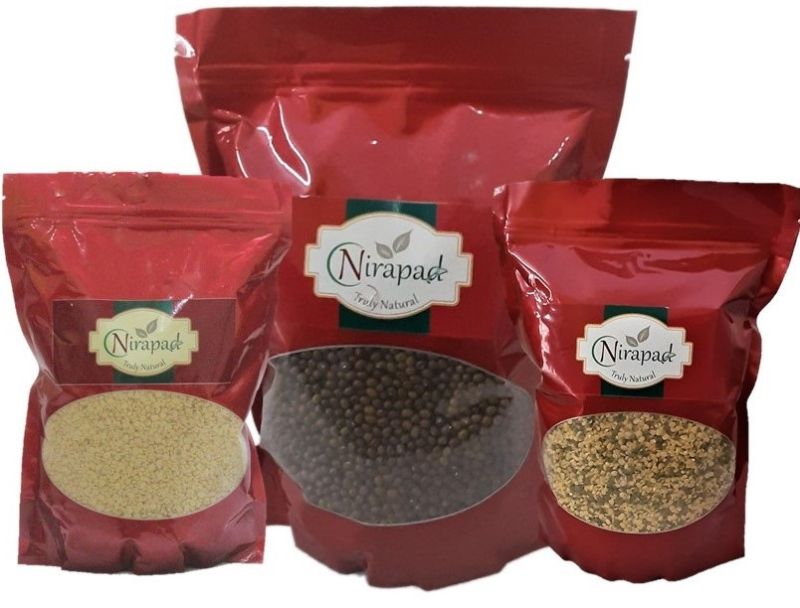
Moong Dal

  • Packaging Type Consumer Zipper Pouch 500g, 1kg, 2kg, 5kg, 10kg, 25kg
  • Application Cooking
  • Material Green Gram
  • Weight 500g, 1kg, 2kg, 5kg, 10kg, 25kg, 100kg
  • Minerals Iron, Calcium, Potassium
  • Health Benefits Weight Loss, Protein-rich, High Fiber
It is rich in Vitamin A, B, C and E and also in many minerals including iron, calcium, and potassium. It is considered a healthy weight loss food as it is a low-fat food rich in proteins and fibre. Green gram split nothing but the split green gram and after removing green skin it is sold as Moong Mogar
View Complete Details

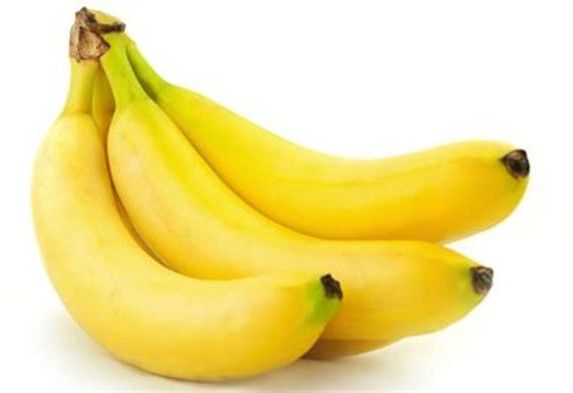
Fresh Banana

  • Storage Room Temperature
  • Usage/Application Direct Consumption, Smoothies, Baking
  • Shape Elongated
  • Weight Approximately 120 Grams
A banana is an elongated, edible fruit botanically a berry produced by several kinds of large herbaceous flowering plants in the genus Musa. In some countries, bananas used for cooking may be called "plantains", distinguishing them from dessert bananas.
View Complete Details

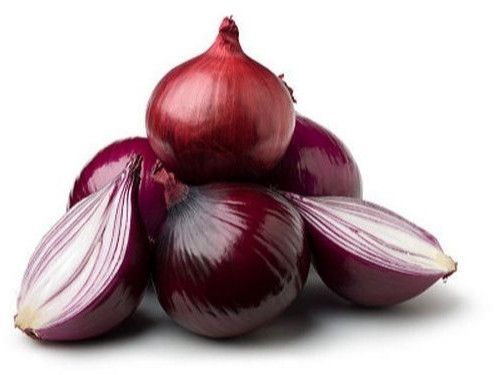
Fresh Onion

  • Packaging Type 2kg, 5kg, 10kg, 15kg, 20kg, 25kg, 45kg
  • Size 25mm, 35mm, 45mm, 55mm, 65mm
  • Material Organic
  • Heart Health Benefits Heart Health Antioxidants
Indian onions are famous for their pungency. Packed With Nutrients. Heart Health Antioxidants, Cancer-Fighting Compounds. Control Blood Sugar. Boost Bone Density. Antibacterial Properties. Boost Digestive Health
View Complete Details

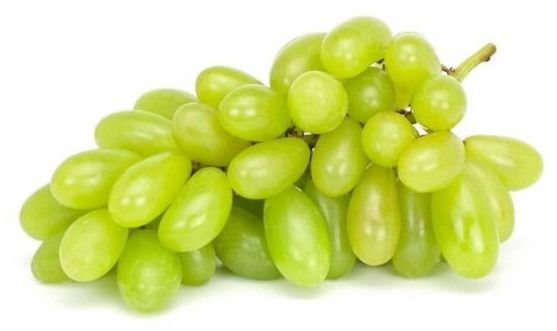
Fresh Grapes

  • Packaging Type Carton, Basket, Clamshell
  • Energy 288 KJ (69 Kcal)
  • Vitamin E 0.19 Mg
  • Pantothenic Acid (B5) 0.05 Mg
A grape is a fruit, botanically a berry, of the deciduous woody vines of the flowering plant genus Vitis. Grapes can be eaten fresh as table grapes or they can be used for making wine, jam, juice, jelly, grape seed extract, raisins, vinegar, and grape seed oil.Other constituents: Quantity
View Complete Details

Fresh Cauliflower

  • Usage/Application Cooking, Salads, Stir-fries
  • Vitamin C Content 100% Of Daily Recommended Amount
  • Vitamin K Content About A Quarter Of Daily Value
  • Calcium Content 2% Of Daily Value
  • Iron Content 2% Of Daily Value
  • Potassium Content 6% Of Daily Value
100% of the daily recommended amount of vitamin C. About a quarter of your daily vitamin K. 2% of your daily calcium and iron. 6% of your daily potassium. More than 3 % of your daily magnesium.
View Complete Details

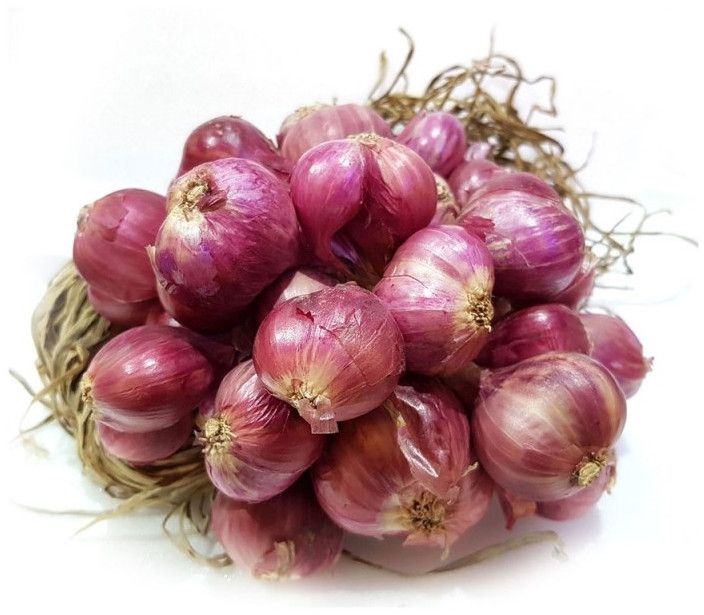
Fresh Sambhar Onion

  • Size 15mm, 20mm, 25mm
  • Packaging Type 5kg, 12kg, 20kg
  • Benefits Reduce Inflammation, heal Infections
Sambar Onions also contain small amounts of calcium, iron, folate, magnesium, phosphorus and potassium and the antioxidants quercetin and sulfur. For centuries, onions have been used to reduce inflammation and heal infections.
View Complete Details

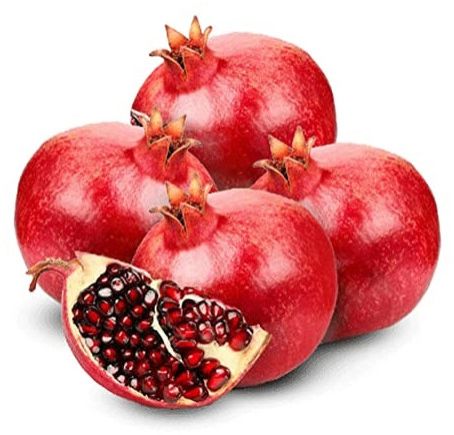
Fresh Pomegranate

  • Color Red
  • Botanical Name Punica Granatum
  • Family Lythraceae
  • Primary Usage Fresh Consumption, Salad Ingredient, Juice Production
  • Flavor Sweet And Tangy
The pomegranate botanical name Punica granatum, is a fruit-bearing deciduous shrub or small tree in the family Lythraceae that grows between 5 and 8 m (16 and 26 ft) tall. Pomegranate is primarily eaten as a fresh fruit .The seeds may be used in salads. The fruit may also be used to produce juice, either by removing and pressing the seeds or by pressing the whole fruit.The health benefits of pomegranates are innumerable and what makes them special is that apart from being healthy, they are delicious too. Pomegranates have anti-oxidant, anti-viral, and anti-tumor properties and are said to be a good source of vitamins, especially vitamin A, C, and E, as well as folic acid. This amazing fruit consists of three times as many antioxidants as both wine or green tea.They are so useful in maintaining effective and healthy blood circulation that several doctors suggest eating pomegranates to regain strength after a long illness. Pomegranates have been traditionally used for clearing up the skin and reducing inflammation, as well as for the treatment of sor throats. Other health benefits include being an aid in relieving stomach disorders, dental problems, osteoarthritis, anemia, diabetes, and preventing heart problems and cancer.
View Complete Details

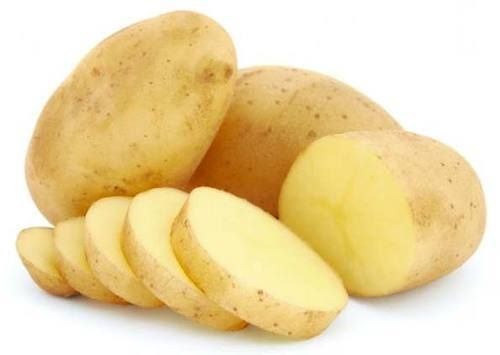
Fresh Potato

  • Usage/Application Cooking, Frying, Boiling, Baking
  • Growth Conditions Temperate, Subtropical, Tropical
  • Nutrients Protein, Fiber, Vitamin C, Starch
  • Health Benefits Healthy Alternative To Rice

Potato is grown under temperate, subtropical and tropical conditions. It is essentially a "cool weather crop", with temperature being the main limiting factor on production: tuber growth is sharply inhibited in temperatures below 10C (50F) and above 30C (86F), while optimum yields are obtained where mean daily temperatures are in the 18 to 20C (64 to 68F) range. Potatoes are healthier than rice as they also contain protein, fibre and vitamin C in addition to starch.
View Complete Details

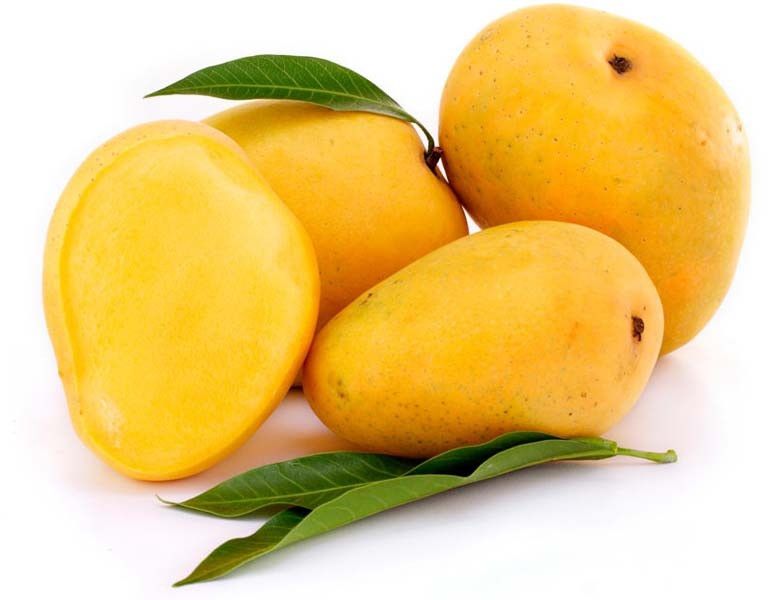
Fresh Mango

  • Color yellow
  • Taste Sweet When Ripe, Sour When Unripe
  • Types Found In India Langra, Dusshera, Chausa, Tota, Safadi, Alphonso
  • Region Found Various Parts Of Western India
  • Nutrients Vitamin C, Vitamin A, Fiber
A mango is a type of fruit. It is harvested in the month of march(summer season) till the end of May. India share the major export market of mangoes. It is also their national fruit. Ripe mangoes are very sweet in taste but they are bitterly sour before they ripen. There are many different types of mangoes found in India such as Langra, Dusshera, Chausa, Tota, Safadi. Alphonso mangoes can be found in various parts of western India.
View Complete Details

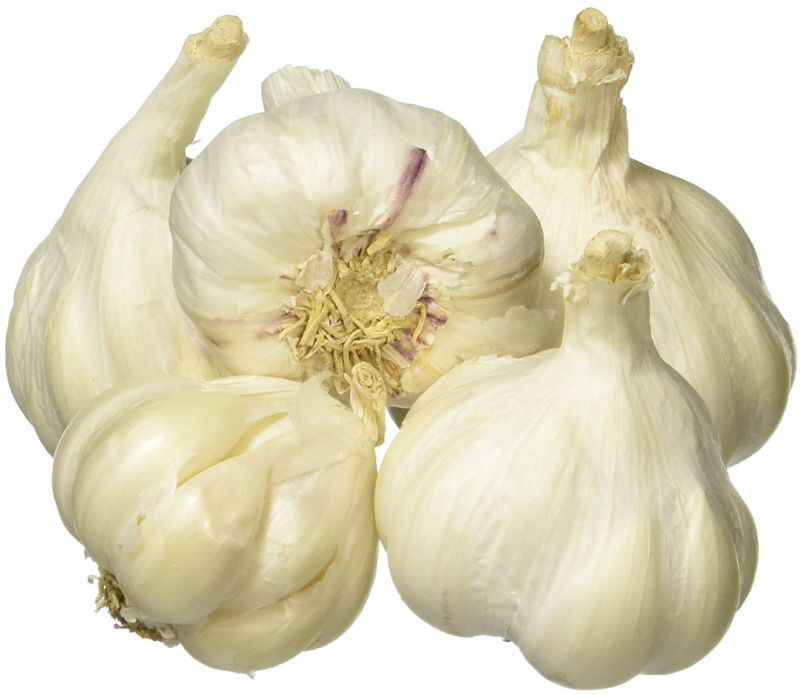
Fresh Garlic

  • Packaging Type 5kg, 10kg, 20kg, 30kg, 40kg
  • Size 25mm, 35mm, 45mm
  • Minimum Order One Container
Fresh Garlic is most commonly used taste & flavor enhancing agent in preparation of various savory food items. It is known for its characteristic pungent & spicy flavor with strong aroma and is admired for having ability to enhance taste of food preparations. Garlic is also used for preparing hot & spicy chutney which is consumed with paratha or with lentils. It is loaded with benefits for numerous health conditions and is said to have ability to increase libido in men. Fresh Garlic acts as natural blood purifier with ability to provide protection from cold & flu. It is also known to have excellent antibacterial & anti-parasitic activities with anti-cancer property.
View Complete Details

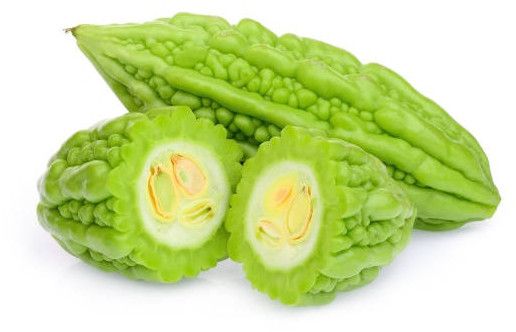
Fresh Bitter Gourd Melon

  • Usage/Application Edible
  • Type Vegetable
  • Flavor Bitter
  • Origin Tropical Regions
  • Related To Zucchini, Squash, Pumpkin, Cucumber
Bitter melon also known as bitter gourd or Momordica charantia is a tropical vine that belongs to the gourd family and is closely related to zucchini, squash, pumpkin, and cucumber. It's cultivated around the world for its edible fruit, which is considered a staple in many types of Asian cuisine. Bitter melon is especially rich in vitamin C, an important micronutrient involved in disease prevention, bone formation, and wound healing
View Complete Details

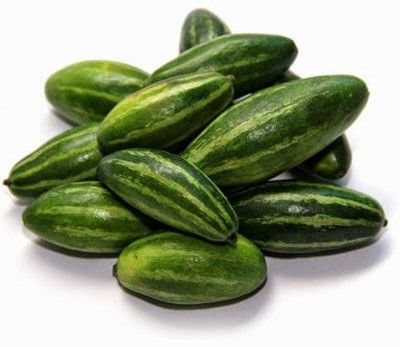
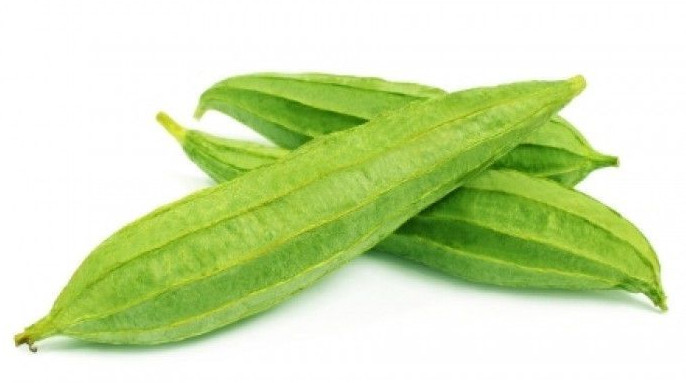
Fresh Pointed Gourd (Parwal)

  • Similar To Cucumber, Squash
  • Leaf Shape Heart-shaped
  • Fruit Stripes White, None
  • Seasonality Monsoon
  • Nutrients Antioxidants, Vitamin A, Vitamin C
Trichosanthes dioica, also known as pointed gourd, is a vine plant in the family Cucurbitaceae, similar to cucumber and squash, though unlike those it is perennial. It is a dioecious vine plant with heart-shaped leaves and is grown on a trellis. The fruits are green with white or no stripes. These striped green vegetables also called as Pointed Gourd is a seasonal monsoon vegetable. It is rich in various antioxidants, Vitamin A and C, which help in boosting the immune system and keeps you away from cold, cough and headaches
View Complete Details

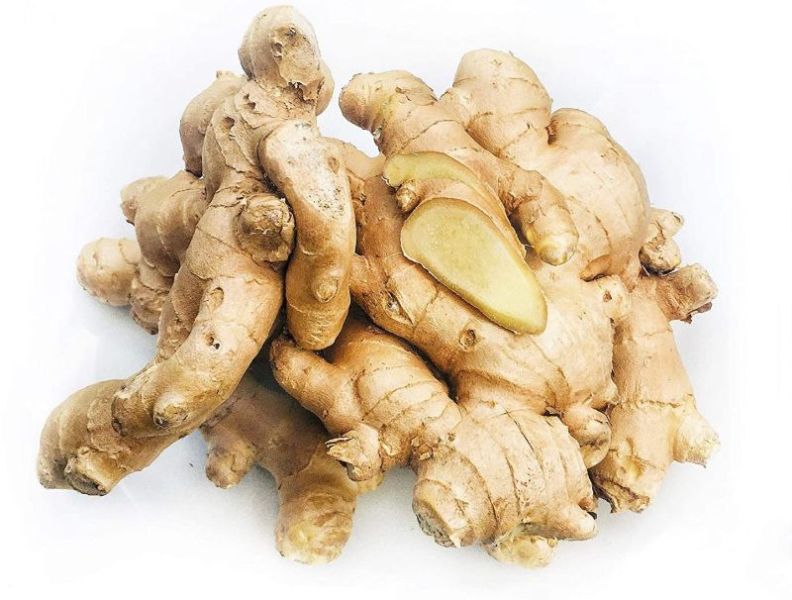
Fresh Ginger

  • Usage Cooking
  • Scientific Name Zingiber Officinale
  • Related Plants Turmeric, Cardamom
  • Packaging Options 5kg, 10kg, 20kg, 30kg, 50kg
  • Minimum Order Quantity One Container
  • Popular Cuisines Asian Cuisine, Indian Cuisine
Ginger, also known as Zingiber officinale, is a flowering plant that is closely related to turmeric and cardamom. The underground stem, or rhizome, of the ginger plant is commonly known as the ginger root and is well-known for its medicinal properties. Ginger is a popular ingredient in cooking, and especially in Asian and Indian cuisine.
View Complete Details

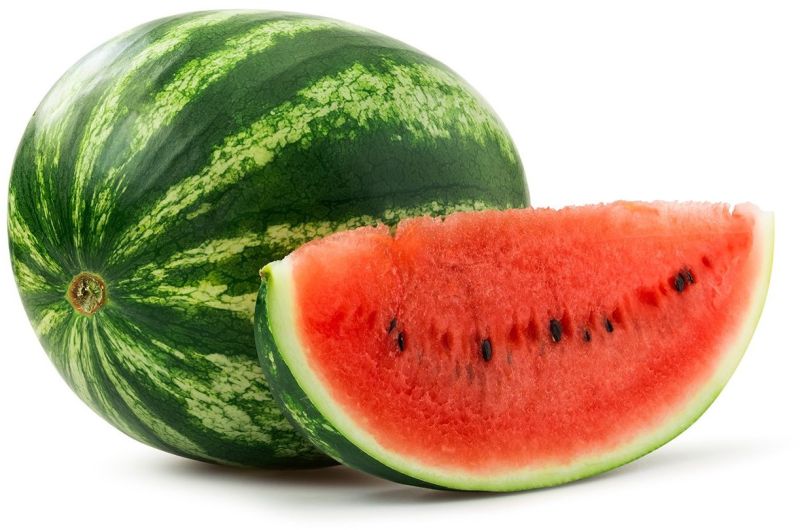
Fresh Watermelon

  • Shape Round Or Oval
  • Flavor Sweet And Refreshing
  • Weight Varies, Typically Heavy
  • Texture Juicy And Crunchy
  • Nutrients High Water Content, Lycopene, Vitamin C
Watermelon is a surprisingly healthy fruit. It has a high water content and also delivers many other important nutrients, including lycopene and vitamin C. These nutrients mean that watermelon isn't only a tasty low-calorie treat it's also very good for your health.
View Complete Details

Fresh Lemon

  • Usage Juice, Pickles, Drinks
  • Culinary Uses Cooking, Baking
  • Juice Percentage 5% To 6%
  • Citric Acid Percentage 5% To 6%
  • PH Level Around 2.2
The lemon (Citrus limon) is a species of small evergreen tree in the flowering plant family Rutaceae, native to Asia, primarily Northeast India (Assam), The tree's ellipsoidal yellow fruit is used for culinary and non-culinary purposes throughout the world, primarily for its juice, which has both culinary and cleaning uses. The pulp and rind are also used in cooking and baking. The juice of the lemon is about 5% to 6% citric acid, with a pH of around 2.2, giving it a sour taste. The distinctive sour taste of lemon juice makes it a key ingredient in drinks and foods such as lemonade and lemon meringue pie
View Complete Details

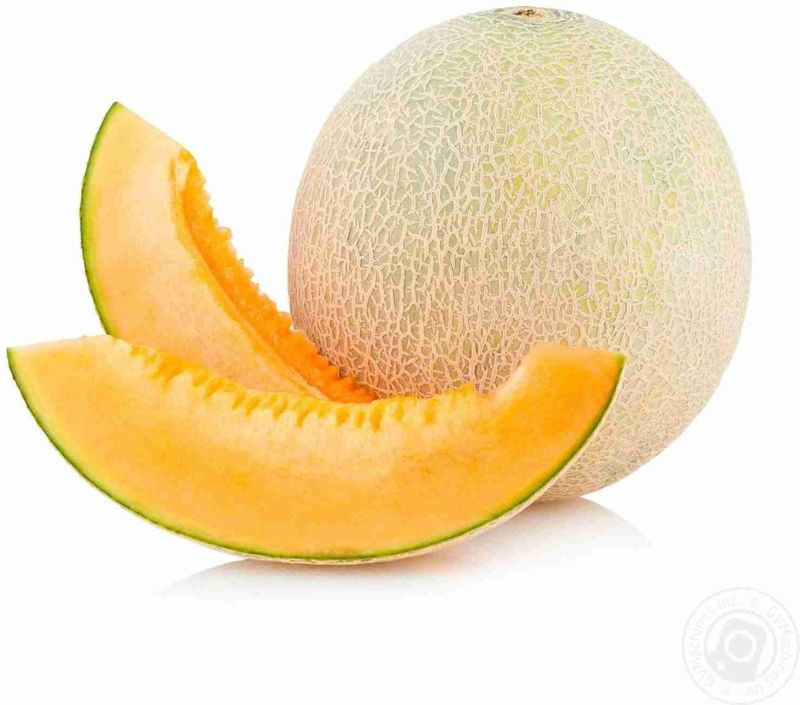
Fresh Muskmelon

  • Flavor Sweet
  • Aroma Musky
  • Availability Summer
  • Hydration Level Hydrating
  • Cooling Property Cooling
  • Nutrients Vitamins, Minerals
Muskmelon, also referred to as 'sweet melon' and got its name from its strong musky smell. It is a yellow-colored fruit with tempting sweetness and a pleasant aroma. They are abundantly available in summer and have high water content, making them hydrating and cooling.
View Complete Details

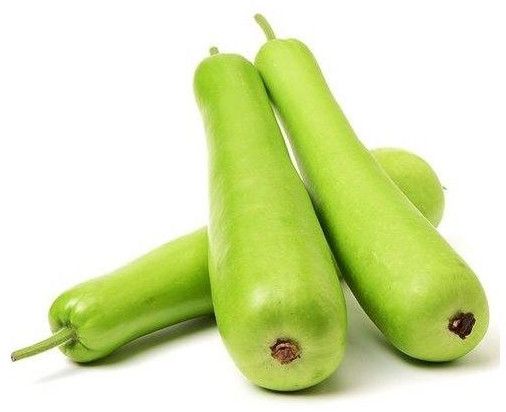
Fresh Bottle Gourd

  • Packaging Type Usually Unpackaged
  • Common Names Bottle Gourd, Calabash Gourd, Loki
  • Growing Habit Running Or Climbing Vine
  • Nutrients Rich In Vitamins And Minerals
  • Taste Mild Flavor
It belongs to the gourd family- Cucurbitaceae and is a running or climbing vine. The fruit is harvested young and used as a vegetable. It has a light green smooth skin and a white inner flesh. Usually the round fruits are called Calabash gourd and the slender long fruits are called Bottle gourds.
View Complete Details

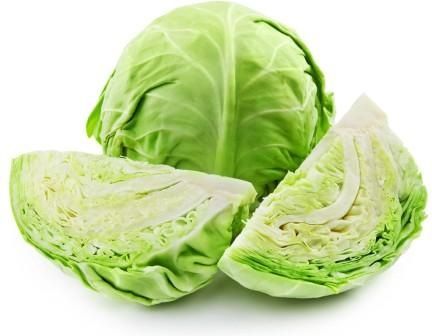
Fresh Cabbage

  • Usage/Application Culinary
  • Material Brassica Oleracea
  • Origin Wild Cabbage
  • Head Type Dense-leaved
Cabbage, comprising several cultivars of Brassica oleracea, is a leafy green, red (purple), or white (pale green) biennial plant grown as an annual vegetable crop for its dense-leaved heads. It is descended from the wild cabbage.
View Complete Details

Fresh Ridge Gourd (Turai)

  • Material Organic
  • Benefits Enhances Vision, Remedies Anemia
  • Storage Instructions Wash Thoroughly, Peel, And Store In A Cool, Dry Place
  • Preparation Peel And Chop Before Cooking
A ridge gourd also commonly known as Turai or Turiya is a well beloved in India. Its hard skin is peeled off and chopped and cooked as desired. Wash the ridge gourd thoroughly with water and dry using a kitchen towel. Peel the ridge gourd using a peeler and discard the peels. Enhances Vision: The significant amounts of vitamin A in ridge gourd, in the form of beta carotene, contribute to improving eyesight even at an older age. .
View Complete Details

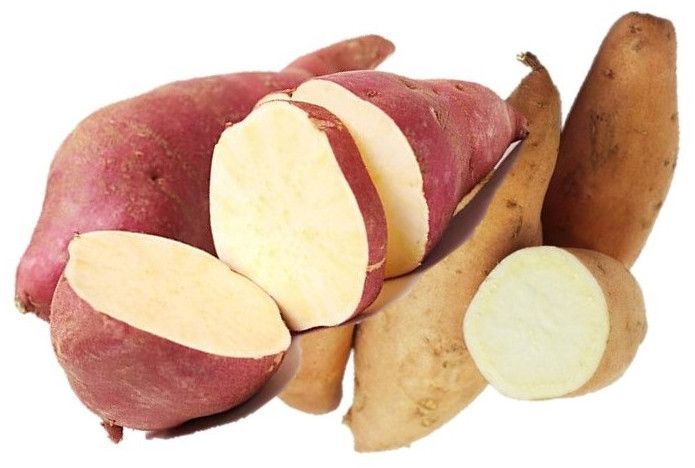
Fresh Sweet Potato

  • Shape Tuberous
  • Plant Family Convolvulaceae
  • Taste Sweet
  • Edible Parts Roots, Shoots, Leaves
The sweet potato or sweetpotato is a dicotyledonous plant that belongs to the bindweed or morning glory family, Convolvulaceae. Its large, starchy, sweet-tasting, tuberous roots are used as a root vegetable. The young shoots and leaves are sometimes eaten as greens. Health Benefits Cancer. Carotenoids in sweet potatoes might lower your risk for cancer.Diabetes. Compounds in sweet potatoes could help control blood sugar.Heart disease. Research shows that sweet potatoes can lower your LDL "bad" cholesterol, which may lower your odds of heart problems.Macular degeneration. .Obesity.
View Complete Details

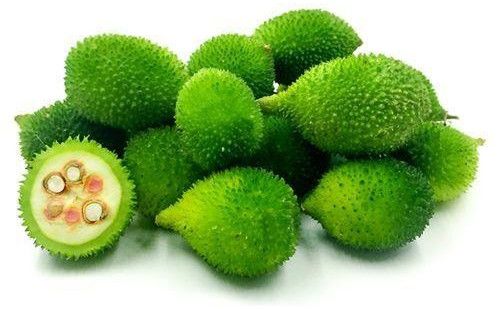
Fresh Spine Gourd

  • Usage/Application Vegetable Consumption
  • Shelf Life 3-5 Days
  • Benefits Skin Health, Anti-ageing
  • Storage Instructions Refrigerate In A Perforated Plastic Bag
  • Nutritional Value Low In Calories, High In Fiber And Vitamins
Momordica dioica, commonly known as spiny gourd or spine gourd and also known as bristly balsam pear, prickly carolaho, teasle gourd or kantola, is a species of flowering plant in the Cucurbitaceae/gourd family. It is used as a vegetable in all regions of India and some parts in South Asia It helps to keep the skin healthy as it contains various flavonoids such as beta carotene, lutein and zeaxanthins that act as protective scavengers. It also has anti-ageing properties as it is blessed with antioxidants that fight free radicals the body has due to ageing and pollution, says the nutritionist.
View Complete Details

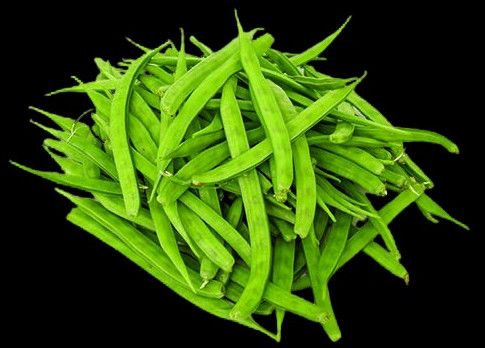
Fresh Cluster Bean (Guar Fali)

  • Shape Narrow, Long
  • Availability Widely Grown
  • Nutrients Rich In Fiber
  • Culinary Use Vegetable Dish
The guar bean or cluster bean , is an annual legume, is the source of guar gum. . Young, fresh cluster beans have a narrow and long body with tiny pods. They are very popular vegetable. they are native to India and are widely grown, not only in Andhra but also in other parts of country (dry, warm and arid regions).
View Complete Details

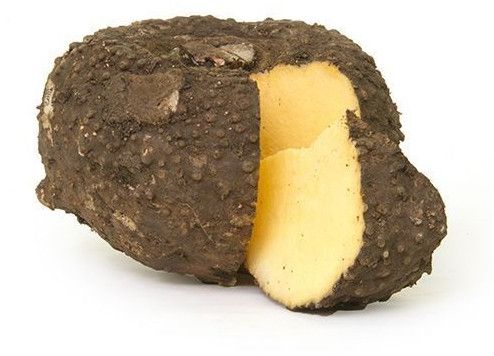
Fresh Elephant Yam

  • Scientific Name Amorphophallus Paeoniifolius
  • Other Names Elephant Foot Yam, Whitespot Giant Arum
  • Primary Regions Africa, South Asia, Southeast Asia
Amorphophallus paeoniifolius, the elephant foot yam or whitespot giant arum, is a tropical tuber crop grown primarily in Africa, South Asia, Southeast Asia and the tropical Pacific islands. Because of its production potential and popularity as a vegetable in various cuisines, it can be raised as a cash crop. Regulates the cholesterol: Elephant foot yam (jimikand) has a powerful anti-inflammatory compound which reduces bad cholesterol and prevents heart diseases. .Control diabetes: Elephant foot yam is very beneficial for diabetic patients.
View Complete Details

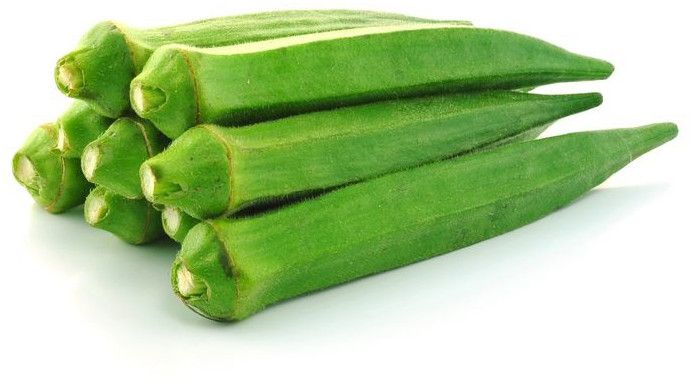
Fresh Okra (Bhindi)

  • Usage/Application Edible
  • Material Edible Plant
  • Origin Tropics Of The Eastern Hemisphere
  • Plant Type Herbaceous Hairy Annual
Okra, (Abelmoschus esculentus), herbaceous hairy annual plant of the mallow family (Malvaceae) and its edible fruit. It is native to the tropics of the Eastern Hemisphere and is widely cultivated or naturalized in the tropics and subtropics of the Western Hemisphere. . Only the tender unripe fruit is eaten.
View Complete Details

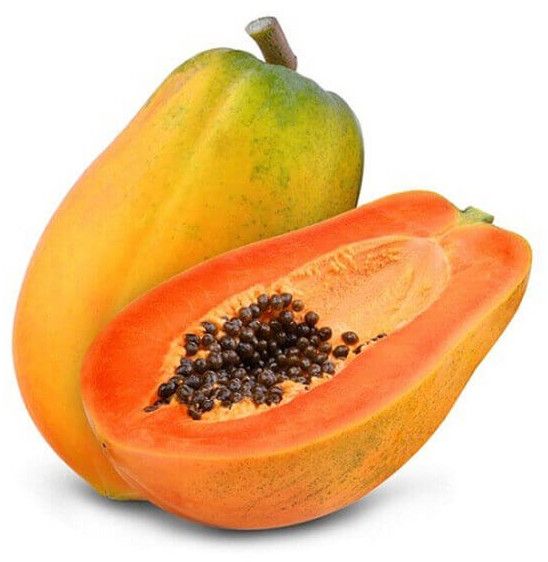
Fresh Papaya

  • Taste Sweet And Tropical
  • Seed Edibility Edible But Bitter
  • Texture Soft And Juicy
  • Nutrients Vitamin C, Vitamin A, Folate, Potassium
Papaya is the fruit of the Carica papaya plant. . Papayas are shaped similar to pears and can be up to 20 inches (51 cm) long. The skin is green when unripe and orange when ripe, while the flesh is yellow, orange or red. The fruit also has many black seeds, which are edible but bitter
View Complete Details

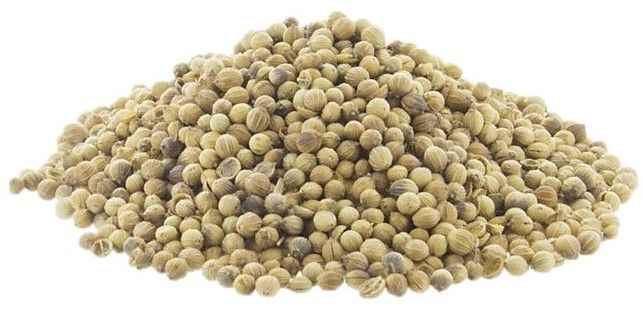
Coriander Seed

  • Plant Type Herb
  • Leaf Type Compound
  • Seed Usage Condiments, Curry Powders, Sausages, Seasonings
  • Culinary Use Curries, Soups, Bakery Products, Meat Products
  • Medicinal Use Carminative, Refrigerant, Diuretic, Aphrodisiac
Coriander is an important spice crop having a prime position in flavouring food. The plant is a thin stemmed, small, bushy herb, 25 to 50 cm in height with many branches and umbels. Leaves are alternate, compound.Coriander is a tropical crop and can be successfully cultivated as a rabi season crop in an area free from severe frost during February when the crop flowers and sets its seeds.The young plant is used for flavouring and garnishing curries and soups. The fruits (seeds) are widely used as condiments with or without roasting in the preparation of curry powders, sausages and seasonings. It is an important ingredient in the manufacture of food flavourings, in bakery products, meat products, soda & syrups, puddings, candy preserves and liquors. In medicines it is used as a carminative, refrigerant, diuretic, and aphrodisiac. In household medicines, it is used against seasonal fever, stomach disorders, and nausea.
View Complete Details

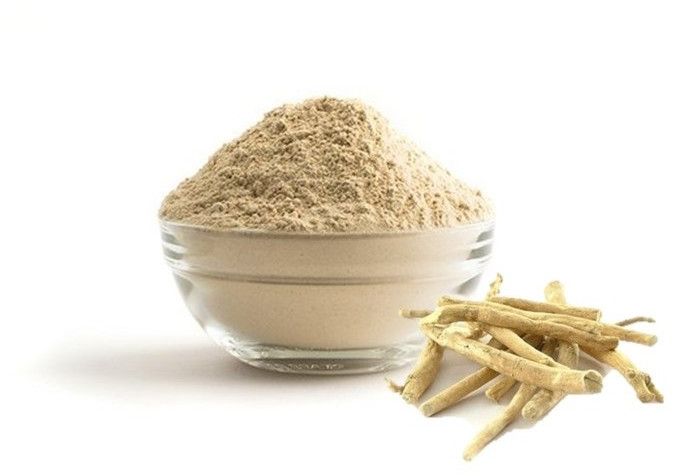
Ashwagandha

  • Packaging Type Plastic Bag
  • Benefits Strength And Vigour, Healing Properties, High Sex Drive
  • Components Steroidal Lactones, Alkaloids, Cuscohygrine, Tropine
  • Roots Long, Tuberous, Brown
  • TraditionalUse Indian Ayurvedic Medicine
  • Paste Made From Dried Leaves Powder
Ashwagandha is a very powerful herb. In Sanskrit, it means the smell of a horse, which indicates the herb makes one have the strength and vigour of a stallion. It is also called the Indian ginseng. Ashwagandha belongs from the family of tomato, it is a plump shrub with yellow flowers and oval leaves .Ashwagandha helps to reduce blood sugar, fights depression, reduces cholesterol and cortisol levels. It also helps to combat cancer, anxiety, stress, inflammation, improves fertility levels in men and increases muscle strength. Ashwagandha is also ideal for boosting the testosterone level of men which results in a high sex drive.Ashwagandha is generally orange-red when it becomes ripe and the flowers appear to be bell shaped. It includes steroidal lactones and alkaloids which gives it beneficial and healing properties. Components like cuscohygrine and tropine are also present in Ashwagandha. The long, tuberous, brown roots have been used in Indian Ayurvedic medicine since early ages. The dried leaves of Ashwagandha are often ground and a paste is made from the powder which is used to treat cuts and burns.
View Complete Details

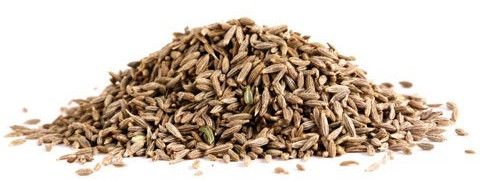
Cumin Seed

  • Shape Elongated, Ovoid
  • Size 3-6mm
  • Taste Bitter
  • Plant Height 15-50cm
  • Ridges 5 Primary, 4 Less Distinct Secondary
Cumin (Jeera) is the dried, white fruit with greyish brown colour of a small slender annual herb. Cumin seed have an aromatic odour and bitter taste. The surface of the fruit has 5 primary ridges, alternatively has 4 less distinct secondary ridges bearing numerous short hairs. The plant is 15 to 50 cm high. The aromatic seed like fruit is elongated, ovoid, 3 to 6 mm long, slightly bitter and has a warm flavour. The flowers are white or rose coloured in small umbels. It is used as a condiment, and is an ingredient in curry powders, seasonings of breads, cakes and cheese. In medicine, it is used as a stimulant, carminative, stomachic and astringent.
View Complete Details

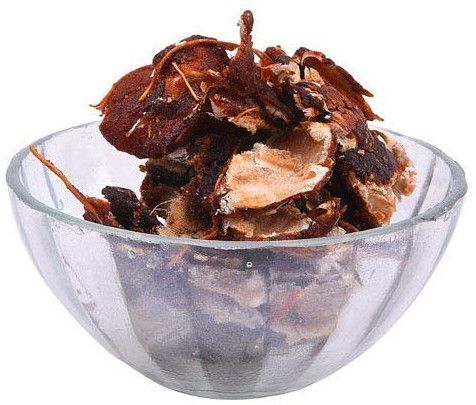
Tamarind

  • Packaging Type Plastic Packet
  • Usage/Application Cooking
  • Suitable Regions Semi-tropical
  • Culinary Use Numerous Preparations
  • Raw Material For Wine Beverages
  • Industrial Use Textile Sizing, confectionary, cosmetics
Tamarind (Imli) is originated in Madagascar and is now extensively cultivated in India.The tree is not exacting as regards to soil but thrives best in deep alluvium. The tree prefers warm climate but sensitive to frost. Tamarind is suited to semi-tropical region with low rainfall. It can come up even in saline, alkaline and gravelly soils, and soils prone to erosion.Tamarind pulp is used in numerous culinary preparations. It is also a raw material for the preparation of wine like beverages. The tamarind kernel powder is found to be extensively used for its sizing properties, in textile, confectionary, cosmetics and pharmaceutical industries. The testa is used in dyeing and tanning industry. The tender leaves and flowers are used as vegetables. In medicine, it is used as appetizing, laxative, healing and anti-helmintic. It is also used against fluorosis
View Complete Details

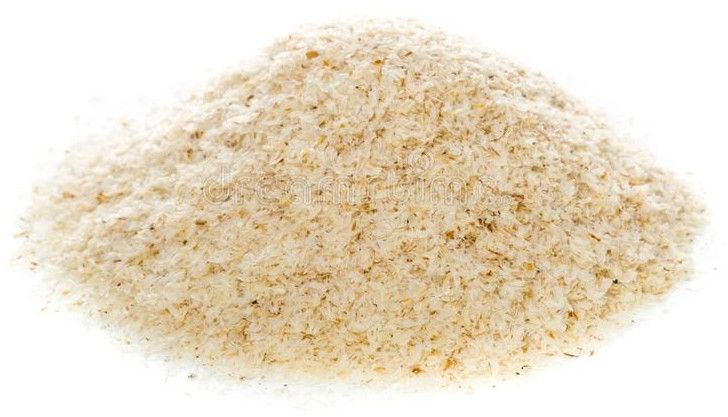
Psyllium Husk (Isabgol)

  • Packaging Type 100g, 200g, 500g, 1kg, 2kg, 5kg, 10kg, 25kg, Customizable
  • Material Plantago Ovata Seeds
  • Benefits Mild Laxative, Diuretic Qualities, Cooling Effect
Isabgol is a portion of the seeds of the plant Plantago Ovata, (genus Plantago). They are hygroscopic, which makes it possible for them to grow and develop into mucilaginous. It belongs to Plantaginaceae family. In simple word, Isabgol is the seed of the plant known as Plantago Ovata. Its leaves have a similar appearance to the leaves of Aloe vera.The psyllium seeds come from the big flower of the plant, and the structure is very much similar to wheat. It has various beneficial effects including mild laxative, diuretic qualities, and cooling and thus, Isabgol finds its place as an important member of Ayurveda.
View Complete Details

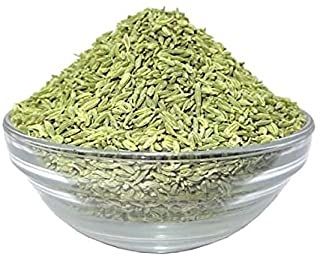
Fennel Seed

  • Texture Smooth
  • Usage/Application Garnishing, Salads, Italian Sausages, Pizza Topping
  • Height 1.5 To 1.8 Meters
  • Benefits Aromatic, Stimulant, Carminative
  • Cultivation Extensive In Northern India
Fennel Seed(Sauf) is a biennial, aromatic, stout, glabrous, 1.5 to 1.8 mtr high. The ripe fruit (seed) is small, oblong, cylindrical, 6.8mm long, straight or slightly curved, greenish yellow, deeply furrowed, 5 ridged and having agreeable aroma. It is cultivated extensively in Northern India as a cold weather crop. It comes up well in fairly mild climate. The dry and cold weather favours high seed production. Prolonged cloudy weather at the time of flowering is conducive to diseases and pests.The leaves of fennel is used for garnishing. Leaves and stalks are used in salads. It is an essential ingredient in Italian sausages, widely used to sprinkle on pizza. Dried fruits have fragrant odour and pleasant aromatic taste and therefore used as a masticatory. They are also used for flavouring soups, meat dishes, sauces, pastries, confectionaries and liquors. The fruits are aromatic, stimulant and carminative
View Complete Details

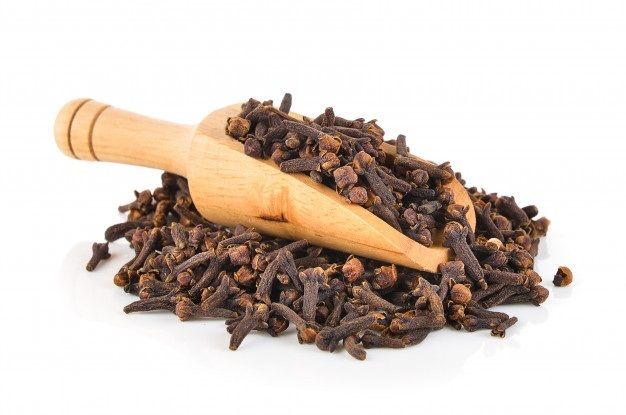
Cloves

  • Tree Height 10-12 Meters
  • Flowering Time Starts In About 7 Years
  • Flower Buds Production Continues For 80+ Years
  • Harvesting Method Hand-plucked
The clove(Loung) of commerce is the air-dried unopened flower bud obtained from evergreen medium sized tree. The tree grows to a height of 10-12 mtrs and start flowering in about 7 years. It continues to produce flower buds for 80 or more years. It is a valuable spice of the orient. Clove clusters are plucked by hand when the buds are fully developed with a pronounced pink flush and then dried over several days in the sun. Unopened flower buds, leaves and stalks yield essential oil.The tree prefers well drained rich soil with sufficient soil moisture throughout the year. High atmospheric temperature (25 to 35 degree C) with heavy sun light, good and well-distributed rainfall (above 150 cm) and high humidity (above 70%) are preferred.
View Complete Details

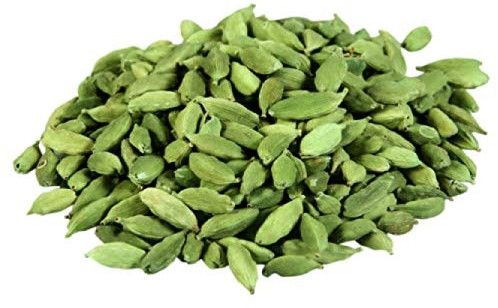
Green Cardamom

  • Shape Triangular, Spindle-shaped
  • Storage Cool, Dry Place
  • Shelf Life 1-2 Years
  • Taste Strong, Unique
  • Fragrance Intensely Aromatic
Green Cardamom: native to India, they are recognized by their small seed pod, triangular in cross-section & spindle-shaped, with a thin papery outer shell & small black seeds. Cardamom has a strong, unique taste, with an intensely aromatic fragrance. Green cardamom is often used in traditional Indian sweets & in Masala chai (spiced tea). Elaichi or cardamom is one of the most common spices seen in an Indian household. Not only does it add sweet taste and unique flavour to your dishes, it is also widely used as a natural mouth freshener.
View Complete Details

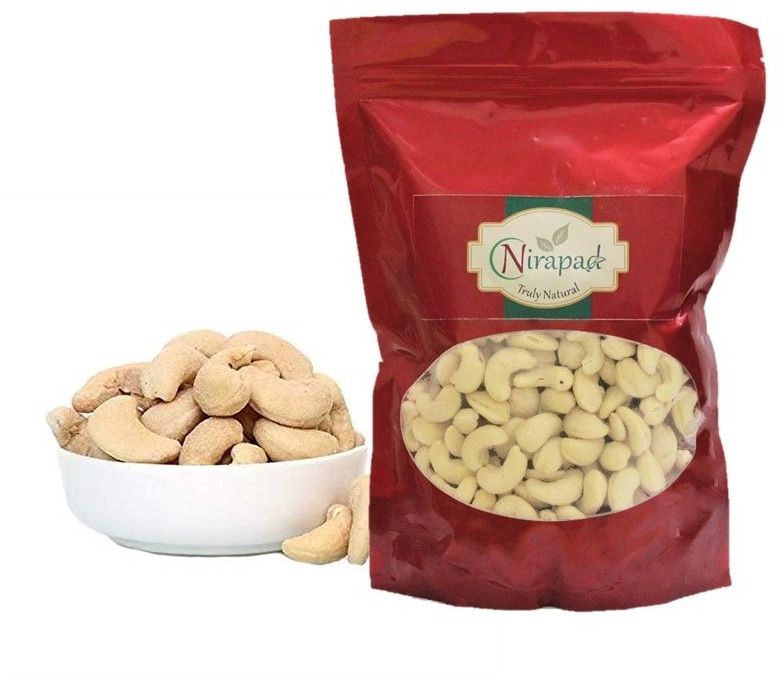
Cashew Nuts (Kaju)

  • Packaging Type Plastic Packets
  • Carbohydrates Dv 11% DV
  • Minerals Copper, Manganese, Phosphorus, Magnesium
  • Minerals Dv 79-110% DV
  • Vitamins Thiamin, Vitamin B6, Vitamin K
  • Vitamins Dv 32-37% DV
Raw cashews are 5% water, 30% carbohydrates, 44% fat, and 18% protein (table). In a 100 gram reference amount, raw cashews provide 553 Calories, 67% of the Daily Value (DV) in total fats, 36% DV of protein, 13% DV of dietary fiber and 11% DV of carbohydrates.[24] Cashews are rich sources (20% or more of the DV) of dietary minerals, including particularly copper, manganese, phosphorus, and magnesium (79-110% DV), and of thiamin, vitamin B6 and vitamin K (32-37% DV) (table).[24] Iron, potassium, zinc, and selenium are present in significant content (14-61% DV) (table).[24] Cashews (100 grams, raw) contain 113 milligrams (1.74 gr) of beta-sitosterol.[24]
View Complete Details

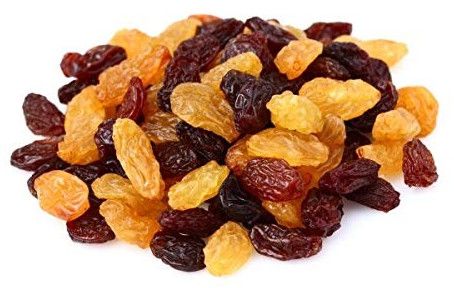
Raisins (Kishmish)

  • Size Small To Medium
  • Shape Oval
  • Weight Various Weights Available
  • Shelf Life 6-12 Months
  • Material Grapes
View Complete Details

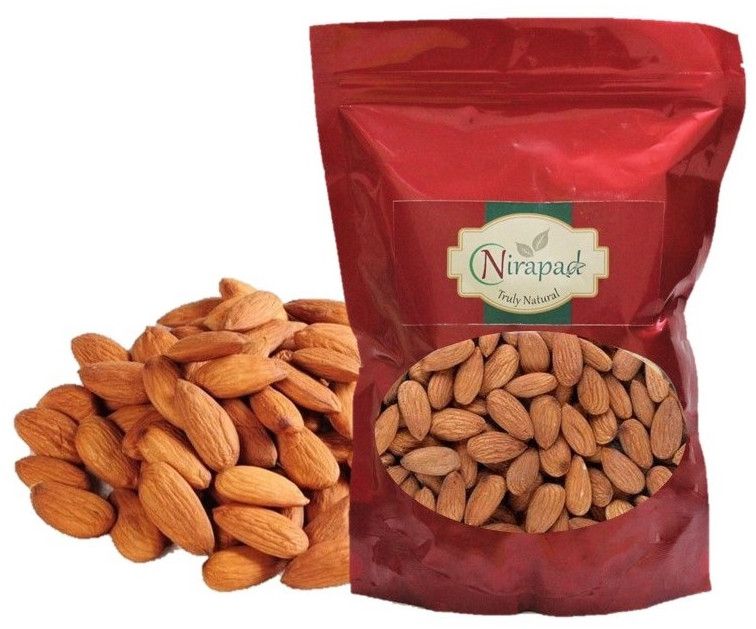
Almond

  • Packaging Type Plastic Packat
  • Cross Reactivity With Peach Allergens, tree Nut Allergens
  • Allergy Symptoms Oral Allergy Syndrome, contact Urticaria, anaphylaxis
  • Damaging Organisms Insects, fungal Pathogens, plant Viruses, bacteria
  • Cholesterol Level LDL Cholesterol Lowering
  • Allergy Symptoms Range Local To Systemic
Almonds are included as a good source of protein among recommended healthy foods by the US Department of Agriculture.[56] A 2016 review of clinical research indicated that regular consumption of almonds may reduce the risk of heart disease by lowering blood levels of LDL cholesterol Almonds may cause allergy or intolerance. Cross-reactivity is common with peach allergens (lipid transfer proteins) and tree nut allergens. Symptoms range from local signs and symptoms (e.g., oral allergy syndrome, contact urticaria) to systemic signs and symptoms including anaphylaxis (e.g., urticaria, angioedema, gastrointestinal and respiratory symptoms Almond trees can be attacked by an array of damaging organisms, including insects, fungal pathogens, plant viruses, and bacteria.
View Complete Details

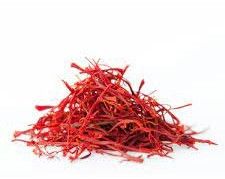
Saffron

  • Material Stigma Of The Flower Of The Saffron Plant
  • Usage/Application Cooking, Seasoning, Food Coloring, Medicine
  • Smell Hay-like
  • Nutrients 65%, 6%, 11%, 12%, 28% DV
Saffron (pronounced /sfrn/, /sfrn/) is a spice made from the stigma of the flower of the saffron plant. The spice is used in cooking as a seasoning and as a food colouring. Saffron has a bitter taste and smells like hay. This smell is caused by the chemicals picrocrocin and safranal.Saffron also contains a dye, crocin, that gives food a rich golden colour. Saffron is a part of many foods from around the world, and is also used in medicine. Dried saffron is 65% carbohydrates, 6% fat, 11% protein (table) and 12% water. In a serving of one tablespoon (2 grams), manganese is present as 28% of the Daily Value, while other micronutrients have negligible content (table).
View Complete Details

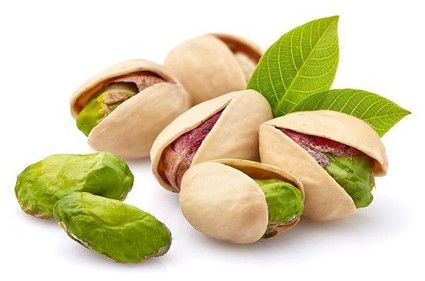
Pistachio

  • Packaging Type Plastic Packets
  • Vitamins Rich Source Of B Vitamins (thiamin, Vitamin B6), Vitamin E, Vitamin K
  • Fat Profile Saturated Fats, Monounsaturated Fats, Polyunsaturated Fats
  • Saturated Fatty Acids Palmitic Acid (10% Of Total), Stearic Acid (2%)
  • Monounsaturated Fatty Acids Oleic Acid (51% Of Total Fat)
  • Polyunsaturated Fatty Acids Linoleic Acid (31% Of Total Fat)
Pistachios are a nutritionally dense food. In a 100 gram serving, pistachios provide 562 calories and are a rich source (20% or more of the Daily Value or DV) of protein, dietary fiber, several dietary minerals and the B vitamins, thiamin and especially vitamin B6 at 131% DV (table).[35] Pistachios are a good source (1019% DV) of calcium, riboflavin, vitamin B5, folate, vitamin E, and vitamin K (table). The fat profile of raw pistachios consists of saturated fats, monounsaturated fats and polyunsaturated fats.[35][36] Saturated fatty acids include palmitic acid (10% of total) and stearic acid (2%).[36] Oleic acid is the most common monounsaturated fatty acid (51% of total fat)[36] and linoleic acid, a polyunsaturated fatty acid, is 31% of total fat.[35] Relative to other tree nuts, pistachios have a lower amount of fat and calories but higher amounts of potassium, vitamin K, -tocopherol, and certain phytochemicals such as carotenoids and phytosterols.
View Complete Details

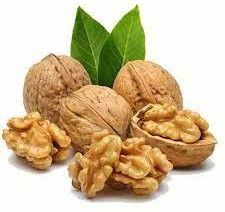
Walnut

  • Material Juglans Regia
  • Diet Human Diet
  • Age Thousands Of Years
  • Family Walnut Family
  • Texture Hard Shell, Soft Interior
Walnuts (Juglans regia) are a tree nut belonging to the walnut family. They originated in the Mediterranean region and Central Asia and have been part of the human diet for thousands of years. These nuts are rich in omega-3 fats and contain higher amounts of antioxidants than most other foods.
View Complete Details

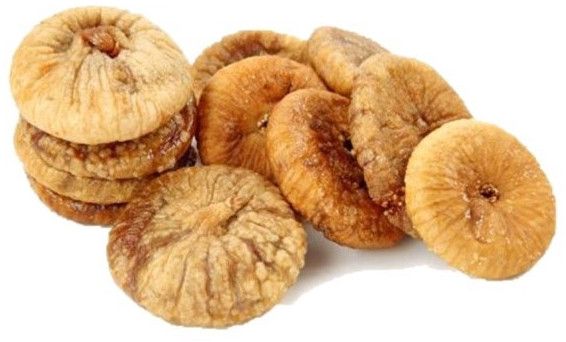
Dried Fig

  • Texture Soft Outer Coating, Crunchy Seeds Inside
  • Shelf Life 6-12 Months
  • Storage Cool And Dry Place
  • Usage Snacking, Baking, Cooking
  • Benefits Sustains Weight Loss, Regulates Blood Pressure
Common Fig popularly known as Anjeer, is a delicious dry fruit that belongs to the Mulberry family. Unlike other dry fruits, Anjeer has a soft juicy outer coating and crunchy seeds inside, which makes it an amazing fruit to relish. Sustains Weight Loss. Figs are an ideal snack for the ones who wish to lose weight. .Regulates Blood Pressure. .Treats Piles. .Stronger Bones. .Manages Diabetes. .Promotes Heart Health. .Treats Alzheimer's Disease. .Prevents Age Related Macular Degeneration.
View Complete Details

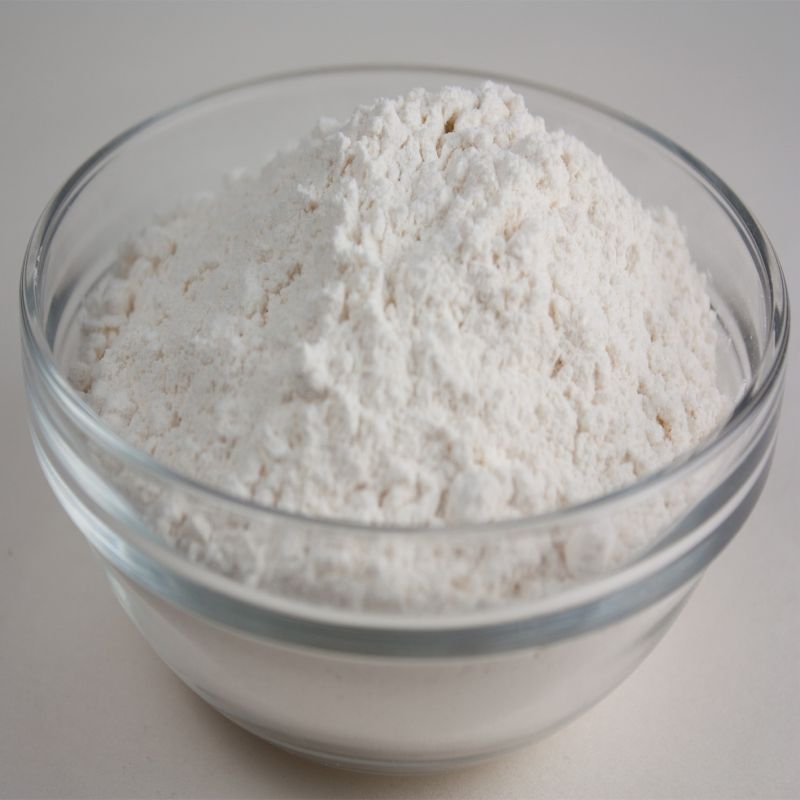
Whole Wheat Flour

  • Shelf Life 6 Months
  • Packaging Type Plastic Pack, Jute Bag
  • Weight 1 Kg, 2 Kg, 5 Kg
  • Nutrients High In Nutrients
  • Ingredients Whole Wheat
  • Storage Instructions Store In A Cool, Dry Place
Wheat flour is high in nutrients. Because of its fiber properties, wheat flour is the first choice of the health conscious people. Wheat flour is obtained by milling wheat Ingredients : Whole Wheat.
View Complete Details

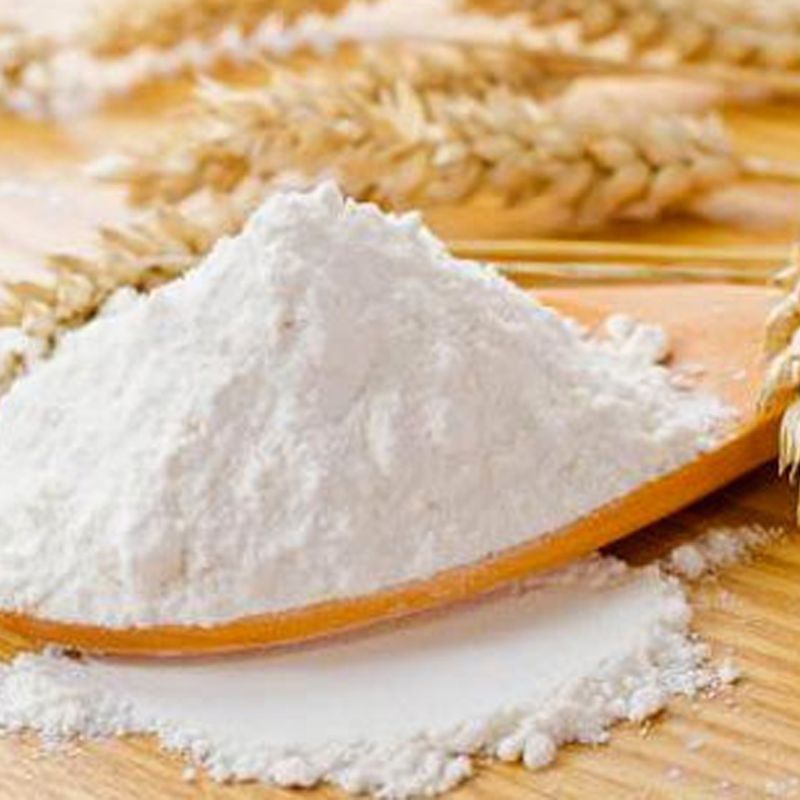
White Flour (Maida)

  • Application Indian Bread Items, Pastries, Bakery Items
  • Grade Highly Refined
  • Mesh Size 600 Mesh Per Square Inch
  • Storage Cool And Dry Place
Maida Flour is nothing but highly refined wheat flour. Maida is extracted from the inner white portion of the wheat after the outer brownish layer is removed. After the grinding of the flour in a flour mill, it is passed through a fine 600 mesh per square inch to obtain maida. It is used to make various Indian bread items like puri, paratha, chappathi, Naan, Kulcha etc. Various pastries and other bakery items like bread, biscuits, toast etc. are also made from maida.
View Complete Details

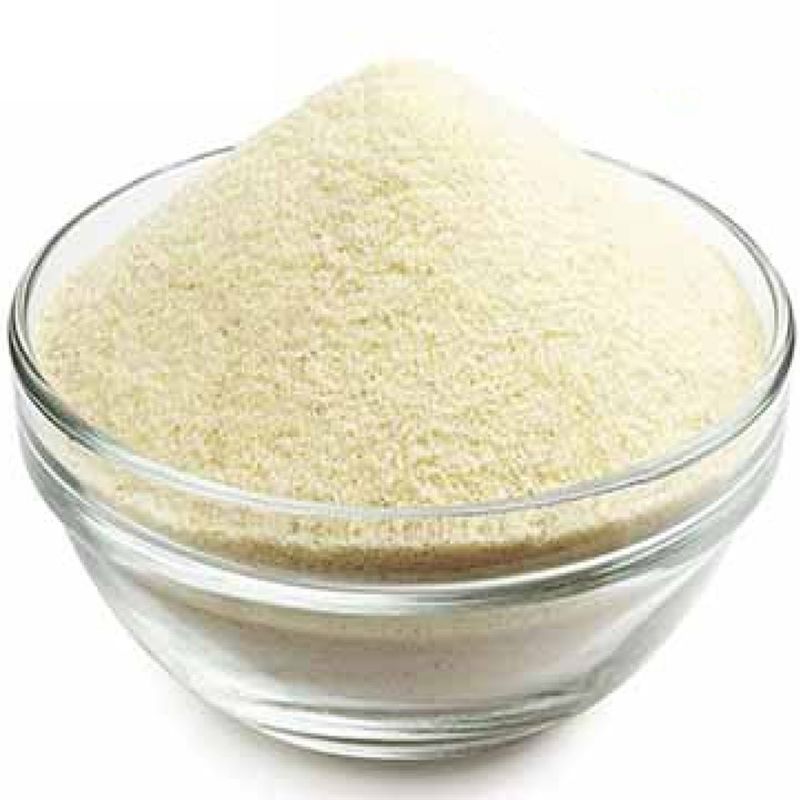
Semolina Flour

  • Type Semolina Flour
  • Application Pasta Making, Upma, Idli, Halwa, Kheer
  • Alternative Names Rava, Sooji
  • Material Durum Wheat
  • Texture Gritty, Coarse
Semolina is also known as Rava or Sooji , Semolina is a very gritty, coarse type of flour, usually made from durum wheat and can vary in color from yellow to white depending on the quality of the wheat. It comprises the nutritious heart (endosperm) of the grain, which is left behind when the fine flour is sifted after milling.Internationally, durum semolina is commanly used in the manufacture of pasta because of its high gluten content, which gives the pasta its pleasent taste and ensures that it retains its shape during the cooking process.In India, many more varities of semolina are available, made from soft wheat, maize, rice and other grains; Here semolina is used to make upma, idli, halwa, kheer and other dishes.Semolina is high in protein, very high in complex carbohydrate and fairy high in potassium , phosphorus, magnesium, calcium, and fibre, with some iron, zinc, manganese and copper. Being a low-fat, high carbohydrate food, it offers a lot of energy for active and energetic people
View Complete Details

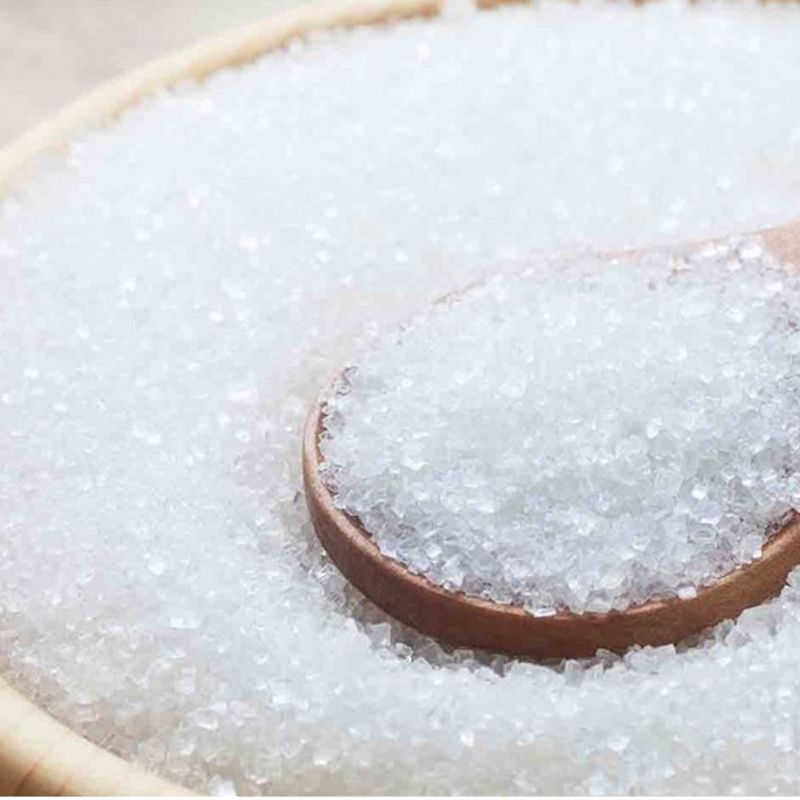
Sugar

  • Weight 1 Lb, 2 Lbs, 5 Lbs, 10 Lbs
  • Form Crystals
  • Shelf Life 2 Years
  • Size Fine, Coarse
  • Storage Cool And Dry Place
View Complete Details

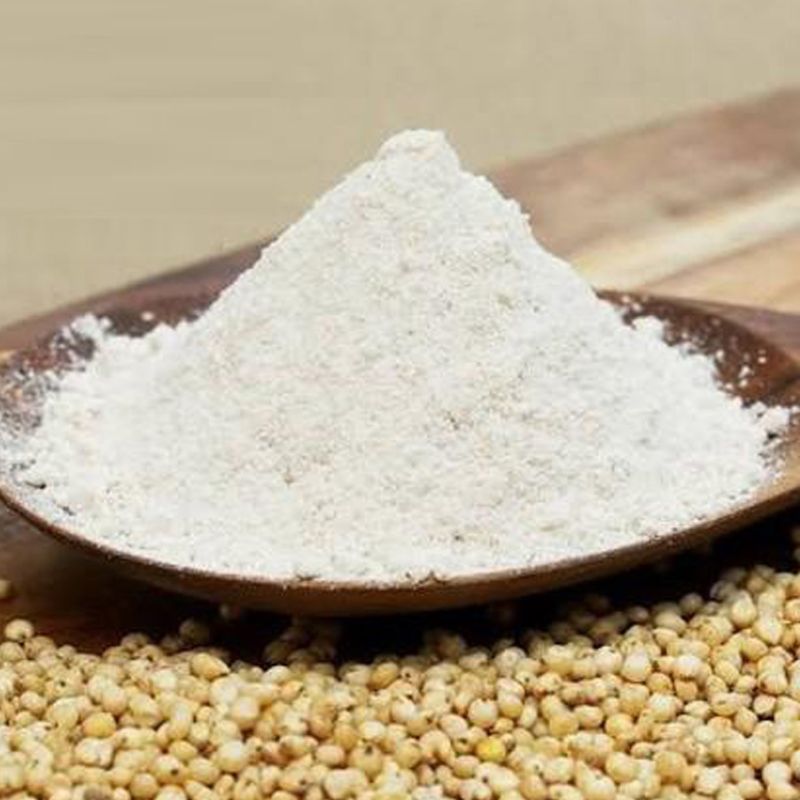
Sorghum Flour

  • Usage Human Diet, Animal Fodder
  • Material Sorghum
  • Common Names Jowar
  • Origin Tropical And Subtropical Climates
Sorghum, popularly known in India as Jowar, is a cereal grain, which is found mostly in tropical and subtropical climates. Sorghum has been a part of the human diet for more than 5000 years, with its uses being traced through several civilizations across the world. It is often referred to as the fifth most important cereal crop grown in the world, with its benefits being recognized far and wide. Apart from being a healthy cereal and a gluten free alternative for wheat, sorghum is also used for animal fodder.
View Complete Details

Rice Flour

  • Application Making Fresh Rice Noodles, Sweets, Thickening Coconut Milk
  • Texture Light, Fluffy
  • Digestibility Easily Digestible
  • Nutritional Value High Nutritional Value
  • Substitute For Wheat Flour In Many Recipes
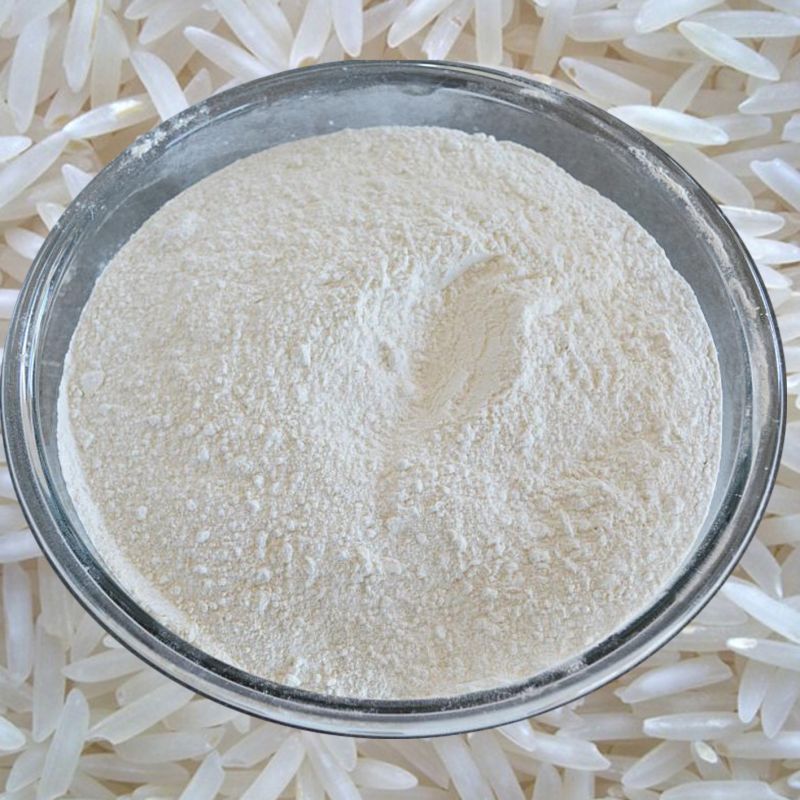
Rice flour is primarily made from polished broken rice. Rice flour, sometimes called rice powder, is made from finely milled white raw rice and is used to make fresh rice noodles and sweets. It is also used to thicken coconut milk to a rich, smooth and creamy consistency. The rice flour is easily available in most Asian markets. Rice flour has previously been used in food products for baby foods. Today the rice flour has extensive use in many recipes. Rice flour is being used in cereals, crackers, chips, snacks, and coating applications to provide different texturesRice flour is ideal for people having special dietary requirements as it has no gluten, fat and cholesterol and so it has been proven to be a perfect intake for gluten intolerant people. Rice flour can be digested easily compared to other flours and it has light and fluffy qualities. It is also an excellent thickener for sauces, gravies and custards. Rice flour is compatible to many wheat flour recipes and is also used as a thickening agent in refrigerated or frozen recipes. Manufacturers of food products, chefs and cooks have realized the nutritional value of rice flour and have replaced wheat flour with rice flour in many recipes
View Complete Details

Poha

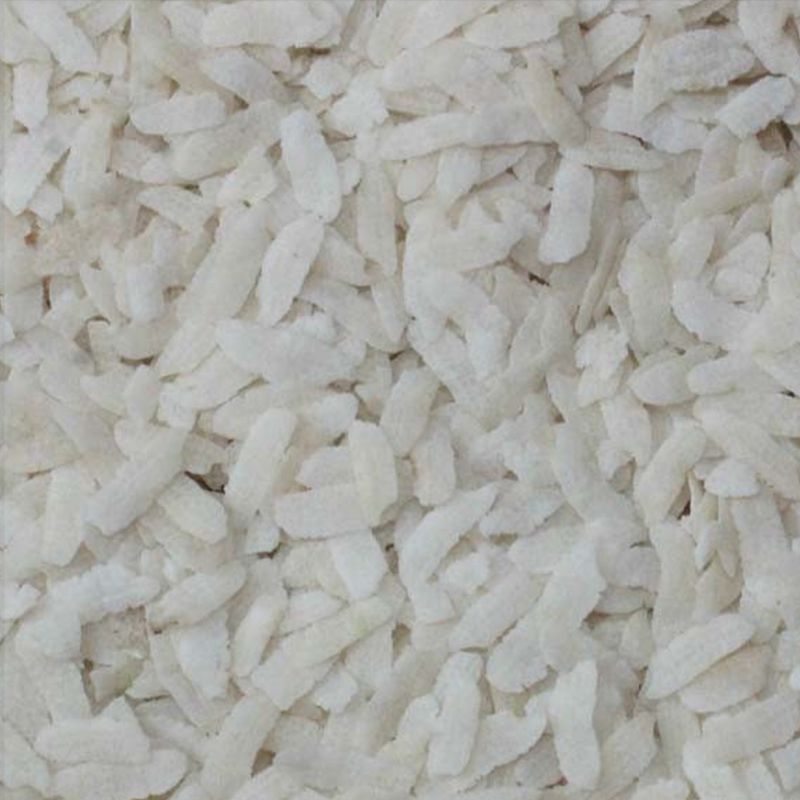
  • Shape Flattened
  • Shelf Life 6 Months
  • Weight 500g, 1kg, 5kg
  • Texture Fluffy, Soft
  • Size Small, Medium
  • Storage Cool And Dry Place
View Complete Details

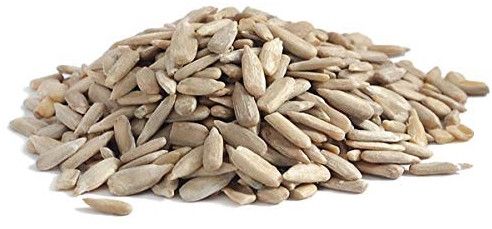
Sunflower Seed

  • Packaging Type Plastic Bag, Jars, Bulk
  • Size Small, Medium, Large
  • Origin USA, Russia, Argentina
  • Shelf Life 6 Months
  • Storage Cool And Dry Place
  • Weight 100g, 250g, 500g, 1kg
View Complete Details

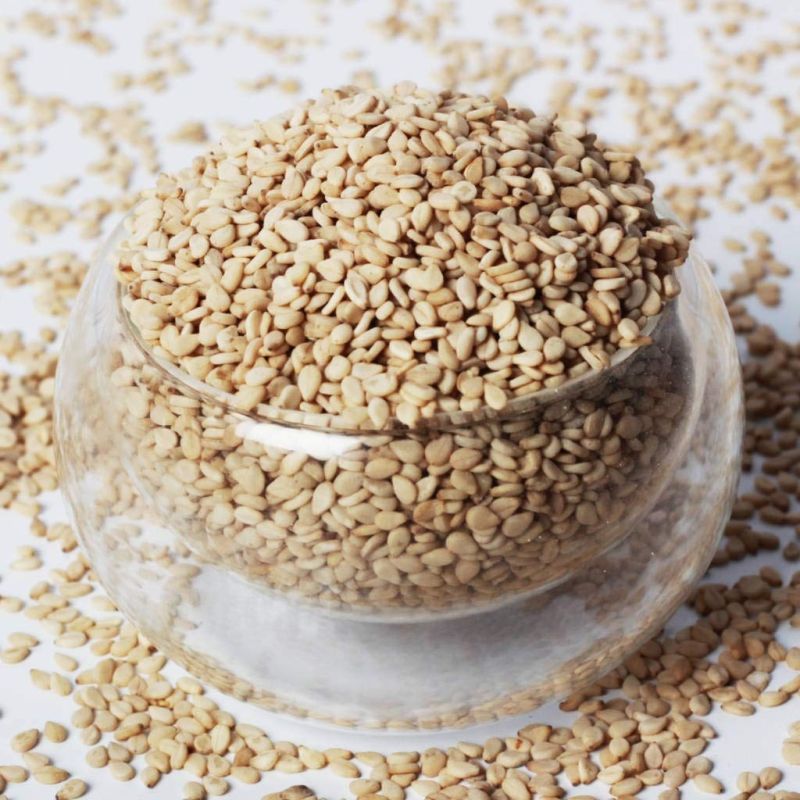
Sesame Seed

  • Flavor Nutty
  • Aroma Distinctive
  • Nutrients Vitamin K
  • Vitamin Content 17% Of Daily Value Per 100 Grams
  • Calories 884 Calories Per 100 Grams
Sesame oil is an edible vegetable oil derived from sesame seeds. Besides being used as a cooking oil, it is used as a flavor enhancer in many cuisines, having a distinctive nutty aroma and taste.[1] The oil is one of the earliest-known crop-based oils. Worldwide mass modern production is limited due to the inefficient manual harvesting process required to extract the oil The only essential nutrient having significant content in sesame oil is vitamin K, providing 17% of the Daily Value per 100 grams (ml) consumed supplying 884 calories (table). For fats, sesame oil is approximately equal in monounsaturated fat (oleic acid, 40% of total) and polyunsaturated fat (linoleic acid, 42% of total), together accounting for 80% of the total fat content (table). The remaining oil content is primarily the saturated fat, palmitic acid (about 9% of total, USDA table).
View Complete Details

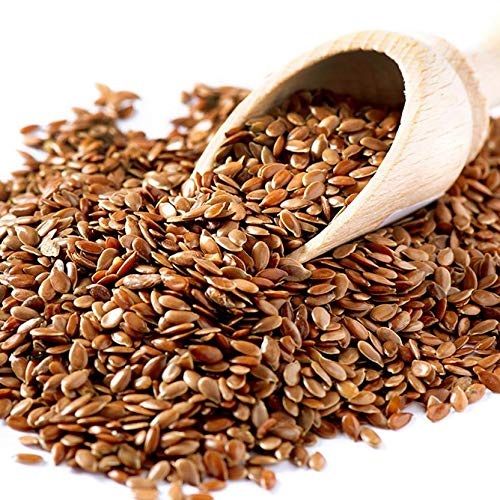
Flax Seeds

  • Packaging Type Plastic Bag, Jars
  • Shelf Life 1-2 Years
  • Usage/Application Food, Cooking, Baking
  • Weight 250g, 500g, 1kg
  • Storage Cool And Dry Place
  • Benefits Heart Health, Digestive Health
View Complete Details

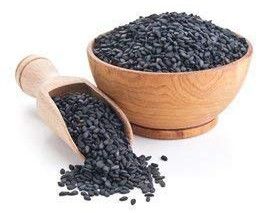
Nigella Black Seed

  • Flavor Peppery, Nutty
  • Shelf Life 1-2 Years
  • Aroma Strong, Earthy
  • Storage Cool, Dry Place
View Complete Details

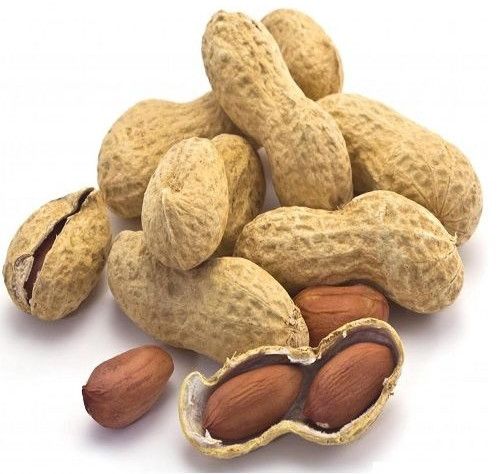
Peanut

  • Packaging Type Bulk, Packets
  • Shelf Life 6-12 Months
  • Storage Cool And Dry Place
  • Allergens May Contain Traces Of Nuts
  • Cooking Methods Roasted, Boiled
View Complete Details

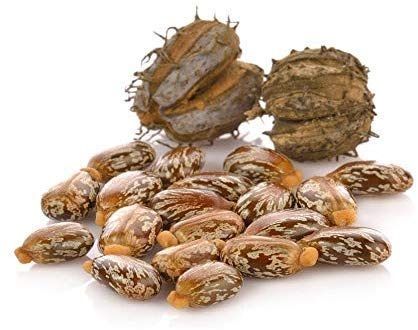
Castor Seed

  • Usage/Application Oil Extraction, Medicinal Purposes, Industrial Applications
  • Shape Oval
  • Shelf Life 1-2 Years
  • Size Small To Medium
  • Storage Cool, Dry Place
View Complete Details
Tell Us What are you looking for? Will call you back

Contact Us