Write a Review
Our Products
We offer a complete product range of Gymnema Sylvestre Herb, Triphla, Eclipta Alba Herb, Centella Asiatica Herb and Ipomoea Digitata Herbs
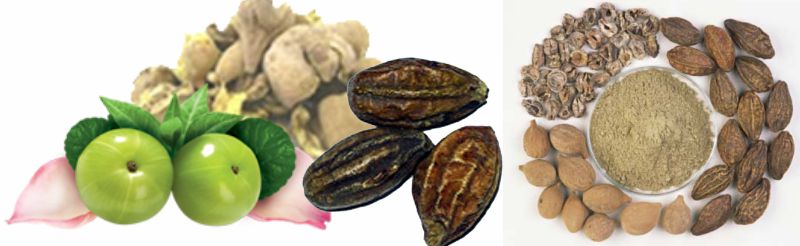
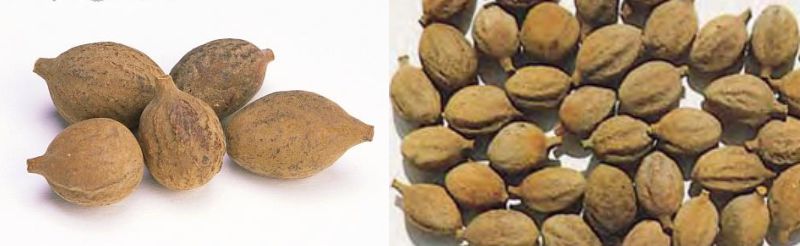
| Triphala, a popular Ayurvedic supplement in India and throughout the world, literally translates as "three fruits." This name comes from the fact that the supplement Triphala has three dried fruit components of medicinal plants. These are Terminalia Chebula, Terminalia Bellirica, and Phyllanthus Emblica, otherwise referred to as the three myrobalans. In Sanskrit, they are called Haritaki, Bibhitaki, and Amalaki (or Amla). | |
| Just like each different name, each of these medicinal plants serves a different purpose in the body, but together they form the powerful anti-oxidant, anti-inflammatory, and anti-viral Triphala. This invigorating supplement is ideally absorbed by your body to seek out and destroy the free radicals and toxins that cause any number of problems. These include high blood pressure, poor circulation, dyspepsia, anemia, irritable bowel syndrome, ulcers, and hemorrhoids.
|
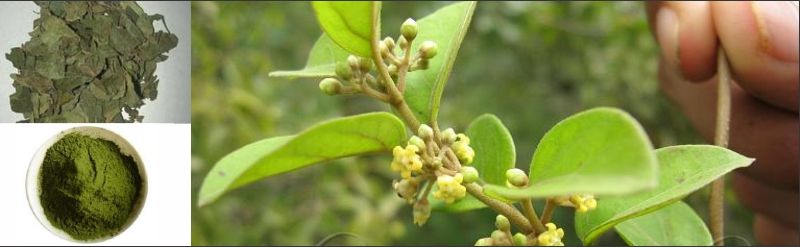
Gurmar is a famed plant, revered for its use in treatment of diabetes for nearly two millennia. The Hindi name Gurmar actually means diabetes killer. It is a large climber, rooting at nodes. Leaves are elliptic, narrow tipped, base narrow. Leaves are smooth above, and sparsely or densely velvety beneath. Pale yellow flowers are small, in axillary and lateral umbel like cymes. Stalk of the umbel is long. Sepals are long, ovate, obtuse, velvety. Flowers are pale yellow, bell-shaped. Corona is single, with 5 fleshy scales.
One of the alternative medicines to both diabetes and obesity could be Gurmar plant preparation, as it known to have a good effect for curbing of diabetes by blocking sugar binding sites and hence not allowing the sugar molecules to accumulate in the body
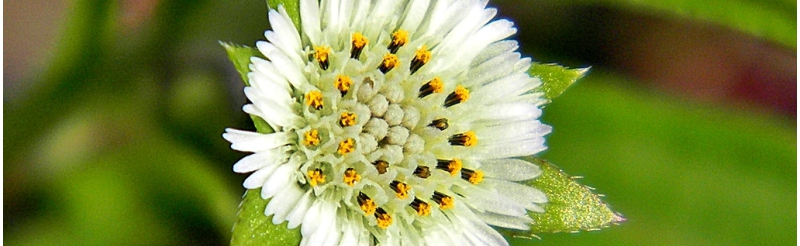
Eclipta alba is a native to India. This is also found in South West of US, especially Hawaii. Eclipta alba is a member of Asteraceae plant family. Synonyms: Eclipta erecta, Eclipta punctata, Verbesina prostrata This is a small, annual herb. The leaves are opposite and lanceolate. The flowers bloom in October to December. The white solitary flower or 2-together are on unequal axillary peduncles.
The leaves vitalize hair roots. The plant is good tonic for diseases of spleen, bronchitis, asthma. Fresh juice when applied on forehead is cure for migraine. Roots, stem, leaves, flowers and fruits are useful parts as Ayurvedic herbal Medicine, also used in preparation of herbal hair oils.
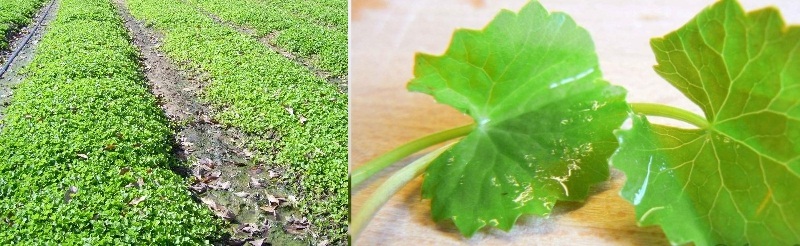
Gotu Kola is a perennial plant native to India and other tropical countries. Its appearance changes, depending on growing conditions. In shallow water, the plant puts forth floating roots and the leaves rest on top of the water. In dry locations, it puts out numerous small roots and the leaves are small and thin. Indian Pennywort appears to have originated in the wetlands of Asia. China, India, and Malaya were probably within its original range.
Indian Pennywort is revered as one of the great multi-purpose miracle herbs of Oriental medicine. It has been in use for thousands of years and has been employed to treat practically every ailment known to man at one time or place or another. The leaf and root extract has been used in Ayurvedic medicine for a long time but has become very popular in the past couple of years for both internal use as well as topical application - although the cosmetic application is relatively new. In Ayurvedic practice it also has a valuable and sought-after Vayasthapana effect - helping to retard the aging process
 Siddharth Sancheti (Agronic Food Inc.)
 8a/8b, Bhagat Ki Kothi Ext, Jodhpur, Rajasthan - 342001, India
 Share us via