 Write a Review
Our Products
Leading Manufacturer, Supplier & Retailer of Amla, Garlic, Vanilla Beans and Curry Leaf Powder.
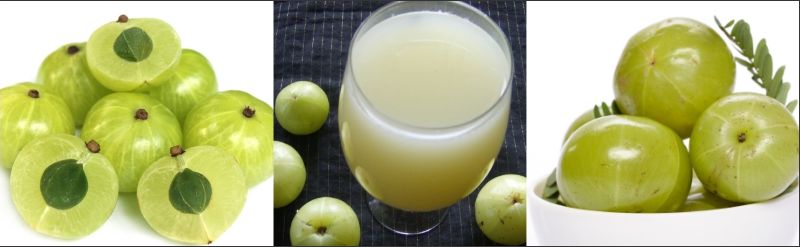
A deciduous tree native to India, Pakistan, Sri Lanka, China, and Malaysia growing to 30 m in
height with thin, spreading branches and tiny greenish yellow flowers in dense clusters. The leaves are pinnate, oblong and small, and appear on branchlets.
Amla is perhaps the single most often mentioned herb in Charak Samhita- Ancient Indian Ayurvedic medicine literature (500 BC)
The fruit is has the highest content of vitamin C of any natural occurring substances in nature. Amla is most useful treatment of ulcers and hyperacidity.
Amla builds immune system to fight against all kind of viruses like that of Hepatitis, AIDS, Influenza and many others.
Although widely used in jams, relishes, and candied confections, the fruits of amla are the most commonly used Ayurvedic botanical and are classed among the rasayana: An agent or process traditionally used to prevent disease and counteract the aging process. Indian uses of amla are found in the treatment of scurvy, constipation, diarrhea, dysentery, hemorrhage, 2 and pancreatic diseases. The ancient Ayurvedic formula, triphala, consists of equal parts of the dried fruits with those of bedda nut (Terminalia bellerica) and Indian gall nutTriphala is traditionally used in the treatment ofheart disease and as a blood purifier. The leaves of amla are combined with fenugreek seeds in the treatment of indigestion, dysentery or diarrhea, and a leaf decoction is used in treating
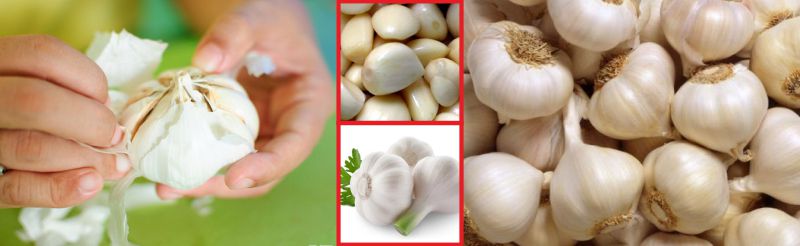
Originated in central Asia, garlic is today one of the famous spice of the world and after being cultivated all over the world it met enthusiastic approval. Garlic finds its mention in the Bible and in the ancient Egyptian times when they were fed to the pyramid builders daily and as food for the Hebrews during their sojourn in Egypt. Even the Roman period had garlic as a common spice and it was extensively used from India to East Asia even before the Europeans arrived there. After the Age of Exploration, garlic spread rapidly to Africa and both Americas.
Garlic is a hardy bulbous annual, with narrow flat leaves a pungent and acid flavor and acknowledged medicinal value. The entire bulb (cloves) is without odor but once cut or bruised, they produce an intensely strong odor.
In parts of Austria, salads are prepared with vinegar, oil and minced garlic. In the Mediterranean sauces raw garlic has wide usage. In Greece, Greek skordali, a paste made from cooked potatoes and raw garlic whereas in Turkey, Turkish aik sauce is made from plain yogurt, shredded cucumber, peppermint and garlic. In Vietnam garlic is served with almost all preparations. Garlic is taken as pickles and as important ingredient vinegar. Herbal vinegar is commonly made with one or two garlic cloves per liter vinegar. Usage of fried or cooked garlic is, however, much more common. Garlic is used in vegetable, meat and poultry dishes, especially in casserole, stew and marinade. Garlic oil finds use in readymade spice - mixes, pharmaceuticals and disinfectants. It is believed that garlic is used for keeping away vampires and has its mention in the famous novel of Count Dracula.
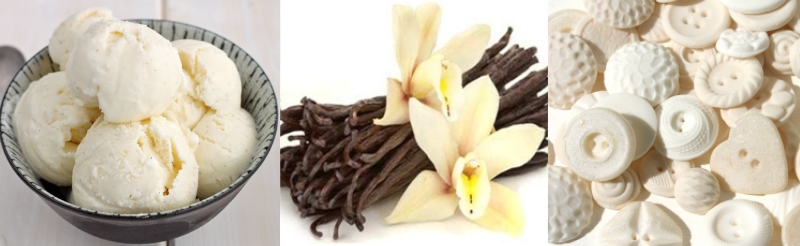
Vanilla, a member of the orchid family is a climbing monocot possessing a stout, succulent stem; short petioled, oblong leaves; about 20 cm long. The inflorescence is a raceme with 20 or more flowers. Flowers are 6 cm long, 2.5 cm wide, either yellowish green or white. Fruit popularly known asbeansorpodis a capsule, nearly cylindrical and about 20 cm long
Vanilla is used mainly as a flavouring material; a critical intermediary in a host of pharmaceutical products and as a subtle component of perfumes. As a flavouring agent, it is used in the preparation of ice creams, milk, beverages, candies, confectionaries and various bakery items.
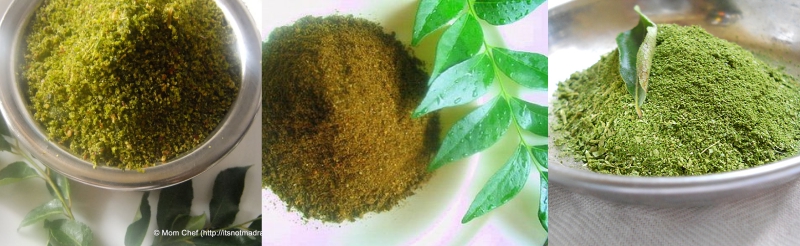
Curry leaves are perhaps one of the highly popular herbs used in India since times immemorial. As the name suggests curry leaves are herbs which are added to curries, stews, soups, legumes, and many such preparations. Curry leaves are an integral part of Indian cooking style where many of the traditional and contemporary recipes are incomplete without curry leaves. Curry leaves are added not just for the flavour that they add, but they also stand to provide many benefits from health point of view.
A good remedy for nausea and indigestion. Extract juice of curry leaves, squeeze a lime and add a pinch of sugar.
Chew a few leaves every day to lose weight
Curry leaves are also known to improve eyesight, so make sure you do not throw away the leaves while eating. It is also believed to prevent cataract.
Curry leaves are also good for hair growth and colour. If you don't like its raw taste, you can buy the curry leaf powder widely available in the market and have it with dosa or hot rice. You can also make it at home. This will prevent pre mature greying of hair.
Alternatively, you can also add a few curry leaves to your hair oil and boil it for a few minutes. Applying this hair tonic will keep your hair healthy.
 Siddharth Sancheti (Agronic Food Inc.)
 8a/8b, Bhagat Ki Kothi Ext, Jodhpur, Rajasthan - 342001, India
 Share us via








