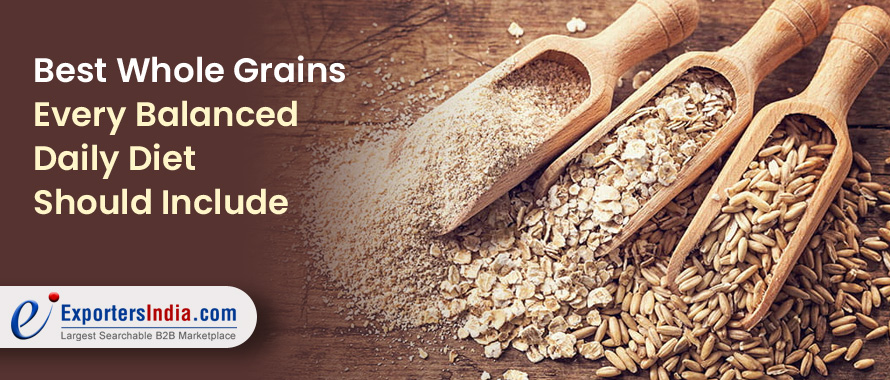
Uncooked grains are food powerhouses. They provide your body with energy. They include abundant fiber, vitamins and minerals. The resource contains the healthiest of whole grains in an everyday diet. From the thick millets to the multi-purpose rice, they are indispensable. They are appropriate at all times, both for breakfast and dinner. Wholesome grains are healthy and delicious. Whether cooking plain or fancy food, they are suitable. They provide texture, tast,e and nourishment. We will discuss food grains, flours,and types of rice, among others. Each grain brings unique benefits. Some offer nutty flavors, others are light and fluffy. Together, they make meals satisfying. Ready to boost your diet? Lets uncover the whole grains that belong in every kitchen. In this blog, we discuss the whole grains required for a balanced diet and also inspire you to eat well and cook creatively.
Fiber foods are staples of food. They keep you full longer. They support heart health. Theyre rich in nutrients. They are not debriding to lose their bran and germ like refined grains. This retains fiber and vitamins. The most important types of whole grains and their applications are presented below.
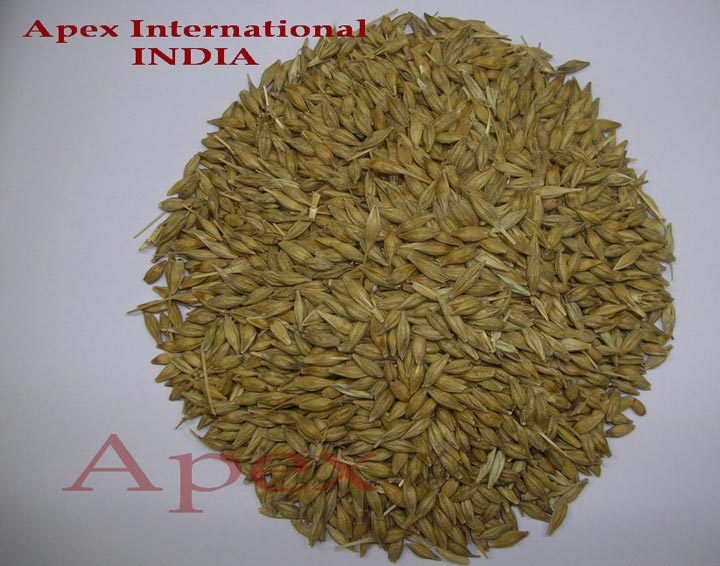
Food grains are nutrient-rich and multi-purpose. They are perfect in porridges, breads or side dishes. They add heartiness. Try these for a balanced diet, i.e, Ragi, Barnyard Millet, Kodo Millet, Browntop Millet, etc.
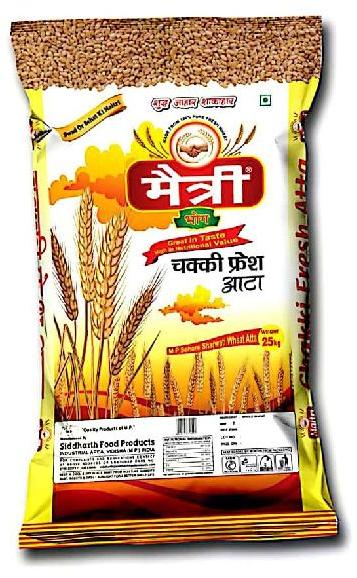
The whole-grain flours enhance nutrition in baking. They are optimum in breads, pancakes or thickeners. Theyre easy to use. Keep these in your kitchen on a handy basis, such as Organic Flour, Bajra Atta, Sattu, Chakki Fresh Atta, Farina etc.
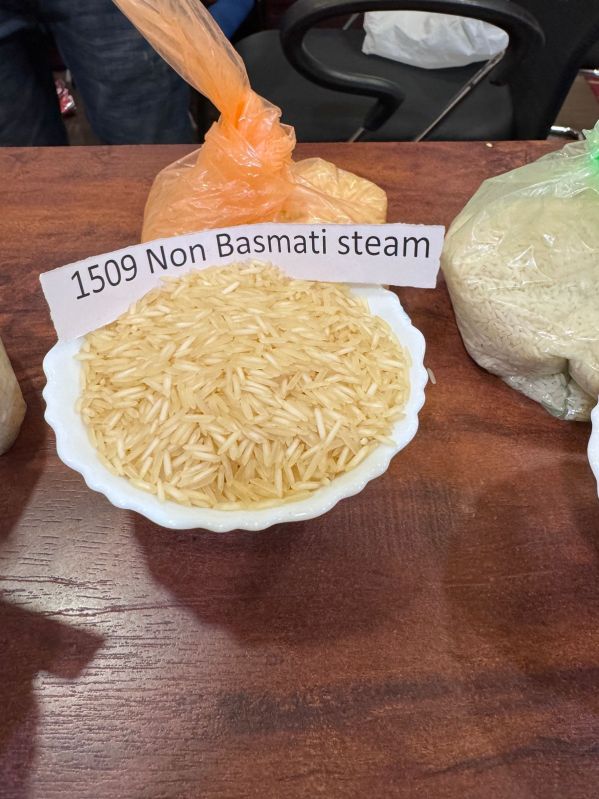
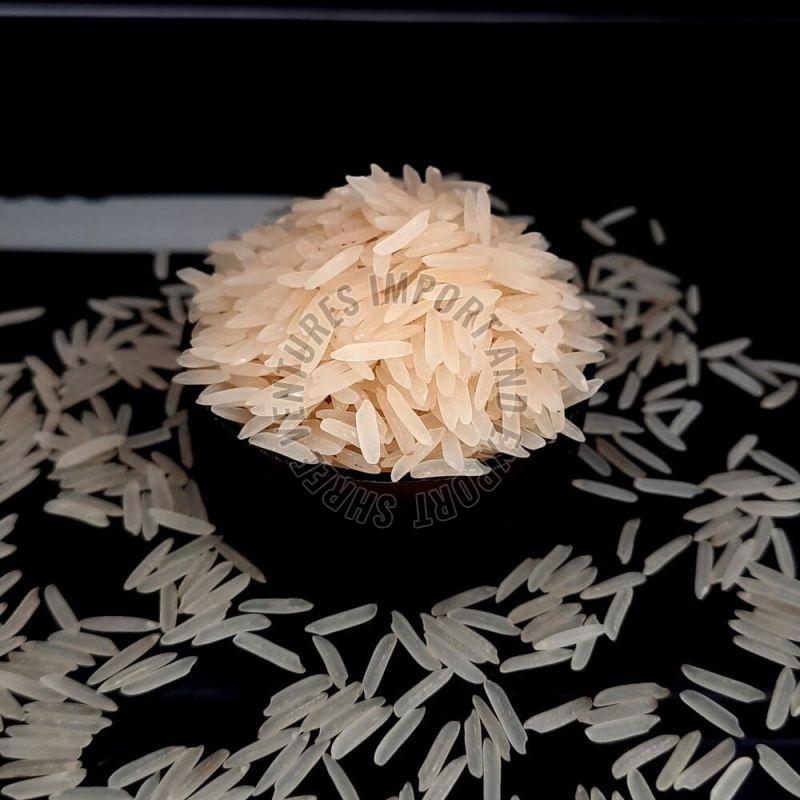
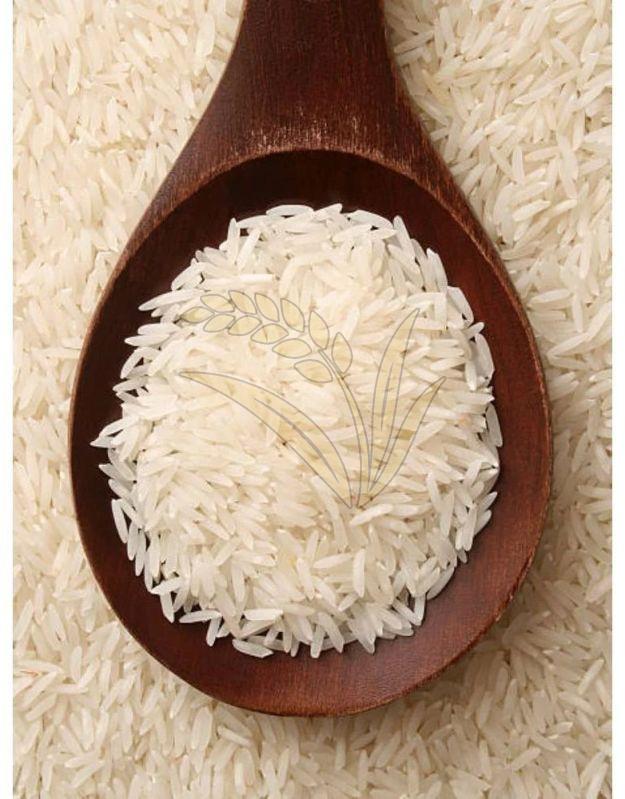
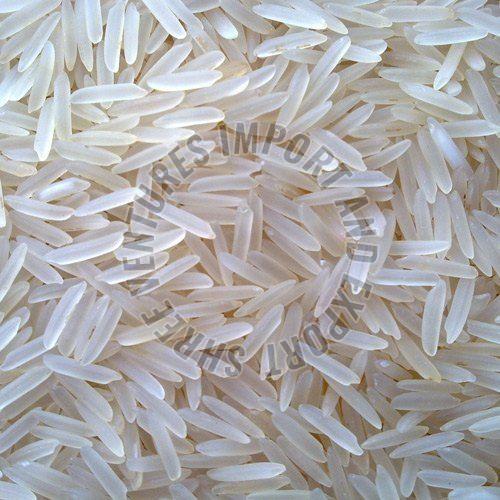
Basmati rice is light and sweet. It is preferably served with biryanis or special meals. It elevates flavors. Its long grains remain apart. It is accompanied with curries or barbecues. It adds elegance to any plate. Inventory, e.g. Pusa Rice, Sharbati Rice, 1509 Basmati Rice, 1121 Golden Silla Basmati Rice, etc.
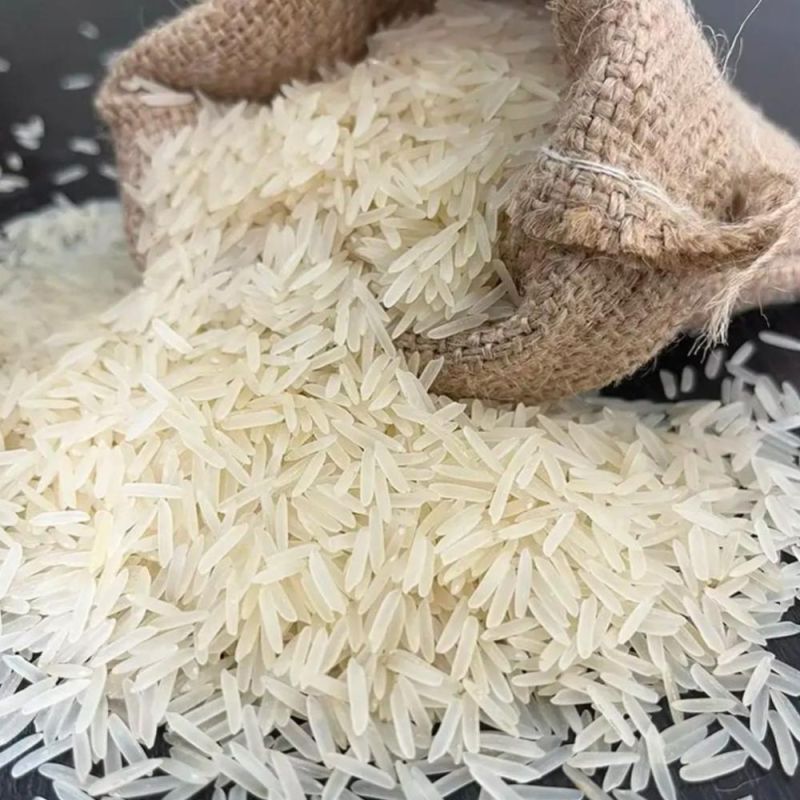
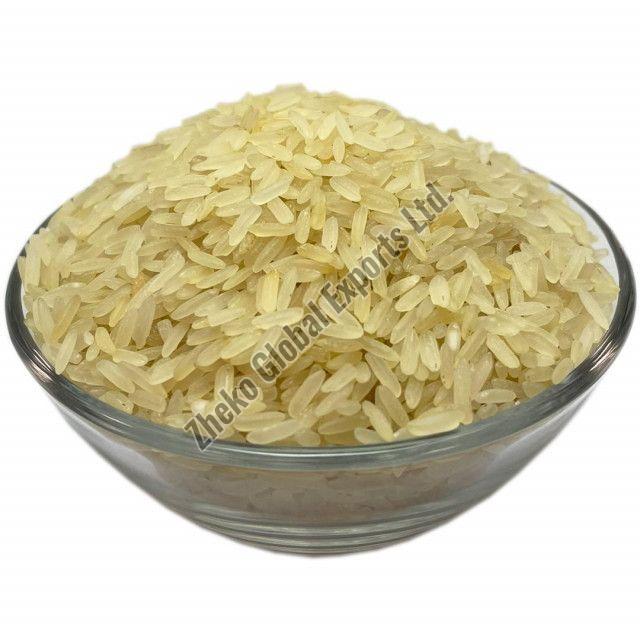
Rice varieties are applicable in normal cooking. They go well with curries or stir-fries. Theyre versatile staples. Uncooked grain rice is nutritious. It is excellent with bowls or side dishes. It adds texture to meals. Try these for everyday cooking, such as Sharbati Rice, Kolam Rice, HMT Rice, Organic Black Rice, etc.
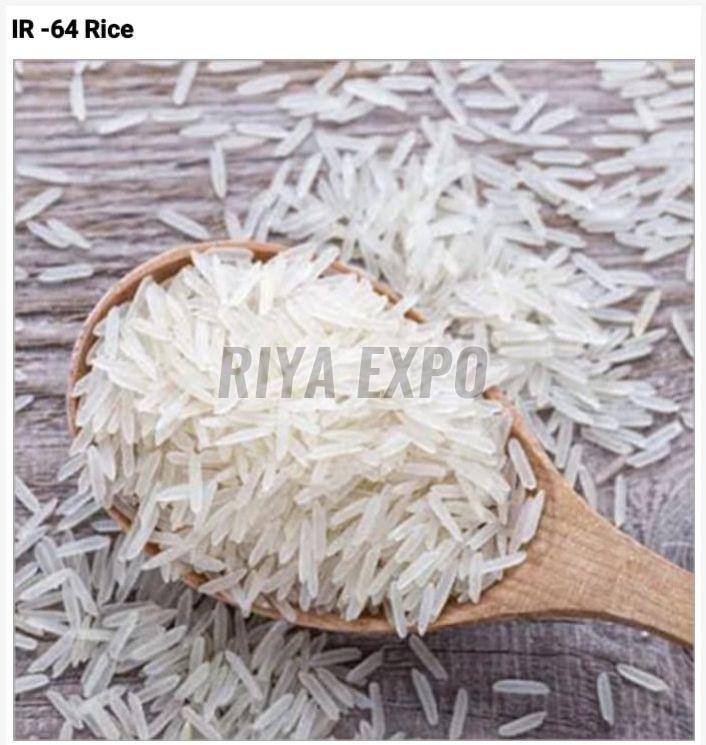
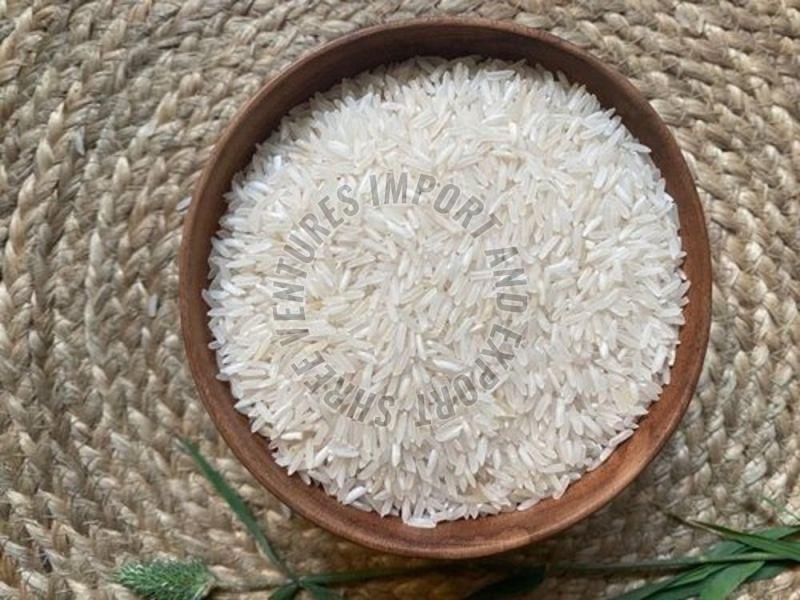
Non-basmati rice is affordable. Its great for daily meals or regional dishes. Its widely used. It offers a hearty texture. It suits simple home-cooked meals. Its perfect for rice-based dishes. These are examples of Non-basmati rice that are affordable and mimic basmati rice, such as IR64 Rice, Swarna Rice, PR 11 Rice, Kolam Rice, HMT Rice, etc.
Whole grains boost energy. They improve digestion. Their fiber helps control blood sugar. They support weight management. Eating them reduces heart disease risk. They contain plenty of minerals and vitamins. Use them in breakfast porridges. Add them to lunch bowls. They work on dinner casseroles. Whole grains are budget-friendly. Theyre easy to store. They last longer than refined grains. Cooking them is simple. Soak millets for faster cooking. Boil rice for a fluffy texture. Experiment with flours in baking. The new recipes should be tried to make meals interesting. Healthy eating is entertaining with the whole grains.
Pick grains based on your dish. Millets work well in porridges. Rice suits curries or salads. Flours are great for baking. Check grain freshness before buying. Whole grains must have a nutty smell. Keep them in air tight containers. This keeps them fresh. Use them within a year. Fresh grains cook better. They taste better too. Wash grains before cooking. This removes dust or debris. Choosing wisely ensures tasty results.
Whole grains are easy to cook. Wet millets to shorten the time of cooking. Boil rice with enough water. Use a 1:2 ratio for rice to water. Simmer until fluffy. The lumps should not be present in the batters since the flours, mix with water. Cook grains on low heat. This prevents burning. Stir every now and then to cook evenly. Make an attempt to steam or pressure cook. These methods save time. Test in small chunks. Manage the water/time in this manner. Grains are made delicious using simple methods.
Some staples complement whole grains. They add flavor and nutrition. Below is a table of these essentials and their uses:
| Category | Use in Cooking |
| Pulses | Adds protein to soups, curries |
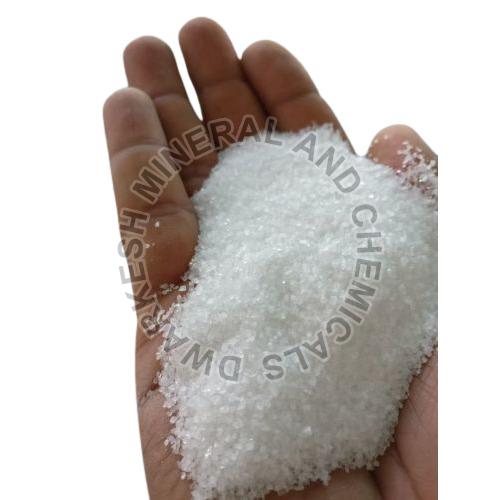
| Sugar | Sweetens baked goods, beverages |
| Wheat | Base for bread, pasta, baked goods |
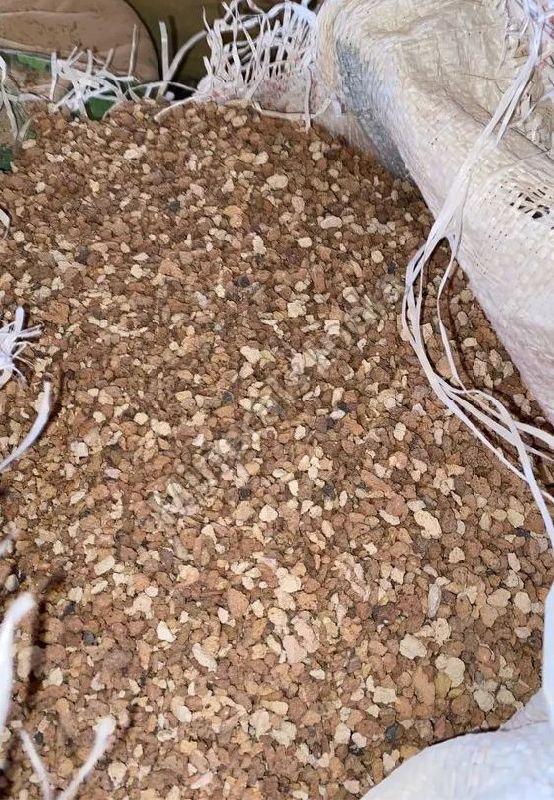
| Gud Jaggery | Natural sweetener for desserts, drinks |
| Kidney Beans | Hearty addition to stews, salads |
| Brown Rice | Nutty base for bowls, side dishes |
| Sugarcane Products | Adds unique sweetness to recipes |
These staples are versatile. They pair well with whole grains. Stock them for balanced meals. They make cooking enjoyable.
Whole grains are diet essentials. They boost health and flavor. Food grains, flours, and rice are must-haves. They work in countless dishes. Pulses, wheat, and jaggery add variety. Each staple brings unique benefits. Stocking these makes cooking easier. They inspire creativity in the kitchen. Choose grains wisely. Cook them simply. Try new recipes with them. Pair them thoughtfully for tasty meals. Whether youre making porridge or pilaf, these grains shine. Begin to stock your pantry. These whole grains are royal nutritious on all meals. Cook with ease and taste.







Connect with us