
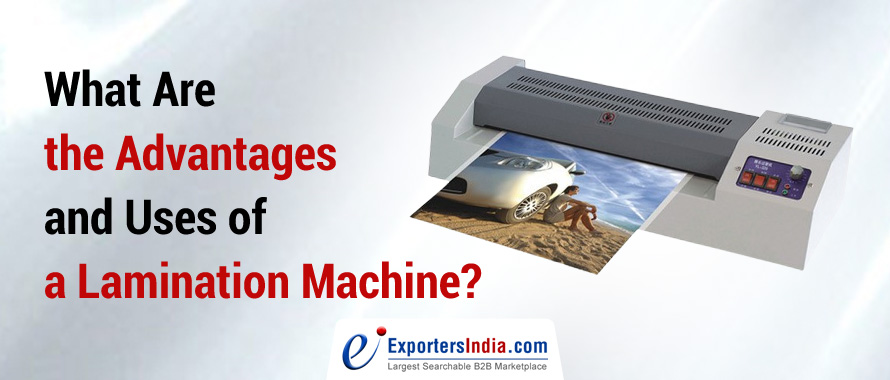
Lamination refers to the coating of a material typically paper or card with a thin protective plastic film in a lamination machine. As with Lamination, it provides the material with increased strength, durability and resistance to wear, dirt and even moisture. With that, heat or pressure is typically applied to seal the plastic film onto the surface to ensure its longevity and aesthetic quality.
Along with this, there are several techniques of lamination. Which is utilized nowadays such as thermal lamination, pressure-sensitive lamination, high-heat lamination, low-heat lamination and even liquid lamination. As these Specialized forms can laminate magnetized or ornamental materials for special purposes. From offices and schools to heavy industry, machines for lamination play a crucial role in safeguarding and making printed material look nice. In this blog, we will see the top advantages and different uses of lamination machines, along with insights into how they can enhance both personal and professional projects.
Lamination machines not only conserve printed materials but also render them handy, good-looking and long-lasting. They provide multiple and significant benefits to diverse industries, including expanding business opportunities to reducing expenses. Let's see some of them:
Lamination provides printers and businesses with the chance to enter the untapped markets by producing better and more attractive products that are stronger. This paves the way businesses to access new clients who appreciate quality and durable design. Laminated prints also add to the perceived product value, and the items are more professional and high-end. Laminated finishes can be used to enhance branding, whether it is restaurant menus, business card designs, high-end packaging or book covers and enable the company to set a higher retail price by increasing visual and tactile interest.
Although lamination might feel like an extra expense in the short term, it saves a lot of production expenses in the long term. The laminate ensures the required durability and allows printers to use thinner and cheaper paper stocks, eliminating the need to use expensive substrates. Laminates in the packaging process and labeling reduce wastage of materials, reduce shipping expenses, and in many cases, substitute more costly products like UV finishes. Lamination is cost-effective as it helps businesses to save money, without sacrificing quality on raw material and labor expenses.
When it comes to printed materials, it is a matter of presentation. The finishes were added to laminates, including glossy, matte or soft touch, which provide a different visual and tactile experience. Gloss laminates are used to make prints look brighter and more attractive, matte laminates are used to make glare less and easier to read, and soft-touch laminates are used to make prints feel more luxurious and velvet-like. In addition to appearance, laminates also eliminate the cracks on the folded packaging and ensure that the products maintain the same appearance in the shelf of the stores. The plain laminated paper feels polished, shiny and professional and it makes it all look good to the customers.
With repeated handling, printed materials can easily get dirty, damaged or sometimes even get bent. That's where lamination acts as a protective layer. Plus, it protects the prints from dirt, moisture, oil and abrasions. Plus, it is effective in extending their life. Wipe-clean items such as menus, charts and brochures can be reused. This eliminates the expense and inconvenience of being reprinted regularly. Moreover, laminated films are not prone to warping and smudging, and therefore, the prints maintain their quality and strength over time. This is what makes lamination ideal to the documents or items that must be used daily with a huge amount of repetition.
The quality of the prints usually goes down because of the wide use of ink that causes smearing, fading or scratching. The design is fixed by a lamination layer, which is used as a barrier to environmental harm and human contact. Plus, Lamination keeps documents and designs sharper and more vivid for many years longer. Whether it is to stop fingerprints and scuffs or to withstand accidental spills. This makes sure that professional materials always appear as fresh as new, creating an unforgettable impression on customers or clients.
Lamination machines are versatile machines applicable to be used in homes, offices and industries to protect, preserve as well as beautify various materials. They may be applied to everyday documents or commercial packaging or even creative projects, depending on the intention. Lets see some of their main uses:
Protecting documents such as ID cards, certificates and charts is usually done using office laminating machines. The A3 and A4 laminators are common, though the more expensive models have faster warm-up time, in-built memory and faster processors that enhance productivity. Quality models are also an investment to prevent such problems as bubbling or re-lamination that occur frequently.
Industrial-grade machines are needed by businesses that need large-scale lamination like the packaging and print industries. Such laminators are fast, high volume workload and precision finish. Although they are expensive, they save time and resources in the long term, producing high-quality production with minimal mistakes. Choosing appropriate lamination films and pouches is also required to suit particular project requirements.
Photograph laminating is one of the most common ways of safeguarding memories and ensuring that they are not destroyed by environmental factors. Whereas two-roller machines can be used at a cost-effective price, high-roller laminators (four or six rollers) give higher quality results with fewer bubbles or flaws. So they are better applied to valuable or sentimental photos.
Lamination machines are used in schools and training centers to protect objects such as charts, maps, flashcards, and timetables. Laminated materials are durable in spite of the heavy handling. Hence cost-efficient as they are used frequently in classes.
So, finally, the selection of an appropriate laminating machine is based on your requirements such as the occasional use of the machine at home, daily office or manufacturing on an industrial scale. The right type of finish, speed and film types are selected, which guarantee quality results. The laminating of documents makes them look better, provides a guarantee that they will withstand wear, and protects valuable prints. Therefore, it is a tool that is very important in both professional and personal use.





Connect with us





