
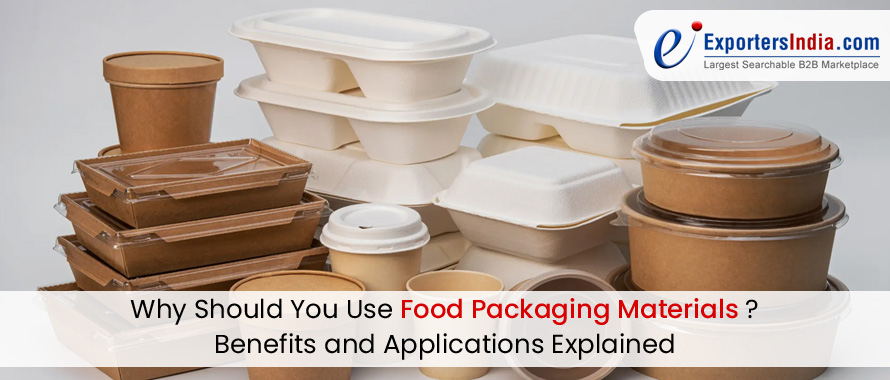
Food plays the most important part in our lives. In the case of fruits and vegetables, which are ready-to-eat food, packaging is an important factor. It helps us to protect our food. Food packaging materials are designed to cover and store food. Also, to keep it free from damage, contamination, and spoilage. Whether you buy snacks from a local shop, milk from a dairy, or even order food online. There is different packaging for different types of food. This is not just for looks, but it has many other purposes:
Food packaging has become a requirement. It enhances shelf life, eliminates wastage and makes food easier to carry and store. Packaging also helps businesses to gain trust with the customers by displaying product information. Food packaging is all about its safety, convenience, and communication. In this blog, we will discuss the various benefits of food packaging. We have also discussed the different applications for the same.
Food packaging has many benefits, both to consumers and businesses. These are the key advantages that can be described as follows:
Protecting food against external damage is the most significant purpose of the packaging. Food is easily ruined by dust and germs, moisture, and air, and good packaging is a shield. Biscuits are stored in sealed plastic packages to maintain their crunchiness. Also, juices are packed in glass bottles to prevent bacteria. This is so that the food is safe until it gets to you.
Food also spoils easily within a couple of hours or days in the absence of good packaging. Some of the materials, such as vacuum-sealed bags, metal tins, increase the shelf life of food. One of such examples is that chips are packed in vacuum-filled bags. They stay longer and do not decrease in their crisp taste. This minimises food waste and enables individuals to keep food items for weeks or months.
Food can be conveniently transported, stored, and carried very easily with good packaging. Packaging keeps it safe, whether it is milk in cartons, oil in pouches, or rice in giant sacks. Also, better and proper packaging material makes sure that food does not spill.
Food packaging is an important part of good hygiene. As it reduces the direct contact of food with hands. It eliminates dirt contamination, insect contamination, or handling during distribution. Branding and Information Packaging acts as a mute salesperson to businesses. These flashy designs and appealing logos would help a brand to shine.
A large number of packaging materials are user-friendly. Vitamin-packed snack packets or zip locks, or small snack foods. They are resealable, saving time and effort. Consumers like packages that make their lives straightforward and reduce messiness.
In the food industry, food packaging is applied in virtually all industries. Let us consider some of the usual applications:
There are important dairy products like butter, milk, cheese, and yogurt. Nowadays, they require special packaging to remain fresh adn does not spoil. Milk is filled into plastic bags or boxes. Yogurt is usually filled into lid-covered cups. These packs preserve dairy against bacteria and preserve its flavor.
The juices, soft drinks, and alcoholic drinks are packed in glass bottles. There are various other materials, like cans and paper bags are also used. These beverages are packed in such a way that there should be no leakage. Paper cups are used for hot beverages such as coffee.
Food wrapping paper is a simple and effective packaging product. They are used in quick-service foods such as rolls, sandwiches, and even street snacks. It maintains the food warm, and also easily handled, and hygienic. Confectionery boxes are most suitable when one wants to give a gift of chocolates, candy, or a pastry. They are both eye-catching and safe. Therefore, fit both shopping and special events.
Pastries and cakes require solid and attractive packaging. The use of cake containers offers a combination of strength and style. It also makes sure that the fragile baked goods arrive at the customer intact. They are also described as being useful in keeping things fresh, mess-free. It comes in varying sizes and designs to match every event.
These types of products are packed in plastic containers. that are durable, in the form of trays, pouches, or boxes. The packaging is designed to withstand low temperatures and preserve food until the time of cooking.
Fresh foods also contain proper plastic wrappings. This decreases physical destruction and aids in transporting in big numbers. Controlled atmosphere packs are also used in the packaging of some fruits. This helps them to remain fresh.
Raw meat and fish have to be vacuum-packed. They are frozen so that they are not contaminated and do not leak odors. This kind of packaging assures hygiene and extended preservation.
The chocolates, candies, and sweets are wrapped in good well-designed package. This kind of box is employed to appeal to buyers. Meanwhile, these materials safeguard the taste and texture.
Food grade paper is one of the most commonly used materials. It is used particularly in packaging food such as sandwiches, bakery items, and dry snacks. It is clean, safe, and environmentally friendly. Food-grade paper is favored by many restaurants and food outlets. It helps to eliminate direct contact with harmful surfaces. It also reduces plastic consumption.
The food packaging materials are a vital component of maintaining food. It helps to keep the food safe, fresh, and convenient. Packaging has a lot of uses in our lives as it helps avert contamination. It brings convenience and branding. Depending on the kind of food, the nature of materials to be used in packaging varies. Organic products are on the rise. As all individuals are becoming conscious of such products. In addition, they are safe and sustainable. In very simple terms, food packaging is relevant because it is a protection. It helps in business, and it adds value to the entire food industry. The next time you pick up a pack of snacks or a carton of milk, remember that it is hard to pack. It keeps the food that you eat or the milk you drink safe and good.




Connect with us





