 GST : 27AAFCK8016J1ZC
 Write a Review
Our Products
Our offered Product range includes Desiccated Coconut Powder, Green Millet, Jaggery Powder, Green Millets and Soybean Reach Powder.
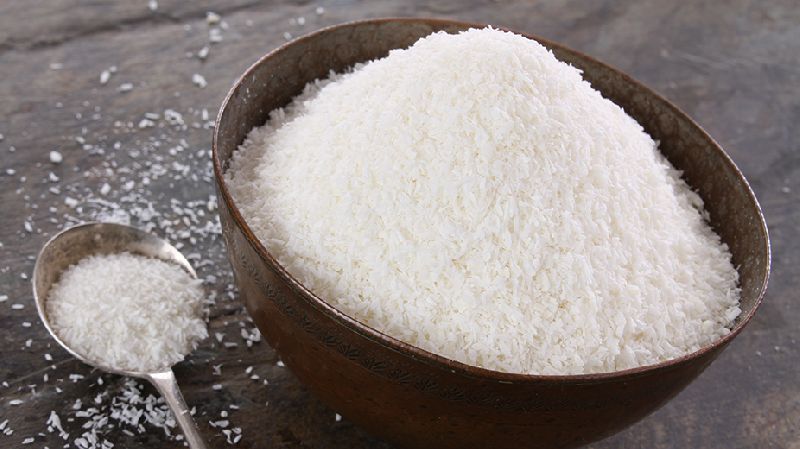
Coconuts are a way of life for millions of people around the world today in tropical climates. Known as the "tree of life, " the wonderful fruit of the coconut palm is rich in specific fats that have incredible health benefits. Traditional tropical populations that consume a lot of coconut oil are seldom overweight, and traditionally have been free from the modern diseases that afflict most western cultures.
It finds extensive use in confectioneries, bakeries, puddings and many other food preparations as a substitute to raw grated coconut.
Health benefits of Desiccated Coconut:
Desiccated coconut is rich in healthy saturated fats with no cholesterol and is also a good source of dietary fiber. Lauric acid, the major fatty acid from the fat of the coconut, has been recognized for its unique properties in food use, which are related to its antiviral, antibacterial, and antiprotozoal functions. Now, capric acid, another of coconuts fatty acids has been added to the list of coconuts antimicrobial components. These fatty acids are found in the largest amounts only in traditional lauric fats, especially from coconut. Also, recently published research has shown that natural coconut fat in the diet leads to a normalization of body lipids, protects against alcohol damage to the liver, and improves the immune systems anti-inflammatory response.
Coconut contains dietary fiber which passes through the digestive tract without being broken down or absorbed and is passed out of the body. Instead of contributing to health problems like starch and sugar, fiber promotes good health. Coconut is a natural low - carb, high - fiber food ideally suited for low carbohydrate diets. Coconut flour has been found in several studies to have a glycemic lowering effect, because coconut meat has simple carbohydrate content coupled with a high fiber, it yields a flour that is less disruptive to blood sugar levels. It is vegan, low carb food and gluten free.
Manufacturing Process:
It is simple and well-established. Fully grown and matured coconuts of around 1 year are stored with husk for about a month to facilitate absorption of water and separation of coconut kernels from shell walls. After de-husking, their shells are removed and brown portion (also known as Testa) is removed by scrapping it off and in this process around 12-15% of the kernel goes as paring which is further processed to obtain oil, and thus there is a ready market for this By-product. Subsequently, de-shelled coconuts are broken into pieces, washed and disintegrated in powder form. This powder is then dried in tray drier at about 80-90C and powder is stirred occasionally to ensure uniform drying. On cooling, it is passed through vibratory screen with different mesh sizes to segregate the powder according to mesh size. Finally, it is packed in moisture and oil-proof polythene-lined plywood boxes of 10, 25 or 50 kgs and even in retail packets of 200 / 400g.Recovery of desiccated coconut largely depends upon quality of coconuts. But on an average processing of 100 coconuts gives around 12-13 kgs. of coconut powder. By-products like parings and shell can be sold in the market. The process flow chart is as under:
De husking of coconuts Deshelling Removal of brown testa Blanching Disintegration Drying Sieving/Grading Packing
According to IS 966:1999, DC is produced by a mechanical process of disintegrating, cleaned and dried pieces of pared kernel of fully matured and fresh coconut. The product should be natural white in color. It shall have characteristic taste, odor and flavor. It shall be free from cheesy, smoky, musty or any other objectionable odors, fungus and insect infestation. It shall be crisp, free from rancidity and not show fat sweating. DC is categorized into three types based on the particle siz and is as follows:
Buyer should know the below information:
Desiccated Coconut is a graded, dried (3% moisture content max.), and unsweetened fresh meat or kernel of a mature fruit of coconut. Desiccated Coconuts are graded by its cutting size, for example, fine grade and medium grade where fine grade is smaller particle size than the medium grade.
The process of desiccated coconut:
1. Removal of coconut husk, 2. Removal of coconut shell, 3. Removal of thick brown coconut skin, 4. Washing of white coconut meat to remove foreign material, 5. Bleaching of white coconut meat to reduce the number of microorganism to the safe level fit for human consumption within its shelf life, 6. Cutting of white coconut meat into the desired size, 7. Hot air blow drying the grated white coconut meat to reduce the moisture content from 19% to less than 3%, 8. Cooling of desiccated coconut, 9. Sieving of desiccated coconut to separate desiccated coconut as according to the desired size, 10. Finally, packing of desiccated coconut.
One thousand nuts are expected to yield about 130kg of Desiccated Coconut. Production of Desiccated Coconut is a real hard work as the removal of coconut husk, shell and skin are done manually or given the best of current technology are done semi-automatically.
Applications of Desiccated Coconut:
Desiccated Coconut is ideal for use as fillers, toppings and as ingredients, especially in the baking of biscuits, snack bars, cakes, cookies and so on.
How to identify a good quality Desiccated Coconut?
A good quality Desiccated Coconut should be white in color, reasonably free from yellow specks, black spots and other discolorations. It should have sweet aroma of coconut, mild characteristic of coconut without rancid and even particle size distribution.
What are black spots in Desiccated Coconut?
Back spots are foreign materials found in Desiccated Coconut. These foreign materials are primarily the grated and dried coconut skin, which had gone through the cutting and drying processes together with the white coconut meat. There is no perfect, error margin is allowable at not more than 4 pieces of black spots in 100 g of desiccated coconut is acceptable.
Low fat or high fat Desiccated Coconut?
The value of Desiccated Coconut lies at the fat content. Desiccated Coconut is categorized into full fat (high fat) or reduced fat (low fat). A full fat Desiccated Coconut has a minimum of 60% fat, any lesser is a reduced fat Desiccated Coconut. Full fat Desiccated Coconut has higher monetary value than the reduced fat. In the past, coconut fat or coconut oil has been mistakenly believed for causing heart disease. Coconut oil is high in saturated fats, which have been taking the blame for problems caused by trans fats. For details, click Arent coconut oils bad for health?
Packing and Storage of Desiccated Coconut:
Desiccated Coconuts are packed in multi-ply Kraft paper bags with inner sealed polythene to keep away from the atmospheres moisture. Desiccated Coconuts are packed in 10 kg, 25 kg or 50 kg. Desiccated Coconuts shall be stored in cool and dry place. Avoid direct sunlight and strong odour.
Container of Desiccated Coconut Powder:
20 Feet Container Consists of 12.5 metric tones
Additional Information:
Payment Terms : L/C, D/P, T/T
Packaging Details : Desiccated coconut powder packing in 7/10/25/50 Kgs inner liner in four ply craft paper bag with outer side strong PP Bags.
Delivery Time : 15-20 Working Dys
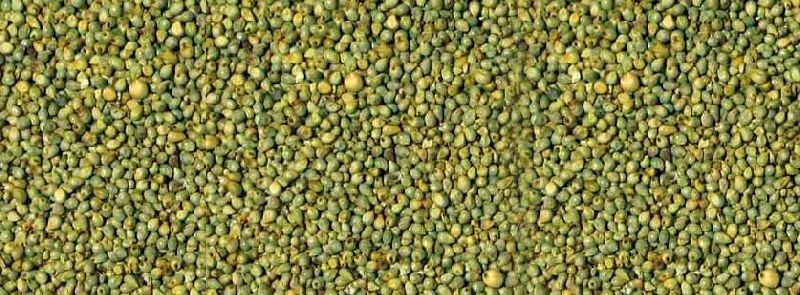
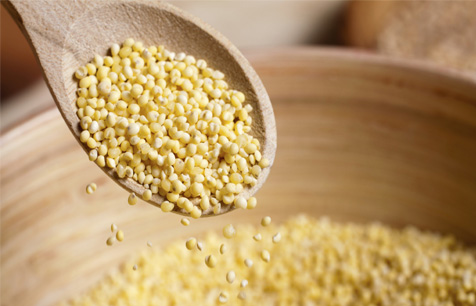
Grown under rain fed and dry areas, Millets are one of the oldest food know to mankind. Millets are also the first cereal grains to be domesticated for human consumption. Types of Millets are one of the oldest ingredients in Indian, Chinese, and certain Korean diet. Due to their short growing season, these can develop from seeds to harvestable crop in just about 65 days. The shelf life the Millets can be more than 2 years, if stored properly.
Indian Millet also known as Bajra or Pearl Millet constitutes more than 55% of the global Millet production. In year 2014 alone, India produced nearly 10 million tonnes of Pearl Millets. In India, Rajasthan, Gujarat, Uttar Pradesh, and Maharastra are the major Millets producing states.Green Millet is one of the oldest foods from the family of millets very well known to humans and possibly the first cereal grain to be used for domestic purposes. Green Millet is highly nutritious, non-glutinous and is easy to digest. In fact, it is considered as one of the least allergenic and digestible grains available. With its warming quality this grain also helps to heat the body in cold or rainy seasons and climates. This premium quality agro product is known for high nutritional value, non-sticky after cooking and delicious taste.
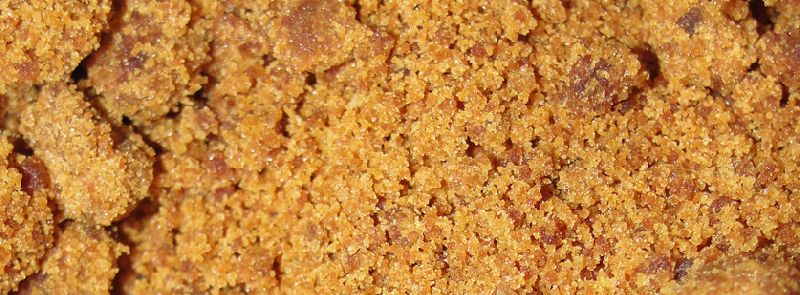
Jaggery is a traditional uncentrifuged sugar is a concentrated product of date, cane juice, or palm sap (see palm sugar) without separation of the molasses and can vary from golden brown to dark brown in colour. Jaggery is a concentrated product of date, cane juice, or palm sugar without separation of the molasses and crystals, and can vary from golden brown to dark brown in colour.
Jaggery, also called gurh, is used as an ingredient in sweet and savory dishes across India, Pakistan, Bangladesh, Nepal, Sri Lanka as well as in Afghanistan and Iran. For example, a pinch of it is sometimes added to sambar, rasam, and other staples. Jaggery is added to lentil soups (dl) to add sweetness to balance the spicy, salty and sour components, particularly in Gujarati cuisine. Jaggery used extensively in South India to balance the heat of the spicy foods. It is also known to stir heat on the body, which causes sweating, a way for the body to cool down in the high summer heat.
Jaggery powder that is extensively used for preparing varied sweets and eatables. It is widely demanded in the market because of its medicinal properties. Jaggery powder is a rich source of iron and other required minerals salts.
Benefits of organic Jaggery over refined sugar:
Benefits:
Container:
Load ability: 20 to 24 MT in one 20 FT Container
Analysis of Exports of Jaggery Powder:
India exported jaggery slabs worth USD 93, 524 with total quantity of 22, 400. Canada is the largest buyer of jaggery slabs accounting for exports worth USD 53, 328 followed by United States and United Kingdom which imported jaggery slabs worth USD 18, 159 and USD 13, 058 respectively.
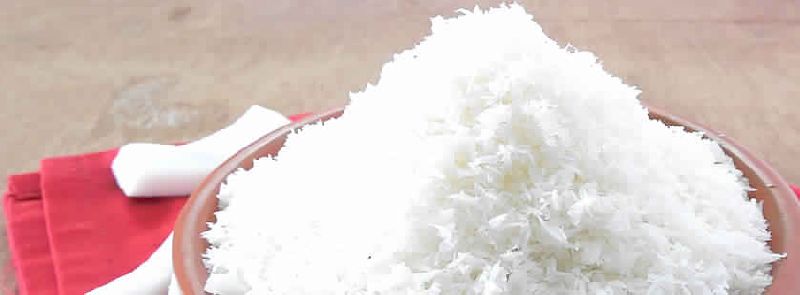
Kinal Global Care Private Limited is one the reliable and outstanding supplier of Desiccated Coconut Powder from India.
Coconuts are a way of life for millions of people around the world today in tropical climates. Known as the "tree of life, " the wonderful fruit of the coconut palm is rich in specific fats that have incredible health benefits. Traditional tropical populations that consume a lot of coconut oil are seldom overweight, and traditionally have been free from the modern diseases that afflict most western cultures.
It finds extensive use in confectioneries, bakeries, puddings and many other food preparations as a substitute to raw grated coconut.
Desiccated coconut is rich in healthy saturated fats with no cholesterol and is also a good source of dietary fiber. Lauric acid, the major fatty acid from the fat of the coconut, has been recognized for its unique properties in food use, which are related to its antiviral, antibacterial, and antiprotozoal functions. Now, capric acid, another of coconuts fatty acids has been added to the list of coconuts antimicrobial components. These fatty acids are found in the largest amounts only in traditional lauric fats, especially from coconut. Also, recently published research has shown that natural coconut fat in the diet leads to a normalization of body lipids, protects against alcohol damage to the liver, and improves the immune systems anti-inflammatory response.
Coconut contains dietary fiber which passes through the digestive tract without being broken down or absorbed and is passed out of the body. Instead of contributing to health problems like starch and sugar, fiber promotes good health. Coconut is a natural low - carb, high - fiber food ideally suited for low carbohydrate diets. Coconut flour has been found in several studies to have a glycemic lowering effect, because coconut meat has simple carbohydrate content coupled with a high fiber, it yields a flour that is less disruptive to blood sugar levels. It is vegan, low carb food and gluten free.
It is simple and well-established. Fully grown and matured coconuts of around 1 year are stored with husk for about a month to facilitate absorption of water and separation of coconut kernels from shell walls. After de-husking, their shells are removed and brown portion (also known as Testa) is removed by scrapping it off and in this process around 12-15% of the kernel goes as paring which is further processed to obtain oil, and thus there is a ready market for this By-product. Subsequently, de-shelled coconuts are broken into pieces, washed and disintegrated in powder form. This powder is then dried in tray drier at about 80-90C and powder is stirred occasionally to ensure uniform drying. On cooling, it is passed through vibratory screen with different mesh sizes to segregate the powder according to mesh size. Finally, it is packed in moisture and oil-proof polythene-lined plywood boxes of 10, 25 or 50 kgs and even in retail packets of 200 / 400g.Recovery of desiccated coconut largely depends upon quality of coconuts. But on an average processing of 100 coconuts gives around 12-13 kgs. of coconut powder. By-products like parings and shell can be sold in the market. The process flow chart is as under:
De husking of coconuts
Deshelling
Removal of brown testa
Blanching
Disintegration
Drying
Sieving/Grading
Packing
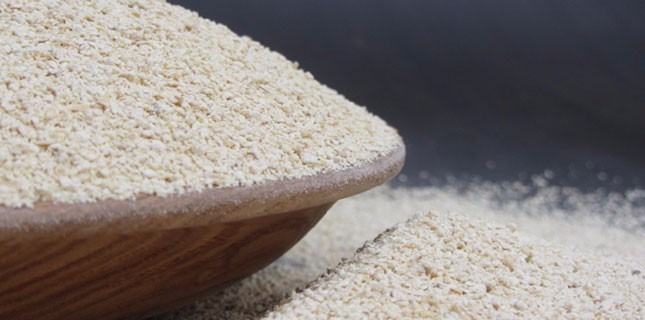
According to IS 966:1999, DC is produced by a mechanical process of disintegrating, cleaned and dried pieces of pared kernel of fully matured and fresh coconut. The product should be natural white in color. It shall have characteristic taste, odor and flavor. It shall be free from cheesy, smoky, musty or any other objectionable odors, fungus and insect infestation. It shall be crisp, free from rancidity and not show fat sweating. DC is categorized into three types based on the particle siz and is as follows:
Desiccated Coconut is a graded, dried (3% moisture content max.), and unsweetened fresh meat or kernel of a mature fruit of coconut. Desiccated Coconuts are graded by its cutting size, for example, fine grade and medium grade where fine grade is smaller particle size than the medium grade.
The process of desiccated coconut:1. Removal of coconut husk, 2. Removal of coconut shell, 3. Removal of thick brown coconut skin, 4. Washing of white coconut meat to remove foreign material, 5. Bleaching of white coconut meat to reduce the number of microorganism to the safe level fit for human consumption within its shelf life, 6. Cutting of white coconut meat into the desired size, 7. Hot air blow drying the grated white coconut meat to reduce the moisture content from 19% to less than 3%, 8. Cooling of desiccated coconut, 9. Sieving of desiccated coconut to separate desiccated coconut as according to the desired size, 10. Finally, packing of desiccated coconut.
One thousand nuts are expected to yield about 130kg of Desiccated Coconut. Production of Desiccated Coconut is a real hard work as the removal of coconut husk, shell and skin are done manually or given the best of current technology are done semi-automatically.
Applications of Desiccated Coconut:Desiccated Coconut is ideal for use as fillers, toppings and as ingredients, especially in the baking of biscuits, snack bars, cakes, cookies and so on.
How to identify a good quality Desiccated Coconut?A good quality Desiccated Coconut should be white in color, reasonably free from yellow specks, black spots and other discolorations. It should have sweet aroma of coconut, mild characteristic of coconut without rancid and even particle size distribution.
What are black spots in Desiccated Coconut?Back spots are foreign materials found in Desiccated Coconut. These foreign materials are primarily the grated and dried coconut skin, which had gone through the cutting and drying processes together with the white coconut meat. There is no perfect, error margin is allowable at not more than 4 pieces of black spots in 100 g of desiccated coconut is acceptable.
Low fat or high fat Desiccated Coconut?The value of Desiccated Coconut lies at the fat content. Desiccated Coconut is categorized into full fat (high fat) or reduced fat (low fat). A full fat Desiccated Coconut has a minimum of 60% fat, any lesser is a reduced fat Desiccated Coconut. Full fat Desiccated Coconut has higher monetary value than the reduced fat. In the past, coconut fat or coconut oil has been mistakenly believed for causing heart disease. Coconut oil is high in saturated fats, which have been taking the blame for problems caused by trans fats. For details, click Arent coconut oils bad for health?
Packing and Storage of Desiccated Coconut:Desiccated Coconuts are packed in multi-ply Kraft paper bags with inner sealed polythene to keep away from the atmospheres moisture. Desiccated Coconuts are packed in 10 kg, 25 kg or 50 kg. Desiccated Coconuts shall be stored in cool and dry place. Avoid direct sunlight and strong odour.
Container of Desiccated Coconut Powder:20 Feet Container Consists of 12.5 metric tones
Exports of Desiccated Coconut from India:India exported desiccated coconut worth USD 28, 646, 696 with total quantity of 10, 123, 929. Iran is the largest buyer of desiccated coconut accounting for exports worth USD 10, 030, 031 followed by United Arab Emirates and Saudi Arabia which imported desiccated coconut worth USD 5, 678, 496 and USD 1, 944, 900 respectively.
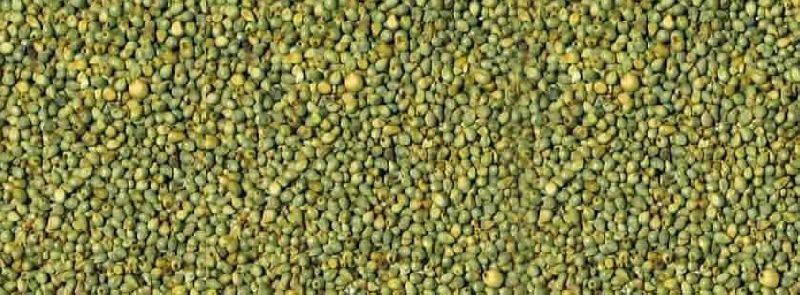
Grown under rain fed and dry areas, Millets are one of the oldest food know to mankind. Millets are also the first cereal grains to be domesticated for human consumption. Types of Millets are one of the oldest ingredients in Indian, Chinese, and certain Korean diet. Due to their short growing season, these can develop from seeds to harvestable crop in just about 65 days. The shelf life the Millets can be more than 2 years, if stored properly.
Indian Millet also known as Bajra or Pearl Millet constitutes more than 55% of the global Millet production. In year 2014 alone, India produced nearly 10 million tonnes of Pearl Millets. In India, Rajasthan, Gujarat, Uttar Pradesh, and Maharastra are the major Millets producing states.
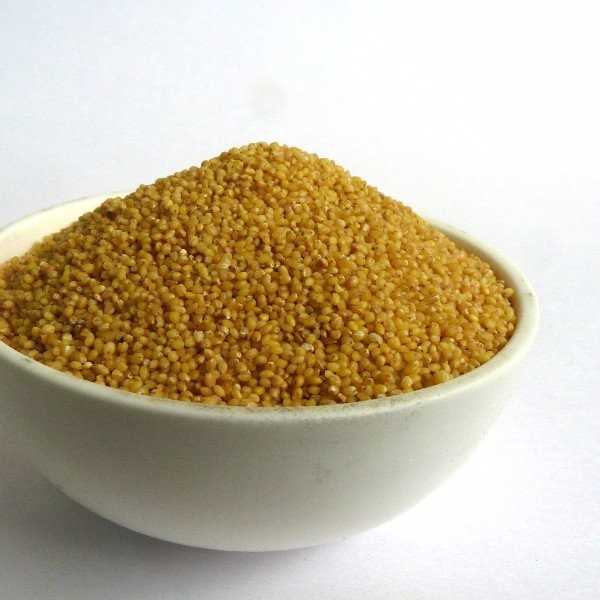
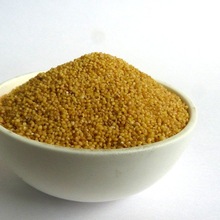
Green Millet is one of the oldest foods from the family of millets very well known to humans and possibly the first cereal grain to be used for domestic purposes. Green Millet is highly nutritious, non-glutinous and is easy to digest. In fact, it is considered as one of the least allergenic and digestible grains available. With its warming quality this grain also helps to heat the body in cold or rainy seasons and climates. This premium quality agro product is known for high nutritional value, non-sticky after cooking and delicious taste.
| Type Of Container | Quantity |
| 20′Fcl | 24 Mt |
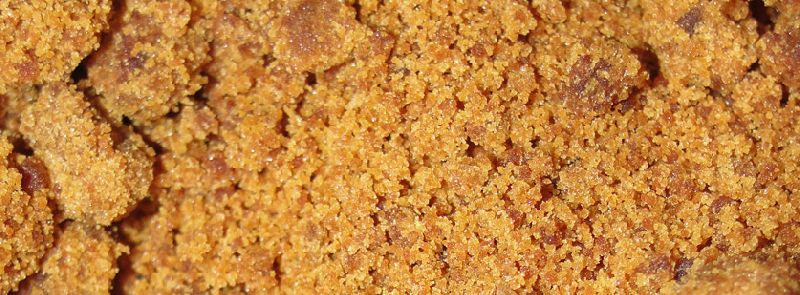
Jaggery is a traditional uncentrifuged sugar is a concentrated product of date, cane juice, or palm sap (see palm sugar) without separation of the molasses and can vary from golden brown to dark brown in colour. Jaggery is a concentrated product of date, cane juice, or palm sugar without separation of the molasses and crystals, and can vary from golden brown to dark brown in colour.
Jaggery, also called gurh, is used as an ingredient in sweet and savory dishes across India, Pakistan, Bangladesh, Nepal, Sri Lanka as well as in Afghanistan and Iran. For example, a pinch of it is sometimes added to sambar, rasam, and other staples. Jaggery is added to lentil soups (dl) to add sweetness to balance the spicy, salty and sour components, particularly in Gujarati cuisine. Jaggery used extensively in South India to balance the heat of the spicy foods. It is also known to stir heat on the body, which causes sweating, a way for the body to cool down in the high summer heat.
Jaggery powder that is extensively used for preparing varied sweets and eatables. It is widely demanded in the market because of its medicinal properties. Jaggery powder is a rich source of iron and other required minerals salts.
Load ability: 20 to 24 MT in one 20 FT Container
Analysis of Exports of Jaggery Powder:India exported jaggery slabs worth USD 93, 524 with total quantity of 22, 400. Canada is the largest buyer of jaggery slabs accounting for exports worth USD 53, 328 followed by United States and United Kingdom which imported jaggery slabs worth USD 18, 159 and USD 13, 058 respectively.
Additional Information:
Payment Terms : L/C, D/P, T/T
Packaging Details : In strong PP bags 25/40/50 kg packing net/gross
Delivery Time : 15 to 20 working days
Additional Information:
Payment Terms : L/C, D/P, T/T
Packaging Details : Packing in 25 Kg Or 50 Kg PP Bags OR 10 Kg carton boxes.
Delivery Time : 15 to 20 working days
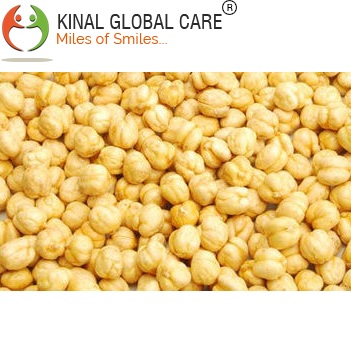
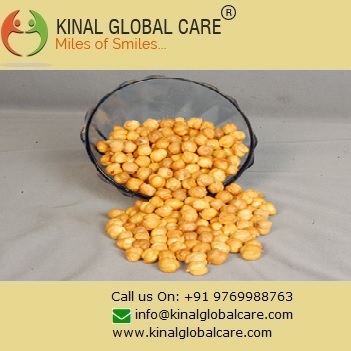
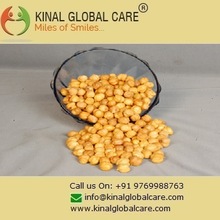
indian roasted gramrnwe are a leading exporter of roasted gram, roasted chana without skin - gotta, whole and masala roasted gram with skin from india. roasted chickpeas is a good source of zinc, folate and protein. They are also very high in dietary fiber and thus are a healthy food source, especially as a source of carbohydrates for people with insulin sensitivity or diabetes. They are low in fat, and most of the fat content is polyunsaturated. one hundred grams of mature boiled grams contains 164 calories, 2.6 grams of fat (of which only 0.27 gram is saturated), 7.6 grams of dietary fiber, and 8.9 grams of protein. moq-5 mt
Additional Information:
Payment Terms : L/C, D/P, T/T
Packaging Details : Packing in 1.00 Kg x 10 Packets in 10 Kg carton boxes.
Or
As per buyer requirement.
Delivery Time : 10-15 WORKING DAYS
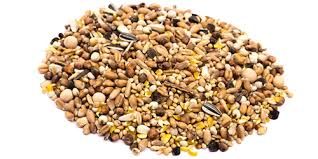
Barley (Hordeum vulgare L.), a member of the grass family, is a major cereal grain. It was one of the first cultivated grains and is now grown widely. Barley grain is a staple in Tibetan cuisine and was eaten widely by peasants in Medieval Europe. Barley has also been used as animal fodder, as a source of fermentable material for beer and certain distilled beverages, and as a component of various health foods. It is used in soups and stews, and in barley bread of various cultures. Barley grains are commonly made into malt in a traditional and ancient method of preparation.
It is a wonderfully versatile cereal grain with a rich nutlike flavor and an appealing chewy, pasta-like consistency. Its appearance resembles wheat berries, although it is slightly lighter in color. Sprouted barley is naturally high in maltose, a sugar that serves as the basis for both malt syrup sweeteners. When fermented, barley is used as an ingredient in beer and other alcoholic beverages.
Barley is a plant. The grain of barley is used to make medicine.
 Mr.Vishal Umbarkar (Kinal Global Care Private Limited)
 Kinal Global Care Pvt. Ltd.,Unit 4/705, Plot No. 4, Sector 9E, Kalamboli, Navi Mumbai – 410218, Maharashtra.
 Share us via