 GST : 27AAFCK8016J1ZC
 Write a Review
Our Products
Leading Manufacturer, Supplier & Retailer of Fennel Seeds, Top Quality Annatto Seed, Best Quality Dill Seed, Best Quality Fennel Seed and Black Cumin Seed.
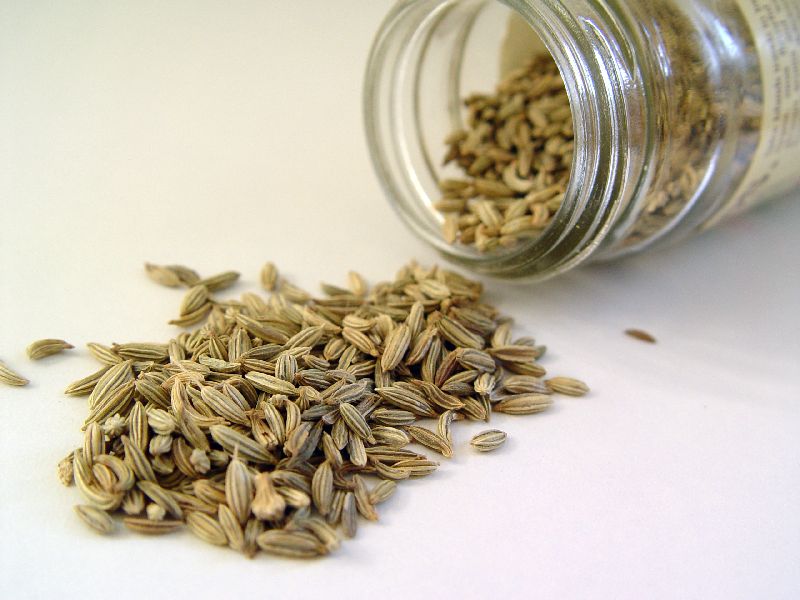
Additional Information:
Payment Terms : D/P, T/T
Packaging Details : Packing in 25/50 Kg PP Bags.
Delivery Time : 15-20 Working Dys
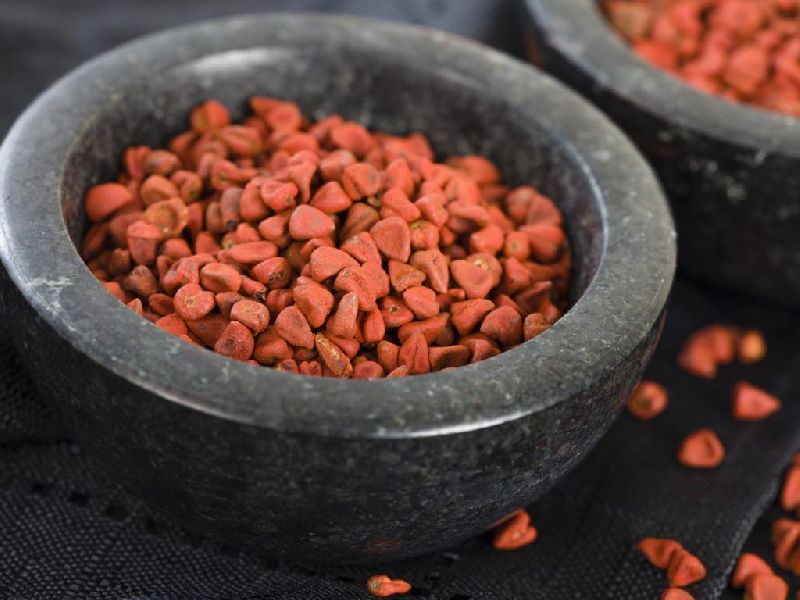
Annatto SeedsrnAnnatto is brick-red with a slightly bitter, earthy flavor and imparts a rich yellowish-orange color in Caribbean, Latin American and Filipino cuisines. It has been dubbed the "poor man's saffron" as the color is similar to the more expensive seasoning. Available whole or ground, the small triangular shaped seeds are used as both a spice and as a natural coloring in butter, rice, smoked fish and cheeses. Annato is commercially used as food coloring and may be found as the yellow coloring for butter, margarine, chorizo, cheese, smoked fish and other food products. It is often used to impart a yellow or orange color to foods, but sometimes also for its flavor and aroma. Its scent is described as "slightly peppery with a hint of nutmeg" and flavor as "slightly nutty, sweet and peppery.
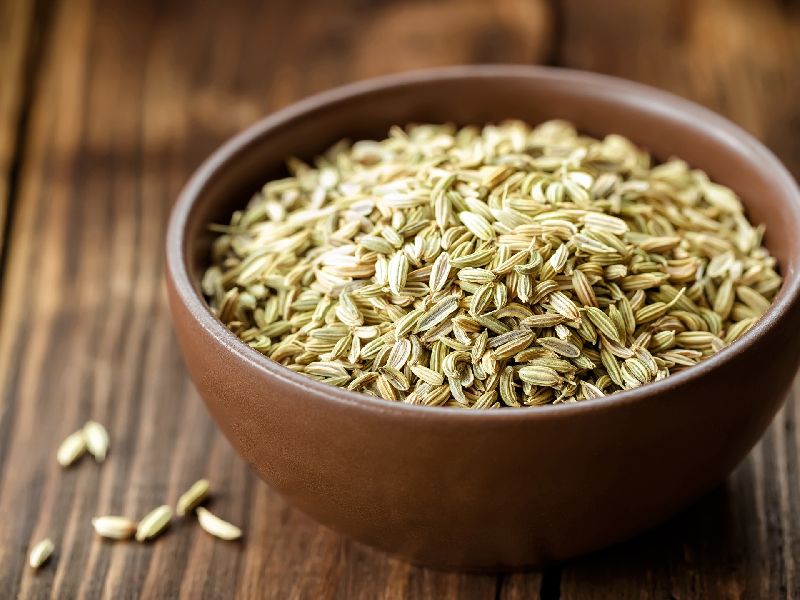
dill seeds
we export dill seeds sortex qualitywithout seed seeds for us fda guarantee and asta quality
dill is an annual herb native of central asia; it is also widely grown in europe and northern africa for its culinary and medicinal use. Dill seed, dried leaves of the same plant is also used for flavoring. It is milder in taste when compared to dill seed. Dill seeds are originated in central asia. It is however is also grown in large quantity in egypt and mediterranean countries or eastern europe. It is also getting popular in north america. Its related species sowa is grown in india whose fruits are larger but less fragrant. India and pakistan are the major dill production areas, egypt, fiji, mexico, netherlands, united states, england, hungary are other commercially productive areas, making small contributions to the world production.
Additional Information:
Payment Terms : L/C, D/P, T/T
Packaging Details : Packing in 25 Kg Jute bags.
Delivery Time : 10-15
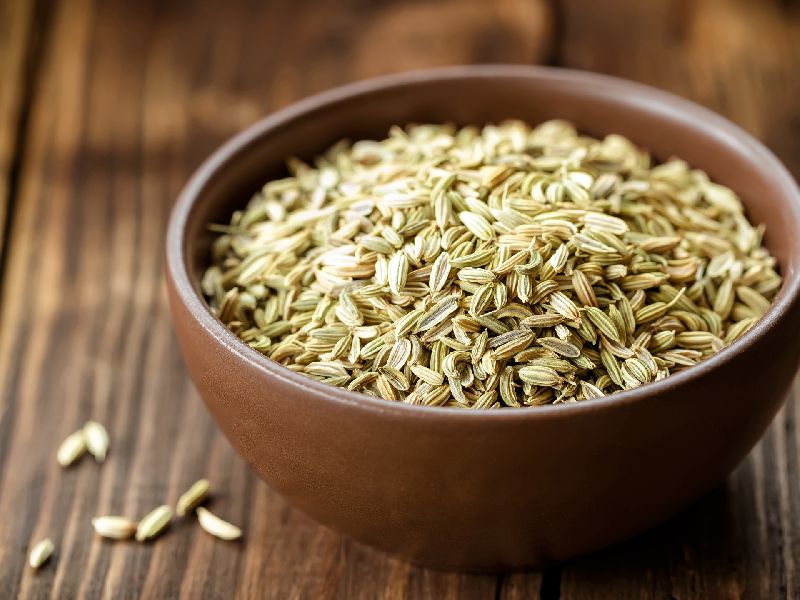
Fennel Seeds
Fennel Seeds is known as Sounff or Variyali in India. Fennel Seeds which grows well in mild climates, is an oval, green or yellowish brown dried aromatic ripe fruit of an herbaceous plant called Foeniculum Vulgare, a member of Parsley family. Obtained from an aromatic and medicinal plant, the seeds emit a pleasant odor, are highly aromatic and have a pungent flavor. Fennel is widely used Asian, European, Italian and Mediterranean dishes. In India fennel is widely used in meat and seafood dishes and also with pickles and vinegar for a special flavor.
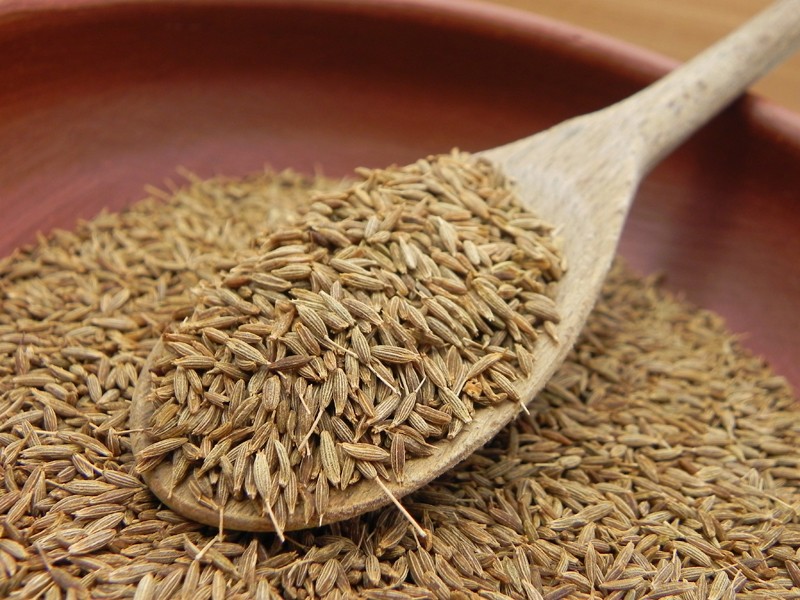
europe quality 99.95 % purity cumin seed from kinal
cuminis a spice that comes from a small herbaceous plant thatbelongs to the same family as parsley and fennel. The aromatic seeds of this plant are what most of us recognise as cumin, either as whole seeds or ground, and it's a staple ingredient in mexican, indian and north african cooking.
the more well-known cumin seeds are brown, however, you can also buy black cumin seeds boasting a much higher concentration of oil andit's this oil whichcontains the beneficial chemical compounds.
cumin contains key nutrients such as iron and copper, which are needed for healthy red blood cells. Just one teaspoon of cumin seeds contains around 3mg of your daily iron intake (that's 20% of daily iron intake for women and 34% for men).
potassium, needed for controlling blood pressure and heart rate, can also be found in cumin along with zinc, which plays an important role in immune function.cumin also contains calcium, important for helping to build strong bones and teeth and regulating muscle contractions, as well as magnesium whichaidsthe process ofturning food into energy and isanatural relaxant.
Additional Information:
Payment Terms : L/C, D/P, T/T
Packaging Details : Packing in 25/50 Kg Strong PP Bags.
Delivery Time : 15-20 Working Dys
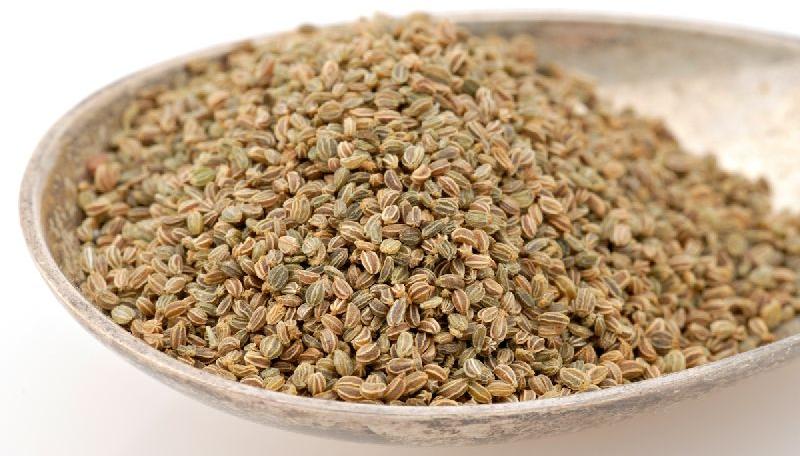
celery seeds
celery seed is one of the lesser-known herbs in western herbal medicine. However, it has been used for thousands of years in other parts of the world for a variety of reasons. Celery seed extract is a natural dietary supplement that supports the circulatory system. It has been known to help lower blood pressure and improve circulation in people who are suffering from hypertension. It may also help prevent male impotence if applied to the skin.
Additional Information:
Payment Terms : L/C, D/P, T/T
Delivery Time : 10-15 WORKING DAYS
Additional Information:
Payment Terms : L/C, D/P, T/T
Packaging Details : Packing in 25/50 Kgs Nett in PP Bags.
Delivery Time : 15-20 Working Days
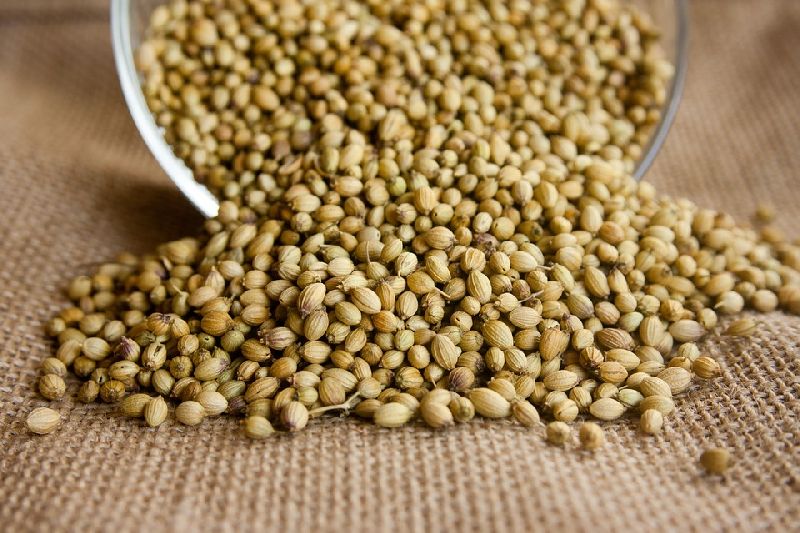
Coriander is an ayurvedic medicinal herb; it is also used as an important ingredient in making curries and other dishes. The seed is used as it is ground into a powder and used. Coriander seeds also have important medicinal properties. Coriander has many important vitamins and minerals. It provides calcium, phosphorus, iron and some other vitamins such as vitamin B and vitamin C. We can offer Fine Quality in both seeds & powder form.
High Quality Coriander Seeds And Coriander Powder For Sale From IndiaCoriander is an important spice crop having a prime position in flavoring food. The plant is a thin stemmed, small, bushy herb, 25 to 50 cm in height with many branches and umbels. Leaves are alternate, compound. The whole plant has a pleasant aroma. Inflorescence is a compound umbel comprises 5 smaller umbels. Fruit is globular, 3 to 4 mm diameter, when pressed break into two locales each having one seed. Fruit has delicate fragrance; seeds are pale white to light brown in color.
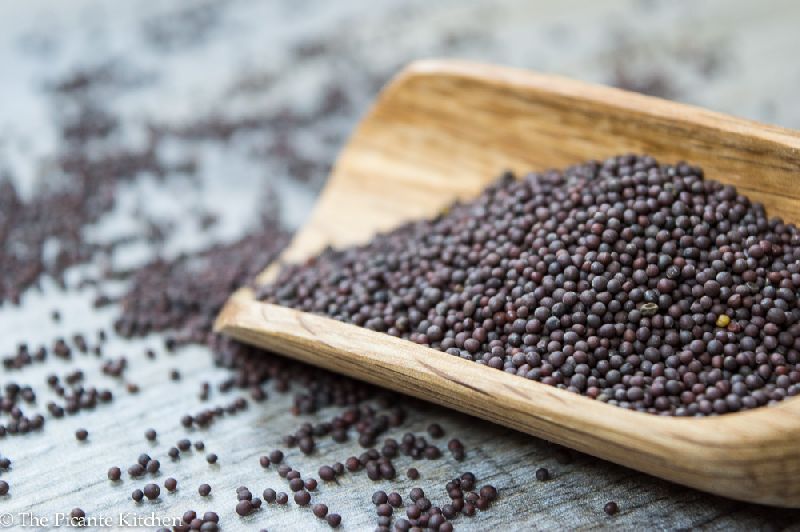
Mustard seeds are the small round seeds of various mustard plants. The seeds are usually about 1 to 2 millimetres (0.039 to 0.079 in) in diameter and may be colored from yellowish white to black. They are important herbs in many regional foods and may come from one of three different plants: black mustard (Brassica nigra), brown Indian mustard (B.Juncea), or white mustard (B. hirtaSinapis alba). These are different names of mustard in different states of india such as Raai (Gujarati), Mohari (Marathi), Aavalu (Telugu), Kadugu (Tamil), or Sasive (Kannada), Kadugu(Malayalam). Variety of Indian pickles consisting mainly of mangoes, red chilli powder, and aavaa pindi (powdered mustard seed) preserved in mustard oil, is popular in southern India with its origin in Andhra Pradesh.
Additional Information:
Payment Terms : L/C, D/P, T/T
Packaging Details : Packing in 25/50 Kg PP Bags.
Delivery Time : 15-20 Working Dys
Additional Information:
Payment Terms : L/C, T/T
Packaging Details : Packing in 25/50 Kg PP Bags.
Delivery Time : 15-20 Working Dys
Additional Information:
Payment Terms : L/C, D/A, D/P
Packaging Details : Packing in 25 Kg PP/Jute Bags.
Delivery Time : 15 to 20 working days
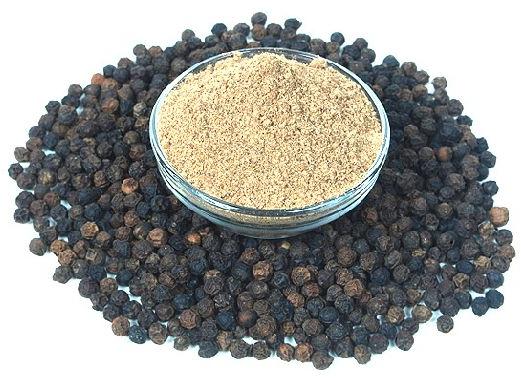
Black pepper is used in all types of savoury, main dishes, soups and salads. Black pepper is the worlds most traded spice! In ancient times, pepper was so valuable that it was often used as currency.
The word pepper is ultimately derived from the Sanskrit word for long pepper pippali. Black peppercorns were found stuffed in the nostrils of Ramesses II, placed there as part of the mummification rituals shortly after his death in 1213 BCE.
Black pepper, is widely used in traditional Indian medicine and as a home remedy for relief from sore throat, throat congestion, and cough.
Black Pepper Powder
With our rich domain expertise, we have emerged as an affluent manufacturer, supplier and exporter of Black Pepper Powder. These powders are hygienically processed using premium quality black pepper and ultra modern techniques by our diligent team of professionals. All these powders are widely used for seasoning purposes and as a medicine for curing different health problems. Our quality controllers check this Black Pepper Powder on well defined parameters to ensure its purity and quality.
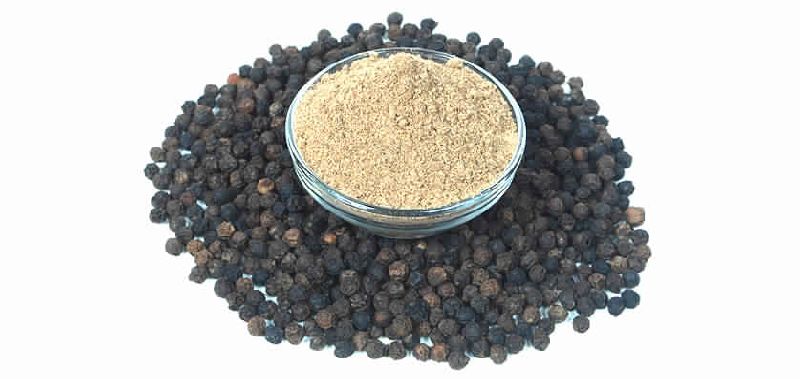
Black pepper is used in all types of savoury, main dishes, soups and salads. Black pepper is the worlds most traded spice! In ancient times, pepper was so valuable that it was often used as currency.
The word pepper is ultimately derived from the Sanskrit word for long pepper pippali. Black peppercorns were found stuffed in the nostrils of Ramesses II, placed there as part of the mummification rituals shortly after his death in 1213 BCE.
Black pepper, is widely used in traditional Indian medicine and as a home remedy for relief from sore throat, throat congestion, and cough.
With our rich domain expertise, we have emerged as an affluent manufacturer, supplier and exporter of Black Pepper Powder. These powders are hygienically processed using premium quality black pepper and ultra modern techniques by our diligent team of professionals. All these powders are widely used for seasoning purposes and as a medicine for curing different health problems. Our quality controllers check this Black Pepper Powder on well defined parameters to ensure its purity and quality.
Additional Information:
Payment Terms : L/C, D/P, T/T
Packaging Details : Packing in strong 25/50 Kg PP/Jute Bags.
Delivery Time : 15-20 Working Dys
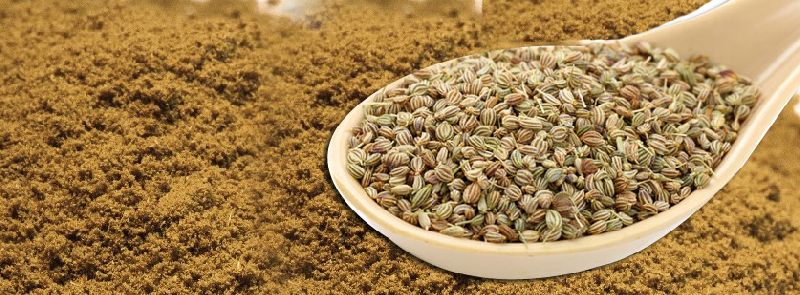
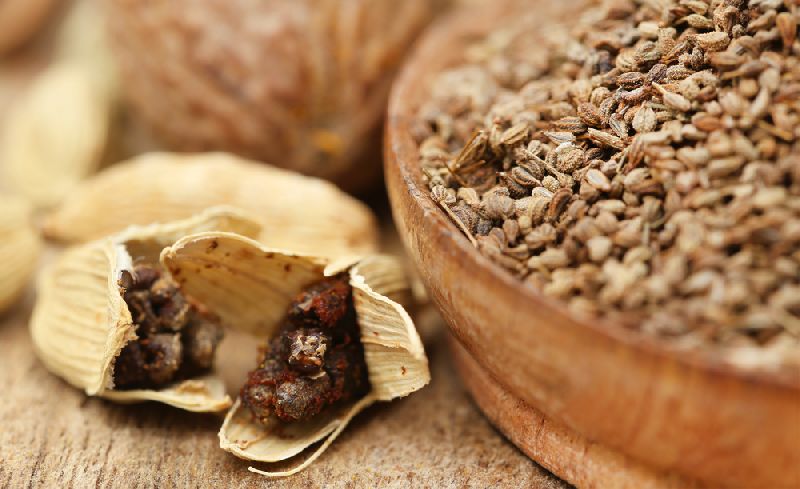
Ajwain, ajowan or carom, Trachyspermumammi, is an annual herb in the family Apiaceae. It originated in the eastern Mediterranean, possibly Egypt, and spread up to India from the Near East. Both the leaves and the fruit pods of the plant are consumed by humans. The plant is also called bishop's , but this is a common name it shares with some other different plants. The "seed" is often confused with lovage seed.The small fruit pods are pale brown and have an oval shape, resembling caraway and cumin. It has a bitter and pungent taste, with a flavor similar to anise and oregano. They smell almost exactly like thyme because it also contains thymol, but is more aromatic and less subtle in taste, as well as slightly bitter and pungent. Even a small amount of fruit pods tend to dominate the flavor of a dish.
Additional Information:
Payment Terms : L/C, D/A, D/P, T/T
Packaging Details : Packing in 25 Kg PP Bags.
Delivery Time : 15 to 20 working days
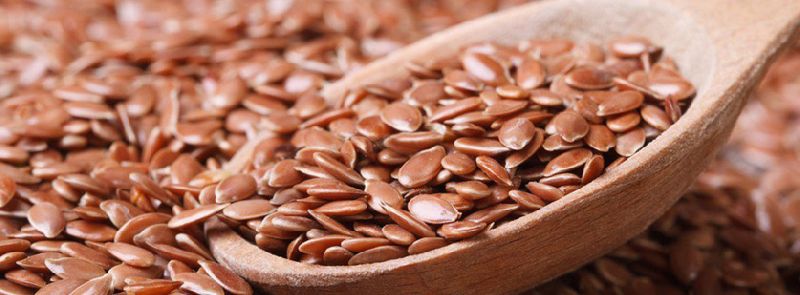
flax seed extract is a genus of approximately 200 spicies in the flowering plant family linaceae. They are native to temperate and subtropical regions of the word. The genus includes the common flax (l. Usitatissimum), the best fibre of which is used to produce linen and the seeds to produce linseed oil.
flax is grown both for its seeds and for its fiber.flax is an erect annual plant growing to 1.2 m (3 ft 11 in) tall, with slender stems. The leaves are glaucous green, slender lanceolate, 2040 mm long and 3 mm broad. The flowers are pure pale blue, 1525 mm diameter, with five petals; they can also be bright red.
the fruit is a round, dry capsule 59 mm diameter, containing several glossy brown seeds shaped like an apple pip, 47 mm addition to referring to the plant itself, the word "flax" may refer to the unspun fibres of the flax plant.
cullinary uses:
flax seed is used for industrial applications, with two of the more common products being linseed oil and linoleum.flax seed is the source of linseed oil, which is used as an edible oil, nutritional supplement, animal feed and as an ingredient in many wood finishing products flax seed oil is an important ingredient in paints, varnishes, and linoleum.various parts of the plant have been used to make fabric, dye, paper, medicines, fishing nets, hair gels, cloths, ropes and soap.
medicinal uses:
flax seeds are used for treating asthma, osteoarthritis, rheumatoid arthritis, migraine headaches and osteoporosis.flax seeds have high levels of lignans which protect against breast cancer.flax seeds improves the quality of hair, nails, and skin, as well as helps to lose weight or bulk up.flax seeds lowers cholesterol, blood pressure and prevents arthritis and cancers.standard grades of flax seeds available with us are as follows:
container stuffing information:
approximately 20 m. Tonnes per 20 feet container for flax seeds.
| Specifiaction of Flax Seeds | |||
|---|---|---|---|
| Product Name | Flax Seed | Botanical Source | Linum usitatissmum L. |
| Item | Specification | Test Method |
|---|---|---|
| Maker Compounds | Lignans(as SDG) 20% | HPLC |
| Organoleptic | ||
| Appearance | Fine Powder | Visual |
| Color | Yellowish | Visual |
| Odor | Characteristic | Organoleptic |
| Taste | Characteristic | |
| Part Used | Seeds | |
| Physical Characteristics | ||
| Particle Size | NLT100%Through 80 mesh | CP2010-appendiXIB |
| Loss on Drying | NMT5.0% | CP2010-appendiIXG |
| Bulk Density | 40-60g/100ml | CP2010 |
| Heavy metals | ||
| Total Heavy Metals | NMT20ppm | CP2010-appendixIXE |
| Arsenic | NMT2ppm | CP2010-appendixIXB |
| Lead | NMT2ppm | CP2010-appendixIXB |
| Cd | NMT1ppm | CP2010-appendixIXB |
| Hg | NMT0.5ppm | CP2010-appendixIXB |
| Microbiological Tests | ||
| Total Plate Count | NMT10000cfu/g | CP2010-appendixX�A |
| Total Yeast & Mold | NMT1000cfu/g | CP2010-appendixX�A |
| Total Coli Form | NMT100cfu/g | CP2010-appendixX�C |
| E.Coli | Negative | CP2010-appendixX�C |
| Salmonella | Negative | CP2010-appendixX�C |
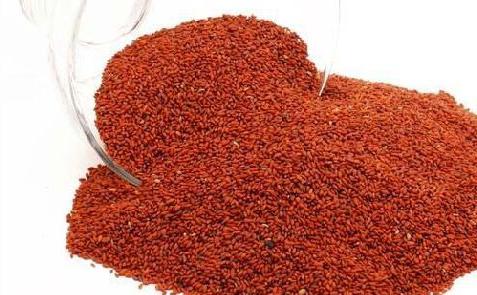
asaliya seeds (lepidium sativum), sometimes referred to as garden cress to distinguish it from similar plants also referred to as cress, is a rather fast-growing, edible herb. Garden cress is genetically related to watercress and mustard, sharing their peppery, tangy flavor and aroma. In some regions, garden cress is known as mustard and cress, garden pepper cress, pepper grass, pepperwort or poor person's pepper.
garden cress or aliv or halim is a green, cool-season perennial plant used as a leafy vegetable, typically used as a garnish. When mature, garden cress produces white or light-pink flowers, and small seed pods. It has long leaves at the bottom of the stem and small, bright-green, feather-like leaves arranged on opposite sides of its stalks at the top.
the seed contains arachidic and linoleic fatty acids. The seeds are high in calories and protein, whereas the leaves are an excellent source of vitamin a, c and folate. Cress (lepidium sativum), sometimes referred to as garden cress to distinguish it from similar plants also referred to as cress is a rather fast-growing, edible herb. Garden cress is genetically related to watercress and mustard, sharing their peppery, tangy flavor and aroma.
garden cress seeds are loaded with nutrition. When you learn about their health benefits, youll want to make them an part of your diet sooner than later.
medicinal use:
this herb is the best source of iron and is hence recommended in the treatment of iron-deficiency anemia.it is also rich in folate, calcium, ascorbic acid, tocopherol, and beta-carotene.the oil derived from asaliya seeds is edible and can therefore be used as a cooking medium.
cultivation:
asaliya seeds is commercially grown in england, france, the netherlands and scandinavia cultivation of asaliya seeds is practical on both mass scales and on the individual scale. Asaliya seeds is suitable for hydroponic cultivation and thrives in slightly alkaline water.
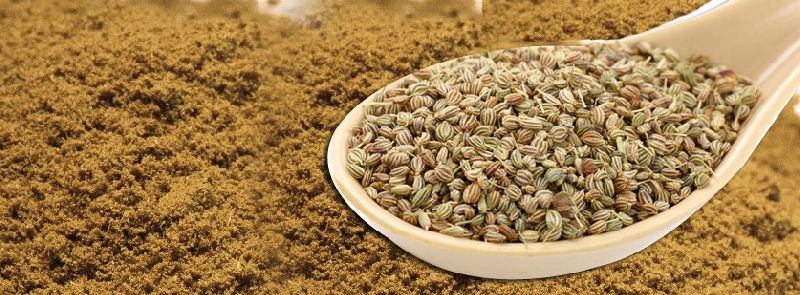
Ajwain, ajowan or carom, Trachyspermumammi, is an annual herb in the family Apiaceae. It originated in the eastern Mediterranean, possibly Egypt, and spread up to India from the Near East. Both the leaves and the fruit pods of the plant are consumed by humans. The plant is also called bishop's , but this is a common name it shares with some other different plants. The "seed" is often confused with lovage seed.
The small fruit pods are pale brown and have an oval shape, resembling caraway and cumin. It has a bitter and pungent taste, with a flavor similar to anise and oregano. They smell almost exactly like thyme because it also contains thymol, but is more aromatic and less subtle in taste, as well as slightly bitter and pungent. Even a small amount of fruit pods tend to dominate the flavor of a dish.
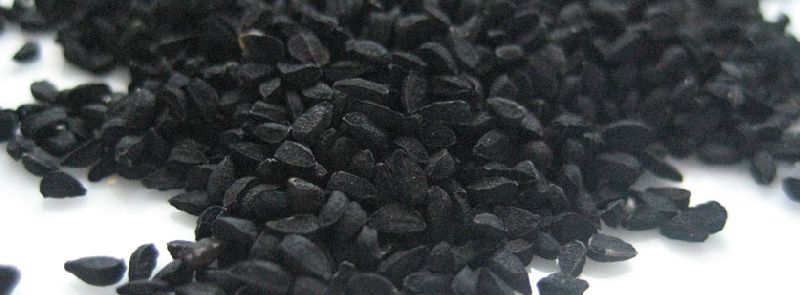
This small annual plant is native to the Mediterranean region, where it is cultivated extensively. The cumin seed widely is used in cooking. The dried seeds resemble those of caraway, but are straighter in form and have a coarser taste and odor. Major cumin seed producers include Egypt, Iran, India, and Morocco. The United States is among the largest producers of cumin oil. This spice should not be confused with sweet cumin, which is a common name for anise (Pimpinella anisum). Black cumin (Bunium persicum) has smaller and sweeter seeds than C. cyminum, but is not commercially important. Another black cumin (Nigella sativa) is not related to cumin.
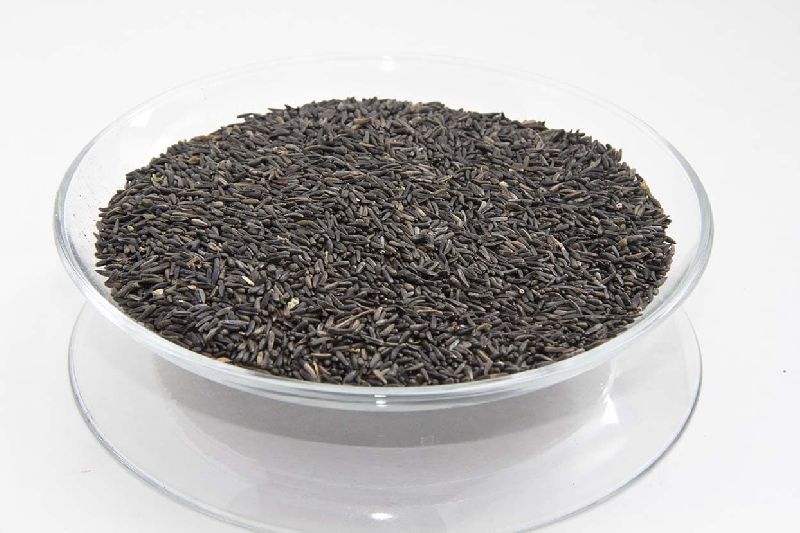
Black Cumin Seed appropriately known as the "seed of blessing" is considered to be one of the greatest healing herbs of all times. Kalonji, which may also be called nigella, refers to small black seeds grown on Kalonji bushes, which are grown widely through India. Kalonji is both flavoring, added to a variety of traditional foods, and herbal remedy that has been touted as the magic bullet for a variety of ailments. Kalonji seeds are about the same size as sesame seeds, though they have a more triangular instead of oval shape.
Where will Cumin Seed Extract used for?
Traditional uses of cumin include reducing inflammation, increasing urination, preventing gas, and suppressing muscle spasms. It has also been used as an aid for indigestion, jaundice, diarrhea, and flatulence. Cumin powder has been used as a poultice and suppository, and has been smoked in a pipe and taken orally.
Cumin is a major component of curry and chili powders and has been used to flavor a variety of commercial food products. The oil, which is derived by steam distillation, is used to flavor alcoholic beverages, desserts, and condiments. It is also used as a fragrant component of creams, lotions, and perfumes.
The health benefits of cumin for digestive disorders have been well known throughout history. It can help with flatulence, indigestion, diarrhea, nausea, morning sickness, and atonic dyspepsia. In this case, the seeds are boiled in water to make a tea of sorts - 1 teaspoon seeds to 1 glass water. Mix with salt and a teaspoon of coriander leaf juice.
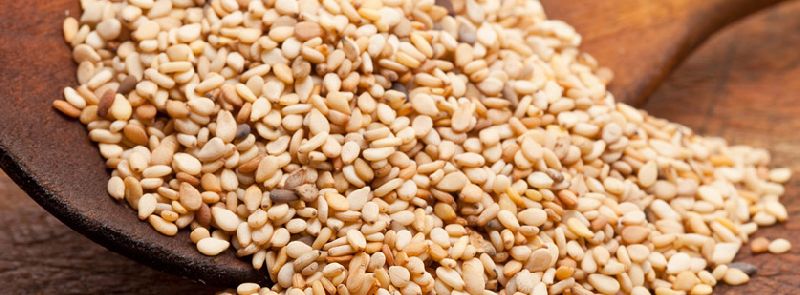
Sesame Seeds Is Cultivated In India For More Than 1000 Years. Sesame Seeds Is Rich Source Of Edible Oil. Sesame Seeds Is Well Known As Most Nutritious Seeds Because It Contains High Value Of Protein And Amino Acid. Sesame Seed Is Drought Tolerant Crop. Sesame Seed Have Rich Nutty Flavor. Sesame seeds contains three times more calcium than half a cup of whole milk? In addition to being an excellent dietary source of calcium, sesame seeds are also a good source of manganese, copper, magnesium, iron, phosphorus, vitamin B1 (thiamin), zinc, vitamin E, healthy protein, and fiber.
Sesame seeds also contain sesamin and sesamolin, two substances that are thought to prevent high blood pressure and protect the liver against oxidative damage. We Export Best Quality Natural Sesame Seeds, Hulled Sesame Seeds, Brown Natural Sesame Seeds, Black Sesame Seeds, Roasted Natural Sesame Seeds, Roasted Hulled Sesame Seeds.
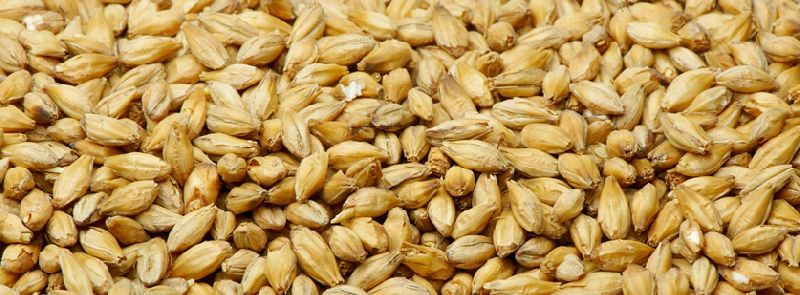
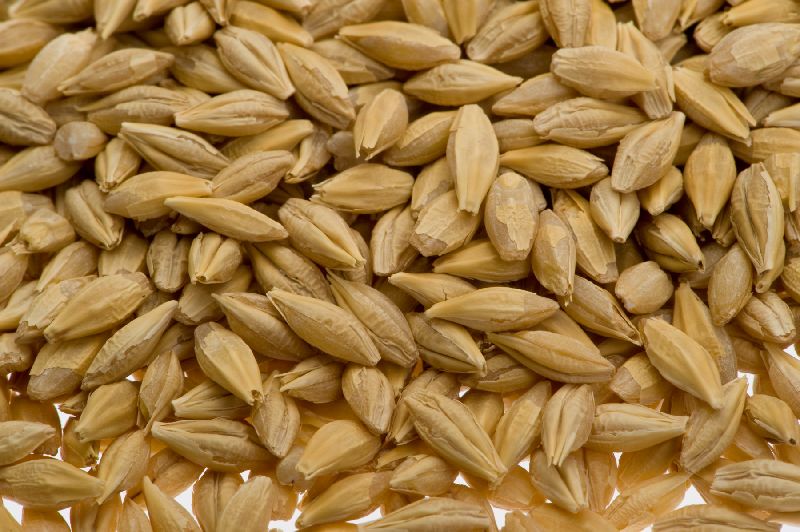
we are exporter of barley seeds. Our products are selected from the best farm of barley from prominent crop producing fields where clean and tidy farming methods are implemented. These barley grains are well-known globally for their precious medicinal properties. It is available in a variety of forms like whole barley, hulled barley, pearled barley as well as barley flakes.
barley (hordeum vulgare l.), a member of the grass family, is a major cereal grain. It was one of the first cultivated grains and is now grown widely. Barley grain is a staple in tibetan cuisine and was eaten widely by peasants in medieval europe. Barley has also been used as animal fodder, as a source of fermentable material for beer and certain distilled beverages, and as a component of various health foods. It is used in soups and stews, and in barley bread of various cultures. Barley grains are commonly made into malt in a traditional and ancient method of preparation.
it is a wonderfully versatile cereal grain with a rich nutlike flavor and an appealing chewy, pasta-like consistency. Its appearance resembles wheat berries, although it is slightly lighter in color. Sprouted barley is naturally high in maltose, a sugar that serves as the basis for both malt syrup sweeteners. When fermented, barley is used as an ingredient in beer and other alcoholic beverages.
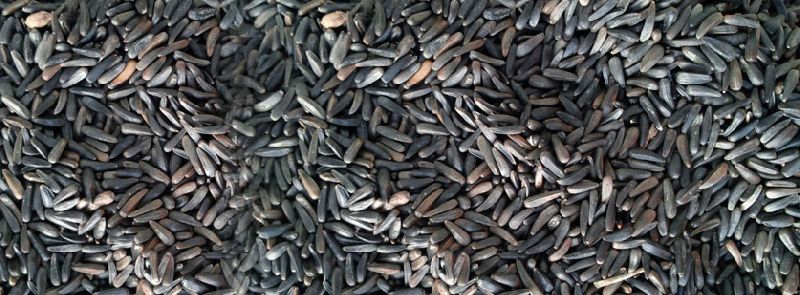
The seed of the African yellow daisy Guizotia abyssinica, Niger is known by many names. Originally called Niger in reference to Nigeria and the plants origin, the name was trademarked as Niger in 1998 by the Wild Bird Feeding Industry to clarify pronunciation. Many backyard birders also call the seed thistle, but in fact Niger is not related to thistle plants or seeds. It is believed that calling the seed thistle may have become popular because goldfinches, which adore Niger, also feed on thistle and use thistle down to construct their nests.
The popular finch seed Niger (Guizotia abyssinica) is native to the highlands of Ethiopia. Niger is in the composite (Sunflower) family and is quite closely related to the popular garden plants Cosmos (genus Coreopsis). It has yellow Cosmos-like flowers and grows up to 6 feet tall. The seeds contain up to 40% oil and in Ethiopia, India and Myanmar (Burma) it is an important oil seed crop. Ethiopian immigrants possibly introduced the seed to India around 3000BC along with other important food plants such as Millet. Niger supplies 50% of the vegetable oil used in Ethiopia and 3% in India. It is also heated and made into a paste and eaten directly. The meal left after oil extraction is used as a livestock food. It is a useful crop in the tropics because it is relatively pest free and can be grown in clay and waterlogged soils.
Niger(Nyjer) Seeds which comes from the Ramtili plant and scientifically known as Guizotia abyssinica. Oil enriched, black and small Ingurgitated with oils. Niger Seeds are mainly used to feed the birds and it also marginal used in India as jelly.
Today India secures a significant position as one of the Niger Seed Exporters and produces around 2 Lakh tones Niger seeds and 75% (approx) of the produced Niger seed are exported to U.S. Niger Seed Exporters of India also export high quality seeds to Mexico, Singapore, Canada, EU and Brazil.
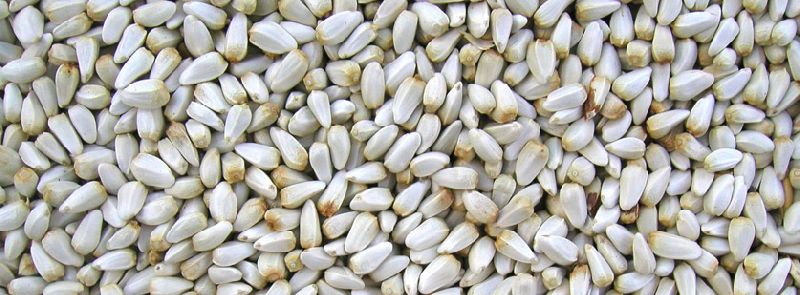
Although safflower seed is one of the oldest oilseed crops in the history of mankind some of the first mummies were wrapped in linens dyed with safflower flowers it has become popular in wild bird feeding only in recent years. The high fat, protein and oil content of safflower make it a valuable nutritional food source for wild birds. Widely known as the cardinal's favorite food of choice, safflower has also been recognized as the solution to many squirrel problems at birdfeeders.
Safflower seeds are found in most of the quality wild birdseed mixes available on the market today. They are rarely found, however, in any of the bottom-end mixes available at mass merchants or grocery stores since they are more expensive than some of the other seeds commonly used in the cheaper blends. Some wild birdseed mixes offer safflower seed as one of the main ingredients in order to attract more cardinals, one of North America's favorite backyard birds, and are named for them.
In addition to cardinals, chickadees, titmice, nuthatches, grosbeaks are also attracted to safflower seed, among others. More important, however, is the fact that grackles and starlings species known as "feeder hogs" that keep other, more desirable birds away from backyard birdfeeders are not attracted to it.
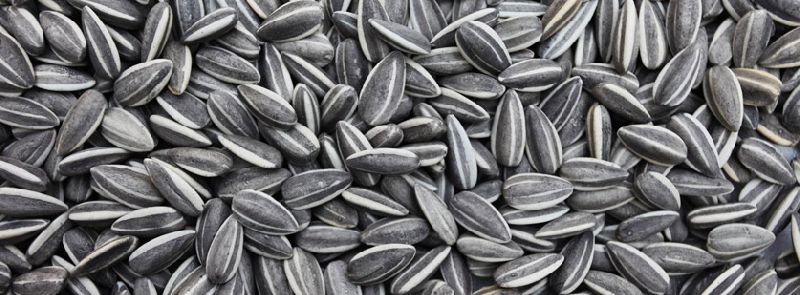
The sunflower seed is the fruit of the sunflower (Helianthus annulus). The term "sunflower seed" is actually a misnomer when applied to the seed in its per carp hulls. Botanically speaking, it is a cypsela. When dehulled, the edible remainder is called the sunflower kernel or heart.
It is a tall, erect, herbaceous annual plant belonging to the family of Asteraceae, in the genus, Helianthus. Its botanical name is Helianthus annulus. It is native to Middle American region from where it spread as an important commercial crop all over the world through the European explorers. Today, Russian Union, China, USA, and Argentina are the leading producers of sunflower crop.
It produces grayish-green or black seeds encased in tear-dropped shaped gray or black shells that oftentimes feature black and white stripes. Since these seeds have a very high oil content, they are one of the main sources used to produce polyunsaturated oil. Shelled sunflower seeds have a mild nutty taste and firm, but tender texture. Their taste is oftentimes compared with the Jerusalem artichoke (not to be confused with the bulb artichoke), another member of the Helianthus family.
Sweet, nutty sunflower seeds are an excellent source of essential fatty acids, vitamins, and minerals. Sunflower kernels actually employed to extract edible oil at commercial levels. Besides being eaten as popular snacks, they are also used in the kitchen to prepare variety of recipes.
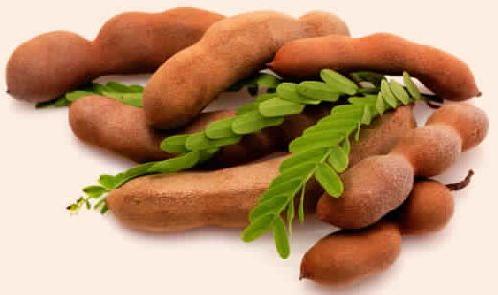
Tamarinds are slow-growing, long-lived, evergreen trees which have 3 - 8 inch long, brown, irregularly curved pods in abundance along the new branches. As the pods mature, they fill out somewhat and the juicy, acidulous pulp turns brown or reddish-brown. When fully ripe, the shells are brittle and easily broken. The pulp dehydrates to a sticky paste enclosed by a few coarse stands of fiber .The pods contains flat, glossy brown, obviate seeds embedded in the brown, edible pulp.
Tamarind is generally used in India as paste or pulp in addition to its being a main constituent in our daily food preparations. India holds the credit of chief producer of this crop. This extremely sour fruit is available in whole pods, compressed blocks, paste or concentrate. It is used as a base for spicy and sometimes sweet sauces. It is often the main ingredient in juices, soups, chatnis and bean dishes.
| ppearance | Brown powder |
| Odor | Characteristic |
| Taste | Characteristic |
| Particle Size | 100% through 80 mesh |
| Loss on Drying | 5.00% Max |
| Loss on Ash | 5.00% Max |
| Heavy metals | 10ppm Max |
| Arsenic(As) | 1ppm Max |
| Lead(Pb) | 1ppm Max |
| Mercury(Hg) | Not Detected |
| Cadmium(Cd) | 1ppm Max |
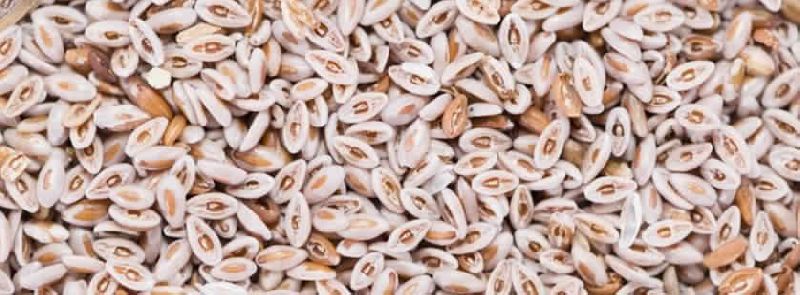
Organic Psyllium Husk is grown without use of pesticides, herbicides or chemical fertilizers, and processed without use of any additives, sweetners or chemicals. The entire Pocess from sourcing of raw psyllium seed to final product Psyllium husk is tested by by government approved Inspection Agency to ensure 100 % Organic product.
Organic foods Products contain higher Nutrition value compare to conventionally croped food Products.
Psyllium Husk consists of the epidermis and the collapsed adjacent layers removed from the dried ripe seeds of plantago Ovata.
Psyllium Husk Powder, Flea, lspaghua, Spogel, Plantago Psyllium, Isaphgol, Plantago sp., Isabgula, Plantaginis Ovatae Testa
Botanical Names of Psyllium:Plantago Ovata, Plantago IspaghulaPsyllium Other Name: Psyllii semen, Blond Psyllium, Cleansing Plaintain, Natural dietary Fiber, Herbal supplement, Fiber - blend, Laxative, Nutrition- Herbs, Feed Supplement, Pale Psyllium.
Packaging & Shipping:(We also provide packing volume / weight as per specific customer requirements in any specified packing material).
Container stuffing information:Approximately 9 M. Tonne per 20 feet container for psyllium husk and 19 M. Tonne for psyllium husk powder, without palletization.
Analysis of Exports of Psyllium Husk:India exported psyllium husk worth USD 374, 459, 130 with total quantity of 149, 153, 208. United States is the largest buyer of psyllium husk accounting for exports worth USD 136, 707, 325 followed by Germany and United Kingdom which imported psyllium husk worth USD 59, 556, 868 and USD 30, 274, 197 respectively.
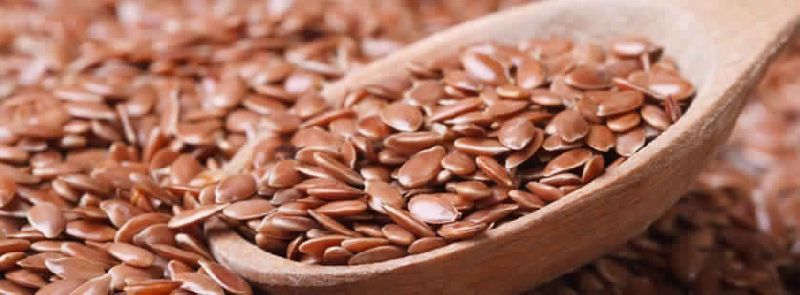
Flax seed extract is a genus of approximately 200 spicies in the flowering plant family Linaceae. They are native to temperate and subtropical regions of the word. The genus includes the common flax (L. usitatissimum), the best fibre of which is used to produce linen and the seeds to produce linseed oil.
Flax is grown both for its seeds and for its fiber.Flax is an erect annual plant growing to 1.2 m (3 ft 11 in) tall, with slender stems. The leaves are glaucous green, slender lanceolate, 2040 mm long and 3 mm broad. The flowers are pure pale blue, 1525 mm diameter, with five petals; they can also be bright red.
The fruit is a round, dry capsule 59 mm diameter, containing several glossy brown seeds shaped like an apple pip, 47 mm addition to referring to the plant itself, the word "flax" may refer to the unspun fibres of the flax plant.
Cullinary Uses:
Flax seed is used for industrial applications, with two of the more common products being Linseed oil and Linoleum.Flax seed is the source of linseed oil, which is used as an edible oil, nutritional supplement, Animal feed and as an ingredient in many wood finishing products Flax seed oil is an important ingredient in paints, varnishes, and linoleum.Various parts of the plant have been used to make fabric, dye, paper, medicines, fishing nets, hair gels, cloths, ropes and soap.
Medicinal Uses:
Flax seeds are used for treating asthma, osteoarthritis, rheumatoid arthritis, migraine headaches and osteoporosis.Flax seeds have high levels of lignans which protect against breast cancer.Flax Seeds improves the quality of hair, nails, and skin, as well as helps to lose weight or bulk up.Flax seeds lowers cholesterol, blood pressure and prevents arthritis and cancers.Standard grades of Flax Seeds available with us are as follows:
Container stuffing information:
Approximately 20 M. Tonnes per 20 feet container for flax seeds.
Analysis of Exports of Flax Seeds:
India exported flax seeds worth USD 19, 786, 617 with total quantity of 18, 412, 131. Netherlands is the largest buyer of flax seeds accounting for exports worth USD 6, 252, 531 followed by Germany and United States which imported flax seeds worth USD 5, 702, 802 and USD 3, 153, 309 respectively.
| Specifiaction of Flax Seeds | |||
|---|---|---|---|
| Product Name | Flax Seed | Botanical Source | Linum usitatissmum L. |
| Item | Specification | Test Method |
|---|---|---|
| Maker Compounds | Lignans(as SDG) 20% | HPLC |
| Organoleptic | ||
| Appearance | Fine Powder | Visual |
| Color | Yellowish | Visual |
| Odor | Characteristic | Organoleptic |
| Taste | Characteristic | |
| Part Used | Seeds | |
| Physical Characteristics | ||
| Particle Size | NLT100%Through 80 mesh | CP2010-appendiXIB |
| Loss on Drying | NMT5.0% | CP2010-appendiIXG |
| Bulk Density | 40-60g/100ml | CP2010 |
| Heavy metals | ||
| Total Heavy Metals | NMT20ppm | CP2010-appendixIXE |
| Arsenic | NMT2ppm | CP2010-appendixIXB |
| Lead | NMT2ppm | CP2010-appendixIXB |
| Cd | NMT1ppm | CP2010-appendixIXB |
| Hg | NMT0.5ppm | CP2010-appendixIXB |
| Microbiological Tests | ||
| Total Plate Count | NMT10000cfu/g | CP2010-appendixXⅢA |
| Total Yeast & Mold | NMT1000cfu/g | CP2010-appendixXⅢA |
| Total Coli Form | NMT100cfu/g | CP2010-appendixXⅢC |
| E.Coli | Negative | CP2010-appendixXⅢC |
| Salmonella | Negative | CP2010-appendixXⅢC |
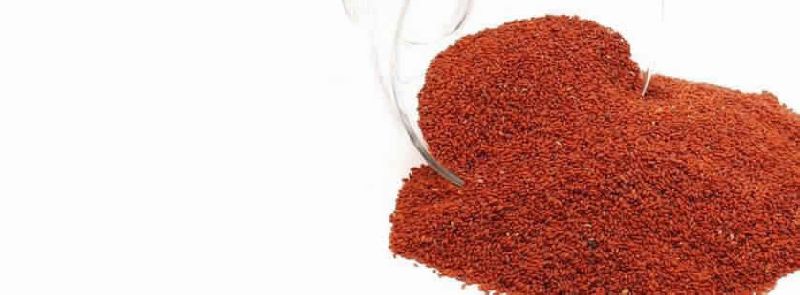
Asaliya seeds (Lepidium sativum), sometimes referred to as garden cress to distinguish it from similar plants also referred to as cress, is a rather fast-growing, edible herb. Garden cress is genetically related to watercress and mustard, sharing their peppery, tangy flavor and aroma. In some regions, garden cress is known as mustard and cress, garden pepper cress, pepper grass, pepperwort or poor person's pepper.
Garden cress or aliv or halim is a green, cool-season perennial plant used as a leafy vegetable, typically used as a garnish. When mature, garden cress produces white or light-pink flowers, and small seed pods. It has long leaves at the bottom of the stem and small, bright-green, feather-like leaves arranged on opposite sides of its stalks at the top.
The seed contains arachidic and linoleic fatty acids. The seeds are high in calories and protein, whereas the leaves are an excellent source of vitamin A, C and folate. Cress (Lepidium sativum), sometimes referred to as garden cress to distinguish it from similar plants also referred to as cress is a rather fast-growing, edible herb. Garden cress is genetically related to watercress and mustard, sharing their peppery, tangy flavor and aroma.
Garden cress seeds are loaded with nutrition. When you learn about their health benefits, youll want to make them an part of your diet sooner than later.
This herb is the best source of iron and is hence recommended in the treatment of iron-deficiency anemia.It is also rich in folate, calcium, ascorbic acid, tocopherol, and beta-carotene.The oil derived from Asaliya seeds is edible and can therefore be used as a cooking medium.
Cultivation:Asaliya seeds is commercially grown in England, France, the Netherlands and Scandinavia Cultivation of asaliya seeds is practical on both mass scales and on the individual scale. Asaliya seeds is suitable for hydroponic cultivation and thrives in slightly alkaline water.
Analysis of Exports of Asaliya Seeds:India exported asaliya seeds worth USD 410, 259 with total quantity of 346, 784. United Arab Emirates is the largest buyer of asaliya seeds accounting for exports worth USD 109, 474 followed by Morocco and Iran which imported asaliya seeds worth USD 107, 175 and USD 63, 265 respectively.
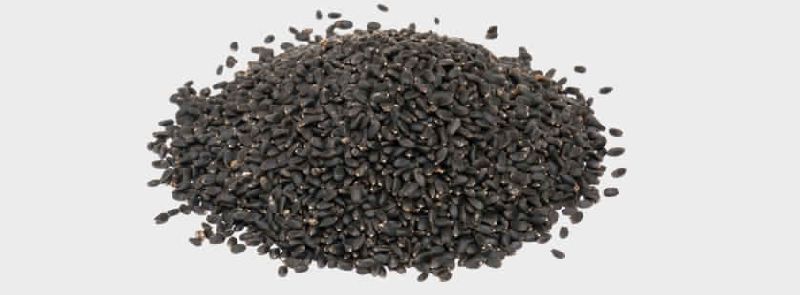
Also known as common basil, this type of basil is used mostly used in cuisines and also in medicines. Italian cuisines make the maximum use of this basil, and it is also used in Thai and Vietnamese cuisines. Their leaves are as tall as 2-3 inches and appear in bright green colour. It smells like a clove. In India, it is known by the name of Tulsi.
People suffering from arthritis can benefit a lot, when taken with food, as the basil is also equipped with anti-inflammatory properties.
A staple in Southern European food, basil has become one of the most widely used spices in the world. It adds a delicately sweet flavor and warm aroma to savory dishes, and naturally combines with garlic, capers and tomatoes. Today, basil's flavor and aroma still rules in the Mediterranean, where its mild flavor often combines with oregano to enhance almost any tomato-based dish. Fields of the large-leaved annual dot the landscape of the region.
Basil, an herb is generally known for its medicinal attributes. Leaves, flowers and the Basil Seeds are used in many medicines to treat different diseases. It is also a good source of vitamins and minerals and can be used to prepare foods including soups.
India exported basil seeds worth USD 9, 235, 078 with total quantity of 2, 562, 814. Iran is the largest buyer of basil seeds accounting for exports worth USD 2, 054, 124 followed by Indonesia and South Korea which imported basil seeds worth USD 1, 516, 749 and USD 1, 370, 151 respectively.
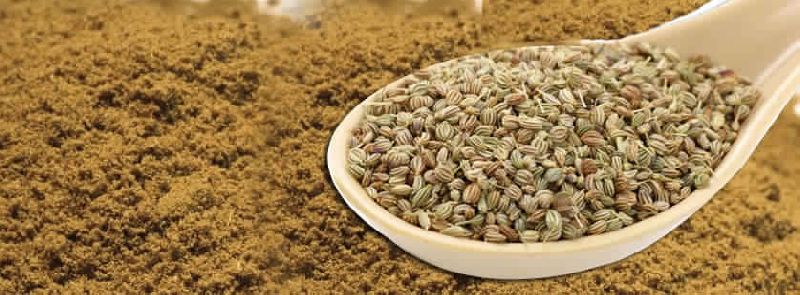
Ajwain, ajowan or carom, Trachyspermumammi, is an annual herb in the family Apiaceae. It originated in the eastern Mediterranean, possibly Egypt, and spread up to India from the Near East. Both the leaves and the fruit pods of the plant are consumed by humans. The plant is also called bishop's , but this is a common name it shares with some other different plants. The "seed" is often confused with lovage seed.
The small fruit pods are pale brown and have an oval shape, resembling caraway and cumin. It has a bitter and pungent taste, with a flavor similar to anise and oregano. They smell almost exactly like thyme because it also contains thymol, but is more aromatic and less subtle in taste, as well as slightly bitter and pungent. Even a small amount of fruit pods tend to dominate the flavor of a dish.
| Type Of Container | Quantity |
| 20′Fcl | 13.5 MT |
| 40′FCL | 27 MT |
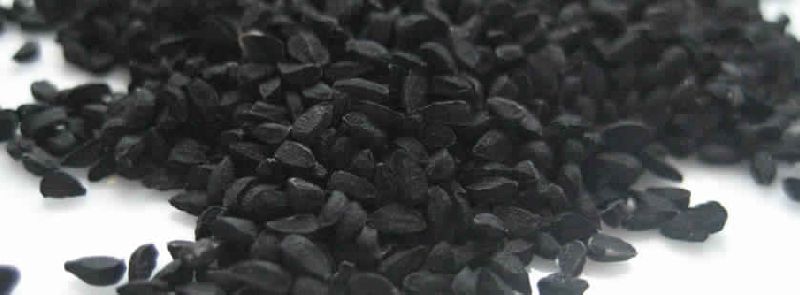
This small annual plant is native to the Mediterranean region, where it is cultivated extensively. The cumin seed widely is used in cooking. The dried seeds resemble those of caraway, but are straighter in form and have a coarser taste and odor. Major cumin seed producers include Egypt, Iran, India, and Morocco. The United States is among the largest producers of cumin oil. This spice should not be confused with sweet cumin, which is a common name for anise (Pimpinella anisum). Black cumin (Bunium persicum) has smaller and sweeter seeds than C. cyminum, but is not commercially important. Another black cumin (Nigella sativa) is not related to cumin.
Black Cumin Seed appropriately known as the "seed of blessing" is considered to be one of the greatest healing herbs of all times. Kalonji, which may also be called nigella, refers to small black seeds grown on Kalonji bushes, which are grown widely through India. Kalonji is both flavoring, added to a variety of traditional foods, and herbal remedy that has been touted as the magic bullet for a variety of ailments. Kalonji seeds are about the same size as sesame seeds, though they have a more triangular instead of oval shape.
Traditional uses of cumin include reducing inflammation, increasing urination, preventing gas, and suppressing muscle spasms. It has also been used as an aid for indigestion, jaundice, diarrhea, and flatulence. Cumin powder has been used as a poultice and suppository, and has been smoked in a pipe and taken orally.
Cumin is a major component of curry and chili powders and has been used to flavor a variety of commercial food products. The oil, which is derived by steam distillation, is used to flavor alcoholic beverages, desserts, and condiments. It is also used as a fragrant component of creams, lotions, and perfumes.
The health benefits of cumin for digestive disorders have been well known throughout history. It can help with flatulence, indigestion, diarrhea, nausea, morning sickness, and atonic dyspepsia. In this case, the seeds are boiled in water to make a tea of sorts - 1 teaspoon seeds to 1 glass water. Mix with salt and a teaspoon of coriander leaf juice.
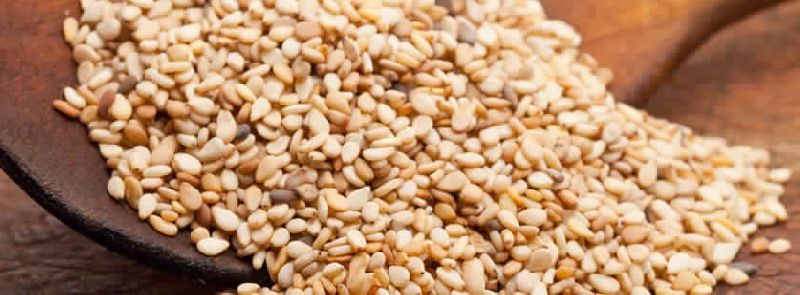
Sesame Seeds Is Cultivated In India For More Than 1000 Years. Sesame Seeds Is Rich Source Of Edible Oil. Sesame Seeds Is Well Known As Most Nutritious Seeds Because It Contains High Value Of Protein And Amino Acid. Sesame Seed Is Drought Tolerant Crop. Sesame Seed Have Rich Nutty Flavor. Sesame seeds contains three times more calcium than half a cup of whole milk? In addition to being an excellent dietary source of calcium, sesame seeds are also a good source of manganese, copper, magnesium, iron, phosphorus, vitamin B1 (thiamin), zinc, vitamin E, healthy protein, and fiber.
Sesame seeds also contain sesamin and sesamolin, two substances that are thought to prevent high blood pressure and protect the liver against oxidative damage. We Export Best Quality Natural Sesame Seeds, Hulled Sesame Seeds, Brown Natural Sesame Seeds, Black Sesame Seeds, Roasted Natural Sesame Seeds, Roasted Hulled Sesame Seeds.
Packing Of Sesame Seeds:
| Type Of Bags | Quantity |
| New Multi Wall Paper Bag | 50 Lb/ 22.68 Kg |
| Pp Bag | 15 / 25 / 50 Kg |
| Jute Bag | 15 / 25 / 50 Kg |
Container of Sesame Seeds:
| Type Of Container | Quantity |
| 20′Fcl | 19 Mt |
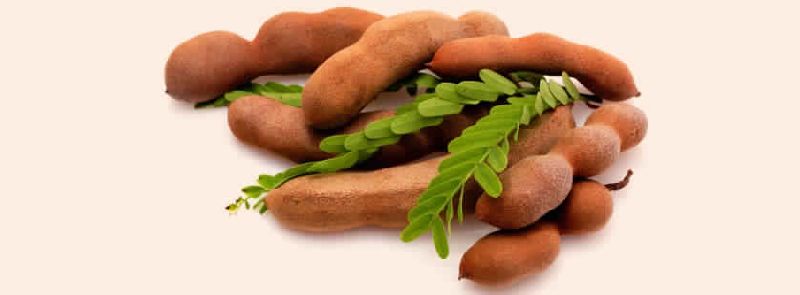
Tamarinds are slow-growing, long-lived, evergreen trees which have 3 - 8 inch long, brown, irregularly curved pods in abundance along the new branches. As the pods mature, they fill out somewhat and the juicy, acidulous pulp turns brown or reddish-brown. When fully ripe, the shells are brittle and easily broken. The pulp dehydrates to a sticky paste enclosed by a few coarse stands of fiber .The pods contains flat, glossy brown, obviate seeds embedded in the brown, edible pulp.
Tamarind is generally used in India as paste or pulp in addition to its being a main constituent in our daily food preparations. India holds the credit of chief producer of this crop. This extremely sour fruit is available in whole pods, compressed blocks, paste or concentrate. It is used as a base for spicy and sometimes sweet sauces. It is often the main ingredient in juices, soups, chatnis and bean dishes.
The active constituents of Tamarind Seed Extract are of great benefit in skin care. Studies have shown that Tamarind Seed Extract significantly improves skin elasticity, hydration and Smoothness. In one recent study, Tamarind Seed Extract was found to outperform Hyalauronic Acid in skin miniaturization, and the smoothing of fine lines and wrinkles. Tamarind Seed Extract is water soluble and is recommended for facial toners, moisturizers, serums, gels, masks. It is particularly useful in anti-aging formulations.
| Appearance | Brown powder |
| Odor | Characteristic |
| Taste | Characteristic |
| Particle Size | 100% through 80 mesh |
| Loss on Drying | 5.00% Max |
| Loss on Ash | 5.00% Max |
| Heavy metals | 10ppm Max |
| Arsenic(As) | 1ppm Max |
| Lead(Pb) | 1ppm Max |
| Mercury(Hg) | Not Detected |
| Cadmium(Cd) | 1ppm Max |
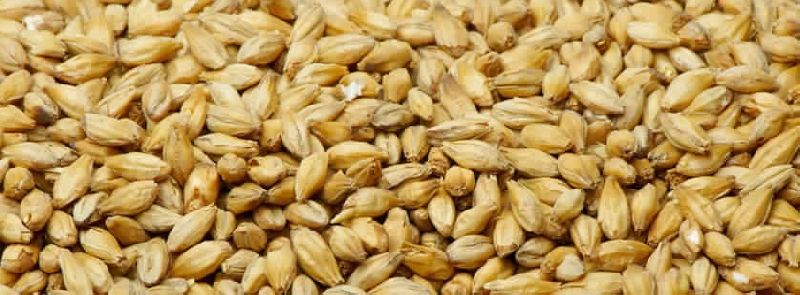
We are exporter of Barley seeds. Our products are selected from the best farm of barley from prominent crop producing fields where clean and tidy farming methods are implemented. These barley grains are well-known globally for their precious medicinal properties. It is available in a variety of forms like whole barley, hulled barley, pearled barley as well as barley flakes.
Barley (Hordeum vulgare L.), a member of the grass family, is a major cereal grain. It was one of the first cultivated grains and is now grown widely. Barley grain is a staple in Tibetan cuisine and was eaten widely by peasants in Medieval Europe. Barley has also been used as animal fodder, as a source of fermentable material for beer and certain distilled beverages, and as a component of various health foods. It is used in soups and stews, and in barley bread of various cultures. Barley grains are commonly made into malt in a traditional and ancient method of preparation.
It is a wonderfully versatile cereal grain with a rich nutlike flavor and an appealing chewy, pasta-like consistency. Its appearance resembles wheat berries, although it is slightly lighter in color. Sprouted barley is naturally high in maltose, a sugar that serves as the basis for both malt syrup sweeteners. When fermented, barley is used as an ingredient in beer and other alcoholic beverages.
Barley is a plant. The grain of barley is used to make medicine.
Container of Barley Seeds:
| Type Of Container | Quantity |
| 20′Fcl | 24 Mt |
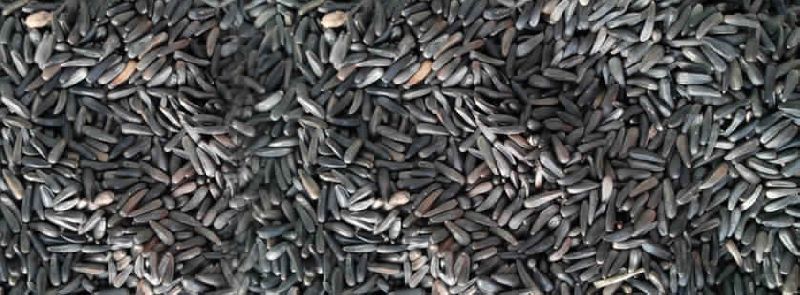
The seed of the African yellow daisy Guizotia abyssinica, Niger is known by many names. Originally called Niger in reference to Nigeria and the plants origin, the name was trademarked as Niger in 1998 by the Wild Bird Feeding Industry to clarify pronunciation. Many backyard birders also call the seed thistle, but in fact Niger is not related to thistle plants or seeds. It is believed that calling the seed thistle may have become popular because goldfinches, which adore Niger, also feed on thistle and use thistle down to construct their nests.
The popular finch seed Niger (Guizotia abyssinica) is native to the highlands of Ethiopia. Niger is in the composite (Sunflower) family and is quite closely related to the popular garden plants Cosmos (genus Coreopsis). It has yellow Cosmos-like flowers and grows up to 6 feet tall. The seeds contain up to 40% oil and in Ethiopia, India and Myanmar (Burma) it is an important oil seed crop. Ethiopian immigrants possibly introduced the seed to India around 3000BC along with other important food plants such as Millet. Niger supplies 50% of the vegetable oil used in Ethiopia and 3% in India. It is also heated and made into a paste and eaten directly. The meal left after oil extraction is used as a livestock food. It is a useful crop in the tropics because it is relatively pest free and can be grown in clay and waterlogged soils.
Niger(Nyjer) Seeds which comes from the Ramtili plant and scientifically known as Guizotia abyssinica. Oil enriched, black and small Ingurgitated with oils. Niger Seeds are mainly used to feed the birds and it also marginal used in India as jelly.
Today India secures a significant position as one of the Niger Seed Exporters and produces around 2 Lakh tones Niger seeds and 75% (approx) of the produced Niger seed are exported to U.S. Niger Seed Exporters of India also export high quality seeds to Mexico, Singapore, Canada, EU and Brazil.
Container Capacity
| Type Of Container | Quantity |
| 20′Fcl | 15 to 20 Mt |
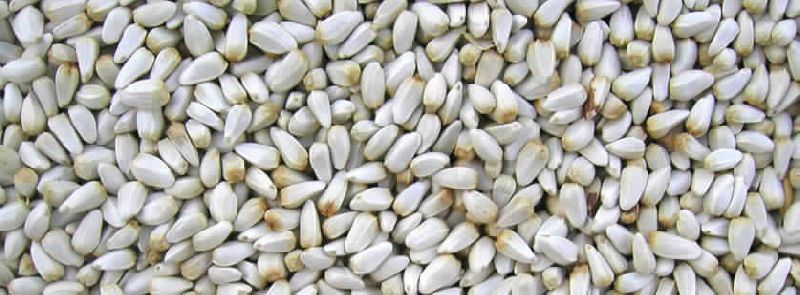
Although safflower seed is one of the oldest oilseed crops in the history of mankind some of the first mummies were wrapped in linens dyed with safflower flowers it has become popular in wild bird feeding only in recent years. The high fat, protein and oil content of safflower make it a valuable nutritional food source for wild birds. Widely known as the cardinal's favorite food of choice, safflower has also been recognized as the solution to many squirrel problems at birdfeeders.
Safflower seeds are found in most of the quality wild birdseed mixes available on the market today. They are rarely found, however, in any of the bottom-end mixes available at mass merchants or grocery stores since they are more expensive than some of the other seeds commonly used in the cheaper blends. Some wild birdseed mixes offer safflower seed as one of the main ingredients in order to attract more cardinals, one of North America's favorite backyard birds, and are named for them.
In addition to cardinals, chickadees, titmice, nuthatches, grosbeaks are also attracted to safflower seed, among others. More important, however, is the fact that grackles and starlings species known as "feeder hogs" that keep other, more desirable birds away from backyard birdfeeders are not attracted to it.
Container of Safflower Seeds:
| Type Of Container | Quantity |
| 20′Fcl | 18 to 24 Mt |
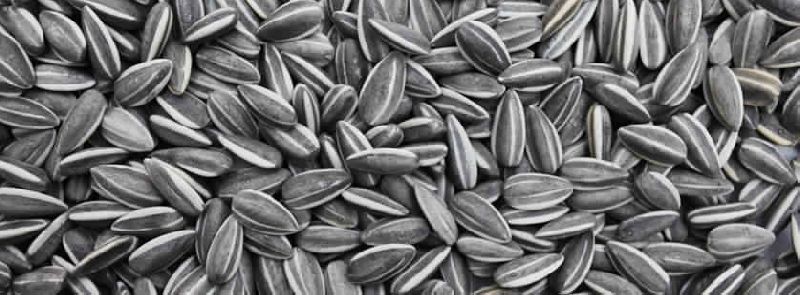
The sunflower seed is the fruit of the sunflower (Helianthus annulus). The term "sunflower seed" is actually a misnomer when applied to the seed in its per carp hulls. Botanically speaking, it is a cypsela. When dehulled, the edible remainder is called the sunflower kernel or heart.
It is a tall, erect, herbaceous annual plant belonging to the family of Asteraceae, in the genus, Helianthus. Its botanical name is Helianthus annulus. It is native to Middle American region from where it spread as an important commercial crop all over the world through the European explorers. Today, Russian Union, China, USA, and Argentina are the leading producers of sunflower crop.
It produces grayish-green or black seeds encased in tear-dropped shaped gray or black shells that oftentimes feature black and white stripes. Since these seeds have a very high oil content, they are one of the main sources used to produce polyunsaturated oil. Shelled sunflower seeds have a mild nutty taste and firm, but tender texture. Their taste is oftentimes compared with the Jerusalem artichoke (not to be confused with the bulb artichoke), another member of the Helianthus family.
Sweet, nutty sunflower seeds are an excellent source of essential fatty acids, vitamins, and minerals. Sunflower kernels actually employed to extract edible oil at commercial levels. Besides being eaten as popular snacks, they are also used in the kitchen to prepare variety of recipes.
| Type Of Container | Quantity |
| 20′Fcl | 18 to 24 Mt |
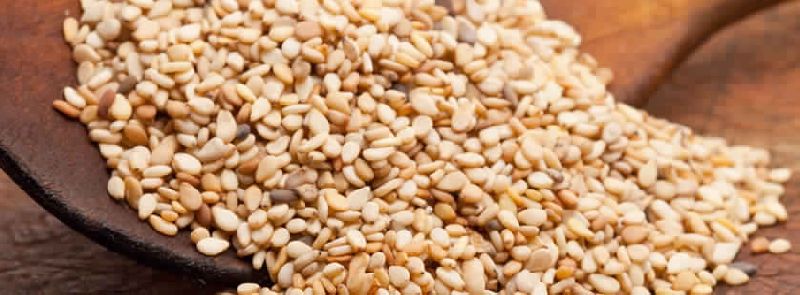
Sesame Seeds Is Cultivated In India For More Than 1000 Years. Sesame Seeds Is Rich Source Of Edible Oil. Sesame Seeds Is Well Known As Most Nutritious Seeds Because It Contains High Value Of Protein And Amino Acid. Sesame Seed Is Drought Tolerant Crop. Sesame Seed Have Rich Nutty Flavor. Sesame seeds contains three times more calcium than half a cup of whole milk? In addition to being an excellent dietary source of calcium, sesame seeds are also a good source of manganese, copper, magnesium, iron, phosphorus, vitamin B1 (thiamin), zinc, vitamin E, healthy protein, and fiber.
Sesame seeds also contain sesamin and sesamolin, two substances that are thought to prevent high blood pressure and protect the liver against oxidative damage. We Export Best Quality Natural Sesame Seeds, Hulled Sesame Seeds, Brown Natural Sesame Seeds, Black Sesame Seeds, Roasted Natural Sesame Seeds, Roasted Hulled Sesame Seeds.
| Type Of Bags | Quantity |
| New Multi Wall Paper Bag | 50 Lb/ 22.68 Kg |
| Pp Bag | 15 / 25 / 50 Kg |
| Jute Bag | 15 / 25 / 50 Kg |
| Type Of Container | Quantity |
| 20′Fcl | 19 Mt |
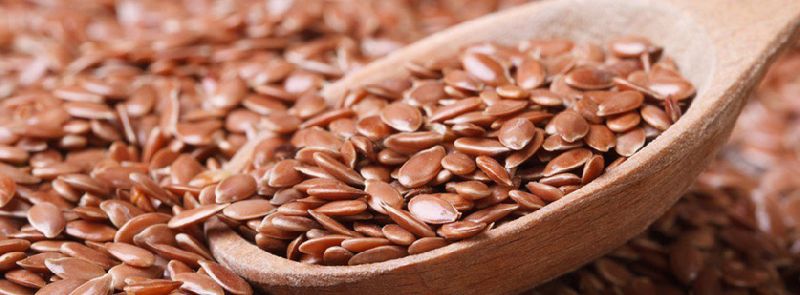
Flax seed extract is a genus of approximately 200 spicies in the flowering plant family Linaceae. They are native to temperate and subtropical regions of the word. The genus includes the common flax (L. usitatissimum), the best fibre of which is used to produce linen and the seeds to produce linseed oil.
Flax is grown both for its seeds and for its fiber.Flax is an erect annual plant growing to 1.2 m (3 ft 11 in) tall, with slender stems. The leaves are glaucous green, slender lanceolate, 2040 mm long and 3 mm broad. The flowers are pure pale blue, 1525 mm diameter, with five petals; they can also be bright red.
The fruit is a round, dry capsule 59 mm diameter, containing several glossy brown seeds shaped like an apple pip, 47 mm addition to referring to the plant itself, the word "flax" may refer to the unspun fibres of the flax plant.
Cullinary Uses:
Flax seed is used for industrial applications, with two of the more common products being Linseed oil and Linoleum.Flax seed is the source of linseed oil, which is used as an edible oil, nutritional supplement, Animal feed and as an ingredient in many wood finishing products Flax seed oil is an important ingredient in paints, varnishes, and linoleum.Various parts of the plant have been used to make fabric, dye, paper, medicines, fishing nets, hair gels, cloths, ropes and soap.
Medicinal Uses:
Flax seeds are used for treating asthma, osteoarthritis, rheumatoid arthritis, migraine headaches and osteoporosis.Flax seeds have high levels of lignans which protect against breast cancer.Flax Seeds improves the quality of hair, nails, and skin, as well as helps to lose weight or bulk up.Flax seeds lowers cholesterol, blood pressure and prevents arthritis and cancers.Standard grades of Flax Seeds available with us are as follows:
| Maker Compounds | Lignans(as SDG) 20% | HPLC |
| Organoleptic | ||
| Appearance | Fine Powder | Visual |
| Color | Yellowish | Visual |
| Odor | Characteristic | Organoleptic |
| Taste | Characteristic | |
| Part Used | Seeds | |
| Physical Characteristics | ||
| Particle Size | NLT100%Through 80 mesh | CP2010-appendiXIB |
| Loss on Drying | NMT5.0% | CP2010-appendiIXG |
| Bulk Density | 40-60g/100ml | CP2010 |
| Heavy metals | ||
| Total Heavy Metals | NMT20ppm | CP2010-appendixIXE |
| Arsenic | NMT2ppm | CP2010-appendixIXB |
| Lead | NMT2ppm | CP2010-appendixIXB |
| Cd | NMT1ppm | CP2010-appendixIXB |
| Hg | NMT0.5ppm | CP2010-appendixIXB |
| Microbiological Tests | ||
| Total Plate Count | NMT10000cfu/g | CP2010-appendixXⅢA |
| Total Yeast & Mold | NMT1000cfu/g | CP2010-appendixXⅢA |
| Total Coli Form | NMT100cfu/g | CP2010-appendixXⅢC |
| E.Coli | Negative | CP2010-appendixXⅢC |
| Salmonella | Negative | CP2010-appendixXⅢC |
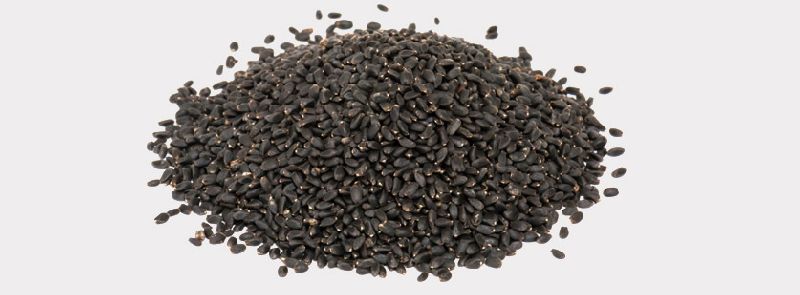
Also known as common basil, this type of basil is used mostly used in cuisines and also in medicines. Italian cuisines make the maximum use of this basil, and it is also used in Thai and Vietnamese cuisines. Their leaves are as tall as 2-3 inches and appear in bright green colour. It smells like a clove. In India, it is known by the name of Tulsi.
People suffering from arthritis can benefit a lot, when taken with food, as the basil is also equipped with anti-inflammatory properties.
A staple in Southern European food, basil has become one of the most widely used spices in the world. It adds a delicately sweet flavor and warm aroma to savory dishes, and naturally combines with garlic, capers and tomatoes. Today, basil's flavor and aroma still rules in the Mediterranean, where its mild flavor often combines with oregano to enhance almost any tomato-based dish. Fields of the large-leaved annual dot the landscape of the region.
Basil, an herb is generally known for its medicinal attributes. Leaves, flowers and the Basil Seeds are used in many medicines to treat different diseases. It is also a good source of vitamins and minerals and can be used to prepare foods including soups.
The sunflower seed is the fruit of the sunflower (Helianthus annulus). The term "sunflower seed" is actually a misnomer when applied to the seed in its per carp hulls. Botanically speaking, it is a cypsela. When dehulled, the edible remainder is called the sunflower kernel or heart.
It is a tall, erect, herbaceous annual plant belonging to the family of Asteraceae, in the genus, Helianthus. Its botanical name is Helianthus annulus. It is native to Middle American region from where it spread as an important commercial crop all over the world through the European explorers. Today, Russian Union, China, USA, and Argentina are the leading producers of sunflower crop.
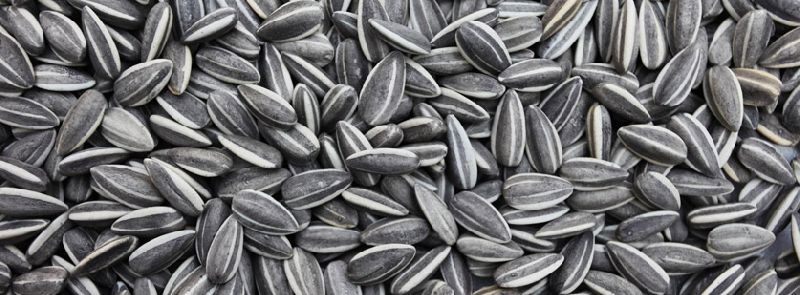
It produces grayish-green or black seeds encased in tear-dropped shaped gray or black shells that oftentimes feature black and white stripes. Since these seeds have a very high oil content, they are one of the main sources used to produce polyunsaturated oil. Shelled sunflower seeds have a mild nutty taste and firm, but tender texture. Their taste is oftentimes compared with the Jerusalem artichoke (not to be confused with the bulb artichoke), another member of the Helianthus family.
Sweet, nutty sunflower seeds are an excellent source of essential fatty acids, vitamins, and minerals. Sunflower kernels actually employed to extract edible oil at commercial levels. Besides being eaten as popular snacks, they are also used in the kitchen to prepare variety of recipes.
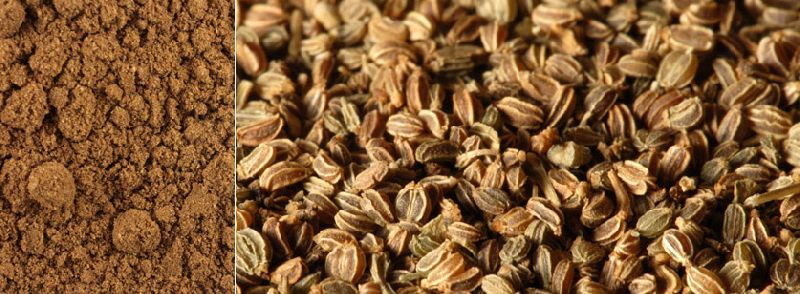
Celery seed is one of the lesser-known herbs in Western herbal medicine. However, it has been used for thousands of years in other parts of the world for a variety of reasons. Celery Seed Extract is a natural dietary supplement that supports the circulatory system. It has been known to help lower blood pressure and improve circulation in people who are suffering from Hypertension. It may also help prevent male impotence if applied to the skin.
s:
| Part Used | Seed | Heavy metal | ≤10ppm |
| Color | Yellow, Brown | Ash | ≤2ppm |
| Appearance | yellow brown powder | Purity | 99% |
| Particle Size | 98%Through 80 mesh | Total Plate Count | ≤1000cfu/g |
| Loss on Drying | ≤ 5.0% | Total Yeast & Mold | ≤100cfu/g |
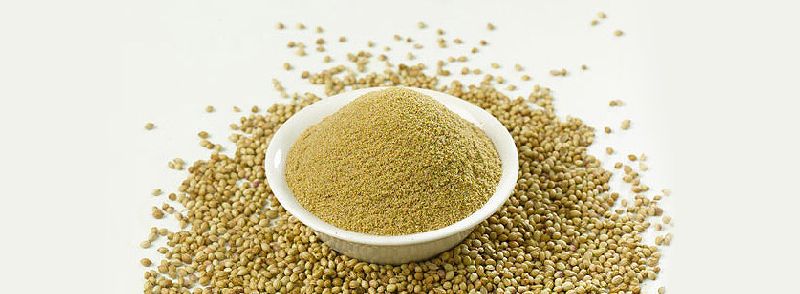
Coriander is an ayurvedic medicinal herb; it is also used as an important ingredient in making curries and other dishes. The seed is used as it is ground into a powder and used. Coriander seeds also have important medicinal properties. Coriander has many important vitamins and minerals. It provides calcium, phosphorus, iron and some other vitamins such as vitamin B and vitamin C. We can offer Fine Quality in both seeds & powder form.
Coriander is an important spice crop having a prime position in flavoring food. The plant is a thin stemmed, small, bushy herb, 25 to 50 cm in height with many branches and umbels. Leaves are alternate, compound. The whole plant has a pleasant aroma. Inflorescence is a compound umbel comprises 5 smaller umbels. Fruit is globular, 3 to 4 mm diameter, when pressed break into two locales each having one seed. Fruit has delicate fragrance; seeds are pale white to light brown in color.
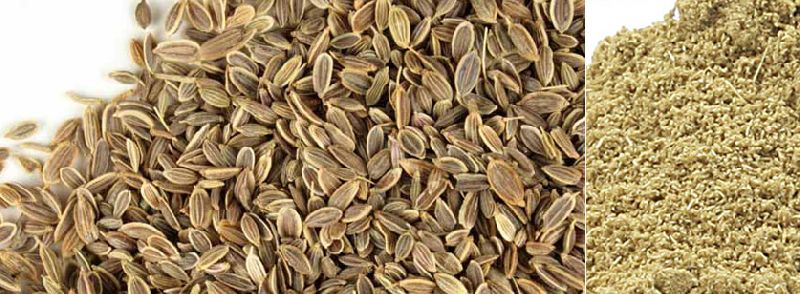
We Export Dill Seeds Sortex Quality without seed Seeds for Us FDA Guarantee and Asta Quality. Dill Is An Annual Herb Native Of Central Asia; It Is Also Widely Grown In Europe And Northern Africa For Its Culinary And Medicinal Use. Dill seed, Dried Leaves of the Same Plant Is Also Used for Flavoring. It Is Milder In Taste When Compared To Dill Seed. Dill Seeds Are Originated In Central Asia. It Is However Is Also Grown In Large Quantity in Egypt And Mediterranean Countries Or Eastern Europe. It Is Also Getting Popular In North America. Its Related Species Sowa Is Grown in India Whose Fruits Are Larger but Less Fragrant. India And Pakistan Are The Major Dill Production Areas, Egypt, Fiji, Mexico, Netherlands, United States, England, Hungary Are Other Commercially Productive Areas, Making Small Contributions To The World Production.
India Is The Leading Producer Of Dill Seed And Its Derivatives. The Exports Of The Essential Oil And Seeds Have Grown Over The Past Five Years. India Supplies Whole and Powdered Spice To Various European Countries.
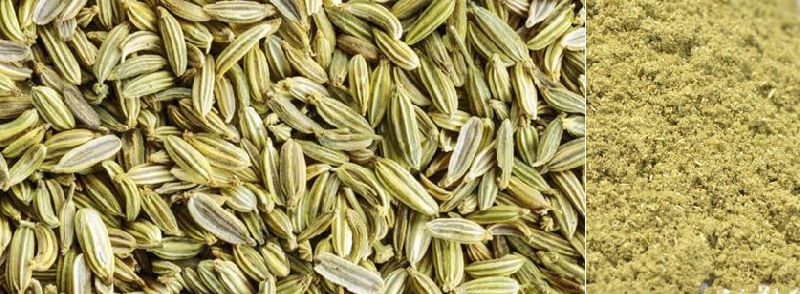
Fennel Seeds is known as Sounff or Variyali in India. Fennel Seeds which grows well in mild climates, is an oval, green or yellowish brown dried aromatic ripe fruit of an herbaceous plant called Foeniculum Vulgare, a member of Parsley family. Obtained from an aromatic and medicinal plant, the seeds emit a pleasant odor, are highly aromatic and have a pungent flavor. Fennel is widely used Asian, European, Italian and Mediterranean dishes. In India fennel is widely used in meat and seafood dishes and also with pickles and vinegar for a special flavor.
Fennel Seed PowderFennel seed is a highly aromatic and flavorful herb, derived from a shrub. The seeds are pale greenish in colour and have a faintly sweet and refreshing flavor. Fennel is grown largely in Gujarat, Rajasthan & Uttar Pradesh. Growing season is During August and December. India being the world largest producer of fennel seeds dominates. Fennel is used for various digestive problems including heartburn, intestinal gas, bloating, loss of appetite, and colic In India, dried fennel seeds are incredibly popular as an aid to digestion and have been used for this purpose for thousands of years.
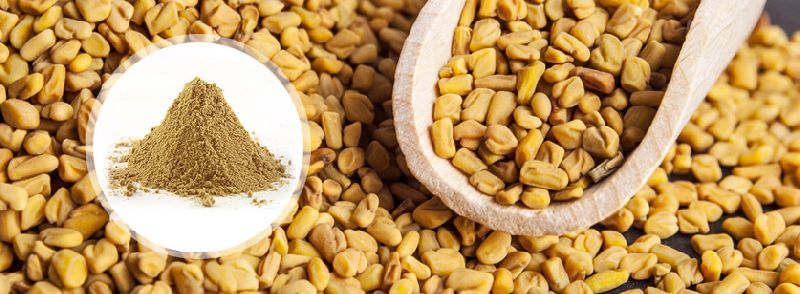
We are exporter, we supply fenugreek seeds. `Fenugreek is known as Methi in India.Fenugreek, an Indian spice is a slender annual herb of the pea family (Fabaceae). Fenugreek was used by the ancient Egyptians and is mentioned in medical writings in their tombs. Historically, the main usage of fenugreek seeds was medicinal rather than as a labor. The botanical name trigonella refers to the angular seeds and foenumgraecum translates as Greek hay, which explains its use as cattle feeds. This robust herb has light green leaves, is 30-60 cm tall and produces slender, beaked pods, 10-15 cm long, each pod contains 10-20 small hard yellowish brown seeds, which are smooth and oblong, about 3mm long, each grooved across one corner, giving them a hooked appearance.
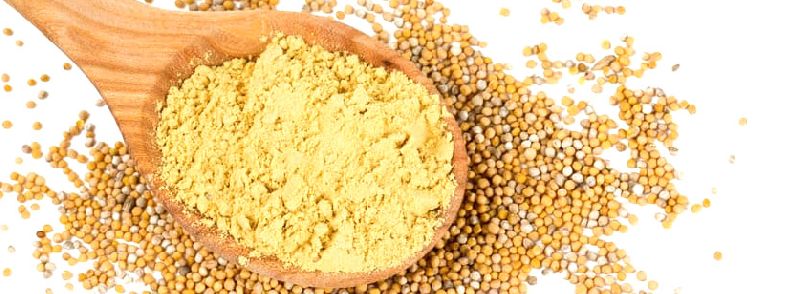
Mustard seeds are the small round seeds of various mustard plants. The seeds are usually about 1 to 2 millimetres (0.039 to 0.079 in) in diameter and may be colored from yellowish white to black. They are important herbs in many regional foods and may come from one of three different plants: black mustard (Brassica nigra), brown Indian mustard (B. juncea), or white mustard (B. hirta/Sinapis alba).
Mustard seeds have been highly prized culinary oil-seeds being in use since earlier times. The seeds are fruit pods obtained from mustard plant, in the Brassica family. Some of close members of mustards in this family include cabbage, broccoli, brussels-sprouts, etc. Scientific name: Brassica juncea.
Mustard Seeds Powder
We have exporter of Mustard-Powder. Widely used as an ingredient in various types of dishes to enhance the taste, these powders are processed from the best quality mustard seeds. To attain complete client satisfaction, these powders are available in different packaging options. Due to our efficient team of distributors, we deliver this Mustard-Powder at clients' end within stipulated time frame.
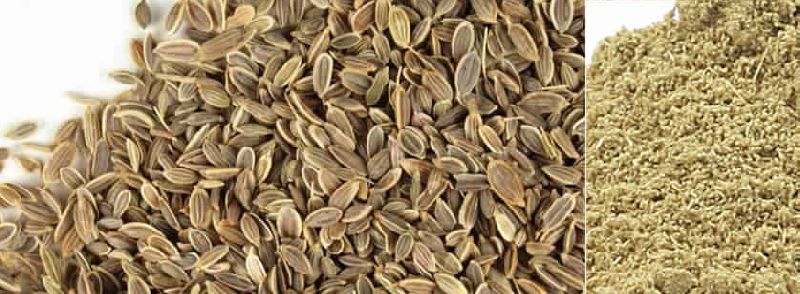
We Export Dill Seeds Sortex Quality without seed Seeds for Us FDA Guarantee and Asta Quality. Dill Is An Annual Herb Native Of Central Asia; It Is Also Widely Grown In Europe And Northern Africa For Its Culinary And Medicinal Use. Dill seed, Dried Leaves of the Same Plant Is Also Used for Flavoring. It Is Milder In Taste When Compared To Dill Seed. Dill Seeds Are Originated In Central Asia. It Is However Is Also Grown In Large Quantity in Egypt And Mediterranean Countries Or Eastern Europe. It Is Also Getting Popular In North America. Its Related Species Sowa Is Grown in India Whose Fruits Are Larger but Less Fragrant. India And Pakistan Are The Major Dill Production Areas, Egypt, Fiji, Mexico, Netherlands, United States, England, Hungary Are Other Commercially Productive Areas, Making Small Contributions To The World Production.
India Is The Leading Producer Of Dill Seed And Its Derivatives. The Exports Of The Essential Oil And Seeds Have Grown Over The Past Five Years. India Supplies Whole and Powdered Spice To Various European Countries.
| Parameters | Value |
| Product Name | Dill Seeds |
| Origin | India |
| Type | Sortex Cleaned / Machine Cleaned |
| Purity | 99.5% / 99% |
| Extraneous Foreign Matter (% By Weight) | 0.50% Max |
| Whole Insects Dead (By Count) | 4 Max |
| Excreta Mammalian (By Mg./Lb) | 3 Mg/Lb Max |
| Excreta Other (By Mg./Lb) | 2 Mg/Lb Max |
| Mold (% By Wgt.) | 1% Max |
| Insect Defiled/ Infested (% By Wgt.) | 1% Max |
| Total Ash | 9.25% Max |
| Acid Insoluble Ash | 1.50% Max |
| Flavor | Pungent And Aromatic Flavor |
| Moisture | 10% Max |
| Salmonella | Absent / 25Gms |
 Mr.Vishal Umbarkar (Kinal Global Care Private Limited)
 Kinal Global Care Pvt. Ltd.,Unit 4/705, Plot No. 4, Sector 9E, Kalamboli, Navi Mumbai – 410218, Maharashtra.
 Share us via