 GST : 24CJWPK9058H1ZI
 5.0/5
5.0/5
Our Products
Leading Manufacturer, Supplier & Retailer of Doxycycline Hydrochloride Capsules, Minocycline Hydrochloride Tablets USP, Clarithromycin Tablets 500mg, Amoxycillin Capsules and Ciprofloxacin Tablets.


Doxycycline hydrochloride tablets are a form of the antibiotic doxycycline, specifically a salt formulation (doxycycline hyclate). They are a widely used medication for treating a variety of bacterial infections and other conditions.
What It Is and How It WorksDoxycycline hydrochloride is a water-soluble form of doxycycline. As with other forms of the drug, it belongs to the tetracycline class of antibiotics and works by inhibiting bacterial protein synthesis. It does this by binding to the 30S ribosomal subunit of bacteria, which prevents them from producing the proteins necessary for their growth and survival. This action is "bacteriostatic, " meaning it stops the bacteria from multiplying, allowing the body's immune system to clear the infection.
Common UsesDoxycycline hydrochloride tablets are prescribed for a broad range of medical conditions, including but not limited to:
Respiratory Infections: Such as bacterial pneumonia and bronchitis.
Skin Conditions: Effective as an adjunct therapy for severe acne and for managing the inflammatory lesions of rosacea.
Urinary Tract Infections (UTIs): Caused by susceptible bacteria.
Sexually Transmitted Infections (STIs): Used to treat infections like chlamydia and syphilis.
Lyme Disease: A common treatment for this tick-borne illness.
Malaria: Used for both the treatment and prevention of malaria, particularly in areas with chloroquine-resistant strains.
Other Infections: Doxycycline hydrochloride is also used for a variety of other infections, including those caused by Rickettsia (e.g., Rocky Mountain spotted fever), Mycoplasma, and Ureaplasma.
The dosage and duration of treatment with doxycycline hydrochloride tablets vary depending on the specific condition being treated, its severity, and the patient's age and weight.
For most infections: A typical adult dosage is 200 mg on the first day (administered as 100 mg every 12 hours), followed by a maintenance dose of 100 mg once daily. For more severe infections, the maintenance dose may be 100 mg every 12 hours.
For skin conditions like rosacea: Lower, sub-antimicrobial doses are often used, such as 40 mg once daily, to leverage the drug's anti-inflammatory properties without contributing to antibiotic resistance.
For malaria prevention: The usual dose is 100 mg once daily, beginning 1-2 days before travel to a malarious area and continuing for four weeks after leaving the area.
It is crucial to take the tablet with a full glass of water and while in an upright position (sitting or standing) to prevent irritation of the esophagus. It is also advised to avoid lying down for at least 30 minutes after taking the medication. While some forms can be taken with food to reduce stomach upset, others, particularly the delayed-release formulations, may need to be taken on an empty stomach. Always follow the specific instructions provided by your doctor or pharmacist.
Potential Side EffectsCommon side effects of doxycycline hydrochloride tablets are similar to those of other forms of doxycycline and include:
Nausea, vomiting, and diarrhea
Photosensitivity (increased risk of sunburn)
Oral or vaginal thrush (yeast infections)
Irritation of the esophagus (esophagitis)
Additional Information:
Payment Terms : L/C, D/A, D/P, T/T, Western Union,
Packaging Details : 20*8 Tablets in a box.
Delivery Time : 7 DAYS
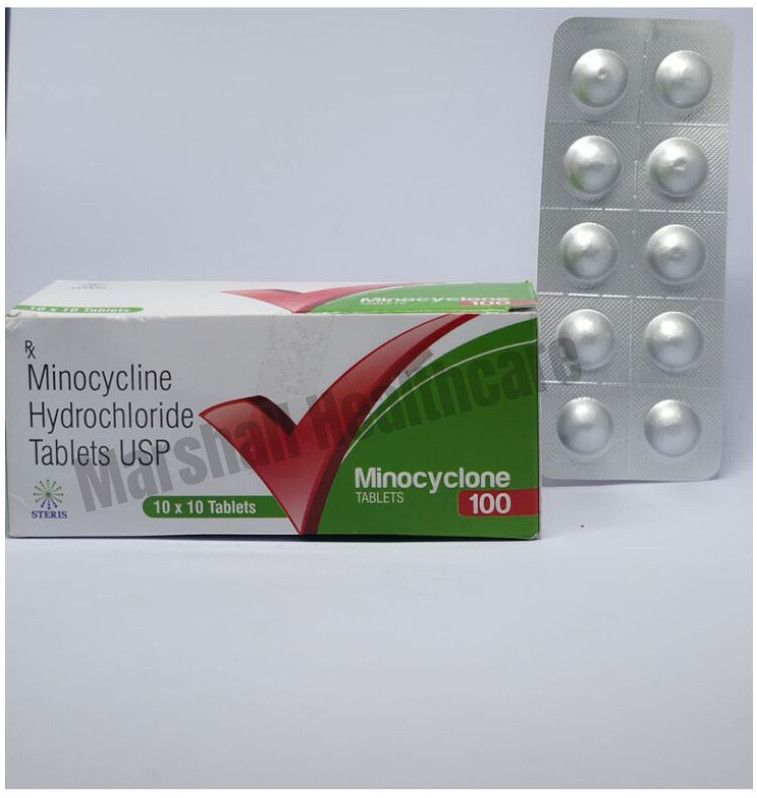
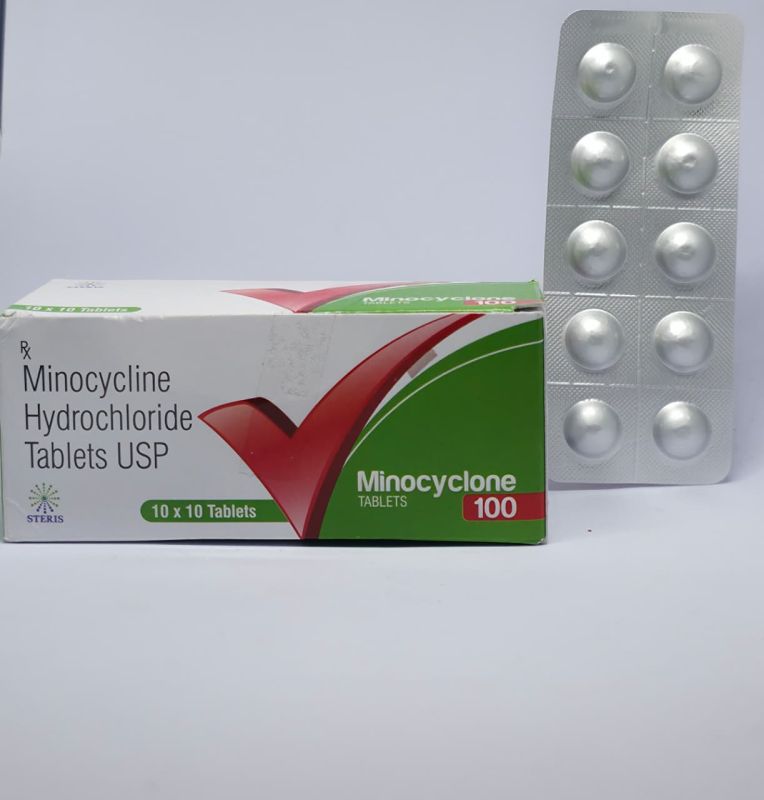
Minocycline hydrochloride tablet, USP 100 mg is a form of the antibiotic minocycline, a semi-synthetic derivative of tetracycline. It is used to treat a variety of bacterial infections and other conditions.
DescriptionActive Ingredient: Minocycline hydrochloride
Strength: 100 mg
Class: Tetracycline antibiotic
Mechanism of Action: It works by preventing the growth and spread of bacteria by inhibiting protein synthesis. It is considered a bacteriostatic antibiotic, meaning it stops bacterial growth but doesn't necessarily kill them.
Minocycline is a broad-spectrum antibiotic used to treat infections caused by susceptible bacteria. These include infections of the:
Respiratory tract (e.g., pneumonia)
Urinary tract
Skin (including severe acne and rosacea)
Eyes
Intestines
It is also used for a variety of other conditions, such as:
Sexually transmitted infections (e.g., gonorrhea, syphilis)
Tick-borne diseases (e.g., Rocky Mountain spotted fever)
Plague, cholera, and anthrax (in cases where penicillin is not an option)
Dizziness and Lightheadedness: Minocycline can cause dizziness, lightheadedness, or vertigo. Patients should be cautious when driving or operating machinery until they know how the medication affects them.
Photosensitivity: This medication can make your skin more sensitive to sunlight. It's important to use sunscreen, wear protective clothing, and avoid prolonged sun exposure.
Additional Information:
Payment Terms : L/C, D/A, D/P, T/T, Western Union,
Packaging Details : 10*10 in a box
Delivery Time : 7 DAYS
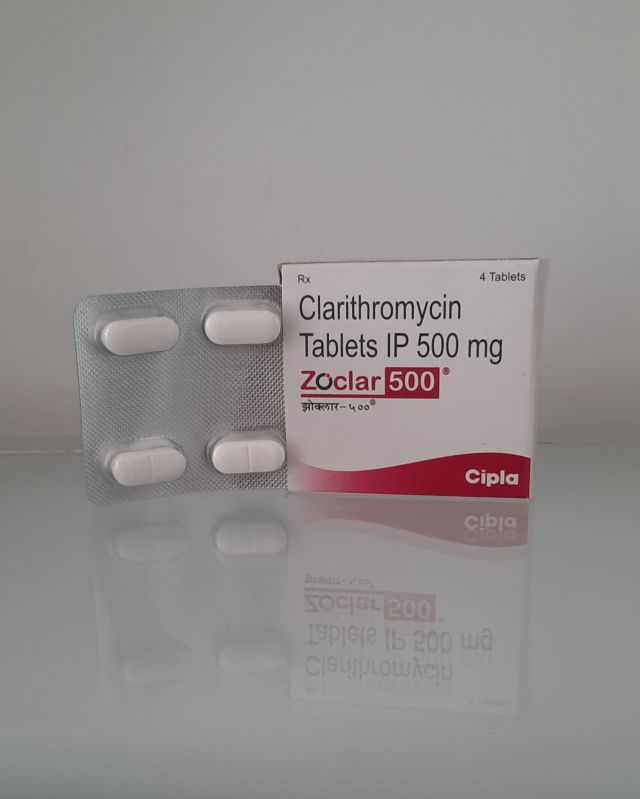
Zoclar is a brand name for a medication whose active ingredient is clarithromycin. It is a potent and widely used antibiotic that belongs to the macrolide class of drugs.
Mechanism of Action
Clarithromycin works by inhibiting the growth and spread of bacteria. It does this by interfering with the bacteria's ability to produce essential proteins that are required for their survival and multiplication. By binding to the bacterial ribosome, it effectively halts protein synthesis, preventing the bacteria from reproducing and allowing the body's immune system to clear the infection.
Uses
Zoclar (clarithromycin) is prescribed to treat a wide range of bacterial infections, including:
Respiratory tract infections: Such as bronchitis, pneumonia, sinusitis, tonsillitis, and pharyngitis.
Skin and soft tissue infections: Including cellulitis.
Ear infections: Like otitis media.
Helicobacter pylori (H. pylori) infection: It is often used in combination with other medications to treat peptic ulcers caused by this bacterium.
Mycobacterium avium complex (MAC): An infection that can occur in people with weakened immune systems.
Dosage and Administration
Zoclar is available as an oral tablet, typically in strengths of 250 mg and 500 mg. The dosage and duration of treatment are determined by a doctor based on the type and severity of the infection. It's crucial to follow the prescribed regimen exactly and to complete the full course of treatment, even if you start to feel better. Stopping the medication early can lead to the infection returning and may contribute to the development of antibiotic resistance.
Common Side Effects
The most common side effects of Zoclar are often gastrointestinal and may include:
Abdominal pain
Nausea and vomiting
Diarrhea
Headache
Changes in taste
Indigestion or bloating
Insomnia (difficulty sleeping)
Additional Information:
Payment Terms : L/C, D/A, D/P, T/T, Western Union,
Packaging Details : 1*4 tablets in a box
Delivery Time : 7 DAYS

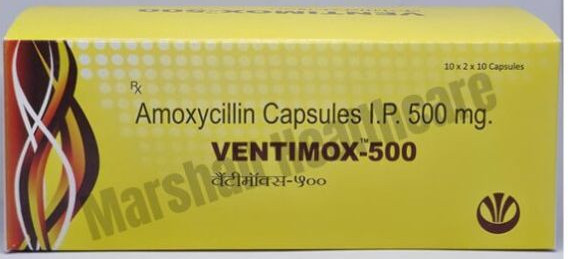
Amoxycillin is a widely used antibiotic that belongs to the penicillin class of drugs. It is a broad-spectrum antibiotic, meaning it is effective against a variety of bacteria. Amoxicillin Capsules 500 mg is a common dosage form used to treat various bacterial infections.
Key Information:
Active Ingredient: Amoxicillin (500 mg).
Drug Class: Penicillin-like antibiotic. It works by preventing bacteria from forming the cell walls they need to survive, which leads to the death of the bacteria.
Uses: Amoxicillin 500 mg capsules are prescribed to treat a wide range of bacterial infections, including:
Respiratory tract infections: Bronchitis, pneumonia, tonsillitis, and sinusitis.
Ear, nose, and throat infections.
Urinary tract infections (UTIs).
Skin and soft tissue infections.
Dental infections (e.g., dental abscesses).
Gastrointestinal infections, including those caused by Helicobacter pylori (in combination with other medications).
Lyme disease (early stage).
Important Note: Amoxicillin is effective only against bacterial infections and will not work for viral infections such as the common cold, flu, or other viruses. Using antibiotics when they are not needed can lead to antibiotic resistance, making them less effective in the future.
Dosage and Administration:
The dosage and duration of treatment are determined by your doctor based on the type and severity of the infection, as well as your age and weight.
For adults, a common dosage is 500 mg every 8 or 12 hours.
The capsules should be swallowed whole with a glass of water. They can be taken with or without food, though taking them with food may help prevent an upset stomach.
It is crucial to complete the entire prescribed course of treatment, even if you start feeling better. Stopping the medication early may not completely eliminate the bacteria and could lead to a recurrence of the infection.
Common Side Effects:
Nausea and vomiting
Diarrhea (a very common side effect)
Skin rash
Stomach pain
Dizziness
Tooth discoloration (temporary)
Serious Side Effects and Warnings:
Allergic Reactions: Amoxicillin can cause severe allergic reactions, especially in people with a history of penicillin allergies. Signs of a serious allergic reaction may include a rash, hives, itching, swelling of the face, lips, tongue, or throat, and difficulty breathing.If you experience any of these symptoms, stop taking the medication and seek immediate medical attention.
Diarrhea: While mild diarrhea is common, severe or watery diarrhea that contains blood or mucus, even months after you've stopped taking the medication, can be a sign of a new infection in the colon (Clostridium difficile).
Kidney or Liver Problems: Use with caution in individuals with pre-existing kidney or liver disease.
Contraception: Amoxicillin may decrease the effectiveness of hormonal contraceptives (like birth control pills). It is recommended to use an alternative or additional birth control method while taking this medication.
Additional Information:
Payment Terms : L/C, D/A, D/P, T/T, Western Union,
Packaging Details : 2*10 capsules in a box
Delivery Time : 7 DAYS
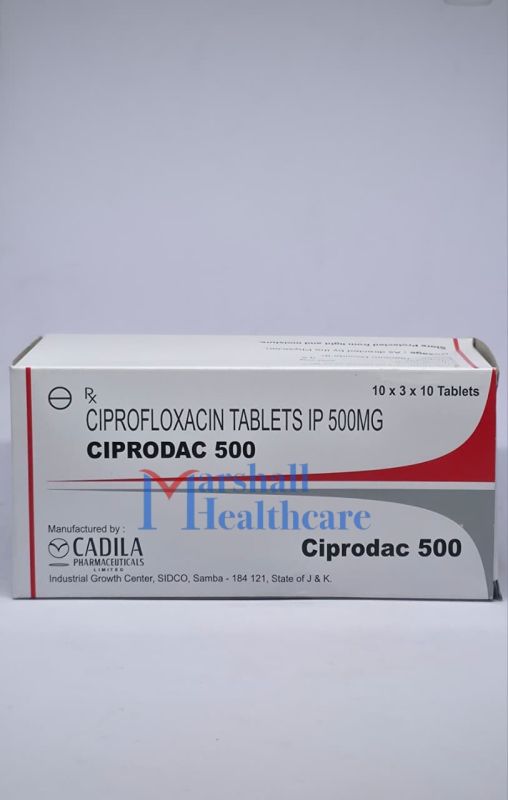
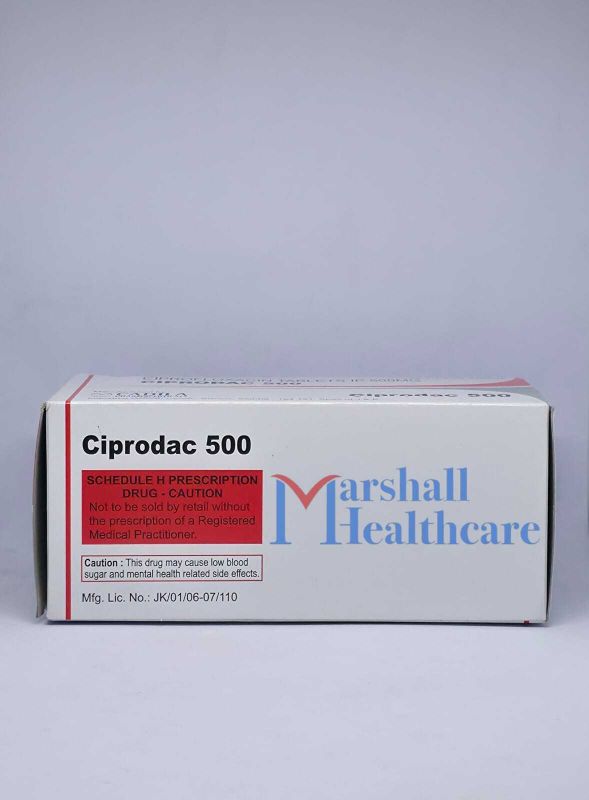
Ciprofloxacin is an antibiotic that belongs to a class of drugs called fluoroquinolones. It is used to treat a wide variety of bacterial infections in different parts of the body. It works by killing the bacteria or preventing their growth. It is important to note that ciprofloxacin is not effective against viral infections like the common cold or flu.
UsesCiprofloxacin is a broad-spectrum antibiotic, meaning it can treat many different types of bacterial infections. Some of the conditions it is used for include:
Urinary tract infections (UTIs)
Respiratory tract infections, such as pneumonia
Skin, bone, and joint infections
Certain sexually transmitted infections (STIs), such as gonorrhea
Infectious diarrhea
Typhoid fever
Anthrax and plague (for treatment and prevention)
In some cases, ciprofloxacin is only used when other antibiotics are not suitable due to the risk of serious side effects.
DosageThe dosage and length of treatment with ciprofloxacin vary depending on the type and severity of the infection, as well as the patient's age and other health conditions. Ciprofloxacin tablets are available in various strengths, including 250 mg, 500 mg, and 750 mg.
For most infections, the typical adult dose is 250 mg to 750 mg, taken twice a day, every 12 hours.
For some infections, a single dose may be sufficient.
For serious or complicated infections, the dose might be higher, and treatment can last for several weeks or even months.
It is crucial to follow the dosage instructions provided by your doctor or on the prescription label. Do not take more or less of the medication than prescribed, and do not stop taking it even if you start to feel better. Stopping early can lead to the infection not being fully treated and the bacteria becoming resistant to the antibiotic.
Side EffectsCommon side effects of ciprofloxacin include:
Nausea
Diarrhea
Headache
Dizziness
More serious, but less common, side effects can occur. You should contact your doctor immediately if you experience any of the following:
Tendon problems: Ciprofloxacin has a boxed warning from the FDA about the risk of tendinitis and tendon rupture, particularly in the Achilles tendon. This can happen during treatment or even months after you stop taking the medication.
Nerve damage (Peripheral Neuropathy): Symptoms can include burning, tingling, or numbness in the arms or legs. This can be permanent in rare cases.
Central Nervous System (CNS) effects: These can include confusion, anxiety, depression, hallucinations, seizures, and trouble sleeping.
Heart-related issues: This includes an irregular heartbeat or a sudden racing heartbeat.
Severe allergic reactions: Symptoms can include swelling of the face, lips, tongue, or throat; hives; or difficulty breathing.
Worsening of Myasthenia Gravis: Ciprofloxacin can worsen muscle weakness in people with this condition.
Before taking ciprofloxacin, inform your doctor about your medical history, especially if you have:
A history of allergic reactions to ciprofloxacin or other fluoroquinolone antibiotics.
Problems with tendons.
Epilepsy or other conditions that put you at risk of seizures.
Kidney or liver disease.
Diabetes.
A history of heart problems, including an irregular heartbeat.
Myasthenia gravis.
You should also tell your doctor about all other medications, vitamins, and herbal supplements you are taking, as ciprofloxacin can interact with other drugs. Avoid taking ciprofloxacin tablets with dairy products like milk, cheese, and yogurt, or with products that have added calcium, as they can interfere with the body's absorption of the antibiotic.
Additional Information:
Payment Terms : L/C, D/A, D/P, T/T, Western Union,
Packaging Details : 10*3*10 tablets in a box
Delivery Time : 7 DAYS

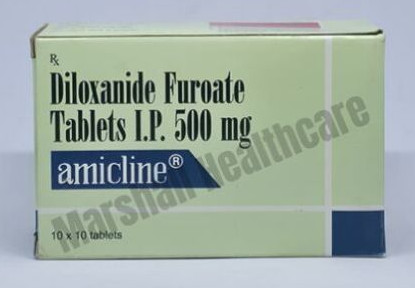
Diloxanide Furoate is an antiprotozoal drug, specifically a luminal amebicide, used to treat infections caused by the parasite Entamoeba histolytica, which is the cause of amebiasis.
Key Characteristics:Prodrug: Diloxanide furoate is a prodrug, meaning it is an inactive compound that is converted into the active drug, diloxanide, within the body. This hydrolysis occurs in the gastrointestinal tract, allowing the active drug to work directly in the intestinal lumen where the parasites reside.
Mechanism of Action: The exact mechanism is not fully understood, but it is believed that diloxanide inhibits protein synthesis in the trophozoites (the active, feeding form) of E. histolytica, which prevents them from growing, reproducing, and forming cysts.
Primary Use: Its main use is in the treatment of asymptomatic intestinal amebiasis (in people who are passing cysts but have no symptoms). It is considered a second-line treatment, with paromomycin often being the first choice. For symptomatic or invasive forms of amebiasis, it is often used in combination with other agents like metronidazole or tinidazole.
Administration: It is typically taken orally in tablet form, often with meals to minimize gastrointestinal irritation.
Diloxanide furoate is generally well-tolerated with a low incidence of adverse effects. Common side effects are usually mild and may include:
Gastrointestinal discomfort, such as nausea, vomiting, abdominal pain, and diarrhea.
Flatulence.
Headache.
Skin rash or itching (urticaria).
Dizziness.
Diloxanide furoate is not widely available in some countries, such as the United States and Canada, but it can be obtained from specific health agencies like the Centers for Disease Control and Prevention (CDC) for certain cases.
It is generally not recommended for use in children under two years of age or in breastfeeding women. While there is no clear risk of harm during pregnancy, it is typically avoided during the first trimester if possible.
Patients with pre-existing liver or kidney conditions should use this medication with caution and may require dosage adjustments.
Additional Information:
Payment Terms : L/C, D/A, D/P, T/T, Western Union,
Packaging Details : 10*10 tablets in a box
Delivery Time : 7 DAYS
 Mr. Tarun Kumawat (Marshall Healthcare)
 12 Suvarna Residency Behind Sanidhya Flora TP 76/b, Chandkheda, Ahmedabad, Gujarat - 382424
 https://www.marshallhealthcares.com
 Share us via