 GST : 24CJWPK9058H1ZI
 5.0/5
5.0/5
Our Products
We offer a complete product range of Hypromellose Eye Drops, Anastrazole Tablets, Viraday Tablets, Danazol Capsule and Tretinoin Cream
Hypromellose Ophthalmic Solution USPbyMarshall Healthcareis a high-quality lubricating eye drop formulated to provide long-lasting relief from dry, irritated, and burning eyes. Widely used as an artificial tear substitute, this sterile ophthalmic solution helps restore moisture, protect the ocular surface, and improve eye comfort caused by environmental stress, screen exposure, or post-surgical dryness. Manufactured under strict quality standards, it is ideal for hospitals, pharmacies, and global pharmaceutical distributors seeking reliabledry eye care products.
Hypromellose Ophthalmic Solution USP
Hypromellose Eye Drops supplier
Artificial tears hypromellose drops
Dry eye lubricant eye drops
Hypromellose ophthalmic solution manufacturer
Hypromellose eye drops exporter India
Ophthalmic lubricant drops bulk supply
Sterile hypromellose eye solution
Dry eye relief eye drops pharma
Hypromellose USP eye drops wholesale
Artificial tear solution manufacturer
Eye lubricant drops third party manufacturing
Hypromellose Ophthalmic Solution USP
Hypromellose Eye Drops
Hypromellose Lubricating Eye Drops
Artificial Tears Eye Drops
Dry Eye Relief Eye Drops
Eye Lubricant Drops USP
Hypromellose Ophthalmic Drops Manufacturer
Hypromellose Eye Drops Supplier India
Hypromellose Eye Drops Exporter
Sterile Hypromellose Eye Solution
Ophthalmic Lubricant Drops Wholesale
Artificial Tear Solution Supplier
Dry Eye Treatment Drops
Hypromellose Ophthalmic Solution Bulk
Eye Drops Third Party Manufacturing
Private Label Hypromellose Eye Drops
Pharmaceutical Eye Drops Manufacturer
Hypromellose USP Eye Drops Export
Hypromellose Ophthalmic Solution USP Eye Drops Dry Eye Lubricant
Hypromellose Eye Drops USP Artificial Tears Manufacturer & Exporter
Hypromellose Lubricating Eye Drops Dry Eye Relief Solution
Artificial Tear Hypromellose Ophthalmic Drops Bulk Supply
Hypromellose USP Eye Drops Pharma Grade Ophthalmic Lubricant
Dry Eye Relief Hypromellose Solution Third Party Manufacturing
Sterile Hypromellose Eye Drops Wholesale Supplier India
Hypromellose Ophthalmic Lubricant Drops Export Quality
Composition: Hypromellose Ophthalmic Solution USP
Category: Ophthalmic / Eye Care Drops
Use: Dry eye relief & ocular lubrication
Function: Artificial tear substitute
Form: Sterile eye drop solution
Grade: USP compliant
Packaging: Custom & bulk pack available
Export-ready pharmaceutical product
Third party manufacturing available
Private label eye drops supplier
Bulk quantity supply worldwide
Suitable for pharmacies & hospitals
GMP compliant manufacturing
Global B2B distributor support
Additional Information:
Payment Terms : L/C, D/A, D/P, T/T, Western Union,
Packaging Details : 10ml dropper bottle in a box
Delivery Time : 7 DAYS
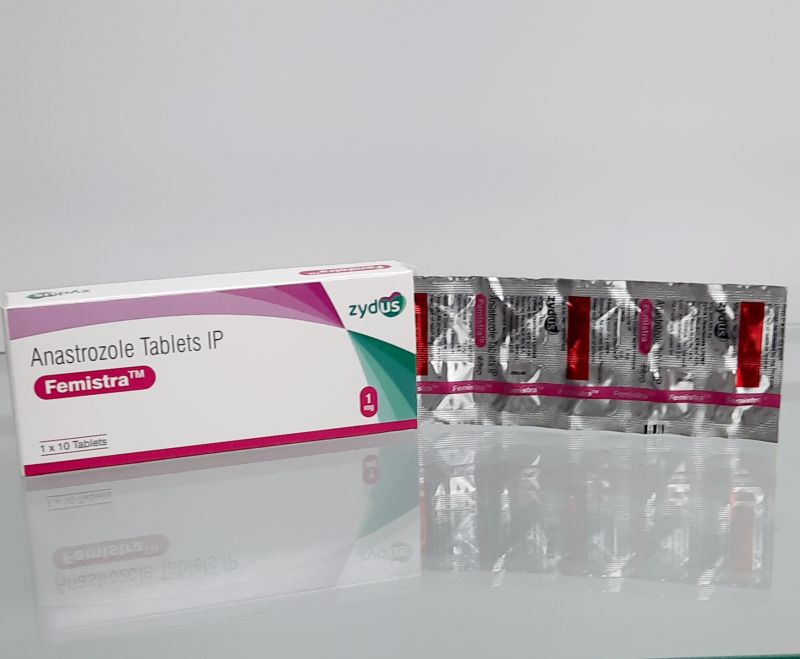

Anastrozole is a type of hormone therapy medication used primarily in the treatment of breast cancer in postmenopausal women. It is a non-steroidal aromatase inhibitor, and its brand name is Arimidex®.
Mechanism of Action
To understand how anastrozole works, it's helpful to know about the hormone estrogen. Estrogen can act as a fuel for the growth of certain types of breast cancer, known as hormone receptor-positive breast cancer.
In postmenopausal women, the ovaries have stopped producing estrogen. Instead, the body's main source of estrogen is the conversion of androgens (male hormones) into estrogen. This conversion process is catalyzed by an enzyme called aromatase, which is found in various body tissues, including fat, muscle, and the liver.
Anastrozole works by blocking this aromatase enzyme. By inhibiting aromatase, the drug significantly reduces the amount of estrogen in the body, which in turn helps to slow or stop the growth of breast cancer cells that depend on estrogen to thrive.
Uses
Anastrozole is approved for the following uses:
Adjuvant treatment of early-stage breast cancer: It is used in postmenopausal women with hormone receptor-positive breast cancer that has already been treated with surgery or other therapies.
First-line treatment of advanced or metastatic breast cancer: It is used in postmenopausal women with advanced breast cancer that is hormone receptor-positive or of unknown status.
Treatment of advanced breast cancer: It is also used to treat advanced breast cancer that has progressed despite treatment with tamoxifen, another type of hormone therapy.
Side Effects
As with many medications, anastrozole can cause side effects. Because it works by reducing estrogen levels, many of the side effects are similar to the symptoms of menopause. Common side effects may include:
Hot flashes and night sweats
Joint, muscle, or bone pain
Headache
Nausea and vomiting
Fatigue or weakness
Mood changes, including depression and anxiety
Hair thinning
Vaginal dryness or bleeding
More serious, but less common, side effects can occur, and patients should report them to their doctor immediately. These can include:
Osteoporosis: Anastrozole can decrease bone density, increasing the risk of fractures. Doctors often monitor bone density and may prescribe calcium and vitamin D supplements or other medications to protect bones.
High cholesterol: The drug may cause an increase in cholesterol levels, which can raise the risk of heart disease.
Liver problems: In some cases, it can cause liver inflammation.
Important Considerations
Anastrozole is a prescription-only medication and should only be taken under the supervision of a healthcare professional.
It is generally taken as a single tablet once a day, with or without food.
It is not recommended for premenopausal women unless used in combination with other treatments that suppress ovarian function.
Patients who are pregnant or trying to become pregnant should not take anastrozole, as it can cause harm to a developing fetus. Effective contraception should be used during treatment and for a period after the last dose.
Additional Information:
Payment Terms : L/C, D/A, D/P, T/T, Western Union,
Packaging Details : 1*10 tablets in a box
Delivery Time : 7 DAYS
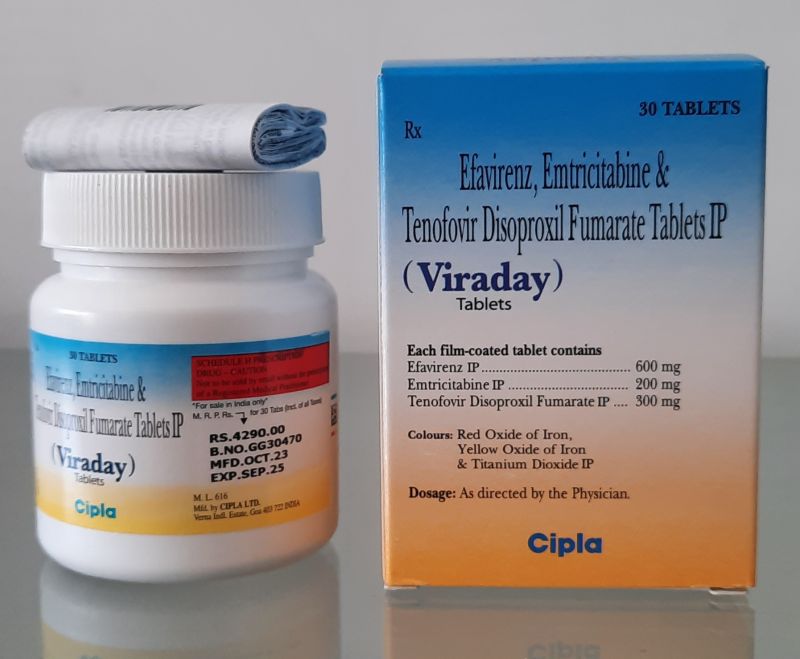

Viraday is a fixed-dose combination of three antiviral medicines used for the treatment of Human Immunodeficiency Virus (HIV) infection. It is an antiretroviral medication that helps to manage the disease and improve the quality of life for individuals with HIV.
Active Ingredients
Viraday tablets contain a combination of three active ingredients:
Efavirenz (600 mg): A non-nucleoside reverse transcriptase inhibitor (NNRTI).
Emtricitabine (200 mg): A nucleoside reverse transcriptase inhibitor (NRTI).
Tenofovir Disoproxil Fumarate (300 mg): A nucleotide reverse transcriptase inhibitor (NtRTI).
These medications work together to inhibit the reverse transcriptase enzyme, which is essential for HIV to multiply in the body. By preventing viral replication, Viraday helps to decrease the viral load and strengthen the immune system, thereby reducing the risk of HIV-related complications.
Key Uses
Treatment of HIV-1 infection: Viraday is a primary medication in a regimen known as Antiretroviral Therapy (ART).
It is not a cure for HIV or AIDS but is highly effective in controlling the virus.
Dosage and Administration
The typical dose for adults and children weighing at least 40 kg is one tablet once a day.
It is usually recommended to take Viraday on an empty stomach, preferably at bedtime, to help reduce potential side effects like dizziness and drowsiness.
It is crucial to follow the prescribed dosage and not skip doses to prevent the virus from developing resistance to the medication.
Common Side Effects
While Viraday can be highly effective, it may cause side effects, including:
Dizziness, drowsiness, and headache
Gastrointestinal issues like nausea, vomiting, and diarrhea
Rash
Abnormal dreams or trouble sleeping
Fatigue
Warnings and Precautions
Mental Health: Viraday may cause psychiatric side effects such as depression, anxiety, or suicidal thoughts. Individuals with a history of mental health issues should use this medication with caution.
Kidney and Liver Health: This medication can affect kidney and liver function. Your doctor may monitor these functions regularly with blood tests.
Bone Density: Long-term use of Tenofovir can lead to a decrease in bone mineral density.
Pregnancy: Viraday may cause birth defects. Effective contraception should be used during treatment and for a period after stopping the medication.
Drug Interactions: Viraday can interact with other medications, including certain antifungals and anticonvulsants. Always inform your doctor about all the medicines you are taking.
Additional Information:
Payment Terms : L/C, D/A, D/P, T/T, Western Union,
Packaging Details : 30 tablets in a bottle
Delivery Time : 7 DAYS
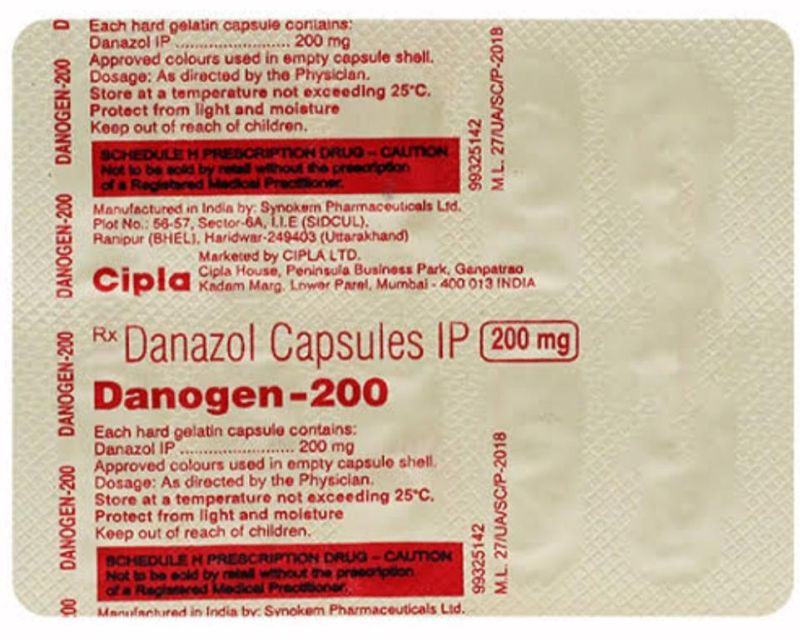
Danazol is a synthetic steroid medication with androgenic (male hormone-like) properties. It is a prescription-only drug often marketed by Cipla Ltd. under brand names such as Danogen. Mechanism of Action Danazol works primarily by suppressing the pituitary-ovarian axis. This means it reduces the output of key hormones like follicle-stimulating hormone (FSH) and luteinizing hormone (LH), which are essential for the production of estrogen and progesterone in the ovaries. By lowering these hormone levels, danazol creates a state of temporary, medically-induced menopause. It also has a weak androgenic effect. Uses Danazol capsules are prescribed to treat several conditions that are responsive to hormonal changes, including: Endometriosis: A painful condition where tissue similar to the lining of the uterus grows outside the uterus. Danazol helps to shrink this tissue and relieve symptoms like pelvic pain, heavy bleeding, and infertility. Fibrocystic Breast Disease: This is a non-cancerous condition that causes painful, tender, and lumpy breasts. Danazol helps to relieve the pain and tenderness and can cause the lumps to shrink. Hereditary Angioedema: A rare genetic condition that causes episodes of severe swelling in various parts of the body, including the face, hands, feet, and airway. Danazol works by increasing the levels of a specific protein that is deficient in people with this condition. Dosage and Administration Danazol is available in different strengths, such as 50 mg, 100 mg, and 200 mg capsules. The dosage and duration of treatment depend on the condition being treated and are determined by a doctor. It is typically taken two to three times a day. Side Effects and Warnings Because danazol has androgenic effects and alters hormone levels, it can cause a number of side effects, some of which may be permanent. Common Side Effects: Androgenic effects (in women): Acne Oily skin or hair Hirsutism (excessive body or facial hair growth) Deepening of the voice (may be irreversible) Decrease in breast size Weight gain Other hormonal effects: Irregular menstrual cycles or a complete absence of periods (amenorrhea), which typically returns to normal a few months after stopping the medication. Hot flashes Vaginal dryness General side effects: Headache Mood swings, irritability, or nervousness Nausea and vomiting Serious Side Effects (requires immediate medical attention): Liver injury: Symptoms may include yellowing of the skin or eyes (jaundice), dark urine, or severe stomach pain. Blood clots: Pain, swelling, or warmth in the leg, sudden shortness of breath, or chest pain. Increased pressure around the brain: Severe headache, blurred vision, or vomiting. Important Precautions Pregnancy: Danazol is highly unsafe to use during pregnancy as it can cause serious birth defects. Women of childbearing age should have a negative pregnancy test before starting treatment and use an effective, non-hormonal birth control method while on the medication. Liver and Kidney Disease: It is not recommended for patients with severe liver or kidney disease. Alcohol: Avoid or limit alcohol consumption during treatment, as it can cause severe side effects like shortness of breath and vomiting. Cholesterol Levels: Danazol can alter cholesterol and lipoprotein levels. Drug Interactions: Danazol can interact with other medications, particularly blood thinners like warfarin. Sources Tools Gemini can make mistakes, so double-check it Use microphone Add files Copy response More Expand menu Storybook Explore Gems Armodafinil: Uses, Dosage, Side Effects Indomethacin: Uses, Risks, Dosage Avanafil & Dapoxetine Tablet Description Avanafil: Dosage, Side Effects, Interactions Understandi
Additional Information:
Payment Terms : L/C, D/A, D/P, T/T, Western Union,
Packaging Details : 1*10 capsule
Delivery Time : 7 DAYS
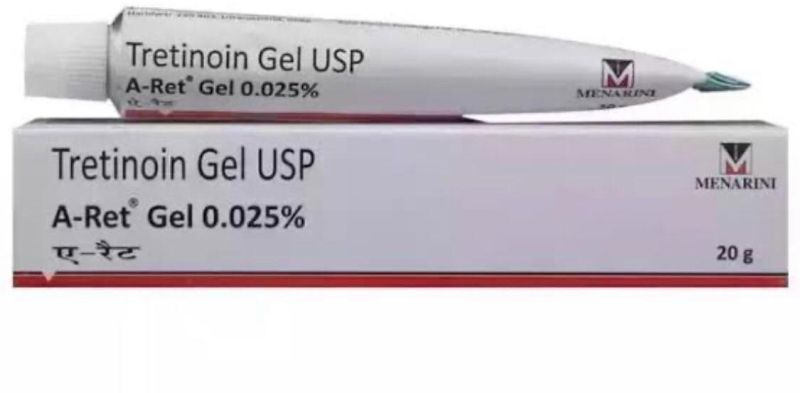
Tretinoin cream is a topical medication that is a derivative of vitamin A, belonging to a class of drugs called retinoids. It is a prescription-only medication and is widely used for its efficacy in dermatology.
Uses
Tretinoin cream is primarily used for the treatment of:
Acne Vulgaris: It is highly effective in treating both inflammatory and non-inflammatory acne. It helps to clear existing blemishes and prevents new ones from forming.
Photoaging and Fine Wrinkles: It is an established treatment for mitigating the effects of sun damage, such as fine wrinkles, dark spots, and rough skin texture. It works as part of a comprehensive skin care program that includes sun protection.
Hyperpigmentation: By promoting cell turnover, it helps to fade dark spots, sunspots, and melasma, leading to a more even skin tone.
How It Works
Tretinoin works by accelerating the skin's natural cell turnover process. It promotes the rapid shedding of old, dead skin cells and stimulates the production of new, healthier cells. This helps to:
Unclog Pores: By normalizing the shedding of skin cells within the hair follicles, it prevents the buildup of dead skin and oil that leads to comedones (blackheads and whiteheads).
Reduce Inflammation: It has anti-inflammatory properties that help to calm the redness and swelling associated with acne.
Boost Collagen Production: Over time, it can stimulate the production of collagen, a protein that gives the skin its structure and firmness, which helps to reduce the appearance of fine lines and wrinkles.
Administration
Tretinoin cream is for external use only. It should be applied to clean, dry skin, typically once a day, at bedtime. A pea-sized amount is usually sufficient to cover the entire face. It is crucial to use the medication exactly as prescribed and not to use more than directed, as this will not speed up the results and may increase irritation.
It is important to avoid applying the cream to sensitive areas, such as around the eyes, lips, and nostrils, or on open wounds, sunburned, or windburned skin.
Side Effects
The most common side effects of tretinoin cream are related to skin irritation, especially during the first few weeks of treatment. These can include:
Redness, dryness, and peeling of the skin
Mild warmth, stinging, or burning sensation
Increased sensitivity to sunlight
As the skin adapts to the medication, these side effects usually subside. It's often recommended to start with a lower strength and gradually increase it as tolerated. Your doctor may also suggest using a moisturizer to help manage dryness and irritation.
Serious side effects are rare, but can include severe blistering, crusting, or swelling of the skin. If these occur, you should contact your doctor immediately.
Additional Information:
Payment Terms : L/C, D/A, D/P, T/T, Western Union,
Packaging Details : 45gm
Delivery Time : 7 DAYS
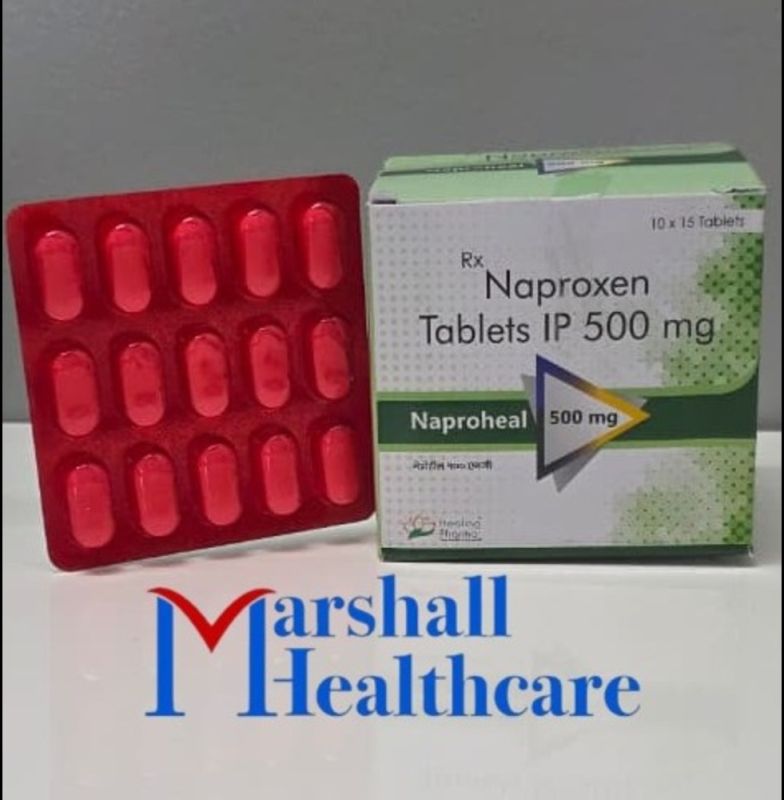
The term "Naproxen Tablet IP 500mg" refers to a medication with the following characteristics:
Active Ingredient:Naproxen
Strength:500 mg (milligrams)
Type/Standard: IP (Indian Pharmacopoeia), which indicates the drug meets the quality standards set by the Indian Pharmacopoeia.
Class: Naproxen is a Nonsteroidal Anti-Inflammatory Drug (NSAID).
Mechanism: It works by blocking the body's production of certain natural substances, primarily prostaglandins, which are responsible for causing pain, fever, and inflammation (swelling, redness, and heat).
Naproxen 500 mg tablets are typically prescribed to relieve pain, stiffness, and inflammation associated with a variety of conditions, including:
Arthritis (such as Osteoarthritis, Rheumatoid Arthritis, and Ankylosing Spondylitis).
Acute Gout attacks.
Acute Musculoskeletal Disorders (like bursitis and tendinitis).
Menstrual Cramps (Dysmenorrhea).
Mild to moderate pain (such as muscle aches, sprains, or strains).
Prescription: The 500 mg strength of Naproxen is generally a prescription-only medication.
Serious Risks: Like all NSAIDs, Naproxen may increase the risk of serious cardiovascular (heart attack, stroke) and gastrointestinal (bleeding, ulcers) issues, especially with prolonged use or high doses.
Common Side Effects: Common side effects can include:
Stomach pain
Nausea, indigestion, or heartburn
Headache
Dizziness or drowsiness
Disclaimer: This information is for general knowledge and informational purposes only, and does not constitute medical advice. You should always consult with a healthcare professional or pharmacist for specific information regarding any medication, including dosage, usage, and potential side effects.
Additional Information:
Payment Terms : L/C, D/A, D/P, T/T, Western Union,
Packaging Details : 10*15 tablets in a box
Delivery Time : 7 DAYS
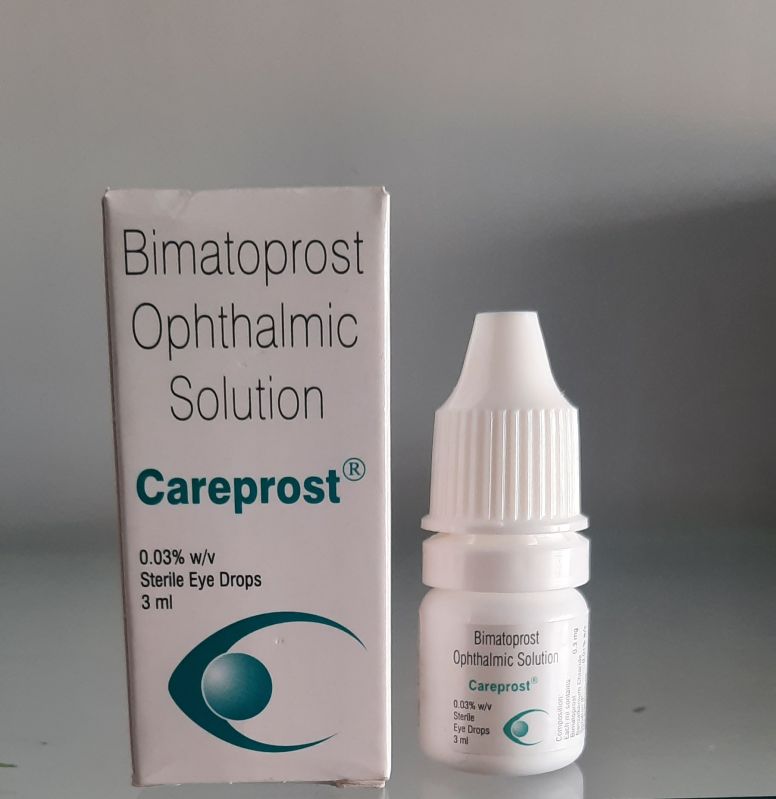
Careprost Eye Drops are a topical ophthalmic solution primarily used to treat eye conditions. The active ingredient is bimatoprost, a synthetic prostaglandin analog.
Key Information:
Active Ingredient: Bimatoprost (typically 0.03% w/v).
Drug Class: Prostaglandin analog. It works by increasing the outflow of a natural fluid in the eye called aqueous humor, which in turn lowers the pressure inside the eye.
Uses:
Glaucoma and Ocular Hypertension: The primary medical use of Careprost is to reduce elevated intraocular pressure (IOP) in patients with open-angle glaucoma or ocular hypertension. Uncontrolled high eye pressure can damage the optic nerve and lead to permanent vision loss.
Eyelash Growth: Careprost has a well-known secondary, or "off-label, " use for enhancing the growth of eyelashes. The bimatoprost in the drops stimulates the hair follicles, resulting in longer, thicker, and darker eyelashes. This is often the reason for its popularity in non-medical contexts.
Dosage and Administration:
For Glaucoma/Ocular Hypertension: The standard dosage is one drop in the affected eye(s) once daily, typically in the evening. It is crucial to follow a doctor's instructions.
For Eyelash Growth: When used for this purpose, the drops are applied to the skin at the base of the upper eyelashes using a sterile applicator, not directly into the eye. It is important to wipe away any excess solution to prevent unwanted hair growth on other areas of the face.
Common Side Effects:
Eye Redness and Irritation: This is a very common side effect.
Eyelash Changes: This is a desired effect for cosmetic use, but it is a side effect for those using it for glaucoma. It includes increased length, thickness, and darkness of eyelashes.
Hyperpigmentation: The medication can cause a darkening of the skin around the eyelids and a permanent increase in the brown pigment of the iris (the colored part of the eye), which can make the eyes look browner.
Itching and Burning: A sensation of itching or burning in the eyes.
Dry Eyes
Blurred Vision (usually temporary after administration).
Warnings and Precautions:
Contact Lenses: Remove contact lenses before applying the drops and wait at least 15 minutes before reinserting them.
Contamination: To prevent bacterial contamination of the solution, avoid touching the dropper tip to any surface, including the eye.
Allergies: Do not use if you have a known allergy to bimatoprost or any other ingredients in the product.
Macular Edema/Uveitis: Use with caution in patients with a history of macular edema or intraocular inflammation (uveitis), as it may worsen these conditions.
Pregnancy and Breastfeeding: Consult a doctor before use, as there is limited data on its safety during pregnancy and breastfeeding.
Off-Label Use: While widely used for eyelash growth, this is an off-label use and should be done with caution, as a doctor's supervision is essential to manage potential side effects and risks.
Additional Information:
Payment Terms : L/C, D/A, D/P, T/T, Western Union,
Packaging Details : 3m plastic bottle
Delivery Time : 7 DAYS
Tacrolimus capsules are a medication primarily used as an immunosuppressive agent. This means they work by lowering your body's immune system response.
Key Description and UsePrimary Use (Main Indication): Prophylaxis (prevention) of organ rejection in patients who have received an allogeneic transplant (from a donor), such as a:
Kidney transplant
Liver transplant
Heart transplant
Lung transplant (often off-label for the immediate-release form)
Mechanism of Action: Tacrolimus belongs to a class of drugs called calcineurin inhibitors. It works by inhibiting T-lymphocyte activation, which are the white blood cells that would typically try to "reject" the new transplanted organ.
Administration: The capsules are taken orally. They are often prescribed in combination with other immunosuppressants (like corticosteroids or mycophenolate mofetil).
Dosage Forms: Tacrolimus is available in different capsule forms:
Immediate-Release (IR) Capsules (e.g., brand name Prograf, generic tacrolimus) - typically taken twice a day, 12 hours apart.
Extended-Release (ER) Capsules (e.g., brand name Astagraf XL, Envarsus XR) - typically taken once a day.
Consistency is Crucial: To maintain a constant level in the blood, tacrolimus must be taken at the same time every day.
Food Interaction: The IR form is often taken on an empty stomach (e.g., one hour before or two hours after a meal), but consistency (always with food or always without) is more important for steady levels.
Monitoring: Since it is a narrow therapeutic index drug (meaning a small difference in dose or blood concentration can lead to side effects or ineffectiveness), frequent blood tests are required to monitor tacrolimus trough concentrations.
Tacrolimus is a powerful medicine. Due to its immunosuppressive effects, patients taking it are at an increased risk of:
Serious Infections (bacterial, viral, fungal, protozoal)
Malignancies (especially skin cancers and lymphoma)
Kidney Problems (nephrotoxicity)
New Onset Diabetes After Transplant (NODAT)
It is critical to follow a healthcare provider's instructions exactly and never stop taking the medication without their supervision.
Would you like more information about a specific aspect of tacrolimus, such as common side effects or drug interactions?
Additional Information:
Payment Terms : L/C, D/A, D/P, T/T, Western Union,
Packaging Details : 3*10 Capsules in a box
Delivery Time : 7 DAYS
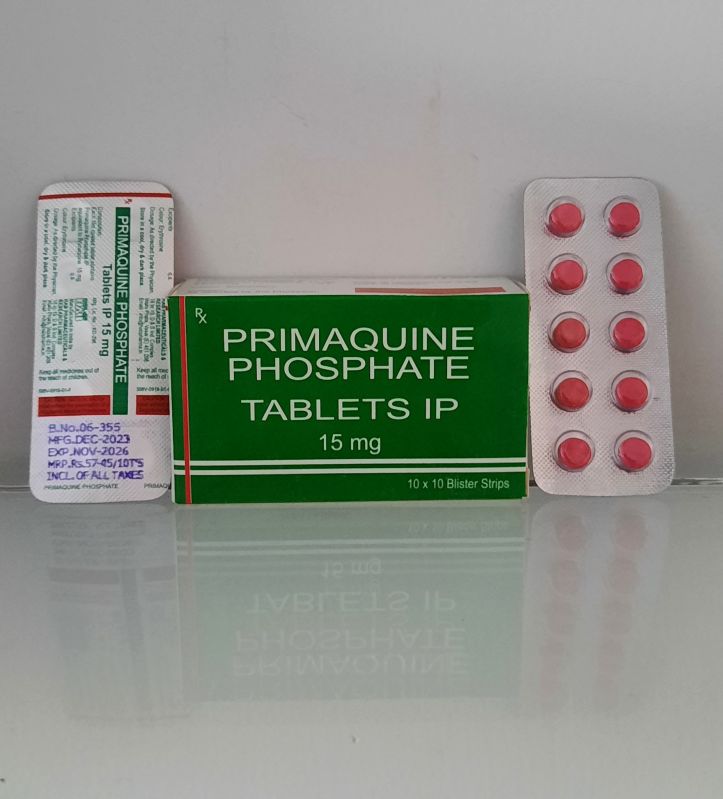

Primaquine is a medication used to treat and prevent certain types of malaria. It is an oral drug that belongs to a class of medicines called antimalarials, specifically an 8-aminoquinoline.
Uses
Primaquine is primarily used for the following purposes:
Radical Cure of P. vivax and P. ovale Malaria: This is its main and most crucial use. It is prescribed to eradicate the dormant liver forms of the malaria parasites (hypnozoites) that are responsible for relapses of P. vivax and P. ovale malaria. Without primaquine, a patient who has recovered from a P. vivax or P. ovale infection can experience a relapse weeks, months, or even years later. It is typically used in conjunction with another antimalarial drug, such as chloroquine, which targets the parasites in the red blood cells.
Preventing Transmission: Primaquine can kill the gametocytes of all Plasmodium species, including P. falciparum. Gametocytes are the sexual forms of the parasite that are responsible for transmitting the infection from a human to a mosquito.
Treatment of Pneumocystis Pneumonia (PCP): Primaquine is sometimes used in combination with clindamycin to treat PCP, a type of pneumonia that can affect individuals with weakened immune systems, such as those with HIV/AIDS.
Mechanism of Action
The exact mechanism of action of primaquine is not fully understood, but it is believed to work by several means, including:
Interfering with the parasite's metabolism: Primaquine may disrupt the function of the parasite's mitochondria, which are essential for its energy production.
Generating reactive oxygen species: The drug may create damaging byproducts that harm the parasite.
Disrupting DNA: It may also bind to and alter the properties of the parasite's DNA.
Administration
Primaquine is taken orally as a tablet. The dosage and duration of treatment can vary depending on the patient's condition and the specific malarial strain. It is typically taken once a day for 14 days for the radical cure of P. vivax or P. ovale malaria. It is often recommended to take it with food to reduce stomach upset.
Side Effects
The most significant side effect of primaquine is hemolytic anemia, which is the destruction of red blood cells. This can be particularly severe in individuals with a genetic condition called Glucose-6-phosphate dehydrogenase (G6PD) deficiency. Due to this risk, a G6PD deficiency test is mandatory before starting primaquine treatment.
Other common side effects include:
Nausea, vomiting, and stomach cramps
Headache
Dizziness
Heartburn
Skin rash and itching
A bluish or grayish discoloration of the lips and skin (methemoglobinemia)
Additional Information:
Payment Terms : L/C, D/A, D/P, T/T, Western Union,
Packaging Details : 10*10 tablets in a box
Delivery Time : 7 DAYS
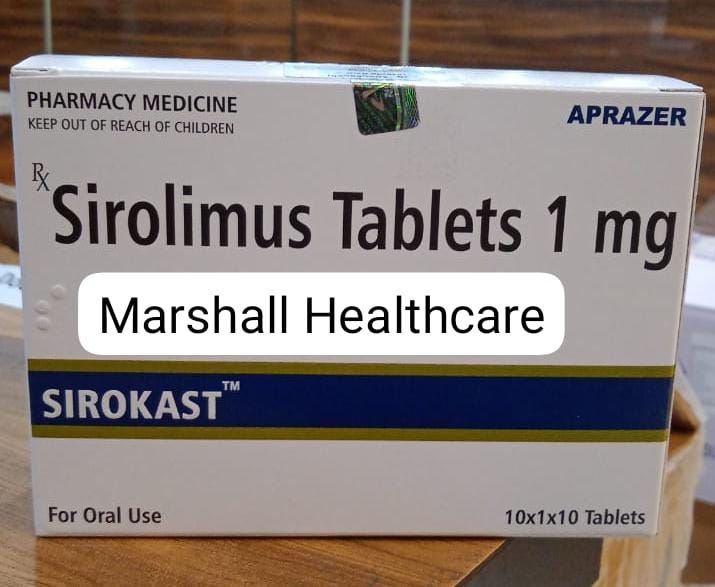
Sirolimus, also known by the brand name Rapamune, is an immunosuppressive medication. It is an oral drug, available in both tablet and oral solution forms, primarily used to prevent the body from rejecting a transplanted organ.
Uses
Sirolimus is mainly used to prevent organ rejection in patients who have received a kidney transplant. It is often used in combination with other immunosuppressants, such as corticosteroids and cyclosporine. The goal is to weaken the body's immune system response so that it does not recognize the new organ as a foreign object and attack it.
Additionally, sirolimus is also used to treat a rare lung disease called lymphangioleiomyomatosis (LAM), which affects women of childbearing age and causes damage to lung tissue.
Mechanism of Action
Sirolimus belongs to a class of drugs known as mTOR (mammalian Target of Rapamycin) inhibitors. Its mechanism of action is distinct from other common immunosuppressants like cyclosporine and tacrolimus. Sirolimus works by:
Binding to a protein called FKBP-12 inside immune cells.
This complex then inhibits mTOR, a key enzyme that regulates cell growth and proliferation.
By blocking mTOR, sirolimus prevents the activation and multiplication of T cells and B cells, which are crucial components of the immune response responsible for organ rejection.
Administration
Sirolimus tablets are taken orally, usually once daily, at the same time each day. It is important to maintain a consistent dosing schedule to ensure stable blood levels of the medication. Doctors will regularly monitor the patient's blood to ensure the sirolimus concentration is within the target therapeutic range. The dose may be adjusted based on the patient's weight, blood levels, and other medications they may be taking.
Side Effects
As an immunosuppressant, sirolimus can have a number of side effects, some of which can be serious. Common side effects include:
High cholesterol and triglycerides: Sirolimus can lead to high levels of lipids (fats) in the blood.
Gastrointestinal issues: Nausea, diarrhea, and stomach pain.
Mouth sores: Stomatitis or mouth inflammation is a common side effect.
Fluid retention: Swelling (edema) in the hands, ankles, or feet.
Increased risk of infection: By suppressing the immune system, the drug makes patients more susceptible to infections from viruses, bacteria, and fungi.
Blood-related issues: Lowered red blood cell count (anemia) and platelet count.
Wound healing problems: The medication can cause wounds to heal slowly.
Kidney problems: Although sirolimus is considered to have lower toxicity to the kidneys compared to some other immunosuppressants, it can still cause kidney dysfunction, especially when used in combination.
Increased risk of certain cancers: Patients taking sirolimus have a higher risk of developing lymphoma and other cancers, particularly skin cancer.
Important warnings:
Sirolimus has not been shown to be safe and effective for liver or lung transplant patients, and its use in these cases has been associated with an increased risk of serious complications and death.
Due to its potential for serious side effects and complex interactions with other drugs, it should only be used under the supervision of a physician experienced in managing organ transplant patients.
Additional Information:
Payment Terms : L/C, D/A, D/P, T/T, Western Union,
Packaging Details : 1*10 tablets in a box
Delivery Time : 7 DAYS

Cytoheal 200mcg Tablet is given alone or in combination with some other medicine to attain the maximum benefit. It should be taken with food or as your doctor's advice. It should be taken orally, by swallow the tablets whole with a drink of water. If you experience vomiting within 30 minutes of tablet intake, inform your doctor or take another tablet. The medicine may take 24 hours to show its action and you experience bleeding.
Common side effects of this medicine include infection following abortion, nausea, vomiting, diarrhea, cramps, uterine contractions or cramping, uterine bleeding, heavy bleeding, and fetal malformations. If these bother you or appear serious, let your doctor know. There may be ways of reducing or preventing them. Usually, vaginal bleeding may last for 12 days, inform your doctor if it lasts for more than 12 days or you notice severe abdominal pain.
Before taking this medicine, tell your doctor if you have ever had an ectopic pregnancy, or you are breastfeeding or using an intrauterine device. Your doctor should also know about all other medicines you are taking as many of these may make this medicine less effective or change the way it works. You must avoid strenuous activity like heavy exercise, running, and driving while abortion as it can affect the bleeding. Your doctor may perform an ultrasound or pelvic examination to check for abortion completion.
Additional Information:
Payment Terms : L/C, D/A, D/P, T/T, Western Union,
Packaging Details : 200 TABLETS IN A BOX.
Delivery Time : 7 DAYS

Additional Information:
Payment Terms : L/C, D/A, D/P, T/T, Western Union,
Packaging Details : 100 TABLETS IN A BOX.
Delivery Time : 7 DAYS
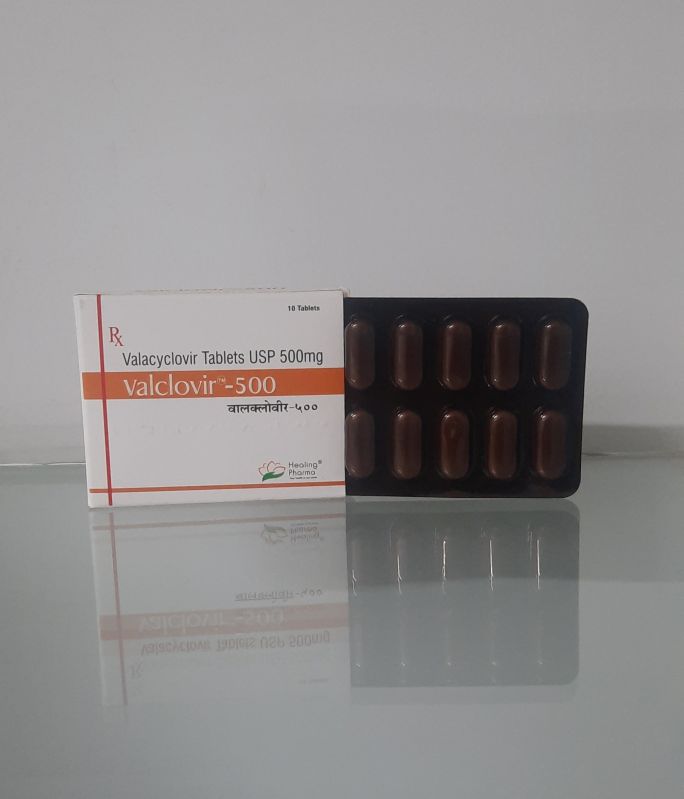

Valacyclovir tablets, commonly known by the brand name Valtrex, are an antiviral medication used to treat infections caused by the herpes virus. It is a prodrug, meaning that once it is absorbed by the body, it is converted into the active antiviral drug, acyclovir.
How It Works
Valacyclovir works by inhibiting viral DNA synthesis. The drug, once converted to acyclovir, competes with natural building blocks of DNA for incorporation into the virus's genetic material. This process effectively halts the replication of the virus, slowing its growth and spread within the body.
Uses
Valacyclovir is prescribed to treat a variety of herpes infections, including:
Herpes Zoster (Shingles): Used to treat the painful rash caused by the varicella-zoster virus.
Genital Herpes: Used for treating initial and recurrent outbreaks and for long-term suppressive therapy to reduce the frequency of future outbreaks. It can also reduce the risk of transmission to a sexual partner.
Herpes Labialis (Cold Sores): Used to treat cold sores on the mouth and face.
Chickenpox: Prescribed to treat chickenpox in children.
It's important to note that while valacyclovir can help manage symptoms, it does not cure the herpes infection. The virus remains dormant in the body between outbreaks.
Dosage
The dosage and duration of treatment vary depending on the specific condition being treated, the patient's age, and their kidney function. It's crucial to follow the doctor's instructions exactly and complete the full course of treatment, even if symptoms improve. Common dosages include:
Shingles: 1 gram three times a day for 7 days.
Genital Herpes (initial outbreak): 1 gram twice a day for 10 days.
Genital Herpes (recurrent outbreak): 500 mg twice a day for 3 days.
Cold Sores: 2 grams twice a day for 1 day, taken 12 hours apart.
Valacyclovir can be taken with or without food.
Side Effects
Common side effects of valacyclovir include:
Headache
Nausea
Stomach pain
Diarrhea
In some cases, more serious side effects can occur, and you should seek immediate medical attention if you experience:
Signs of a severe allergic reaction (hives, difficulty breathing, swelling of the face or throat)
Confusion, hallucinations, or agitation
Signs of kidney injury (decreased urine output, swelling in the hands or feet)
Additional Information:
Payment Terms : L/C, D/A, D/P, T/T, Western Union,
Packaging Details : 1*10 tablets in a box
Delivery Time : 7 DAYS
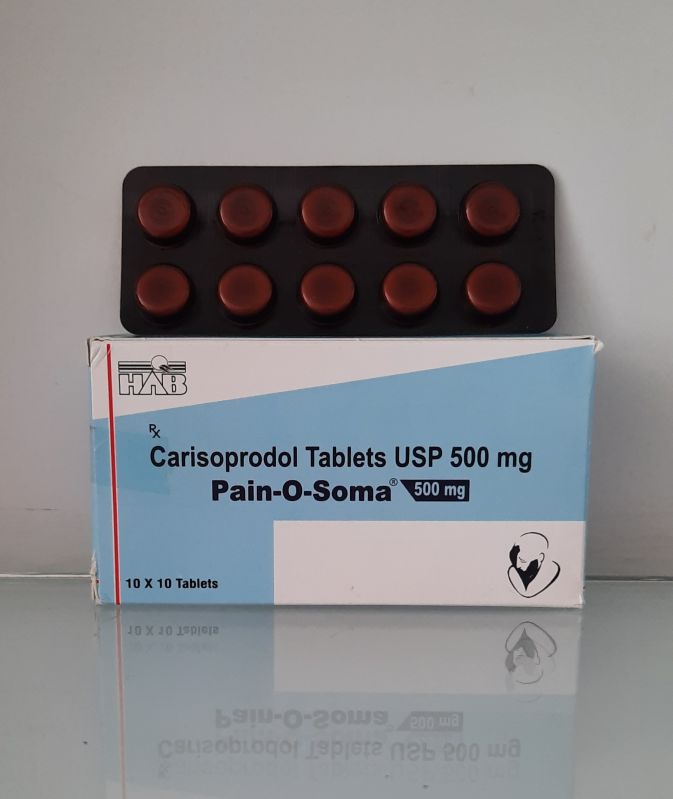
Carisoprodol is a prescription medication used to relieve discomfort associated with acute, painful musculoskeletal conditions like strains and sprains. It is classified as a skeletal muscle relaxant.
Here is a description of Carisoprodol tablets, including common information about their use, side effects, and precautions:
Mechanism of Action
While the exact mechanism is not fully understood, Carisoprodol is a centrally-acting muscle relaxant. It works in the brain and nervous system to indirectly relax muscles. A key aspect of its function is that it is metabolized in the liver into meprobamate, a substance with sedative and anxiolytic properties. Meprobamate is believed to be responsible for both the therapeutic effects and the potential for abuse and dependence associated with Carisoprodol.
Indications
Carisoprodol is used as an adjunct to rest, physical therapy, and other measures to alleviate pain and discomfort from acute muscle injuries. It is generally recommended for short-term use, typically for a period of two to three weeks, as there is limited evidence of its effectiveness for more prolonged use.
Dosage and Administration
The typical adult dosage is 250 mg to 350 mg, taken three times a day and at bedtime. The maximum recommended daily dose is 1, 400 mg. It can be taken with or without food.
Important Warnings and Precautions
Controlled Substance: Carisoprodol is a Schedule IV controlled substance due to its potential for abuse, misuse, and dependence. It should be used with caution, especially in patients with a history of substance abuse.
Sedation: Carisoprodol can cause drowsiness, dizziness, and decreased alertness. Patients should be advised to avoid driving or operating heavy machinery until they know how the medication affects them.
Drug Interactions: The sedative effects of Carisoprodol can be increased when taken with other central nervous system (CNS) depressants, including:
Alcohol
Benzodiazepines (e.g., alprazolam)
Opioids (e.g., oxycodone)
Tricyclic antidepressants (e.g., amitriptyline)
Sedating antihistamines
Withdrawal: Prolonged use can lead to physical dependence. Abrupt discontinuation may cause withdrawal symptoms such as insomnia, vomiting, tremors, and anxiety.
Medical Conditions: It should be used with caution in patients with liver or kidney disease and is contraindicated in individuals with a genetic enzyme disorder called porphyria.
Side Effects
Common side effects of Carisoprodol include:
Drowsiness
Dizziness
Headache
Upset stomach
Vomiting
Serious side effects, though less common, can include:
Seizures
Difficulty breathing
Allergic reactions (e.g., hives, swelling of the face)
Confusion
Hallucinations
In case of a severe reaction or overdose, immediate medical attention is necessary. Symptoms of overdose can include extreme sedation, coma, and respiratory depression.
Additional Information:
Payment Terms : L/C, D/A, D/P, T/T, Western Union,
Packaging Details : 10*10 tablets in a box
Delivery Time : 7 DAYS
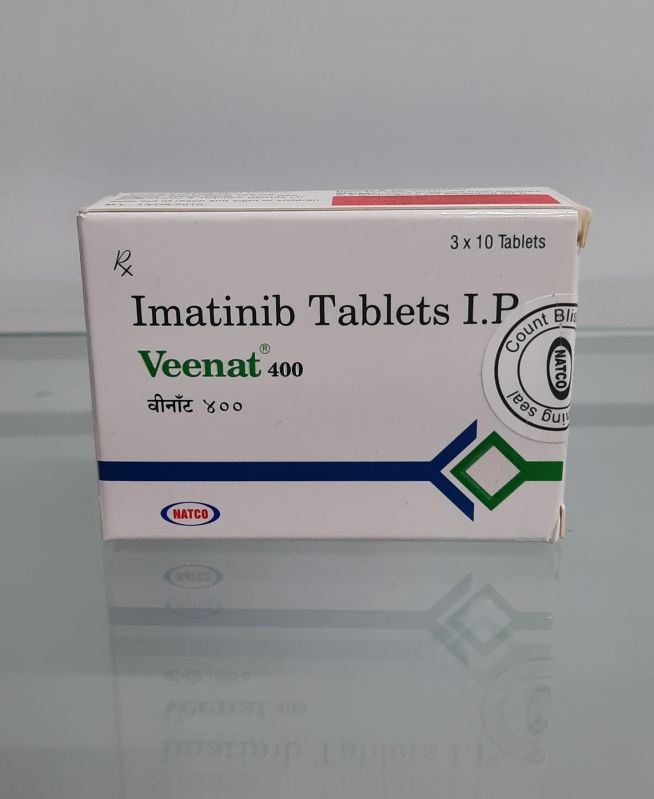

Imatinib is an oral medication that is classified as a tyrosine kinase inhibitor (TKI). It is a targeted therapy used to treat certain types of cancer and other conditions by blocking specific proteins that are essential for the growth and multiplication of cancer cells.
Active Ingredient
The active ingredient is Imatinib mesylate.
Key Uses
Imatinib is used to treat a range of conditions, primarily cancers that are driven by specific protein kinases. These include:
Chronic Myeloid Leukemia (CML): A type of blood cancer. Imatinib is a first-line treatment for Philadelphia chromosome-positive (Ph+) CML.
Gastrointestinal Stromal Tumors (GIST): A rare type of soft tissue sarcoma.
Acute Lymphoblastic Leukemia (ALL): Specifically, Philadelphia chromosome-positive ALL.
Myelodysplastic/Myeloproliferative Diseases (MDS/MPD): A group of blood and bone marrow disorders.
Aggressive Systemic Mastocytosis (ASM): A rare condition caused by an overgrowth of mast cells.
Mechanism of Action
Imatinib works by selectively targeting and inhibiting the activity of an abnormal protein called BCR-ABL tyrosine kinase, which is found in many of the cancer cells it treats. By blocking this protein, Imatinib stops the uncontrolled growth and proliferation of these cells, leading to their death and a reduction in the tumor size or number of abnormal cells.
Dosage and Administration
The dosage of Imatinib is highly specific to the condition being treated and the patient's response. It can range from 100 mg to 800 mg per day.
It is generally taken orally, once or twice daily, as prescribed by a doctor.
Imatinib tablets should be taken with a meal and a large glass of water to minimize gastrointestinal irritation.
For patients who have difficulty swallowing, the tablets can be dispersed in a glass of still water or apple juice.
Common Side Effects
Imatinib is generally well-tolerated, but it can cause side effects. Common side effects include:
Fluid retention and swelling (edema) around the eyes, ankles, or hands.
Nausea, vomiting, and diarrhea.
Muscle cramps and musculoskeletal pain.
Fatigue.
Skin rashes.
Warnings and Precautions
Hematologic Toxicity: Imatinib can cause a decrease in blood cell counts, including red blood cells (anemia), white blood cells (neutropenia), and platelets (thrombocytopenia). Regular blood tests are essential to monitor these counts.
Liver and Kidney Function: It can affect liver and kidney function. Regular monitoring of these organs is necessary.
Fluid Retention: Swelling and fluid retention are common side effects and can be serious. Patients should notify their doctor of any sudden weight gain.
Heart Problems: In rare cases, Imatinib may cause or worsen pre-existing heart problems, including congestive heart failure. Patients with a history of heart issues should be monitored closely.
Drug Interactions: Imatinib can interact with numerous other medications, including certain antibiotics, antifungals, anti-seizure drugs, and blood thinners like warfarin. It is crucial to inform your doctor about all medications, supplements, and herbal products you are taking. Grapefruit and grapefruit juice should be avoided as they can increase the concentration of Imatinib in the blood.
Pregnancy and Breastfeeding: Imatinib can be harmful to a fetus. Women of childbearing potential should use effective contraception during treatment and for a period after stopping the medication. Breastfeeding is not recommended while taking this drug.
Additional Information:
Payment Terms : L/C, D/A, D/P, T/T, Western Union,
Packaging Details : 3*10 tablets in a box
Delivery Time : 7 DAYS
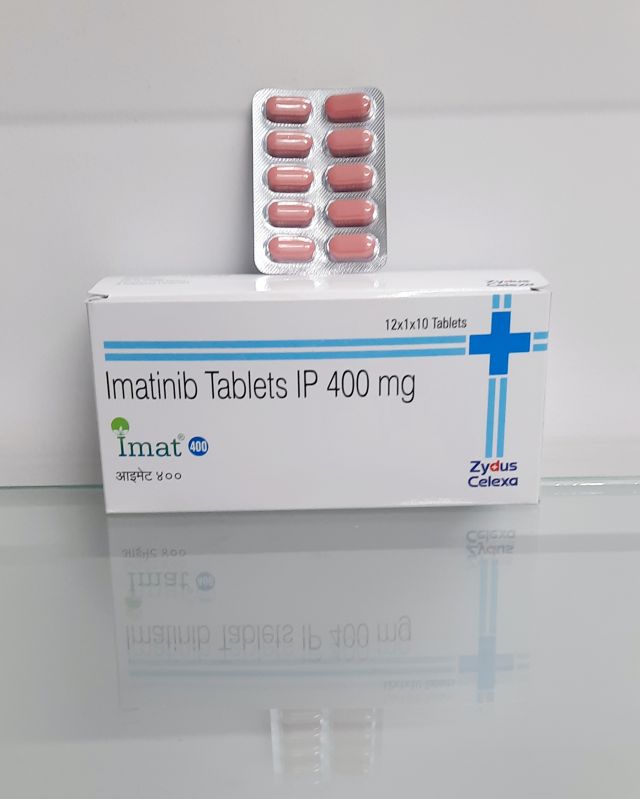

Imatinib 400mg tablets are a type of targeted therapy used to treat various cancers and blood disorders. This medication works by inhibiting specific proteins called tyrosine kinases that are involved in the growth and spread of cancer cells. The 400mg dosage is a common starting point for several of its approved uses.
Approved Uses
Imatinib is a highly effective treatment for several conditions, including:
Chronic Myeloid Leukemia (CML): It is a first-line treatment for adults and children with newly diagnosed Philadelphia chromosome-positive (Ph+) CML, a type of blood cancer. It is also used in later stages of the disease.
Gastrointestinal Stromal Tumors (GIST): A rare type of tumor that affects the walls of the digestive tract. Imatinib is used to treat unresectable or metastatic GIST and as an adjuvant therapy after surgical removal to prevent recurrence.
Philadelphia chromosome-positive Acute Lymphoblastic Leukemia (Ph+ ALL): A type of leukemia that is aggressive but responds well to imatinib in combination with other treatments.
Myelodysplastic/Myeloproliferative Diseases (MDS/MPD): Certain types of these blood disorders that have specific gene rearrangements.
Aggressive Systemic Mastocytosis (ASM): A rare disorder caused by an overgrowth of mast cells in the body.
Hypereosinophilic Syndrome (HES) and Chronic Eosinophilic Leukemia (CEL): Conditions characterized by an overproduction of eosinophils, a type of white blood cell.
Dermatofibrosarcoma Protuberans (DFSP): A rare skin cancer that can be difficult to treat with surgery alone.
How to Take It
Imatinib tablets should be taken orally with a meal and a large glass of water to minimize the risk of stomach irritation.
The 400mg dosage is typically taken once a day. For higher doses (e.g., 800mg), it is usually administered as two 400mg tablets taken twice daily.
The tablets can be dissolved in water or apple juice for patients who have difficulty swallowing them whole.
You should take the medication at the same time each day to maintain a consistent level in your body.
Common Side Effects
While effective, imatinib can cause a range of side effects. Common ones include:
Fluid retention and swelling (edema), especially around the eyes, ankles, or feet.
Nausea, vomiting, and diarrhea.
Muscle cramps and musculoskeletal pain.
Fatigue and headache.
Skin rash.
Low blood cell counts, which can lead to a higher risk of infection (low white blood cells), bleeding or bruising (low platelets), and fatigue (anemia).
Important Safety Information
Your doctor will monitor you closely while on this medication with regular blood tests to check for changes in blood cell counts and liver function.
Imatinib can cause liver and kidney problems, as well as heart-related issues, including congestive heart failure.
If you experience unexpected rapid weight gain, swelling, or shortness of breath, you should contact your doctor immediately as it may be a sign of fluid retention or heart problems.
It is not recommended for use during pregnancy as it can cause harm to a fetus. Both men and women of reproductive age should use effective contraception while taking this medication.
Do not stop taking imatinib or change your dose without consulting your doctor, even if you feel well. Stopping the medication can cause the disease to progress.
Additional Information:
Payment Terms : L/C, D/A, D/P, T/T, Western Union,
Packaging Details : 1*10 tablets in a box
Delivery Time : 7 DAYS
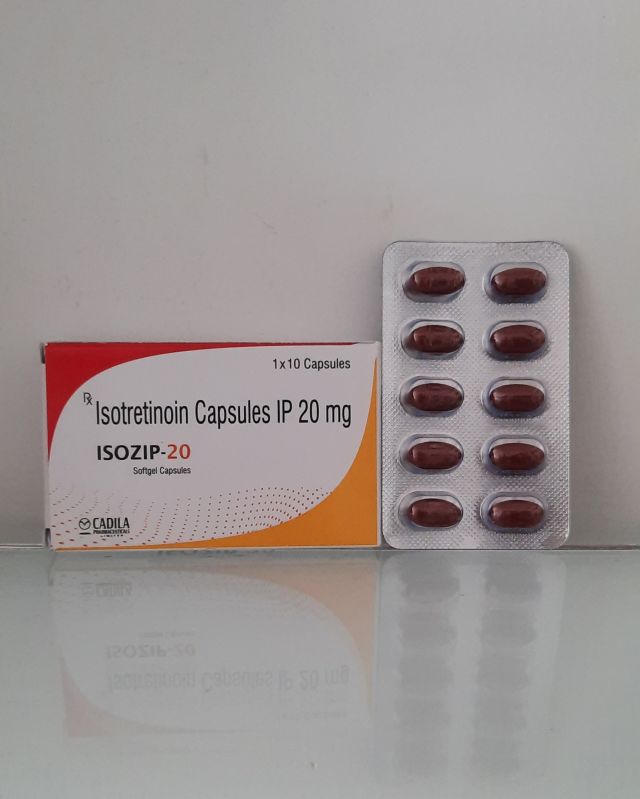

Isotretinoin is a powerful oral medication, classified as a retinoid, which is a derivative of vitamin A. The 20mg strength is one of the common dosages prescribed for its primary use: treating severe, nodular acne. This medication is known for its effectiveness but also for its significant side effects and strict usage requirements.
Uses
Isotretinoin is used to treat:
Severe, Recalcitrant Nodular Acne: This is its main use. It is prescribed for acne that has not responded to other treatments, including oral antibiotics and topical medications.
Acne with a High Risk of Scarring: It can be used for less severe acne that is causing significant psychological distress or has a high likelihood of leading to permanent scarring.
How It Works
The primary mechanism of isotretinoin is to dramatically reduce the size and activity of the skin's sebaceous (oil) glands. By reducing the production of sebum (the natural oil that causes acne), it starves the acne-causing bacteria and prevents the pores from becoming clogged. This also has an anti-inflammatory effect, reducing the redness and swelling associated with acne.
Administration
Isotretinoin 20mg capsules are taken orally, typically once or twice a day, and should always be taken with food to ensure proper absorption. A treatment course usually lasts several months, and the dosage is tailored to the patient's body weight and response to the medication. It's common for acne to worsen initially before it starts to improve.
Side Effects
Isotretinoin has a wide range of potential side effects, with the most common being related to dryness.
Common Side Effects:
Dry Skin, Lips, and Eyes: This is a nearly universal side effect. Patients often need to use lip balm, moisturizers, and eye drops.
Nosebleeds: Due to the dryness of the nasal passages.
Joint and Muscle Pain: Especially in adolescents and those who engage in vigorous physical activity.
Headache
Increased Sun Sensitivity: The skin becomes more prone to sunburn.
Serious, but Less Common, Side Effects:
Severe Birth Defects (Teratogenicity): This is the most significant and well-known risk. Isotretinoin can cause severe and life-threatening birth defects.
Psychiatric Effects: Rare cases of depression, psychosis, and suicidal ideation have been reported.
Increased Liver Enzymes and Blood Lipids: Blood tests are required to monitor for elevated liver enzymes and cholesterol/triglyceride levels.
Inflammatory Bowel Disease (IBD): In some cases, it may be associated with symptoms of IBD.
Severe Skin Reactions: Such as Stevens-Johnson syndrome, though rare.
Decreased Night Vision: This can be a permanent side effect in some cases.
Additional Information:
Payment Terms : L/C, D/A, D/P, T/T, Western Union,
Packaging Details : 1*10 capsules in a box
Delivery Time : 7 DAYS
Tazarotene Cream 0.1% byMarshall Healthcareis a high-quality topical retinoid formulation widely used for the treatment of acne, psoriasis, and photoaged skin. This dermatology cream helps normalize skin cell turnover, reduce inflammation, and improve overall skin texture and tone. Manufactured under strict quality standards, Marshall Healthcare supplies Tazarotene 0.1% cream for global export markets with reliable packaging and consistent potency. Suitable for pharmaceutical distributors, dermatology product importers, and B2B buyers seeking trusted retinoid cream manufacturers and exporters from India.
Additional Information:
Payment Terms : L/C, D/A, D/P, Western Union,
Packaging Details : 20g tube in a box
Delivery Time : 7 DAYS
Accufine 40 mg Softgel CapsulecontainsIsotretinoin 40 mg, a powerful retinoid indicated for the treatment ofsevere nodular acne, cystic acne, and acne resistant to conventional therapy. Manufactured and exported byMarshall Healthcare, Accufine is formulated to deliver high bioavailability, consistent absorption, and reliable therapeutic results.
Isotretinoin works byreducing sebaceous gland activity, controlling excess oil production, preventing acne-causing bacteria growth, and minimizing inflammation. Accufine 40 mg softgel capsules are widely prescribed by dermatologists for patients suffering from chronic and scarring acne conditions.
Marshall Healthcare offersWHO-GMP certified Isotretinoin capsulesforglobal export markets, ensuring strict quality standards, safe packaging, and competitive bulk supply options.
WHO-GMP compliant manufacturing
Stable shelf life and export-grade packaging
Bulk supply for distributors, wholesalers & importers
Private labeling & third-party manufacturing available
Global shipping support
Accufine 40 mg capsuleIsotretinoin 40 mg softgel capsuleIsotretinoin capsulesIsotretinoin for acne treatmentSevere acne medicine isotretinoinIsotretinoin oral capsulesRetinoid acne capsulesIsotretinoin medication 40 mg
Isotretinoin capsules exporterIsotretinoin manufacturer IndiaIsotretinoin bulk supplierIsotretinoin wholesale capsulesIsotretinoin pharma exporterAccufine isotretinoin supplierIsotretinoin private label manufacturerIsotretinoin third party manufacturing
Isotretinoin 40 mg capsule supplierAccufine 40 mg isotretinoin priceIsotretinoin softgel capsule manufacturerIsotretinoin capsules for exportDermatology medicines exporter IndiaAnti acne capsules supplierAcne treatment capsules wholesale
Cystic acne treatment medicineNodular acne oral medicationChronic acne treatment capsulesSebum control acne medicinePrescription acne capsules
Isotretinoin 40 mg capsules exporter from IndiaAccufine 40 mg softgel capsule supplierIsotretinoin capsules bulk orderIsotretinoin acne treatment wholesale priceWHO GMP isotretinoin manufacturer India
Additional Information:
Payment Terms : L/C, D/A, D/P, T/T, Western Union,
Packaging Details : 1*10 capsules in a box
Delivery Time : 7 DAYS
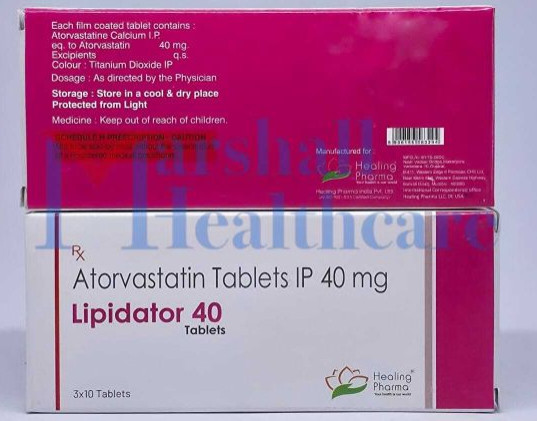
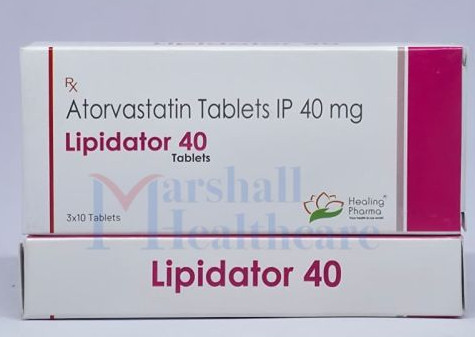
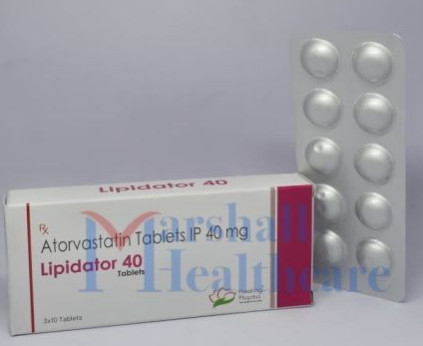
Atorvastatin is a widely prescribed medication belonging to a class of drugs called statins. It is primarily used to lower cholesterol levels in the blood and reduce the risk of cardiovascular diseases.
Active IngredientGeneric Name: Atorvastatin
Chemical Class: HMG-CoA reductase inhibitor, commonly known as a statin.
Mechanism of Action: Atorvastatin works by blocking an enzyme in the liver called HMG-CoA reductase, which is essential for the production of cholesterol. By inhibiting this enzyme, atorvastatin reduces the amount of "bad" cholesterol (LDL) and triglycerides in the blood while also helping to increase the amount of "good" cholesterol (HDL).
Atorvastatin is used, along with a healthy diet and exercise, to:
Lower High Cholesterol: It is used to reduce high levels of total cholesterol, LDL-C, and triglycerides in adults and in children and teenagers (10 to 17 years old) with certain types of inherited cholesterol conditions.
Prevent Cardiovascular Disease: It is prescribed to reduce the risk of a heart attack, stroke, and the need for heart surgery in people who have heart disease or are at high risk of developing it.
Forms: Atorvastatin is available as oral tablets.
Tablet Strengths: Common tablet strengths include 10 mg, 20 mg, 40 mg, and 80 mg.
Typical Dosing: The usual adult dose is 10 mg to 80 mg once a day. The dose is adjusted by a healthcare provider based on the patient's cholesterol levels and treatment goals.
Timing: It is usually taken once a day, at the same time each day. It can be taken with or without food.
Duration: Atorvastatin is often a long-term treatment, and it is important to continue taking it as prescribed even if you feel well.
Lipitor
Atorvaliq
Tonact
Lipvas
Avas
While generally well-tolerated, atorvastatin can cause side effects. Common side effects include:
Headache
Joint pain
Diarrhea
Muscle pain
Nausea
Serious but rare side effects can include:
Muscle Damage: In rare cases, statins can cause a serious condition called rhabdomyolysis, which can lead to severe muscle pain, weakness, and kidney damage. You should contact your doctor immediately if you experience unexplained muscle pain, tenderness, or weakness, especially with a fever or unusual tiredness.
Liver Problems: Liver enzyme levels may increase while on this medication. Your doctor may order blood tests to monitor liver function.
Increased Blood Sugar: In some people, atorvastatin may lead to an increase in blood sugar levels, which could increase the risk of developing type 2 diabetes.
Prescription Only: Atorvastatin is a prescription-only medication and should only be taken under a doctor's supervision.
Contraindications: It should not be used in people with active liver disease or in women who are pregnant or breastfeeding.
Drug Interactions: Atorvastatin can interact with a variety of other medications, including certain antibiotics, antifungals, HIV medicines, and grapefruit juice. It is crucial to inform your doctor and pharmacist about all other medications, vitamins, and supplements you are taking.
Lifestyle Changes: Atorvastatin is most effective when combined with a low-fat, low-cholesterol diet and regular exercise.
Additional Information:
Payment Terms : L/C, D/A, D/P, T/T, Western Union,
Packaging Details : 3*10 tablets in a box
Delivery Time : 7 DAYS
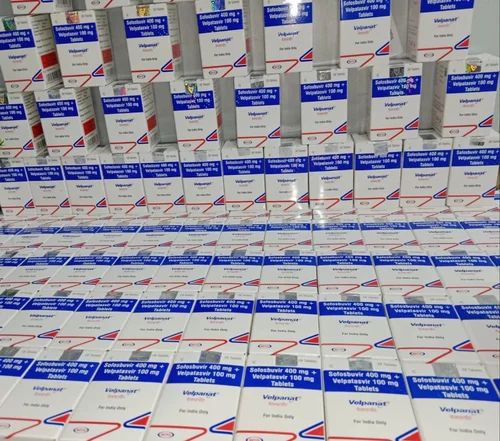

Velpanat is a brand name for a fixed-dose combination of two antiviral medications: Sofosbuvir and Velpatasvir. It is used to treat chronic hepatitis C virus (HCV) infection.
Mechanism of Action
The two active ingredients in Velpanat work together to inhibit the replication of the hepatitis C virus:
Sofosbuvir (400 mg): This is a nucleotide analog polymerase inhibitor. It targets and blocks the NS5B polymerase enzyme, which the hepatitis C virus needs to copy its genetic material (RNA). By inhibiting this enzyme, Sofosbuvir stops the virus from multiplying.
Velpatasvir (100 mg): This is an NS5A inhibitor. It targets and blocks the NS5A protein, which is another crucial component for the virus to assemble new particles and replicate.
The combination of these two drugs offers a highly effective, pan-genotypic (effective against all six main genotypes of HCV) treatment. It has very high cure rates, often over 90%, for a wide range of patients.
Uses
Velpanat is primarily used for the treatment of:
Chronic Hepatitis C Virus (HCV) Infection: It is indicated for adults and adolescents with chronic HCV infection, with or without cirrhosis (scarring of the liver). In some cases, it may be used with another antiviral medication, ribavirin, especially in patients with more advanced liver disease.
The drug works by lowering the viral load (the amount of virus in the blood) and eventually clearing the virus from the body, which helps to prevent long-term liver damage, such as cirrhosis, liver failure, and liver cancer.
Dosage and Administration
Velpanat is taken orally as a tablet, typically once a day.
It can be taken with or without food.
The usual treatment duration is 12 weeks, but a doctor will determine the exact duration and dosage based on the patient's specific condition.
It is crucial to take the medication as prescribed and to complete the entire course of treatment, even if symptoms improve, to ensure the virus is completely eradicated and to prevent the development of drug-resistant strains.
Side Effects
Velpanat is generally well-tolerated, and side effects are often mild. The most common side effects include:
Headache
Fatigue or tiredness
Nausea and vomiting
Diarrhea
Insomnia (difficulty sleeping)
More serious, but less common, side effects can occur. Patients should seek immediate medical attention if they experience:
A life-threateningly slow heart rate (bradycardia), especially if they are also taking amiodarone (a heart medication).
Signs of liver problems, such as yellowing of the skin or eyes (jaundice).
Important Considerations
Prescription-only: Velpanat is a powerful medication and must be used under the close supervision of a healthcare professional, typically a specialist in liver disease or infectious diseases.
Drug Interactions: Velpanat has significant interactions with several other medications, including proton pump inhibitors (PPIs), antacids, and certain heart medications like amiodarone. It is essential to inform the doctor about all other medications, supplements, and herbal products being taken.
Hepatitis B Reactivation: Before starting treatment, all patients should be screened for hepatitis B virus (HBV) infection. In some cases, HCV treatment can lead to a reactivation of a previously inactive HBV infection, which can cause serious liver complications.
Additional Information:
Payment Terms : L/C, D/A, D/P, T/T, Western Union,
Packaging Details : 28 tablets in a bottle
Delivery Time : 7 DAYS
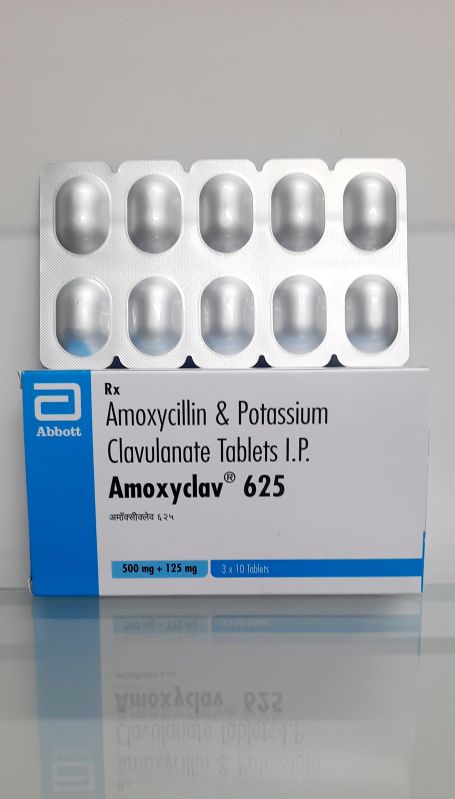

Amoxicillin and Potassium Clavulanate tablets, often referred to by the brand name Augmentin or its generic equivalents, are a combination antibiotic used to treat a wide variety of bacterial infections. The "625 mg" in the name refers to the total strength of the two active ingredients in each tablet.
Active Ingredients and Drug Class
Amoxicillin: This is an antibiotic that belongs to the penicillin class. It works by preventing bacteria from forming the cell walls that are essential for their survival.
Potassium Clavulanate: This is a beta-lactamase inhibitor. It is not an antibiotic itself, but its role is crucial. Many bacteria have developed a defense mechanism where they produce an enzyme called beta-lactamase, which can break down and inactivate amoxicillin, making the antibiotic ineffective. Potassium clavulanate works by binding to this enzyme, protecting the amoxicillin and allowing it to effectively kill the bacteria.
The combination of the two drugs is a powerful way to overcome antibiotic resistance, making it effective against a broader range of bacteria than amoxicillin alone.
Uses
This combination tablet is used to treat a variety of bacterial infections in different parts of the body, including:
Respiratory tract infections: Such as sinusitis, pneumonia, bronchitis, and tonsillitis.
Ear infections (otitis media)
Urinary tract infections (UTIs)
Skin and soft tissue infections: Including cellulitis and animal bites.
Dental infections
Bone and joint infections
Important Note: This medication is only effective against bacterial infections. It will not work for viral infections like the common cold, flu, or COVID-19.
Dosage and Administration
The 625 mg tablets typically contain:
500 mg of amoxicillin
125 mg of clavulanic acid
The dosage and duration of treatment are determined by a doctor based on the patient's age, weight, and the type and severity of the infection. The tablets are usually taken orally with a meal to reduce the chance of stomach upset. It is critical to complete the full course of treatment as prescribed by your doctor, even if your symptoms improve, to ensure all the bacteria are killed and to prevent the development of antibiotic resistance.
Common Side Effects
Common side effects of this medication are often mild and may include:
Diarrhea
Nausea and vomiting
Abdominal pain
Skin rash
Vaginal yeast infection
Additional Information:
Payment Terms : L/C, D/A, D/P, T/T, Western Union,
Packaging Details : 3*10 tablets in a box
Delivery Time : 7 DAYS
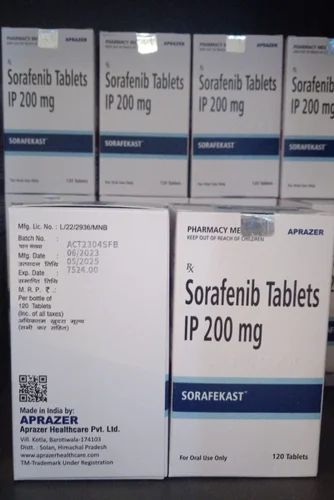

Sorafekast Tablets are a brand name for a medication whose active ingredient is Sorafenib. This is a type of targeted chemotherapy drug.
Mechanism of Action
Sorafenib is a multi-kinase inhibitor. This means it works by blocking the activity of several different enzymes (kinases) that are crucial for the growth and spread of cancer cells. Its key actions include:
Inhibiting Angiogenesis: Sorafenib targets receptors like vascular endothelial growth factor receptors (VEGFRs) and platelet-derived growth factor receptors (PDGFRs). By blocking these receptors, it prevents the formation of new blood vessels that tumors need to grow and get nutrients. This process is known as anti-angiogenesis, and it effectively "starves" the tumor.
Direct Anti-Tumor Action: It also directly inhibits the signaling pathways within the cancer cells themselves, which are responsible for their uncontrolled growth and proliferation.
Uses
Sorafekast is used to treat specific types of advanced cancers, including:
Hepatocellular Carcinoma (Liver Cancer): It is indicated for the treatment of advanced liver cancer that cannot be surgically removed.
Advanced Renal Cell Carcinoma (Kidney Cancer): It is used in patients with advanced kidney cancer.
Differentiated Thyroid Carcinoma: It is used for progressive thyroid cancer that has become resistant to radioactive iodine therapy.
Dosage and Administration
Sorafekast is taken orally, usually in tablet form.
It is generally recommended to be taken on an empty stomach, either one hour before a meal or at least two hours after a meal. Taking it with a high-fat meal can affect its absorption.
The usual dosage is 400 mg twice daily. The specific dose and duration of treatment are determined by a qualified oncologist.
Side Effects
As a potent chemotherapy drug, Sorafekast can cause several side effects. The most common ones include:
Dermatological: Hand-foot skin reaction (redness, pain, swelling, and blistering of the palms and soles), rash, hair loss.
Gastrointestinal: Diarrhea, nausea, vomiting, abdominal pain, loss of appetite.
Cardiovascular: High blood pressure (hypertension). Blood pressure is often monitored regularly during treatment.
Other: Fatigue, weight loss, fever, bleeding problems.
More serious side effects, though less common, can include:
Heart problems, such as a heart attack or heart failure.
Liver problems.
Increased risk of bleeding.
Severe skin reactions like Stevens-Johnson syndrome.
Important Considerations
Prescription-only: Sorafekast is a powerful, high-risk medication that must be prescribed and managed by a qualified oncologist.
Pregnancy and Breastfeeding: The drug can cause harm to a developing fetus and is not recommended during pregnancy or breastfeeding. Both men and women of reproductive potential should use effective contraception during and for a period after treatment.
Drug Interactions: It is crucial to inform the doctor about all other medications, supplements, and herbal products being taken, as Sorafekast can have significant drug interactions.
Additional Information:
Payment Terms : L/C, D/A, D/P, T/T, Western Union,
Packaging Details : 120 tablets in a bottle
Delivery Time : 7 DAYS
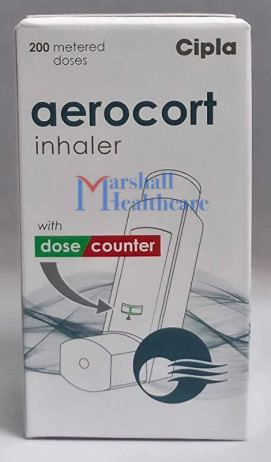
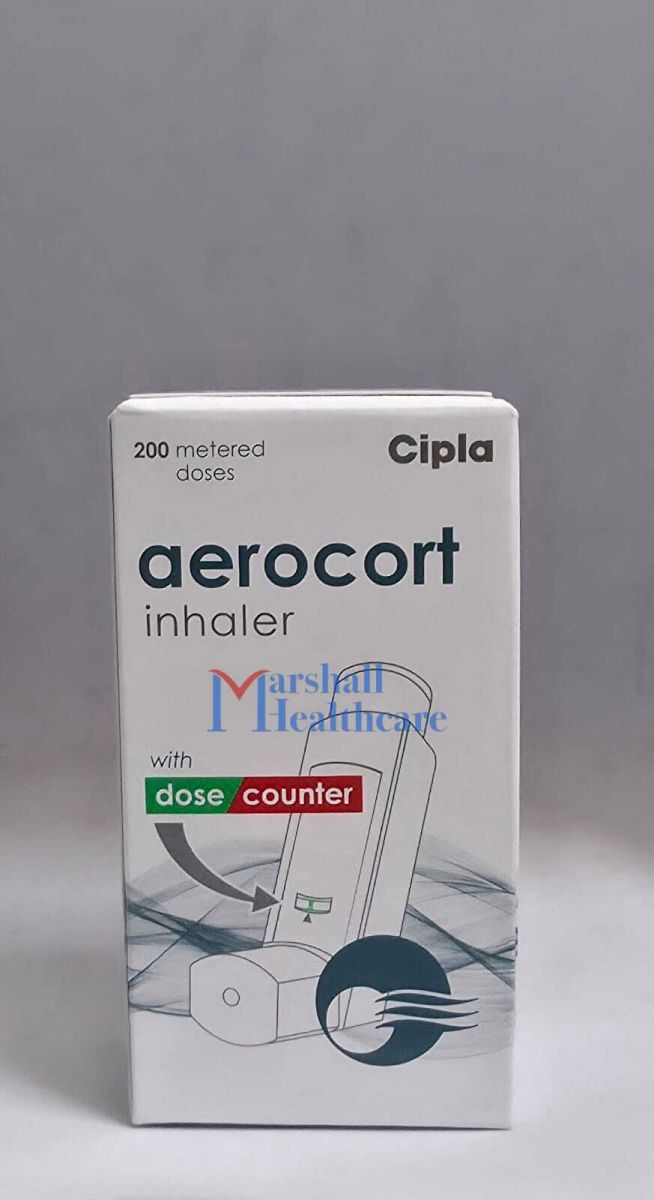
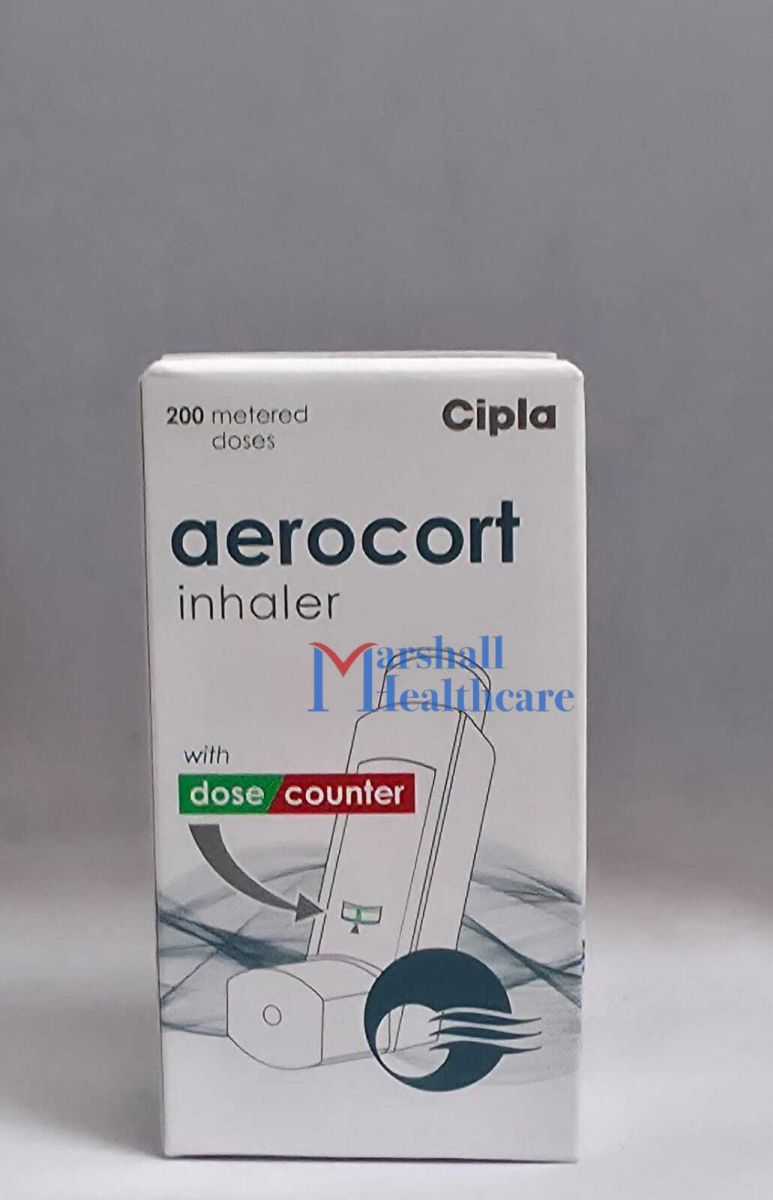
Aerocort Inhaler is a combination medicine primarily used to manage and treat symptoms of asthma and Chronic Obstructive Pulmonary Disease (COPD).
Key Components and How They WorkAerocort Inhaler contains two active ingredients that work together:
| Ingredient | Class of Medicine | Function |
| Beclomethasone | Corticosteroid (Steroid) | Works by reducing inflammation and swelling in the airways, preventing the release of chemicals that cause inflammatory reactions. This is the "controller" part of the medicine. |
| Levosalbutamol | Bronchodilator | Works by relaxing the smooth muscles in the airways, causing them to widen. This makes it easier to breathe and provides quick relief from symptoms like wheezing. This is the "reliever" part. |
Together, they make breathing easier by reducing airway inflammation and widening the air passages.
Common UsesAsthma Management: Helps control and prevent symptoms like wheezing, shortness of breath, coughing, and chest tightness.
COPD Management: Treats similar symptoms associated with Chronic Obstructive Pulmonary Disease.
Important Note: Aerocort Inhaler is typically used for maintenance/daily control and should not be used for sudden, acute asthma attacks. A separate "rescue inhaler" is needed for immediate relief.
Common Side EffectsSome common side effects may include:
Oral thrush (fungal infection in the mouth/throat, often preventable by rinsing your mouth with water and spitting it out after each use).
Hoarseness of voice
Sore throat, irritation
Headache or dizziness
Palpitations (fast heart rate)
Prescription Only: This medication requires a doctor's prescription.
Inhalation Use Only: It is only meant to be inhaled through the mouth; do not swallow the medication.
Do Not Stop Suddenly: Do not stop taking the medicine, even if your symptoms improve, unless your doctor tells you to do so, as this could cause your breathing problems to return or worsen.
Would you like me to look up information on the proper technique for using an inhaler?
Additional Information:
Payment Terms : L/C, D/A, D/P, T/T, Western Union,
Packaging Details : Inhaler in a box.
Delivery Time : 7 DAYS
Tazarotene Gel 0.05%fromMarshall Healthcareis a high-quality topical retinoid formulation widely used in the treatment ofacne vulgarisandplaque psoriasis. It containsTazarotene 0.05% w/w, a third-generation retinoid that helps normalize skin cell growth, reduce inflammation, and improve overall skin texture.
Manufactured underWHO-GMP certified facilities, Marshall Healthcares Tazarotene Gel ensuresconsistent potency, stability, and skin tolerance, making it suitable fordermatology clinics, hospitals, and export markets. The gel base allowsfast absorption, non-greasy application, and enhanced patient compliance.
This product is available forbulk supply, private labeling, and international export, with export-standard packaging and complete regulatory documentation.
Tazarotene Gel 0.05% Marshall Healthcare
Tazarotene Gel manufacturer Marshall Healthcare
Tazarotene Gel exporter Marshall Healthcare
Tazarotene Gel supplier Marshall Healthcare
Tazarotene 0.05% Gel Marshall Healthcare
Buy Tazarotene Gel 0.05% Marshall Healthcare
Tazarotene topical gel Marshall Healthcare
Tazarotene Gel WHO GMP Marshall Healthcare
Tazarotene Gel 0.05% w/w Marshall Healthcare
Tazarotene topical retinoid gel Marshall Healthcare
Anti acne gel Tazarotene Marshall Healthcare
Psoriasis treatment gel Tazarotene Marshall Healthcare
Dermatology gel Tazarotene Marshall Healthcare
Tazarotene Gel exporter from India Marshall Healthcare
Tazarotene Gel bulk supplier Marshall Healthcare
Tazarotene Gel private label Marshall Healthcare
Tazarotene Gel third party manufacturer Marshall Healthcare
Tazarotene Gel contract manufacturing Marshall Healthcare
Tazarotene Gel price Marshall Healthcare
Tazarotene Gel wholesale Marshall Healthcare
Tazarotene Gel bulk order Marshall Healthcare
Tazarotene Gel for pharmacy supply Marshall Healthcare
Tazarotene Gel for hospital use Marshall Healthcare
Tazarotene Gel 0.05% supplier India Marshall Healthcare
Tazarotene Gel pharmaceutical exporter Marshall Healthcare
Tazarotene Gel dermatology medicine Marshall Healthcare
Tazarotene Gel GMP certified manufacturer Marshall Healthcare
WHO GMP Tazarotene Gel 0.05% manufacturer Marshall Healthcare
Tazarotene Gel 0.05% for acne and psoriasis Marshall Healthcare
Export quality Tazarotene Gel Marshall Healthcare
Tazarotene Gel dermatology product Marshall Healthcare
Additional Information:
Payment Terms : L/C, D/A, D/P, T/T, Western Union,
Packaging Details : 20g tube in a box
Delivery Time : 7 DAYS


Mifepristone and Misoprostol Tablets from Marshall Healthcare are manufactured under strict WHO-GMP and ISO quality standards, ensuring safety, efficacy, and consistent performance. This combination therapy is widely used for medical termination of early pregnancy under prescribed medical supervision and in compliance with applicable regulations.
Marshall Healthcares Mifepristone and Misoprostol tablets are formulated with high-quality active pharmaceutical ingredients (APIs) to deliver reliable therapeutic outcomes. Our products are supplied in accurate dosages, secure packaging, and export-compliant labeling, making them suitable for hospitals, clinics, NGOs, and licensed pharmaceutical distributors.
As a trusted pharmaceutical manufacturer and exporter, Marshall Healthcare offers bulk supply, private labeling, and third-party manufacturing solutions for international markets, ensuring regulatory support and consistent product availability.
Mifepristone and Misoprostol tablets manufacturer Marshall Healthcare
Mifepristone Misoprostol tablets supplier India
Mifepristone and Misoprostol tablets exporter
Medical abortion tablets manufacturer
Abortion pills manufacturer India
Mifepristone Misoprostol tablets wholesale
Pharmaceutical abortion tablets supplier
Mifepristone tablets manufacturer
Misoprostol tablets manufacturer
Mifepristone 200 mg tablets supplier
Misoprostol 200 mcg tablets exporter
Combination abortion tablets manufacturer
Medical termination tablets supplier
Buy Mifepristone and Misoprostol tablets in bulk
Mifepristone Misoprostol tablets B2B supplier
Third party manufacturer abortion tablets
Private label Mifepristone Misoprostol tablets
Contract manufacturing abortion pills
Abortion tablets pharma distributor
Mifepristone Misoprostol tablets exporter India
Abortion pills exporter to Africa
Medical abortion tablets supplier Southeast Asia
Abortion tablets exporter LATAM
WHO GMP abortion tablets manufacturer
International supplier of abortion tablets
WHO GMP certified Mifepristone tablets
ISO certified Misoprostol tablets manufacturer
Export quality abortion tablets
Pharmaceutical grade abortion pills
Trusted abortion tablets manufacturer India
Additional Information:
Payment Terms : L/C, D/A, D/P, T/T, Western Union,
Packaging Details : 20*10 tablets in a box.
Delivery Time : 7 DAYS
Marshall Healthcareoffers high-qualityRecombinant Human Epidermal Growth Factor (rhEGF)formulated to support advanced wound healing and tissue regeneration therapies. Recombinant Human EGF is a bioengineered protein that stimulates cell growth, proliferation, and differentiation by binding to the epidermal growth factor receptor (EGFR), accelerating the repair of damaged skin and epithelial tissues.
Our rhEGF product is widely used in the management ofdiabetic foot ulcers, burns, surgical wounds, pressure sores, cosmetic dermatology procedures, and chronic non-healing wounds. Manufactured under stringent quality standards, Marshall Healthcare ensures high purity, stability, and consistent bioactivity for clinical and research applications.
Recombinant Human Epidermal Growth Factor
rhEGF Injection
Human Epidermal Growth Factor for Wound Healing
Epidermal Growth Factor Injection IP
Recombinant EGF Manufacturer India
rhEGF Supplier Ahmedabad
Epidermal Growth Factor for Diabetic Foot Ulcer
Human EGF for Burns Treatment
Wound Healing Growth Factor Injection
Recombinant Human EGF Bulk Supplier
Recombinant Human Epidermal Growth Factor Manufacturer
rhEGF Injection Exporter India
Buy Epidermal Growth Factor Online
Recombinant EGF API Supplier
Epidermal Growth Factor Wholesale Price
Pharmaceutical Grade rhEGF
rhEGF Third Party Manufacturing
Biotech Injection Supplier India
GMP Certified Growth Factor Manufacturer
Marshall Healthcare rhEGF
rhEGF for Chronic Wounds
Epidermal Growth Factor for Pressure Ulcers
rhEGF for Surgical Wounds
EGF for Skin Regeneration
Growth Factor Therapy for Diabetic Ulcers
Topical Recombinant Human EGF
Injectable Growth Factor for Tissue Repair
rhEGF Injection Global Exporter
Epidermal Growth Factor International Supplier
Recombinant Growth Factor Pharma Export
Active Ingredient:Recombinant Human Epidermal Growth Factor (rhEGF)
Therapeutic Category:Growth Factor / Wound Healing Biologic
Mechanism of Action:Stimulates epithelial cell proliferation and tissue regeneration via EGFR activation
Indications:Diabetic foot ulcers, burns, pressure sores, surgical wounds, chronic non-healing ulcers
Dosage Form:Lyophilized injection / Solution for injection (as per requirement)
Grade:Pharmaceutical / Clinical grade
Purity:High purity with validated bioactivity
Packaging:Export-standard sterile vials with protective secondary packaging
Shelf Life:As per batch COA
Supply Capability:Bulk quantities available for global distribution
Additional Information:
Payment Terms : L/C, D/A, D/P, T/T, Western Union,
Packaging Details : 15g tube in a box.
Delivery Time : 5-7 days

Experience powerful digestive support withMarshall Healthcare Rifaximin Tablets 550 mg. This targeted antibiotic delivers fast, effective relief for travelers diarrhea and helps manage complications of liver disease with high-quality formulation you can trust.
Rifaximin Tablets 550 mg
Rifaximin 550 mg Tablet
Rifaximin 550 mg Price
Rifaximin 550 mg Manufacturer
Rifaximin 550 mg Supplier
Rifaximin 550 mg Exporter
Rifaximin 550 mg Bulk Supplier
Buy Rifaximin 550 mg Online
Rifaximin 550 mg Wholesale
Rifaximin for Hepatic Encephalopathy
Rifaximin for IBS-D
Rifaximin for Travelers Diarrhea
Antibiotic for Liver Disease Patients
Gut-Specific Antibiotic Tablets
Rifaximin for Chronic Diarrhea
Rifaximin Tablets IP 550 mg
Rifaximin 550 mg Pharma Manufacturer India
Rifaximin 550 mg Third Party Manufacturing
Rifaximin 550 mg Contract Manufacturer
Rifaximin 550 mg GMP Certified Supplier
Rifaximin Tablets Bulk Exporter India
Marshall Healthcare Rifaximin 550 mg
Best price Rifaximin 550 mg Tablets
Rifaximin 550 mg Tablet supplier in India
Rifaximin 550 mg Tablets for hepatic encephalopathy treatment
Rifaximin 550 mg IBS-D treatment tablets
WHO-GMP Rifaximin 550 mg manufacturer
Additional Information:
Payment Terms : L/C, D/A, D/P, T/T, Western Union,
Packaging Details : 10*10 tablets in a box
Delivery Time : 5-7 days
Brimonidine Tartrate Eye Drops IPbyMarshall Healthcareis a high-quality ophthalmic solution used for the effective management ofelevated intraocular pressure in patients with glaucoma and ocular hypertension.Manufactured under strict quality standards, this sterile eye drop formulation ensures reliable therapeutic performance, safety, and consistent results. Suitable for hospitals, pharmacies, and export distribution, it is available with compliant packaging and bulk supply options from Marshall Healthcare.
Marshall Healthcare pharmaceutical company
Marshall Healthcare India exporter
Marshall Healthcare bulk medicines supplier
Marshall Healthcare generic medicines
Marshall Healthcare ophthalmic products
Marshall Healthcare injections manufacturer
Marshall Healthcare tablets supplier
Marshall Healthcare hormone injections
Marshall Healthcare fertility medicines
Marshall Healthcare neurology drugs exporter
Marshall Healthcare ophthalmic eye drops
Marshall Healthcare GMP certified manufacturer
Marshall Healthcare pharma exporter India
Marshall Healthcare wholesale medicines
Marshall Healthcare hospital supply company
Marshall Healthcare IndiaMART supplier
Brimonidine Tartrate Eye Drops IP
Brimonidine eye drops manufacturer India
anti glaucoma eye drops supplier
ocular hypertension treatment drops
glaucoma eye drops wholesale
Brimonidine ophthalmic solution exporter
Brimonidine tartrate sterile eye drops
eye pressure lowering drops
pharma eye drops manufacturer
Marshall Healthcare eye drops supplier
Brimonidine Tartrate Eye Drops IP used for glaucoma & ocular hypertension management
Sterile ophthalmic formulation with consistent quality standards
Available for bulk supply, hospital & distributor orders
Manufactured in GMP-compliant facilities
Export-ready packaging with documentation support
Reliable anti-glaucoma eye drop supplier from India
Custom labeling & private / third-party manufacturing available
Suitable for pharma wholesalers, importers & institutional buyers
Stable formulation with secure, leak-proof packaging
Competitive bulk pricing for international tenders & B2B trade
Brimonidine Tartrate Eye Drops IP
Brimonidine Tartrate ophthalmic solution
Brimonidine eye drops manufacturer India
anti glaucoma eye drops supplier
glaucoma treatment eye drops wholesale
ocular hypertension eye drops
Brimonidine tartrate sterile eye drops
Brimonidine eye drops exporter
glaucoma eye drops bulk supplier
ophthalmic eye drops manufacturer India
Brimonidine tartrate drops B2B
generic Brimonidine eye drops supplier
eye pressure lowering drops
prescription glaucoma eye drops
pharma eye drops exporter India
private label Brimonidine eye drops
third party Brimonidine manufacturer
bulk ophthalmic drops supplier
anti glaucoma drops distributor
Brimonidine Tartrate IP wholesale
Additional Information:
Payment Terms : L/C, D/A, D/P, T/T, Western Union,
Packaging Details : 5ml drop bottle in a box.
Delivery Time : 7 DAYS
 Mr. Tarun Kumawat (Marshall Healthcare)
 12 Suvarna Residency Behind Sanidhya Flora TP 76/b, Chandkheda, Ahmedabad, Gujarat - 382424
 https://www.marshallhealthcares.com
 Share us via